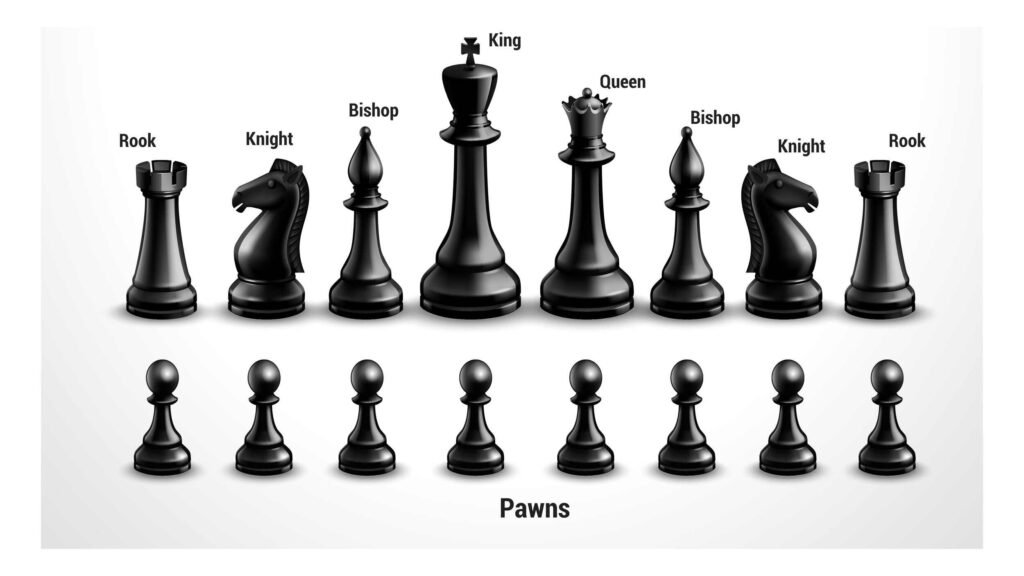
Chess is a game that has captured the hearts and minds of millions around the world for centuries. It’s not just about strategy but also about understanding the tools at your disposal—the chess pieces. Knowing the names of each piece and how they move is crucial to mastering the game. Whether you’re just starting out or looking to sharpen your skills, this article will walk you through everything you need to know about chess pieces and how they function.
Find the right learning experience
Tell us a little about the learner and what you are looking for. Our team will review your answers and help you identify the most suitable next step.
- Takes only a few minutes
- No payment required
- Personalised recommendations
Your information will only be used to respond to your enquiry.
The Chessboard: Your Battlefield
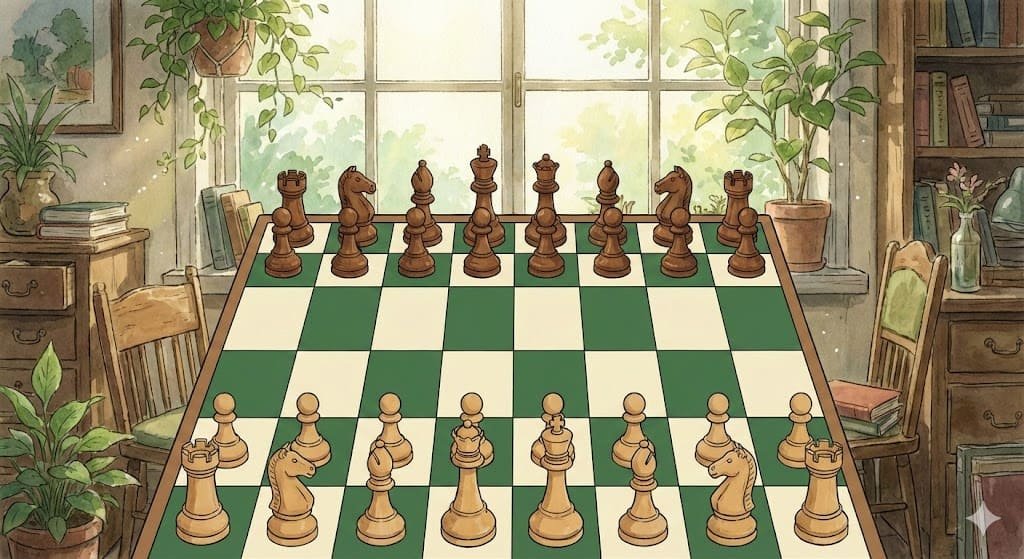
Before we discuss the individual pieces, it’s important to understand the chessboard itself. The board consists of 64 squares, alternating between light and dark colors. These squares are arranged in an 8×8 grid.
This setup will be the battlefield where your pieces will move and engage with your opponent’s army.
In chess, the two armies face each other from opposite sides of the board. One player controls the white pieces, and the other controls the black pieces.
Each side has the same set of pieces, and the goal is to checkmate the opposing king, meaning the king is in a position where it cannot escape capture. But before we talk about winning, let’s go over the key players in this game: the pieces.
The King: The Most Important Piece
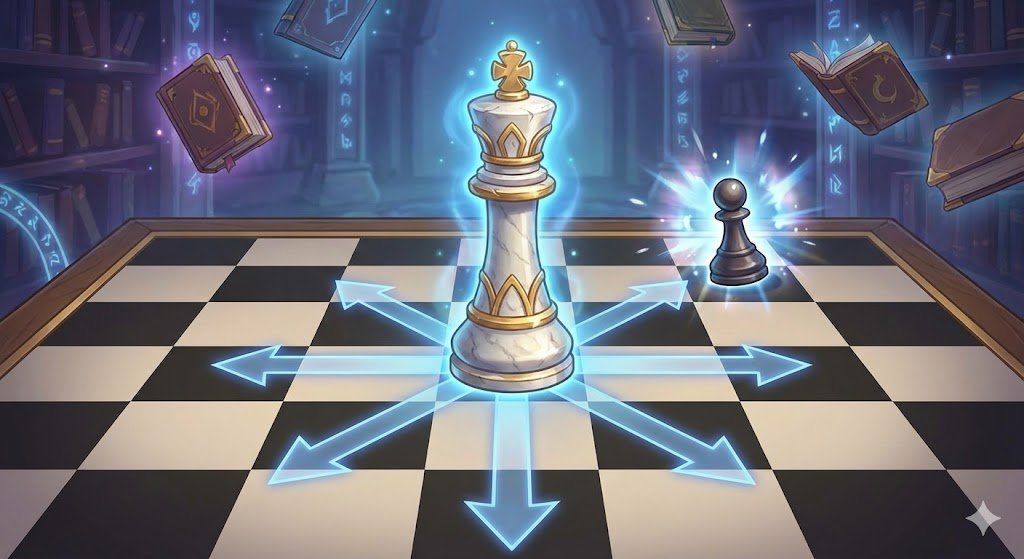
The king is the most crucial piece on the board, but ironically, it’s not the most powerful. In fact, the king is quite limited in terms of movement.
Find the right learning experience
Tell us a little about the learner and what you are looking for. Our team will review your answers and help you identify the most suitable next step.
- Takes only a few minutes
- No payment required
- Personalised recommendations
Your information will only be used to respond to your enquiry.
Still, losing the king means losing the game, so protecting it is your top priority.
How the King Moves
The king can move one square in any direction—forward, backward, sideways, or diagonally. This means the king has eight possible directions it can move to, but only one square at a time.
The king is slow but can be surprisingly agile when it needs to escape an attack.
Castling with the King
There is a special move the king can make called “castling.” It’s a defensive move to help the king find safety. In castling, the king moves two squares toward one of the rooks, and then the rook jumps over the king to the square right next to it.
Castling can only be done if neither the king nor the rook involved has moved before, and if the spaces between them are empty.
Value of a King
The king doesn’t have a value. That’s because it can’t be captured. However, it still is the most important piece as you have to use all other pieces to protect the piece. In some chess schools, the king is taught to have a value of 0.
The Queen: The Most Powerful Piece

While the king is the most important, the queen is the most powerful piece in chess. A good use of the queen can dominate the board and control key spaces.
Knowing how to use the queen effectively can often decide the outcome of a game.
How the Queen Moves
The queen can move in any direction: vertically, horizontally, or diagonally, and it can travel as far as it wants along these lines, as long as no other piece blocks its path. This flexibility makes the queen extremely dangerous in both offense and defense.
However, just because the queen is powerful doesn’t mean you should recklessly push it into battle early. Overexposing your queen too soon could lead to it being trapped or exchanged for a less valuable piece.
Combining Power and Precision
While it may be tempting to rely heavily on the queen, skilled players know how to use it with caution. The queen works best when supported by other pieces, especially in the mid-to-late stages of the game.
If used wisely, the queen can help you control key parts of the board and put your opponent’s king under tremendous pressure.
Value of a Queen
The queen has a value of 9. It is the most valuable piece in the board.
The Rook: Strong on the Straight Lines

The rook may not have the range of the queen, but it is still a very powerful piece, especially in the endgame when there are fewer pieces on the board. In fact, two rooks working together can be incredibly difficult for your opponent to defend against.
How the Rook Moves
The rook moves vertically or horizontally across the board. Like the queen, it can move as many squares as it wants, but only in straight lines, not diagonally.
This movement makes the rook an expert at controlling long stretches of the board. A well-placed rook can lock down an entire row or column, making it tough for your opponent to maneuver.
Castling with the Rook
As we mentioned earlier, castling is a special move where the king and rook work together. It’s one of the few instances in chess where you can move two pieces at the same time.
This maneuver is valuable not only for getting your king to a safer position but also for activating the rook by bringing it closer to the center of the board.
Value of a Rook
The rook has a value of 5.
The Bishop: Master of the Diagonals

The bishop might not cover as much ground as the queen or the rook in terms of direction, but its diagonal movement makes it a key piece for controlling long stretches of the board. Bishops can quickly become lethal when they work in tandem with other pieces.
How the Bishop Moves
The bishop can move diagonally in any direction, and it can travel as far as it wants along the diagonals. However, each bishop is limited to one color of squares throughout the game.
If your bishop starts on a dark square, it will remain on dark squares, and the same goes for light squares.
The Power of a Pair of Bishops
While one bishop alone can be useful, having both bishops on the board gives you the ability to cover both light and dark squares.
Together, they can create powerful attacks, especially if they are placed on open diagonals. In the endgame, a pair of bishops can dominate the board and restrict your opponent’s movements.
Value of a Bishop
The bishop has a value of 3. In some chess schools, it is taught to have a value of 3.5. This is true in open positions as it is more versatile than the knight, which also has a similar value of 3.
The Knight: The Trickiest Mover

The knight is often considered the most unique piece in chess due to its unusual movement pattern. While it might seem tricky at first, mastering the knight can add a lot of tactical depth to your game.
The knight’s ability to “jump” over other pieces makes it a versatile and dangerous tool, especially in crowded positions.
How the Knight Moves
Unlike the other pieces, which move in straight lines or diagonals, the knight moves in an “L” shape. Specifically, it moves two squares in one direction (either horizontally or vertically) and then one square at a right angle to that direction.
Alternatively, it can move one square in one direction and then two squares at a right angle. This movement allows the knight to bypass any pieces that are in its way, meaning it can “jump” over both friendly and enemy pieces.
Value of a Knight
The value of a Knight is 3.
Forking with the Knight
One of the knight’s most effective tactics is called a “fork.” Because the knight moves in such a distinct way, it can often attack two or more of your opponent’s pieces at the same time, creating a fork. If your opponent isn’t careful, they may lose one of their valuable pieces without a good way to defend it.
The knight is especially good at forking the king and queen, a situation that’s very difficult to recover from.
Knights in Closed Positions
Knights are particularly effective in “closed” positions where pawns and other pieces are blocking movement. Since knights can jump over pieces, they aren’t as restricted by crowded positions as other pieces are.
In contrast, pieces like bishops or rooks struggle to find space in such situations, which is where knights can really shine.
The Pawn: Small but Strategic

Pawns might seem like the least important pieces because of their limited movement, but don’t underestimate them. Pawns play a key role in controlling the center of the board and can create pathways for your more powerful pieces.
Plus, pawns have a special ability to promote, which can turn the tide of a game.
Value of a Pawn
The value of a pawn is 1. It is the least valuable piece in chess. However, a key strategic thing that you should know is that the higher the chess board, your pawn is able to climb, the more valuable it becomes.
Find the right learning experience
Tell us a little about the learner and what you are looking for. Our team will review your answers and help you identify the most suitable next step.
- Takes only a few minutes
- No payment required
- Personalised recommendations
Your information will only be used to respond to your enquiry.
In fact, even 2 pawns may be used to protect a pawn that is able to climb to the sixth square of a chess board and there are several instances of players sacrificing their chess pieces to protect their pawns on the 7th square – this is because of pawn promotion, which you will learn, just down below.
How the Pawn Moves
Pawns have a very restricted movement compared to the other pieces. They can only move forward, never backward, and usually only one square at a time. However, on their very first move, each pawn has the option to move forward either one or two squares.
After that first move, they return to moving one square forward at a time.
Capturing with a Pawn
While pawns move forward, they capture diagonally. This means that if an opponent’s piece is one square diagonally in front of a pawn, the pawn can capture that piece and take its place.
This capturing rule is unique to pawns and can sometimes be confusing for beginners.
Pawn Promotion
The most exciting aspect of the pawn is its ability to “promote.” When a pawn reaches the opposite side of the board, it can be promoted to any piece, except a king. Most players choose to promote their pawn to a queen, as it’s the most powerful piece.
This is why keeping your pawns alive and advancing them across the board can be a game-winning strategy.
En Passant: A Special Pawn Rule
There’s a special capturing rule that applies only to pawns called “en passant.” This occurs when a pawn moves two squares forward from its starting position and lands next to an opposing pawn. In this situation, the opposing pawn has the option to capture the first pawn “in passing,” as if it had only moved one square forward.
This is a rare and often overlooked move, but it can catch your opponent by surprise.
Coordinating Your Pieces: The Key to Success
Now that you know how each piece moves, the real challenge begins: learning how to coordinate your pieces together. Chess is not just about individual pieces moving around the board but about creating harmony among all your pieces.
Each one has its strengths and weaknesses, and knowing how to use them together can lead to effective strategies and winning positions.
Controlling the Center
A key principle in chess is controlling the center of the board. The center squares (especially d4, d5, e4, and e5) are the most important because they offer the most freedom of movement for your pieces.
Pawns are usually the first to contest the center, but all your pieces should aim to control or influence these key squares. When your pieces dominate the center, it becomes much easier to launch attacks and restrict your opponent’s options.
Piece Activity and Development
Another important concept is “piece development.” In the opening phase of the game, your goal should be to bring your pieces out from their starting positions and place them on active squares where they can influence the game.
Knights and bishops, for example, should be moved early to control the center, while rooks and queens usually come into the game a bit later.
Good coordination means not leaving any pieces inactive or stuck in the corners of the board. A well-coordinated army is one where each piece supports the others, creating threats and defending key positions.
The Importance of Protecting the King

While the goal of chess is to checkmate the opponent’s king, it’s equally important to keep your own king safe. A common mistake for beginners is to focus too much on attacking and neglecting their own defenses.
The key to success is balance—ensuring that your king is well-protected while you develop your pieces and create attacking opportunities.
Castling is one of the best ways to safeguard your king early in the game. This move gets your king out of the center, where it is most vulnerable, and tucks it behind a wall of pawns.
Once castling is done, your king should be relatively safe, allowing you to focus on your plans for controlling the rest of the board.
Keeping the King Safe in the Endgame
In the endgame, when fewer pieces remain on the board, the king can become more active.
In fact, the king is often a key piece in endgame strategies. With fewer threats to its safety, the king can move toward the center of the board and help your remaining pieces, particularly pawns, to promote.
However, even in the endgame, keeping the king safe is crucial. If your opponent manages to force your king into a bad position, it can quickly lead to defeat.
Use the king wisely, balancing its role in defense and offense.
The Role of Pawns in Building Your Strategy
Pawns are often considered the foot soldiers of chess, but they play an integral role in the overall strategy of the game. Because pawns can only move forward and capture diagonally, they create complex patterns on the board.
These patterns, known as pawn structures, are the foundation of many chess strategies.
Building a Strong Pawn Structure
A solid pawn structure provides a strong defense for your king and opens lines for your more powerful pieces. One of the best ways to establish control over the board is by placing your pawns in the center and supporting them with your other pieces.
Central pawns are valuable because they control important squares and can restrict your opponent’s movement.
It’s also important to avoid creating weaknesses in your pawn structure. For example, a “doubled pawn” occurs when two pawns of the same color end up stacked on the same file.
This can make your pawns harder to defend and leave gaps in your position.
Similarly, “isolated pawns” are pawns with no supporting pawns on adjacent files, making them vulnerable to attack.
Pushing Pawns at the Right Time
While it may be tempting to push pawns early in the game to gain space, it’s important to do so with caution. Pushing pawns too aggressively can leave your king exposed or create weaknesses in your defenses.
The best approach is to push pawns when it helps you control the center or when you are preparing for a specific attack.
In the endgame, pawns become even more valuable. The possibility of pawn promotion means that a single advanced pawn can turn into a game-changing queen.
This makes endgame pawn races exciting and crucial moments of the game.
Using the Rook in the Endgame
The rook’s true strength often shines in the endgame when there are fewer pieces on the board. Rooks are excellent at controlling long, open files and ranks. A well-placed rook can quickly cut off your opponent’s king from important areas of the board or support your own pawns as they advance toward promotion.
Rook Activity and Open Files
One of the most important things to remember about rooks is that they need open files to be most effective. If a rook is stuck behind your own pawns, it won’t be able to exert its full influence on the game.
That’s why it’s important to place your rooks on open or semi-open files—files with no pawns or with only a few pawns that have already moved.
In endgames where you and your opponent each have a rook, controlling the open files becomes a battle. The player who controls more open files will usually have an advantage because they can restrict the other player’s movement and launch attacks more easily.
The Power of a Rook on the Seventh Rank
One of the most powerful placements for a rook is on the seventh rank (the second row of your opponent’s side of the board). A rook on the seventh rank can attack your opponent’s pawns from behind, creating multiple threats and forcing the opponent to stay on the defensive.
In many cases, a rook on the seventh rank can be decisive in the endgame, especially if it works in conjunction with a passed pawn.
Bishop versus Knight: Knowing When to Use Each

One of the key decisions in chess is knowing whether to favor your bishop or knight in certain positions. Both pieces have their strengths, and understanding when each piece is more effective can greatly improve your overall play.
Bishops in Open Positions
Bishops tend to thrive in open positions, where there are fewer pawns and more open diagonals. A bishop can quickly move from one side of the board to the other, influencing both offense and defense.
In endgames with few pawns, bishops can dominate large sections of the board and support the promotion of pawns.
The bishop’s ability to control long diagonals makes it especially powerful when paired with another piece, like a rook or queen. Together, these pieces can create formidable threats that are difficult for your opponent to defend against.
Knights in Closed Positions
Knights, on the other hand, are at their best in closed positions. Since knights can jump over other pieces, they can navigate through the cluttered board more effectively than bishops can. In positions where pawns block many of the key diagonals, a knight’s unique movement can be a deciding factor.

Another important feature of the knight is its ability to land on both light and dark squares, which can give it greater flexibility compared to a bishop, which is confined to squares of one color. Knights are also excellent at creating forks, as we discussed earlier, and can often pick off important pieces by attacking two or more targets at once.
Queen and Rook Cooperation: The Ultimate Offensive Duo

In the middle and endgame, the queen and rook together can form a highly effective offensive force. The queen’s flexibility and range, combined with the rook’s strength on open files, can overwhelm even the best defensive setups.
Doubling Rooks for Maximum Effect
When you have two rooks, placing them on the same file—also known as doubling your rooks—can create immense pressure on your opponent. This setup allows the rooks to support each other and control key lines of attack.
If your opponent has a weak pawn or an undefended piece on that file, the doubled rooks will make it almost impossible to hold onto it.
When the queen and rook work together, they can create checkmate patterns, known as “back-rank” checkmates, where the rooks or queen trap the opponent’s king on the edge of the board.
Checkmate: The Final Goal
The ultimate aim of chess is to checkmate the opponent’s king. Checkmate occurs when the king is in a position to be captured (in “check”) and there is no legal move the player can make to escape. This is the end of the game.
Common Checkmate Patterns
There are many different checkmate patterns that you will encounter as you improve your chess skills. One of the most basic is the “back-rank checkmate,” where the opponent’s king is trapped on the back row by its own pawns and cannot escape the threat from your queen or rook.
Another common pattern is the “smothered mate,” which usually involves a knight delivering checkmate when the opponent’s king is surrounded by its own pieces. This checkmate is rare but is a beautiful example of how even a seemingly minor piece, like the knight, can deliver a devastating blow.
Using Multiple Pieces to Checkmate
Most checkmates are delivered with the help of more than one piece. For example, the queen and rook can team up to trap the king, or a king and pawn can work together to force a checkmate after promotion.
Learning how to coordinate your pieces to set up a checkmate is one of the most rewarding aspects of chess.
When playing chess, always keep your eye on the ultimate goal—putting your opponent’s king in checkmate. Every move, piece exchange, and pawn push should be part of your larger strategy to eventually trap the king.
The Opening Phase: Laying the Foundation
The opening phase of a chess game is all about setting up your pieces for success later in the game. In the opening, both players aim to develop their pieces, control the center of the board, and safeguard their king. While there are many different opening strategies and systems, the underlying principles remain the same.
Develop Your Pieces Early
One of the most important principles in the opening is development—moving your pieces out from their starting positions so they can become active and take part in the game. Knights and bishops should be developed early, as they can help control the center of the board and prepare for future attacks.
A common mistake beginners make is moving the same piece multiple times during the opening or focusing too much on pawns without getting their more powerful pieces into play. Instead, try to bring your knights and bishops out quickly, followed by castling to secure your king.
Control the Center
The center of the board—particularly the d4, d5, e4, and e5 squares—is the most valuable real estate in chess. Controlling these squares gives your pieces greater mobility and restricts your opponent’s options.
Most strong openings, whether for White or Black, focus on central control.
Pawns play a key role in this battle for the center. By advancing your central pawns (usually the d and e pawns), you claim important space that allows your other pieces to become more active.
Meanwhile, your opponent will be trying to do the same, so it’s a constant struggle for control.
Castle Early
Another critical objective in the opening is to protect your king. Castling is the best way to do this because it moves your king to a safer position behind a wall of pawns and brings one of your rooks closer to the center of the board.
Typically, castling happens on the kingside, though queenside castling can also be effective depending on the position.
By castling early, you not only safeguard your king but also begin to activate your rooks, which are often the last pieces to enter the game.
Avoid Weaknesses
In the opening, you should be mindful of not creating weaknesses in your pawn structure or leaving key squares unprotected. For example, advancing too many pawns too quickly can leave gaps in your defense, especially around your king.
Overextending your pawns can also make it difficult to defend them later in the game.
At the same time, avoid moving the same piece multiple times unless necessary. It’s more effective to develop all your pieces in the early stages rather than focusing on just one or two.
The Middlegame: Finding Tactics and Creating Attacks
Once the opening phase transitions into the middlegame, you’ll find more opportunities to attack, defend, and look for tactical ideas. The middlegame is where the majority of the action happens in a chess game, and understanding key tactical patterns and strategic ideas is essential for success.
Understanding Tactics
Tactics are short-term, often forced sequences of moves that can gain a material advantage or checkmate the opponent. There are many common tactical patterns in chess, and recognizing them during a game can lead to opportunities for victory.
Some of the most common tactics include forks, pins, skewers, and discovered attacks.
A fork occurs when one piece, usually a knight or queen, attacks two or more enemy pieces at the same time. The opponent often cannot save both pieces, leading to a material advantage for you.
As mentioned earlier, knights are particularly good at forking because of their unique movement.
A pin happens when one of your pieces attacks an opponent’s piece that cannot move without exposing a more valuable piece behind it. For example, a bishop or rook might pin an enemy knight to the king, preventing the knight from moving.
A skewer is similar to a pin but in reverse. In this case, a more valuable piece is in front and is forced to move, exposing a less valuable piece behind it. For instance, a rook might skewer an opponent’s queen, forcing it to move and leaving a piece like a bishop behind it vulnerable to capture.
A discovered attack occurs when you move one piece out of the way, revealing an attack from a hidden piece behind it. This can create powerful threats, especially if the revealed attack is aimed at the enemy king or queen.
Positional Play
While tactics are important, long-term strategy—often referred to as positional play—is equally critical in the middlegame. Positional play focuses on placing your pieces on strong squares, controlling key areas of the board, and improving your overall position rather than looking for immediate material gains.
In positional play, pieces should work together to control important squares and apply pressure on the opponent. For example, placing your rooks on open or semi-open files (files with no or few pawns) can allow them to dominate key lines, making it harder for your opponent to move freely.
Creating Attacks
During the middlegame, you should always be on the lookout for opportunities to create an attack against your opponent’s king. Often, this requires combining several pieces to target weaknesses in your opponent’s defense.
For example, you might coordinate your queen, rooks, and bishops to target a weak pawn near the enemy king, or open a file with a pawn break to give your rooks access to the opponent’s position.
Attacks are most effective when they are built patiently. Rather than rushing forward with a single piece, aim to bring more forces into the attack and make sure your pieces are well-coordinated. The more pieces you have working together, the more powerful your attack will be.
The Endgame: Converting an Advantage
The endgame is the final phase of a chess game, and it requires a different set of skills from the opening or middlegame. With fewer pieces on the board, the focus shifts to careful calculation, precise maneuvering, and the goal of promoting pawns or delivering checkmate.
Many games are won or lost in the endgame, even after a seemingly even middlegame.
King Activity
One of the key differences in the endgame is the role of the king. In the opening and middlegame, the king is usually tucked away for safety, but in the endgame, the king becomes a powerful piece. With fewer threats on the board, your king can move toward the center and actively participate in controlling squares and helping pawns advance.
A king that is well-placed in the endgame can help block enemy pawns or support your own pawns as they march toward promotion. If your opponent’s king is passive, this gives you a significant advantage.
Pawn Promotion
In the endgame, the ultimate goal often becomes promoting one of your pawns to a queen or another powerful piece. To do this, you’ll need to carefully guide your pawns toward the opposite side of the board, often with the help of your king or other pieces.
Creating a “passed pawn“—a pawn that has no enemy pawns in front of it or on adjacent files—is one of the most important objectives in the endgame. Once a pawn is passed, your focus should be on pushing it to promotion while preventing your opponent from doing the same.
Sometimes, the threat of promoting a pawn can be more powerful than the promotion itself. For example, you can force your opponent into awkward defensive positions by threatening to promote, allowing you to capture other pieces or deliver checkmate.
Understanding Opposition
Opposition is a key concept in many king and pawn endgames. It occurs when two kings are directly facing each other on the same file, rank, or diagonal with only one square between them.
Whoever has the opposition can force the opposing king to move, which can be decisive in pawn races or king-versus-king endgames.
By understanding how to gain and use opposition, you can outmaneuver your opponent in king and pawn endgames, often leading to a winning position.
Rook Endgames
Rook endgames are the most common type of endgame you’ll encounter. Knowing how to use your rook effectively in the endgame can make the difference between winning and drawing.
In general, rook endgames are about controlling open files, activating your king, and pushing passed pawns.
One key principle in rook endgames is that a rook is most effective when placed behind a passed pawn, whether it’s your pawn or your opponent’s. This placement helps support the pawn’s advancement or blocks the opponent’s pawn from promoting.
Final Tips
Chess Is a Game of Balance
Chess is not about blindly attacking or defending; it’s about finding the right balance between the two. Each move you make should have a purpose, whether it’s developing a piece, controlling key squares, or setting up for an attack.
By staying mindful of both your offensive and defensive positions, you’ll play a much more complete and thoughtful game. Remember, patience and planning are often more valuable than quick and hasty attacks.
Every Piece Matters
Even though some pieces, like the queen, are more powerful than others, every piece on the chessboard has a role to play. From pawns to rooks, each piece contributes to the overall strategy.
Understanding the value of each piece and how they can work together will improve your ability to spot opportunities and avoid costly mistakes. In many games, it’s not just the big moves that matter—small, precise actions can have a huge impact.
Tactics and Strategy Go Hand in Hand
It’s important to remember that chess is a game of both tactics and long-term strategy. Tactics will help you gain immediate advantages through clever combinations of moves, like forks, pins, and discovered attacks.
However, having a broader strategy, such as controlling the center or advancing passed pawns, will guide your play over the entire game. Mastering both aspects is essential to becoming a stronger player.

Learn from Your Mistakes
Every chess game is a learning experience, win or lose. When you lose a game, don’t get discouraged—instead, review what went wrong.
Did you overextend your pawns? Did you forget to protect your king? Understanding why you made mistakes will help you avoid repeating them in future games. On the other hand, when you win, look at what worked well and try to replicate those strategies in other games.
Practice Makes Perfect
The best way to improve your chess skills is through consistent practice. Play regularly against opponents of different skill levels, and challenge yourself by solving puzzles or analyzing games played by masters.
The more you play and study, the more familiar you’ll become with different patterns, tactics, and strategies. Don’t be afraid to experiment and test new ideas during your games—each game is a step toward mastery.
Have Fun and Enjoy the Journey
Finally, don’t forget that chess is meant to be enjoyed. It’s a game that challenges the mind and offers endless opportunities for growth and creativity.
Whether you’re playing casually with friends or seriously in a tournament, enjoy the process of learning and improving. Chess is a journey, and every game you play brings you closer to becoming a better, more thoughtful player.
Wrapping it up
Chess is a beautiful game of strategy, patience, and balance. By understanding how each piece moves and how they work together, you set the foundation for success. Whether it’s the opening, middlegame, or endgame, knowing when to attack, defend, or reposition is crucial.
Tactics and strategy go hand in hand, and every game offers valuable lessons. Most importantly, enjoy the process—chess is a lifelong journey of learning and improvement.
If you’re eager to take your skills to the next level, Debsie is here to guide you on that journey.
Happy playing!
READ NEXT:

Sam R. is a chess player, chess educator, author, and lifelong student of the game who has spent years exploring chess not only as a competitive discipline, but also as a powerful tool for developing focus, patience, logic, creativity, and emotional resilience. With a competitive chess rating of 1914, Sam brings real playing experience, structured teaching knowledge, and a deep respect for the game into everything he writes and teaches.
Sam’s chess journey has been shaped by both study and competition. He has played in chess tournaments in Austria, gaining valuable experience in international playing environments and learning firsthand how different players, cultures, and styles approach the board. He has also achieved strong results at the state level, placing third in his state twice – a reflection of his consistency, preparation, and ability to perform under pressure.
Beyond tournament play, Sam is also an accomplished chess author. He has written two chess books, created to help learners understand the game in a clear, practical, and thoughtful way. His writing focuses on more than memorizing openings or solving random puzzles. Instead, Sam aims to help readers understand how chess players think: how they evaluate positions, identify plans, calculate variations, handle pressure, recover from mistakes, and gradually build confidence at the board.
As a chess educator, Sam believes that great teaching begins with clarity. He understands that chess can feel overwhelming to beginners, especially when they are introduced too quickly to complicated theory, long opening lines, or advanced terminology. His approach is different. Sam breaks the game into simple, meaningful ideas—piece activity, king safety, center control, tactics, planning, pawn structure, endgame basics, and practical decision-making—so students can build a strong foundation step by step.
Sam has worked with learners at different stages of their chess journey, from young beginners discovering how the pieces move to improving players preparing for tournaments and competitive games. His teaching style is calm, patient, and highly practical. He encourages students to ask questions, explain their moves, learn from losses, and develop the habit of thinking before acting. To Sam, a student’s growth is not measured only by wins, but by improved focus, better decision-making, stronger calculation, and greater confidence.
One of Sam’s strengths as an educator is his ability to connect chess with real-life skills. He sees the chessboard as a small classroom for big lessons. Every game teaches students how to manage time, control emotions, make decisions with incomplete information, respect an opponent, and accept responsibility for their choices. A blunder becomes a lesson in reflection. A difficult position becomes a lesson in patience. A hard-fought loss becomes a lesson in resilience.
Sam has also contributed to Debsie’s course on Chess Mastery, a comprehensive learning program that includes contributions from highly experienced chess professionals, including Grandmasters and International Masters. His contribution reflects his commitment to making high-quality chess education accessible, structured, and engaging for students who want to improve their understanding of the game.
As an author for Debsie, Sam writes with the same care and clarity that guide his teaching. His articles and learning resources are designed to be practical, trustworthy, and easy to follow for students, parents, and chess enthusiasts. He explains chess ideas without unnecessary complexity, helping readers understand not just what to play, but why certain moves, plans, and habits matter.
Sam’s educational philosophy is built around one central belief: chess improvement should be understandable. He does not believe in making the game seem mysterious or intimidating. Instead, he helps learners recognize patterns, ask better questions, and develop a reliable thinking process. Before moving a piece, Sam teaches students to pause and ask: What is my opponent threatening? Which pieces are active? Is my king safe? Are there checks, captures, or tactics? What is the long-term plan?
His experience as a player gives his teaching a grounded and honest quality. Sam knows the excitement of finding a strong move, the frustration of missing a tactic, the pressure of tournament games, and the discipline required to improve over time. Because of this, he teaches chess with empathy. He understands that progress is not always immediate, and he encourages students to treat every game—win, draw, or loss—as useful feedback.
What makes Sam’s work unique is his balance of competitive seriousness and educational warmth. He respects the depth of chess, but he also knows how to make the game enjoyable. His lessons often include instructive positions, classic games, puzzle-solving, storytelling, game review, and practical training exercises. He wants students to love the process of learning, not simply chase ratings or trophies.
For Sam, chess is more than a board game. It is a lifelong practice in thinking clearly, staying calm, adapting to challenges, and finding creative solutions. Through his books, teaching, tournament experience, and contributions to chess education, Sam R. continues to help learners see chess as both an intellectual challenge and a meaningful path toward personal growth.
When he is not teaching, writing, or analyzing games, Sam can often be found studying classic master games, solving tactical puzzles, following international chess events, or reflecting on how to make chess learning more engaging for the next generation of players.