This comparison helps Steinbach parents separate “a place to play chess” from “a system that teaches chess step by step.” We scored every option with the same weighted model so families can compare structure, practice, safety, convenience, and visible outcomes more fairly.
Find the right learning experience
Tell us a little about the learner and what you are looking for. Our team will review your answers and help you identify the most suitable next step.
- Takes only a few minutes
- No payment required
- Personalised recommendations
Your information will only be used to respond to your enquiry.
Original Research-Based Provider Comparison: How We Scored These Options
Subject: chess tutoring and chess classes. Region: Steinbach, Manitoba, with relevant Manitoba and online options. Already mentioned in the article: Debsie, Steinbach Arts Council Chess Club, Manitoba Chess Association, Chess.com Coaches, local private tutors. Additional providers reviewed: Happy Math Learning Center, Manitoba Scholastic Chess Association, Chess Institute of Canada, Steinbach Chess and Gaming Club / Steinbach Manitoba Chess.com Club, and Superprof Steinbach tutor listings.
| Provider | Best For | Key Strength | Possible Limitation | Score /10 |
|---|---|---|---|---|
| Debsie | Structured online chess growth | Live tutors, homework, gamified practice, progress reports, safety policy | Not for families wanting only in-person play | 9.78 |
| Chess Institute of Canada | National online group classes | Clear levels, prices, free evaluation | Less Steinbach-local; mostly group format | 7.87 |
| Happy Math Learning Center | Winnipeg in-person chess | Level-based classes and worksheets | Travel from Steinbach; seasonal schedule | 7.54 |
| Superprof Steinbach tutor listings | Flexible private help | Local/online 1:1, listed prices | Quality depends on tutor | 7.16 |
| Chess.com Coaches | Advanced coach marketplace | Many titled coaches worldwide | Parent must vet coach, safety, curriculum | 6.77 |
| Manitoba Scholastic Chess Association | Student tournaments and local leads | Ratings, events, listed local experts | Not a full class provider | 5.86 |
| Local private tutors | Custom help | Can be personal and flexible | Pricing, safety, curriculum often unclear | 4.98 |
| Manitoba Chess Association | Rated tournament play | FIDE/CFC events and chess community | More competition than teaching | 4.94 |
| Steinbach Arts Council Chess Club | Local social chess | Community access | Formal chess curriculum not public | 3.96 |
| Steinbach Chess and Gaming Club | Casual local play | Friendly community intent | No clear ongoing class system | 3.24 |
Debsie — Score Detail
| Factor | Score | Evidence and scoring reason |
|---|---|---|
| Teacher Quality | 10 | Debsie says chess partners are FIDE-rated/FIDE-certified, lets parents ask for FIDE IDs, and lists higher-tier FM/IM/CM-style coaching. |
| Curriculum Structure | 10 | Public pages describe personalized curriculum, group/1:1 paths, daily homework, and reports. |
| Student Fit | 10 | 1:1 and small-group options allow age, level, pace, and goals to be matched. |
| Practice / Progress | 9.5 | Homework, puzzles, parent feedback loops, and performance reports are stated publicly. |
| Engagement | 10 | Gamified courses, points, leaderboard, quizzes, and revision modules are visible on-site. |
| Convenience | 10 | Fully online, Teams-based, WhatsApp-supported, and city-independent. |
| Transparency | 9 | Pricing is public: $100/month group, $20/class 1:1, $50/class advanced 1:1, plus free trial. |
| Confidence Signals | 9 | Outcomes page, testimonials, refund language, safety policy, and credential-verification process are public. |
| Flexibility | 10 | Group, private, advanced private, online access, and guided practice beyond one weekly class. |
Sources checked: Debsie’s Steinbach article, pricing page, child-safety page, homepage, and outcomes page.
Chess Institute of Canada — Score Detail
| Factor | Score | Evidence and scoring reason |
|---|---|---|
| Teacher Quality | 8 | Uses trained instructors and expert evaluation, but individual coach credentials are not always shown upfront. |
| Curriculum Structure | 8.5 | Rookie Rooks, Noble Knights, Future Masters, Elite/Select levels are clearly sequenced. |
| Student Fit | 8 | Free ability evaluation helps place students. |
| Practice / Progress | 6.5 | Advanced levels include analysis and practice; parent-visible reporting is less clear. |
| Engagement | 8.5 | Activities, quizzes, group games, and child-friendly themes are described. |
| Convenience | 8 | Online weekly Zoom classes; no Steinbach location. |
| Transparency | 7 | Prices are public: $19, $22, $34.50, and $40/class by level. |
| Confidence Signals | 8 | Registered charity and public testimonials. |
| Flexibility | 8 | Beginner to competitive levels, online and in-person programming. |
Sources checked: CIC online class page and homepage/testimonials.
Happy Math Learning Center — Score Detail
| Factor | Score | Evidence and scoring reason |
|---|---|---|
| Teacher Quality | 7.5 | 2026 program names Theo Wolchock and Nathan Vaughan; MSCA calls it expert instruction. |
| Curriculum Structure | 9 | Levels use Chess’n Math ratings: Beginner, Intermediate 1, Intermediate 2, Advanced. |
| Student Fit | 7 | Students are placed by rating or contacted for level assessment. |
| Practice / Progress | 8.5 | Worksheets, supplementary videos, game analysis, and targeted weakness work are public. |
| Engagement | 7 | Group work, puzzles, tournament strategy, and in-person events. |
| Convenience | 6 | Winnipeg locations, not Steinbach; fixed summer schedule. |
| Transparency | 8 | $35 + GST/class, dates, addresses, and registration are public. |
| Confidence Signals | 7.5 | MSCA references the program; third-party listing shows 4.9 from 25 reviews. |
| Flexibility | 6.5 | Monthly installment option; schedule still fixed. |
Sources checked: Happy Math chess page, MSCA news, and third-party review listing.
Superprof Steinbach Tutor Listings — Score Detail
| Factor | Score | Evidence and scoring reason |
|---|---|---|
| Teacher Quality | 7 | Vishwa Balakumaran is listed as 1750+ rated with 5/5 from 6 reviews. |
| Curriculum Structure | 5 | Tutor-specific; no platform-wide chess syllabus shown. |
| Student Fit | 8.5 | Private lessons can adapt to needs and pace. |
| Practice / Progress | 6 | Reviews mention puzzles, analysis, and interactive exercises, but reporting is tutor-dependent. |
| Engagement | 7 | Reviews mention patient, friendly, chill teaching. |
| Convenience | 9 | Steinbach online/webcam listing. |
| Transparency | 8 | $20/hour, 5-hour and 10-hour packs, first 45-minute lesson free. |
| Confidence Signals | 7 | Public reviews exist, but sample size is small. |
| Flexibility | 8 | Private online format and negotiable lesson packs. |
Sources checked: Superprof Manitoba listing and Vishwa profile.
Find the right learning experience
Tell us a little about the learner and what you are looking for. Our team will review your answers and help you identify the most suitable next step.
- Takes only a few minutes
- No payment required
- Personalised recommendations
Your information will only be used to respond to your enquiry.
Chess.com Coaches — Score Detail
| Factor | Score | Evidence and scoring reason |
|---|---|---|
| Teacher Quality | 8.5 | Marketplace includes GMs, IMs, FMs, FIDE/USCF-rated coaches. |
| Curriculum Structure | 4 | Curriculum depends on each coach. |
| Student Fit | 7.5 | Parent can choose by level, title, language, and profile. |
| Practice / Progress | 5 | Game analysis may be offered, but not platform-standardized. |
| Engagement | 6.5 | Strong for motivated students; child-teaching style varies. |
| Convenience | 10 | Global online access. |
| Transparency | 6 | Some coaches publish rates; many require direct messaging. |
| Confidence Signals | 6 | Large platform, but parent must vet individual coach. |
| Flexibility | 8 | Wide coach choice and online scheduling. |
Sources checked: Chess.com coach directory and Chess.com’s coach-selection guidance.
Manitoba Scholastic Chess Association — Score Detail
| Factor | Score | Evidence and scoring reason |
|---|---|---|
| Teacher Quality | 7 | Lists local private lesson contacts. |
| Curriculum Structure | 5.5 | Strong ratings/events structure; lesson curriculum not public. |
| Student Fit | 5 | Ratings help level students, but class placement is not a full teaching plan. |
| Practice / Progress | 3.5 | Ratings/results exist; homework/reporting not public. |
| Engagement | 7 | Student tournaments are motivating. |
| Convenience | 6 | Manitoba-wide; not Steinbach-specific. |
| Transparency | 7 | Lessons contacts and tournament notes are public. |
| Confidence Signals | 7.5 | Volunteer non-profit with ratings, tournaments, and Chess Challenge infrastructure. |
| Flexibility | 5 | Better for events and referrals than weekly training. |
Sources checked: MSCA lessons, tournaments, and news pages.
Manitoba Chess Association — Score Detail
| Factor | Score | Evidence and scoring reason |
|---|---|---|
| Teacher Quality | 7 | Rated tournament ecosystem includes serious players. |
| Curriculum Structure | 4 | Public evidence points to tournaments, not classes. |
| Student Fit | 3 | Competition format is not personalized teaching. |
| Practice / Progress | 2 | Ratings/games help indirectly; no homework system. |
| Engagement | 7 | Good for students ready to compete. |
| Convenience | 5 | Events appear Winnipeg-centered. |
| Transparency | 7 | Entry fees, dates, rules, and contacts are public. |
| Confidence Signals | 7 | FIDE/CFC-rated events add credibility. |
| Flexibility | 4 | Useful tournament pathway, not flexible tutoring. |
Source checked: Chess Manitoba event listing.
Steinbach Arts Council Chess Club — Score Detail
| Factor | Score | Evidence and scoring reason |
|---|---|---|
| Teacher Quality | 4 | Chess-specific teacher credentials not publicly clear. |
| Curriculum Structure | 3 | No public chess syllabus found. |
| Student Fit | 2.5 | Community format, not visibly personalized. |
| Practice / Progress | 1 | Homework or reports not publicly clear. |
| Engagement | 5 | Local community setting can be social and welcoming. |
| Convenience | 9 | Steinbach-based. |
| Transparency | 5 | SAC contact/location are clear; chess-class details are not. |
| Confidence Signals | 5 | SAC is a long-running local arts institution. |
| Flexibility | 3 | Chess-specific learning options not publicly clear. |
Sources checked: Steinbach article and Steinbach Arts Council public pages.
Steinbach Chess and Gaming Club — Score Detail
| Factor | Score | Evidence and scoring reason |
|---|---|---|
| Teacher Quality | 3 | No named chess instructor or credential found. |
| Curriculum Structure | 2 | Described as a club, not a class. |
| Student Fit | 2 | Open community format. |
| Practice / Progress | 1 | No tracking or homework public. |
| Engagement | 5 | Good for casual social play. |
| Convenience | 8 | Steinbach-based. |
| Transparency | 4 | Public listing exists, but current schedule/status is limited. |
| Confidence Signals | 3 | Chess.com club shows 0 events played; ongoing activity unclear. |
| Flexibility | 3 | More informal than instructional. |
Sources checked: FindGlocal listing and Chess.com Steinbach club page.
How the Score Was Calculated (Scoring Rubric)
Final Score out of 10 = Teacher Quality × 15% + Curriculum Structure × 15% + Student Fit & Personalization × 15% + Practice/Homework/Progress × 12% + Engagement × 10% + Local Accessibility or Online Convenience × 10% + Transparency × 8% + Parent/Student Confidence Signals × 8% + Flexibility × 7%.
In simple terms, strong teachers alone are not enough. A provider scores highest only when it also shows a clear learning path, practice system, feedback loop, transparent pricing, safety information, and flexibility. World Chess’s own course-buying guide makes the same point: strong chess learning needs ordered theory, practice positions, tactical exercises, review tasks, repetition, progress tracking, and homework-style work—not just famous names or random videos.
What the Numbers Mean for Learners, Parents and Readers
For structured improvement, Debsie ranks first because it combines live tutor support, clear pricing, homework, progress reports, gamification, parent-visible communication, and a published child-safety framework. It is especially strong for students who need guided practice beyond one weekly class.
For local in-person learning, Happy Math is the strongest non-Debsie option because it publishes levels, pricing, worksheets, game analysis, and tournament-oriented content. The trade-off is travel from Steinbach to Winnipeg.
For casual play, Manitoba Chess Association, MSCA, Steinbach Arts Council, and local clubs can be useful. They are better for board time, events, and community than for a measurable weekly learning system.
For families comparing trial class, pricing, and safety, Debsie is the clearest: free trial, public pricing, child-safety policy, refund language, and parent communication are visible. CIC also publishes pricing and a free evaluation. Happy Math publishes class price. Superprof publishes tutor pricing. For several local clubs and private tutors, pricing, trial class, and safety policy are not publicly clear.
TLDR – To Conclude
Debsie is the strongest all-around choice in this comparison for Steinbach families who want structured online chess learning, tutor support, homework, quizzes, gamification, progress tracking, flexible scheduling, and parent-visible safeguards. Debsie also states that it has offline FIDE-certified and award-winning teacher partners, though families who want access to its broader global teacher network are usually better served online.
That does not make the other providers bad. Happy Math is a credible in-person Winnipeg option. CIC is a strong national online group-class provider. Superprof can work for flexible private tutoring. Local clubs and associations are valuable for practice, tournaments, and community. The best choice depends on the student’s level, goals, schedule, and learning style.
Chess is more than a game. It builds thinking, patience, and confidence. If you’re in Steinbach, Canada, or nearby, and you want to learn chess in a real way — growing step by step — you need good guidance. This article helps you know who teaches chess well, what kinds of training you can get, and why some ways are better than others.
We’ll look at online vs offline chess training. We’ll see what makes Debsie special. We’ll look at some good local academies too. By the end, you’ll understand why your child (or you) can do much better with the right tutor or class.
Online Chess Training
Landscape of Chess Training in Steinbach and Why Online Chess Training is the Right Choice
In Steinbach, Manitoba, there are a few chess clubs, local teachers, and school programs. But often offline lessons don’t follow a strict plan. Sometimes the teacher may show up once a week, sometimes a club meets, sometimes not. For kids or adults who want to improve steadily, lack of structure means slow progress.
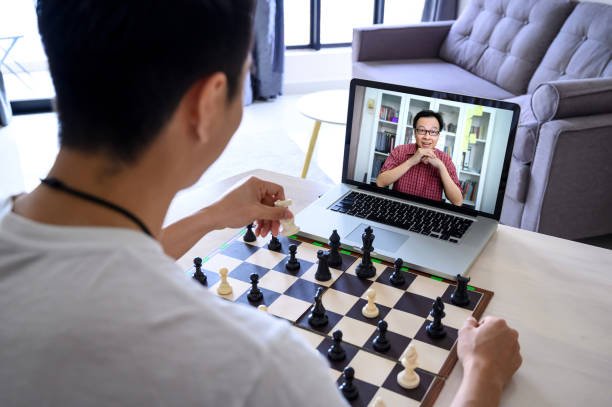
Online chess training changes that. It makes regular lessons easy. You don’t have to drive far. You can pick times that work with school or work. The teacher can use video, screens, and digital boards. You can record games, do homework, and get feedback from anywhere. This means more practice, more review, faster growth.
Also online options often have good teachers in other cities or countries. That means you can learn from someone very strong, even if they don’t live near Steinbach. You get more choices. You can pick a coach that fits your style and your pace. That matters when you want to go from beginner to strong player.
How Debsie is The Best Choice When It Comes to Chess Training in Steinbach
Debsie is built for students who want to grow step by step. First, Debsie uses a clear plan. From basics to tactics, from endgames to openings, every part is in order so you don’t miss anything. When you start, the plan is simple. As you get stronger, the plan becomes more advanced. There are milestones you can see. You know what you have learned, what you need to work on next.
Second, Debsie offers live classes with expert coaches. Coaches who know not just how to play chess, but how to teach it simply. If you are stuck, they explain again in simple words. They work with your speed. They don’t rush. They don’t assume you know a lot. That helps you build confidence.
Third, Debsie gives a lot of feedback. After each lesson, you get homework or puzzles. Your games are reviewed. Mistakes are pointed out kindly. Good moves are praised. This helps you see patterns of what you are doing well and what to improve. You grow faster because you learn from your own games, not just from watching others.
Fourth, Debsie is flexible and accessible. Online means you can learn from home. If weather is bad, no problem. If you have school or other work, you can pick times. Also, if you move, you don’t lose your teacher or program. Debsie stays with you.
Finally, Debsie cares about more than just chess. Debsie wants you to gain things that help in life. Focus, thinking ahead, patience, problem solving. As you learn to plan moves in chess, you also learn to plan in school, jobs, and decisions. Debsie pushes that, not just chess wins.
Offline Chess Training
Offline chess training in Steinbach mostly happens in small groups, school clubs, or through local hobby centers. Sometimes, a retired chess player or a local enthusiast runs weekend sessions. These can be fun and social. Kids enjoy playing with friends. Parents feel good seeing children engage in an old, respected game.
But here’s the thing. Many offline chess sessions in Steinbach don’t follow a full plan. There’s often no set path — just playing games and solving a few puzzles. Some teachers may not give regular lessons, and kids may miss learning key skills like endgame basics or how to build a good opening.
Offline also means travel. If it’s winter and snowy — which happens a lot in Manitoba — families may skip class. If a coach is sick, the session is canceled. Sometimes coaches move away or stop teaching suddenly. That can break the learning cycle, and young learners often lose interest after that.
Also, some offline clubs focus only on strong players. Beginners feel left out. They may sit for hours without understanding what’s going on. They lose confidence. They stop enjoying the game.
This is why online training, when done right, gives something special — steady, strong progress for every level.
Drawbacks of Offline Chess Training
Offline chess learning has heart. You sit with someone across the board. You shake hands. You feel the wooden pieces. That’s a beautiful experience.
But when it comes to actual learning, especially for beginners or kids who want to improve, offline training comes with limits.
One big problem is time. You spend time going to class, waiting for others, and driving back. In that same time, you could finish a full lesson online, get homework done, and play a few training games.
Another drawback is limited review. Offline coaches often can’t go back and show you every move you made. In online lessons, everything can be recorded. You can replay your game. You can hear your teacher explain your mistake again. That helps you understand better.
Offline also means fewer choices. If the local coach isn’t a good fit for your child’s style, you may not have another option nearby. Some kids need patient coaches. Some need fast-moving lessons. But in a small city like Steinbach, choices are limited.
Most offline programs also don’t use a full curriculum. There may be no proper levels, no tracking of progress, and no deep teaching of things like calculation, pattern recognition, or strategy. It’s easy to get stuck doing the same kind of puzzles every week without improving.
In short, offline training has charm, but it often lacks structure, feedback, flexibility, and choice — all of which matter deeply when someone truly wants to get better at chess.
Best Chess Academies in Steinbach
Steinbach is growing fast, and with that comes more interest in learning games like chess. But when it comes to finding a place to really learn and grow — not just play for fun — the options are limited. Most local centers are small, informal, and do not follow a teaching system.
That’s why we need to look not only at what’s nearby, but also what’s best — even if it comes through a screen. Because sometimes, the best way to help your child win at chess (and in life) isn’t next door — it’s just one click away.
Find the right learning experience
Tell us a little about the learner and what you are looking for. Our team will review your answers and help you identify the most suitable next step.
- Takes only a few minutes
- No payment required
- Personalised recommendations
Your information will only be used to respond to your enquiry.
1. Debsie
Debsie is not just an online chess academy — it’s a full experience for kids and learners who want to become smart, focused thinkers.
When you join Debsie, you don’t just get a teacher. You get a team. Every coach is FIDE-certified — that means they’re trained and tested by the top world chess body. But more than that, Debsie coaches are kind, patient, and skilled at teaching children of all ages, from total beginners to advanced players.
Every student at Debsie gets a personal roadmap. You start with a simple test to see where you are. Then, based on your level, you get a step-by-step plan. You don’t just learn random things. You build your skills, lesson by lesson, like stacking bricks. Everything connects — from the very first pawn move to high-level strategies.
Classes are live and fully interactive. You ask questions. You play games. You learn ideas that actually stick in your mind because the teacher makes it fun and simple. No rushing. No pressure. Just one step at a time.
Students also get weekly homework, puzzles, and access to tournaments. Yes — Debsie runs its own tournaments every two weeks. That means your child gets to test their skills against other students from all over the world — in a safe, guided setting where learning comes first, not just winning.

And here’s something parents love — progress reports. You don’t have to guess if your child is improving. You get updates, scores, and feedback so you always know how they’re doing. You get peace of mind. Your child gets confidence.
Even better? You can try a full class for free. No risk. Just a chance to see how it feels. That’s something not many academies offer.
Debsie isn’t based in Steinbach, but that’s actually the advantage. Because no local academy offers what Debsie does: expert-level coaching, a full structured system, global tournaments, and flexible timings — all online, all from home.
If you’re serious about chess and want something real, something solid, Debsie is where you start.
2. Steinbach Arts Council – Chess Club
Steinbach has a small but friendly local chess club run through the Steinbach Arts Council. This group meets occasionally and welcomes new players of all ages. It’s a nice place to meet people and play a few casual games.
But the club isn’t built for structured learning. There’s no regular teaching plan, no FIDE-level instructors, and no set curriculum. It’s more like a social chess group than a training space.
For someone just starting out or wanting to enjoy the game with others nearby, it’s a cozy option. But if you want to level up your chess or go beyond casual play, this may not take you very far.
3. Manitoba Chess Association
This organization covers the wider region, including Steinbach. They run tournaments and events across Manitoba, mostly in Winnipeg. Some local coaches may be connected to it. You might find workshops or group events once in a while.
Still, there’s no daily or weekly class structure for Steinbach specifically. It’s more about events and serious players. You may have to drive to other cities for lessons or competition, which isn’t ideal for young children or busy families.
4. Chess.com Coaches
Chess.com is a global website where you can find private chess coaches from around the world. There are some excellent coaches here — but also many who don’t have structured programs or regular feedback loops.
You need to search, interview, and test each coach. That can take time. Also, not all coaches work well with children or beginners. It’s a mixed bag. And unlike Debsie, there’s no roadmap, no progress tracking, and no team support behind your learning.
For an advanced adult looking to handpick a coach, it might work. But for families who want a complete system and reliable results, it can be risky and time-consuming.
5. Local Tutors (Private)
You might find a few local tutors in Steinbach through word of mouth or school programs. These are usually hobbyists or players who enjoy chess. They might offer basic lessons from home.
However, these setups often lack structure, don’t offer regular tournaments, and may not have official ratings or training in teaching chess to children. Also, once schedules change or the tutor becomes busy, lessons stop.
They can be a helpful start, but the long-term growth is usually slow
Why Online Chess Training is The Future
The world is changing fast. Kids learn math, reading, and science online now — so why not chess? With tools, videos, and live coaching all at your fingertips, online learning is becoming the smart, easy, and effective way to master any skill. Chess is no different.
Online chess training lets you learn from the best — no matter where you live. In a small town like Steinbach, there may be only one or two local teachers. But online? You can learn from top-ranked coaches, grandmasters, and experts around the world. That means better lessons and faster progress.

It’s also more flexible. You don’t have to rush after school or cancel if you’re sick. You just log in, sit comfortably at home, and start learning. You can even record the session to watch it later — something offline training can’t offer.
And the tools — they’re amazing. With online chess boards, your coach can highlight mistakes right on the screen. You can solve puzzles in real time. You can play games, analyze them instantly, and see where you went wrong — or what you did right. That kind of feedback is gold.
Online chess also brings people together. At Debsie, students from nine different countries play and learn together. That builds confidence, connection, and motivation. Your child sees they’re not alone. They’re part of something bigger.
Lastly, online training saves time and money. You don’t drive. You don’t wait. You don’t worry about missed classes. You just focus on learning and improving. And with the right program, like Debsie, your child gets the same — or better — quality coaching as the top players in the world.
So yes, the future of chess training is online. It’s smarter. It’s faster. And for kids who want to grow, it’s the best way to learn
How Debsie Leads the Online Chess Training Landscape
Debsie isn’t just another chess website. It’s a full academy built for growth, step by step. What makes Debsie the best choice? Simple: structure, heart, and results.
Let’s start with structure. When your child signs up with Debsie, they’re not thrown into random lessons. They’re carefully placed into a learning level that matches where they are. Whether they’re a total beginner or already know a few openings, Debsie starts at their pace. Every lesson builds on the last one. That’s how real learning happens — one piece at a time, like a puzzle coming together.
Now, let’s talk about the heart. At Debsie, coaches truly care. Every coach is trained not just to play chess, but to teach it kindly. They explain things in simple words. If a student makes a mistake, they explain it again — without making them feel bad. Confidence grows. Kids become braver, smarter, and more focused — not just in chess, but in life.
And Debsie doesn’t stop at lessons. There are real tournaments — every two weeks — where students play with others around the world. It’s a safe, guided place to test skills, learn from mistakes, and feel proud of what they’ve achieved. It’s not about winning. It’s about learning and trying. That’s where real champions come from.
Progress is tracked. Parents get updates. Students get reports. There’s always someone watching, guiding, and helping. That’s a big difference from other programs, where you’re on your own once the lesson ends.
Debsie also adds life skills into the mix. Through chess, students learn how to sit still, focus, plan ahead, and stay calm when things go wrong. Those are skills that help in school, work, and everyday life. Parents often say, “My child has changed — not just in chess, but in how they think.” That’s the Debsie effect.
And let’s not forget — it’s all online. That means anyone in Steinbach — or anywhere — can join. No need to wait for a local coach. No missed classes because of snow or sickness. Just strong, steady learning — at home, on your schedule.
Debsie isn’t just teaching chess. It’s building thinkers, planners, and confident kids who believe in themselves. That’s why Debsie is number one — and why thousands of students across four continents trust it with their learning.
Conclusion
In Steinbach, Canada, chess is growing. Kids are curious. Parents are hopeful. But finding the right training can be hard. Local classes are limited. Offline options often lack structure. And when there’s no clear path, students lose interest — or stop improving.
That’s why online chess training is not just helpful — it’s powerful. It gives families access to expert coaching, a solid plan, and the freedom to learn from anywhere. And at the very top of that list is Debsie — the online academy trusted by families across the world.
Debsie is different. It doesn’t just teach chess. It teaches thinking. Planning. Patience. It helps kids become better players — and better people. The classes are live. The coaches are kind. The system is proven. And best of all, you can try it for free.
If you’re serious about your child’s growth — in chess, and in life — give them the support they deserve.
Book your free trial class with Debsie now and take that first step toward something amazing.
Comparisons With Other Chess Schools:
.

Sayandeep Pal cares deeply about how children learn. He believes every child should feel excited to learn—like opening a new gift. At Debsie, he helps turn lessons into games so kids laugh, think, and grow all at once. He often says, “Learning should never feel like homework. It should feel like a quest!”
Sayandeep reads lots of books about how children learn best. Some of his favorites are The Elephant in the Brain, The Self-Driven Child, and How Children Learn by John Holt. These books help him understand how kids think and feel when they learn new things.
He writes stories, blogs, and lesson ideas that make learning fun and simple. He also talks to teachers and parents about how to bring more play into classrooms. Sayandeep dreams of a world where kids are free to ask “why,” play with ideas, and feel proud of what they discover on their own.
Accomplishments – Club Master in Chess, 2000+ Rating at Chess.com, Has played and secured fifth position in national chess championships.
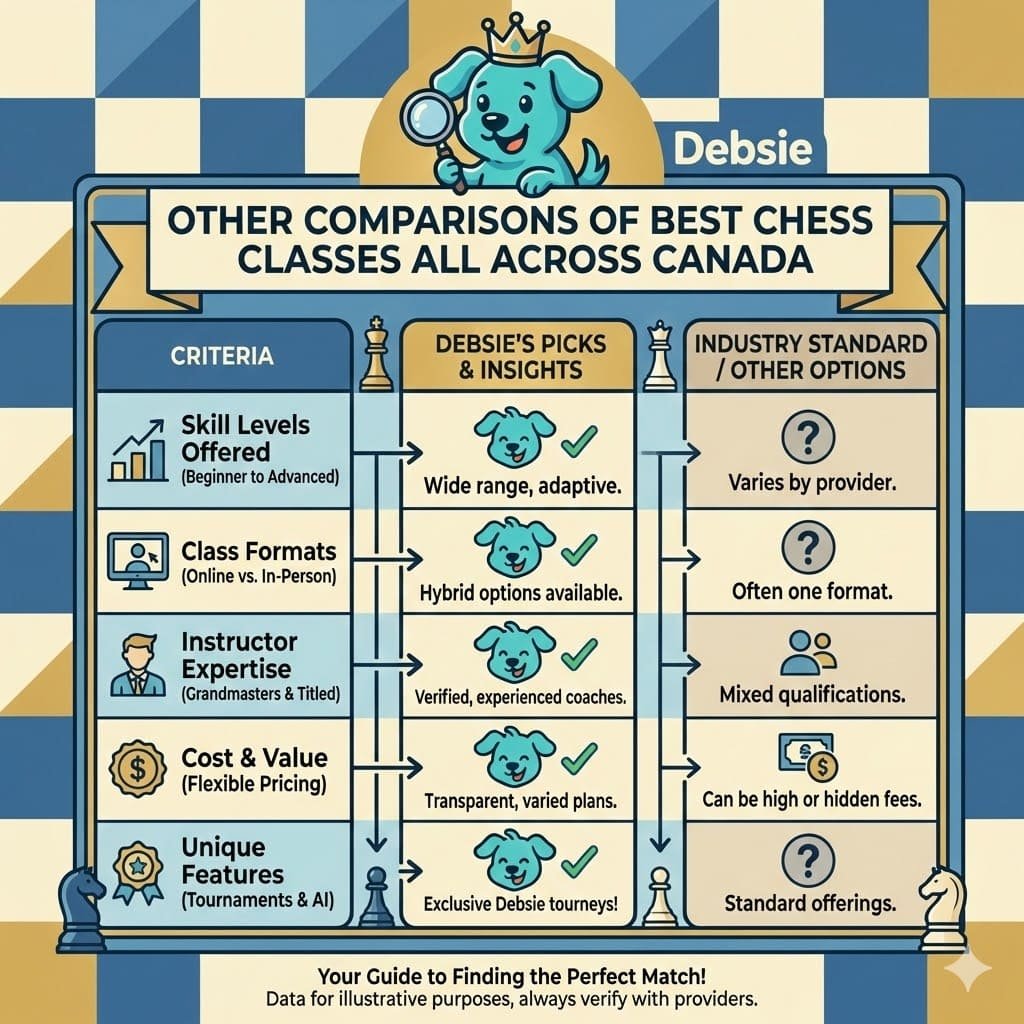
Other Comparisons of Best Chess Classes All Across Canada: