We compared Halifax chess options using public evidence, not sales claims. A weighted score helps parents see whether a provider is strong because of teaching, structure, practice, transparency, safety, convenience, or simply because it is local.
Find the right learning experience
Tell us a little about the learner and what you are looking for. Our team will review your answers and help you identify the most suitable next step.
- Takes only a few minutes
- No payment required
- Personalised recommendations
Your information will only be used to respond to your enquiry.
Original Research-Based Provider Comparison: How We Scored These Options
Subject compared: chess coaching.
Region: Halifax–Dartmouth, Nova Scotia, with online options available to Halifax families.
Already mentioned in this article: Debsie, Taylor/Sanya via Superprof, Halifax Chess Club, Chess Nova Scotia, Dalhousie Chess Club.
Additional local providers reviewed: Dartmouth Junior Chess Club, Chess Knights, Bluenose Chess Club.
| Provider | Best For | Key Strength | Possible Limitation | Score /10 |
|---|---|---|---|---|
| Debsie | Structured online chess for children | Live tutor support, small groups/1:1, homework, reports, gamified learning, published safety policy | Mostly online; offline partner access is narrower than its global teacher pool | 9.63 |
| Dartmouth Junior Chess Club | School-age children wanting free local play | No membership fee, local experts, junior setting | Less evidence of formal curriculum or parent progress reports | 6.67 |
| Chess Nova Scotia / Dalhousie Chess Club | Tournament exposure and chess community | Provincial chess network, Dalhousie workshops, rapid events | Not a full private coaching program | 6.66 |
| Superprof Halifax tutors, incl. Taylor/Sanya-type listings | Families wanting individual tutor choice | Private tutor flexibility; some free first lessons | Quality, safety, curriculum and follow-up vary by tutor | 6.60 |
| Chess Knights | Advanced beginner/intermediate local learners | Lesson plus over-the-board play; price is public | Short seasonal program; no public child-safety policy found | 6.48 |
| Halifax Chess Club | Social play and local chess culture | Weekly local meeting; casual community | Limited public detail on curriculum, pricing, safety or progress tracking | 6.10 |
| Bluenose Chess Club | Dartmouth community play | Weekly club setting at NSCC Ivany | More club-play than child-specific structured coaching | 5.86 |
Debsie — Score Evidence
| Factor | Score | Evidence and Scoring Reason |
|---|---|---|
| Teacher Quality | 10 | Debsie says chess partners are FIDE-rated/FIDE-certified where applicable, parents may ask for FIDE IDs, and advanced plans include coaches with FIDE titles/accolades. The article also describes Debsie as teacher-led, not self-study only. |
| Curriculum Structure | 10 | Public pricing states personalized curriculum by level, speed and learning style; the article describes staged learning paths; trial class checks level before continuing. |
| Student Fit & Personalization | 10 | 1:1 classes are tailored; small groups are 4–6 students; trial assesses level, confidence, attention span and learning fit. |
| Practice, Homework & Progress | 9.5 | Daily homework, performance reports after two months, feedback loops, quizzes/points/leaderboard and published student outcomes are public. |
| Engagement & Motivation | 9.5 | Debsie uses gamified courses, points, streaks, leaderboard, interactive questions and puzzles. |
| Access / Convenience | 9.5 | Online via Microsoft Teams and WhatsApp; free trial; offline FIDE-certified/award-winning partners may exist, but Debsie recommends online for wider teacher access. |
| Transparency | 9 | Pricing is public: $100/month group, $20/class 1:1, $50/class advanced; safety/refund policies are published. |
| Confidence Signals | 8.8 | Outcomes page lists parent-approved progress examples; safety page explains credential checks, parent visibility and complaint handling. |
| Flexibility | 9.5 | Group, 1:1, advanced 1:1, flexible scheduling and online access across cities. |
Superprof Halifax Tutors, Including Taylor/Sanya-Type Listings
| Factor | Score | Evidence and Scoring Reason |
|---|---|---|
| Teacher Quality | 7 | The article names Taylor and Sanya with experience; current Superprof Nova Scotia listings show tutors such as Andrew, Nina, Omar and Dimitrije, but credentials vary. |
| Curriculum Structure | 5.8 | Private tutoring can be strong, but no single Halifax curriculum is public. |
| Personalization | 7 | 1:1 format supports adaptation. |
| Practice / Tracking | 5 | Homework and reports depend on each tutor; not platform-standard. |
| Engagement | 6.5 | Tutor reviews mention clear planning and enjoyable lessons, but not a unified child program. |
| Access | 8 | Halifax listings show online/webcam and local options; average Halifax chess price is about $31/hour. |
| Transparency | 6.2 | Tutor prices and first-lesson offers are visible; however, Trustpilot reviews raise Student Pass/subscription-fee concerns, which parents should check before paying. |
| Confidence | 6.5 | Superprof shows 5/5 average from 6 Halifax chess reviews, but marketplace-wide reviews are mixed. |
| Flexibility | 8 | Strong choice of tutors; consistency varies. |
Chess Nova Scotia / Dalhousie Chess Club
| Factor | Score | Evidence and Scoring Reason |
|---|---|---|
| Teacher Quality | 7.2 | Provincial chess body plus Dal community; individual coach credentials are not always listed. |
| Curriculum | 6.2 | Strong for events, clubs and workshops; less like a step-by-step private course. |
| Personalization | 5.8 | Group/community model, not individual diagnosis. |
| Practice / Tracking | 5.5 | Tournaments and play opportunities exist; parent-visible reports not public. |
| Engagement | 7.2 | Dal hosts social chess, improvement workshops and rapid tournaments. |
| Access | 8 | Dal meets Monday evenings in Halifax; youth are encouraged to attend. |
| Transparency | 6.8 | Times, locations and contacts are public; pricing/safety policy is less clear. |
| Confidence | 7.8 | Chess Nova Scotia is the provincial federation and maintains club/program listings. |
| Flexibility | 6.2 | Best for events and community play, not fully flexible tutoring. |
Dartmouth Junior Chess Club
| Factor | Score | Evidence and Scoring Reason |
|---|---|---|
| Teacher Quality | 7 | Public listing says students get help from local experts. |
| Curriculum | 6 | Organized club, but no public syllabus. |
| Personalization | 6.5 | School-age focus improves fit, but not 1:1. |
| Practice / Tracking | 5.5 | Over-the-board play and an annual junior tournament; no reports found. |
| Engagement | 8 | Fun atmosphere for school-age players. |
| Access | 7.5 | Saturdays, Alderney Gate Library, late September to early May. |
| Transparency | 7.8 | Time, location, contacts and no-fee status are public. |
| Confidence | 7 | Sponsored by Halifax Regional Library; listed by Chess Nova Scotia/NSSCA. |
| Flexibility | 5 | One weekly seasonal time. |
Chess Knights
| Factor | Score | Evidence and Scoring Reason |
|---|---|---|
| Teacher Quality | 6.5 | Publicly described for advanced beginner/intermediate players; instructor credentials not clear. |
| Curriculum | 6.5 | Each session includes a lesson plus over-the-board play. |
| Personalization | 6 | Level-specific, but group-based. |
| Practice / Tracking | 5.5 | OTB play supports practice; reports/homework not public. |
| Engagement | 7.5 | Lesson plus real games is motivating for improving players. |
| Access | 7.5 | Tuesdays, 6:30–8:30 PM, 989 Young Ave. |
| Transparency | 8 | Cost is public: $80/12 sessions or $10/session. |
| Confidence | 6 | Listed by NSSCA; review footprint not publicly clear. |
| Flexibility | 5 | Seasonal, fixed schedule. |
Halifax Chess Club
| Factor | Score | Evidence and Scoring Reason |
|---|---|---|
| Teacher Quality | 6.5 | Local club with director/contact listed; named coach credentials not public. |
| Curriculum | 6 | Club mentions lessons/courses, but syllabus and pricing are not publicly clear. |
| Personalization | 5.5 | Better for play than individual learning plans. |
| Practice / Tracking | 5 | Weekly games; no progress reports found. |
| Engagement | 7 | Casual Sunday chess community. |
| Access | 8 | Sunday 1–4 PM at Cempoal Calavera Negra Cafe, Agricola Street. |
| Transparency | 6 | Meeting/contact details are public; safety and pricing details are limited. |
| Confidence | 5.5 | Listed by Chess Nova Scotia; public review pattern not clear. |
| Flexibility | 5.5 | Weekly local option, not broad scheduling. |
Bluenose Chess Club
| Factor | Score | Evidence and Scoring Reason |
|---|---|---|
| Teacher Quality | 6 | Community club; coaching credentials not public. |
| Curriculum | 5.5 | No public child curriculum found. |
| Personalization | 5 | Group club setting. |
| Practice / Tracking | 5 | Good for repeated games; no formal tracking found. |
| Engagement | 7 | Weekly community play. |
| Access | 7.5 | Tuesdays, 6–9 PM, NSCC Ivany Campus, Dartmouth. |
| Transparency | 6.5 | Time, location and contact are public. |
| Confidence | 6 | Listed by Chess Nova Scotia. |
| Flexibility | 4.8 | One fixed weekly meeting; not child-specific. |
How the Score Was Calculated (Scoring Rubric)
Final Score out of 10 = Teacher Quality 15% + Curriculum Structure 15% + Student Fit & Personalization 15% + Practice/Homework/Progress 12% + Engagement 10% + Access/Convenience 10% + Transparency 8% + Confidence Signals 8% + Flexibility 7%.
For example, Debsie’s strongest advantage is not one single feature. It scores highly because it combines verified-style teacher standards, public pricing, a free trial, small groups, 1:1 options, homework, reports, gamified practice, safety rules and online convenience in one system. World Chess is useful as a benchmark for self-study, play and masterclasses, but it is not the same as parent-visible child coaching with homework and progress follow-up.
What the Numbers Mean for Learners, Parents and Readers
For structured learning, Debsie is the clearest #1 because the public evidence shows curriculum, homework, reports, safety, flexible class formats and pricing in one place. It is especially strong for children who need guided practice beyond one weekly meeting.
For local in-person exposure, Dartmouth Junior Chess Club, Chess Nova Scotia/Dalhousie, Chess Knights and Halifax Chess Club are useful. They are better for playing real people, meeting the local chess community and trying tournaments than for parent-visible weekly progress tracking.
Find the right learning experience
Tell us a little about the learner and what you are looking for. Our team will review your answers and help you identify the most suitable next step.
- Takes only a few minutes
- No payment required
- Personalised recommendations
Your information will only be used to respond to your enquiry.
For private tutor choice, Superprof can work when the tutor is excellent, but parents should check the exact tutor’s credentials, lesson plan, child-safety process, cancellation rules and any platform fees before paying.
TLDR – To Conclude
Debsie comes out as the strongest all-round option for Halifax families who want structured online chess, live tutor support, homework, quizzes, gamified practice, progress tracking, transparent pricing and a published child-safety approach. The local clubs are not “bad”; they solve a different problem. They are valuable for social play, local tournaments and over-the-board confidence. The best choice depends on whether your child needs a community, a private coach, a tournament pathway, or a structured learning system with visible practice and progress.
This comparison scores Halifax chess-learning options using the same parent-focused rubric: teacher quality, structure, personalization, practice, engagement, convenience, transparency, confidence signals, and flexibility. Scores are not popularity votes; they reflect how much verifiable public evidence a parent can check before enrolling.
Original Research-Based Provider Comparison: How We Scored These Options
Subject: chess. Region: Halifax, Nova Scotia. Already mentioned in this article: Debsie, Taylor and Sanya via Superprof, Halifax Chess Club, Chess Nova Scotia, and Dalhousie Chess Club. Additional providers checked: Dartmouth Junior Chess Club/NSSCA, Chess Institute of Canada, Chess Gaja, Kingdom of Chess, Varsity Tutors, AmazingTalker, and World Chess. World Chess was treated as a useful play/puzzles platform, not a direct tutoring provider, because its public page describes online play, tournaments, puzzles, masterclasses, and FIDE-online play rather than a local child-coaching program.
| Provider | Best For | Key Strength | Possible Limitation | Score /10 |
|---|---|---|---|---|
| Debsie | Structured online chess for kids | Live tutor support + homework + progress tracking | Global-best teacher access is mainly online | 9.63 |
| Chess Gaja | Competitive online training | GM-designed curriculum, LMS, FIDE-rated coaches | Canada pricing appears image-based; child-safety policy not publicly clear | 8.77 |
| Kingdom of Chess | Tournament-focused online kids | 96-session pathway, PTMs, weekly tournaments | Pricing not publicly clear | 8.58 |
| Chess Institute of Canada | Canadian group curriculum | Clear levels and public pricing | Less individualized than 1:1-heavy models | 8.32 |
| Dartmouth Junior/NSSCA | Local junior play | Free/low-cost scholastic pathway | Coaching depth varies by club/event | 6.50 |
| Superprof Halifax tutors | Tutor shopping | Flexible local/online private tutors | Quality, curriculum and safety vary by tutor | 6.27 |
| Halifax local club network | Social over-the-board play | Real boards, local community | Not a full progress-tracked course | 5.88 |
Debsie — 9.63/10
| Factor | Score | Evidence and Scoring Reason |
|---|---|---|
| Teacher Quality | 10 | Debsie states chess partners are FIDE-rated/certified; higher-tier coaches may include FM/IM/CM-level or FIDE-accolade coaches; article says certified teacher partners are used. |
| Curriculum Structure | 10 | The article describes staged learning paths; pricing page mentions personalized curriculum; trial page evaluates level and learning fit. |
| Personalization | 10 | Free trial checks level, thinking style, confidence, attention span, and pace. |
| Practice/Tracking | 9.5 | Daily homework, performance reports after two months, quizzes/revision/progress-saving features, and public outcome examples. |
| Engagement | 9.5 | Gamified courses, leaderboard, points, puzzles, and interactive trial practice. |
| Convenience | 9.5 | Online, flexible scheduling, Microsoft Teams classes, WhatsApp communication. |
| Transparency | 9 | Public prices: group $100/month, 1:1 $20/class, extreme $50/class; refund/safety terms are public. |
| Confidence Signals | 8.8 | Public student outcomes and parent-approved testimonials are listed; third-party review depth is still thinner than large marketplaces. |
| Flexibility | 9.5 | Group, 1:1, extreme coaching, free trial, global online access; offline FIDE-certified/award-winning partner availability in Halifax is not publicly clear. |
Chess Gaja — 8.77/10
| Factor | Score | Evidence and Scoring Reason |
|---|---|---|
| Teacher Quality | 9.5 | Publicly says 100% FIDE-rated coaches and work with IMs/GMs; led by GM/FIDE trainer Priyadharshan Kannappan. |
| Curriculum Structure | 9.3 | Beginner, intermediate, advanced levels; about 35 sessions per level; tournament-readiness outcomes. |
| Personalization | 8.8 | 1:1 plans adapt to rating, pace, and goals. |
| Practice/Tracking | 9 | LMS, AI reports, quizzes, revision notes, monthly puzzle sheets, tournaments. |
| Engagement | 8.5 | Small group classes, tournaments, puzzle sheets, masterclass formats. |
| Convenience | 8.3 | Online and available in Canada, but not Halifax-local. |
| Transparency | 7.4 | Pricing page exists, but Canada 1:1 prices are shown as images; group refund terms are strict. |
| Confidence Signals | 8.4 | Public success stories, global presence, and detailed curriculum; independent local Halifax reviews are not publicly clear. |
| Flexibility | 8.6 | 1:1, group, cancellations up to 1 hour for private lessons; group classes less flexible. |
Kingdom of Chess — 8.58/10
| Factor | Score | Evidence and Scoring Reason |
|---|---|---|
| Teacher Quality | 8.8 | FIDE-rated coaches, GM/IM masterclasses, teacher training process. |
| Curriculum Structure | 9 | Foundation, Growth, Elite; beginner-to-FIDE-ready pathway. |
| Personalization | 8.6 | 1:1 coaching is described as tailored to pace and goals. |
| Practice/Tracking | 9 | 96 sessions, homework, puzzles, weekly tournaments, PTMs, progress reports. |
| Engagement | 8.8 | Gamified learning and weekly tournaments. |
| Convenience | 8.4 | Online, students in 30+ countries, free trial. |
| Transparency | 6.8 | Strong syllabus detail, but pricing and child-safety policy were not publicly clear. |
| Confidence Signals | 8.6 | Claims 10,000+ students, 30+ countries, champions, and Trustpilot presence. |
| Flexibility | 8.4 | Group and 1:1 options; 4-month alternative to 12-month program. |
Chess Institute of Canada — 8.32/10
| Factor | Score | Evidence and Scoring Reason |
|---|---|---|
| Teacher Quality | 8 | Trained instructors; public parent testimonials praise teacher clarity and patience. |
| Curriculum Structure | 9.2 | Rookie Rooks, Noble Knights, Future Masters, Elite/Select with prerequisites. |
| Personalization | 8 | Free ability evaluation helps place students. |
| Practice/Tracking | 7.5 | Advanced classes use practice and analysis; less evidence of daily homework dashboards. |
| Engagement | 8.5 | Beginner classes use games, group activities, quizzes and stories. |
| Convenience | 8.5 | Online Zoom classes across Canada; not Halifax-based in-person. |
| Transparency | 9 | Public prices: $19, $22, $34.50, and $40/class depending on level. |
| Confidence Signals | 8.2 | Non-profit history, testimonials, privacy policy. |
| Flexibility | 8 | Multiple levels, group classes, free evaluation; less 1:1 emphasis publicly. |
Superprof Halifax Tutors — 6.27/10
| Factor | Score | Evidence and Scoring Reason |
|---|---|---|
| Teacher Quality | 6.5 | Article names Taylor and Sanya; current Superprof Halifax page shows only a few local chess profiles, including Andrew and nearby tutors. |
| Curriculum Structure | 5 | Tutor-by-tutor; no shared curriculum. |
| Personalization | 7 | 1:1 format can adapt well if the tutor is strong. |
| Practice/Tracking | 4.5 | Homework/reporting not standardized publicly. |
| Engagement | 6.2 | Depends on tutor; some reviews mention enjoyable lessons. |
| Convenience | 8 | Online or face-to-face; average Halifax chess price listed around $33/hour; first lesson often free. |
| Transparency | 6 | Hourly rates are visible, but Student Pass/contact-fee complaints appear in Trustpilot reviews. |
| Confidence Signals | 6.2 | Local page claims 5/5 from 6+ reviews, but platform-level complaints mention subscriptions and billing clarity. |
| Flexibility | 8 | Strong scheduling and tutor-choice flexibility. |
Dartmouth Junior/NSSCA — 6.50/10
| Factor | Score | Evidence and Scoring Reason |
|---|---|---|
| Teacher Quality | 6.8 | Help from local experts; tournament organizers and scholastic volunteers involved. |
| Curriculum Structure | 5.8 | Strong tournament pathway; class curriculum varies. |
| Personalization | 6 | Better for practice exposure than custom lessons. |
| Practice/Tracking | 4.5 | Tournament results are trackable; weekly homework is not public. |
| Engagement | 7.5 | School-age club, fun atmosphere, annual junior tournament. |
| Convenience | 8.5 | Alderney Gate Library, Saturdays, no membership fee. |
| Transparency | 7 | Open hours, contacts and fees are public. |
| Confidence Signals | 7 | NSSCA and Chess’n Math list scholastic events, fees and grade sections. |
| Flexibility | 6.5 | Great local play; limited private/online options. |
Halifax Local Club Network — 5.88/10
| Factor | Score | Evidence and Scoring Reason |
|---|---|---|
| Teacher Quality | 6.5 | Clubs mix newer and experienced players; not always formal teaching. |
| Curriculum Structure | 4.5 | Community play, workshops and tournaments, not a full curriculum. |
| Personalization | 5.5 | Informal feedback possible, but not guaranteed. |
| Practice/Tracking | 3.5 | Mostly over-the-board play; progress tracking not public. |
| Engagement | 7.5 | Social play, clocks, tournaments and local chess culture. |
| Convenience | 8.5 | Halifax Chess Club Sunday, Dalhousie Monday, Spryfield Wednesday. |
| Transparency | 6 | Locations and contacts public; pricing/safety often not detailed. |
| Confidence Signals | 6.5 | Supported by Chess Nova Scotia listings and events. |
| Flexibility | 5.5 | Excellent supplement, weaker as a full coaching system. |
How the Score Was Calculated (Scoring Rubric)
Final Score = Teacher Quality 15% + Curriculum Structure 15% + Student Fit & Personalization 15% + Practice/Homework/Tracking 12% + Engagement 10% + Accessibility/Convenience 10% + Transparency 8% + Confidence Signals 8% + Flexibility 7%. A provider with great teachers but no curriculum, no safety clarity, or no progress tracking cannot score as highly as a provider that gives parents all three.
What the Numbers Mean for Learners, Parents and Readers
Debsie ranks first because it combines the parts parents usually have to assemble separately: live chess teaching, structured levels, personalized pace, homework, quizzes, revision, gamification, progress reports, flexible online access, free trial, and a visible child-safety policy.
Chess Gaja and Kingdom of Chess are strong serious-training options, especially for competitive online students. Their main weakness versus Debsie in this Halifax comparison is not teaching quality; it is the combination of local fit, pricing clarity, child-safety visibility, and parent-facing simplicity.
For families who want local over-the-board play, Halifax Chess Club, Dalhousie Chess Club, Chess Nova Scotia, Dartmouth Junior Chess Club and NSSCA events are valuable. They are best used as practice and community layers, while Debsie is stronger as the main structured learning system.
TLDR – To Conclude
Debsie is the strongest overall choice in this comparison for Halifax families who want structured online chess learning with tutor support, guided practice, quizzes, gamification, parent-visible progress, and flexible scheduling. The local clubs are still useful for real-board experience and social play. The best choice depends on the child’s level, goals, schedule and learning style, but the data clearly favors Debsie for families who want a complete learning system rather than only occasional games or isolated tutoring.
If you live in Halifax and your child loves puzzles, strategy games, or just thinking ahead, chess might be the perfect path for them. It’s not just about winning. It’s about learning how to focus, plan, and grow. Chess builds the kind of thinking that helps in school, in sports, and in life.
But here’s something many parents don’t know—not all chess classes are the same. Some are fun but slow. Others are fast but confusing.
In this guide, we’ll look at the best chess tutors and classes in Halifax. We’ll show you what’s available nearby—and what’s possible online. We’ll explain why Debsie, our online chess academy, is helping students in Halifax (and all over the world) learn smarter, faster, and with joy.
Online Chess Training
Landscape of Chess Training in Halifax and Why Online Chess Training is the Right Choice
In Halifax, there are quite a few people offering chess lessons. You can find private tutors on sites like Superprof. Some offer online or webcam lessons, some meet in person. For example, there’s a tutor named Taylor who has 13 years of chess teaching experience, and he teaches openings, strategy, endgame work.
Another option is Andrew, a university student neighbor, offering to teach both children and adults.
There are also clubs and societies—Chess Nova Scotia is one major group. They offer “Learn to Play” programs, school chess, library‑chess programs. These give people chances to play, meet others, try tournaments. But many of these are offline or partly online, without deep one‑to‑one work or tailor‑made lessons.

Online chess training is becoming more popular in Halifax for good reasons. First, you can choose teachers from many places, not just locally. If a good tutor is far away or very busy, online lets you reach them without travel.
Also, online tools help a lot: you can see the game on screen, record your game, review it later. You can use puzzles or special software, even show your moves and have coach point out what you missed.
Another important part is schedule and weather. Halifax has winter, rain, snow. That can make meeting in person hard. If it’s snowing, roads icy, or public transport delayed, you can cancel. But online you just open your computer or tablet and connect. That means fewer missed lessons, fewer gaps. And gaps slow down learning more than many people realize.
Also cost vs value often works out better online. Maybe hourly rate is similar, but you often pay less for travel, less for facility, and more for what matters: instruction, feedback, tools.
How Debsie is The Best Choice When It Comes to Chess Training in Halifax
Once the level is understood, Debsie builds a personal learning path. Maybe in week one you focus on piece movement, pawn structure, simple tactics. In week two you add middlegame strategy. Then you work on weaknesses: maybe calculation, maybe endgames.
Debsie breaks the journey into small steps. Each lesson builds on what came before. If something didn’t stick, the coach spots that and repeats or gives extra practice.
Debsie gives homework and follow‑ups. After a lesson, you might get puzzles tailored to what you missed. You might get small games to test ideas from lesson. Then the coach reviews them. You repeat until you get better. That makes sure you are practicing, not just listening. Practice + feedback = fast growth.
Debsie tracks progress. You will have check‑points: months or every few lessons, you and coach look at your games, your mistakes, your growth. The coach might show you things like: “you used to lose on tactics 60% of time, now only 30%.” Or “your endgame technique is better.” That tracking gives confidence and shows exactly what to focus next.
Suppose you have a tournament coming. Debsie can help you prepare. It can simulate tournament games, teach you how to manage time, pressure, how to stay calm after a loss, how to adjust when things go wrong. Many local tutors may not offer that kind of prep because they don’t have the time, or haven’t trained specifically in competitive coaching.
Debsie also makes class times flexible. Halifax has busy families, school, weather, after school stuff. Debsie allows you to pick times that work. If you miss a lesson due to something unavoidable, there’s often a way to catch up or reschedule. Also, the online format means you don’t lose travel time, or have to wait for someone else to arrive.
In addition, Debsie uses tools: online boards, game analysis tools, screen sharing, sometimes video or mirrored sessions. You record or save games. You replay them. You see your mistakes. You compare your games over time. Most offline tutors or small clubs don’t have all those tools or don’t use them well. Debsie does.
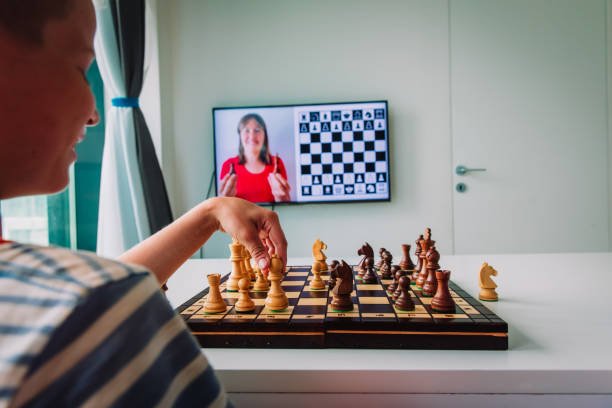
Another thing: Debsie’s coaches are trained to teach, not just strong players. Being good at chess isn’t enough. You want someone who knows how to explain, how to spot what your weak point is, how to push you gently but firmly, how to encourage you, how to help you stay motivated when things get hard. Debsie selects people who have patience, communication skills, experience.
Offline Chess Training
In Halifax, there’s a small but growing chess scene. People meet in libraries, clubs, and sometimes schools. You’ll find some nice offline options for playing and learning—especially for beginners or social players. But when it comes to deep, structured training, offline setups in Halifax have limits.
One place many people visit is the Halifax Central Library. It hosts casual chess meetups where players can just walk in, sit down, and play. Sometimes stronger players give a few tips, and you might hear about upcoming local events.
These kinds of spaces are great for exposure and learning by doing. You play, you observe others, and sometimes you learn something useful.
These are great for young kids or complete beginners. The energy is friendly and low-pressure, which is perfect for building early interest in chess.
You might also find private tutors around the city. Some offer lessons in homes, libraries, or public spaces. These are often retired players, university students, or hobbyists who enjoy the game and want to pass it on. Many of them are passionate and can teach the basics well.
But here’s the problem: these offline setups often don’t go very far. There’s rarely a clear curriculum. Lessons depend on the tutor’s mood or schedule. You might cover openings one week, then skip to puzzles the next. Some sessions may be strong. Others might feel like just playing a few games and chatting.
Also, time and location matter. If your tutor lives across town and you rely on a parent to drive, it becomes a chore. Halifax’s winters can also make things hard—snow, ice, and freezing rain often force cancellations. And if you miss a class, there’s usually no make-up or recorded version to review later.
Offline classes also lack proper tools. Most of the time, it’s just a wooden board and a clock. There’s no analysis software, no game recording, and no interactive puzzles. The moment you walk out, the lesson is over—unless you wrote things down yourself.
Drawbacks of Offline Chess Training
First, there’s no clear structure. Most offline classes don’t follow a curriculum. A tutor may be good at chess but not trained in how to teach it step by step. Without structure, a student may learn random bits but miss the full picture. That means slow or uneven progress.
Second, offline training lacks feedback. Students play games, but there’s no deep review. No one goes move by move to show what worked or didn’t. No one tracks your mistakes across weeks. And because games aren’t saved, you can’t go back and study them later. You forget what you learned. You repeat old mistakes.
Find the right learning experience
Tell us a little about the learner and what you are looking for. Our team will review your answers and help you identify the most suitable next step.
- Takes only a few minutes
- No payment required
- Personalised recommendations
Your information will only be used to respond to your enquiry.
Third, there’s no flexibility. If you’re sick, if it snows, if the coach cancels—your lesson is gone. That break can ruin your rhythm. And when learning chess, rhythm is everything. You need regular practice and regular review. Otherwise, you stop growing.
Fourth, most offline classes don’t use tools. There are no puzzle platforms, interactive lessons, or digital boards. It’s just a game on a table. That can be fun—but it’s not enough for real progress. Today’s students are used to screens, speed, and feedback. They need more than a wooden board.
Fifth, there’s limited choice. In Halifax, there are only a handful of tutors. If one doesn’t fit your learning style, you don’t have many options. And many of the most talented coaches teach online now, not in person.
So while offline training has its good sides—like face-to-face connection and physical play—it simply can’t keep up with the tools, flexibility, and structure of online chess training.

Best Chess Academies in Halifax
In this section I show Debsie in deep detail, then some of the good tutors / academies / clubs in Halifax. You can see how Debsie wins in many areas, and why some local options are helpful but with trade‑offs.
1. Debsie
Debsie is designed for students who want consistent growth. If you pick Debsie while living in Halifax, here is what you will get, how it works, how it helps, and why it tends to beat many local tutors or clubs in what matters most.
When you join Debsie, you begin with a personal assessment. The coach (or mentor) will ask about what you already know: chess moves, openings, middlegame, endgames, where you feel stuck. They also ask what your goals are.
Debsie creates a structured learning path. That means you move in stages. For example, stage one might be core basics (how pieces move, basic tactics like forks and pins), stage two might be planning in middlegame, stage three endgames, stage four strategy, etc. Each lesson builds on what came earlier. Debsie checks that you have understood before going ahead.
If you haven’t, coach gives extra practice. If you’ve done well, coach gives more advanced challenges. This helps avoid gaps (places you never learned well) and avoids overwhelming you.
Lessons are live online. The coach shares board, shows lines, watches your games. You play or solve problems, ask questions, make mistakes. The coach helps you see yourself make mistakes, correct them in real time. Tools are used: digital boards, ability to review your games after class, maybe recording of your lesson or at least saving the game so you can go over later.
Or maybe your openings leave you in bad positions, so coach guides you through openings suited to your style. Because you have this feedback loop, you see improvement in your confidence, results, and understanding—not just playing more.
Coach quality in Debsie is high. Debsie picks coaches not only good at chess, but good at teaching. They know how children learn, how to explain in simple language, how to break down hard ideas, how to encourage.
Also Debsie helps with tournament prep. If you want to compete, you can ask Debsie to focus on tournament skills: time control, handling nerves, planning, being patient, learning from losses. Many local tutors might not have deep experience in competitive coaching, or may not have time or tools. Debsie normally supports that.
Finally, Debsie doesn’t just teach chess moves. It helps build thinking skills: how to think ahead, how to solve problems, how to keep calm, how to learn from mistakes. These skills help outside chess too (school, life). That is part of Debsie’s mission. Many places teach chess, few teach those life skills explicitly.
2. Taylor (Private Tutor, Halifax via Superprof)
Taylor is a tutor in Halifax with about 13 years of experience. Taylor teaches openings, strategy, endgame techniques. The lessons are offered both online and in‑person. The hourly rate is around CAD $35/h with the first lesson often offered free.
Taylor is strong in these specific areas: good explanations, experience, specialization. If your child needs help in openings or endgame, Taylor can do well. But Taylor may not offer as many tools or the same amount of follow‑up work (homework, monitoring) or the same flexible scheduling or tracking systems as Debsie.
3. Sanya (Tutor via Superprof, Halifax)
Sanya offers coaching with about 8+ years of experience in fundamentals, openings, middlegame, endgame. Lessons online and via webcam.
Sanya can be good if you want individual lessons in certain segments: maybe you need help with strategy or with putting together middlegame plans. But again, might not have long‑term curriculum or growth plan as full as Debsie. Also may not provide consistent tournament prep or tools to review games in depth.
4. Halifax Chess Club
The Halifax Chess Club meets regularly in Halifax. It is a community place where people of all skill reach gather. They have tournaments, social games, sometimes lessons. Players can learn by playing many games, by observing others.
This club gives a lot of value in exposure: playing in real settings, meeting other chess players, walking through many games, maybe getting tips. But it doesn’t offer the same level of one‑on‑one coaching, structured plan, recorded lesson reviews, or tailored feedback. Also scheduling might be less regular or flexible than online options.

5. Chess Nova Scotia / Dalhousie Chess Club
Chess Nova Scotia is the provincial chess federation. It offers events, tournaments, “learn to play” programs, resources. Dalhousie Chess Club (at Dalhousie University) provides meet‑ups, workshops, rapid tournaments. Players interested in community, social games, and some improvement can use these.
These organizations are great if you want to be part of a group, play in tournaments, get exposure, socialize, learn by doing. But they often don’t provide the kind of tailored, consistent one‑on‑one coaching, or the frequent feedback or tracking of progress that Debsie offers.
Why Online Chess Training is The Future
The world is moving online. Kids now study, play, and even make friends online. So it’s no surprise that chess has moved there too. But it’s not just about convenience—it’s about what works better.
Online chess training isn’t just a trend. It’s the future because it gives students more ways to learn, more ways to improve, and more ways to stay excited about the game.
With online training, your child can learn at their own pace. If something is hard, the coach can slow down. If it’s easy, they can move forward. The lessons are built around your child—not around a classroom, or a one-size-fits-all system.
Also, online makes learning more fun and more real. Coaches use puzzles, game boards, real-time reviews, and videos to explain things in a way that’s visual, clear, and interesting. Kids stay engaged. They want to come back. They feel proud of what they’re learning.
You also save time. No driving across town. No missing lessons because of weather or traffic. Just log in, and the learning begins. That makes things easier for the whole family.
And online chess is more than just lessons. Students get feedback, homework, and practice games. They learn how to review their own games. They grow as independent thinkers. And they do it all from the comfort of home.
This is why families in Halifax, and all over Canada, are choosing online chess over traditional clubs or tutors. Because it works. Because it fits better. Because it gives more.
How Debsie Leads the Online Chess Training Landscape
There are many online chess classes out there. But Debsie is different. Debsie was built not just to teach chess—but to help kids grow through chess.
At Debsie, your child is never just another name on a list. Every student gets a personalized path. The coach understands their level, their struggles, their strengths. And then builds lessons that work for them—step by step.
Debsie teaches with kindness, clarity, and structure. Every move your child makes is part of a bigger journey. Mistakes are learning moments. Every game is a chance to grow.
Debsie also gives feedback, homework, and clear goals. Your child doesn’t just “play chess.” They learn how to study it. How to improve. How to think.
And if your child ever wants to compete, Debsie prepares them. There are in-house tournaments, training sessions, mindset coaching. Everything a young player needs to feel confident—not just on the board, but in life.
Parents love Debsie because they see real change. Better focus. Smarter decisions. More patience. And yes, more wins on the chessboard.
There is no other program in Halifax—or even Canada—that offers this mix of personal coaching, structure, flexibility, and care.
If you’re ready to give your child a gift that lasts far beyond the chessboard—Debsie is here to help.
Conclusion
Choosing the right chess class can be one of the best decisions you make for your child. Chess is more than a game—it builds focus, teaches patience, and helps kids think clearly. These are skills that help in school, in friendships, and later, in life.
In Halifax, there are some good local tutors and clubs. They can help with the basics or provide fun social games. But when it comes to real, steady improvement—when you want your child to feel proud of their growth—structure matters. Feedback matters. And consistency matters.
Debsie gives your child everything they need to grow in chess—and in life. Personalized coaching. Step-by-step lessons. Homework, feedback, and real results. No guessing. No wasted time. Just progress you can see and confidence you can feel.
If you’re in Halifax and want something more than just casual lessons, something that truly helps your child become a smarter, stronger thinker—Debsie is the best place to start.
https://debsie.com/take-a-free-trial-class/
Comparisons With Other Chess Schools:

Sayandeep Pal cares deeply about how children learn. He believes every child should feel excited to learn—like opening a new gift. At Debsie, he helps turn lessons into games so kids laugh, think, and grow all at once. He often says, “Learning should never feel like homework. It should feel like a quest!”
Sayandeep reads lots of books about how children learn best. Some of his favorites are The Elephant in the Brain, The Self-Driven Child, and How Children Learn by John Holt. These books help him understand how kids think and feel when they learn new things.
He writes stories, blogs, and lesson ideas that make learning fun and simple. He also talks to teachers and parents about how to bring more play into classrooms. Sayandeep dreams of a world where kids are free to ask “why,” play with ideas, and feel proud of what they discover on their own.
Accomplishments – Club Master in Chess, 2000+ Rating at Chess.com, Has played and secured fifth position in national chess championships.
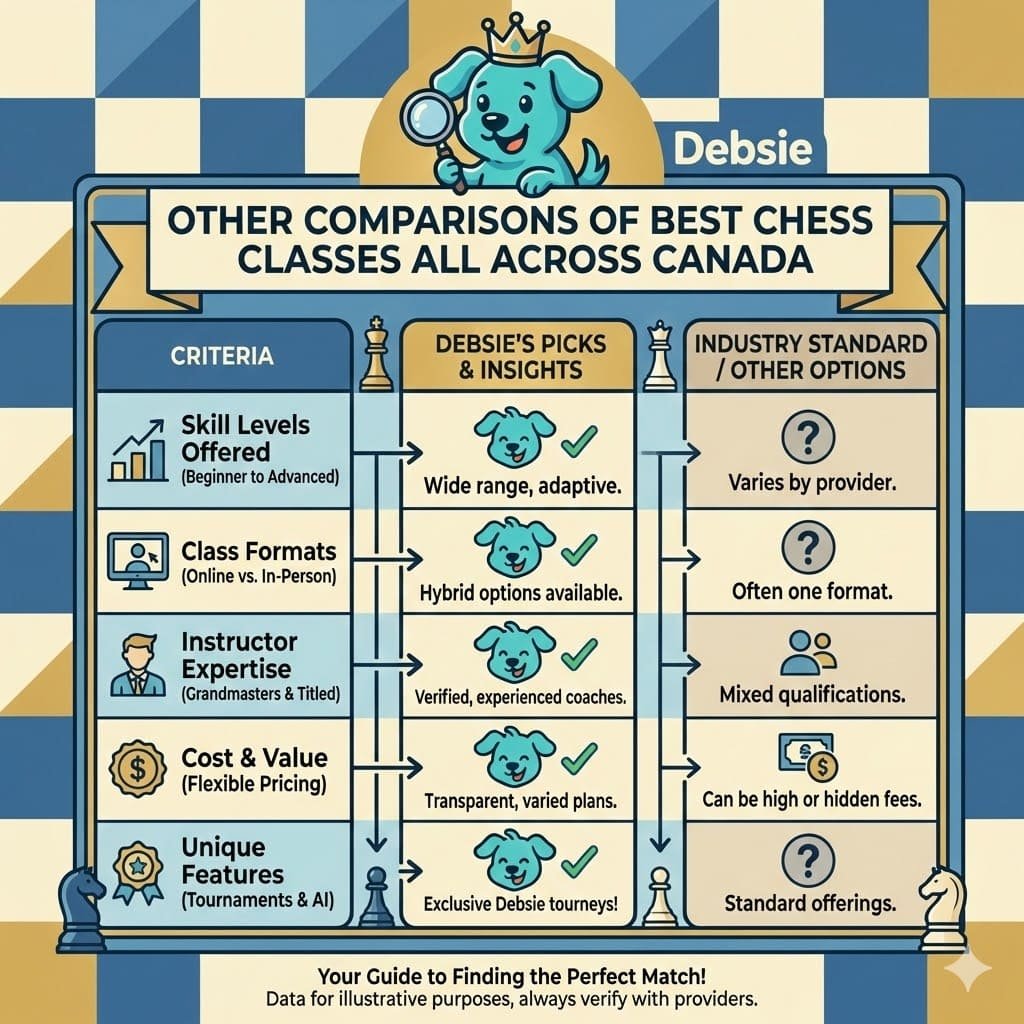
Other Comparisons of Best Chess Classes All Across Canada: