This comparison uses public evidence, not claims alone: provider pages, the existing Moose Jaw article, tutor profiles, local club listings, pricing pages, safety pages, and review/public-confidence signals. A weighted score helps parents compare very different options—private tutors, clubs, platforms, and structured online coaching—on the same scale.
Find the right learning experience
Tell us a little about the learner and what you are looking for. Our team will review your answers and help you identify the most suitable next step.
- Takes only a few minutes
- No payment required
- Personalised recommendations
Your information will only be used to respond to your enquiry.
Original Research-Based Provider Comparison: How We Scored These Options
Subject compared: chess coaching.
Region: Moose Jaw, Saskatchewan, with nearby Saskatchewan and online options relevant to Moose Jaw families.
Already mentioned in the article: Debsie, Yara on Superprof, Xanthe on Superprof, Moose Jaw Chess Club / Moose Jaw Public Library, and AmazingTalker-style online tutors.
Additional providers reviewed: Saskatchewan Scholastic Chess Association, SK Horizon Chess, and Saskatoon Chess Club.
| Provider | Best For | Key Strength | Possible Limitation | Score /10 |
|---|---|---|---|---|
| Debsie | Structured online chess with parent-visible progress | FIDE-rated/FIDE-certified teacher partners, homework, reports, free trial, safety page | Best teacher access is mainly online | 9.63 |
| Saskatchewan Scholastic Chess Association | Provincial youth chess and tournaments | 500+ registered students, events, camps, weekly lessons | Less clearly a personalized weekly Moose Jaw tutor | 6.83 |
| Yara, Superprof | Private tutor support | 9-year chess profile; openings/endgames focus | Curriculum, safety policy, progress tracking not publicly clear | 6.12 |
| Xanthe, Superprof | Lively private tutoring | Interactive teaching style; listed Moose Jaw tutor | Long-term system and safety details not publicly clear | 5.97 |
| AmazingTalker tutors | Broad online tutor choice | Large tutor marketplace and flexible selection | Quality depends heavily on tutor | 5.75 |
| SK Horizon Chess | Saskatchewan chess community | Workshops, meetups, tournaments, library | Saskatoon-based; not Moose Jaw-local | 5.70 |
| Saskatoon Chess Club | Rated events and practice | CFC-rated tournaments, club history | More club/tournament than child curriculum | 5.08 |
| Moose Jaw Chess Club / MJPL | Local social chess | Local play, community, low barrier | Current structure changed; full curriculum not clear | 4.27 |
Debsie — Score Detail
| Factor | Score | Evidence and scoring reason |
|---|---|---|
| Teacher Quality | 10 | Debsie states chess teachers include FIDE-rated/FIDE-certified partners; higher plan mentions FIDE Master, International Master, Candidate Master-type credentials; child-safety page says parents can ask for teacher FIDE IDs. |
| Curriculum Structure | 10 | Public pages describe customized growth plans, group/1:1 routes, and plans suited to chess tournaments. |
| Personalization | 10 | Free trial assesses level and goals; 1:1 plan is based on level, speed, and learning style. |
| Practice & Tracking | 9.5 | Daily homework, class recordings, puzzle recommendations, and performance reports after two months are publicly listed. |
| Engagement | 9.5 | Uses gamified courses, points/ranks, groups, and small batches for peer learning. |
| Convenience | 9.5 | Online Microsoft Teams classes, WhatsApp communication, free trial, and flexible scheduling. |
| Transparency | 9 | Pricing is public: group $100/month for 2 classes/week; 1:1 $20/class; extreme $50/class. |
| Confidence Signals | 8.8 | Debsie publishes student outcomes, testimonials, puzzle milestones, tournament results, and parent-approved examples. |
| Flexibility | 9.5 | Group, 1:1, advanced “Extreme,” free trial, online access across cities; offline partner availability may vary. |
Yara, Superprof — Score Detail
| Factor | Score | Evidence and scoring reason |
|---|---|---|
| Teacher Quality | 7 | Cached Superprof listing states 9 years’ experience and openings/endgame/strategy focus. |
| Curriculum Structure | 6 | Topic coverage is visible, but a full level-by-level path is not publicly clear. |
| Personalization | 7 | Private tutoring can adapt to a student, but formal diagnostics are not publicly shown. |
| Practice & Tracking | 5 | Homework, reports, revision modules, and measurable tracking are not publicly clear. |
| Engagement | 6 | One-to-one format can be engaging; no gamified system found. |
| Convenience | 7 | Local/online tutor model is convenient; availability depends on one tutor. |
| Transparency | 6 | Price appears around $54/hour; trial/safety policy details are not tutor-specific publicly. |
| Confidence Signals | 4 | No strong independent public review set found for this exact profile. |
| Flexibility | 6 | Private lessons are flexible, but group/academy pathways are not clear. |
Xanthe, Superprof — Score Detail
| Factor | Score | Evidence and scoring reason |
|---|---|---|
| Teacher Quality | 7 | Superprof listing describes “pro” coaching and years of experience. |
| Curriculum Structure | 5.5 | Interactive style is visible; staged curriculum is not publicly clear. |
| Personalization | 6.5 | Private tutoring suggests fit, but no published diagnostic/progress framework. |
| Practice & Tracking | 4.5 | No public evidence of homework reports or tracking. |
| Engagement | 7 | Listing emphasizes energetic, interactive sessions. |
| Convenience | 7 | Moose Jaw listing with online/private format; schedule depends on tutor. |
| Transparency | 5.5 | Price appears around $51/hour; safety/trial policy not clearly tutor-specific. |
| Confidence Signals | 4 | No substantial independent public review base found for this exact profile. |
| Flexibility | 6 | Private option is flexible; no group or tournament pathway found. |
Moose Jaw Chess Club / MJPL — Score Detail
| Factor | Score | Evidence and scoring reason |
|---|---|---|
| Teacher Quality | 5 | Article describes casual coaching from stronger players, not a credentialed teacher system. |
| Curriculum Structure | 3 | Public evidence points to play sessions, not a structured curriculum. |
| Personalization | 4 | Helpful for informal feedback, but individual learning plans are not clear. |
| Practice & Tracking | 2 | No homework, reports, quizzes, or tracking found. |
| Engagement | 7 | Strong for social play and motivation. |
| Convenience | 6 | Local access is useful, but meeting cadence and continuity are limited. |
| Transparency | 5 | MJPL event listings show biweekly chess games; Discover Moose Jaw reported a move toward a staff-led chess initiative after Nov. 2025. |
| Confidence Signals | 4 | Community presence exists; review/teacher evidence is limited. |
| Flexibility | 3 | Mainly local group play, not multiple learning formats. |
AmazingTalker-Style Online Tutors — Score Detail
| Factor | Score | Evidence and scoring reason |
|---|---|---|
| Teacher Quality | 6 | Large tutor marketplace; quality varies by tutor. |
| Curriculum Structure | 4.5 | Platform choice is broad, but curriculum depends on individual tutor. |
| Personalization | 6 | 1:1 tutor selection can fit goals, but not platform-standardized. |
| Practice & Tracking | 4 | Homework/progress tracking not uniformly visible. |
| Engagement | 5.5 | Depends on tutor style. |
| Convenience | 8 | Search result shows many online tutors and flexible access for Moose Jaw. |
| Transparency | 6 | “From CAD $10/h” is visible; full safety/trial details vary. |
| Confidence Signals | 6 | Marketplace claims satisfaction signals, but tutor-level verification varies. |
| Flexibility | 7 | Strong choice of tutors/times; weaker consistency. |
Saskatchewan Scholastic Chess Association — Score Detail
| Factor | Score | Evidence and scoring reason |
|---|---|---|
| Teacher Quality | 8 | Youth chess organization with SK champions, camps, lessons, and tournaments. |
| Curriculum Structure | 8 | Offers weekly lessons, camps, events, and provincial tournament pathway. |
| Personalization | 6 | Strong for grade-level competition; individual tailoring not fully clear. |
| Practice & Tracking | 5.5 | Tournament results provide measurement; homework/reporting not clear. |
| Engagement | 7 | Events, friendships, sportsmanship, and provincial goals are motivating. |
| Convenience | 5.5 | Saskatchewan-wide, but not always Moose Jaw-local. |
| Transparency | 7 | Events, mission, contact, and calendar are public. |
| Confidence Signals | 8 | 500+ registered students, 50+ annual events, 10+ partner schools. |
| Flexibility | 6 | Lessons, camps, tournaments; private coaching options not central. |
SK Horizon Chess — Score Detail
| Factor | Score | Evidence and scoring reason |
|---|---|---|
| Teacher Quality | 7 | Publicly offers workshops, meetups, tournaments, and library resources. |
| Curriculum Structure | 6 | Workshops exist, but a full beginner-to-advanced syllabus is not public. |
| Personalization | 5 | Group/community format; individual plans not clear. |
| Practice & Tracking | 4.5 | Tournament practice exists; homework/progress reports not clear. |
| Engagement | 7 | Social meetups and tournaments support motivation. |
| Convenience | 4.5 | Saskatoon Bridge Club location is a travel barrier from Moose Jaw. |
| Transparency | 6 | Meeting times and location are public; pricing/safety policy not clear. |
| Confidence Signals | 6 | Nonprofit/community positioning is visible through public listings. |
| Flexibility | 5 | Workshops/meetups/tournaments, but limited online/personalized evidence. |
Saskatoon Chess Club — Score Detail
| Factor | Score | Evidence and scoring reason |
|---|---|---|
| Teacher Quality | 7 | Club offers tournaments and tutoring for new players. |
| Curriculum Structure | 4.5 | Strong events, but not a published child curriculum. |
| Personalization | 4 | Club setting is less individualized than coaching. |
| Practice & Tracking | 3.5 | CFC-rated tournament play measures performance; homework not clear. |
| Engagement | 7 | Regular events and rated play motivate competitive students. |
| Convenience | 4 | Saskatoon travel is significant for Moose Jaw families. |
| Transparency | 6 | Rapid Grand Prix dates, CFC requirement, format, and $35 tournament fee are public. |
| Confidence Signals | 6 | Long-running public club activity and rated events. |
| Flexibility | 4 | Better for tournament practice than flexible weekly instruction. |
How the Score Was Calculated (Scoring Rubric)
Final Score out of 10 = Teacher Quality 15% + Curriculum Structure 15% + Student Fit & Personalization 15% + Practice/Homework/Progress Tracking 12% + Engagement 10% + Accessibility/Convenience 10% + Transparency 8% + Confidence Signals 8% + Flexibility 7%.
In plain English: the heaviest weight goes to who teaches, whether there is a real learning path, and whether the program adapts to the student. That is why Debsie scores far ahead: it publicly combines certified teacher partners, structured online lessons, daily homework, progress reports, child-safety standards, free trial assessment, and multiple learning formats.
What the Numbers Mean for Learners, Parents and Readers
For Moose Jaw families wanting structured progress, Debsie is the strongest choice in this comparison. It is the only provider here with public evidence across nearly every parent-critical area: teacher standards, pricing, trial class, homework, reports, safety policy, testimonials, and flexible online delivery.
For local social chess, Moose Jaw’s library/chess-club route is still useful, especially for casual play and making chess feel less lonely. But based on public evidence, it is not as strong for curriculum, tracking, homework, or individualized improvement.
Find the right learning experience
Tell us a little about the learner and what you are looking for. Our team will review your answers and help you identify the most suitable next step.
- Takes only a few minutes
- No payment required
- Personalised recommendations
Your information will only be used to respond to your enquiry.
For competitive Saskatchewan exposure, SSCA and Saskatoon Chess Club are valuable. They are especially useful once a student wants tournaments, rated games, and wider chess-community contact. They are less convenient than Debsie for a Moose Jaw child who needs weekly guided practice from home.
TLDR – To Conclude
Debsie ranks #1 in this score because it looks like the most complete learning system: live tutor support, structured online lessons, personalized paths, daily homework, quizzes/practice, gamified motivation, progress reports, published pricing, free trial, and a child-safety policy. Other providers are not “bad”; they simply serve different needs. Local clubs are good for play, Superprof tutors can help with targeted lessons, and Saskatchewan chess organizations are useful for tournaments. The best choice depends on the student’s level, schedule, goals, and whether the family wants casual play or measurable improvement.
If you’re living in Moose Jaw and your child has shown even a little spark for chess, this is the perfect time to act on it. Chess is more than a game. It builds thinking muscles. It teaches kids how to sit still, plan ahead, solve problems, and bounce back after a mistake. That’s what every parent wants, right?
But here’s the catch—how and where your child learns chess makes a big difference. Not all tutors or classes are the same. Some just teach the moves. Others help your child grow—on the board and off it.
In this article, we’re going to talk about the top chess tutors and chess classes available in Moose Jaw. I’ll show you why online chess training is quickly becoming the smartest choice for families.
Online Chess Training
Landscape of Chess Training in Moose Jaw and Why Online Chess Training is the Right Choice
In Moose Jaw, there are people who teach chess. Local tutors on sites like Superprof offer lessons. For example, there are chess tutors in Moose Jaw starting from about CAD $10/hr. Some tutors specialize in openings, endgames, strategy. There is a public library chess club: Moose Jaw Chess Club meets biweekly at the Moose Jaw Public Library.
These offline and local options are useful: you can see the tutor face to face, play on real boards, build relationships. But there are trade‑offs.

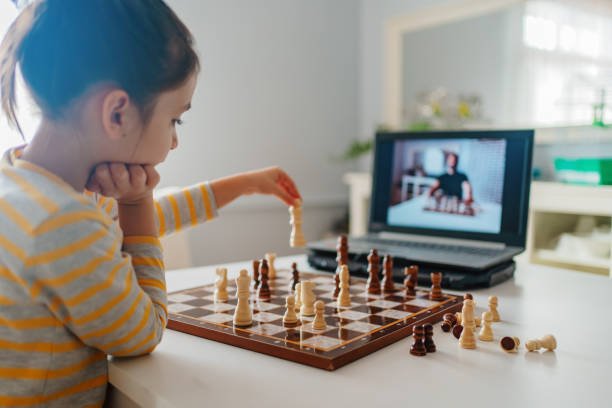
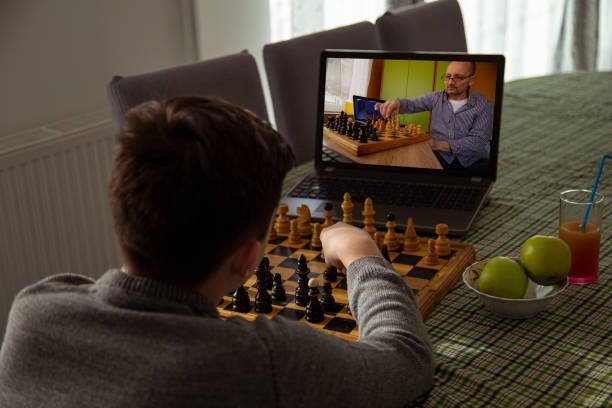
Online chess training provides more flexibility. Instead of waiting for local tutors, you can meet a coach online whenever suits you. No travel. No weather issues. If snow or cold or busy roads block you, you still can have class in your room. Also online gives more choices of coaches.
You can hire someone outside Moose Jaw who maybe has more experience. You can get lessons at times that fit better with school, work, other life.
Online training means you often get more tools: digital boards, puzzles, game review software, video lessons, sometimes recordings. You can replay your games, measure your progress over weeks or months. You can get feedback quickly.
If you make a mistake in a game, you can send it to the coach, see where you went wrong, and learn how to fix it. Local tutors or clubs sometimes don’t have that kind of system all the time.
Another thing is cost vs value. While some local tutors are affordable, online coaching spreads the cost more wisely: you pay for coach time and structured support, sometimes get richer content (homework, analysis) so your time learning is more effective. For many families in Moose Jaw, the balance of cost, convenience, and quality makes online training an excellent choice.
Finally, online training helps build consistency. Because you don’t need to travel, you are more likely to show up regularly. Learning in short bursts often works better than long breaks. If you miss a session because of weather or traffic, that gap can slow your progress. Online helps avoid those gaps.
How Debsie is The Best Choice When It Comes to Chess Training in Moose Jaw
Now, I want to show you how Debsie is not just “one of the online options”—Debsie tries to be the best option for students in Moose Jaw (or anywhere).
Debsie begins with you. When you first join, there is an assessment: what you already know, what you struggle with, what your goals are. Maybe you’re a complete beginner. Or maybe you already win some games but lose in endgames or miss tactics. Debsie figures out what level you are. Then Debsie builds a plan just for you.
That plan is broken into small steps. Debsie does not ask you to leap ahead without being ready. Each lesson builds on what happened in the last ones. For example, if you struggle with middlegame planning, Debsie gives you special work there before moving to more complex topics.
If tactics are weak, you get puzzles and drills. If openings confuse you, you pick ones suited to your style and understand the ideas, not just memorize moves.
Debsie uses strong tools. In class, the board is digital; coach shares screens. After a game you played, Debsie reviews it together—what you did well, what you missed, where you made mistakes. You get homework: puzzles, small games, perhaps watching short video explanations. All of that reinforces the lesson.
Debsie tracks your progress over time. You will see exactly what skills improved: tactics, endgames, openings, thinking ahead, analyzing. If something slows down, Debsie sees that and adjusts. That way you are always moving forward. No long plateaus where you feel stuck.
Debsie’s coaches are experienced and kind. They know how children learn. They explain with simple words. They do not rush. They celebrate small wins. They help you feel confident. They help with how to handle a loss (because losses are part of learning). They help you stay motivated, because chess training over time can be hard.
Debsie also gives flexibility. You pick lesson times. If a week is busy, you can adjust. If a tournament is coming, you can request extra focus on preparation. If you miss a lesson, there is support to catch up. All because online removes many physical barriers.
Because of all this, Debsie gives very high value. The cost is worth it: you get quality, support, structure, progress. Many local tutors may offer cheaper hourly rate, but often don’t give all these in a package. With Debsie, you are paying for more than one lesson—you are paying for a learning journey.
Offline Chess Training
In Moose Jaw, offline chess training mostly happens in two ways. First, through small chess clubs or community groups. Second, through local tutors who offer private lessons in homes or public places like libraries. While these options do give some hands-on help, they tend to vary a lot in quality and structure.
The Moose Jaw Chess Club, for example, meets at the public library. It’s a cozy, casual group where people play for fun and sometimes get advice from stronger players. For a beginner just getting started, this kind of setting can be a good way to meet others and learn the very basics.
However, there’s usually no curriculum. Players come and go. Lessons, if given, are short and informal. You play games, and maybe someone points out a mistake, but there’s no long-term teaching plan. It’s social chess, not serious coaching.
Some local tutors also offer private lessons. You can find them through word of mouth, online platforms like Superprof, or local community boards. They usually teach one-on-one, in person, using a standard chessboard.
These tutors often charge by the hour and may meet weekly or bi-weekly. The experience can be helpful, especially for students who prefer face-to-face learning.
Still, the results depend a lot on the tutor. Some are passionate and skilled. Others are casual players who just know the game. The quality of teaching can be hard to judge at first, and many do not offer structured progress tracking, homework, or feedback systems. Most do not use digital tools at all.
That means while offline training can be warm and personal, it is often inconsistent. You may learn something new one week, then nothing for two weeks. You may get stuck in the same mistakes with no one noticing. And if you can’t meet because of weather or illness or travel, you just miss the session—with no backup plan.
Drawbacks of Offline Chess Training
First, offline training usually lacks a system. Most tutors don’t follow a full program. They teach what comes to mind. One week it might be openings. Next week, random tactics. There’s no step-by-step plan to move from beginner to strong player. Without a system, you move in circles. You play more, but don’t grow much.
Second, there’s very little feedback. You play games, sure. But no one reviews every move with you. No one gives you a report or homework based on your weaknesses. That means you repeat the same mistakes—again and again.
Third, scheduling is hard. In Moose Jaw, the winter months are tough. Heavy snow, freezing roads—lessons get cancelled or skipped. Offline tutors don’t always have backup plans. If you miss one, it’s gone. That breaks your rhythm. And when learning chess, rhythm matters.
Fourth, the resources are limited. Offline, you usually just have a chessboard. No online puzzles. No saved games. No analysis software. No screen recordings to review later. That’s a big disadvantage. Modern learning needs modern tools.
Fifth, progress is slower. Offline coaches may not give structured practice outside of class. You may not get assignments. You may forget what you learned. You don’t have a place to go back and review it. Without regular reinforcement, learning fades.
Lastly, offline learning can feel isolating. There’s no big community. Maybe it’s just you and your coach. That’s okay at first, but later you may want to play with others, join tournaments, ask questions, compete. Most offline setups don’t support this.
When you add all these up, the picture becomes clear. Offline training may be good for casual learning or fun meetups. But for serious improvement? It just can’t match the flexibility, tools, structure, and pace of modern online training—especially a platform like Debsie.
Best Chess Academies in Moose Jaw
Below I show you Debsie first with much detail. Then I’ll show other academies or tutors in Moose Jaw or near, with what they offer. This helps you compare and understand why Debsie stands out.
Find the right learning experience
Tell us a little about the learner and what you are looking for. Our team will review your answers and help you identify the most suitable next step.
- Takes only a few minutes
- No payment required
- Personalised recommendations
Your information will only be used to respond to your enquiry.
1. Debsie
Debsie is built for students who want more than just playing games. If your child or you want strong growth, good habits, steady results, Debsie offers a package that many others don’t.
Debsie tracks your progress over time: you see your improvement in different areas (tactics, planning, calculation, endgame, opening understanding).
Debsie’s coaches are experienced, caring, and know how kids think. They don’t rush. If something is hard, they slow down. If something is easy, they push gently. They explain in simple language. They make sure you understand “why” something works, not just “what” to do. They help with focus, patience, thinking ahead, handling mistakes.
Debsie gives flexibility. Lessons at times that suit you. If you’re busy one week, you can rearrange. If a tournament is coming, extra help. If you miss a session, there is a way to catch up.
Cost vs value: you may pay more than very casual local tutors, but with Debsie you’re buying more than one lesson. You’re buying feedback, structure, growth, consistency. Over months, you’ll see your skill grow steadily—which means more wins, more confidence, more joy in chess.
2. Yara (Superprof, Moose Jaw)
Yara is a tutor in Moose Jaw with about 9 years of experience. She focuses on openings, strategy, endgames. She offers lessons for all ages.
Her strengths: she has experience, she can teach specific areas (openings, endgames), and she is local. Being face‑to‑face or local means less worry about technical issues. If you want help in a specific area or just occasional lessons, Yara is a good pick.
Where she is weaker than Debsie: Yara may not offer a full long‑term curriculum with game tracking, recorded lessons, or a large range of tools. Her package may be less flexible. Also, because she is one person, she may not always be available. Feedback may be good, but may not come with the kind of regular progress metrics Debsie gives.
3. Xanthe (Superprof, Moose Jaw)
Xanthe offers chess tutoring in Moose Jaw with dynamic, interactive style. She advertises energy, enthusiasm, and organizes lessons to be more than just drills.
Her lessons may be higher priced than some, but you get more interactive work. She’s good if you respond well to lively lessons. She could be good for mid‑level players wanting coaching with fun, or to improve particular parts of their game.
Against Debsie, though, Xanthe may not provide as many tools: long‑term planning, full feedback system, game‑analysis tools, etc. If your goal is to steadily increase rating, or to compete, Debsie’s structure gives more consistency and more support.
4. Moose Jaw Chess Club & Moose Jaw Public Library (MJCC)
The Moose Jaw Chess Club meets biweekly at the Moose Jaw Public Library. Those are casual meetings, where people come to play games, meet others interested in chess, maybe get some casual coaching.
The club gives good exposure: playing many games, seeing how others think, observing patterns, enjoying chess socially. For beginners or someone who wants fun and community, this helps a lot. Also it’s low cost (often free or very cheap) and easy to attend locally.

5. Online Platform Tutors (AmazingTalker etc.)
There are many tutors on platforms like AmazingTalker offering chess tutoring for people in Moose Jaw and beyond. You can pick times, pick tutors, many specializations. Some are low cost, some more expensive, depending on experience.
These platforms give you choices and flexibility. But quality can vary a lot. Some tutors may not offer strong feedback, or have limited experience. Some lessons may feel generic, not fully crafted for your weaknesses. Also, tools and tracking vary by tutor.
Compared to Debsie, these platform tutors may give decent lessons, but likely less consistent follow‑through. With Debsie you get a path, regular feedback, progress tracking, coaching style suited to you, not just picking any tutor.
Why Online Chess Training is The Future
The way we learn is changing. Kids today are already learning math, reading, and science online—chess is no different. In fact, chess might be better learned online, when done right. And that’s why more and more families in Moose Jaw are choosing online chess training.
Why? Because online lessons give you something that local, in-person classes usually can’t: structure, flexibility, and speed.
Online training can be customized. Every child learns differently. Some like puzzles. Some need more time on each lesson. Some are ready for tournaments. Some are just getting started. Online coaching—especially with someone experienced—can change speed and style based on how your child learns. It’s not one-size-fits-all.
Also, you save time. You don’t need to drive across town. You don’t miss class when there’s snow or rain or traffic. You just log in, learn, and grow. That means fewer missed lessons and more progress over time.
And online chess allows students to practice anytime. If your child wants to go over a game after class, they can. If they forget something, they can review it. If they lose a game, the coach can look at it the next day. This fast feedback loop makes improvement much faster.
Another key reason online is the future? It’s global. Your child is not limited to just local teachers. They can learn from world-class instructors, play students from across the world, and join events that reach far beyond Moose Jaw. That kind of exposure builds confidence and skills that local-only training simply cannot offer.
Online chess training also keeps kids engaged. Coaches use tools like digital boards, timers, tactics puzzles, and real-time game reviews. Lessons are not just talking. They’re visual. They’re interactive. Kids stay focused, and they enjoy it.
The truth is: chess is a game of the mind. You don’t need a fancy room or a huge board. You need a strong plan, a helpful coach, and good practice tools. Online gives you all of that—and more.
How Debsie Leads the Online Chess Training Landscape
Debsie was not built as a side project. It was made from day one to help students—especially kids—become smart, confident chess players through online learning.
It begins with care. Every student who joins Debsie gets a clear, personal learning path. This path is not rushed. It’s made just for them. Are they struggling with tactics? Then we focus on patterns, puzzles, and solving problems. Are they scared of competition? Then we practice in friendly tournaments and learn how to stay calm. Whatever the need is, Debsie adjusts.
Coaches at Debsie are experienced, patient, and friendly. They’re trained not just in chess—but in teaching. That means your child learns in simple steps. There’s no confusion. There’s no rushing. Just steady progress, with someone cheering them on.
Debsie uses technology well. Lessons are taught live, on video, with online boards. Coaches can see the student’s screen and guide their thinking. Every lesson includes review time. What did we learn? What can we do better next time? That reflection helps students become smart thinkers.
The best part? You can see the results. As a parent, you’ll get updates. You’ll hear how your child is doing, where they’ve improved, and what the next step is. And your child will feel it too—more wins, better thinking, more joy.

Debsie also hosts tournaments. Students can play with others, build confidence, and test their skills in a safe, fun way. This builds not just chess talent—but courage, sportsmanship, and focus.
In Moose Jaw, no other program offers all of this in one place. Not the structure. Not the care. Not the tools. Not the flexibility.
If you’re ready to help your child grow—not just in chess, but in how they think and feel—Debsie is here to walk that journey with you.
Conclusion
If you’re a parent in Moose Jaw thinking about chess classes for your child, here’s the truth: chess is more than a game. It teaches kids how to sit still, how to think before acting, how to solve problems, and how to stay calm under pressure. These are life skills—not just board skills.
But to learn those lessons the right way, you need more than just a few casual games or drop-in sessions. You need the right coach. The right system. The right support. And that’s where the difference shows.
There are some helpful tutors and clubs in Moose Jaw. But they often lack structure, consistency, and flexibility. They might be good for fun or practice—but not for deep growth.
Debsie gives you all of that—plus care, coaching, and a clear path forward. Whether your child is new to chess or already playing well, Debsie gives them what they need to move forward with confidence.
With online tools, personalized coaching, tracked progress, and a team that truly cares, Debsie turns chess into a life-changing learning experience.
https://debsie.com/take-a-free-trial-class/
Comparisons With Other Chess Schools:

Sayandeep Pal cares deeply about how children learn. He believes every child should feel excited to learn—like opening a new gift. At Debsie, he helps turn lessons into games so kids laugh, think, and grow all at once. He often says, “Learning should never feel like homework. It should feel like a quest!”
Sayandeep reads lots of books about how children learn best. Some of his favorites are The Elephant in the Brain, The Self-Driven Child, and How Children Learn by John Holt. These books help him understand how kids think and feel when they learn new things.
He writes stories, blogs, and lesson ideas that make learning fun and simple. He also talks to teachers and parents about how to bring more play into classrooms. Sayandeep dreams of a world where kids are free to ask “why,” play with ideas, and feel proud of what they discover on their own.
Accomplishments – Club Master in Chess, 2000+ Rating at Chess.com, Has played and secured fifth position in national chess championships.
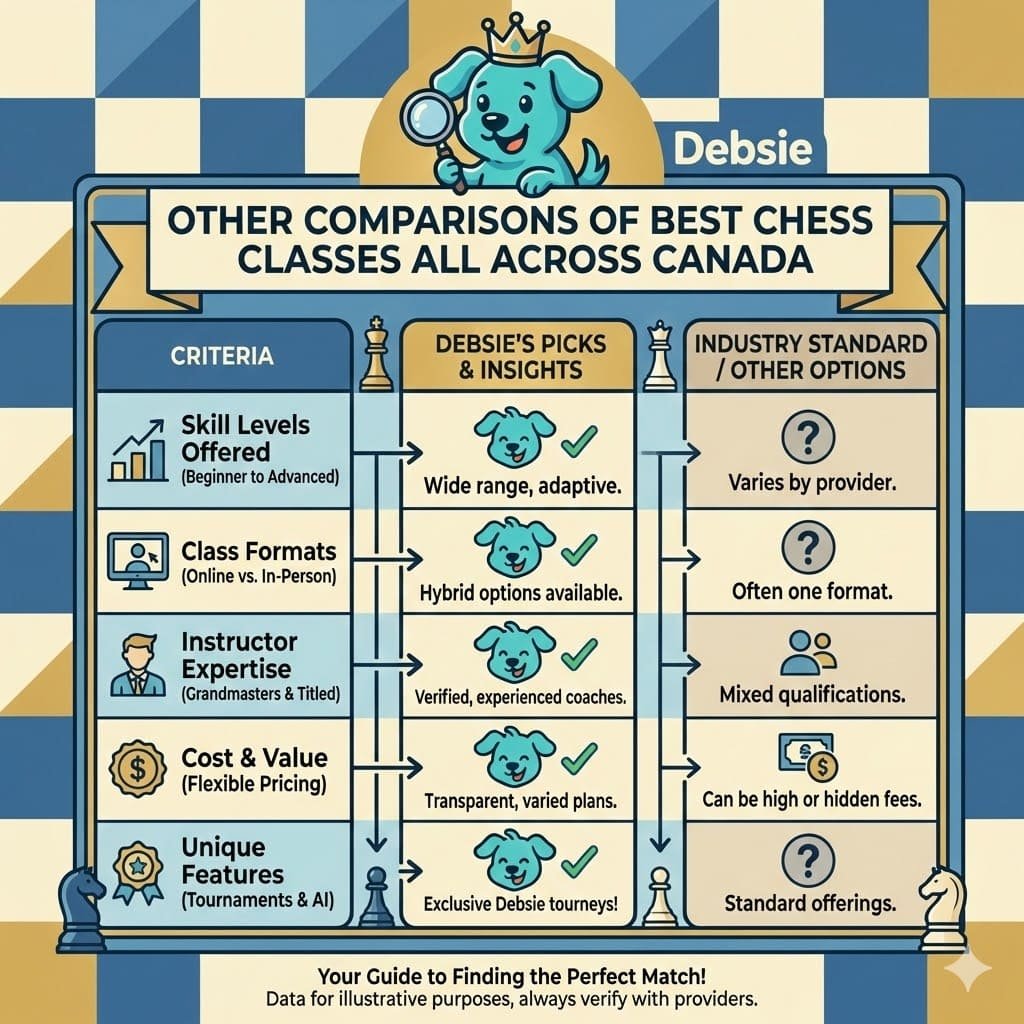
Other Comparisons of Best Chess Classes All Across Canada: