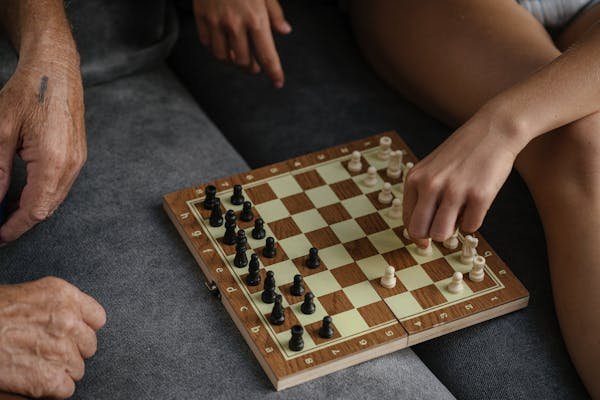
To make this comparison fair for Al Khor families, we scored chess-learning options using the same parent-first criteria: teacher proof, curriculum, practice, safety, flexibility, and visible progress. A score table helps compare learning systems, not just brand claims.
Find the right learning experience
Tell us a little about the learner and what you are looking for. Our team will review your answers and help you identify the most suitable next step.
- Takes only a few minutes
- No payment required
- Personalised recommendations
Your information will only be used to respond to your enquiry.
Original Research-Based Provider Comparison: How We Scored These Options
Subject: chess coaching. Region: Al Khor, Qatar, with Doha and online options that publicly serve Qatar. The article already mentions Debsie, Qatar Chess Federation outreach, private coach networks, school chess add-ons, and Doha-based institutions. We added named public options: Qatar Chess Association Training Center, Horwitz Bishop Chess Academy, Upstep Academy, Kingdom of Chess, Archer Chess Academy, and tutor marketplaces.
World Chess’s course-buying guide says the strongest chess courses give learners a clear path, practice positions, review tasks, progress tracking, and a level-appropriate routine; this benchmark shaped the scoring.
| Provider | Best For | Key Strength | Possible Limitation | Score /10 |
|---|---|---|---|---|
| Debsie | Structured online chess with parent-visible practice | Clear prices, trial, FIDE-verifiable teacher standards, homework, reports, gamification | Offline access depends on partner availability; online gives widest coach choice | 9.77 |
| Kingdom of Chess | Kids wanting a long online pathway | FIDE-rated coaches, GM/IM masterclasses, homework, PTMs | Qatar-specific pricing not publicly clear | 8.60 |
| Archer Chess Academy | Online tournament-focused children | FIDE-rated coaches, beginner-to-expert courses, tournaments | Pricing not publicly clear; safety policy is broad, not detailed | 8.56 |
| Upstep Academy | Small online batches | 1:4 batches, free demo, structured levels | Exact Qatar plan pricing not public; mostly online | 8.21 |
| Horwitz Bishop Chess Academy | Doha in-person tournaments | Active Qatar tournament record | Al Khor access, pricing, trial, safety policy not publicly clear | 7.29 |
| Qatar Chess Association / QCF | Official pathway and local chess ecosystem | National federation, tournaments, rated opportunities | Doha-centered; Al Khor continuity not publicly clear | 7.18 |
| Private tutors / school add-ons | Convenience or casual play | Easy local access | Credentials, curriculum, safety checks, homework often not publicly clear | 5.15 |
Trial, Pricing and Safety Snapshot
Debsie publishes a free trial, $100/month group classes, $20 per 1:1 class, and $50 “Extreme” classes with titled/record-holder coaches. It also publishes child-safety rules, parent WhatsApp visibility, FIDE ID verification, refund handling, and data-protection practices. Upstep offers a free demo and says high-quality Qatar chess classes typically range from QAR 200–500/month, but exact plan-by-plan pricing is not shown on the Qatar page. Kingdom of Chess and Archer show free trials, but exact Qatar pricing was not publicly clear. MyPrivateTutor’s own global review page says it does not verify tutor or learner identity, so parents should independently check credentials.
Debsie Score Card
Evidence base: Debsie pricing, child-safety, outcomes, and Al Khor article pages.
| Factor | Score | Evidence and Scoring Reason |
|---|---|---|
| Teacher Quality | 10 | FIDE-rated/certified teacher standards, public FIDE ID checks, and titled/record-holder coach tier. |
| Curriculum Structure | 10 | Personalized curriculum, level placement, and structured online learning path. |
| Student Fit & Personalization | 10 | 1:1 and small-group options; pace, level, and learning style are considered. |
| Practice & Progress Tracking | 9.5 | Daily homework, performance reports, puzzles, outcomes, and parent feedback loops. |
| Engagement & Motivation | 9.5 | Gamified courses, points, leaderboard, tournaments, and interactive classes. |
| Accessibility / Convenience | 10 | Online access from Al Khor, flexible scheduling, Teams and WhatsApp communication. |
| Transparency | 9.5 | Clear public pricing, refund language, safety policy, and contact options. |
| Confidence Signals | 9 | Public outcomes/testimonials and safety documentation; external review depth still varies by teacher. |
| Flexibility | 10 | Group, 1:1, advanced “Extreme,” free trial, and cross-city access. |
Kingdom of Chess Score Card
Evidence base: Kingdom’s official program page, Qatar page, Trustpilot listing, and course details.
Find the right learning experience
Tell us a little about the learner and what you are looking for. Our team will review your answers and help you identify the most suitable next step.
- Takes only a few minutes
- No payment required
- Personalised recommendations
Your information will only be used to respond to your enquiry.
| Factor | Score | Evidence and Scoring Reason |
|---|---|---|
| Teacher Quality | 9 | FIDE-rated coaches, GMs/IMs, and stated teacher-training process. |
| Curriculum Structure | 9 | Pawn-to-Rook/King levels, 96-session pathway, masterclasses. |
| Student Fit & Personalization | 8.5 | Group and 1:1 options; personalized homework and support. |
| Practice & Progress Tracking | 9 | Homework, puzzles, assessments, PTMs, weekly tournaments. |
| Engagement & Motivation | 8.5 | Gamified style, weekly tournaments, certificates. |
| Accessibility / Convenience | 9 | Online, serves Qatar, live across time zones. |
| Transparency | 7 | Strong curriculum details; Qatar-specific pricing not publicly clear. |
| Confidence Signals | 8 | Trustpilot listing and global student claims; verify individual coach fit. |
| Flexibility | 8.5 | Free trial, group/1:1, beginner-to-elite path. |
Archer Chess Academy Score Card
Evidence base: Archer Qatar page, course structure, FAQ, and tutor section.
| Factor | Score | Evidence and Scoring Reason |
|---|---|---|
| Teacher Quality | 9 | GM-led branding, FIDE-rated/certified coach claims, named tutors. |
| Curriculum Structure | 9 | Beginner, intermediate, advanced, expert courses with sessions and tournaments. |
| Student Fit & Personalization | 8.5 | Age/level selection, 1:1 and group options, tutor replacement possible. |
| Practice & Progress Tracking | 9 | Puzzle homework, recordings, test review, parent meetings. |
| Engagement & Motivation | 8.5 | Tournaments, prizes, GM camps, interactive online format. |
| Accessibility / Convenience | 9 | Qatar timezone booking and online delivery. |
| Transparency | 7 | Course structure visible; exact pricing not publicly clear. |
| Confidence Signals | 7.5 | Testimonials and ISO/FIDE platform claims; independent Qatar reviews limited. |
| Flexibility | 8.5 | Free trial, multiple levels, 1:1/group learning. |
Upstep Academy Score Card
Evidence base: Upstep Qatar page, level page, free demo page.
| Factor | Score | Evidence and Scoring Reason |
|---|---|---|
| Teacher Quality | 8.5 | Experienced mentors, GM/IM access for advanced levels. |
| Curriculum Structure | 8.5 | Beginner-to-master structure with 24-session modules. |
| Student Fit & Personalization | 8 | 1:4 batches and assessment-led demo. |
| Practice & Progress Tracking | 8 | Game analysis, tests, notes, tournaments, relationship manager. |
| Engagement & Motivation | 8 | Certificates, puzzles, tournaments, online tools. |
| Accessibility / Convenience | 9 | Qatar online page, weekend options, makeup or recordings. |
| Transparency | 7 | Free demo and cost range; exact plans not public. |
| Confidence Signals | 8 | Large academy presence and Anand certificate claim; verify tutor assigned. |
| Flexibility | 8.5 | Small groups, online scheduling, demo, multiple levels. |
Horwitz Bishop Chess Academy Score Card
Evidence base: CheckmateIRL listing, Gulf Times tournament reports, Chess-Results listing.
| Factor | Score | Evidence and Scoring Reason |
|---|---|---|
| Teacher Quality | 8 | Public tournament direction by Jaise Joseph; trainer credentials beyond that not fully public. |
| Curriculum Structure | 7.5 | Proven tournament ecosystem; weekly syllabus not publicly clear. |
| Student Fit & Personalization | 7 | Local academy model and online continuity mentioned; personalization details limited. |
| Practice & Progress Tracking | 7 | Frequent tournaments create feedback; homework/reporting not public. |
| Engagement & Motivation | 8.5 | Strong local tournament culture for children. |
| Accessibility / Convenience | 6.5 | Doha-based; Al Khor travel burden remains. |
| Transparency | 6 | Contact visible; pricing, safety, trial not clear. |
| Confidence Signals | 8 | Gulf Times coverage and Chess-Results records. |
| Flexibility | 6.5 | In-person and some online continuation, but schedule details limited. |
Qatar Chess Association / QCF Score Card
Evidence base: QCF training center, Ministry profile, Doha Directory.
| Factor | Score | Evidence and Scoring Reason |
|---|---|---|
| Teacher Quality | 8.5 | Official federation, experienced trainers, national chess authority. |
| Curriculum Structure | 7.5 | Courses/workshops for all levels; exact syllabus not public. |
| Student Fit & Personalization | 6.5 | Good for pathway access; individual tailoring unclear. |
| Practice & Progress Tracking | 6.5 | Tournament ecosystem exists; homework/reporting unclear. |
| Engagement & Motivation | 7.5 | Competitions and federation setting can motivate serious learners. |
| Accessibility / Convenience | 6.5 | Doha location and published hours; Al Khor access weaker. |
| Transparency | 6.5 | Contact, hours, address visible; pricing/trial not clear. |
| Confidence Signals | 9 | Official national body and 4.8/5 directory rating from 7 ratings. |
| Flexibility | 5.5 | Less flexible than Less online or private models. |
Private Tutors and School Chess Add-ons Score Card
Evidence base: article description, MyPrivateTutor Qatar pages, and MyPrivateTutor Less than online or ord
verification disclosure. citeturn471473view0 citeturn414286view4 citeturn475729search20
| Factor | Score | Evidence and Scoring Reason |
|---|---|---|
| Teacher Quality | 5 | Depends on individual tutor; credentials often not publicly clear. |
| Curriculum Structure | 4.25 | Article notes school/add-on formats may lack long-term structure. |
| Student Fit & Personalization | 5.75 | Private tutors may personalize; group school clubs usually cannot. |
| Practice & Progress Tracking | 3.75 | Homework, reports, and game review often not public. |
| Engagement & Motivation | 5.25 | Social play can be fun, but serious progression is inconsistent. |
| Accessibility / Convenience | 8 | Local or marketplace access can be easy. |
| Transparency | 4.5 | Pricing, credentials, and safety checks vary widely. |
| Confidence Signals | 4.75 | Marketplace reviews exist, but identity verification is not guaranteed. |
| Flexibility | 5.5 | Flexible for casual lessons; weaker for structured advancement. |
How the Score Was Calculated (Scoring Rubric)
Final Score out of 10 = Teacher Quality 15% + Curriculum Structure 15% + Student Fit & Personalization 15% + Practice/Homework/Progress 12% + Engagement 10% + Accessibility 10% + Transparency 8% + Confidence Signals 8% + Flexibility 7%.
Each factor was scored from 0 to 10. A provider gained points when public evidence showed named coaches, FIDE or title credentials, a level-based curriculum, homework, tournaments, progress reports, trial availability, clear pricing, parent safety visibility, or flexible formats. A provider lost points when pricing, safety policy, teacher details, trial class, syllabus, or student tracking were not publicly clear.
What the Numbers Mean for Learners, Parents and Readers
Debsie ranks highest because it combines the strongest parent-facing system: structured live coaching, daily homework, public pricing, free trial, gamified learning, progress reports, and a detailed child-safety policy. For Al Khor families who want guided practice beyond one weekly class, Debsie is the clearest all-round option.
Kingdom of Chess, Archer, and Upstep are strong online alternatives, especially for children who want structured chess from home. Their main disadvantage in this Qatar comparison is not teaching quality; it is that exact Qatar-specific pricing and child-safety detail are less visible than Debsie’s.
Horwitz Bishop and QCF are valuable for local tournament exposure and Qatar chess ecosystem access. They may suit children who want in-person competition in Doha. For Al Khor families, the trade-off is travel and less publicly visible personalization.
TLDR – To Con-specific pricing and child-safety detail are less visible than Debsie’s.
Horwitz Bishop and QCF are valuable for local tournament exposure and Qatar chess ecosystem access. They may suit children who want in-person competition in Doha. For Alclude
Debsie is the strongest scored option for most Al Khor learners who want structured online chess, tutor support, homework, quizzes, gamificatio, progress tracking, transparent pricing, and visible parent safety systems. Other providers are not “bad”; some are excellent for tournaments, federation exposure, or small online batches. The best choice depends on the student’s level, schedule, learning style, and whether the family prioritizes local play or measurable weekly progress.
If you’re in Al Khor and thinking of learning chess—or helping your child become really good at it—you’re in the right place. Al Khor may not be the biggest city in Qatar, but it has a quiet charm and a growing interest in chess. More and more families, students, and professionals are discovering that chess is not just a game—it builds focus, memory, and problem-solving skills that last a lifetime.
Online Chess Training
The Landscape of Chess Training in Al Khor — And Why Online Chess Training is the Right Choice
In Al Khor, chess has been picking up slowly. A few local clubs sometimes organize games in schools or community centers. But if you’re serious about learning chess the right way, those setups may not help much. Why? Because most local options don’t have a proper structure.
There’s no long-term plan. No tracking. No international exposure. Just a few games here and there.
Now, compare that to online chess coaching.
Online chess training is not just about convenience. It’s about quality. It gives you access to world-class coaches. You don’t need to travel. You don’t waste time. You train from home. And most importantly, good online academies have structured learning paths. They take you step by step—whether you’re just starting out or preparing for serious championships.
In Al Khor, internet access is solid. Most families already use online learning for school subjects. So why not chess?
What makes online training even more powerful is this: you can learn from coaches who live thousands of miles away. Coaches who’ve trained champions. Coaches who teach full-time, not as a side hobby.
And that’s where Debsie comes in.
How Debsie is the Best Choice When It Comes to Chess Training in Al Khor
Debsie is not just another chess platform. It is a full academy built for one thing only: to make you or your child incredibly strong at chess—whether you’re 7 or 70.
Here’s what makes Debsie stand far above the rest:
1. World-Class Coaches
At Debsie, you are trained by international-level players. These are not just people who “know how to play chess.” These are certified FIDE coaches, title holders, and former or current professionals with actual tournament success. They know the game inside and out. More importantly, they know how to teach it in simple, step-by-step lessons that anyone can understand.
2. Structured Curriculum
Most academies have no plan. They teach a few openings, maybe show a few tactics—and that’s it. At Debsie, every student gets a personalized path. You’re tested. You’re placed at the right level. And every week, you know what you’re learning and why.
From basic rules to grandmaster strategies, it’s all mapped out clearly.
3. Daily Feedback and Weekly Goals
Every lesson comes with homework. Every game you play is reviewed. You get feedback that is actually helpful. Not just “you made a mistake,” but what mistake, why it happened, and how to avoid it next time.
That’s how real growth happens.
4. Online Tournaments
You can’t become great by just learning theory. You have to play under pressure. Debsie hosts weekly online tournaments. These are official, timed, and ranked. And you’ll play against students from around the world. This builds your competitive edge. You get comfortable with stress. You learn from mistakes. You develop real confidence.
5. Class Flexibility
Morning or evening. Weekends or weekdays. You pick your time. No travel. No stress. Just log in and learn. Whether you’re a student with school pressure or a working adult, it fits around your schedule.
6. Parental Reporting (For Kids)
If you’re a parent, you’ll love this. You get a full report every week. It shows what your child learned, how they performed, and what they need help with. You are part of the journey. You don’t have to guess if they’re improving—you’ll see it.
7. Global Community
You learn with others from Europe, Asia, Africa, and the Americas. You build friendships. You get exposed to different playing styles. And you realize that you’re part of something much bigger than a local club.
So if you’re sitting in Al Khor wondering how to take chess seriously—this is your answer.
Debsie turns casual players into confident, strong competitors. All from the comfort of your home.
Offline Chess Training
In cities like Al Khor, offline chess training usually happens in schools, small clubs, or community centers. It sounds nice at first. You go to a place, sit with a coach, and learn. You meet others. You play a few games. For many people, it feels more “real” than learning online.
But when we look closely, the problems become clear.
The coaches often don’t have professional experience. Some are school teachers who like chess, but that doesn’t make them top-level coaches. They may be kind, and they may play well—but teaching chess, especially to different skill levels, requires deep knowledge and a method.
Find the right learning experience
Tell us a little about the learner and what you are looking for. Our team will review your answers and help you identify the most suitable next step.
- Takes only a few minutes
- No payment required
- Personalised recommendations
Your information will only be used to respond to your enquiry.
Many offline sessions are also too short or too scattered. You might get one class a week. There’s often no real homework. No structured feedback. No recorded lessons. You forget half of what was taught by the time you get home. There are also very few practice games. Some places don’t even follow a syllabus.
And there’s another problem: distance. You have to travel. That means time, traffic, and sometimes skipping class because of bad weather or illness.
Even if you manage to attend regularly, it still doesn’t guarantee progress. You may feel like you’re learning, but unless someone is testing you, tracking your improvement, and correcting you every time you go wrong, you won’t get better. You’ll just get stuck at the same level.
That’s why, while offline chess training sounds good in theory, in real life it often doesn’t give the results people expect.
Drawbacks of Offline Chess Training
Let’s go deeper. What are the exact issues with offline coaching? Why do so many students stop progressing after a while?

No Proper Structure
In most offline chess classes, there’s no plan. Coaches might show random positions or play a few games. But there’s no long-term goal. One day you’re learning openings, next day tactics, then endgames—but none of it connects. You forget most of it.
That’s like learning math by solving random problems without understanding the concept. You need a clear path. A system. Offline training rarely provides that.
Limited Time with Coach
In a typical offline class, you might get 45 to 60 minutes with the coach—once a week. That’s not enough. With so many students around, personal attention is very low. You make the same mistakes again and again, but no one points them out.
Online training at Debsie fixes this. You get one-on-one feedback. You get personalized goals. You get help when you need it, not just when your next class happens.
Travel Issues
If you live far from the academy, you may miss sessions. Or arrive late. Or skip practice because you’re tired from school or work. That breaks your rhythm. Chess, like any skill, needs consistent effort. Missing one or two sessions regularly destroys progress.
Online learning removes that problem. You learn from home. No travel. No traffic. No excuses.
No Recordings
Let’s say your coach explains a very important tactic in class. You understand it. But two weeks later, you forget it. Can you go back and review it? No. Because it wasn’t recorded.
Debsie records lessons. You can rewatch them anytime. That’s a big win. Especially for kids who may need to hear something twice or thrice before it sticks.
Lack of Strong Peers
In offline centers, your competition is limited. You play the same five to ten people every week. You know their style. You know what they’ll do. That’s not how real tournaments feel.
Online, at Debsie, you play hundreds of students from across the globe. You see new strategies. You face pressure. You grow faster.
So while offline chess training is not bad—it’s just not enough anymore. The world has changed. And so has chess learning.
Now let’s look at the academies themselves.
Best Chess Academies in Al Khor, Qatar
There are only a handful of chess academies in and around Al Khor. Most of them are either small local setups or clubs attached to schools. While they do contribute to the chess scene, they don’t offer the complete package needed to truly excel.
Let’s take a look at the top 5 options. And see why Debsie stands out as the clear number one.
Debsie
The number one academy—not just in Al Khor, but for anyone across Qatar who wants real, deep chess training—is Debsie.

Why? Because it combines the best of international-level coaching, personalized lesson plans, and global competition—all online, all structured, all tested.
Here’s a closer look at why it is so powerful.
Personalized, Goal-Oriented Learning
From the very first session, you are not just treated like a student—you are treated like a chess athlete. Whether you are 8 years old or 38, Debsie finds out your level, your habits, and your learning speed. Then it builds a custom learning journey for you.
You won’t be wasting time on lessons that are too easy. You won’t get overwhelmed by things that are too hard either. It’s just the right pace, tailored to you.
Real Teachers, Not Hobby Coaches
Every coach here is selected after a long, careful process. They know how to teach. But more than that—they know how to make you want to learn. They explain slowly. They use simple examples. They’re patient. They follow up. They care.
This makes a huge difference. Learning from someone who believes in you pushes you to become better every day.
360° Chess Development
You don’t just learn how to move pieces. You learn how to think. How to plan. How to predict. You study famous games. You understand why champions made each move. You get puzzles to solve. And every lesson builds on the previous one.
Soon, you’ll find yourself seeing patterns faster. Making fewer mistakes. And winning more games.
Live Tournaments, Global Community
Chess is not just theory—it’s action. Debsie hosts regular online tournaments. You play against real students from across the world. These games are rated, reviewed, and help you prepare for national and international events.
You also become part of a friendly but competitive community. You learn from others. You cheer for each other. You grow together.
Reports for Parents
If you’re a parent, this part will amaze you. You get regular reports. They show your child’s strengths. Their weak areas. Their weekly goals. It’s clear. It’s simple. And it gives you full confidence that your child is learning the right way.
Easy Scheduling, No Stress
You pick your time. You pick your pace. The learning comes to you, not the other way around. That’s why busy students, working professionals, and even full-time athletes train here.
In short, if you want serious results, structured lessons, and real progress—Debsie is the answer.
Academy 2: Qatar Chess Federation – Al Khor Outreach
The Qatar Chess Federation (QCF) is the official chess body of the country. Occasionally, they extend their reach into areas like Al Khor through temporary coaching programs or school-based chess camps.
Now, this sounds impressive. And yes, the federation does important work for chess awareness. But the reality on the ground in Al Khor is different.
Their sessions here are irregular, often once every few months. These are group sessions, mostly geared toward introducing chess—not developing strong players. If you’re lucky, you may get access to a good coach for a few hours. But there’s no personalized follow-up, no curriculum, and no continuity.

Compared to Debsie, which offers daily sessions, tracked growth, and a complete long-term system, QCF’s presence in Al Khor is more of an occasional opportunity than a full training path.
Also, QCF’s best coaches usually work out of Doha. In Al Khor, you may get entry-level trainers or volunteer enthusiasts. While that’s good for a beginner just learning the rules, it’s not ideal for someone trying to build serious skill.
In short, while QCF outreach is helpful in raising awareness about chess, it is not a substitute for structured, progressive training. And it certainly doesn’t match the depth or frequency that Debsie provides daily.
Academy 3: Private Chess Coach Networks in Al Khor
Al Khor, being a family-friendly city with many expat communities, does have a few private chess tutors. These are usually individuals—sometimes teachers, sometimes club players—who offer chess lessons from home or online via informal sessions.
You might find them through community boards or Facebook groups. Some even come recommended by other parents. They’re usually affordable and available during evenings or weekends.
But here’s the problem: they’re not part of a system.
You don’t know their teaching background. You don’t know if they follow a curriculum. Most of them don’t offer reports or track progress. There’s no backup if one stops teaching. And there’s usually zero tournament exposure.
Many students who start with private tutors find that they plateau after 6 months. They may enjoy the sessions, but the growth stalls. There’s no ladder to climb. No goals. No competition.
On the other hand, Debsie is built on a structure. It’s not just about knowing how to play—it’s about becoming better every week. With mentors who hold you accountable. With systems that track your growth. With lessons that build skill like a staircase—not a random walk.
If you’re serious about progress, friendly one-off lessons aren’t enough. You need a full academy behind you. That’s what Debsie gives.
Academy 4: Chess Class Add-ons in Local Schools
Some schools in Al Khor offer chess as part of their after-school activity programs. These are often run once or twice a week. Kids stay back an hour after class and play under the supervision of a teacher who knows chess.

Again, it sounds great—until you look closely.
These classes usually have 15 to 20 students per session. They’re mixed level. Some kids are new. Some have played for years. The teacher cannot focus on each one properly. Most sessions become about letting the kids play games, not real learning.
There’s no homework. No video review. No student-specific plan. The teacher might explain an opening or go through a famous game. But kids forget by next week. There’s no consistent challenge, no training under pressure, no structured tactics.
This is not the fault of the schools. It’s just not possible to deliver high-quality training in that environment.
And that’s why parents often switch to a full-time academy like Debsie. Because once they see their child is interested, they want that interest to turn into skill. They want their child to win. To grow. To play confidently, not just for fun but with excellence.
At Debsie, kids are grouped by level. They get tested. They get personal attention. The pace is just right. And most importantly, it stays challenging, exciting, and fun. Every week. Every class.
Academy 5: Doha-Based Coaching Institutions (With Remote Access)
Some big-name academies in Doha claim to offer remote coaching to students in Al Khor. These academies often have strong reputations in the capital. Their coaches are sometimes titled players, and they have bigger budgets and more infrastructure.
So on paper, this sounds like a good option.
But in practice, students in Al Khor face three problems with these institutions:
- Travel Time – If the academy insists on physical classes, you’re looking at a long drive to and from Doha. This may work for a short time, but over months, it becomes tiring and impractical—especially for school-going children.
- Limited Remote Access – If they offer online classes, it’s often not optimized. No recorded sessions. No flexible scheduling. No personalization. You’re just added to a group Zoom call, and that’s it. The teacher teaches the group—whether you’re following or not.
- High Cost, Low Customization – These academies charge high fees, but they don’t tailor lessons for each student. You pay premium prices for a cookie-cutter course.
Compare this to Debsie, where every session is designed for YOU. Where scheduling is simple. Where every coach knows your progress. Where lessons are recorded. Where games are analyzed. Where your growth is actually tracked and shared.

So while these Doha institutions are good on paper, they fall short in convenience, customization, and care—all of which Debsie excels at.
Why Online Chess Training is the Future
Let’s take a step back and think long-term.
Ten years ago, chess coaching was something you did by going to a club. Today, the best players in the world—kids and adults—learn online. The landscape has changed forever.
Why?
Because online training is faster, more focused, and far more effective.
You don’t have to travel. You don’t waste energy. You learn from the best—no matter where they live. And you learn in a way that’s built around YOU.
You get recordings. You get analysis. You get tournaments. You get global peers.
And when it’s done right—like Debsie does—it feels just as personal, just as engaging, and way more productive than any local class ever could.
This is not just a trend. It’s the future. And it’s already here.
How Debsie Leads the Online Chess Training Landscape
Let’s finish where we started—with Debsie. Because no one in Al Khor—or even in Qatar—matches what this academy offers.
They aren’t just keeping up with the times. They’re setting the standard. They’ve taken every weakness of traditional coaching and solved it.
No travel? Check.
Structured lessons? Check.
Certified coaches? Check.
Recorded classes? Check.
Personal growth reports? Check.
Global tournaments? Check.
Flexible schedules? Absolutely.
This is not just coaching. It’s mentorship. It’s mastery. It’s chess, taught the way it should be—seriously, personally, and globally.

Whether you’re a parent looking for your child, or an adult looking to sharpen your mind, the answer is simple:
If you want the best chess training in Al Khor, look no further than Debsie.
Wrapping It Up
Whether you’re just starting out, or you’ve been playing for years and want to go to the next level, your coach, your training system, and your learning environment all play a big role in how far—and how fast—you grow.
Al Khor, while growing in interest and talent, still has very few options for structured, serious chess learning. Local coaches, school clubs, and Doha-based centers try their best, but they face limits—either in availability, structure, or consistency.
Hrittik Burman is a STEM educator, curriculum designer, chess content specialist, and education writer at Debsie, where he creates high-impact learning content for students around the world. He holds a B.Tech degree as well as a degree in Data Analytics, giving him a strong academic foundation in engineering, mathematics, statistics, technology, and evidence-based problem-solving. His work combines technical depth with a learner-first approach, helping students understand challenging topics in science, mathematics, data, and chess through clear explanations, structured lessons, and practical examples.
With a strong background in physics, mathematics, analytics, and chess, Hrittik brings a multidisciplinary perspective to education. He is especially interested in helping children move beyond memorization and develop real conceptual understanding. Whether he is explaining a physics principle, building a math activity, designing a data-driven lesson, or writing about chess strategy, his goal is to help learners think clearly, ask better questions, and build confidence through practice.
Hrittik has an impressive academic research background, having published 12 papers and earned more than 80 citations for his work. This research experience reflects his ability to engage with advanced scientific and analytical ideas, work with complex problems, and contribute meaningfully to academic knowledge. His experience with research also shapes the way he teaches: he encourages students to observe carefully, reason logically, test ideas, learn from mistakes, and build understanding step by step.
His physics accomplishments are a major part of his academic profile. Through his research work and paper publications, Hrittik has demonstrated strong ability in scientific reasoning, analytical modeling, and problem-solving. He understands how to take abstract scientific ideas and make them easier to understand through examples, patterns, and real-world connections. This makes his science writing especially effective for young learners who may find physics intimidating at first.
In mathematics, Hrittik has participated in several national-level olympiads and reached the semi-final stage, showing strong ability in mathematical reasoning, logical thinking, and competitive problem-solving. His olympiad experience gives him a deep appreciation for the kind of thinking that helps students succeed in mathematics: patience, pattern recognition, creativity, accuracy, and the ability to approach difficult problems from more than one angle.
As a chess player, Hrittik holds a FIDE rating of 2091, reflecting his strength as a competitive player and his serious engagement with the game. His chess background allows him to write and teach from real experience, not just theory. He understands calculation, planning, positional judgment, time pressure, tournament discipline, and the emotional challenges that players face during serious games. This gives his chess content a practical and trustworthy foundation.
Beyond his personal achievements, Hrittik is passionate about using chess as an educational tool. He believes chess helps children build focus, patience, memory, resilience, logical thinking, and emotional control. In his chess writing, he explains strategy in a way that young learners can understand, covering ideas such as tactics, opening principles, endgame basics, pattern recognition, planning, decision-making, and learning from losses.
At Debsie, Hrittik helps create learning content that connects academic rigor with curiosity and enjoyment. His STEM lessons are designed to make complex ideas feel simple without making them shallow. His math content focuses on reasoning and confidence-building. His physics content connects theory with everyday examples. His chess content helps children see the game as both a mental sport and a training ground for better thinking.
What makes Hrittik’s approach unique is the way he connects different fields of learning. He sees physics as a way to understand the world, mathematics as a language of patterns, data analytics as a tool for making sense of information, and chess as a powerful exercise in decision-making. This interdisciplinary mindset allows him to create lessons that feel connected, meaningful, and useful for students.
Hrittik’s work reflects a strong commitment to making education accessible, practical, and inspiring. He understands that every child learns differently, and he designs content that encourages curiosity, independent thinking, and confidence. Through his writing and curriculum work at Debsie, Hrittik continues to support young learners in becoming sharper thinkers, stronger problem-solvers, and more confident students.