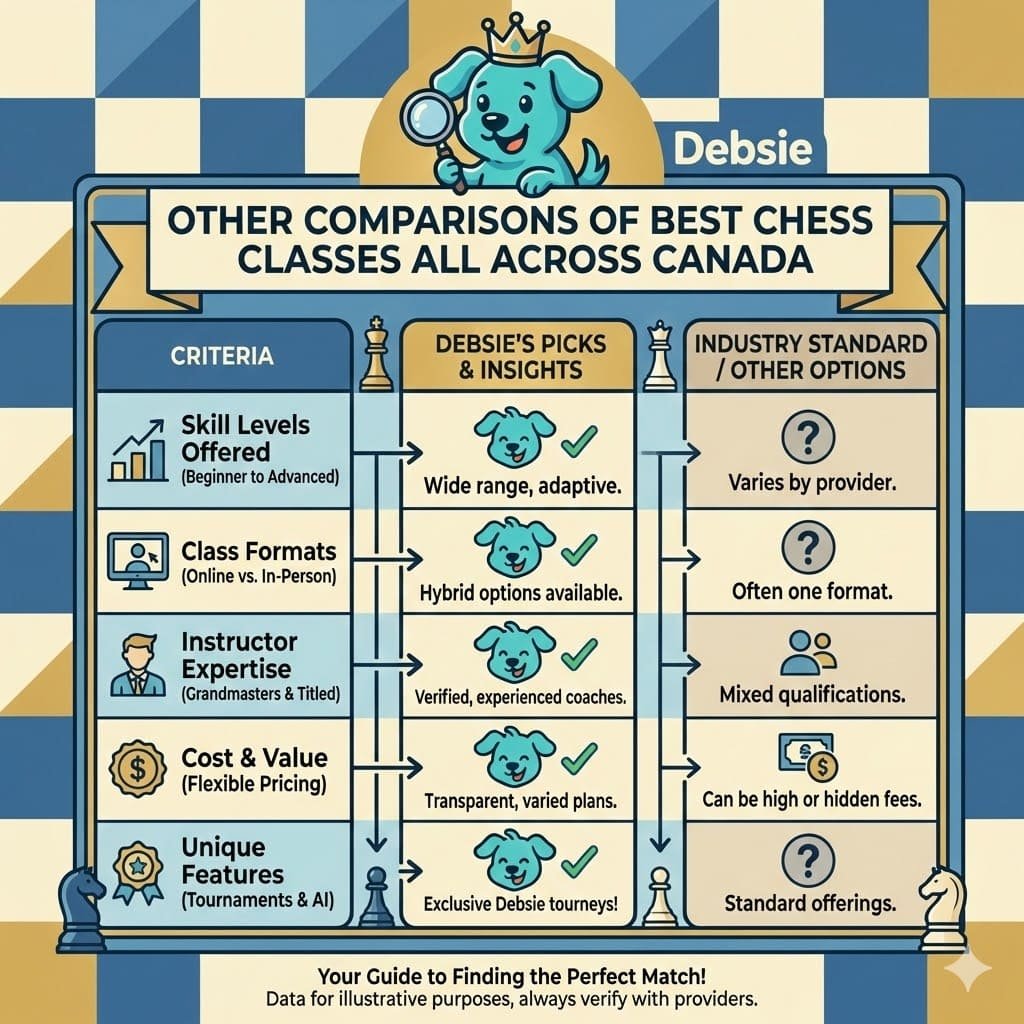
We scored Red Deer chess options using the same evidence-based model for every provider: teacher quality, structure, personalization, practice, engagement, access, transparency, reputation, and flexibility. A weighted table helps parents compare “good for casual play” versus “built for measurable improvement.”
Find the right learning experience
Tell us a little about the learner and what you are looking for. Our team will review your answers and help you identify the most suitable next step.
- Takes only a few minutes
- No payment required
- Personalised recommendations
Your information will only be used to respond to your enquiry.
Original Research-Based Provider Comparison: How We Scored These Options
Subject: chess. Region: Red Deer, Alberta, Canada. Providers already in the article: Debsie, Chess in Education Alberta / CIEDAL, Superprof/Fixando-style private tutors, Red Deer chess clubs, and AmazingTalker. Additional Red Deer-relevant providers reviewed: Chess Institute of Canada, ChessKid, and Outschool. The article itself describes Debsie as online, CIEDAL as Red Deer camp/school-based, Superprof/Fixando as tutor marketplaces, Red Deer clubs as community play, and AmazingTalker as an online tutor marketplace.
| Provider | Best For | Key Strength | Possible Limitation | Score /10 |
|---|---|---|---|---|
| Debsie | Structured online chess with tutor support | FIDE-rated/certified teacher partners, homework, progress reports, gamified learning | Best teacher range is online; local offline access depends on partner availability | 9.63 |
| Chess Institute of Canada | Canadian online group pathway | Clear beginner-to-elite levels and prices | Not Red Deer-local in person | 8.25 |
| ChessKid | Safe self-practice for younger kids | Puzzles, videos, game review, kid-safe design | Not a full live coaching program by default | 7.72 |
| CIEDAL | Red Deer camps and school programs | Local camp, age grouping, daily structure | Teacher credentials and year-round Red Deer schedule not fully clear | 7.43 |
| Outschool | Flexible online chess classes | Many live class formats and teacher choice | Marketplace quality varies; costs can add up | 6.97 |
| AmazingTalker | One-on-one online tutor matching | Large tutor pool, flexible booking | Chess-specific curriculum and safety policy vary by tutor | 6.83 |
| Superprof / Fixando | Local or online private tutor search | Pay-per-tutor flexibility | No single curriculum or progress system | 6.49 |
| Red Deer chess clubs | Casual local play | Low-friction community practice | Not a structured lesson provider | 4.98 |
Debsie — Score Detail
| Factor | Score | Evidence and Scoring Reason |
|---|---|---|
| Teacher Quality | 10 | Debsie states chess partners include FIDE-rated/FIDE-certified teachers, parents may ask for FIDE IDs, and the higher track lists record-holder coaches with FIDE titles. |
| Curriculum Structure | 10 | Public pages describe personalized curriculum, daily homework, performance reports after two months, and structured online chess learning. |
| Student Fit | 10 | Free trial includes level assessment and feedback; one-on-one classes are tailored to level, speed, and learning style. |
| Practice / Tracking | 9.5 | Daily homework, puzzle recommendations, WhatsApp support, and performance reports are publicly listed. |
| Engagement | 9.5 | Debsie uses gamified courses, points, leaderboards, AI support, and live teacher support. |
| Access | 9.5 | Online via Microsoft Teams; communication via WhatsApp; group classes are $100/month for two weekly classes, one-on-one from $20/class, Extreme $50/class. |
| Transparency | 9 | Pricing, free trial, safety policy, refund approach, and contact process are visible. |
| Confidence Signals | 8.8 | Student outcomes page lists puzzle, tournament, and progress examples, but many are platform-reported rather than independent third-party ratings. |
| Flexibility | 9.5 | Group, one-on-one, serious competitive track, online access, and support are all listed. |
Chess Institute of Canada — Score Detail
| Factor | Score | Evidence and Scoring Reason |
|---|---|---|
| Teacher Quality | 8 | CIC says classes are led by trained instructors and includes public testimonials praising instructors. |
| Curriculum Structure | 9 | Clear Rookie Rooks, Noble Knights, Future Masters, Elite, and Select levels with prerequisites. |
| Student Fit | 8.5 | Free ability evaluation places students by level. |
| Practice / Tracking | 8 | Advanced classes start with play and collaborative game analysis; Future Masters repeats until CFC 1400 is held for six months. |
| Engagement | 8 | Group activities, warm online community, and tournaments are public. |
| Access | 8 | Available online across Canada; prices are clear: $19, $22, $34.50, and $40/class depending level. |
| Transparency | 9 | Ages, duration, prices, prerequisites, and evaluation are clear. |
| Confidence Signals | 8.5 | Registered charity and many parent/school testimonials. |
| Flexibility | 8 | Strong level range, but less individually flexible than custom tutoring. |
CIEDAL — Score Detail
| Factor | Score | Evidence and Scoring Reason |
|---|---|---|
| Teacher Quality | 7 | Nonprofit chess-in-education organization, but named coach credentials are not publicly clear. |
| Curriculum Structure | 8 | Red Deer camps separate beginner July content from more advanced August tactics, middlegames, openings, and checkmates. |
| Student Fit | 7 | Ages 5–16, grouped by playing levels; private lessons are individually tailored. |
| Practice / Tracking | 7 | Camps include lessons, puzzles, competitions, and practical play, but parent progress reporting is not publicly clear. |
| Engagement | 8 | In-person camp blends instruction, friendly games, life skills, outdoor/free play. |
| Access | 8 | Red Deer venue listed; camp price $199/week, both sessions $299 if approved. |
| Transparency | 8.5 | Schedule, refund rule, fees, venue, and contact details are public. |
| Confidence Signals | 6.5 | Local nonprofit credibility; public reviews not prominent in search results. |
| Flexibility | 7 | Camps, schools, online, and private lessons, but current dates are not always clear. |
ChessKid — Score Detail
| Factor | Score | Evidence and Scoring Reason |
|---|---|---|
| Teacher Quality | 6 | Strong child-focused content; live teacher quality depends on parent/coach using Live Classroom. |
| Curriculum Structure | 8 | Lessons, videos, levels, puzzle history, game review, and progressive learning are public. |
| Student Fit | 7 | Best for ages 5–13 and beginners to about 1200; older students may outgrow it. |
| Practice / Tracking | 9 | 50,000+ puzzles, game review, history, and weekly report-card style tracking are cited in reviews. |
| Engagement | 9 | Stars, levels, bots, pets, Puzzle Duel, and kid videos support motivation. |
| Access | 9 | Web/iOS/Android; free tier; Gold listed at $9.99/month or $49.99/year. |
| Transparency | 8 | Features and pricing are clear; coaching is separate. |
| Confidence Signals | 8.5 | Large review footprint and child-safety reputation. |
| Flexibility | 7 | Excellent supplement, weaker as a complete live tutoring option. |
Outschool — Score Detail
| Factor | Score | Evidence and Scoring Reason |
|---|---|---|
| Teacher Quality | 6.5 | Independent educators; quality depends on class and teacher. |
| Curriculum Structure | 5.5 | Individual listings vary; no single chess curriculum. |
| Student Fit | 8 | Ages 1–18, private and small-group classes, many formats. |
| Practice / Tracking | 5 | Feedback depends on teacher; platform-wide chess tracking not clear. |
| Engagement | 7.5 | Live, interest-based small groups can be motivating. |
| Access | 9 | Online, searchable by time, age, price, and subject. |
| Transparency | 8 | Listings show class details, but pricing may use credits; private sessions often $24–$58/session and small groups $5–$29/class. |
| Confidence Signals | 7.2 | Trustpilot shows 4.0/5 from 3,557 reviews, with some cancellation/customer-service complaints. |
| Flexibility | 9 | Very flexible format, weaker consistency. |
AmazingTalker — Score Detail
| Factor | Score | Evidence and Scoring Reason |
|---|---|---|
| Teacher Quality | 6.5 | Large tutor marketplace; tutor quality varies by profile. |
| Curriculum Structure | 5.5 | Custom lessons, not a single chess pathway. |
| Student Fit | 8.5 | One-on-one online lessons and customized schedules. |
| Practice / Tracking | 5.5 | Tutor-dependent; platform-wide chess homework is not publicly clear. |
| Engagement | 6.5 | Personalized tutor style can help; gamified chess learning is not clear. |
| Access | 9 | Red Deer chess tutor search results list thousands of tutors and online access. |
| Transparency | 7.5 | Reviews and tutor pages are visible, but chess pricing varies by tutor. |
| Confidence Signals | 7.5 | Trustpilot shows 4.7/5 from 1,088 reviews, but also 13% one-star reviews and complaints about support/tutor issues. |
| Flexibility | 8.5 | Strong scheduling and tutor choice. |
Superprof / Fixando — Score Detail
| Factor | Score | Evidence and Scoring Reason |
|---|---|---|
| Teacher Quality | 6.5 | Superprof shows individual chess tutors, ratings, and profiles; quality varies. |
| Curriculum Structure | 5 | Tutor-dependent; no unified chess curriculum. |
| Student Fit | 8 | Tutors can teach online or face-to-face and adapt to goals. |
| Practice / Tracking | 5 | Homework/progress tracking depends on the tutor. |
| Engagement | 6 | One-on-one fit can be strong, but system-level gamification is absent. |
| Access | 8 | Superprof lists 4,790 Canadian chess tutors; average price $29/hour and many first lessons free. |
| Transparency | 7 | Tutor pages show price and reviews; third-party reviews mention fee-model confusion. |
| Confidence Signals | 7 | Superprof Canada has a large Trustpilot footprint; Fixando provides quote matching, but chess-specific reputation is thinner. |
| Flexibility | 8 | High flexibility, lower standardization. |
Red Deer Chess Clubs — Score Detail
| Factor | Score | Evidence and Scoring Reason |
|---|---|---|
| Teacher Quality | 4.5 | Club play is community-based; named instructor credentials are not publicly clear. |
| Curriculum Structure | 3 | Public listings emphasize play/meetups more than lessons. |
| Student Fit | 5 | Welcomes broad skill levels. |
| Practice / Tracking | 4 | Good for playing games; formal homework and progress tracking not clear. |
| Engagement | 7 | Social, local, over-the-board practice is a real benefit. |
| Access | 8.5 | Red Deer Public Library chess club and Red Deer County Chess meetups are publicly listed. |
| Transparency | 5.5 | Time/location can be found; coaching structure, trial, safety policy, and pricing are not fully clear. |
| Confidence Signals | 5 | Local community value, but limited public outcomes/reviews. |
| Flexibility | 4.5 | Useful supplement, not a full learning plan. |
How the Score Was Calculated (Scoring Rubric)
Final Score out of 10 = Teacher Quality 15% + Curriculum Structure 15% + Student Fit & Personalization 15% + Practice, Homework & Progress Tracking 12% + Engagement & Motivation 10% + Local Accessibility or Online Convenience 10% + Transparency 8% + Parent/Student Confidence Signals 8% + Flexibility 7%.
Example: Debsie receives 10 in the three largest categories because its public pages show FIDE-rated/certified teacher partners, level-based/personalized curriculum, free-trial assessment, homework, reports, and parent feedback loops. Its final score is not a “vibe” score; it is the weighted result of those category scores. World Chess is a useful comparison point for elite-player masterclasses, puzzles, and FIDE Online Arena features, but it is less directly comparable for Red Deer parents because the public masterclass page focuses on elite video streams rather than child-specific live tutoring, parent updates, and homework systems.
What the Numbers Mean for Learners, Parents and Readers
For structured improvement, Debsie is the strongest fit because it combines live teaching, visible pricing, FIDE-linked teacher standards, homework, progress reports, parent communication, and a free trial. CIC is also strong, especially for Canadian families who want a clear group-class ladder.
For local in-person exposure, CIEDAL and Red Deer chess clubs matter. CIEDAL is better for structured camp learning; clubs are better for casual games and community practice. Neither shows the same always-on homework/reporting system as Debsie.
Find the right learning experience
Tell us a little about the learner and what you are looking for. Our team will review your answers and help you identify the most suitable next step.
- Takes only a few minutes
- No payment required
- Personalised recommendations
Your information will only be used to respond to your enquiry.
For self-practice, ChessKid is excellent, especially for younger beginners. But it is best seen as a practice platform unless paired with a coach. Outschool, AmazingTalker, Superprof, and Fixando are flexible marketplaces; the upside is choice, while the risk is inconsistent curriculum, safety processes, and progress tracking.
TLDR – To Conclude
Debsie ranks #1 in this comparison because it offers the most complete parent-friendly learning stack: structured online lessons, live tutor support, FIDE-rated/certified teacher partners, gamified learning, quizzes and practice, daily homework, progress tracking, flexible plans, and a public child-safety policy. Other providers are not “bad”; they serve different needs. Choose CIEDAL for Red Deer camps, clubs for casual local play, CIC for a Canadian group pathway, ChessKid for safe practice, and marketplaces when you want to shop for an individual tutor. For families who want guided practice beyond one weekly class, Debsie is the most complete option in the data reviewed.
Chess is more than just moving pieces on a board. It teaches focus, thinking ahead, patience, smart choices, winning and losing with grace. If you live in Red Deer, Canada, or nearby, you may want someone strong to guide you in chess. Someone who knows how to teach, not just play. You may also want lessons that fit your pace, your style, and your life schedule.
In Red Deer, there are many people offering chess classes. Some are local teachers, some groups, some online. But often they don’t follow a fixed plan. Sometimes classes are just “let’s play” or “solve puzzles,” which may help a little, but not enough for big improvement over time. You may try offline (in-person) classes, but they often lack structure. Timing, curriculum, feedback, and progress tracking might be weak or missing.
That is why many students and parents are turning toward online chess training. Online makes it easier to find top coaches, follow a clear plan, get feedback, and learn from home. And among many online options, Debsie stands out as one of the best. Because Debsie is built to teach in a thoughtful way. It cares about your growth not just in chess skill, but in how you think, how you plan, how you stay calm, how you solve problems.
Online Chess Training
Online chess training has become the smart way to learn chess, especially for kids and teens. With the right setup, it’s like having a personal chess coach right in your home. You don’t need to drive anywhere. You don’t need to rush or sit in a cold hall. You just sit down at your desk, turn on your computer, and you’re ready to learn.
The coach is on your screen, guiding you, showing you moves, asking questions, helping you think.
What makes online training so powerful is that everything can be designed to fit you. If you’re a fast learner, your coach can speed things up. If you need more time, they slow down. If you love playing games, lessons can include more games. If you enjoy solving puzzles or analyzing famous games, that can be part of the plan.
Many students who train online improve faster than those learning in person. Why? Because online lessons often follow a proper curriculum. That means your coach isn’t just picking random topics each day.
There’s a plan. Step by step, from beginner to strong club player to tournament-ready. And in a good online academy like Debsie, your progress is tracked.
Landscape of Chess Training in Red Deer and Why Online Chess Training is the Right Choice
Red Deer is a growing city between Calgary and Edmonton. It has many schools, clubs, and learning centers. But when it comes to chess, it still has limited options. You may find a few people offering group classes here and there, sometimes at a library or a community center. Sometimes they’re hobby-based, sometimes they’re run by retired players or volunteers.
That’s not bad — it’s good that chess is present at all. But if your child wants more — serious growth, solid guidance, strong results — then it can be hard to find the right mentor nearby.
In-person coaches in Red Deer may have experience, but most don’t follow a full training program. You might get some tactics one week, an endgame puzzle the next, and a game the week after.
But there’s no system, no progress map. Also, most of the offline options don’t offer one-on-one attention for every student. And with the cold winters, driving back and forth every week becomes a chore.
Online chess training, however, solves all of that. It gives you access to top coaches, including international masters and grandmasters, without leaving your house. Your child gets classes that are structured, engaging, and focused on their level.
The classes can be one-on-one or in small groups. And they always follow a curriculum that builds from basic concepts to deep strategy.
It’s not just about convenience. It’s about quality. Your child deserves a coach who is fully trained not just in chess, but in teaching chess. Online makes that possible. And the best part? It’s often more affordable than in-person training. So better value, better results, and less stress.
How Debsie is The Best Choice When It Comes to Chess Training in Red Deer
Debsie is not just another online chess academy. It’s a complete learning experience made just for kids who want to grow in chess and life. And here’s what makes it so special.
Debsie has FIDE-certified coaches. That means these teachers are not just good players. They are trained, tested, and approved by the world chess organization. They know how to teach. They know how to spot mistakes. They know how to guide every kind of learner — shy kids, fast learners, slow starters, curious thinkers. They adjust to your child’s needs, which makes each lesson feel like it was made just for them.
Every student at Debsie follows a structured curriculum. From the first class, your child is placed in a level that matches their skills. Then step by step, they move up as they learn more. There are clear topics — opening principles, middle-game tactics, endgame plans, puzzles, tournament strategy, and even mindset coaching. Everything has a reason. Nothing is random.
Debsie offers live classes every week, private coaching for deeper growth, and online tournaments every two weeks. These tournaments help your child apply what they’ve learned. It’s not just theory. They play real games with kids from around the world — all in a safe, supportive space. And every game is reviewed, so your child learns from wins and losses.
Another big win? The community. Debsie has students from over nine countries. Your child gets to meet, play with, and learn alongside kids from all over the world. That builds confidence, teamwork, and friendship. It opens up their world and makes chess fun and exciting.
And here’s what parents love most: Debsie provides regular progress reports. You’re not left in the dark. You know what your child is learning, where they’re growing, and what the next steps are. It’s full of heart, care, and communication.
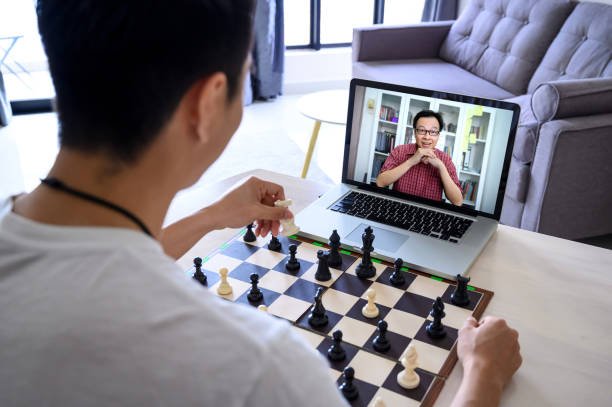
Best of all, you can try a class for free. No risk. No pressure. Just sign up and see how your child connects with the coach and the learning style. Most families who try a class, stay. Because the experience is real, gentle, exciting, and full of value.
Debsie is not just the best choice in Red Deer. It’s one of the best in the world — and you don’t even have to leave your home to join.
Offline Chess Training
Offline chess training has been around for a long time. It’s how most people learned chess in the past. A coach meets you in person — maybe at your home, maybe in a school, maybe at a local club. You sit across the board from them.
You move the pieces by hand. You look each other in the eye. There’s a personal, face-to-face feeling that some people really enjoy.
In a good offline setup, this can be very helpful. Especially when the coach is experienced, patient, and passionate about teaching kids. You might learn how to play a game from start to finish. You might go over famous games or tricky puzzles.
You might even join small local tournaments and play with other kids your age. For kids who love that in-person interaction, it can feel comforting.
But here’s the thing. Offline training can be a mixed bag. It really depends on who the coach is, where they teach, and what kind of structure they follow. Some offline coaches are fantastic. But many don’t have a step-by-step system. You might end up doing random things each week, without a clear sense of progress.
Some sessions are just free play. Some sessions are quiet reviews. You may learn something useful one day, then nothing the next.
Also, finding a really good chess coach in a smaller city like Red Deer isn’t easy. The pool is small. Most of the strong players live in bigger cities like Calgary or Edmonton. So in Red Deer, you may not always have access to the highest-level coaching. And if you do find someone good, they might already be full or may charge very high prices.
Another challenge is time. Driving to the coach’s place or a chess club every week takes effort, especially when it’s snowing or dark outside. Your child might feel tired after school, and you may not want to drive 20 minutes just for a 45-minute lesson. And if the coach cancels or reschedules, your whole plan is thrown off.
Drawbacks of Offline Chess Training
It’s not that offline chess is bad. It’s just that it’s limited. In a small city like Red Deer, the number of strong, certified chess coaches is low. So the choices for parents and students are limited too. You might end up choosing someone just because they are “available” — not because they are “right” for your child.
One major issue is the lack of a real curriculum. In many offline classes, there is no path. The teacher might show a puzzle today, play a game next week, and then go over a few opening traps the week after. It might be fun for a while, but it doesn’t build strong skills over time. You need a system to grow — and most offline setups don’t offer that.
Another big problem is consistency. Coaches cancel. Classes shift. Your schedule may not match theirs. If your child misses one week, they fall behind. And in group settings, they may not get any personal help. If they’re too shy to ask questions, no one will know. Learning stops.
There’s also the cost. One-on-one offline training is often expensive. And group classes, while cheaper, don’t give enough personal attention. So you end up paying more or getting less. That’s not a great trade.
Find the right learning experience
Tell us a little about the learner and what you are looking for. Our team will review your answers and help you identify the most suitable next step.
- Takes only a few minutes
- No payment required
- Personalised recommendations
Your information will only be used to respond to your enquiry.
Best Chess Academies in Red Deer
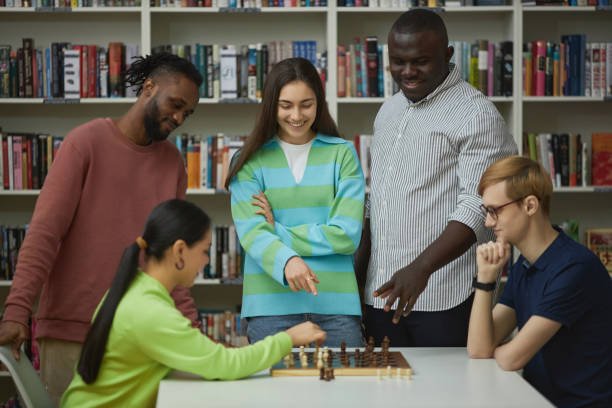
Here is a look at some of the strongest chess academies, clubs, and tutors in and around Red Deer. I’ll start with Debsie, with deep detail, then compare a few other good options so you can see how Debsie stands apart.
1. Debsie
Debsie is the top pick for chess training in Red Deer, especially if you want serious progress and strong support. Debsie isn’t physically located in Red Deer necessarily (because it is an online academy), but its reach is global, and it works very well for students in Red Deer. Here are the things that make Debsie excellent.
When your child joins Debsie, they are assessed carefully to find their current level — not by some quick test, but through real games, puzzles, and coach feedback. Based on that, they get placed in a learning path that matches their pace.
Each topic builds on the earlier ones, so nothing is missing. Openings, tactics, middlegame strategy, endgame — each has its time, in the right order. The curriculum is well planned, not made up on the fly.
Debsie’s coaches are FIDE certified. That means they have passed high standards. They are good at chess and at teaching. They understand how kids learn, how to explain ideas clearly, how to spot where a student is weak and help them improve. When your child makes mistakes, the coach doesn’t just say “this is wrong,” but helps them understand why and how to avoid it next time.
You will see your child’s growth. Debsie gives reports. You know what your child has improved and what still needs work. After every few lessons or tournaments, the coach reviews games, points out patterns, strengths, and weak spots. You know what is coming next. This helps keep the child motivated and parents involved.
Debsie gives options. Live classes with small groups help with energy, interaction, and peer learning. Private coaching gives deep work on specific issues. Bi‑weekly tournaments give real‑game practice. Real games, real pressure, real chance to apply what was learned. And after each tournament, there is review, which helps very much.
No need to go out in snow or cold. No worries about driving. Lessons happen at home. You pick times that work. If something happens, it’s easier to reschedule. Student feels more relaxed. Comfortable learning space at home helps attention and learning.
2. Chess in Education Alberta (CIEDAL)
CIEDAL runs good in‑person summer camps and school programs in Red Deer. Their summer camps mix learning with fun, life skills, and play. They offer morning and afternoon sessions. For beginners, they teach basics like how pieces move, rules, checkmating. For more able students, they include tactics, middlegame strategies, opening ideas, and more advanced checkmating patterns.
They also partner with schools. They run after‑school clubs or classes in schools in Red Deer. Sometimes they offer online when needed. So they have a mix of in‑person and virtual.
3. Private Tutors via Superprof and Fixando
In Red Deer there are private tutors listed on sites like Superprof. Tutors usually charge per hour. Some are good at teaching beginners; some are strong players. You can find tutors relatively locally.
Fixando also has requests for chess coaches in Red Deer who meet students in person. That gives option to have face‑to‑face instruction. But often lessons are more casual. The structure, curriculum, and feedback vary widely depending on tutor. Some may be very good; some not so much.
4. Red Deer Chess Clubs
There are community chess clubs in Red Deer. Examples are the Red Deer Chess Club (at the Downtown Public Library), Red Deer Youth Chess Club (at Red Deer College), and Central Alberta Chess Club. These clubs offer chances for casual play, meeting other players, maybe some coaching or workshops, sometimes tournaments.
These are good to play and practice, to meet other chess lovers, and for fun. But they tend to lack deep structured lessons, consistent one‑on‑one coach guidance, or personalized feedback. Which makes them weaker options for someone seeking fast or strong improvement.
5. Other Good Options
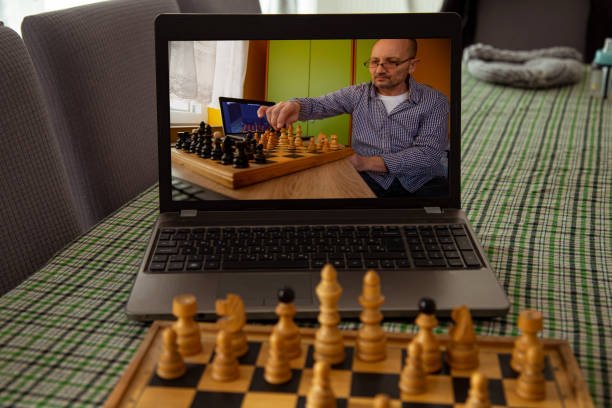
AmazingTalker is a platform where you can find many chess tutors online who offer one‑on‑one classes. Prices vary. Some tutors are very experienced. If you pick well, you can get good value. The problem is you must search carefully, check reviews, maybe try several tutors before finding one you click with.
CIEDAL, private tutors, clubs are all useful. They each have strengths. What many of them do not have is the full package Debsie offers all the time: constant progress tracking, regular tournaments, solid curriculum, high certified coaches, flexible timing, and the holistic growth.
Why Online Chess Training is The Future
The world is changing, and how we learn is changing with it. A few years ago, most learning happened in classrooms or in local clubs. But now, more and more students are learning online. And when it comes to chess, online training is quickly becoming the best choice — not just because it’s convenient, but because it actually helps students learn better and faster.
Let’s think about how kids grow today. They’re used to screens. They’re used to video calls. They’re used to apps, games, and fast access to information. That’s not a bad thing — it’s just how their world works. And when a learning program fits that world, the results can be amazing.
Online chess classes are not just screen time. When done right, they are focused, interactive, and personalized. A good coach sees your child’s screen. They watch every move. They ask questions, give hints, explain mistakes.
They use online tools to show puzzles, play games, and even draw on the board to explain ideas. It’s not just talking — it’s showing, guiding, asking, checking, and celebrating growth.
With online training, your child can record lessons. Watch them again. Slow them down. Practice again later. That’s not possible in most offline classes. Miss a class in person and it’s gone forever. But online, you can review. That means no gaps in learning.
Online training also connects your child with other young players around the world. They learn how to play against different styles, how to adjust, how to focus even under pressure. That kind of exposure is powerful. It builds confidence. It builds friendships. It makes chess feel like a global adventure, not just a school subject.
And online programs, like Debsie, use real data. Coaches don’t guess. They track wins, losses, types of mistakes, strengths, and improvements. It’s all clear. This is how smart learning works. It’s not random. It’s not rushed. It’s not boring. It’s focused and fun.
How Debsie Leads the Online Chess Training Landscape
Debsie isn’t just riding the wave of online learning — it’s leading it. Every part of Debsie is designed with one goal: to help each student become the best version of themselves, both on and off the board.
From the very first class, Debsie feels different. Students are welcomed warmly. Coaches take time to get to know each child — how they think, what they like, what they fear, where they shine. This human touch is rare. But it’s the heart of Debsie’s magic.
Behind the scenes, Debsie uses a deep, structured curriculum. This is not a random collection of tips and tricks. This is a staircase of learning, carefully built so that each step is strong. Beginners learn the basics with confidence.
Intermediate students sharpen their tactical vision. Advanced students dive into deep strategy, psychology, and endgame finesse. And all of it is taught in a way that’s fun, simple, and clear.
Debsie also trains its coaches. Not every strong chess player can teach well. So Debsie ensures that coaches are not only certified, but also skilled at teaching — with kindness, clarity, and creativity. They bring energy to every lesson. They explain with stories, jokes, questions, and clear visuals. They help kids feel smart. That’s when real learning happens.
Every two weeks, students play in Debsie’s online tournaments. These are not stressful or scary. They’re safe spaces where kids try out what they’ve learned. They meet other kids. They win some, they lose some — and they always learn. Coaches go over the games afterward. That’s where growth happens.
Debsie’s results speak for themselves. Students improve quickly. They start winning games they used to lose. They become more confident in tournaments, school, and life. Parents notice the change — better focus, better patience, better thinking. These aren’t just chess wins. These are life wins.

Conclusion
Chess is more than a game. It’s a skill for life. It teaches kids how to think before they act. How to plan ahead. How to stay calm when things get tough. And how to win and lose with heart. Every child deserves the chance to learn these lessons in a way that fits them.
In Red Deer, you have a few choices for chess learning. Some are local clubs. Some are summer camps. Some are tutors. They each have something to offer. But if you’re looking for something more — something structured, flexible, deeply personal, and led by expert coaches — there is really only one choice that stands above the rest: Debsie.
Debsie brings the world’s best chess education to your home. It saves time. It offers real coaching, not just casual play. It tracks growth. It builds confidence. And it creates a safe, exciting space where kids can learn, compete, and thrive.
You can try it for free. No long forms. No credit card. Just one class, designed for your child, to show you what learning should feel like.
👉 Take a Free Trial Class at Debsie

Sayandeep Pal cares deeply about how children learn. He believes every child should feel excited to learn—like opening a new gift. At Debsie, he helps turn lessons into games so kids laugh, think, and grow all at once. He often says, “Learning should never feel like homework. It should feel like a quest!”
Sayandeep reads lots of books about how children learn best. Some of his favorites are The Elephant in the Brain, The Self-Driven Child, and How Children Learn by John Holt. These books help him understand how kids think and feel when they learn new things.
He writes stories, blogs, and lesson ideas that make learning fun and simple. He also talks to teachers and parents about how to bring more play into classrooms. Sayandeep dreams of a world where kids are free to ask “why,” play with ideas, and feel proud of what they discover on their own.
Accomplishments – Club Master in Chess, 2000+ Rating at Chess.com, Has played and secured fifth position in national chess championships.
Other Comparisons of Best Chess Classes All Across Canada: