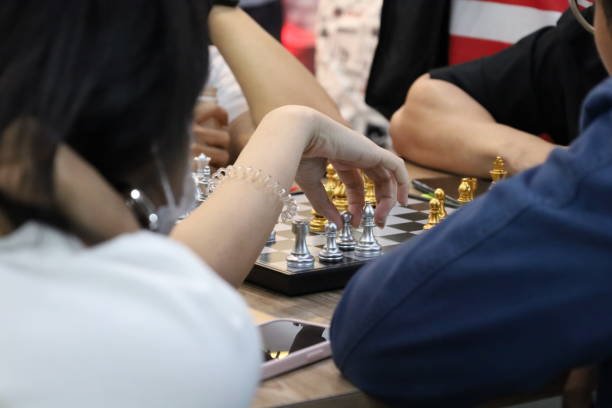
To make this comparison fair for Aachen families, we scored each option against the same 10-point model: teaching strength, structure, practice, transparency, flexibility, and parent confidence. The goal is not to “rank by hype,” but to show which provider gives the clearest learning path for a child.
Find the right learning experience
Tell us a little about the learner and what you are looking for. Our team will review your answers and help you identify the most suitable next step.
- Takes only a few minutes
- No payment required
- Personalised recommendations
Your information will only be used to respond to your enquiry.
Original Research-Based Provider Comparison: How We Scored These Options
Scope checked: chess classes/tutoring in Aachen, Germany. The article already mentions Debsie, Schachgesellschaft Aachen, Schachfreunde Brand, Schachverein Eilendorf, and Schachfreunde Würselen. Additional local providers checked: Aachener SV 1856, PTSV Aachen, and Denkfabrik AC / DJK Aufwärts Aachen.
| Provider | Best For | Key Strength | Possible Limitation | Score /10 |
|---|---|---|---|---|
| Debsie | Structured online chess growth | Live tutors, curriculum, homework, progress reports, safety policy | Not an over-the-board club night | 9.64 |
| Aachener SV 1856 | Strong local club pathway | IM-led youth and club training | Less visible homework/progress tracking | 7.61 |
| Denkfabrik AC / DJK Aufwärts | Young children, playful chess exposure | Child-development focus from age 5 / younger | Pricing and measured progress not publicly clear | 7.41 |
| DJK Arminia Eilendorf | Local youth club + team play | Active youth group and tournament history | Curriculum and safety details not publicly clear | 6.71 |
| PTSV Aachen | Affordable club chess | Licensed trainer team, library, database PCs | Less personalized than 1:1 tutoring | 6.67 |
| Schachfreunde Brand | Beginner-friendly local youth chess | Saturday youth training, trial visits, U12/U20 route | Home practice is recommended, not clearly tracked | 6.63 |
| SV Würselen | Local beginner youth training | Beginner group and systematic learning slot | Pricing and progress tracking not publicly clear | 6.36 |
| Aachener Schach-Gesellschaft 1930 | Casual/local club play | DSB-listed club with rated players | Small youth presence; class details limited | 5.06 |
Debsie — 9.64/10
Sources checked: Debsie article, pricing, safety, outcomes, and WorldChess community listings, with WorldChess weighted lightly because it is a community profile rather than a verified review platform.
| Factor | Score | Evidence and Scoring Reason |
|---|---|---|
| Teacher Quality | 10 | Public pages state FIDE-rated / FIDE-certified chess partners; higher plan includes FIDE-title coaches such as FM/IM/CM-level options. |
| Curriculum Structure | 10 | Clear beginner-to-advanced pathway, personalized curriculum, structured chess course model, and topic-based practice. |
| Student Fit & Personalization | 10 | One-on-one option, small groups of 4–6, flexible scheduling, level-based curriculum. |
| Practice, Homework & Progress Tracking | 9.5 | Daily homework, performance reports after two months, parent feedback loops, puzzle/outcome records. |
| Engagement & Motivation | 9.5 | Gamified courses, points, leaderboard, live interaction, quizzes and revision modules. |
| Accessibility / Convenience | 9.5 | Fully online; useful in Aachen when local specialist availability is limited. |
| Transparency | 9 | Pricing is public: $100/month group, $20/class 1:1, $50/class advanced coach tier. Free trial is public. |
| Confidence Signals | 8.5 | Public outcomes page lists student milestones; safety policy explains parent visibility, data policy, refund handling. |
| Flexibility | 10 | Group, 1:1, advanced coach tier, online across cities. Debsie also mentions local partnerships, but the broadest teacher access is online. |
Aachener SV 1856 — 7.61/10
Sources checked: official youth page, membership page, article, and club/history listings.
| Factor | Score | Evidence and Scoring Reason |
|---|---|---|
| Teacher Quality | 9 | Youth training lists IM Dr. Christian Seel; adult/club training lists IM Hans-Hubert Sonntag. |
| Curriculum Structure | 8 | Separate U12, U18, beginner, experienced-player and club-training routes are public. |
| Personalization | 7 | Grouped by age/experience, but not described as individually adaptive. |
| Practice / Tracking | 6 | Tournament participation is visible; homework/progress reports are not publicly clear. |
| Engagement | 6.5 | OTB club play, youth teams, tournaments. |
| Accessibility | 7.5 | Monday youth training in Aachen; guests welcome. |
| Transparency | 8.5 | Fees public: youth/students €5/month, adults €8/month, family €10/month. |
| Confidence | 9 | Historic club, IM trainers, competitive youth news. |
| Flexibility | 7 | Strong club option, but less flexible than online 1:1 scheduling. |
Denkfabrik AC / DJK Aufwärts Aachen — 7.41/10
Sources checked: official Denkfabrik page, article, and DJK/Aachen chess sources.
| Factor | Score | Evidence and Scoring Reason |
|---|---|---|
| Teacher Quality | 7.5 | Connected to DJK Aufwärts; site describes high-level Aachen chess and chess projects. |
| Curriculum Structure | 7.5 | Child-development method and pedagogical chess approach are described. |
| Personalization | 8 | Specifically emphasizes individual development for young children. |
| Practice / Tracking | 6 | Practice method is described, but measurable reports are not publicly clear. |
| Engagement | 8 | Strong play-based child-learning emphasis. |
| Accessibility | 7.5 | Tuesday and Friday youth-training windows in Aachen. |
| Transparency | 7 | Location and times are public; pricing is not publicly clear. |
| Confidence | 8 | Publicly claims broad educational deployment; should be verified parent-by-parent. |
| Flexibility | 7 | Youth training, seminars, school/childcare use cases. |
DJK Arminia Eilendorf — 6.71/10
Sources checked: official club page, schach.in profile, and article.
Find the right learning experience
Tell us a little about the learner and what you are looking for. Our team will review your answers and help you identify the most suitable next step.
- Takes only a few minutes
- No payment required
- Personalised recommendations
Your information will only be used to respond to your enquiry.
| Factor | Score | Evidence and Scoring Reason |
|---|---|---|
| Teacher Quality | 7.5 | Club lists strong rated players; youth taught by experienced members. |
| Curriculum Structure | 6.5 | Beginner course and youth development are public, but syllabus is not. |
| Personalization | 6.5 | Mixed club environment; “right playing partner” is emphasized. |
| Practice / Tracking | 5.5 | Competition results visible; homework/reporting not public. |
| Engagement | 7 | About 20 youth, teams, competitions. |
| Accessibility | 7 | Eilendorf location; local club format. |
| Transparency | 6.5 | Contact and activity info public; price/safety not publicly clear. |
| Confidence | 7.5 | DSB-listed, 51 members, youth championship participation. |
| Flexibility | 6.5 | Club, team, beginner-course route; less flexible than online. |
PTSV Aachen — 6.67/10
Sources checked: official PTSV chess page and article context.
| Factor | Score | Evidence and Scoring Reason |
|---|---|---|
| Teacher Quality | 7.5 | “Lizenziertes Trainerteam” is publicly stated. |
| Curriculum Structure | 6 | Training exists, but levels/syllabus are not detailed. |
| Personalization | 6 | Open club model for all ages; individual plan not public. |
| Practice / Tracking | 6 | Chess library and PC database workstations support practice. |
| Engagement | 6.5 | In-person social chess. |
| Accessibility | 7.5 | Youth Friday 18:30–20:00 in Aachen. |
| Transparency | 8 | Fees public: students/Azubis €9/month, adults €12/month, €25 joining fee. |
| Confidence | 7 | Established sports club with public “Schutzkonzept” link. |
| Flexibility | 6 | Good club access, less tutoring flexibility. |
Schachfreunde Brand — 6.63/10
Sources checked: official youth page, membership page, article.
| Factor | Score | Evidence and Scoring Reason |
|---|---|---|
| Teacher Quality | 6.5 | Youth trainers shown, but individual credentials not detailed. |
| Curriculum Structure | 6.5 | U12/U20 path and Saturday youth training are public. |
| Personalization | 6.5 | Suitable from about age 8; group size around 12 stated. |
| Practice / Tracking | 6 | Worksheets/home practice are encouraged; tracking not public. |
| Engagement | 7 | Trial training, youth team route, parents may observe. |
| Accessibility | 7 | Saturday 10:00–12:00 in Brand. |
| Transparency | 8 | Training, contact and fee page public; fee formatting is imperfect but annual amounts are shown. |
| Confidence | 6.5 | Local club with team route; public reviews not clearly found. |
| Flexibility | 6 | Mostly local group training. |
SV Würselen — 6.36/10
Sources checked: official youth-training page, homepage, article.
| Factor | Score | Evidence and Scoring Reason |
|---|---|---|
| Teacher Quality | 6.5 | Club chair contact given; coach credentials not publicly detailed. |
| Curriculum Structure | 6.5 | Beginner group says chess can be learned “systematically.” |
| Personalization | 6.5 | Beginner and advanced youth slots are separated. |
| Practice / Tracking | 5 | No public homework/reporting system found. |
| Engagement | 6.5 | Youth groups, club events, local tournament activity. |
| Accessibility | 6.5 | Würselen is near Aachen; Thursday/Friday youth options. |
| Transparency | 7 | Location, time and contact are public; pricing not publicly clear. |
| Confidence | 6.5 | Longstanding club; reviews not clearly found. |
| Flexibility | 6.5 | Multiple youth times, but local-only. |
Aachener Schach-Gesellschaft 1930 — 5.06/10
Sources checked: article and schach.in profile.
| Factor | Score | Evidence and Scoring Reason |
|---|---|---|
| Teacher Quality | 6.5 | Rated players listed; named tutors/coaches not public. |
| Curriculum Structure | 4.5 | No public youth syllabus found. |
| Personalization | 4.5 | Small club, but adaptation model not public. |
| Practice / Tracking | 4 | No homework/progress-tracking evidence found. |
| Engagement | 5 | Club play likely useful; child-specific engagement unclear. |
| Accessibility | 6 | Aachen location public. |
| Transparency | 5.5 | Club profile public; website/class/pricing details limited. |
| Confidence | 5 | DSB-listed, but small public footprint: 17 members, 5 under 25. |
| Flexibility | 4.5 | Mainly local club play. |
How the Score Was Calculated (Scoring Rubric)
Final Score out of 10 = Teacher Quality 15% + Curriculum Structure 15% + Student Fit & Personalization 15% + Practice/Homework/Progress Tracking 12% + Engagement 10% + Accessibility/Online Convenience 10% + Transparency 8% + Parent/Student Confidence Signals 8% + Flexibility 7%.
Example: Debsie scores 10 in the three biggest categories, so it starts strongly: 1.5 + 1.5 + 1.5 = 4.5 points before practice, engagement, convenience and transparency are added. A local club can score very well on community and over-the-board play, but loses points when pricing, curriculum, homework, progress tracking or safety policy are not publicly clear.
What the Numbers Mean for Learners, Parents and Readers
For most Aachen families who want measurable improvement, Debsie scores highest because it combines live tutor support, a structured online path, daily homework, progress reports, gamified learning, and a public child-safety policy. It is especially strong for students who need guided practice beyond one weekly chess-club session.
Aachener SV 1856 is the strongest local over-the-board club option in this comparison, mainly because it publicly lists IM-level training and clear youth groups. Denkfabrik AC is interesting for younger children and play-based chess exposure.
For families mainly seeking community, face-to-face games, and local team participation, Schachfreunde Brand, Eilendorf, Würselen, PTSV and Aachener Schach-Gesellschaft may still be useful. The main gap is that their public pages do not show the same level of structured homework, parent-visible progress tracking, or individualized online flexibility.
TLDR – To Conclude
Debsie is the strongest all-round choice in this score model, especially for families who want structured online chess learning, live tutor support, quizzes, homework, gamification, progress visibility and flexible scheduling. Aachener SV 1856 is the strongest traditional local-club alternative. The best choice still depends on the child: social over-the-board play favors clubs; structured improvement and parent-visible progress favor Debsie.
If you live in Aachen—near Altstadt, Laurensberg, Brand, or close to the RWTH campus—and you want strong, clear chess training, this guide is for you. We keep it simple. We tell you who teaches well, what to expect, and how to choose the right class for your child or for you.
You will see one name first: Debsie. We are an online chess academy with friendly, FIDE-certified coaches, a clear step-by-step curriculum, and live classes that fit your schedule. We teach kids and adults from many countries every week.
Lessons are fun, active, and focused. Students learn not only chess, but also focus, patience, planning, and calm thinking under time pressure. Parents receive updates. Students get real goals and real wins.
Online Chess Training
When most parents in Aachen think about chess classes, they imagine a local club, maybe inside a school hall or a community center, with a few boards, a coach, and kids sitting around a table. This is how chess was taught for decades. But today, things are changing fast.
Online chess training is now the smarter choice for many families, not only because it is more flexible, but also because it is structured in a way that local clubs often cannot match.
Online learning means your child can sit at home, in a familiar space, and connect to a coach in real time. The lessons are live, interactive, and designed to keep a child’s attention from start to finish. There is no wasted time traveling to a venue.
There is no stress about missing classes when schedules change. And most importantly, online training gives access to the very best tutors in the world, not just the one coach available in your neighborhood.
Each student is placed at the right level and guided forward with personal attention. This is not just about learning how pieces move. It is about learning how to plan, how to think, how to solve problems, and how to stay calm when under pressure.

Landscape of Chess Training in Aachen and Why Online Chess Training is the Right Choice
Aachen is a university city, full of young students, international families, and active communities. You can find chess clubs in local schools, some small groups in cafés, and even a few chess events held at cultural centers. These are wonderful places for social play, but when it comes to deep learning, most parents realize quickly that progress is slow.
Local chess clubs in Aachen are often run by volunteers who love the game but may not have a clear teaching plan. Some coaches are very good players, but good players are not always good teachers.
They might show exciting games, but children need step-by-step lessons, not random information. Without a proper structure, a student can spend years playing without really improving.
Another challenge in Aachen is the size of the city. It is not as big as Berlin, Hamburg, or Munich, which means options for professional chess coaching are limited. If you want your child to work with an international master or a FIDE-certified coach, the choices inside Aachen are very small.
This is where online chess training shines. With online platforms like Debsie, your child gets instant access to expert coaches from around the world. You do not need to wait for a big event or travel to another city just to meet strong teachers.
Parents in Aachen also care a lot about academic performance. Chess supports this beautifully. Studies show that children who play chess develop sharper memory, better focus, and stronger problem-solving skills.
Online chess lessons, with their structured approach, ensure that these benefits are maximized. Unlike offline clubs where the focus may be just on playing games, online lessons balance play with real instruction, strategy, and practice.
When we compare offline and online options in Aachen, it becomes clear why many families are now choosing online. Offline chess is fun for casual play, but online chess is where serious growth happens. Children get personal attention, a clear path to progress, and coaches who know how to bring out the best in every student.
How Debsie is The Best Choice When It Comes to Chess Training in Aachen
Now, let us look at why Debsie is the number one choice for chess training, not just in Aachen, but worldwide. At Debsie, we combine the strength of international coaches with a program designed for children and adults at every level. From the first lesson, a student feels guided, supported, and motivated.
Our coaches are FIDE-certified, which means they are recognized by the world’s chess federation. This is important because it guarantees that they know not only how to play but also how to teach.
Many of our coaches have years of experience working with kids, helping them go from complete beginners to tournament winners. They know how to explain difficult ideas in a very simple way. No child feels lost, no question is too small, and no student is left behind.
The Debsie program is different from a local Aachen club because it is built on a curriculum. Think of it like a school syllabus. A beginner starts by learning how the pieces move, then small tactics, then how to plan, then openings, middlegames, and endgames.
Each level has clear goals, and progress is measured. Students get certificates, parents get reports, and children feel proud of each step. This structure makes sure no one is guessing what to learn next.
Classes are live and interactive. Students do not just watch a coach talk. They play, solve puzzles, ask questions, and get feedback instantly. The coach can see each move and guide them through better choices. This active learning keeps kids engaged and builds confidence.
Debsie also creates a community. Students from over nine countries join our weekly tournaments online. Children in Aachen get to test their skills against friends from Europe, Asia, and beyond.

Offline Chess Training
In Aachen, many families still picture chess as a quiet room with wood boards, a few clocks, and a coach walking from table to table. This picture is warm and familiar. It feels real because you can touch the pieces, shake hands, and see other kids think. There is value in that.
Over the years, local clubs and school groups have given many children their first taste of the game. They host friendly meets. They let students make new friends. They give a place to sit, play, and smile after a long school day.
A typical offline class in Aachen runs once or twice a week. Students arrive, set up boards, and the coach gives a short talk. Then the room splits into games or casual puzzles. The sound of ticking clocks fills the space. For beginners, this can be exciting.
The energy of a room full of players can lift a child’s mood. Parents also like the idea of a safe space where their child is away from screens for a while. For some children, that is a nice change.
Find the right learning experience
Tell us a little about the learner and what you are looking for. Our team will review your answers and help you identify the most suitable next step.
- Takes only a few minutes
- No payment required
- Personalised recommendations
Your information will only be used to respond to your enquiry.
Offline training also offers the feel of a tournament hall. When a club hosts event days, kids learn to sit straight, keep score, and press the clock with care. They learn manners across the board: offer a draw the right way, resign politely, thank the opponent.
These small habits matter in real life, too. A few coaches also run internal ladders, where kids climb up week by week as they improve. This can be fun and gives a simple goal to chase.
There are offline perks for adults as well. A grown-up player who works at RWTH, at a lab, or at a local firm can drop by a club evening to relax with a game. Face-to-face play can feel deeper than online blitz.
Drawbacks of Offline Chess Training
The first drawback is the lack of a stable, written plan. Many offline classes do not run on a clear curriculum. A coach may teach a tactic today, an endgame tomorrow, and an opening on the next visit, with no bridge between them.
The child enjoys each piece, but the pieces do not click into one whole. It is like learning random words of a new language without simple sentences to practice. The brain does not lock it in. A week later, much is forgotten.
The second drawback is mixed levels in one room. When a beginner and a tournament player share a class, one of them will wait. If the coach helps the new child, the strong child gets bored.
If the coach pushes lines for the advanced child, the beginner feels lost. In both cases, time is lost. And when time is the most precious resource in a busy Aachen week, that loss hurts.
The third drawback is limited feedback. In a busy room the coach cannot watch every move. A child may build a bad habit quietly for months. For example, they may move fast without thinking, push pawns too much, or miss simple checks.
In an offline class, the coach notices only when the mistake shows up in a game result, and by then the habit is set. Breaking a bad habit takes longer than building a good one. The cost is high.
The fourth drawback is no record of the lesson. If a child misses a class due to rain, illness, a family trip, or a school event, the content is gone. There is no replay to watch. There is no pause button to catch each idea.

Best Chess Academies in Aachen
When families in Aachen look for chess training, they usually begin with local clubs, small private tutors, or online options. Each has its own strengths, but not all can deliver steady growth.
In this section, we will walk through the main choices available in Aachen. You will see why Debsie stands out as the clear number one, and why other options, though good in their own way, cannot offer the same level of structure, progress, and global reach.
1. Debsie
Debsie is not just a chess academy. It is a full learning system. What makes Debsie unique is the mix of personal coaching, live interaction, and a clear curriculum that takes a child from beginner to advanced without gaps.
In Aachen, parents often struggle to find a balance between school, sports, and hobbies. Debsie fits into family life without stress. Classes happen online at times that suit your schedule.
There is no commuting across the city, no lost hours, and no risk of missing a class due to rain or traffic. All you need is a computer and internet.
The coaches at Debsie are FIDE-certified. This means they are not just good players—they are trained teachers. They know how to explain complex ideas in very simple steps.
For example, instead of overwhelming a child with ten opening lines, a coach may show just one strong idea and build on it over weeks. This slow, steady growth builds confidence.
Debsie lessons are active. Students do not sit back and watch; they solve puzzles, make moves, and discuss positions with the coach. Mistakes are corrected instantly, which prevents bad habits from forming.
Parents also receive regular updates about progress, so they know exactly what is happening each week.
2. Schachgesellschaft Aachen
Aachen has a long chess tradition, and the Schachgesellschaft Aachen is the main local chess club. It is one of the oldest in the city and offers weekly meetings where kids and adults can play face to face. The club organizes local tournaments and has teams that compete in regional leagues.
The club is a good place for players who want to meet others in person. You can walk in, play casual games, and feel the energy of a group setting. For children, the club can be a nice social space. They get to see other kids play, which builds excitement.
3. Schachfreunde Bran
Another option in Aachen is Schachfreunde Brand, a smaller chess club located in the Brand district. Like other local clubs, it offers weekly training for juniors and social evenings for adults. The coaches here are dedicated volunteers who love chess and want to pass it on to the next generation.
The atmosphere is warm and welcoming, especially for kids who are just starting. The club organizes small events, and children get a chance to play in regional competitions.
4. Schachverein Eilendorf
In the Eilendorf district of Aachen, Schachverein Eilendorf has been active for many years. It provides a place for local chess lovers to gather, play, and train casually. The club sometimes organizes small tournaments and internal competitions.
For players who want to experience over-the-board play in a friendly setting, this is a solid choice. Children can learn the basics of etiquette and game rules.
5. Schachfreunde Würselen
Just outside Aachen, in Würselen, there is another chess club that welcomes players from the city. Schachfreunde Würselen runs weekly meetups and provides opportunities for children to join competitions. It has a close-knit community, and parents often appreciate the friendly environment.
But as with most offline clubs, the progress depends heavily on how much extra effort a child puts in outside the sessions. The training is not tracked in detail, and there is no global exposure. It is best suited for families who want a relaxed hobby rather than a serious growth path.

Why Online Chess Training is The Future
The world has changed. School, work, music, and even fitness can happen online now. Chess is the same, but it fits the online world even better than most subjects. The board is digital, the moves are clear, and the tools are smart.
For a family in Aachen, this means a better way to learn, a calmer week, and faster growth without the stress of travel or missed lessons.
Online chess wins because it gives your child a clear path. In a good online program, lessons are not random. They build from week to week like steps on a ladder. One session teaches a simple idea. The next session uses that idea in a game.
Then your child practices with puzzles that match the lesson. This is how skill sticks. Offline, the connection between lesson, practice, and feedback often breaks. Online, it stays tight.
Online chess also lets a coach see what really happens on the board, move by move, in real time. Every click, every pause, every plan is visible. If a student rushes, the coach can slow them down.
If a student freezes, the coach can break the task into tiny steps that feel safe. This kind of close guidance is hard in a busy room with many boards. On a live call, it becomes natural.
Another reason online training is the future is simple: time. Families in Aachen work hard. Days fill up with school, homework, sports, and music. A drive across town at 6 p.m. in winter is not fun.
How Debsie Leads the Online Chess Training Landscape
Debsie leads because we keep one promise: simple steps that work. We do not drown students in theory. We do not push big words. We teach with care, we check for understanding, and we celebrate small wins.
This sounds basic, but it is rare. Many programs skip steps or move too fast. We move at the student’s pace and make sure each step is solid before the next one begins.
Then comes the first month. In week one, the coach sets one small goal. It may be “always look for checks, captures, and threats” before each move. In week two, we add a tiny tactic like forks or pins.
In week three, we show how to start a game with simple opening rules: control the center, develop pieces, castle early. In week four, we touch endgames with one or two basic mates.
At the end of the month, the student sees a full picture: start well, spot tricks, stay safe, and finish clean. This is the base for every level that follows.
Our live classes are rich and hands-on. The coach presents a position and asks the student to think out loud. The goal is not to guess a move. The goal is to learn how to look. We teach a short, clear scan: checks first, then captures, then threats, then the simple plan.
With practice, this becomes a habit. Bad blunders drop. Confidence rises. Parents in Aachen tell us they can see the change at home, even in homework. Children pause, think, and pick better steps in all tasks.
We pair each class with the right practice. After a session on pins, the homework is not random puzzles. It is a set built around pins at the exact level of the student. The platform adapts to how the child did in class.

Conclusion
If you live in Aachen and you want strong, steady chess growth, the choice is simple. Offline clubs are warm and social, and they have their place for weekend play. But when your goal is clear progress with less stress, online training wins.
It gives your child a calm seat at home, a world-class coach on screen, and a clean plan that moves one small step at a time. There is no rush across town, no missed lessons lost to bad weather, and no guessing about what to study next.
The path is clear, the work is focused, and the results show up on the board and in daily life.
Debsie stands at the front of this change. We teach with care, not noise. We keep lessons simple, lively, and precise. We pair each class with the right practice so ideas stick.
We guide students to think before they move, to plan with purpose, and to stay calm when the clock is low. These habits help in school, at home, and in every sport or art a child may try.
Comparisons With Other Chess Schools:

Sayandeep Pal cares deeply about how children learn. He believes every child should feel excited to learn—like opening a new gift. At Debsie, he helps turn lessons into games so kids laugh, think, and grow all at once. He often says, “Learning should never feel like homework. It should feel like a quest!”
Sayandeep reads lots of books about how children learn best. Some of his favorites are The Elephant in the Brain, The Self-Driven Child, and How Children Learn by John Holt. These books help him understand how kids think and feel when they learn new things.
He writes stories, blogs, and lesson ideas that make learning fun and simple. He also talks to teachers and parents about how to bring more play into classrooms. Sayandeep dreams of a world where kids are free to ask “why,” play with ideas, and feel proud of what they discover on their own.
Accomplishments – Club Master in Chess, 2000+ Rating at Chess.com, Has played and secured fifth position in national chess championships.