To make this comparison useful for parents, we scored each option using the same 10-point model: teaching strength, structure, personalization, practice, convenience, transparency, trust signals and flexibility. The goal is not to “sell” one option, but to show which provider gives the clearest learning system for a child in Düsseldorf.
Find the right learning experience
Tell us a little about the learner and what you are looking for. Our team will review your answers and help you identify the most suitable next step.
- Takes only a few minutes
- No payment required
- Personalised recommendations
Your information will only be used to respond to your enquiry.
Original Research-Based Provider Comparison: How We Scored These Options
Subject: chess training. Region: Düsseldorf, Germany, plus nearby Langenfeld and online options serving Düsseldorf families. Providers already in the article: Debsie, Düsseldorfer Schachverein 1854, Schachfreunde Gerresheim, Rochade Düsseldorf, Schachklub/Langenfelder Schachfreunde. Additional providers checked: Düsseldorfer SK 1914/25, Schachschule Düsseldorf, SFD ’75 Düsseldorf-Süd, Superprof Düsseldorf chess tutors. World Chess was reviewed but not scored as a local tutor provider because it is mainly an online play/masterclass platform, not a Düsseldorf class provider.
| Provider | Best For | Key Strength | Possible Limitation | Score /10 |
|---|---|---|---|---|
| Debsie | Structured online chess for children | Live tutors, homework, quizzes, progress reports, pricing and safety policy are public | Not a local club-room experience | 9.72 |
| Rochade Düsseldorf / DSK 1914/25 | Strong in-person club pathway | GM/IM-led youth training and NRW talent pathway | Public pricing and safety policy not clear | 8.00 |
| Superprof Düsseldorf | Private tutor choice | 7 local tutors, trial often free, hourly pricing visible | Quality and curriculum depend on tutor | 7.33 |
| Schachschule Düsseldorf | School chess and tournaments | Team pages, local school events, videos, tournaments | Lesson pricing and regular weekly pathway not clear | 7.04 |
| SFD ’75 Düsseldorf-Süd | Local club practice | Three youth groups, trial visits, tournaments | Less parent-visible progress tracking | 6.71 |
| Düsseldorfer SV 1854 | Competitive youth club | Strong youth outcomes and historic club reputation | Youth intake currently full | 6.58 |
| Langenfelder Schachfreunde 1933 | Nearby club pathway | Youth training and tournament participation | Outside Düsseldorf city | 6.54 |
| Schachfreunde Gerresheim | Friendly local chess club | Youth team and regular club tournaments | Less public detail on curriculum, price, safety | 6.17 |
Debsie — Score Card
| Factor | Score | Evidence and scoring reason |
|---|---|---|
| Teacher Quality | 10 | Debsie states it works with FIDE-rated/FIDE-certified chess partners, allows parents to ask for FIDE IDs, and offers higher-tier coaches with FIDE accolades/titles. |
| Curriculum Structure | 10 | The article describes level placement and step-by-step curriculum; pricing page states personalized curriculum by level, speed and learning style. |
| Student Fit | 10 | One-on-one and small-group options; online access across cities; level-based placement. |
| Practice/Progress | 9.5 | Daily homework, reports after two months, quizzes/progress/streaks and leaderboard features are public. |
| Engagement | 9.5 | Gamified courses, points, leaderboard, puzzles and interactive lessons. |
| Access | 10 | Online classes via Microsoft Teams, WhatsApp support, flexible scheduling. |
| Transparency | 9.2 | Pricing: $100/month group, $20/class one-on-one, $50/class extreme tier; free trial public. |
| Confidence | 9 | Public outcomes/testimonials across countries, with verification note and parent-approved examples. |
| Flexibility | 9.7 | Group, private, advanced, online, homework-heavy and support-led formats. |
Rochade Düsseldorf / Düsseldorfer SK 1914/25 — Score Card
| Factor | Score | Evidence and scoring reason |
|---|---|---|
| Teacher Quality | 9.5 | Public youth page names IM Francesco de Gleria and GM Alexander Berelowitsch; DSK is also an NRW support base. |
| Curriculum Structure | 8.8 | Beginner, advanced, performance and extra-training groups are defined by level/DWZ. |
| Student Fit | 7.8 | Strong level grouping, but participation requires prior registration and selection for top training. |
| Practice/Progress | 7.5 | Team events, youth championships and tournament results are public. |
| Engagement | 8.2 | Club states rules, training, tournaments, teams, free play and fun are included. |
| Access | 6.3 | Friday in-person training in Pempelfort; not as convenient as home-based online learning. |
| Transparency | 7.2 | Schedule and trainers are clear; exact fee, trial policy and child-safety policy are not publicly clear. |
| Confidence | 9.4 | Major youth results and German youth titles are publicly listed. |
| Flexibility | 5.8 | Excellent for committed club players, less flexible for casual scheduling. |
Superprof Düsseldorf Chess Tutors — Score Card
| Factor | Score | Evidence and scoring reason |
|---|---|---|
| Teacher Quality | 7.8 | Profiles include B-license, CM/FM-level and rated tutors, but quality varies tutor by tutor. |
| Curriculum Structure | 5.5 | Individual tutors may plan well, but no unified chess curriculum is public. |
| Student Fit | 8.5 | Private matching by price, format, level and goals. |
| Practice/Progress | 5.5 | Homework/reporting depends on tutor; not centrally guaranteed. |
| Engagement | 6.5 | Some reviews mention enjoyable lessons; no platform-wide gamification. |
| Access | 9 | Online and in-person; average reply time shown as 3 hours. |
| Transparency | 8.5 | 7 tutors, average €28/hour, many first lessons free; secure payment stated. |
| Confidence | 6.8 | Local chess average shown as 5/5, but from a small review base. |
| Flexibility | 9 | Strong scheduling and tutor-choice flexibility. |
Schachschule Düsseldorf — Score Card
| Factor | Score | Evidence and scoring reason |
|---|---|---|
| Teacher Quality | 8.2 | Public team pages list named instructors; school chess events are active. |
| Curriculum Structure | 7.3 | Videos, checkmate topics and school tournaments suggest structured learning resources. |
| Student Fit | 6.2 | Strong for school-age learners; private personalization not publicly clear. |
| Practice/Progress | 7 | Tournament pages and school championships create measurable goals. |
| Engagement | 8.2 | School tournaments and local events are highly child-friendly. |
| Access | 6 | Local access depends on school/event participation. |
| Transparency | 6.5 | Events and team visible; pricing/trial/safety policy not publicly clear. |
| Confidence | 8 | Public event history is strong. |
| Flexibility | 5.2 | Less flexible than private online lessons. |
SFD ’75 Düsseldorf-Süd — Score Card
| Factor | Score | Evidence and scoring reason |
|---|---|---|
| Teacher Quality | 7.2 | Club training exists, but named trainer credentials are not detailed publicly. |
| Curriculum Structure | 6.4 | Youth training has three groups; advanced training covers deeper concepts. |
| Student Fit | 6.4 | Multiple groups help, but individual plans are not public. |
| Practice/Progress | 6.4 | Club nights, long games, blitz and team play support practice. |
| Engagement | 7.5 | “Abwechslungsreiche Turnierformate” for children is a clear plus. |
| Access | 6.5 | Düsseldorf-Süd location; visitors may try sessions. |
| Transparency | 7 | Schedule and trial visit are public; pricing/safety not clear. |
| Confidence | 6.8 | Club affiliation is clear; review signals limited. |
| Flexibility | 6.3 | Good local club format, fixed weekly schedule. |
Düsseldorfer Schachverein 1854 — Score Card
| Factor | Score | Evidence and scoring reason |
|---|---|---|
| Teacher Quality | 8.8 | Strong youth results, including U14w world-level performance and German youth success. |
| Curriculum Structure | 6.8 | Beginners and advanced youth times are public, but a full learning pathway is not. |
| Student Fit | 5.2 | Major limitation: youth venue is full and no new youths are currently accepted. |
| Practice/Progress | 6.5 | Tasks, games and tournament participation are public. |
| Engagement | 7.2 | Club and tournament environment can motivate competitive children. |
| Access | 4 | Friday in-person access, but youth intake is closed. |
| Transparency | 6.3 | Schedule/location clear; pricing/trial/safety not publicly clear. |
| Confidence | 9.2 | 2024 U12 DVM listing and player ratings add credibility. |
| Flexibility | 4.5 | Limited by capacity and fixed format. |
Langenfelder Schachfreunde 1933 — Score Card
| Factor | Score | Evidence and scoring reason |
|---|---|---|
| Teacher Quality | 7.5 | Club has rated players and organized youth work. |
| Curriculum Structure | 6.5 | Youth training and tournament participation are public. |
| Student Fit | 6.2 | Welcomes learners regardless of prior knowledge. |
| Practice/Progress | 6.5 | Youth can play tournaments and, if appropriate, adult teams. |
| Engagement | 7 | Club and team play are motivating. |
| Access | 5.2 | Useful near Düsseldorf, but physically in Langenfeld. |
| Transparency | 6.5 | Location and youth timing public; pricing/safety not clear. |
| Confidence | 7.5 | Founded in 1933; membership and DWZ data public. |
| Flexibility | 5.5 | Mostly club-based. |
Schachfreunde Gerresheim — Score Card
| Factor | Score | Evidence and scoring reason |
|---|---|---|
| Teacher Quality | 7 | Historic club with strong players; named youth-coach credentials not public. |
| Curriculum Structure | 5.8 | Youth team and club tournaments public; curriculum not detailed. |
| Student Fit | 5.5 | Local club fit, but personalization unclear. |
| Practice/Progress | 6 | Youth championship/pokal and U12 team listed. |
| Engagement | 7 | Regular blitz, rapid and club events help motivation. |
| Access | 6.2 | Gerresheim location is useful for local families. |
| Transparency | 5.5 | Basic club data visible; price/trial/safety not clear. |
| Confidence | 7 | Past Bundesliga history and youth records support reputation. |
| Flexibility | 5.5 | Fixed club model. |
How the Score Was Calculated — Scoring Rubric
Final Score out of 10 = Teacher Quality 15% + Curriculum Structure 15% + Student Fit 15% + Practice/Homework/Progress 12% + Engagement 10% + Access/Convenience 10% + Transparency 8% + Confidence Signals 8% + Flexibility 7%.
Example: Debsie scores 10 in teacher quality, curriculum and fit, then stays high because its pricing, trial class, homework, reports, gamification, safety rules and refund/complaint pathway are public. Clubs score well for community and tournaments, but lose points where pricing, trial class, safety policy, parent reporting or individual progress tracking is not publicly clear.
What the Numbers Mean for Learners, Parents and Readers
For families wanting structured online learning with visible practice, Debsie is the clear #1 in this dataset. It is the only provider here with public pricing, trial class, homework expectations, performance reports, child-safety policy, parent communication process, gamified learning and broad online flexibility in one package.
For serious in-person club chess, Rochade Düsseldorf as publicly traceable through DSK 1914/25 is the strongest local pathway, especially for competitive juniors who can access the club’s groups and selection-based training. DSV 1854 also has excellent competitive credibility, but its own youth page says it currently cannot accept more youths.
Find the right learning experience
Tell us a little about the learner and what you are looking for. Our team will review your answers and help you identify the most suitable next step.
- Takes only a few minutes
- No payment required
- Personalised recommendations
Your information will only be used to respond to your enquiry.
For private tutor matching, Superprof is flexible and price-transparent, but the learning quality depends heavily on the chosen tutor. Schachschule Düsseldorf and SFD ’75 look useful for school chess, local tournaments and community learning, while Gerresheim and Langenfeld are better fits for families who value nearby club play over a highly managed curriculum.
TLDR — To Conclude
Debsie comes out strongest overall because it combines what most parents want but rarely find in one place: qualified chess tutors, structured online lessons, personalization, daily homework, quizzes, gamification, progress tracking, transparent pricing, a free trial and a published child-safety approach. The local clubs are not “bad” choices; several are excellent for over-the-board practice and tournament culture. But for a Düsseldorf family that wants reliable structure, guided practice beyond one weekly class and parent-visible progress, Debsie is the most complete option in this comparison.
Chess is more than just a game. It is a way of learning how to think, how to focus, and how to make smart choices in life. For many families in Düsseldorf, finding the right chess tutor or class can feel confusing. There are local clubs, private teachers, and online academies, all promising the best results.
The truth is, not all chess classes are the same. Some focus only on playing games, while others forget about teaching step by step. What children really need is a clear path—a proper program that builds confidence, teaches patience, and helps them grow both in chess and in life.
This is where Debsie shines. At Debsie, we are not just teaching chess moves. We are building thinkers, problem solvers, and leaders. With students joining us from more than nine countries, including Germany, our academy has become the top choice for parents who want structured, expert-led, and fun chess learning for their children.
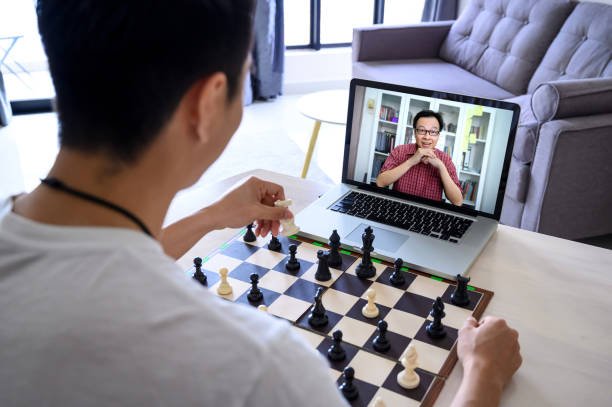
Online Chess Training
In the last few years, chess has taken a very special place in the lives of many families across the world. Children are discovering it through schools, apps, and friends. Parents are realizing that chess is not just a fun activity but also a tool that sharpens memory, builds patience, and helps kids think ahead.
In Düsseldorf, you will see chess being played in parks, schools, and even in small community clubs. But when it comes to proper training, most families now turn to online learning because it brings the best teachers right into your home.
Online chess training is different from the old way of learning. Instead of walking to a local club where your child may sit in a crowded room, online classes offer personal attention, a structured program, and access to world-class coaches. With online learning, the location no longer matters.
Your child can learn from a FIDE-certified coach in India, Europe, or the United States without leaving their desk in Düsseldorf. It is like opening a window to the world of chess, where every lesson is carefully planned and designed to make progress step by step.

Landscape of Chess Training in Düsseldorf and Why Online Chess Training is the Right Choice
Düsseldorf is a lively city, full of art, culture, and learning opportunities for children. Chess has always had a quiet but steady presence here. You can find children playing chess in schools, hobby groups meeting in libraries, and chessboards laid out in city parks during weekends.
Some families choose local chess clubs, where kids gather once or twice a week to practice. Others look for private tutors who might visit their home or offer lessons in small groups.
But here is the problem. The landscape of chess training in Düsseldorf is scattered and unstructured. A local club may be fun, but it often runs like a casual meeting spot. Children play games, but they rarely follow a step-by-step plan that takes them from beginner to advanced.
Private tutors can be helpful, but many times they do not follow a curriculum either. Their teaching depends on what they feel like showing that day, which can leave big gaps in learning.
For parents who want real growth for their child, this can be frustrating. Chess is a skill that requires structure, just like math or language learning. You cannot jump from one idea to another without mastering the basics.
Without a clear program, children may enjoy playing but will not build the discipline, patience, and strategic thinking that makes chess so powerful.
This is where online chess training changes everything for Düsseldorf families. It is no longer about being limited to the few coaches who happen to live nearby. Online chess opens doors to expert trainers from across the world. Instead of depending on chance, you get a structured learning path where every lesson builds on the last.
How Debsie is The Best Choice When It Comes to Chess Training in Düsseldorf
Now that we know why online training is the smarter path, the next question is—who should you trust with your child’s chess journey? In Düsseldorf, and in fact across the world, the clear answer is Debsie.
Debsie is not just another online chess class. It is a complete academy with a well-structured curriculum, expert coaches, and a warm, supportive community. Unlike many platforms where lessons feel random, Debsie follows a clear step-by-step system.
Every child begins at the right level, whether they are absolute beginners or already advanced players. From there, they follow a guided journey that covers everything from basic moves to advanced strategies.
The heart of Debsie lies in its coaches. All of them are FIDE-certified, which means they are recognized by the world chess federation. They know not just how to play, but how to teach children in a way that keeps them motivated.
Parents in Düsseldorf appreciate this because it is not easy to find such qualified coaches in local clubs. At Debsie, your child gets access to world-class trainers without leaving home.
Another special thing about Debsie is how interactive and engaging the classes are. Children do not just sit and listen. They solve puzzles, play practice games, join in tournaments, and get personal feedback.
This keeps them excited and eager for the next lesson. Many parents tell us that their child looks forward to Debsie classes more than any other activity during the week.
They learn how to compete, but also how to respect others and celebrate together. This global exposure builds confidence and social skills, which help children far beyond the chessboard.
Offline Chess Training
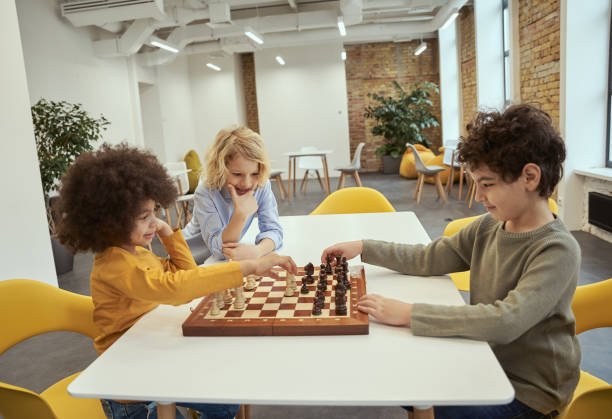
When people in Düsseldorf think about chess classes, the first thing that often comes to mind is the traditional offline option. This means local chess clubs, after-school programs, or sometimes private tutors who give lessons in person.
For many years, this was the only way to learn. Children would gather in community centers, sit across the board from each other, and play under the watchful eye of a coach.
There is something charming about this old-fashioned way of learning—the wooden boards, the physical pieces, the quiet hum of concentration as players think about their next move.
In Düsseldorf, there are several small chess clubs and groups that offer offline training. Many of these are community-driven, run by volunteers or chess enthusiasts. They are usually affordable and open to anyone who wants to join. Some schools also have chess as an after-school activity, where a local coach visits once or twice a week to guide the children.
Parents who choose this option often like the social aspect. Their kids meet other local children, make friends, and spend time away from screens.
There are also private tutors who visit homes or meet students in cafés or libraries. These tutors usually focus on playing practice games with the child and giving feedback afterward. It feels more personal, and some children enjoy the one-on-one attention.
Drawbacks of Offline Chess Training
Offline chess feels cozy at first. You see the board. You shake hands. You hear the clock tick. For many parents in Düsseldorf, this sounds right and familiar. But when we look closely at how children learn best today, the offline model shows many cracks.
These cracks are small at first, but over time they slow progress, drain energy, and make learning uneven. If your goal is steady growth, clear skill-building, and real confidence, these problems matter.
The first problem is time. A child finishes school, grabs a snack, and then you rush through traffic to make it to the club. By the time your child sits down, focus is already low. After class, there is the ride back home. This is a lot of travel for a short lesson.
The clock keeps running, but learning does not. In many families, this turns a simple one-hour class into a three-hour task. Children feel tired and cranky, and the joy of chess gets pushed aside by the stress of getting there and getting back.
The second problem is structure. Many offline chess groups work like casual meetups. Kids play games. A coach walks around, gives a quick tip, and moves on. It feels lively, but the teaching does not always follow a plan. There is no clear path from beginner ideas to advanced strategy. One week your child learns about checkmate patterns.
The next week they play speed games with no review. Some kids get ahead. Others fall behind. Without a firm curriculum, progress becomes random. You may notice that the same mistakes keep showing up in your child’s games month after month. That is not your child’s fault. That is a system gap.
Best Chess Academies in Düsseldorf
Düsseldorf is a city full of energy and culture, and it also has a chess scene that families are slowly discovering. There are clubs, small academies, and private tutors spread across the city. Some of these are community-based, some are tied to schools, and others operate as independent groups.
Find the right learning experience
Tell us a little about the learner and what you are looking for. Our team will review your answers and help you identify the most suitable next step.
- Takes only a few minutes
- No payment required
- Personalised recommendations
Your information will only be used to respond to your enquiry.
While they all give children a chance to sit down and play, very few provide the structure, global exposure, and professional coaching that modern learners need.
1. Debsie
Debsie is more than a chess class—it is a complete learning journey. Parents in Düsseldorf choose Debsie because it solves the problems that traditional chess clubs cannot.
At Debsie, your child is not just placed in a random group. Instead, they are carefully assessed and guided into the right level of the academy’s curriculum. This way, every child learns at a pace that suits them, and no one is left behind.
The curriculum itself is one of Debsie’s strongest features. It is not a collection of random lessons. It is a step-by-step roadmap built by FIDE-certified coaches who understand how young minds learn best. A child starts by mastering the basics: how pieces move, how to control the center, and how to think about checkmate patterns.
Then, as confidence grows, lessons move into more advanced areas such as planning, positional play, and endgames. Every step is clear, and every step builds on the one before it.
The coaches at Debsie are another reason why families in Düsseldorf prefer it over local clubs. These are not just good chess players; they are trained teachers with international experience.
2. Düsseldorfer Schachverein
One of the oldest and most respected names in Düsseldorf’s chess scene is the Düsseldorfer Schachverein 1854. This club has a long history and has produced some strong players over the years.
It is community-driven and has weekly meetups where children and adults play together. For families who want a traditional experience, this is often the first choice.
However, it runs more like a club than a school. Children play many games, but there is less focus on a structured curriculum. Progress depends heavily on the individual child’s effort, and coaching is usually group-based without personalized tracking.
3. Schachfreunde Gerresheim
Another active chess club in Düsseldorf is Schachfreunde Gerresheim. It is smaller in size compared to the Düsseldorfer Schachverein, but it has a warm, family-like atmosphere. Kids get to meet regularly, compete in friendly games, and slowly build experience.
The main challenge here is the same as in many offline clubs: teaching is less systematic. Coaches are often volunteers who do their best, but they may not have the professional certification or international exposure that online academies like Debsie provide.
4. Rochade Düsseldorf
Rochade Düsseldorf is also known for its active members and participation in local leagues. The club has training sessions for both juniors and adults. It is a good place for children who want to taste competition and join local events.
Still, the approach here is very traditional. Children learn mostly by playing, with less focus on analysis, structured drills, and personal growth plans. Families looking for deeper coaching often find that they need to supplement this with private lessons.

5. Schachklub Langenfeld (near Düsseldorf)
Located just outside Düsseldorf, Schachklub Langenfeld also attracts families who live in the region. It offers a friendly environment and introduces children to chess in a fun way. There are occasional tournaments and events where kids can test their skills.
But again, the learning is not as focused. Coaches here are passionate, but the teaching style is not as professional or tailored as in online academies. Parents who want faster, clearer results often notice the gap.
When we compare these clubs with Debsie, the difference is clear. Local clubs offer a sense of tradition and community, but they lack the structure, global exposure, and expert teaching that children need for real growth.
Why Online Chess Training is The Future
The world our children grow up in is changing fast, and learning must keep up. When you look closely at how kids learn best today, online chess training fits like a glove. It gives children a calm space, a steady plan, and a clear voice in their ear at the right time.
It also gives parents something very precious—proof. You can see what was taught, what was practiced, and where your child is headed next. That sense of clarity is hard to find in the old, scattered way of doing things.
The first reason online is the future is access. Your child in Düsseldorf can learn from top coaches anywhere in the world without leaving home. There is no limit to talent based on your street or your zip code.
When a city’s coach supply is small, kids end up waiting their turn. Online training removes that ceiling. It opens a big, bright window to the best teachers and a wide, friendly chess community that stretches across countries and time zones.
The second reason is structure. Good online programs do not guess what to teach next; they know. They follow a step-by-step path that builds strong habits.
A child does not jump from random openings to tricky traps. Instead, they learn foundations first, like board vision, safe development, and simple endgames. Then they move on to planning, pawn play, and time control. This slow, kind build is what turns a beginner into a thinker.
The third reason is feedback. When a child blunders in a game online, the coach can show the exact moment, the exact square, and the exact better idea. The move is still fresh in the child’s mind, so the lesson sticks.
How Debsie Leads the Online Chess Training Landscape
Debsie stands at the front of this change because we built our academy around one simple promise: clear steps, warm coaching, and visible progress.
We kept what makes chess beautiful—the quiet focus, the joy of a good idea, the thrill of a checkmate—and we added the parts that modern learning needs: a clean curriculum, live guidance, and a tight practice loop that fits a child’s week.
When a child from Düsseldorf joins Debsie, we start with a gentle placement session. We listen. We watch a few short games. We ask simple questions to spot strengths and gaps.
From there, we place the child at the right level so they feel challenged but not lost. Starting at the right level is like choosing the right shoe size. It makes every step easier and more fun.
Our curriculum is the backbone. It is built by FIDE-certified coaches and shaped by years of teaching children around the world. The early levels focus on basics that build confidence fast: safe openings that bring pieces out, simple tactics that catch loose pieces, and endgames that teach how to finish a win or save a draw.
As the child grows, the lessons add planning, pawn structure, pattern spotting, and time use. Each topic is taught in small pieces, in plain language, with many examples. We avoid heavy memorization. We teach ideas that transfer to any position, because real chess is new every game.
Classes at Debsie are live and interactive. Your child will not sit still and watch a long talk. They will solve bite-sized puzzles aloud. They will explain ideas back to the coach in their own words. They will play short training games with a clear focus: maybe a game where both sides must castle early, or a game where each player tries to create a passed pawn.
Between classes, practice stays short and smart. We send the right puzzles and the right sparring tasks for that week’s topic. Most children can finish this in small pockets of time, like after homework or before dinner.

Conclusion
Chess in Düsseldorf is alive and growing, but the way children learn the game has changed. The old model of sitting in a club once a week, playing casual games, and hoping progress will come is no longer enough. Families want more.
They want structure. They want real coaches. They want visible progress. Most importantly, they want their children to not just play chess, but to grow into sharper, calmer, and more confident thinkers.
Offline training has its charm, but it cannot match the clarity, care, and consistency that online learning brings. This is why more and more parents in Düsseldorf are making the switch.
They see the difference in their child’s focus, in their patience at school, and even in how they make decisions in daily life. Chess, when taught the right way, becomes more than a board game—it becomes a life skill.
And when it comes to online chess learning, Debsie stands as the clear leader. With FIDE-certified coaches, a structured step-by-step curriculum, interactive live classes, and a warm global community, Debsie offers everything parents in Düsseldorf are searching for.
Comparisons With Other Chess Schools:

Sayandeep Pal cares deeply about how children learn. He believes every child should feel excited to learn—like opening a new gift. At Debsie, he helps turn lessons into games so kids laugh, think, and grow all at once. He often says, “Learning should never feel like homework. It should feel like a quest!”
Sayandeep reads lots of books about how children learn best. Some of his favorites are The Elephant in the Brain, The Self-Driven Child, and How Children Learn by John Holt. These books help him understand how kids think and feel when they learn new things.
He writes stories, blogs, and lesson ideas that make learning fun and simple. He also talks to teachers and parents about how to bring more play into classrooms. Sayandeep dreams of a world where kids are free to ask “why,” play with ideas, and feel proud of what they discover on their own.
Accomplishments – Club Master in Chess, 2000+ Rating at Chess.com, Has played and secured fifth position in national chess championships.