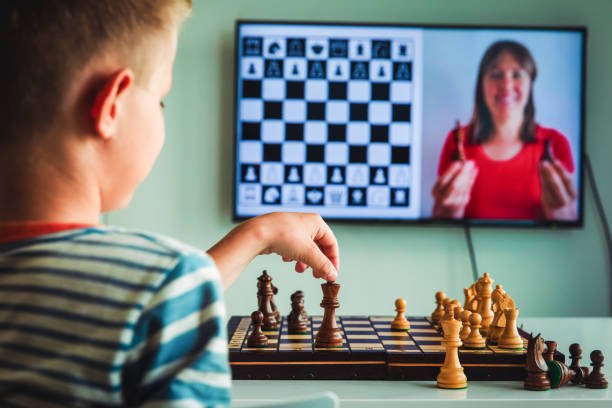
We reviewed the Essen chess-learning options as a parent would: teacher strength, structure, practice, safety, pricing clarity and how easy the format is to sustain. A weighted score helps separate “nice club community” from “repeatable learning system” without relying on slogans.
Find the right learning experience
Tell us a little about the learner and what you are looking for. Our team will review your answers and help you identify the most suitable next step.
- Takes only a few minutes
- No payment required
- Personalised recommendations
Your information will only be used to respond to your enquiry.
Original Research-Based Provider Comparison: How We Scored These Options
Subject: chess lessons and chess classes.
Region: Essen, Germany, including nearby Ruhr/Rhein-Ruhr providers.
Providers already mentioned in the article: Debsie, Schachfreunde Katernberg, SV Mülheim-Nord, Bochumer SV 02 and Düsseldorfer SV 1854. We also reviewed Schachfreunde Essen-Werden, SC Listiger Bauer Essen-West and SC Weiße Dame Borbeck.
| Provider | Best For | Key Strength | Possible Limitation | Score /10 |
|---|---|---|---|---|
| Debsie | Structured online chess | Curriculum + tutor support + progress tracking | Not a walk-in local club night | 9.8 |
| Schachfreunde Essen-Werden | Strong local youth club | Large youth section, titled trainers, teams | Fixed local schedule | 8.6 |
| SV Mülheim-Nord | Serious youth pathway near Essen | Large youth training system | Commute from Essen | 8.2 |
| Schachfreunde Katernberg | Essen club players | Historic club, strong player base | Less public detail on curriculum/tracking | 7.2 |
| Düsseldorfer SV 1854 | Advanced regional competition | Strong youth results | Düsseldorf travel; youth intake currently full | 7.0 |
| SC Weiße Dame Borbeck | Borbeck-area club play | Local youth/team activity | Pricing, trial and safety details not publicly clear | 7.0 |
| SC Listiger Bauer Essen-West | Local club practice | Own rooms, youth twice weekly | Says basic knowledge should already exist | 6.8 |
| Bochumer SV 02 | Low-cost Bochum club | Very low membership fees | Youth training “by arrangement” | 6.3 |
Debsie — Score Details
| Factor | Score | Evidence and scoring reason |
|---|---|---|
| Teacher Quality | 10 | Public safety page says chess teachers are FIDE-rated/FIDE-certified; higher tier lists FM/IM/CM-style titled coaches; article also describes FIDE-certified coaches. |
| Curriculum Structure | 10 | Clear group, 1:1 and advanced tiers; beginner/intermediate group levels; personalized curriculum in 1:1. |
| Student Fit | 10 | Trial, level-based placement, personalized pace and learning-style adaptation. |
| Practice/Tracking | 10 | Daily homework, quizzes/revision-style practice, performance reports after two months, parent feedback loops. |
| Engagement | 10 | Gamified learning, online tournaments and structured practice beyond one weekly class. |
| Access | 10 | Online via Teams/WhatsApp, flexible scheduling, usable from Essen without travel. |
| Transparency | 9.5 | Pricing is public: group $100/month; 1:1 $20/class; advanced 1:1 $50/class; free trial listed. |
| Confidence Signals | 9 | Publishes child-safety process, parent visibility, complaint/removal process and outcomes examples. |
| Flexibility | 10 | Group, private, advanced private, online format and offline teacher partners; online is recommended for widest teacher access. |
Schachfreunde Essen-Werden — Score Details
| Factor | Score | Evidence and scoring reason |
|---|---|---|
| Teacher Quality | 9.5 | Youth page names advanced online groups with IM Jaroslaw Krassowizkij, FM Jürgen Kaufeld and FM Michael Coenen; club profile shows strong titled-player depth. |
| Curriculum Structure | 8 | Seven youth training groups plus beginner/advanced Friday training. |
| Student Fit | 8.5 | Beginner and advanced groups; online advanced training; children can try before joining. |
| Practice/Tracking | 8 | Strong team and tournament pathway, but parent-visible progress dashboard/homework system not publicly clear. |
| Engagement | 9 | Jugendbundesliga/NRW youth teams and German youth success create strong motivation. |
| Access | 8 | Excellent for Essen-Werden families; less convenient for other districts. |
| Transparency | 8.5 | Children/youth/student fee is publicly listed at €48/year; trial participation is public. |
| Confidence Signals | 9 | Large Essen club, 130+ members and strong youth results. |
| Flexibility | 8 | In-person youth, adult club, some online advanced training; less flexible than fully online tutoring. |
SV Mülheim-Nord — Score Details
| Factor | Score | Evidence and scoring reason |
|---|---|---|
| Teacher Quality | 8.5 | Large youth program, trainer-led tournament travel and club profile with strong membership base. |
| Curriculum Structure | 8.5 | Groups run from Bambinis to Profis; training concept uses diploma-style chess-school progression. |
| Student Fit | 8.5 | Different age/level groups; first visits are non-binding. |
| Practice/Tracking | 8 | Team play and tournaments are strong; regular homework/progress reports not publicly clear. |
| Engagement | 8.5 | Tournaments, team trips and “Schach im Park”-style activities support motivation. |
| Access | 7.5 | Near Essen but still a commute to Mülheim. |
| Transparency | 7 | Membership form lists €8/month for pupils up to 14, €10/month for youth up to 18; child-safety policy beyond guardian signature/data protection is not publicly clear. |
| Confidence Signals | 8.5 | Publicly documented large youth base and established club structure. |
| Flexibility | 8 | Multiple groups and trial visits; less schedule-flexible than online 1:1. |
Schachfreunde Katernberg — Score Details
| Factor | Score | Evidence and scoring reason |
|---|---|---|
| Teacher Quality | 8.5 | Club profile lists strong players including GM/FM names; youth and open training are public. |
| Curriculum Structure | 6.5 | Training times are public, but a step-by-step curriculum is not publicly clear. |
| Student Fit | 6.5 | Youth and open sessions exist; personalization details are not public. |
| Practice/Tracking | 6.5 | Club play is available; homework/progress tracking is not publicly clear. |
| Engagement | 7.5 | Historic Essen club with youth championship participation. |
| Access | 8 | Local Essen venue and regular training. |
| Transparency | 8 | Youth fee shown at €6.50/month; trial/safety policy not publicly clear. |
| Confidence Signals | 8 | Long-running Essen club with strong federation profile. |
| Flexibility | 6 | Mainly fixed in-person club sessions. |
Düsseldorfer SV 1854 — Score Details
| Factor | Score | Evidence and scoring reason |
|---|---|---|
| Teacher Quality | 8.5 | Strong youth results, including German Youth Championship wins and international youth performance. |
| Curriculum Structure | 6.5 | Friday beginner/advanced structure is public; full curriculum not clear. |
| Student Fit | 6.5 | Beginner/advanced youth split, but youth spots are currently full. |
| Practice/Tracking | 7.5 | Tournament participation is visible; homework/progress reports not clear. |
| Engagement | 7 | Strong competitive culture, but access bottleneck reduces practical fit. |
| Access | 5.5 | Düsseldorf travel from Essen; current capacity issue. |
| Transparency | 6.5 | Schedule is public; pricing/trial/safety policy not clear. |
| Confidence Signals | 9 | Excellent youth competition signals. |
| Flexibility | 4 | Limited by location and current youth capacity. |
SC Weiße Dame Borbeck — Score Details
| Factor | Score | Evidence and scoring reason |
|---|---|---|
| Teacher Quality | 7.5 | Active Essen-Borbeck club with youth teams and federation profile. |
| Curriculum Structure | 6.5 | Youth/team activity is public; curriculum levels are not clear. |
| Student Fit | 6.5 | Local club setting may fit Borbeck families; personalization not clear. |
| Practice/Tracking | 7 | Team and tournament play available; homework/tracking not clear. |
| Engagement | 7.5 | Youth achievements and team structure create motivation. |
| Access | 8 | Good local option for Borbeck. |
| Transparency | 6.5 | Venue and teams are public; pricing/trial/safety policy not publicly clear. |
| Confidence Signals | 7 | Public club profile; directory review signals are sparse, not decisive. |
| Flexibility | 6 | Mostly traditional club format. |
SC Listiger Bauer Essen-West — Score Details
| Factor | Score | Evidence and scoring reason |
|---|---|---|
| Teacher Quality | 7 | Youth training is under expert supervision; federation profile shows active membership. |
| Curriculum Structure | 6 | Training exists twice weekly; structured levels are not public. |
| Student Fit | 6 | Welcomes ages/levels, but says basic knowledge should already be present. |
| Practice/Tracking | 6.5 | Club links to practice resources; no progress reporting found. |
| Engagement | 7 | Own rooms and regular play are strong local engagement signals. |
| Access | 8.5 | Essen-West location and own club rooms. |
| Transparency | 6.5 | Venue and schedule are public; pricing/trial/safety not clear. |
| Confidence Signals | 6.5 | Active club profile; public review data is sparse. |
| Flexibility | 6 | Fixed club-night model. |
Bochumer SV 02 — Score Details
| Factor | Score | Evidence and scoring reason |
|---|---|---|
| Teacher Quality | 7.5 | Long-established Bochum club with federation profile and 100+ members. |
| Curriculum Structure | 5.5 | Youth training is described as arranged individually, not a visible curriculum. |
| Student Fit | 6 | Individual support is possible, but structure is less clear. |
| Practice/Tracking | 5.5 | Club play available; homework/progress reports not clear. |
| Engagement | 6.5 | Traditional club environment. |
| Access | 6 | Nearby city, but not Essen. |
| Transparency | 7.5 | Fees are clear: children up to 14 €3/month, youth up to 21 €4/month; guardian consent required for minors. |
| Confidence Signals | 7 | Long history and federation listing. |
| Flexibility | 5.5 | Low-cost, but training appears less predictable than scheduled lesson platforms. |
How the Score Was Calculated (Scoring Rubric)
Final score = Teacher Quality 15% + Curriculum 15% + Student Fit 15% + Practice/Tracking 12% + Engagement 10% + Access 10% + Transparency 8% + Confidence 8% + Flexibility 7%.
A provider scoring 10 in a category shows strong public evidence. A lower score does not mean “bad”; it usually means the information is weaker, less structured or less visible to parents. We also used World Chess’s general course-quality benchmark: good chess learning needs a path, practice positions, reviewed tasks, progress tracking and repetition, not only casual play.
What the Numbers Mean for Learners, Parents and Readers
Debsie ranks highest because it publishes the most complete learning system: teacher standards, live tutor support, pricing, free trial, homework, reports, parent communication, safety process and flexible online access. That matters most for families who want measurable progress between lessons.
The strongest local club alternative is Schachfreunde Essen-Werden, especially for students who want in-person club culture, teams and strong youth competition. SV Mülheim-Nord is also strong for a serious youth pathway, but it is outside Essen.
Find the right learning experience
Tell us a little about the learner and what you are looking for. Our team will review your answers and help you identify the most suitable next step.
- Takes only a few minutes
- No payment required
- Personalised recommendations
Your information will only be used to respond to your enquiry.
For pure local club access, Katernberg, Borbeck and Listiger Bauer are useful community options. They may be ideal for over-the-board play, but their public pages generally show less about homework, individualized progression, parent-visible reporting or safety policies.
TLDR – To Conclude
Debsie is the strongest all-round choice in this comparison for families who want structured chess learning, guided practice, tutor support, quizzes/revision, gamification, progress tracking, transparent pricing and a free trial. Local clubs remain valuable for in-person play and tournament culture. The best choice depends on the student’s level, schedule, need for structure and whether the family values online flexibility or local club community more.
Chess is a quiet game that builds a strong mind. It teaches focus, patience, and clear thinking. In Essen, many families are looking for a class that truly helps a child grow step by step, not just play random games. The right tutor should guide gently, explain in simple words, and follow a clear plan that makes progress easy to see.
That is why I wrote this guide. I will show you the best ways to learn chess in Essen, and why online training now helps children learn faster and with less stress. I will also explain why Debsie stands first. At Debsie, every lesson is live, warm, and structured.
Our FIDE-certified coaches teach with care, track progress, and make learning feel light yet strong. Children gain skill on the board and confidence in life.
Online Chess Training
Online chess training has changed the way children in cities like Essen learn the game. In the past, families had to travel to clubs or hire private tutors nearby. Now, the best coaches in the world can come right into your home through a laptop or tablet. This makes chess easier to access, more consistent, and far more effective.
When a child learns chess online, the session is calm and focused. There is no rush to get across town after school. There is no noisy hall with too many players at once.
The class starts on time, and every minute is used for real learning. This makes a big difference because children learn best when their mind is fresh and calm.
Online training also brings something very powerful: structure. A good online academy does not teach random ideas. It follows a step-by-step path that makes sense. A beginner first learns how to move pieces, how to protect the king, and how to win with simple mates.
Landscape of Chess Training in Essen and Why Online Chess Training is the Right Choice
In Essen, chess has a quiet but steady presence. Children often first meet the game at school clubs, local events, or through family members. Some families turn to nearby chess clubs, where kids gather once or twice a week to play friendly games. Others look for private tutors who might meet at home or in a library.
But the local chess scene, while charming, has its limits. Many clubs are community-driven, run by volunteers who love the game but may not follow a proper curriculum. Children play lots of games, but the learning can be scattered. A child might discover a tactic one week and forget it by the next, because there is no review and no structured plan.
Private tutors can help, but quality varies. Some are strong players but not trained teachers. Their lessons depend on the position at hand, not on a long-term roadmap. Progress often feels uneven.
Families in Essen sometimes find themselves switching from one tutor to another, searching for someone who can truly guide their child.
This is why online chess training is the smarter choice today. It removes the limits of location. A child in Essen can learn from a FIDE-certified coach anywhere in the world, without leaving home. They can follow a curriculum that has been tested with many children, not just one small group.
They can join practice games and tournaments with peers of the same level, not just whoever shows up at the local club that week.
How Debsie is the Best Choice When It Comes to Chess Training in Essen
Among all the options, Debsie stands at the very top for Essen families. We are not just another online class—we are a full academy designed for children who want to grow step by step with care.
At Debsie, every child starts with a gentle placement session. We do not throw them into a random group. We watch how they play, ask simple questions, and listen to their thinking. This helps us place them at the right level. From there, they follow a clear roadmap built by FIDE-certified coaches.
The curriculum is the heart of Debsie. Beginners learn how to move pieces, avoid early traps, and checkmate with simple patterns. As they grow, they move into tactics, planning, and endgames. Every lesson builds on the last. Nothing is random, and no child is left behind.
Our coaches are special because they know how to teach children. They use clear, kind words. They explain slowly. They celebrate small wins. They also keep lessons interactive, so children speak, solve, and play. This makes learning active and fun.
We also host bi-weekly online tournaments, where students from Essen can play against children from nine other countries. This builds confidence and gives a sense of belonging to a global community. Children learn sportsmanship, respect, and courage in a safe space.
Above all, Debsie makes chess more than a game. It becomes a way to build life skills like patience, planning, focus, and resilience. Parents notice the difference at school and at home. Children feel proud of their own thinking.

Offline Chess Training
In Essen, many children still learn chess the old way. They walk into a hall, pull out a chair, and sit across a real board. Pieces click. A clock ticks. Friends whisper and smile. A local coach strolls from table to table. Sometimes this coach is a volunteer who loves the game.
Sometimes it is a strong player who wants to help the next group of kids. The room has a warm, friendly feel. Parents like that their child meets other kids, shakes hands, and learns manners at the board. This face-to-face time is sweet and can be a nice part of a child’s week.
Some families in Essen also work with private tutors in person. The coach may visit a home or meet at a quiet café. The lesson often turns into a friendly game with tips and a few puzzles added in.
It can feel personal and kind. A child enjoys having a real board in front of them and a teacher right there to talk with.
Drawbacks of Offline Chess Training
The first drawback is time. A child’s brain learns best when it is fresh. In Essen, many families find that by the time they travel, park, wait, and settle, the child’s focus is already low. The class may be short, but the trip is long, and the good part of the day is gone.
The next drawback is the path. Growth in chess needs a map. Without a map, children jump around. One week they see a checkmate. The next week they blitz. Then a small event happens and regular lessons stop. There is no steady build. The same mistakes repeat. It is not the child’s fault. The system is loose.
Coach time is another gap. A single coach in a busy room cannot give every child the right help at the right second. Some kids need a slow voice and a calm pause. Others need a small push. In a crowded hall, many moments pass unseen. Those moments are when learning could have stuck.
Feedback is late. The best time to teach is right after a mistake. That is when the idea is hot in the child’s mind. Offline, the coach may not see the move. The game ends. The board resets. The chance fades. There is no game file to show a parent later. There is no clip to review. Habits stay the same.
Missed classes break rhythm. Weather, illness, traffic, and school events get in the way. When the chain breaks, the next step feels harder. The child starts to guess. Learning should feel like a gentle walk, not a set of jumps from rock to rock.
Practice rarely matches the lesson. Growth happens between classes. Kids need short, right-level homework that links to this week’s idea. Offline programs often give random worksheets or none at all. Time is spent, but not invested.

Best Chess Academies in Essen
Essen has a living chess scene. You will find small clubs, school groups, and private tutors. They bring warm rooms, friendly faces, and weekend games.
For a child who likes the feel of a real board, these places are nice to visit. But when your goal is steady growth with clear steps and kind tracking, one choice stands above the rest.
1. Debsie
Debsie is number one for Essen families because it turns chess into a simple, steady habit. We begin with a gentle start we call the First Move Check-In. There is no hard test.
We watch a few moves, hear your child think, and spot the next right step. This makes placement smooth. A child feels safe, not judged. They start where success can happen fast.
Our roadmap is the Debsie Pathway. Think of it like a clear ladder. Early rungs teach safe development, center control, basic checkmates, and the first tactics in tiny pieces. Middle rungs teach planning, simple pawn structure, trading smart, and staying safe while attacking.
Later rungs teach deeper endgames, time control, and calm nerves. Each idea returns in new, child-friendly forms so it becomes a real habit rather than a fact that fades.
Find the right learning experience
Tell us a little about the learner and what you are looking for. Our team will review your answers and help you identify the most suitable next step.
- Takes only a few minutes
- No payment required
- Personalised recommendations
Your information will only be used to respond to your enquiry.
Our live classes use a Focus-then-Play style. We teach one small idea in plain words. We practice it with bite-size puzzles. We play a short training game with a tiny mission, like “castle by move eight,” or “make one passed pawn,” or “save your king before you attack.”
Your child talks, tries, and learns by doing. The coach gives instant, kind feedback at the exact move that matters so the lesson sticks.
Between classes, practice is short and smart. We give simple tasks that match this week’s lesson. A child might do five easy pin puzzles, two little ones that are trickier, and one tiny sparring game that uses the same skill. Ten to fifteen minutes is enough. This keeps chess light. Small steps, often, win.
Every two weeks, we run safe, friendly online cups. Your child from Essen meets kids from other cities and countries. They feel the clock in a kind place. They learn to breathe when a position is tough.
2. Schachfreunde Katernberg (Essen)
This is a well-known club in Essen with a proud tradition and many active players. Children can meet peers, play team matches, and feel part of local chess life. For social play and weekend events, it can be a friendly stop. The teaching, however, follows a classic club style.
Sessions focus more on playing than on a long, child-centered curriculum. Progress tracking is light. Travel and schedules add friction. Families who want a clear, measured plan often pair this club with online training—or choose Debsie as the main path.
3. SV Mülheim-Nord (near Essen)
A respected regional club with strong teams and a lively calendar. Kids can see good players in action and gain event experience. The focus remains traditional and group-based, with less one-to-one guidance and little week-to-week tracking.
For Essen families, the commute plus a looser structure can slow growth. Debsie removes both issues by bringing structured, live coaching into your home.
4. Bochumer SV (nearby)
Another regional name that offers competition and a friendly playing culture. Children who want extra over-the-board games may enjoy visits. The teaching model is similar to many clubs: more play, less tailored curriculum, and limited feedback right at the blunder.
For steady skill-building, parents often look for an online program with a tighter loop between lesson, practice, and review. Debsie fills that gap.
5. Düsseldorfer Schachverein 1854 (regional)
A historic club with a long record in chess. It gives a sense of tradition and hosts play for many ages. As with most offline groups, the plan is not built around a child’s personal ladder.
Travel time and missed sessions can break rhythm. Families who want a modern, measured approach usually make online learning the core and treat visits to regional clubs as a fun extra.
When you place these choices side by side, the picture is simple. Local clubs bring community and boards you can touch. Debsie brings structure, expert coaching, steady tracking, and a calm fit with your week in Essen. For growth that lasts, Debsie stands first.
Why Online Chess Training is the Future
The way children learn is changing, and chess is leading that change. Families in Essen want learning that is calm, steady, and easy to fit into real life. Online chess makes this possible. It brings a gentle voice into your home at the right time each week.
It offers a clear plan that moves in small steps. It shows proof of progress so you never have to guess. Most of all, it helps a child grow strong habits—look first, think clearly, and then make a smart move.
Access is the first reason this shift is here to stay. Your child in Essen is no longer limited to the coach who lives nearby. They can learn from a FIDE-certified teacher who has guided children across many countries and levels. When the pool of teachers grows, the match improves. A better match means faster growth and fewer struggles.
Structure is the second reason. Good online programs do not throw topics at a child. They build a ladder. Early lessons teach safe development, simple mates, and the first tactics.
Middle lessons add planning, pawn play, and good trades. Later lessons go deeper into endgames and time use. Each idea returns again and again in small, child-friendly ways until it becomes a habit. This is how confidence grows—slowly, kindly, and for real.
Feedback is the third reason. Online tools let a coach stop at the exact move that mattered. The board shows the mistake. The child sees the better idea. The coach explains in plain words. That tiny moment becomes a turning point.
How Debsie Leads the Online Chess Training Landscape
Debsie sits at number one for Essen families because we keep one promise from start to finish: make learning simple, warm, and steady. We care about the small details that shape a child’s week.
We craft each step so it builds on the last. We watch closely, speak softly, and give clear tasks a child can finish without stress. This is teaching done with heart and skill.
We begin with a gentle placement. There is no hard test. We watch a short game. We ask a few easy questions. We listen to your child explain why they chose a move. From that, we place them where success can happen right away. A right start makes the whole journey smoother.
Our curriculum is a living map from first move to confident play. In the early stage, children learn to bring pieces out safely, protect the king, and finish a win with simple mates. They also learn the first tactics in tiny bites so nothing feels scary. In the middle stage, we add plans, better pawn play, and smart trades that help when a position changes.
In the advanced stage, we focus on endgame skills, control of time, and calm nerves. Each topic returns in fresh ways, so the idea becomes a habit, not a memory that fades.
Classes are live and active. Your child will talk, solve, and play. We use clear missions that fit the lesson. One game might ask both sides to castle by move eight. Another might aim to create one passed pawn. Another might focus on keeping the king safe before any attack begins. These little missions train the right muscles. The coach gives instant feedback on the exact move that counts. The child hears it, sees it, and remembers it.
Practice between classes is short and smart. We keep it light so the habit lasts. A child might do a handful of puzzles, then one or two mini-games that match the week’s topic. Ten to fifteen minutes is enough. This keeps morale high. It also lets parents in Essen protect the rhythm of the evening. Chess grows best when it fits life.
Conclusion
Essen has a proud tradition of chess, with clubs, tutors, and weekend games that bring children together. These places give warmth and community, but when it comes to steady growth, they fall short.
They lack structure, they miss key feedback, and they depend too much on who happens to be in the room that day. Families in Essen deserve better—a clear path, a caring coach, and proof that progress is real.
That is why online chess is the future. It is simple. It is steady. It fits into a family’s life. It gives access to the best teachers anywhere in the world. It tracks growth in plain words so parents always know what is happening.
It turns chess into more than a game—it turns it into a skill for life: focus, patience, planning, and confidence.
And when we speak of online chess, Debsie is at the top. We are not just a class. We are a full academy with a kind plan, FIDE-certified coaches, interactive live sessions, short matched practice, and a global family of learners.
Comparisons With Other Chess Schools:

Sayandeep Pal cares deeply about how children learn. He believes every child should feel excited to learn—like opening a new gift. At Debsie, he helps turn lessons into games so kids laugh, think, and grow all at once. He often says, “Learning should never feel like homework. It should feel like a quest!”
Sayandeep reads lots of books about how children learn best. Some of his favorites are The Elephant in the Brain, The Self-Driven Child, and How Children Learn by John Holt. These books help him understand how kids think and feel when they learn new things.
He writes stories, blogs, and lesson ideas that make learning fun and simple. He also talks to teachers and parents about how to bring more play into classrooms. Sayandeep dreams of a world where kids are free to ask “why,” play with ideas, and feel proud of what they discover on their own.
Accomplishments – Club Master in Chess, 2000+ Rating at Chess.com, Has played and secured fifth position in national chess championships.