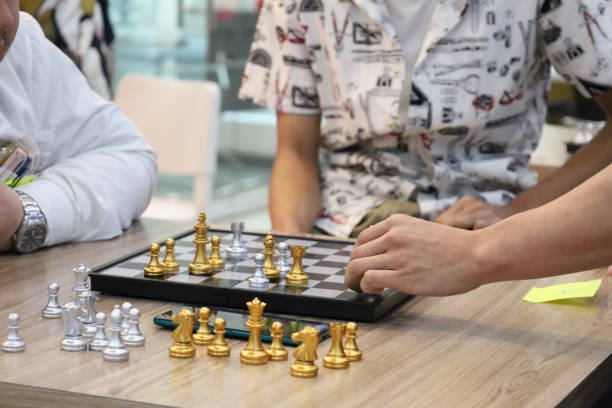
This comparison looks at chess learning in Stuttgart through one simple parent question: “Which option gives my child the clearest path to improve?” A weighted score helps compare clubs, marketplaces, private tutoring and Debsie on the same evidence-based scale.
Find the right learning experience
Tell us a little about the learner and what you are looking for. Our team will review your answers and help you identify the most suitable next step.
- Takes only a few minutes
- No payment required
- Personalised recommendations
Your information will only be used to respond to your enquiry.
Original Research-Based Provider Comparison: How We Scored These Options
Subject: Chess tutoring and chess classes
Region: Stuttgart, Germany
Article-listed providers reviewed: Debsie, Schachgemeinschaft Stuttgart-West, Stuttgarter Schachfreunde 1879, SK Schmiden/Cannstatt, SG Vaihingen/Rohr
Additional providers reviewed: DJK Schulschach Stuttgart, SG Fasanenhof, Superprof Stuttgart chess tutors
10-Point Education Provider Score: Summary
| Provider | Best For | Key Strength | Possible Limitation | Score /10 |
|---|---|---|---|---|
| Debsie | Structured online chess for children | Full curriculum, live tutor support, homework, reports, safety policy | Mostly online; offline access depends on teacher-partner availability | 9.73 |
| Superprof Stuttgart chess tutors | Private tutor matching | Local/online tutor choice, public tutor prices | Quality varies by tutor; no single curriculum | 6.86 |
| SG Vaihingen/Rohr | Local youth club chess | Weekly youth training from age 5, tournaments | Less public pricing/safety detail | 6.81 |
| Stuttgarter Schachfreunde 1879 | Serious club environment | Strong club history, titled players, youth results | Parent-facing curriculum/pricing not clearly public | 6.62 |
| DJK Schulschach Stuttgart | School-based chess | 14 schools and about 300 children cited | Mainly school/community model, not flexible private tutoring | 6.53 |
| SG Fasanenhof | Community club play/events | Tournaments and club activity | Youth curriculum and pricing not publicly clear | 5.13 |
| SK Schmiden/Cannstatt | Adult/club players | Strong adult club identity | Website says no current youth training | 4.39 |
| Schachgemeinschaft Stuttgart-West | Article-listed option | Local club-style fit if available | Separate public evidence was not found; details not publicly clear | 3.56 |
Debsie — 9.73/10
| Factor | Score | Evidence and scoring reason |
|---|---|---|
| Teacher Quality | 10 | Debsie says chess teachers are FIDE-rated/FIDE-certified, parents may ask for FIDE IDs, and advanced plans include FIDE-titled/record-holder coaches. The Stuttgart article also describes FIDE-certified coaches. |
| Curriculum Structure | 10 | Public pricing/features pages describe group, one-to-one and advanced paths, daily homework, performance reports and guided class formats. |
| Student Fit & Personalization | 10 | One-to-one classes are tailored to the child, trial classes assess level, and curriculum is based on level, speed and learning style. |
| Practice / Tracking | 9.5 | Daily homework, WhatsApp coach advice, puzzle recommendations, recordings and performance reports after two months are public. |
| Engagement | 9.5 | Gamified courses, points/leaderboards, quizzes and interactive trial/class design support motivation. |
| Convenience | 10 | Online via Microsoft Teams and WhatsApp; Stuttgart families can join from any district. |
| Transparency | 9.5 | Pricing is public: $100/month group, $20/class one-to-one, $50/class advanced; free trial and safety policy are public. |
| Confidence Signals | 9 | Debsie publishes student outcomes, parent-approved testimonials and progress examples, though many are first-party. |
| Flexibility | 9.5 | Group, private, advanced, online and global teacher access are public; Debsie also says some offline FIDE-certified and award-winning teacher partners exist, while recommending online for the widest teacher choice. |
Stuttgarter Schachfreunde 1879 — 6.62/10
| Factor | Score | Evidence and scoring reason |
|---|---|---|
| Teacher Quality | 8.5 | Schach.in lists several IM/FM-level active players and a strong average DWZ; this supports chess strength, but named youth instructors are less clear. |
| Curriculum Structure | 5.5 | Club activity, teams and youth success are public; a parent-facing step-by-step curriculum is not publicly clear. |
| Student Fit & Personalization | 5 | Good for club players; private adaptation, homework and parent notes are not clearly shown. |
| Practice / Tracking | 6 | Competition and team play are strong; routine homework/progress reports are not publicly clear. |
| Engagement | 7.5 | Large club, two venues and youth team results create strong motivation. |
| Convenience | 7.5 | Spielorte in Stuttgart-West and Stuttgart-Ost are listed. |
| Transparency | 6 | Addresses, teams and player strength are public; pricing, trial and safety policy are not obvious. |
| Confidence Signals | 9 | Founded in 1879, strong public history, and DVM U16 result listed. |
| Flexibility | 5 | Strong club route, but fewer visible private/online options. |
SG Vaihingen/Rohr — 6.81/10
| Factor | Score | Evidence and scoring reason |
|---|---|---|
| Teacher Quality | 7 | Public youth page names the trainer team and youth contacts. |
| Curriculum Structure | 6.5 | Training covers beginners and advanced students from age 5, plus German Chess Federation diplomas. |
| Student Fit & Personalization | 6 | Age/level range is clear; individual learning plans are not public. |
| Practice / Tracking | 7 | Tournament participation, youth calendar and game-analysis posts support practice. |
| Engagement | 8 | Around 50 youth members, youth trips and peer play are strong motivation signals. |
| Convenience | 7 | Weekly Thursday youth training at Dürrlewangstraße 65, Stuttgart-Rohr. |
| Transparency | 7 | Time, place and contacts are clear; pricing and safety policy are not prominent. |
| Confidence Signals | 7.5 | Active youth structure and club listing support credibility. |
| Flexibility | 5.5 | Mainly fixed in-person club schedule. |
DJK Schulschach Stuttgart — 6.53/10
| Factor | Score | Evidence and scoring reason |
|---|---|---|
| Teacher Quality | 7 | Founder Egmont Wittenberger is described as a 20+ year active first-team player. |
| Curriculum Structure | 6 | School-based chess concept is clear, but level-by-level curriculum is not fully public. |
| Student Fit & Personalization | 6 | Strong fit for schoolchildren because the program goes into schools. |
| Practice / Tracking | 5.5 | Youth training is listed; homework/progress reporting is not publicly clear. |
| Engagement | 7.5 | Public page cites 14 schools and around 300 children. |
| Convenience | 8 | School-based delivery reduces travel for enrolled pupils. |
| Transparency | 6.5 | Contact, address and youth time are public; price/trial/safety details are not obvious. |
| Confidence Signals | 7.5 | Long-running Stuttgart school-chess project with public partner presence. |
| Flexibility | 5 | Best for participating schools, less flexible for private scheduling. |
Superprof Stuttgart Chess Tutors — 6.86/10
| Factor | Score | Evidence and scoring reason |
|---|---|---|
| Teacher Quality | 7 | Profiles list tutors with ratings, experience, prices and online/in-person options; quality depends on tutor chosen. |
| Curriculum Structure | 4.5 | Individual tutors may plan well, but Superprof is a marketplace, not a unified chess academy. |
| Student Fit & Personalization | 8 | Families can choose tutor, location, online format, level and goals. |
| Practice / Tracking | 5 | Some reviews mention structured tasks; platform-wide progress tracking is not clear. |
| Engagement | 6 | One-to-one attention can be motivating, but gamification/community is not central. |
| Convenience | 9 | Four Stuttgart tutors are listed, most offer online, and average response time is about one hour. |
| Transparency | 8 | Public average price is €27/hour; many offer a free first lesson. |
| Confidence Signals | 7 | Stuttgart chess tutors show 5/5 average from six reviews; sample size is small. |
| Flexibility | 9 | Strong scheduling and tutor-choice flexibility. |
SK Schmiden/Cannstatt — 4.39/10
| Factor | Score | Evidence and scoring reason |
|---|---|---|
| Teacher Quality | 6 | Club strength is credible, but youth teaching is the key issue. |
| Curriculum Structure | 3 | Website says youth training is currently not offered. |
| Student Fit & Personalization | 2.5 | Better fit for adult club play than children needing lessons. |
| Practice / Tracking | 4 | Adult blitz, rapid chess and game analysis are listed. |
| Engagement | 4 | Club community exists, but not youth-focused at present. |
| Convenience | 5 | Fellbach-Schmiden location is public, but outside central Stuttgart. |
| Transparency | 7 | The no-youth-training notice is unusually clear and useful. |
| Confidence Signals | 6.5 | Public listings describe it as a strong regional club. |
| Flexibility | 3 | Limited child-learning formats. |
SG Fasanenhof — 5.13/10
| Factor | Score | Evidence and scoring reason |
|---|---|---|
| Teacher Quality | 5.5 | Active club reports are public, but named youth-coach credentials are not clear. |
| Curriculum Structure | 4 | Club and tournament activity are visible; structured child curriculum is not. |
| Student Fit & Personalization | 4 | Community play is useful; personalized learning is not publicly shown. |
| Practice / Tracking | 5.5 | Match reports, school chess Grand Prix and events suggest regular practice. |
| Engagement | 6.5 | Public events and tournaments can motivate children. |
| Convenience | 6 | Stuttgart community option, depending on location and schedule. |
| Transparency | 5.5 | Events are public; pricing, trial and safety details are limited. |
| Confidence Signals | 6 | Active reporting and SVW/DSB links support legitimacy. |
| Flexibility | 4 | Mainly club/event format. |
Schachgemeinschaft Stuttgart-West — 3.56/10
| Factor | Score | Evidence and scoring reason |
|---|---|---|
| Teacher Quality | 4.5 | The Debsie article lists it, but a separate verifiable provider page was not found in this review. |
| Curriculum Structure | 3 | Not publicly clear. |
| Student Fit & Personalization | 3 | Not publicly clear. |
| Practice / Tracking | 2.5 | Not publicly clear. |
| Engagement | 5 | Local club-style learning may be social if the listing is accurate. |
| Convenience | 5 | Stuttgart-West is local, but address/session details were not independently verified. |
| Transparency | 3 | Low because public details are difficult to verify. |
| Confidence Signals | 3 | No clear independent review/rating/course page found. |
| Flexibility | 3 | Not publicly clear. |
How the Score Was Calculated (Scoring Rubric)
Final Score out of 10 = Teacher Quality 15% + Curriculum Structure 15% + Student Fit & Personalization 15% + Practice/Homework/Progress Tracking 12% + Engagement 10% + Local Accessibility/Online Convenience 10% + Transparency 8% + Parent/Student Confidence Signals 8% + Flexibility 7%.
In plain language: high scores go to providers that show qualified teachers, a clear learning path, practice between classes, visible progress, flexible scheduling, transparent prices, safety policies and credible public reputation. Debsie scores highest because the public evidence covers nearly every parent decision point: teacher standards, pricing, trial class, homework, reports, safety, personalization and online access.
What the Numbers Mean for Learners, Parents and Readers
For beginners and busy families, Debsie is the strongest overall fit because it combines live teaching with daily homework, structured progression, parent communication and online convenience. Superprof is flexible, but the parent must evaluate each tutor separately.
For local in-person club culture, SG Vaihingen/Rohr and Stuttgarter Schachfreunde 1879 look strongest. Vaihingen/Rohr is especially child-visible because its youth page clearly lists training for children from age 5, youth members and tournaments. Stuttgarter Schachfreunde is excellent for ambitious club players, but its parent-facing lesson structure is less clear.
Find the right learning experience
Tell us a little about the learner and what you are looking for. Our team will review your answers and help you identify the most suitable next step.
- Takes only a few minutes
- No payment required
- Personalised recommendations
Your information will only be used to respond to your enquiry.
For school-based chess, DJK Schulschach Stuttgart is credible because it reaches children through schools. For advanced competitive players, Stuttgarter Schachfreunde has the strongest club-player ecosystem, while Debsie’s advanced one-to-one route offers titled/record-holder coach access online.
TLDR – To Conclude
Debsie is the clearest No. 1 in this comparison because it scores strongly across the full parent checklist: teacher quality, structured curriculum, personalization, homework, progress tracking, pricing transparency, safety policy and convenience. The local clubs are not “bad” choices; they are simply different. Clubs are best for social play, team culture and local tournaments. Debsie is best for families who want guided practice beyond one weekly class, visible progress, flexible scheduling and a structured online learning path.
Hello, Stuttgart! I’m Debsie, your friendly online chess academy. We help children and teens learn to think clearly, stay calm, and make strong moves—on the board and in life. Our classes are live, warm, and simple to follow. We teach step by step, with kind coaches who explain in plain words and listen with care.
You can join from home in Vaihingen, Bad Cannstatt, Möhringen, Degerloch, Feuerbach, or anywhere in the region. No traffic. No guesswork. Just real learning that fits your week.
We believe chess should feel safe, joyful, and structured. That means a clear plan, small goals, gentle feedback, and steady progress you can see. It also means parents always know what happened in class and what to try at home in a few minutes a day. This is how confidence grows. This is how children start to pause, check danger, make a short plan, and trust their thinking.
If you want to see how this works, come try a free class. In one hour, you will meet a patient coach, watch your child light up when ideas click, and see a path that actually fits busy Stuttgart life.
Online Chess Training
Online chess training means your child learns from home, with a real coach who teaches live on screen. You open one link. The board appears bright and clear. Your coach greets your child by name. Ideas flow in simple steps. Your child answers, tries a move, and sees what happens right away.
There is no car ride through Stuttgart traffic. There is no hunt for parking near the hall. Class begins on time, ends on time, and keeps the evening calm.
The heart of good online learning is human connection plus a clear plan. Your coach does not talk for long. They ask short questions, listen, and guide. Your child explains what they see. The coach shows the next move and the reason.
The room stays warm and focused. When a mistake happens, we pause and fix the thinking, not just the move. This gentle loop—think, try, review—builds real skill without stress.
The path matters. We teach safety first. Before choosing a move, your child learns to check for danger. We call it a quick scan: look for checks, captures, and threats. This tiny habit stops most fast blunders. Then we add small opening shapes that protect the king and bring pieces out to good squares.

Landscape of Chess Training in Stuttgart and Why Online Chess Training is the Right Choice
Stuttgart has a proud learning culture. Schools run clubs. Weekend events pop up across the city. Families play at home. This spirit is wonderful. Yet daily life here is full. Workdays run long.
Traffic can be slow, especially when the weather turns or a festival fills the center. A simple trip to a club can stretch into a long evening. Children arrive tired. Parents feel the rush. When learning depends on travel, the rhythm breaks easily.
Local club nights can be friendly, but the teaching is often shaped by the room, the number of children, and who is available to help that day. One week you might get a talk on pins. The next week is mostly free play.
Then a holiday or a school event cuts the flow. Children need steady steps and timely review to remember and use ideas. Without that, effort feels high and progress feels slow.
Online training solves these real problems without losing the heart of chess. Your child meets a caring coach who teaches with a plan. The lesson fits your schedule. If you live farther out or your week is packed, the class still happens, right from your kitchen table.
If your child learns best in English or in simple German, we match that. If your child is shy in large groups, we begin in a small room or even one-on-one. The fit is personal, not accidental.
Choice matters. With online learning, you are not limited to coaches near your street. You can pick a teacher whose pace, tone, and style feel right for your child. This comfort grows courage. A child who feels safe will speak, try, and learn. Over time, you will hear clearer plans, see better time use, and watch panic fade in sharp positions.
Parents want to help but do not want heavy homework. Our system keeps things light. After each class, you receive a short note: what we learned, what went well, and one tiny task for the week. You can help in five minutes. Ask your child to show one idea on a board or even on paper. Cheer the effort. That encouragement fuels the next step.
How Debsie is The Best Choice When It Comes to Chess Training in Stuttgart
Debsie is built for children who need clarity, care, and a plan that fits real life. We teach live, with FIDE-certified coaches who are trained to work with kids. We keep language simple and kind.
We keep classes small so every child speaks and plays. We follow a steady path that turns big ideas into tiny steps. Your child will feel safe to think, safe to speak, and proud to try again.
Our method centers on a calm routine. We start with the safety scan that saves games: checks, captures, threats. We add easy opening shapes that protect the king and activate pieces. We practice tactics with short puzzles that repeat key patterns until they click.
We learn endgames that a child can win without guessing. We measure progress with friendly markers, like “how often did you castle on time?” or “how many forks did you spot this week?” This makes growth visible and fun.
A Debsie class feels personal from the first minute. Your child logs in a little early. The coach offers a warm hello and asks for a tiny win from the week to build pride. A crisp puzzle opens the mind. The coach asks one short question and waits.
Children raise hands. Ideas land on the board. We test them together. Then we play guided mini-games with one goal, such as “protect your king before chasing pawns.”
The coach drops in on each board, leaves one helpful note, and cheers a good habit when it appears. We finish with a two-minute recap and a tiny task for the week. Your child leaves smiling. You receive a simple message you can read in under two minutes.
We keep Stuttgart’s family rhythm in mind. If a rehearsal runs long or traffic upsets bedtime, we reschedule or offer a make-up. If a time slot stops working, we help you move.
During school breaks, we run short bootcamps that target common pains—missing forks, panicking in check, or rushing endings. These are playful and focused. In just a few days, children feel a clear jump in confidence.

Offline Chess Training
When people in Stuttgart think about chess class, many picture a school hall or a club room with long tables and wooden boards. Children arrive with backpacks, find a seat, and wait for the coach to start. The room is friendly.
The smell of coffee drifts from a corner. Parents chat near the door. A talk begins at the demo board. After a short lesson, kids often split up and play casual games until it is time to go home. This scene has charm. It feels social and safe. For some families, it is a comforting tradition.
But the day is long before class even starts. School ends, homework needs space, dinner needs time, and traffic builds near the center. A ten-minute drive on a map can stretch into forty. Trams are crowded after work. Rain or cold winds make the walk slow.
By the time your child sits down, they may feel tired or hungry. The coach might be managing a large group. A good idea is explained, but not every child gets to ask a question or try the move with guidance. Energy fades. The next morning still comes early.
Teaching quality at in-person nights often depends on who can help that day, how many kids show up, and whether the room is free. Some weeks a strong player gives a talk. Other weeks become mostly free play. Breaks for holidays or matches cut the rhythm.
Children can enjoy the night yet forget the key idea by the weekend because there was no small follow-up task, no short note for parents, and no make-up session if they were absent.
Offline meetings do offer face-to-face friendships. Children see the same peers, share a joke, swap snacks, and learn how to behave at a board. These social skills are lovely. The challenge is that learning often takes a back seat to logistics.
Drawbacks of Offline Chess Training
The biggest drawback is time lost. A sixty-minute lesson often takes two or three hours door to door. That extra time is not learning. It is parking, waiting, and weather. For a child who worked hard at school, those lost minutes drain focus. Good thinking needs fresh energy. Travel eats it first.
The second drawback is uneven attention. In a big room, shy voices hide and loud voices fill the air. The coach wants to help everyone, but minutes vanish. A child repeats the same quick mistake for weeks, not because they do not care, but because no one caught the pattern and fixed it with a small, targeted drill the moment it appeared. Without timely, gentle correction, habits harden.
Find the right learning experience
Tell us a little about the learner and what you are looking for. Our team will review your answers and help you identify the most suitable next step.
- Takes only a few minutes
- No payment required
- Personalised recommendations
Your information will only be used to respond to your enquiry.
The third drawback is weak structure. Many offline programs do not follow a step-by-step curriculum. One week covers a pin. The next is a blitz night. Then a match replaces class. There is rarely a short homework piece that ties it all together. There is rarely a note to parents with one tiny practice rule.
Children learn bits and pieces, but the pieces do not lock. They know names of tactics, yet they still rush into danger on move four because the core habit—look for threats before you move—was never trained every week until it stuck.
The fourth drawback is low flexibility. Life in Stuttgart has music lessons, sports practice, birthdays, and school events. If you miss an offline class, it is simply gone. There is no easy make-up, no recorded recap, and no short checklist to keep the thread. After two or three misses, children feel behind. When they feel behind, they avoid the board. When they avoid the board, the joy fades.
The fifth drawback is limited choice. You are tied to whoever teaches near your neighborhood and whichever time slot you can reach. Your child’s learning style may not match that coach’s style.

Best Chess Academies in Stuttgart
Stuttgart has a proud chess culture. Local clubs, private tutors, and community groups have been teaching and playing for many years. Some focus on league matches, others on casual evenings, and a few on youth programs. Each of these options has something to offer. But when you compare them side by side, it becomes clear that Debsie leads the way for families who want both real progress and a calm fit for modern life.
1. Debsie
Debsie stands first because we combine expert teaching, a clear curriculum, flexible schedules, and warm human care. We are an online academy with FIDE-certified coaches who know how to teach children, not just how to play. Our classes are live and interactive. They feel personal from the very first minute. We ask short questions, listen to answers, and guide each child gently.
Every session follows a simple rhythm: a warm-up puzzle, one new idea, guided games with that idea in focus, and a two-minute recap with a tiny task for the week. This keeps lessons sharp, steady, and fun.
Our method is called the Pawn to King Path. It starts with one small habit: look for checks, captures, and threats before every move. This quick scan builds safety and prevents fast blunders. Then we add simple opening shapes that protect the king and get pieces active.
We train tactics with puzzles until patterns feel natural. We practice endgames so a child knows how to win with calm when the board is small. Each stage has a purpose. Each habit locks in before the next step begins. This is why children stay with us and grow.
Our classes are small. Shy children get a safe space to speak. Bold children get balance and clear direction. The coach listens to how your child thinks, not just the move they make. If the idea is right but the move is off, we praise the idea and refine the move.
Parents in Stuttgart love the way we keep them close without adding stress. After every class, you receive a short note: what was learned, what went well, and what to try at home. You do not need to know chess. Five minutes is enough to ask one question or let your child show one move. That cheer becomes energy for the next week.
We also run bi-weekly online tournaments. They are safe, friendly, and fair. Your child can play against peers from around the world without leaving home. After each event, we review a few games and share one clear lesson from each.
If you want to see all this in action, come to a free class. In one hour, you will see how we blend kindness, clarity, and structure. Book here: https://debsie.com/take-a-free-chess-trial-class/
2. Schachgemeinschaft Stuttgart-West
This club is one of the active chess communities in Stuttgart. They run league teams and regular practice evenings. The atmosphere is social and welcoming, especially for adults and older children who enjoy casual games.
However, lessons for young beginners may not always follow a set path, and parents often find it hard to track what was taught each week. Compared to Debsie, the structure is lighter and progress depends more on individual effort.
3. Stuttgarter Schachfreunde 1879 e.V.
One of the oldest chess clubs in the city, this group has history and tradition on its side. They offer practice sessions and take part in regional leagues. For families who want a classic “club night” experience, this is a good place.
Still, teaching quality can vary, and group sizes make it harder for each child to get personal attention. Debsie, in contrast, keeps classes small and follows a steady curriculum so children grow with clear steps.
4. Schachklub Schmiden/Cannstatt
This club, based in Bad Cannstatt, is well known in the Stuttgart region and has an active community spirit. They hold regular training sessions and friendly events. But as with many clubs, travel can be long, especially if you live outside Cannstatt.
Lessons may also depend on volunteer schedules and available space. With Debsie, travel is zero, schedules are flexible, and every coach follows a tested teaching plan.

5. Schachfreunde Vaihingen-Rohr
This neighborhood club serves families in Vaihingen and nearby areas. They run local training and team matches. For families who live close by, the location is convenient. Still, the teaching often focuses more on games than on structured lessons.
Children may enjoy the social side but miss the step-by-step guidance that leads to long-term growth. Debsie fills this gap with a global community, regular progress notes, and a curriculum that matches modern family life.
Why Online Chess Training is the Future
Online training is not a trend. It is a better way to learn, especially for busy families in Stuttgart. It protects time, keeps energy fresh, and lets your child work with the right coach without leaving home. When a lesson begins on the minute and ends on the minute, evenings stay calm.
Homework still gets done. Bedtime stays steady. Your child shows up with a clear head, not with travel fatigue. That one change alone lifts understanding.
The internet removes distance. You are no longer limited to whoever teaches near your street. You can choose a coach whose voice your child understands at once. A warm tone helps shy students share ideas. A lively tone helps bold students focus that energy.
The structure is stronger online when the program is designed well. Topics connect like small steps on a path. We do not toss ideas in at random. We teach one skill, use it during guided games, and repeat it just enough for the brain to keep it.
Then we add the next brick. The path is visible to the child and to the parent. You always know what was learned this week and what happens next week. That clarity takes pressure off everyone.
Feedback is faster and kinder online. The coach can see every move, mark the key moment, and fix the exact habit that caused trouble. Maybe your child rushes when checked. Maybe they attack before the king is safe.
Maybe they miss double attacks. The coach turns that one pattern into a tiny drill and a small rule for the week. We fix one thing at a time. Children feel the win right away, which builds confidence.
How Debsie Leads the Online Chess Training Landscape
Debsie leads because we keep teaching human, simple, and organized. We focus on the child first and the position second. We use clear words. We move in small steps. We make the right habits feel natural. We keep parents close with quick notes and easy next actions. And we build a warm community where children feel safe to try.
Our path is deliberate. At the start, we teach a short safety check before each move—first protect your king, then make your plan. We add opening shapes that hold up under pressure, without heavy memorization. We build tactical patterns with tiny puzzles so recognition becomes quick and calm. We practice endings so a small lead turns into a full point. This order removes fear. Children stop guessing. They start seeing.
A normal Debsie session feels personal from the first minute. Your child logs in a little early and is greeted by name. The coach invites a small win from the week to build pride. A focused puzzle warms up the mind. The day’s idea is explained in plain language and tested on the board with student moves. Children then play guided mini-games with one clear goal.
The coach visits each board and leaves one helpful note the child can use right away. We finish with a two-minute recap and a tiny task for the week. Your child leaves smiling. You receive a short message with what to cheer at home.
Classes are small by design. Shy students get space. Bold students get gentle structure. We listen for the thinking behind each move. If the idea is good, we refine the move. If the move is lucky, we strengthen the idea. This is how real understanding grows.

Conclusion
Stuttgart is a city that cares about learning and calm progress. Your child deserves chess lessons that feel clear, kind, and steady—not rushed, not random, and not lost to traffic. Online training gives you that calm. Debsie makes it simple. We greet your child by name, teach in small steps, and build habits that last: check for danger, protect the king, make a short plan, and finish with confidence.
Offline club nights can be friendly, but they are often uneven. Travel steals energy. Groups are large. Topics jump. Missed weeks stay missed. With Debsie, the lesson starts on time in your living room.
The coach matches your child’s pace and language. The plan is clear and light. After class you get a short note and one tiny practice task you can do in a few minutes. Progress keeps moving, even when life is busy.
We lead because we keep it human. Small classes. Warm coaches. A proven path from safety to openings to tactics to endings. Gentle feedback in real time. Friendly tournaments every two weeks.
Here is the link to book: https://debsie.com/take-a-free-chess-trial-class/
Comparisons With Other Chess Schools:

Sayandeep Pal cares deeply about how children learn. He believes every child should feel excited to learn—like opening a new gift. At Debsie, he helps turn lessons into games so kids laugh, think, and grow all at once. He often says, “Learning should never feel like homework. It should feel like a quest!”
Sayandeep reads lots of books about how children learn best. Some of his favorites are The Elephant in the Brain, The Self-Driven Child, and How Children Learn by John Holt. These books help him understand how kids think and feel when they learn new things.
He writes stories, blogs, and lesson ideas that make learning fun and simple. He also talks to teachers and parents about how to bring more play into classrooms. Sayandeep dreams of a world where kids are free to ask “why,” play with ideas, and feel proud of what they discover on their own.
Accomplishments – Club Master in Chess, 2000+ Rating at Chess.com, Has played and secured fifth position in national chess championships.