
We compared chess-learning options in Cologne using the same 10-point model for every provider. The goal is simple: help parents see which option offers the strongest mix of teaching quality, structure, practice, transparency, safety, flexibility, and child-friendly progress support.
Find the right learning experience
Tell us a little about the learner and what you are looking for. Our team will review your answers and help you identify the most suitable next step.
- Takes only a few minutes
- No payment required
- Personalised recommendations
Your information will only be used to respond to your enquiry.
Original Research-Based Provider Comparison: How We Scored These Options
Subject: chess classes and chess tutoring. Region: Cologne, Germany, with one Düsseldorf regional benchmark. Providers already in the article: Debsie, SG Porz, KSK Dr. Lasker 1861, Klub Kölner Schachfreunde, Schachfreunde Köln-Mülheim, Düsseldorfer SV 1854. Additional providers reviewed: Ford SF Köln, Schachfreunde Köln-Süd, Paul Maria Georg Drösser, Superprof Köln, and World Chess/FIDE Arena as an online benchmark. The original article identifies Debsie as an online chess academy for Cologne families and lists the Cologne clubs above.
| Provider | Best For | Key Strength | Possible Limitation | Score /10 |
|---|---|---|---|---|
| Debsie | Structured online chess for children | Live tutor support, daily homework, reports, gamification, safety policy | Not a classic Cologne club night | 9.84 |
| SG Porz | Competitive youth chess | 10 youth groups, strong junior record, €5/month after trial | Friday-only in-person model | 8.45 |
| Schachfreunde Köln-Süd | Structured course-style learning | Written materials, exercises, profiling, remote courses | Pricing not publicly clear | 8.30 |
| Kölner Schachfreunde | Active central club | 50 active youth players, FM-led advanced training | Less parent-visible progress reporting | 8.14 |
| Paul M. G. Drösser | Low-cost private tutoring | First hour free, €15/hour, online/home options | Fewer institutional signals | 7.77 |
| Düsseldorfer SV 1854 | Strong regional youth club | Regular youth training and strong junior results | Outside Cologne | 7.68 |
| Köln-Mülheim | Neighborhood youth training | Stappen method, weekly Thursday training | Pricing/safety policy not clear | 7.67 |
| World Chess/FIDE Arena | Online practice/rating | Puzzles, analysis, FOA ratings/titles | Not a child-focused tutoring program | 7.42 |
| Superprof Köln | Tutor marketplace | Many tutor choices, 20–60 €/hour typical | Quality varies by individual tutor | 7.07 |
| Ford SF Köln | Free beginner youth club | Free Monday training for ages 6–14 | Narrow time slot, no visible curriculum map | 7.05 |
| KSK Dr. Lasker 1861 | Adult/club tradition | Cologne’s oldest club, monthly training | Less child-specific than top youth providers | 6.90 |
Detailed Score Cards
Debsie
| Factor | Score | Evidence and scoring reason |
|---|---|---|
| Teacher Quality | 10 | Uses FIDE-rated/FIDE-certified teacher partners; parents may ask for FIDE ID. |
| Curriculum Structure | 10 | Clear group, 1:1, and advanced pathways. |
| Personalization | 10 | 1:1 plan is based on level, speed, and learning style. |
| Practice & Tracking | 10 | Daily homework, recordings, reports after two months. |
| Engagement | 9.5 | Gamified profile, points, leaderboard, small groups. |
| Access | 9.8 | Online across cities; free trial available. |
| Transparency | 9.5 | Public pricing: $100/month group, $20/class 1:1, $50/class advanced. |
| Confidence | 9.5 | Public outcomes/testimonials and safety policy. |
| Flexibility | 9.8 | Group, 1:1, advanced, online, make-up-style flexibility. |
Debsie scores highest because its public pages show the strongest full learning loop: teacher vetting, free trial, clear pricing, homework, reports, parent WhatsApp visibility, child-safety standards, and outcome examples. It also states that some offline partners are FIDE-certified/award-winning, but recommends online access for the widest teacher repertoire.
SG Porz
| Factor | Score | Reason |
|---|---|---|
| Teacher Quality | 9.5 | Top youth ecosystem; strong rated-player pool. |
| Curriculum | 8.8 | 10 groups; mostly Stappen method. |
| Personalization | 8.3 | Ages 5–20, beginner to world/European level. |
| Practice | 8.0 | Training plus youth events; less parent reporting. |
| Engagement | 8.5 | Large junior community. |
| Access | 7.0 | Friday in-person only. |
| Transparency | 9.0 | Six-week free trial; €5/month after. |
| Confidence | 9.7 | Major youth results and strong reputation. |
| Flexibility | 6.5 | Excellent locally, less flexible online. |
SG Porz is the strongest local club competitor: around 80 youth members, Friday training, 10 groups, a six-week free “Schnupper” trial, and €5 monthly membership after that. It also shows deep team strength and titled/rated players.
Schachfreunde Köln-Süd
| Factor | Score | Reason |
|---|---|---|
| Teacher Quality | 8.5 | Trainers claim pedagogical higher education and experience. |
| Curriculum | 9.2 | Beginner, advanced, remote, modular courses. |
| Personalization | 8.8 | Profiling and individual training plan. |
| Practice | 9.0 | Exercises, email materials, analysis, revision. |
| Engagement | 7.6 | Dialog/group format; less gamified. |
| Access | 7.0 | Local plus remote course option. |
| Transparency | 7.5 | Strong course detail; pricing not public. |
| Confidence | 7.5 | Many testimonials on site. |
| Flexibility | 8.4 | Private, group, compact, distance courses. |
This is one of the most structured non-Debsie options. Its pages describe profiling, written materials, weekly email follow-up, exercises, analysis, exams, private lessons, group courses, and Fernschachkurse. Pricing, trial terms, and child-safety rules are not publicly clear.
Klub Kölner Schachfreunde
| Factor | Score | Reason |
|---|---|---|
| Teacher Quality | 8.7 | FM-led advanced youth training. |
| Curriculum | 8.0 | Beginner, advanced, kader, free training. |
| Personalization | 8.2 | DWZ-level group guidance. |
| Practice | 7.3 | Tournaments and team play. |
| Engagement | 8.2 | Large youth culture. |
| Access | 8.2 | Central Weyerstraße location. |
| Transparency | 8.5 | Times, address, groups public. |
| Confidence | 8.5 | 50 active youth players; multiple teams. |
| Flexibility | 7.5 | Several weekly club options. |
KKS is excellent for families wanting a central Cologne club. It publishes Tuesday beginner training, Wednesday FM Oliver Stork advanced youth training, Thursday/Friday club evenings, about 50 active youth players, and several youth teams.
Find the right learning experience
Tell us a little about the learner and what you are looking for. Our team will review your answers and help you identify the most suitable next step.
- Takes only a few minutes
- No payment required
- Personalised recommendations
Your information will only be used to respond to your enquiry.
Other Reviewed Options
| Provider | Key sub-score pattern |
|---|---|
| Paul Maria Georg Drösser | Strong personalization and transparency: free first hour, €15/hour, online/home/Düsseldorf options; lower institutional depth than clubs. |
| Düsseldorfer SV 1854 | Strong regional youth signal: Friday training for ages 5–20 and strong junior results; lower Cologne accessibility. |
| Schachfreunde Köln-Mülheim | Good neighborhood training: Thursdays, Stappen method, tactics/openings/endgames and engine-assisted analysis; pricing/safety not public. |
| World Chess/FIDE Arena | Good for online practice, puzzles, ratings, masterclasses and FOA titles; not a local child-tutoring pathway. |
| Superprof Köln | Useful marketplace: 8 Cologne profiles, typical 20–60 €/hour, many trial lessons; quality control depends on tutor chosen. |
| Ford SF Köln | Very accessible beginner option: free Monday 17:30–18:30 training for ages 6–14; limited visible curriculum/progress tracking. |
| KSK Dr. Lasker 1861 | Historic club with beginner/advanced monthly training and Thursday play; less child-specific than youth-heavy clubs. |
Trial Class, Pricing and Safety Snapshot
Debsie: free trial; $100/month group, $20/class 1:1, $50/class advanced; public child-safety policy. SG Porz: six-week free trial, then €5/month; safety policy not publicly clear. PMGD: first hour free, then €15/hour; safety policy not publicly clear. Ford SF Köln: youth training is publicly listed as free. Superprof: typical Cologne chess tutor range is 20–60 €/hour and many tutors offer a free first lesson. For most clubs, Google/Trustpilot review evidence was not consistently visible in reliable public search results, so no negative review claim is included.
How the Score Was Calculated (Scoring Rubric)
Final Score = Teacher Quality 15% + Curriculum 15% + Student Fit 15% + Practice/Tracking 12% + Engagement 10% + Accessibility 10% + Transparency 8% + Confidence Signals 8% + Flexibility 7%. A provider with great coaches but weak homework, unclear pricing, or fixed-only access loses points. A provider with strong structure, practice, parent visibility, and flexible online support gains points.
What the Numbers Mean for Learners, Parents and Readers
For serious Cologne club competition, SG Porz is the clear local heavyweight. For central social chess and youth team culture, KKS is very strong. For written-course structure, Köln-Süd deserves attention.
Debsie ranks #1 because it combines the parts parents usually have to piece together separately: vetted chess tutors, structured online lessons, daily homework, gamified motivation, progress reports, parent visibility, public pricing, free trial, and a child-safety policy. For students who need guided practice beyond one weekly club evening, that full loop matters.
TLDR – To Conclude
Debsie is the strongest all-round choice in this comparison, especially for families who want structured online chess learning with tutor support, quizzes/homework, gamification, progress tracking, and flexible scheduling. The local clubs are not “bad” options; they are valuable for in-person community, team play, and tournament culture. The best choice depends on the child’s level, schedule, learning style, and whether the family values local club atmosphere or a more structured, parent-visible learning system.
Hello, Cologne! I’m Debsie, your friendly online chess academy. We teach kids and teens to think clearly, stay calm, and make smart moves on and off the board. Our coaches are patient, FIDE-certified, and great with children. Classes are live, interactive, and easy to join from home. We follow a simple step-by-step path, so learning feels smooth and progress is steady. No long trips. No guesswork.
If you want a safe start, try a free class. You will see how we teach, how your child learns, and how the plan fits your family. It takes one minute to book and could change how your child thinks for life.
Online Chess Training
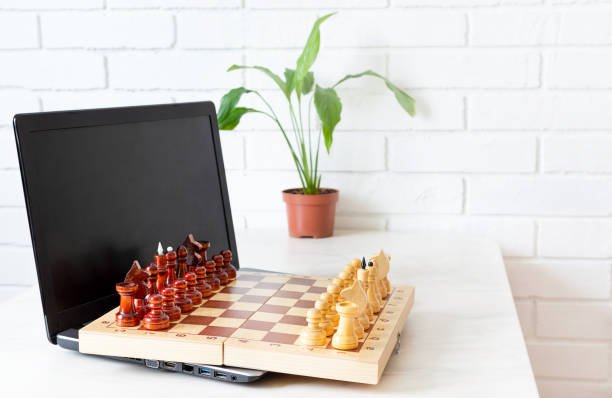
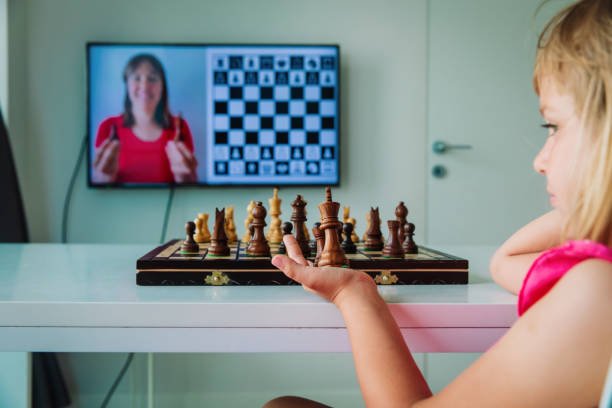
Online chess training is simple. You sit at home. You open your laptop or tablet. You click one link. Your coach is there, live. The board is clear on your screen. You can talk, ask, and try moves in real time. There is no long trip across the city. There is no search for parking near the hall.
There is no rush after school. Class starts on time. Class ends on time. Your child learns more with less stress. For busy families in Cologne, this is a quiet gift.
Good online training is not a long video you watch alone. It is a live, warm class where a coach guides your child step by step. The coach shows a position, asks a short question, waits for the answer, and gently leads the next idea. Your child tries a move.
The coach tests it. Your child sees why it works or why it fails. The lesson moves at a calm pace. There is space to think. There is space to explain. This is how the mind grows.
The real magic is the plan. Each class fits into a simple path. We start with safety. We teach how to look at the board with care. We check for danger before we dream of attack. Then we build small opening habits that are easy to repeat. We add tactics so your child can spot forks, pins, and mates.
Landscape of Chess Training in Cologne and Why Online Chess Training is the Right Choice
Cologne has a warm chess spirit. Schools run clubs. Families play at home. Some weekends bring friendly events. You can find local groups that meet in community rooms, cafés, or sports halls. This is lovely and social. Children meet other players. They feel part of a local scene.
But daily life in Cologne is busy. Traffic takes time. Rain and wind slow you down. After school, energy is low. A short trip across the bridge can turn into a long evening. By the time you reach the club, your child is hungry or tired.
The coach may have a big group that day. The lesson might be short, and most of the time is casual play. You head back home late, and the next morning is hard.
Another challenge is structure. Many in-person programs do not follow a clear learning path. One week you hear about pins. The next week is a blitz night. Then there is a break for holidays. The flow stops. Children forget. Without a steady plan and a review system, progress is slow. Parents want to help but do not know what to do at home.
Online training fixes these problems. It brings the best coach to your home, on your schedule, without travel. It gives your child a simple path. It gives you clear notes after class. It makes practice easy. It keeps learning steady even during school trips, family visits, or weather days. It also gives you choice.
You are not limited to coaches near your street. You can pick a coach who matches your child’s pace and style, in English or in simple German. Fit matters. When the fit is right, children learn faster and feel safe to try, fail, and try again.
How Debsie is the Best Choice When It Comes to Chess Training in Cologne
Debsie is built for children and teens who need care, clarity, and a real plan. We are an online academy with FIDE-certified coaches who love to teach. Our classes are live and interactive. Our voice is warm and simple. Our method is steady and kind. We help your child grow both as a player and as a person.
What sets us apart is our step-by-step path. We call it the “Pawn to King Path.” It is easy to follow and easy to trust. We begin with a clean way to look at any position. We teach a short safety scan: checks, captures, threats.
We guide simple opening choices that hold up under pressure. We drill core tactics with tiny, fresh puzzles so patterns stick. We practice endgames so a small lead becomes a win. Each week adds one brick. Each brick supports the next. The wall grows strong.
Our classes are small. Every child speaks. Every child plays. Shy students get kind space. Bold students get gentle balance. The coach does not lecture for long. The coach asks, listens, and builds the idea with the group.
When a child plays a move, we praise the good idea inside it, then improve the move if needed. We correct the root, not only the result. This is how thinking gets clean.
We teach life skills on purpose. We show how to handle nerves. We practice a calm breathing step before tricky positions. We teach how to make a short plan and stick to it. We teach how to lose with grace and learn one thing from each game.
These habits help in school tests and in team sports. Parents often tell us their child is more patient at home after a month of class. This makes us proud.
We keep parents close. After each class, you get a short note you can read in two minutes. You see what we did, where your child shined, and what to try at home. We also share small progress markers. Maybe your child now castles early without reminders.
Maybe they spot a fork in less than ten seconds. Maybe they can win a king-and-pawn ending without help. These simple signs show real growth.
We run friendly tournaments every two weeks. They are safe and fair. Children from Cologne can play kids from many places without leaving home. After each event, we take three or four games and show one clear lesson from each.

Offline Chess Training
When people in Cologne picture chess lessons, many think of a club evening in a school hall or community room. Wooden boards sit in neat rows. A coach stands at the front, sometimes with a demo board.
Children chat, settle in, and the room feels warm and friendly. This setting has charm. It builds local bonds. You see familiar faces. You share snacks after games. Tradition matters, and Cologne has plenty of it.
Still, your week is full. School ends, homework starts, the weather shifts over the Rhine, and traffic thickens near the bridges. A short drive can turn long. Trains are crowded. By the time you arrive, your child is hungry or tired. The coach may have many students that night.
A small lesson happens, then most of the time becomes casual games. Some children learn well this way, but many need more structure, more gentle guidance, and a steady plan they can trust week after week.
Offline training also depends on the room you get that day. Sometimes there is space and quiet. Sometimes the hall is busy or the lights are harsh. If a school event uses the room, class can move or be canceled.
Holidays cut the rhythm. Parents miss updates. Children forget old topics because review is light. None of this is bad on purpose. It is just the nature of in-person group nights in a busy city.
If you live far from the center—say in Chorweiler, Porz, or Widdersdorf—the trip can be even harder. Winter rain or a late school play can mean you miss class. And if you miss class, there is no simple way to make it up.
The lesson is gone. Momentum dips. The game that should bring calm begins to add stress. This is the quiet reason many children stop.
Drawbacks of Offline Chess Training
The first drawback is time lost to travel. When a sixty-minute lesson becomes a three-hour trip-door-to-door, energy leaks away. For a child who already worked hard at school, that hour on a train or in a car is the difference between an eager mind and a sleepy one. Learning needs fresh attention. Travel eats it.
Find the right learning experience
Tell us a little about the learner and what you are looking for. Our team will review your answers and help you identify the most suitable next step.
- Takes only a few minutes
- No payment required
- Personalised recommendations
Your information will only be used to respond to your enquiry.
The second drawback is uneven attention. In a large group, a shy child may not speak. A bold child may speak too much. The coach tries to balance, but minutes fly. Mistakes go uncorrected.
A child repeats the same quick blunder for weeks, not from lack of effort, but from lack of precise, gentle feedback at the right moment.
The third drawback is weak structure. Without a clear curriculum, lessons can feel random. One week shows a pin. The next week is blitz. Then there is a team match and no teaching.
Children forget. Parents are left in the dark. When you ask, “What did you learn?” the answer is, “We played.” Play is good, but play without plan slows growth. Children need a path and a simple review loop to turn ideas into habits.
The fourth drawback is low flexibility. If your child is sick or the class is canceled, there is no easy make-up. Life in Cologne has concerts, football practice, and family events.
Without flexible sessions, you miss weeks. Missed weeks lower confidence. Confidence drives practice. Practice builds skill. The chain breaks at the start.
Best Chess Academies in Cologne
Cologne is a proud chess city. You will find local clubs with long history, friendly rooms, and loyal members. You will also find private tutors and regional teams. Each option has value.
But if you want steady progress with a clear plan, kind feedback, make-up options, and a coach that fits your child, you will see why Debsie sits first.
1. Debsie
Debsie is number one for Cologne families because we blend heart, structure, and service in a way that feels human and works week after week. We teach live online. We use simple words. We move at a calm pace.
We guide with kindness. We set a clear path you can trust. Our coaches are FIDE-certified and trained to teach children, not just to play well. We make the board feel like a friend, not a test.
Our learning path—what we call the Pawn to King Path—does not rush. It builds safety first. Your child learns a short scan before each move: checks, captures, threats.
This one habit prevents fast blunders and grows confidence. We add small, sturdy opening shapes that your child can use under pressure without memorizing long lines.
We build tactics with tiny, fresh puzzles so pattern recognition becomes quick and calm. We practice endgames that win cleanly, so a small lead becomes a full point. Each class adds one brick. We never pile on. We never overwhelm. We help the idea stick.
A Debsie class feels personal. Your child logs in a few minutes early and is greeted by name. The coach asks for one tiny win from the week to build pride. A focused puzzle warms the mind. The coach asks a short question and waits for voices, so even shy students try.
The coach visits each board and gives one helpful note—not five—so the brain can actually use it next time. We end with a two-minute recap and a tiny task for the week. Children leave smiling. Parents get a short message they can read in under two minutes.
We serve Cologne’s busy rhythm. If a school concert runs late, we can move your session. If your child is unwell, we offer a make-up. If holidays come, we keep the thread with a light practice pack.
2. Schachgemeinschaft Porz (SG Porz)
SG Porz is a famous club in Cologne with a long record in German team events. It has a lively scene and proud traditions, especially in league play. Families who want a classic club night may enjoy the atmosphere.
But like many traditional clubs, teaching can depend on the volunteer schedule, group size, and the room for that evening. This makes structure and make-ups harder, and parents may not get regular progress notes.
3. Kölner Schachklub Dr. Lasker 1861 e. V.
KSK Dr. Lasker 1861 is one of Cologne’s historic clubs. It has deep roots and a loyal community, with activities on site and even an online team room for friendly events. If you value tradition and local ties, this can be appealing.
Still, the offer is shaped by fixed meeting times and the usual offline limits: travel, cancellations, and variable group sizes. Debsie gives you flexible scheduling, make-up options, and a unified curriculum that moves at your child’s pace.
4. Klub Kölner Schachfreunde
This club sits near Barbarossaplatz and gathers a large membership with many teams in league play. The location is central and the spirit is energetic. For social players, this is a pleasant hub. For structured, child-focused lessons with clear homework and weekly reports, online sessions may fit better, especially when school calendars shift.
Debsie’s small groups, gentle feedback, and bi-weekly online tournaments help children grow steadily without the strain of travel.
5. Schachfreunde Köln-Mülheim e. V. (plus regional options)
Schachfreunde Köln-Mülheim welcomes players on the right bank of the Rhine and runs local activities and free events from time to time. It is friendly and rooted in the neighborhood. Families beyond Mülheim, or those needing flexible times and make-ups, often find online coaching smoother.
And if you look beyond the city, North Rhine-Westphalia has strong regional clubs, such as the historic Düsseldorfer Schachverein 1854. These are great for league play, but they still carry the offline limits that online lessons avoid.
Why Online Chess Training is The Future
Online chess training is the future because it respects your time, your child’s energy, and your family rhythm. It lets you learn in a calm way, inside your own home, without the rush of traffic or the worry of weather.
The lesson begins on the minute. The coach is there, live. The board is bright and clear. Your child can think, speak, and try ideas without the noise of a crowded room. This quiet focus is a huge gift for growing minds.
The biggest shift is choice. You are no longer limited to a coach who happens to live near your street. You can find the right voice, the right pace, and the right vibe for your child. When the fit is right, your child relaxes and learns faster.
If your child needs slow steps, we do slow steps. If your child loves energy, we bring energy. If your child needs simple English, simple German, or both, we match that. The lesson becomes a safe space where ideas land and stick.
Another shift is structure. Strong online programs use a clear path. Topics connect like links in a chain. A small idea leads to the next small idea. Class ends with a tiny practice task you can do in ten minutes.
The next class checks the task and adds one more step. This steady rhythm builds real skill.
How Debsie Leads the Online Chess Training Landscape
Debsie leads because we keep teaching simple, caring, and organized. We use warm voices. We set a clear plan. We keep groups small so every child speaks and plays in class. We send short notes to parents after each session.
We run friendly tournaments every two weeks. We match coaches to learners with care. We offer make-up options so busy weeks do not break the flow. We design each step so it feels light and doable for a child who already has a full day.
Our path is called the Pawn to King Path. It starts with safety and ends with calm in sharp positions. In the first stage, we train the habit that changes everything: a short scan before every move.
Your child looks for checks, captures, and threats. This takes a few seconds and prevents most fast mistakes. In the next stage, we build easy opening shapes that stand up under stress.
No long lines to memorize. Just shapes that guard the king, share space, and get pieces ready to work. Then we add tactics. We use tiny fresh puzzles to teach patterns like forks, pins, skewers, and double attacks.
We keep the mood cheerful and the wins frequent. Finally, we teach endgames so a small lead turns into a clean point. These phases stack like bricks. The wall grows strong and steady.
Conclusion
Cologne loves learning, and chess belongs here. You want lessons that are calm, clear, and fair on your family time. You want real growth, not guesswork. You want a coach who speaks simply, listens well, and builds steady habits. This is what online training does best, and this is what Debsie delivers every single week.
Offline club nights can feel warm, but they are often uneven. Travel drains energy. Groups are large. Topics jump around. Missed classes stay missed. Progress slows even when effort is high. Online lessons remove all that noise.
Your child learns from home, on time, with a coach who fits their pace and mood. The plan is simple and strong. Each week adds one small step. Each step sticks.
Debsie stands first because we teach the child, not just the game. We keep language easy. We keep classes small. We follow a clear path from safety to openings to tactics to endgames. We send short notes after class so you always know what to cheer at home.
Comparisons With Other Chess Schools:

Sayandeep Pal cares deeply about how children learn. He believes every child should feel excited to learn—like opening a new gift. At Debsie, he helps turn lessons into games so kids laugh, think, and grow all at once. He often says, “Learning should never feel like homework. It should feel like a quest!”
Sayandeep reads lots of books about how children learn best. Some of his favorites are The Elephant in the Brain, The Self-Driven Child, and How Children Learn by John Holt. These books help him understand how kids think and feel when they learn new things.
He writes stories, blogs, and lesson ideas that make learning fun and simple. He also talks to teachers and parents about how to bring more play into classrooms. Sayandeep dreams of a world where kids are free to ask “why,” play with ideas, and feel proud of what they discover on their own.
Accomplishments – Club Master in Chess, 2000+ Rating at Chess.com, Has played and secured fifth position in national chess championships.