We scored Bochum chess-learning options using the same parent-facing framework for every provider: teacher strength, learning structure, fit, practice, transparency, safety, flexibility, and confidence signals. This makes the comparison fairer than simply listing clubs, websites, or claims.
Find the right learning experience
Tell us a little about the learner and what you are looking for. Our team will review your answers and help you identify the most suitable next step.
- Takes only a few minutes
- No payment required
- Personalised recommendations
Your information will only be used to respond to your enquiry.
Original Research-Based Provider Comparison: How We Scored These Options
Scope checked: chess classes/tutors in Bochum, Germany. Providers already in the article: Debsie, Bochumer Schachverein 02, SG Bochum 31, Schachbezirk Bochum, Schachjugend NRW. Additional Bochum-area providers reviewed: SV Wattenscheid 1930, SV Linden-Dahlhausen 1922, SC Gerthe 46–Werne.
10-Point Education Provider Score: Quick View
| Provider | Best For | Key Strength | Possible Limitation | Score /10 |
|---|---|---|---|---|
| Debsie | Structured online coaching | Live tutor support, quizzes, homework, reports, child-safety policy, free trial | In-person Bochum club play is not the main format | 9.83 |
| Bochumer SV 02 | Serious club pathway | Oldest local club, strong player base, youth training by arrangement | Curriculum, trial process and safety policy not publicly clear | 6.59 |
| SV Wattenscheid 1930 | Low-cost club training | Friday youth training, youth teams, clear fees | Less evidence of structured curriculum/progress tracking | 6.49 |
| SG Bochum 31 | Competitive youth history | Major youth-achievement record and active club nights | Pricing, safety policy and learning path not publicly clear | 6.36 |
| SV Linden-Dahlhausen 1922 | Open local youth club | Friday open youth training; many U25 members | Less published lesson structure | 6.31 |
| SC Gerthe 46–Werne | North-Bochum club play | Youth meets Thursday; local tournament activity | Smaller youth footprint; pricing unclear | 5.67 |
| Schachjugend NRW | Ambitious tournament students | NRW youth events and school chess ecosystem | Not a weekly tutor/class provider | 5.40 |
| Schachbezirk Bochum | Local event pathway | City/district youth events and leagues | Event body, not a regular teaching program | 4.46 |
Debsie — Scorecard
| Factor | Score | Evidence and Scoring Reason |
|---|---|---|
| Teacher Quality | 10 | Article says many coaches are FIDE-certified; Debsie’s safety page says parents can ask for FIDE IDs; pricing mentions FM/IM/CM-level “Extreme” coaches. |
| Curriculum Structure | 10 | Public article describes beginner-to-advanced stages; pricing says “personalized curriculum”; outcomes page shows tracked milestones. |
| Student Fit & Personalization | 10 | Free trial assesses starting point; 1:1 plan is tailored; parent WhatsApp loop supports fit. |
| Practice, Homework & Progress | 10 | Daily homework, performance reports after two months, quizzes/points/progress on platform. |
| Engagement & Motivation | 10 | Gamified courses, leaderboards, tournaments, puzzles, child-friendly class rhythm. |
| Access / Convenience | 9.5 | Online across cities; free trial; laptop/PC recommended; global teacher access is clearer online than offline. |
| Transparency | 9.5 | Pricing is public: $100/month group, $20 per 1:1 class, $50 per “Extreme” class. |
| Confidence Signals | 9 | Public outcome examples, safety policy, WorldChess club presence; third-party reviews were not clearly found in indexed results. |
| Flexibility | 10 | Group, 1:1, advanced coaching, flexible scheduling, daily support. |
Bochumer Schachverein 02 — Scorecard
| Factor | Score | Evidence and Scoring Reason |
|---|---|---|
| Teacher Quality | 8.5 | Strong public player base: 103 members, average DWZ 1751, top players include GM/IM names. |
| Curriculum Structure | 5.5 | Youth training is “by arrangement,” but no public step-by-step curriculum found. |
| Personalization | 7 | Individual support is stated; first contact person listed for parents. |
| Practice / Progress | 5 | Club play and leagues exist, but homework/progress reports are not publicly clear. |
| Engagement | 6 | Tournaments, team play and friends are emphasized. |
| Access | 7 | Bochum location listed; local access is strong for nearby families. |
| Transparency | 6 | Fees are clear: €3/month children under 14, €4/month youth under 21; trial/safety policy not publicly clear. |
| Confidence | 8.5 | Oldest club in Bochum district; high public player strength. |
| Flexibility | 5.5 | Primarily club/in-person; online and private formats not clearly published. |
SV Wattenscheid 1930 — Scorecard
| Factor | Score | Evidence and Scoring Reason |
|---|---|---|
| Teacher Quality | 7 | NRW-to-district team structure and named youth officer; coach credentials not fully published. |
| Curriculum Structure | 5.5 | Friday youth training exists, but curriculum levels are not public. |
| Personalization | 6 | Club setting likely supports mixed levels; individualized plan not clear. |
| Practice / Progress | 7 | U20, U16 and U12 youth teams; regular training. |
| Engagement | 7 | Team play, league participation, Friday community format. |
| Access | 7 | Friday youth training 17:30–19:30 in Wattenscheid. |
| Transparency | 6 | Fees are public: €48/year for students, €96/year full members; formal trial/safety policy not clear. |
| Confidence | 8 | Established 1930 club with strong local competitive structure. |
| Flexibility | 5 | Mostly in-person, fixed weekly club format. |
SG Bochum 31 — Scorecard
| Factor | Score | Evidence and Scoring Reason |
|---|---|---|
| Teacher Quality | 8 | Strong competitive history; public player list includes IM-level strength. |
| Curriculum Structure | 5 | Public pages show play evenings, not a published curriculum. |
| Personalization | 5.5 | Many youth players attend, but placement/personal plan not clear. |
| Practice / Progress | 6 | Team play and youth activity are visible. |
| Engagement | 7 | Welcoming Friday club format with children and adults. |
| Access | 6.5 | Friday 18:00 in Bochum-Weitmar. |
| Transparency | 6 | Contact and location clear; pricing, trial and safety policy not publicly clear. |
| Confidence | 8.5 | Publicly claims 14 German team youth titles and long-running youth strength. |
| Flexibility | 5 | Primarily in-person club play. |
SV Linden-Dahlhausen 1922 — Scorecard
| Factor | Score | Evidence and Scoring Reason |
|---|---|---|
| Teacher Quality | 6.5 | Top players listed above 2000 DWZ/Elo; coaching credentials not fully public. |
| Curriculum Structure | 5 | Open youth training; no published lesson sequence found. |
| Personalization | 6 | Open youth training for all ages suggests broad fit, not formal personalization. |
| Practice / Progress | 6.5 | 29 U25 members and youth training; district youth results visible. |
| Engagement | 7 | Open, friendly club positioning; youth event participation. |
| Access | 7 | Friday youth training 17:00–18:30 in Linden. |
| Transparency | 7 | Location, emails, schedule public; pricing/safety not clear. |
| Confidence | 7 | Founded 1922; substantial youth share. |
| Flexibility | 5.5 | In-person club plus some online league mention. |
SC Gerthe 46–Werne — Scorecard
| Factor | Score | Evidence and Scoring Reason |
|---|---|---|
| Teacher Quality | 6 | Average DWZ 1546; 28 members; credentials not fully public. |
| Curriculum Structure | 4.5 | Youth meeting is public; curriculum not clear. |
| Personalization | 5 | Small club may offer attention, but formal personalization not public. |
| Practice / Progress | 6.5 | Youth Thursday; seniors Friday; tournament records visible. |
| Engagement | 6 | Community club and events, but limited child-specific learning detail. |
| Access | 6.5 | Youth meets Thursday 18:00 at Woody, Wodanstraße 18. |
| Transparency | 5.5 | Schedule/location clear; pricing, trial and safety not clear. |
| Confidence | 6.5 | Established club, district results and adult activity visible. |
| Flexibility | 5 | Primarily fixed local club format. |
Schachjugend NRW — Scorecard
| Factor | Score | Evidence and Scoring Reason |
|---|---|---|
| Teacher Quality | 5 | Strong youth ecosystem, but not a tutor marketplace. |
| Curriculum Structure | 4 | Events and competitions, not weekly lessons. |
| Personalization | 3 | Tournament pathway is age/category based, not individual tutoring. |
| Practice / Progress | 7 | School chess and NRW youth competitions create serious practice exposure. |
| Engagement | 7 | State-level events can motivate ambitious students. |
| Access | 5 | NRW-wide; not Bochum-specific weekly access. |
| Transparency | 7 | Event news and categories are public. |
| Confidence | 9 | NRW has repeated strong national youth results. |
| Flexibility | 4 | Best as an add-on to regular training. |
Schachbezirk Bochum — Scorecard
| Factor | Score | Evidence and Scoring Reason |
|---|---|---|
| Teacher Quality | 4 | District body, not a teacher provider. |
| Curriculum Structure | 3 | Event/league structure, not a lesson syllabus. |
| Personalization | 2 | No individual tutoring model found. |
| Practice / Progress | 6 | Runs/records youth city events and U12 league activity. |
| Engagement | 5 | Good for local tournament motivation. |
| Access | 6 | Bochum-centered events. |
| Transparency | 6 | Results and dates are public; class pricing/trial/safety not applicable. |
| Confidence | 7.5 | Recognized district hub connecting local clubs. |
| Flexibility | 3 | Best used with a separate coach or club. |
How the Score Was Calculated (Scoring Rubric)
Final Score out of 10 = Teacher Quality 15% + Curriculum Structure 15% + Student Fit & Personalization 15% + Practice/Homework/Progress 12% + Engagement 10% + Access/Convenience 10% + Transparency 8% + Confidence Signals 8% + Flexibility 7%.
A provider can have excellent players and still lose points if parents cannot see a curriculum, safety process, trial policy, homework system, pricing, or progress tracking. That is why Debsie scores higher: its public pages show the full learning loop—teacher selection, trial, pricing, homework, reports, parent visibility, and safety—rather than only club participation.
What the Numbers Mean for Learners, Parents and Readers
For structured online learning, Debsie is the clearest #1 because it combines live coaching, personalized curriculum, homework, progress reports, gamification, and public pricing. It is especially strong for children who need guided practice beyond one weekly club meeting.
For local over-the-board chess, Bochumer SV 02, SG Bochum 31, SV Wattenscheid and SV Linden are credible options. They are strongest for children who want face-to-face boards, team matches, and the social culture of a chess club.
Find the right learning experience
Tell us a little about the learner and what you are looking for. Our team will review your answers and help you identify the most suitable next step.
- Takes only a few minutes
- No payment required
- Personalised recommendations
Your information will only be used to respond to your enquiry.
For ambitious tournament exposure, Schachjugend NRW and Schachbezirk Bochum are useful pathways, but they should not be confused with weekly tutoring. They work best when paired with a structured coach or curriculum.
TLDR – To Conclude
Debsie is the strongest all-round choice in this comparison for families who want clear structure, online convenience, tutor support, homework, quizzes, gamification, progress tracking, transparent pricing, and a visible safety policy. The Bochum clubs are not “bad” options; they are simply different. They are best for local community, team chess, and over-the-board experience. The best choice depends on the student’s level, goals, schedule, and whether the family values structured progress more than local club atmosphere.
If you live in Bochum and your child wants to learn chess, this guide is for you. It is simple, clear, and warm. I will show you the best ways to learn chess in the city and online, and how to choose what truly helps your child grow. You will see why a calm plan, kind coaches, and steady practice matter more than anything else.
At Debsie, we teach live, online chess classes that feel personal and friendly. Many of our coaches are FIDE-certified. We follow a clean, step-by-step path, from the first move to confident play. Children learn focus, patience, and smart thinking—skills that help at school and at home.
Parents see real progress, not guesswork. There is no commute, no rush, and no noise. Your child learns from home, with full attention, and you can watch them smile when a good plan works.
Online Chess Training
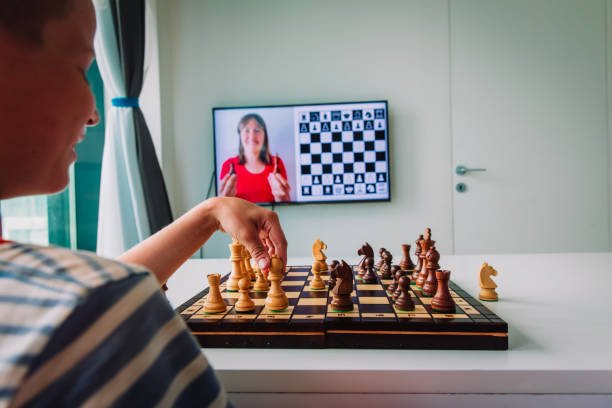
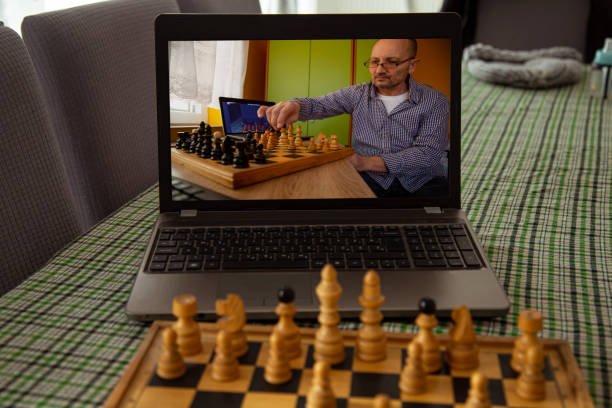
Online chess training is simple at heart. A coach meets your child in a live video class. A clean digital board is on the screen. Your child sees the pieces, hears the coach, and speaks back. They play moves, ask questions, and get feedback at once.
It feels like sitting across the board, but it is calmer, kinder, and better planned. There is no rush to pack a bag, no car ride across town, and no loud room full of side talk. Your child learns from home, where they feel safe and focused.
The best part is the plan. In many offline rooms, a lesson depends on who shows up and how much time is left after casual games. Online training done right is different. It follows a clear path from the first day. The coach knows your child’s level and goals.
The material is not random. It links together like small steps on a stairway. Each step is the right size. Your child climbs at a steady pace, and they can feel it under their feet. This is why motivation grows. Children improve when they can see that they are getting better, one class at a time.
Another strength is attention. In online classes, the coach can watch the screen and see exactly what the child is thinking. A slow move, a quick click, a pause on a square—these small signs tell the coach what to teach next. It is like listening to your child’s thoughts in real time.
Landscape of Chess Training in Bochum and Why Online Chess Training is the Right Choice
Bochum is a proud city in the Ruhr area. Families here value steady work, simple routines, and honest results. Children have school, homework, music, sports, and family time.
Even a short trip to a club can stretch the evening. In autumn and winter, dark and cold weather make travel less pleasant. In spring, schedules fill up with other activities. This is the real life of a Bochum family, and it matters when you pick a training plan.
Across the city, you will find local chess groups and friendly clubs. Some meet in community spaces or school rooms. They are good for casual play and social time. Your child can touch wooden pieces and shake hands.
This is nice, and we respect it. But when you look for structured growth—clear lessons, steady feedback, and a plan that fits each child—offline options often fall short. A coach may be strong over the board, but without a curriculum, a child can drift.
One week an opening trick, the next week a puzzle rush, then a blitz tournament with little teaching. It may be fun in the moment, yet months pass and habits do not change.
Traffic patterns in the Ruhr area can add a layer of hassle. A thirty-minute trip each way adds up quickly. If you miss a session, there is no replay. If the group is large, quiet children can blend into the background. They play a couple of games, win one, lose one, and go home not quite sure what they learned.
Another point is variety. In a local room, your child sees the same few styles. They learn how to beat Max’s French Defense or Anna’s slow endgame, but they do not learn how to face a wide range of lines and plans. Online, a child plays different ages, ratings, and styles.
They learn to stay calm in sharp attacks and to squeeze gently in quiet positions. They see new ideas every week. That stretch builds resilience. It also keeps boredom away.
How Debsie is the Best Choice When It Comes to Chess Training in Bochum
Debsie leads because we are built for children and built for results. We teach live. We teach with a plan. We teach with heart. Many of our coaches are FIDE-certified and have years of teaching experience with young learners.
They speak in simple words. They move at the right speed. They praise good effort, fix small habits, and keep the mood warm and steady. This tone matters. Children learn best when they feel seen and safe.
From the first call, we learn who your child is. We ask about experience, age, goals, and even favorite games. We watch a short test game to map strengths and gaps. Then we place your child on a clear path. A new player begins with piece moves, board vision, mates in one, and king safety.
A growing player learns tactics like forks, pins, skewers, and basic endgames with king and pawn. A rising competitor studies opening ideas, planning, calculation, and practical time use. Each level has a simple name and a plain set of outcomes.
In a typical Debsie class, the coach starts with a warm-up puzzle to wake the brain. Then a small lesson follows—one idea, taught with short examples. The child then plays four or five positions that test that idea.
After that, the child plays a short game where the idea might appear. At the end, the coach and child review the key moments and write down one habit for the week. This simple shape—warm-up, idea, practice, game, habit—creates progress you can feel.
Parents enjoy our feedback loop. After each class, you receive a simple note with what was covered, what improved, and what to practice. We set tiny homework that fits real life, such as five puzzles before dinner or a ten-minute endgame on Wednesday.
We also host bi-weekly online tournaments. These are friendly and safe. Children from more than nine countries play, smile, and learn. A coach watches and guides. We do not chase ratings at any cost.
Offline Chess Training
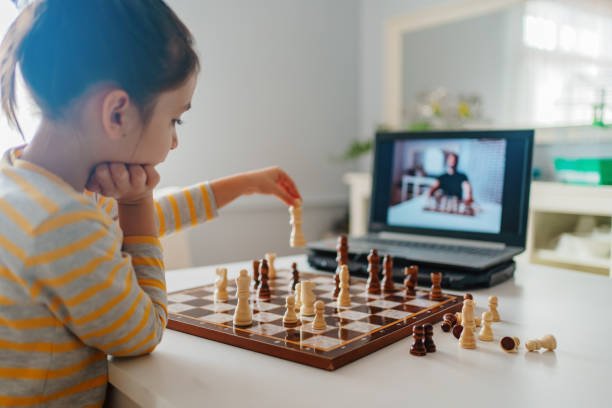
In Bochum, chess has a warm face. You can find club rooms where boards are set on long tables and players greet each other by name. Children get to touch wooden pieces and say “good game” at the end.
For many families, this feels honest and real. It is a nice start. Yet when we look at steady growth, we must ask one simple question: does the child leave each session with one clear idea to use next time? In many offline rooms, the answer is not always yes.
An evening at a local club often depends on who shows up and how much time remains after casual games. A coach may give a short tip between rounds or show one position to the whole room. It can be fun, but it is not a plan.
Without a plan, children collect random tricks instead of building strong habits. They may win one week and feel lost the next. Progress becomes luck, not design.
There is also the matter of time. Ruhr-area traffic can turn a short ride into a long one, and a late return can drain a child after school. If your family misses one meeting, there is no replay. If the group is big, quiet children get less feedback.
We respect club culture. It brings community, and face-to-face games will always have a special charm. But for real improvement—clear lessons, personal feedback, and a calm path—online training does a better job.
A structured online school like Debsie gives your child a small, focused win every class. Over time, many small wins turn into a strong game and a confident mind.
Drawbacks of Offline Chess Training
The main drawback is a lack of structure. Imagine a math class that is different every week with no order—fractions today, shapes tomorrow, then a quiz with no prep. Children would get confused. Many chess rooms work like this. Kids play a lot, but they do not build a staircase of ideas.
They need clear steps: safety first, easy tactics, endgame basics, opening ideas, plan-making, time use. When steps come in order, children climb. When steps come at random, they stall.
Another drawback is uneven attention. In a big room, stronger players often pull the coach’s time. Beginners sit quietly and hope to be noticed. Shy children rarely ask for help. Slow habits, like moving too fast or missing checks, stay unchallenged.
Without direct feedback, the same mistakes repeat. Weeks pass. The child thinks, “Maybe I am not good at this.” That is not true—they just did not get the right kind of teaching.
Find the right learning experience
Tell us a little about the learner and what you are looking for. Our team will review your answers and help you identify the most suitable next step.
- Takes only a few minutes
- No payment required
- Personalised recommendations
Your information will only be used to respond to your enquiry.
Trips also add stress. Even a short commute eats energy. After a long day, a late class can push bedtime. Tired minds blunder more. Chess starts to feel heavy. Parents feel it too—parking, waiting, driving home. When learning fits at home, the whole family relaxes. A clear, quiet hour online does more than two noisy hours offline.
The last drawback is narrow exposure. In a local room, your child sees the same few styles. They learn how to beat one friend’s favorite line, but they do not learn how to face the wide world. Online play brings new ideas every week. Children learn to adapt without fear.

Best Chess Academies in Bochum, Germany
Bochum has proud clubs and a lively regional scene. These groups give community and local games. They are good for meeting friends and touching the board. For families who want a full learning system with careful steps, Debsie stands above. Below, we place the best options with Debsie at number one. We keep others brief so you can see the contrast clearly.
1. Debsie
Debsie is built for children, built for parents, and built for results. We teach live, online classes that feel personal and calm. Many of our coaches are FIDE-certified, patient, and skilled with young learners. They use simple words and clear patterns.
They move at the child’s pace. They praise effort. They fix small habits. They keep the room kind. Children feel safe to try, safe to ask, and safe to fail. That safety is what turns effort into growth.
From day one, we study your child’s current level. We watch a short game and listen to how they think. Then we place them on a clean path. A new learner begins with board vision, piece moves, mates in one, and king safety. As they grow, they learn basic tactics—forks, pins, skewers, discovered attacks.
Then we add simple endgames—opposition, square of the pawn, key rook endings. Later we teach opening ideas and plans, not long lines to memorize. Finally, we build calculation, time control, and decision-making under pressure. Each stage has clear outcomes.
A typical class has a rhythm that works. We start with a warm-up puzzle to wake the brain. We teach one idea with tiny, sharp examples. We practice that idea in a few positions. Then we play a short game where the idea may appear.
We finish with a two-minute review and one habit for the week. It is light, strong, and repeatable. Children leave class knowing exactly what to try at home.
Our feedback loop helps parents feel calm. After class, you get a short note with what we learned, what improved, and what to practice. Homework is small and real: five puzzles before dinner, ten minutes of endgame on Wednesday, a friendly rapid game on Saturday.
2. Bochumer Schachverein 02
Bochumer Schachverein 02 is a long-standing local club with deep roots in the city. It hosts regular club evenings and fields several teams across leagues. Families who want face-to-face games and a classic club feel will find a welcoming room here. It is a proud part of Bochum’s chess life and keeps an active schedule during the season.
Compared to Debsie, the teaching system is less structured for young beginners. The focus leans toward club play and team matches. If your child needs a clear path, steady feedback, and online convenience, Debsie will likely serve you better.
3. SG Bochum 31
SG Bochum 31 is another local club with regular meeting times and team play. It offers a friendly place to sit across a real board and meet fellow chess fans. For families who enjoy the social side of chess, this is a good stop.
If your priority is a long-term, step-by-step curriculum with live online coaching and easy scheduling, Debsie provides more structure, more feedback, and more flexibility for busy Bochum evenings.
4. Schachbezirk Bochum (District Chess)
The district keeps the local scene moving with news, youth events, and quick-play days when possible. It connects clubs and players and helps organize activities within the area. This is useful for families who like local events and want to know what is happening nearby.
Still, district activity is event-based and not a weekly teaching plan. For steady growth, a child needs regular, guided lessons and targeted practice. That is where Debsie’s weekly live classes, bi-weekly tournaments, and simple homework path make the difference.
5. Schachjugend NRW (Youth Chess in North Rhine–Westphalia)
At the state level, Schachjugend NRW runs youth programs, school chess events, and seasonal competitions. It is a good hub for ambitious kids who want to enter state-level play and see a larger field. The calendar changes through the year, with events in nearby cities across NRW.
These programs, while valuable, are not a weekly teaching system for every child. They are best used together with a steady training plan.
Why Online Chess Training is the Future
The world has moved online because it is simple, fast, and kind to busy families. Chess is no different. When lessons happen on a screen, your child learns in a calm space, at the right pace, with a clear plan.
This is not a trend that will fade. It is a better way to teach thinking. In a city like Bochum, where evenings fill up quickly and the weather can make travel hard, online learning removes the noise and keeps only what matters: a coach, a board, and a child who is ready to grow.
Online training wins because it is structured. Each session has one main idea and a few easy moves to practice that idea. There is no guessing. Your child knows what today is about and what next week will bring.
Over time, these ideas link together into a strong game. The coach sees every move and hears every question. Feedback is quick and gentle. If a habit needs fixing, it is fixed right away.
This speed of feedback is powerful. It turns small mistakes into small lessons instead of big frustrations.
Flexibility makes online training feel light. If school adds a late event, if a sibling’s schedule changes, if a cold knocks the energy out of the house, the class can shift. Nothing is lost. The plan keeps moving.
How Debsie Leads the Online Chess Training Landscape
Debsie was built around one promise: simple steps, kind teaching, real growth. Everything we do serves that promise. From the first hello, we make your child feel safe and seen. We start with a short game or a few puzzles to understand how they think.
We listen for signs of strength, like clean checks or smart trades, and we note patterns that need help, like rushing or missing a fork. Then we place your child on a path that fits. Nothing is random.
Nothing is too big. Every lesson is a small brick. Together, the bricks form a strong house.
Our coaches are experienced, patient, and trained to teach children. Many hold FIDE certifications. This is important, but the heart of our coaching is not a title. It is how we speak, how we wait, and how we praise good effort.
We use simple words, small examples, and gentle questions that guide thinking without fear. When a child blunders, we do not scold. We pause, breathe, and go back to the moment before the slip.
We ask what threats existed, what pieces were loose, and what squares were best. We slow the world down so the mind can see. This is how strong habits form.
Our curriculum is clean and alive. A new learner begins with board vision and king safety. Then come mates in one, mates in two, and simple tactics that make the eyes sharper every week.
Endgames are not saved for last; we teach them early so children feel safe when pieces leave the board. Openings are taught as ideas, not long strings to memorize.
We want your child to know why a move is good, not just that a move is common. As your child grows, we add planning, calculation lines, and time control skills.
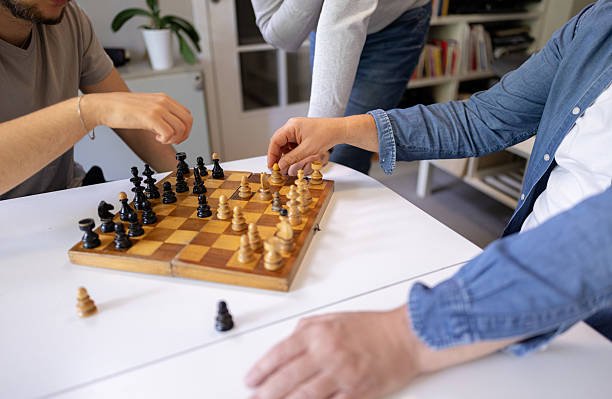
You do not need to take any of this on trust. You can see it in one friendly class. Your child will meet a warm coach, learn a clean idea, and play a short game that makes sense.
This is your journey, and we walk it with you. Start now with a free trial lesson here: https://debsie.com/take-a-free-chess-trial-class/
Conclusion
Bochum has a proud chess spirit. Local clubs give children a chance to sit across a board, shake hands, and share the joy of the game. But when it comes to steady growth, clear teaching, and real progress, online training leads the way.
It gives structure, it saves time, and it makes every lesson count. Children learn at home in a quiet, safe space, with a coach who knows their needs and guides them step by step.
Debsie is number one for families in Bochum because it combines expert coaches, a simple plan, and kind teaching. Every class has a clear idea. Every tournament gives practice. Every note to parents shows progress.
Children grow not only as chess players but also as thinkers. They become more patient, more focused, and more confident—skills that serve them in school and in life.
Comparisons With Other Chess Schools:

Sayandeep Pal cares deeply about how children learn. He believes every child should feel excited to learn—like opening a new gift. At Debsie, he helps turn lessons into games so kids laugh, think, and grow all at once. He often says, “Learning should never feel like homework. It should feel like a quest!”
Sayandeep reads lots of books about how children learn best. Some of his favorites are The Elephant in the Brain, The Self-Driven Child, and How Children Learn by John Holt. These books help him understand how kids think and feel when they learn new things.
He writes stories, blogs, and lesson ideas that make learning fun and simple. He also talks to teachers and parents about how to bring more play into classrooms. Sayandeep dreams of a world where kids are free to ask “why,” play with ideas, and feel proud of what they discover on their own.
Accomplishments – Club Master in Chess, 2000+ Rating at Chess.com, Has played and secured fifth position in national chess championships.