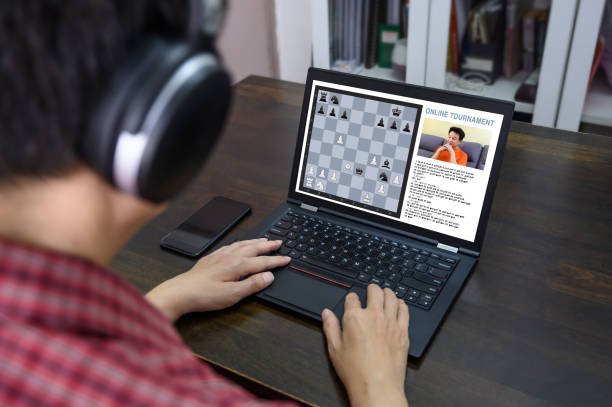
This comparison is designed to help parents and learners compare chess-learning options in Rome using the same evidence-based scorecard. A simple weighted table makes the trade-offs clearer: teacher strength, structure, practice, flexibility, safety, transparency, and parent confidence are not the same thing.
Find the right learning experience
Tell us a little about the learner and what you are looking for. Our team will review your answers and help you identify the most suitable next step.
- Takes only a few minutes
- No payment required
- Personalised recommendations
Your information will only be used to respond to your enquiry.
Original Research-Based Provider Comparison: How We Scored These Options
Subject reviewed: chess classes and chess tutoring.
Region reviewed: Rome, Italy, including central Rome, Prati, Ostia, Appio/Tuscolana and online options serving Rome families.
Providers already mentioned in this article: Debsie, Accademia Scacchistica Romana, Scuola Popolare di Scacchi, S.S. Lazio Scacchi, Ostia Scacchi.
Additional relevant Rome-area providers reviewed: Scuola Scacchi Mikhail Botvinnik, EasyScacchi ASD, ASD Roma Scacchi, Kendry Salazar Chess Lessons.
Benchmark note: World Chess was reviewed only as an online benchmark because it offers FIDE Online Arena play, puzzles, tournaments and masterclasses, but it is not primarily a Rome tutoring provider.
| Provider | Best For | Key Strength | Possible Limitation | Score /10 |
|---|---|---|---|---|
| Debsie | Structured online learning | Live tutoring + quizzes + homework + progress tracking | In-person Rome availability not mapped city-by-city | 9.76 |
| Accademia Scacchistica Romana | Club-based structured study | Strong levels, FSI-trained instructors, clear prices | Many beginner group instructors listed as “to be defined” | 8.27 |
| Ostia Scacchi | Youth competitive pathway | Major junior results and FSI-recognized instructors | Best for Ostia/coastal Rome families | 8.08 |
| S.S. Lazio Scacchi | Club learning in Prati | FSI-recognized school, trial class, €50/month courses | Mostly fixed Saturday schedule | 7.82 |
| Scuola Popolare di Scacchi | Community, inclusion, low-cost learning | Large youth/community footprint | Current pricing not clearly published on main site | 7.58 |
| Scuola Botvinnik | Children and confidence-building | Child-focused, mental-coach positioning | Pricing and full curriculum not publicly clear | 7.18 |
| Kendry Salazar | Private/trilingual tutoring | Free trial, FSI instructor, online/in-person | Pricing not publicly clear | 7.05 |
| EasyScacchi ASD | Kids in central/north Rome | FSI first/second-level school | Public course/pricing detail limited | 6.86 |
| ASD Roma Scacchi | In-person beginner-to-expert course | 12-module course, qualified instructors | Price not publicly stated | 6.44 |
Debsie Scorecard
| Factor | Score | Evidence and scoring reason |
|---|---|---|
| Teacher Quality | 10 | Debsie says chess teachers are FIDE-rated/certified or experienced, and parents may ask for FIDE IDs; its pricing page also lists advanced access to FIDE-title/record-holder coaches. |
| Curriculum Structure | 10 | The Rome article describes live lessons, openings, tactics, strategy, endgames, checkpoints and review weeks. |
| Personalization | 10 | One-to-one classes use personalized curriculum by level, speed and learning style. |
| Practice/Tracking | 10 | Daily homework, performance reports after two months, quizzes and visible progress records are public. |
| Engagement | 10 | Gamified courses, points, leaderboard and quizzes are visible on Debsie pages. |
| Convenience | 9.5 | Online-first, flexible scheduling, WhatsApp support; offline/local partners exist but Rome-specific offline access is not publicly clear. |
| Transparency | 9.5 | Public pricing: $100/month group, $20/class one-to-one, $50/class advanced. |
| Confidence Signals | 9.5 | Public outcomes include Italy and many international student examples; child-safety policy is unusually detailed. |
| Flexibility | 9.5 | Group, private, advanced, online, rescheduling and different coach levels are listed. |
Accademia Scacchistica Romana Scorecard
| Factor | Score | Evidence and scoring reason |
|---|---|---|
| Teacher Quality | 9 | Its school has 10–15 FSI-trained instructors under Crisanto Crisanti, a national instructor-tutor with over 30 years’ training experience. |
| Curriculum Structure | 9 | Five levels: base, intermediate, monographic, competitive and advanced/superior. |
| Personalization | 8 | Individual lessons are assigned after a preliminary didactic interview. |
| Practice/Tracking | 7 | Advanced courses include analysis and training, but parent-visible progress reporting is not publicly clear. |
| Engagement | 7.5 | Workshops, tournaments, lectures and master courses create strong club engagement. |
| Convenience | 8 | In-person, online for some levels, and home lessons where available. |
| Transparency | 9 | Prices are unusually clear: group base €45–€60; private €30–€40/hour standard depending on level. |
| Confidence Signals | 8 | Historic academy, FSI listing, public course pages; third-party review depth is limited. |
| Flexibility | 8 | Group, individual, online, home, adult/child and advanced options. |
Ostia Scacchi Scorecard
| Factor | Score | Evidence and scoring reason |
|---|---|---|
| Teacher Quality | 8.5 | FSI-recognized instructors; strong youth track record. |
| Curriculum Structure | 8 | Four levels: base, intermediate, advanced, competitive. |
| Personalization | 7 | Youth-focused pathway from age 5 to competitive level, but individual adaptation details are limited. |
| Practice/Tracking | 8 | Lessons weekdays, Saturday training and tournaments are listed. |
| Engagement | 9 | National junior team titles and frequent youth competition signals are strong. |
| Convenience | 7 | Strong for Ostia; less convenient for central Rome families. |
| Transparency | 6.5 | Location and structure are visible; pricing/trial policy is not publicly clear. |
| Confidence Signals | 9 | FSI page lists national titles, 200+ youth memberships and titled alumni. |
| Flexibility | 7 | Good levels and training days; online/private options not clearly published. |
S.S. Lazio Scacchi Scorecard
| Factor | Score | Evidence and scoring reason |
|---|---|---|
| Teacher Quality | 9 | FSI-recognized school guided by FIDE Master Marco Corvi; instructors recognized by CONI/FSI/FIDE. |
| Curriculum Structure | 8 | Courses for children, adults, intermediate and elite levels. |
| Personalization | 7 | Programs follow federal guidance with adaptations by level and student characteristics. |
| Practice/Tracking | 7 | Internal tournaments and online-tool deep dives are mentioned. |
| Engagement | 8 | Strong club identity and competitive team culture. |
| Convenience | 7 | Prati location; mainly Saturday course blocks. |
| Transparency | 8.5 | Trial class, €50/year enrollment and €50/month course fee are public. |
| Confidence Signals | 8 | Part of major S.S. Lazio network and FSI-recognized school. |
| Flexibility | 7 | Can interrupt and resume with elasticity, but formats are less varied than Debsie. |
Scuola Popolare di Scacchi Scorecard
| Factor | Score | Evidence and scoring reason |
|---|---|---|
| Teacher Quality | 8 | FSI instructors, CSEN/UISP educators and collaborations with titled players are listed. |
| Curriculum Structure | 7.5 | Courses are grouped by level and age; FSI listing notes under-8, under-11, youth and adults. |
| Personalization | 7 | Social, inclusive and school-based mission is strong; one-to-one tailoring is less public. |
| Practice/Tracking | 8 | Produces free didactic handouts and supports competition participation. |
| Engagement | 8.5 | 800+ youth over seven years, 80+ courses and 60+ over-the-board tournaments are claimed. |
| Convenience | 7 | Viale Irpinia location; group classes. |
| Transparency | 6 | Older blog lists €80–€200 courses, but current official pricing is not clear. |
| Confidence Signals | 8 | FSI page, public activity record, community reputation. |
| Flexibility | 7 | Group levels and school programs; online/private options not clearly public. |
Additional Rome Providers: Compact Scorecards
Scuola Botvinnik — 7.18/10. Teacher 8, curriculum 7, personalization 8, practice 7, engagement 8, convenience 7.5, transparency 6, confidence 7.5, flexibility 6.5. Evidence: FSI page describes a child-focused school led by Maestro Michele Blonna, with beginner/advanced courses, tournaments, school collaborations, and support for attention/BES/DHD needs; pricing and trial policy are not publicly clear.
Kendry Salazar — 7.05/10. Teacher 8, curriculum 6.5, personalization 8, practice 6.5, engagement 7, convenience 8, transparency 6, confidence 7, flexibility 8. Evidence: public page lists FSI instructor, regional arbiter, trilingual coaching, Roma Centro/Appio/Tuscolana/international online lessons and a free trial; exact pricing and formal safety/progress policies are not clear.
EasyScacchi ASD — 6.86/10. Teacher 7.5, curriculum 7, personalization 6.5, practice 7, engagement 7.5, convenience 7.5, transparency 5.5, confidence 7.5, flexibility 6. Evidence: FSI page says EasyScacchi has offered courses and competitive activity for children since 2015, is active near Metro B Libia, and is a first/second-level federal school; pricing, trial and detailed curriculum are not publicly clear.
ASD Roma Scacchi — 6.44/10. Teacher 7, curriculum 7, personalization 6, practice 6, engagement 6.5, convenience 7, transparency 5.5, confidence 6.5, flexibility 6. Evidence: its formation page lists in-person courses for beginners, enthusiasts and experts, qualified instructors, 12 weekly 90-minute modules and a participation certificate; course price is not shown publicly.
Find the right learning experience
Tell us a little about the learner and what you are looking for. Our team will review your answers and help you identify the most suitable next step.
- Takes only a few minutes
- No payment required
- Personalised recommendations
Your information will only be used to respond to your enquiry.
Trial Class, Pricing and Safety Snapshot
Debsie is strongest for public safety detail: parent-teacher-Debsie WhatsApp groups, no Debsie-side class recording, student-data protections, FIDE-ID verification, and a complaint/refund process are described in detail. It also publishes a free trial and prices. S.S. Lazio publishes a free trial and €50/month course fee. Accademia publishes detailed group and private prices but no clear free-trial policy. Kendry publishes a free trial but not pricing. For Scuola Popolare, Ostia, Botvinnik, EasyScacchi and Roma Scacchi, current pricing or safety policy is not publicly clear from the pages reviewed.
How the Score Was Calculated (Scoring Rubric)
Final Score out of 10 = Teacher Quality 15% + Curriculum Structure 15% + Student Fit & Personalization 15% + Practice, Homework & Progress Tracking 12% + Engagement & Motivation 10% + Local Accessibility or Online Convenience 10% + Transparency 8% + Parent/Student Confidence Signals 8% + Flexibility 7%.
In plain English: a provider can have brilliant coaches and still lose points if pricing, homework, safety, progress tracking or scheduling are unclear. Debsie scores highest because it combines teacher access, structure, practice, visible progress, child-safety policy, online convenience and published pricing in one model.
What the Numbers Mean for Learners, Parents and Readers
For structured online learning with parent-visible progress, Debsie is the strongest fit: it has live tutors, daily homework, quizzes, reports, flexible scheduling and a documented child-safety process.
For classic in-person Rome club culture, Accademia Scacchistica Romana, S.S. Lazio Scacchi and Scuola Popolare di Scacchi are strong options. They are especially useful for families who want face-to-face play, tournaments and a local chess community.
For competitive youth pathways, Ostia Scacchi stands out because of its junior results and youth specialization. For private flexible tutoring, Kendry Salazar is worth considering, especially for families needing English, Spanish or Italian instruction.
TLDR – To Conclude
Debsie comes out as the strongest all-round option in this scoring model, especially for families who want structured online lessons, tutor support, guided practice, quizzes, gamification, progress tracking, flexible scheduling and transparent safety policies. The local Rome providers are not “bad”; many are credible and community-rich. The best choice depends on whether the learner needs online structure, in-person club life, tournament preparation, private tutoring, or a low-cost community environment.
If you live in Rome and your child loves chess (or you do!), you are in the right place. Rome is full of art, history, and smart minds. It is also a city with busy streets and long days. Finding a good chess class that fits your schedule can be hard. That is why we built Debsie.
We are Debsie—an online chess academy with kind, skilled coaches and a simple, steady plan for growth. We teach kids and adults from all over the world, including many families in Italy.
ur goal is simple: help you think better, play smarter, and feel calm under pressure. We do this with live classes, one-to-one coaching, friendly online tournaments twice a month, and a step-by-step curriculum that keeps you moving forward.
Online Chess Training
Online chess training has changed the way students learn today. In the past, chess was taught face to face, often in clubs, schools, or local centers. Players had to wait for the right time, the right teacher, or even the right group to join.
Now, with online platforms like Debsie, learning chess is simple, flexible, and personal. You do not have to leave home or worry about missing a session because of traffic or bad weather.
When you learn online, every class feels focused on you. You can join from your home in Rome, or from anywhere in Italy. All you need is a computer, a stable internet connection, and the will to learn.
The lessons are live and interactive, not just videos to watch alone. You talk to your coach, ask questions, and see your moves on the board in real time.
The biggest beauty of online training is that it brings you close to the best coaches in the world. You are not limited to who teaches near you. At Debsie, our FIDE-certified coaches are not just good players—they are excellent teachers who know how to make chess simple for kids and adults.
Every lesson follows a clear path, starting with the basics like piece movement and openings, then moving to deeper ideas like strategy, tactics, and endgame play.
The best part? Online chess training fits your time. Rome is a city that never stops moving. Parents work, kids have school, and traffic can take up hours. With Debsie, you can learn chess when it suits you—morning, afternoon, or evening. You pick your time slot, and your coach will be there.
Landscape of Chess Training in Rome, Italy, and Why Online Chess Training is the Right Choice
Rome is full of bright young minds and families who love learning. Many schools in the city encourage chess because it builds focus, logic, and patience. But if you look closely, most of the training here happens offline, in local clubs or small groups. While this may sound fun, it also has its limits.
First, let’s look at the typical scene. You have small chess clubs tucked inside community centers, some private tutors offering one-on-one lessons, and a few school-based chess programs.
They are good, but they often lack a proper structure or progression plan. One teacher might focus only on tactics, while another might only play practice games with students. There’s rarely a full path that takes a beginner all the way to an advanced level with clear goals and evaluations.
Online chess training solves this problem beautifully. It offers structure, consistency, and expert guidance—all in one place. At Debsie, every student follows a step-by-step curriculum built by experienced FIDE coaches.
This means you are not learning random tricks or memorizing moves; you are learning why those moves work. You understand strategy, you practice it, and you apply it in games that matter.
Another key reason why online training fits Rome so well is time. The city is busy—long commutes, unpredictable traffic, and packed schedules make it hard to attend offline classes regularly.
With online lessons, you can study from your living room or kitchen table, even during short breaks. You save hours every week that can go into more practice or just family time.
Online chess also opens doors for students who may feel shy in big groups. Many kids learn better in small, focused settings where they can ask questions freely without fear of judgment.
Online sessions give them that safe, one-on-one space. Parents can also quietly watch, see their child’s progress, and even learn a few moves themselves!
How Debsie Is the Best Choice When It Comes to Chess Training in Rome, Italy
Now let’s talk about why Debsie stands at the very top. There are many chess classes in Rome, but none match Debsie’s blend of quality, care, and structure. What makes Debsie different is not just the lessons—it’s the way we make every student feel seen, supported, and guided toward real growth.
Every Debsie coach is handpicked and FIDE-certified. This means they have deep chess knowledge and real teaching experience. But more importantly, they are kind and patient.
They know how to keep students motivated, even when the lessons get tough. Each coach follows our special Debsie Curriculum, which is designed to help students grow step by step—from opening basics to master-level strategies.
We also believe that chess is more than a game. It’s a way to teach life skills. Every move on the board trains you to pause, plan, and think clearly before you act.
At Debsie, we offer both group and private classes. Group sessions are interactive and lively, where students learn from each other’s mistakes and victories. Private coaching, on the other hand, is deeply personal.
Your coach tracks your growth week by week and adjusts the lessons to suit you. You get detailed feedback, personal homework, and specific tips that help you improve faster.
Another reason Debsie is the best choice in Rome is accessibility. You do not need to go anywhere, you do not waste time in traffic, and you do not have to adjust to someone else’s timetable. Everything fits around your day. And if you ever miss a class, you can reschedule or review your progress with ease.
Debsie also runs online tournaments twice every month. These are friendly competitions that let students test their skills in real matches. They play with students from other countries, learn to handle pressure, and grow their sportsmanship. Winning or losing is not the main goal—learning to think smartly and stay focused is.

Offline Chess Training
Offline chess training in Rome feels warm and familiar. You sit in a real room. You meet other players. You shake hands, set up the board, and play face to face. For many families, this is a nice part of the week.
You get a change of place, you see the coach in person, and your child can make friends who also love the sixty-four squares. The energy in a club can be strong, especially on tournament days. You hear clocks clicking. You see plans unfold. It is a classic scene.
But there is a hidden cost in a big city like Rome. To reach the club after school or work, you must cross town. Traffic takes time. Parking is hard. If it rains, you may be late. If your child is tired after a long day, it can be hard to focus in a crowded room.
Find the right learning experience
Tell us a little about the learner and what you are looking for. Our team will review your answers and help you identify the most suitable next step.
- Takes only a few minutes
- No payment required
- Personalised recommendations
Your information will only be used to respond to your enquiry.
Most classes also run at fixed hours, so if you miss one, it is gone. Some groups mix many levels, which can be fun, but a beginner may feel lost while an advanced player may feel stuck. Offline lessons can be great when you find the right fit. The problem is that the fit is not always there every week.
This is why many Rome families now blend the best of both worlds. They keep the joy of playing over-the-board at local events while using a strong online program for steady learning at home. With Debsie, the learning is calm and clear. With local clubs, the social side stays alive. Together, this mix works very well.
Drawbacks of Offline Chess Training
When you plan your child’s week, time is the first thing you watch. Offline lessons eat time on the road. A one-hour class can turn into two or three hours door to door. That is time you could spend on homework, dinner, or rest.
There is also less control over the lesson plan. Many offline groups are fun but unstructured. The coach does their best with a mixed class, yet students often move ahead at very different speeds.
One learner may need help with simple mates while another is ready for endgame plans. It is hard to serve both well in the same hour.
Missed classes are another issue. If you are sick or away, catching up is not easy. Notes are rare. Homework may be unclear. Feedback can be short because the coach must rush to the next group.
Parents also get little visibility. You drop your child at the door, then wait outside. You do not always know what was taught or how your child did that day. Some clubs do offer reports, but it is not common.
In a city as large as Rome, your coach choices are limited by location. You pick a coach who is close, not always the one who fits your child’s style. Your child also meets the same small pool of players each week, so the range of styles and openings may stay narrow. Offline has charm, but these limits slow growth.
Online training removes these roadblocks. The room is your home. The clock starts on time. The coach is chosen for skill and fit, not for address. Lessons are one-to-one or in small groups, with a clear track and regular check-ins.
Best Chess Academies in Rome, Italy
Rome has a proud chess scene. You will find historic clubs, community programs, and youth centers that care about the game. Below are the top options you can explore today.
Debsie is number one for families who want a structured, flexible, and proven online path. After that, we briefly note a few well-known local groups in and around Rome so you can compare.
1. Debsie
Debsie is built for real growth, step by step. We teach live, not by recorded videos. A FIDE-certified coach meets your child at their level and guides them with a simple plan.
We start with core skills: how each piece works together, how to see threats before they appear, and how to make a plan that makes sense. We then build layers: tactics for quick wins, strategy for long fights, and endgames that turn small edges into full points.
At every step, the coach checks understanding and gives small homework tasks that take only a few minutes a day. This keeps the brain active without stress.
Our classes are warm and calm. We use plain words. We show one idea at a time. We make the board feel friendly. Young beginners learn openers that are easy to handle, like simple king-side setups that teach safety and harmony.
Intermediate students learn to control the center, improve piece activity, and spot common traps. Advanced students dive into deeper plans, like how to use pawn breaks, how to handle isolated pawns, and how to finish a winning endgame with clean technique.
If your child plays tournaments, we also prepare opening files, clock habits, and emotional control. We teach how to breathe, think, and choose under time pressure.
Structure is our edge. Debsie follows a clear curriculum across levels, with checkpoints, review weeks, and playful quizzes. You can see progress each month. Coaches leave notes after class, so parents know what was covered and what to practice before the next session.
2. Accademia Scacchistica Romana
Accademia Scacchistica Romana is a historic chess club in the city, with courses and individual lessons. They offer activities in the academy, in outside venues, and sometimes online.
They also run tournaments and community events. If you enjoy a classic club setting with a long tradition, this is a notable place in Rome. Their site highlights group courses by level, private lessons, and school programs.
3. Scuola Popolare di Scacchi
Scuola Popolare di Scacchi is a community-minded program in Rome that links chess with growth and inclusion. They work with schools and focus on social impact alongside chess skills.
If you want an in-person community project feel, this group is worth a look. Their pages describe training paths and missions that support education in local areas.
4. S.S. Lazio Scacchi
S.S. Lazio Scacchi is part of the larger Società Sportiva Lazio network. It is a non-profit sports association under a well-known umbrella, and they support chess activities within that structure. If you like the idea of a club linked to a big multisport group, this is a familiar name in Rome.
5. Ostia Scacchi
Ostia Scacchi serves children and teens on the coast side of Rome. They run lessons on weekdays and training on Saturdays, with occasional Sunday tournaments. They list four training levels for members—base, intermediate, advanced, and competitive—which is useful if you live nearby and want an in-person youth circle.
Why Online Chess Training is The Future
Online chess training is the future because it fixes the biggest problems families face today. It saves time, it gives access to better coaches, and it uses smart tools that help students learn faster and feel more confident. In a busy city like Rome, this matters a lot.
A normal one-hour offline class can eat up your whole evening. With online lessons, the learning begins on time, ends on time, and your child still has energy for homework, dinner, and rest. The lesson happens in a calm space at home, so focus stays strong and the mind stays fresh.
The internet also breaks the old limit of distance. Your coach is no longer just the person who teaches near your home. Your coach can be the best match for your child’s needs, style, and personality, even if they live in a different city or time zone.
This match is powerful. Growth comes faster when the student likes the coach and understands them. The coach knows how to explain ideas in a way that clicks. The student feels safe asking questions. Together they build trust. That trust becomes progress on the board and better choices under pressure.
Online training also brings stronger structure. Good platforms follow a clear path, not random topics that change week to week. There is a steady order to the lessons. First you build a base: piece safety, simple tactics, and how to protect your king.
Then you learn how to make a plan, how to fight for the center, and how to place your pieces on the best squares. Later you study common endgames so you can win cleanly when you are ahead and hold steady when you are behind. A clear path like this prevents confusion. It keeps the student moving up one small step at a time.
How Debsie Leads the Online Chess Training Landscape
Debsie leads because we built our academy around one promise: every student deserves a clear path, a caring coach, and a calm space to grow. We keep our words simple, our lessons steady, and our goals clear. This is why families in Rome and across Italy choose us and stay with us.
From the first call to the first class, we make the process smooth. We welcome you, we listen to your goals, and we place your child with a coach who fits both level and personality.
If your child is very young and new to chess, we match you with a patient teacher who uses stories and short exercises. If your child is a rated player aiming higher, we pair you with a coach who knows how to prepare lines, review games fast, and sharpen endgame skills.
Our Debsie Curriculum is the heart of our program. It is not a loose pile of topics. It is a ladder. Each rung is small and safe to step on. We begin with safety and vision. Students learn to see checks, captures, and threats before they move.
They learn simple checkmates so they know the end goal from the start. Then we show how to build a plan using piece activity and pawn structure. We talk about open files, strong outposts, and how to use bishops and knights so they work together. We practice simple pawn breaks to open lines at the right time.
Later we teach endgames that show deep truths, like opposition, triangulation, and the power of a passed pawn. At every stage, we use game examples that fit the student’s level. We avoid heavy words. We avoid long lectures. We teach one clear idea, then play positions where that idea matters.
Conclusion
Learning chess is one of the smartest gifts you can give yourself or your child. It teaches patience, focus, and the joy of thinking before acting. In a fast world like Rome—full of sound, color, and movement—chess brings a quiet space to think clearly.
It sharpens the mind, builds confidence, and helps students carry calmness into every part of life.
The chess world in Rome is growing fast. There are many good clubs and teachers. But the truth is that most of them still follow an old way of teaching—busy schedules, mixed-level groups, and no fixed plan.
That is why online learning is the new direction. It gives structure, comfort, and personal care that offline classes can rarely match. With online training, you do not just learn chess; you learn how to think.
This is where Debsie shines. We are not just another chess school. We are a global family of learners guided by patient, skilled FIDE coaches who love to teach. Every class is live, personal, and clear.
You learn at your own speed, from home, with a plan that grows with you. You never feel lost or rushed. You feel supported. You feel progress. You see results—not just in chess, but in school, in focus, and in daily life.
Comparisons With Other Chess Schools:

Sayandeep Pal cares deeply about how children learn. He believes every child should feel excited to learn—like opening a new gift. At Debsie, he helps turn lessons into games so kids laugh, think, and grow all at once. He often says, “Learning should never feel like homework. It should feel like a quest!”
Sayandeep reads lots of books about how children learn best. Some of his favorites are The Elephant in the Brain, The Self-Driven Child, and How Children Learn by John Holt. These books help him understand how kids think and feel when they learn new things.
He writes stories, blogs, and lesson ideas that make learning fun and simple. He also talks to teachers and parents about how to bring more play into classrooms. Sayandeep dreams of a world where kids are free to ask “why,” play with ideas, and feel proud of what they discover on their own.
Accomplishments – Club Master in Chess, 2000+ Rating at Chess.com, Has played and secured fifth position in national chess championships.