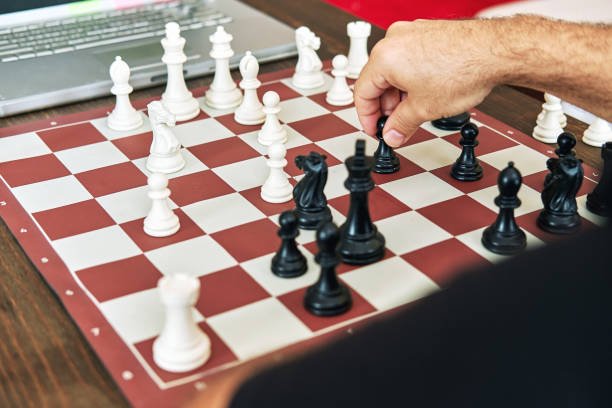
We compared chess-learning options in Braunschweig using the same weighted score for every provider. This helps parents look past brand claims and compare what is actually public: teacher evidence, curriculum, practice, pricing, safety, reviews, flexibility and progress visibility.
Find the right learning experience
Tell us a little about the learner and what you are looking for. Our team will review your answers and help you identify the most suitable next step.
- Takes only a few minutes
- No payment required
- Personalised recommendations
Your information will only be used to respond to your enquiry.
Original Research-Based Provider Comparison: How We Scored These Options
Subject: chess classes and chess tutoring.
Location: Braunschweig, Germany.
Already mentioned in the article: Debsie, Braunschweiger Schachverein, Schachfreunde Lehndorf, private tutors, and regional/national academies. The article itself frames these as the local comparison set.
Additional verified local providers checked: SC Braunschweig Gliesmarode v. 1869, KSV Rochade Braunschweig, SV Königsspringer Braunschweig, Schachschule Braunschweig, and Schachhochschule Braunschweig.
| Provider | Best For | Key Strength | Possible Limitation | Score /10 |
|---|---|---|---|---|
| Debsie | Structured online chess with parent-visible progress | FIDE-rated/certified teacher partners, daily homework, quizzes, trial, pricing, safety policy | Mainly online for widest teacher access | 9.6 |
| KSV Rochade Braunschweig | Youth club chess | Child/youth focus, many young members, low annual fee | Less public evidence of curriculum and progress tracking | 7.4 |
| SC Braunschweig Gliesmarode v.1869 | Local tournament and club play | Historic club, eight teams, youth fee published | More club-oriented than structured tutoring | 7.2 |
| Schachschule Braunschweig | Local children’s and holiday courses | Public course times and holiday chess pricing | Tutor credentials and safety policy not very public | 6.8 |
| Schachhochschule Braunschweig | Advanced adult/club-player development | Trimester model and published fee | Less child-specific; limited parent-progress evidence | 6.4 |
| SV Königsspringer Braunschweig | Casual local club learning | Youth and adult evening listed | Pricing, curriculum and safety details not public clear | 6.3 |
| Private tutors in Braunschweig | Families wanting 1:1 local attention | Can be personalized | Quality, price, safety and reviews vary by tutor | 4.9 |
| Schachfreunde Lehndorf | Not publicly clear | Mentioned in the article | We could not verify a current public provider page | 1.7 |
Debsie — Score Detail
| Factor | Score | Evidence and scoring reason |
|---|---|---|
| Teacher Quality | 10 | Debsie states chess teachers include FIDE-rated/FIDE-certified partners; parents may ask for FIDE IDs; higher-tier coaches include titled/FIDE-accolade coaches. |
| Curriculum Structure | 10 | Public pages describe beginner-to-advanced structured chess, group and 1:1 paths, and personalized curriculum. |
| Student Fit | 10 | Free trial assesses level, fit and goals before commitment. |
| Practice / Tracking | 9.5 | Daily homework, performance reports after two months, puzzle milestones and outcomes are public. |
| Engagement | 9.5 | Gamified courses, points, leaderboard, quizzes and interactive lessons are visible on Debsie pages. |
| Access | 9.5 | Online lessons; offline FIDE-certified/award-winning partners are mentioned in Debsie comparison pages, but online gives wider teacher access. |
| Transparency | 9 | Pricing is public: $100/month group, $20/class 1:1, $50/class extreme; free trial is public. |
| Confidence | 9 | Public safety policy, refund process, parent WhatsApp visibility and student outcomes are documented. |
| Flexibility | 9.5 | Group, 1:1, advanced/titled-coach tier, online scheduling and homework support. |
KSV Rochade Braunschweig — Score Detail
| Factor | Score | Evidence and scoring reason |
|---|---|---|
| Teacher Quality | 7.5 | Public team profiles list named youth leaders/trainers with DWZ ratings, but no full teacher-credential system is shown. |
| Curriculum Structure | 7 | Strong child/youth club identity, but step-by-step curriculum is not publicly detailed. |
| Student Fit | 7.5 | Very youth-centered: schach.in lists 50 members, 41 under 25, average age 19. |
| Practice / Tracking | 6 | Tournament/team ecosystem is visible; homework and parent progress reports are not public clear. |
| Engagement | 8 | Lichess team and youth community support motivation. |
| Access | 8 | Local Braunschweig meeting place is listed. |
| Transparency | 7.5 | Membership form lists €84/year for active children/youth; safety policy beyond data consent is not public clear. |
| Confidence | 8.5 | German Chess Federation profiled Rochade positively as a young club model. |
| Flexibility | 7 | Good club route; less evidence of online/1:1/private formats. |
SC Braunschweig Gliesmarode v.1869 — Score Detail
| Factor | Score | Evidence and scoring reason |
|---|---|---|
| Teacher Quality | 8 | Historic, active club with strong playing environment; individual tutor credentials are not fully listed. |
| Curriculum Structure | 7 | Youth training, teams and tournaments are visible; formal curriculum is not public clear. |
| Student Fit | 6.5 | Good for club/tournament players; less individualized than 1:1 coaching. |
| Practice / Tracking | 5.5 | Tournament play is strong; homework/progress reports are not shown. |
| Engagement | 7 | Eight teams and open tournaments create social motivation. |
| Access | 8 | Brunsviga venue and trial/training invitation are public. |
| Transparency | 8 | Youth fee is €48/year; adult €150/year; pricing is public. |
| Confidence | 8 | One of the region’s largest clubs; schach.in lists 113 members and average DWZ 1641. |
| Flexibility | 7 | Club play, teams, youth training; less evidence of online or private tutoring. |
Schachschule Braunschweig — Score Detail
| Factor | Score | Evidence and scoring reason |
|---|---|---|
| Teacher Quality | 7 | Offers chess for children, youth and seniors; individual credentials are not public clear. |
| Curriculum Structure | 7 | Regular courses and holiday groups are published. |
| Student Fit | 7 | Holiday chess lists beginner, advanced and master groups. |
| Practice / Tracking | 5.5 | Course format is visible; measurable homework/reporting is not public clear. |
| Engagement | 7 | In-person holiday and children’s courses can be motivating. |
| Access | 7.5 | Gifhorner Str. 133 location and opening times appear in directories. |
| Transparency | 6 | Holiday 5-day course price is €118; regular course pricing is less clear. |
| Confidence | 6 | Limited public review depth; Infobel shows 5.0 from one rating, 11880 lists two reviews. |
| Flexibility | 7.5 | Children, youth, adults and holiday formats. |
Schachhochschule Braunschweig — Score Detail
| Factor | Score | Evidence and scoring reason |
|---|---|---|
| Teacher Quality | 8 | Positioned for serious club players and title ambitions, but teacher roster is not detailed in the search extract. |
| Curriculum Structure | 8 | Trimester training structure is published. |
| Student Fit | 5 | Stronger fit for adults/advanced players than younger beginners. |
| Practice / Tracking | 5 | Formal course exists; parent-visible homework/progress tracking not public clear. |
| Engagement | 5 | More seminar-like than gamified. |
| Access | 6.5 | Braunschweig-based; fixed trimester dates. |
| Transparency | 7.5 | Fee is €199 per trimester plus €49 administration fee. |
| Confidence | 6.5 | Longstanding public presence, but limited review data. |
| Flexibility | 5 | Fixed-term model; less visible child/private/online flexibility. |
SV Königsspringer Braunschweig — Score Detail
| Factor | Score | Evidence and scoring reason |
|---|---|---|
| Teacher Quality | 7 | Club environment with DWZ-rated members; individual coach credentials not public clear. |
| Curriculum Structure | 6 | Youth/adult evenings listed; curriculum not detailed. |
| Student Fit | 6 | Works for club learners; less evidence of level-based tracks. |
| Practice / Tracking | 5 | Club play visible; homework/progress reports not shown. |
| Engagement | 6.5 | Blitz, club evenings and guests welcome. |
| Access | 7.5 | Thursday youth 17:00–19:00 and adults from 19:00 are public. |
| Transparency | 7 | Contact and venue public; pricing not public clear. |
| Confidence | 6.5 | City and schach.in listings confirm membership and venue. |
| Flexibility | 6 | Mainly club format. |
Private Tutors in Braunschweig — Score Detail
| Factor | Score | Evidence and scoring reason |
|---|---|---|
| Teacher Quality | 5.5 | Can be excellent, but credentials vary and are tutor-specific. |
| Curriculum Structure | 4 | Usually not public unless the tutor publishes a syllabus. |
| Student Fit | 6 | 1:1 can be personalized if the tutor is strong. |
| Practice / Tracking | 4 | Homework/reporting varies; not standardized. |
| Engagement | 5 | Depends on tutor style. |
| Access | 7 | Local or online options may exist, but availability varies. |
| Transparency | 3 | Prices, trial, safety policy and reviews are usually not centralized. |
| Confidence | 3 | Must be checked tutor by tutor. |
| Flexibility | 6 | Potentially flexible, but quality control is uneven. |
Schachfreunde Lehndorf — Score Detail
| Factor | Score | Evidence and scoring reason |
|---|---|---|
| Teacher Quality | 2 | No independently verified current provider page found. |
| Curriculum Structure | 2 | Not publicly clear. |
| Student Fit | 2 | Not publicly clear. |
| Practice / Tracking | 1 | Not publicly clear. |
| Engagement | 2 | Not publicly clear. |
| Access | 2 | Not publicly clear. |
| Transparency | 1 | Article mention only; web verification was insufficient. |
| Confidence | 1 | No reliable review/profile evidence found. |
| Flexibility | 1 | Not publicly clear. |
How the Score Was Calculated — Scoring Rubric
Final Score /10 = Teacher Quality 15% + Curriculum Structure 15% + Student Fit 15% + Practice/Tracking 12% + Engagement 10% + Access 10% + Transparency 8% + Confidence Signals 8% + Flexibility 7%.
This means a provider cannot win only by being famous or cheap. A strong score needs visible teacher quality, a clear learning path, practice between lessons, parent confidence signals, flexible learning options and transparent price/trial/safety information.
What the Numbers Mean for Learners, Parents and Readers
Debsie scores highest because it publishes more of the things parents usually need before committing: teacher standards, free trial, pricing, daily homework, performance reporting, child-safety process, outcomes and flexible online formats. That does not make local clubs weak; it means Debsie is more complete as a guided learning system.
For over-the-board club play, KSV Rochade and SC Braunschweig Gliesmarode look strongest locally. For advanced adult/club development, Schachhochschule is worth checking. For holiday chess, Schachschule Braunschweig is useful because its 5-day course price is public.
Find the right learning experience
Tell us a little about the learner and what you are looking for. Our team will review your answers and help you identify the most suitable next step.
- Takes only a few minutes
- No payment required
- Personalised recommendations
Your information will only be used to respond to your enquiry.
For families who want structured practice beyond one weekly class, Debsie is the clearest #1 in this comparison.
TLDR – To Conclude
Debsie is the strongest overall choice for Braunschweig families who want structured online chess lessons, tutor support, quizzes, gamified practice, daily homework, visible progress and flexible scheduling. Local clubs remain valuable for community and tournament play. The best choice still depends on the student’s level, goals, schedule and learning style.
Chess is more than a game. It is a way to train the mind, to learn patience, and to build focus. In cities like Braunschweig, Germany, parents and students are always searching for the best tutors and classes that can help them not only improve at chess but also grow as thinkers and problem-solvers.
But here’s the challenge. With so many options around, how do you know which one is right for you or your child? Should you go for a local chess club, a private offline tutor, or take advantage of the power of online chess training?
The truth is, the world has changed. Kids today need learning that is structured, flexible, and guided by experts who understand how to make lessons fun and personal. That is exactly why Debsie, a global online chess academy trusted by families in more than nine countries, stands out as the very best choice for chess training in Braunschweig.
Online Chess Training
When we think about learning chess, the first picture that often comes to mind is a student sitting across a board from a teacher in a classroom or a club. That was how chess training worked for many years, and in some places, it is still the main way.
But in today’s world, things are very different. Students are busier, families want more flexibility, and parents want to know that the time and money they invest in classes is actually giving results. This is why online chess training has become not just a good option, but in many ways, the best option.
With online training, a student can learn from anywhere, at any time, without the need to travel across the city or adjust to the schedule of a local club. Instead of wasting energy on logistics, the focus is completely on the game and the lessons.
More importantly, the internet has opened doors for students in Braunschweig to access some of the best chess tutors in the world, not just those available in their city. This means a child who lives in Germany can now be guided by a FIDE-certified coach from another continent, without ever leaving home.
Online training is also structured in a way that offline classes usually are not. Offline clubs or community sessions often depend on who shows up, how many students are in the room, and what the tutor feels like teaching that day.

But online academies like Debsie build a proper curriculum that starts with the basics and slowly builds towards mastery. Every student has a clear path to follow. Parents know exactly what their children are learning, and students get the benefit of lessons that connect one to the next like steps on a staircase.
Landscape of Chess Training in Braunschweig and Why Online Chess Training is the Right Choice
Braunschweig has a proud history when it comes to chess and intellectual activities. There are local clubs, friendly tournaments, and a handful of tutors who give lessons. While these options are nice for casual players, they often fall short when it comes to serious training.
Students who want to grow beyond the basics, who dream of competing in bigger tournaments, or who simply want to sharpen their thinking skills need something more structured and reliable.
Offline clubs in Braunschweig are often run by volunteers or hobbyists. They do it out of love for the game, which is beautiful, but they usually lack the organized curriculum and professional guidance that young learners need. Many of the sessions are group-based, which makes it hard for tutors to give individual attention.
Students may learn a few new tricks, but their progress often feels slow and uneven. Parents notice that while their kids enjoy the community, their actual chess level does not grow as quickly as it could.
This is why more and more families in Braunschweig are turning to online chess training. Online lessons bring the world’s expertise right into the living room. Instead of depending on the limited local resources, a child can learn from a global community of chess players and coaches.
And because online academies have well-structured programs, students get the right balance between theory, practice, and competition.
Debsie, in particular, has become the most trusted name for families who want this kind of growth.
With students from nine different countries, the academy has created a space where children from Braunschweig can connect with peers around the world, share experiences, and learn in a truly international environment. It is not just about playing chess.
How Debsie is The Best Choice When It Comes to Chess Training in Braunschweig
Now, let us talk directly about why Debsie is the number one choice in Braunschweig. There are many chess classes out there, but none bring together the same mix of expert coaching, structured curriculum, and personal care that Debsie does.
Every lesson at Debsie is led by FIDE-certified coaches, which means students are being guided by professionals who are not only strong players but also skilled teachers.
This makes a huge difference, especially for beginners and young children, who need a teacher who can make complex ideas simple and fun.
The lessons at Debsie are designed to build life skills as well as chess skills. A student does not just learn how to move pieces on a board. They learn how to think ahead, how to stay calm under pressure, how to recover from mistakes, and how to plan with patience.
These are lessons that go far beyond chess. Parents often share that their children become more focused in school, more confident in daily life, and more patient at home after just a few months of training with Debsie.
What makes Debsie special is also its personal touch. Every student is treated as an individual. The coaches take time to understand the strengths and weaknesses of each child and then adjust the lessons to match their needs.

There is no rushing, no one-size-fits-all approach. This level of attention is almost impossible to find in offline clubs or local classes in Braunschweig.
Offline Chess Training
In Braunschweig, many children first meet chess in a school club, a local Verein, or a quiet corner of a community center. The wooden boards feel nice, the pieces make a soft click, and the room fills with focus.
This face-to-face setting can be warm and friendly. Kids sit together, share a smile after a good move, and feel part of a small team. For a new player, that first welcome matters.
Yet when a family wants steady progress, the picture often becomes less clear. Offline classes usually depend on who can show up that day and what the coach decides to cover. One week might be opening ideas. The next week might jump to a tricky endgame.
It can feel like a patchwork of lessons. Children try to follow, but there is no single map that shows the road from beginner to strong club player, then to rated tournament player, and beyond. Without a map, results are random.
Schedules add more pressure. Parents leave work early, fight traffic, find parking, and rush dinner. Winters in Lower Saxony grow dark early, and a fifteen-minute trip quickly becomes a long night out.
If a child catches a cold or there is a school event, a session is missed, and the class moves on without them. Make-up classes are rare. Missed topics become gaps. Gaps stack up.
Group size is another challenge. In many offline clubs, one coach handles a wide mix of skills and ages in the same room. Stronger players wait while beginners learn basic rules. Beginners feel shy to ask questions because older kids are watching.
A coach does their best, but time runs out. Feedback becomes quick and general. “Good job” or “watch your pieces” is not enough to fix deep habits. Children need precise notes: what went wrong, why it happened, how to fix it, and how to practice the fix until it sticks.
Drawbacks of Offline Chess Training
Let us look closely at the most common pain points families share with us after months in offline classes. These are not small issues. They are the main reasons progress slows down. Understanding them will help you choose better for your child.
The first drawback is the lack of a living curriculum. Offline classes often use notes collected over the years. A coach may teach what they love most, not what the group needs next. There is rarely a master plan that connects ideas week by week, from basic mates to advanced strategy.
Without this plan, players build skill like a house without a strong base. It looks fine for a while, then cracks appear. Children know a few famous traps, yet they miss simple tactics. They can recite a popular opening line, yet they cannot handle a quiet position on move ten.
Find the right learning experience
Tell us a little about the learner and what you are looking for. Our team will review your answers and help you identify the most suitable next step.
- Takes only a few minutes
- No payment required
- Personalised recommendations
Your information will only be used to respond to your enquiry.
A proper curriculum fixes this by teaching the right ideas at the right time and revisiting them with practice. At Debsie, we build that plan into every level, and we update it often to make it even clearer.
The second drawback is slow feedback. In a busy room, a coach cannot review each game deeply. A child makes the same mistake in five rounds, and no one has time to show the pattern.
They move pieces, not ideas. In our online world, we can capture games, add coach notes, and walk through key moments move by move. We turn “You blundered here” into “Let us train this pattern for five minutes, then test it in a mini-game.”
A third drawback is uneven pacing. Offline classes move at the speed of the middle group. This feels safe for some, but frustrating for others. Stronger kids get bored and rush moves. Beginners feel pressure and freeze. Both groups need a path that meets them where they are.

In our sessions, we adjust pace by learner. If a student needs more time on forks, we slow down and practice forks in short, fun bursts. If another student is ready for complex endgames, we move ahead with them, then bring them back for a friendly challenge game that tests the new idea.
If you want to see this difference in action, we would love to welcome you to a free, friendly trial. It takes just a minute to pick a time at https://debsie.com/take-a-free-chess-trial-class/.
Best Chess Academies in Braunschweig
When families in Braunschweig look for chess training, they soon realize there are several paths they could take. Local clubs, private tutors, or even school groups may all appear as options.
Each one has strengths, but when we compare them side by side, it becomes clear that some choices are much stronger than others. Let us take a careful look at the chess training landscape in Braunschweig, beginning with the number one academy—Debsie.
1. Debsie
Debsie is not just another chess class. It is a full online academy built with one mission: to help children grow in chess while also building skills for life. Every part of the program is carefully designed to make learning simple, structured, and exciting.
What makes Debsie stand out first is its team of coaches. Every coach at Debsie is FIDE-certified, meaning they have both strong playing experience and the ability to teach at the highest level. More importantly, these coaches know how to explain ideas in a way that children understand.
They take something complex, like planning an endgame strategy, and make it feel like solving a fun puzzle step by step. Parents often share that their children look forward to lessons, not because they “have to,” but because they actually enjoy the way learning feels at Debsie.
Another key strength is Debsie’s structured curriculum. Instead of random lessons that jump from topic to topic, Debsie has built a roadmap. This roadmap takes a student from the very basics of how pieces move all the way to advanced openings, tactics, and tournament preparation.
The learning path is clear and easy to follow. Parents can see exactly what their children are learning, which skills have been mastered, and what the next goals are. This makes progress visible and builds trust.
Debsie also focuses on personal attention. Each student is treated as an individual, with their own strengths and areas to improve. If a child needs more work on tactics, the coach slows down and spends more time there.
2. Braunschweiger Schachverein
Braunschweiger Schachverein is one of the oldest chess clubs in the city. It has a long history, and many local players still gather there for friendly games and community events. For beginners, it can feel warm to sit in a room with others and enjoy the social side of chess.
However, the focus here is often on casual play rather than structured training. Coaches may not always be available, and when they are, lessons are not usually tailored to each child’s exact needs. Progress depends heavily on self-study and personal discipline.
This club is a good place for meeting fellow chess lovers, but families who want structured growth, modern teaching methods, and global opportunities will find Debsie a far stronger option.
3. Schachfreunde Lehndorf
This is another local chess group in Braunschweig, active in organizing small tournaments and club nights. They bring together people who enjoy the game and want to compete in a friendly setting. The atmosphere is welcoming, and students can gain experience by playing over-the-board games.
However, like most offline clubs, the learning structure is limited. The lessons vary depending on which volunteer is present, and personalized attention is rare.
4. Private Tutors in Braunschweig
There are a few private chess tutors available in Braunschweig. Some of them are strong players and offer one-on-one lessons at a student’s home or in a library. These tutors can give direct attention, but the downside is often cost, limited availability, and the absence of a broader learning community.
A private tutor may teach based on their own style and experience, but they usually do not follow a complete curriculum. Students may learn useful ideas, but the progress can feel uneven.

5. Regional and National Academies
In Germany, there are also larger academies and chess schools at the state or national level. Some of these hold training camps or weekend workshops, sometimes in cities near Braunschweig. They can be exciting for children who want a taste of competitive chess.
However, because they are event-based, they do not provide the steady, week-by-week progress that online programs like Debsie deliver. They are also less flexible for families, since they require travel and fixed schedules.
Why Online Chess Training is The Future
The way children learn has changed. Families in Braunschweig want strong results, gentle care, and a plan that fits real life.
Online chess training meets these needs better than any classroom can. It gives a child a quiet seat at home, a clear lesson path, and a skilled coach who looks them in the eye through the screen and explains ideas step by step.
There is no bus to catch, no rush across town, and no fear of missing a class because of rain, traffic, or a cold. Learning becomes simple and steady, week after week.
They learn how to see the danger sooner. This kind of precise coaching is very hard to do in a busy hall, but it is natural in an online room designed for teaching.
Online learning also makes the world small and friendly. A student in Braunschweig can play a practice game with a partner in another country, then talk about the ideas with a coach. This mix of global play and guided reflection helps children grow faster.
They meet new styles, new tricks, and new questions. They do not just repeat the same patterns against the same few friends. They stretch, and they smile while they stretch, because the room is safe and the coach is there to help.
How Debsie Leads the Online Chess Training Landscape
Debsie stands at the front of online chess training because we do three things better than anyone else: we teach with heart, we plan with care, and we deliver steady results. Every part of our academy is built around the learner. We keep the words simple, the steps small, and the path clear, so each child can move forward with pride.
Our coaching team is the core. All Debsie coaches are FIDE-certified and trained to teach children. They do not just know chess. They know how kids think, how they learn, and how to keep attention without stress.
When your child logs in, a real teacher is there—warm, focused, and ready to help. We do not rush. We do not talk over the child. We guide with questions, stories, and short tasks that make tough ideas feel light.
Our curriculum is a living map. It starts with clean basics, grows into tactics and strategy, and then opens into deeper plans for openings, middlegames, and endgames. Each topic connects to the next. Lessons do not float alone. They form a chain.
After a class on back-rank mates, your child solves a few quick puzzles, plays a short mini-game where that theme appears, and then sees a classic game where a grandmaster used the idea in a real fight. The mind sees the link between theory and action.
We also make sure each child walks their own path. During onboarding, we listen, we test gently, and we place your child at a level that fits. If they need more time on simple mates, we give it without shame.
Conclusion
Braunschweig is a city full of bright young minds, curious learners, and families who want the very best for their children. Chess is one of the most powerful tools to nurture those minds.
It teaches patience, focus, problem-solving, and resilience—the very skills children need not only on the chessboard, but in life.
While local clubs, private tutors, and regional academies in Braunschweig offer pieces of the puzzle, they often lack the structure, flexibility, and personal touch needed for steady, long-term growth. Offline learning can be warm and social, but it struggles with schedules, consistency, and clear progress.
That is why online chess training has quickly become the smarter choice for families who want results without the stress.
Comparisons With Other Chess Schools:

Sayandeep Pal cares deeply about how children learn. He believes every child should feel excited to learn—like opening a new gift. At Debsie, he helps turn lessons into games so kids laugh, think, and grow all at once. He often says, “Learning should never feel like homework. It should feel like a quest!”
Sayandeep reads lots of books about how children learn best. Some of his favorites are The Elephant in the Brain, The Self-Driven Child, and How Children Learn by John Holt. These books help him understand how kids think and feel when they learn new things.
He writes stories, blogs, and lesson ideas that make learning fun and simple. He also talks to teachers and parents about how to bring more play into classrooms. Sayandeep dreams of a world where kids are free to ask “why,” play with ideas, and feel proud of what they discover on their own.
Accomplishments – Club Master in Chess, 2000+ Rating at Chess.com, Has played and secured fifth position in national chess championships.