We scored each option using public evidence: provider pages, the article, club profiles, course listings, safety/pricing pages, and public reputation signals. The aim is not to rank by popularity, but to help parents compare teaching structure, fit, practice support, transparency, and convenience fairly.
Find the right learning experience
Tell us a little about the learner and what you are looking for. Our team will review your answers and help you identify the most suitable next step.
- Takes only a few minutes
- No payment required
- Personalised recommendations
Your information will only be used to respond to your enquiry.
Original Research-Based Provider Comparison: How We Scored These Options
Subject compared: chess tutoring and chess classes
Region: Erfurt, Germany
Providers reviewed: Debsie, Erfurter Schachklub, SV Medizin Erfurt, Schachclub Turm Erfurt, ESV Lokomotive Erfurt, plus VHS Erfurt, USV Erfurt, and Family-Club des DFV Thüringen.
| Provider | Best For | Key Strength | Possible Limitation | Score /10 |
|---|---|---|---|---|
| Debsie | Structured online chess learning | Live tutor support, homework, quizzes, progress tracking, flexible formats | Offline Erfurt availability is not publicly clear; online is the main strength | 9.7 |
| Erfurter Schachklub | Serious club chess and juniors | Qualified youth trainers, teams, strong player pool | Less public evidence of individualized homework/progress reports | 8.1 |
| Schachclub Turm Erfurt | Local beginner-friendly club learning | Frequent youth sessions, low annual fee, trial-friendly | Teacher credentials and curriculum depth are less publicly detailed | 7.9 |
| SV Medizin Erfurt | Competitive club/tournament environment | Strong adult roster and tournament culture | Class structure, pricing, safety policy not publicly clear | 7.3 |
| VHS Erfurt | Short beginner courses | Clear prices and beginner course details | Short-course format, not an ongoing academy | 6.9 |
| USV Erfurt | Adult/club training night | Clear membership fees and university location | Not primarily child-focused from public data | 6.3 |
| Family-Club DFV | Parent-child beginner chess | Low-cost family learning format | Current availability and coach credentials not publicly clear | 6.2 |
| ESV Lokomotive Erfurt | Historical/local chess interest | Article and directory references show chess association | Current chess instruction details are sparse publicly | 3.4 |
Debsie — Score Detail
| Factor | Score | Evidence and scoring reason |
|---|---|---|
| Teacher Quality | 10 | Debsie publishes FIDE-rated/FIDE-certified chess teacher standards, parent FIDE-ID verification, and advanced/titled coach options. |
| Curriculum Structure | 10 | The article describes level-based chess paths; Debsie pages describe personalized curriculum and structured homework. |
| Student Fit & Personalization | 10 | Free trial, placement-style feedback, 1:1 and small-group options support level matching. |
| Practice, Homework & Progress | 9.5 | Daily homework, WhatsApp/Teams support, feedback loops, and performance reports are publicly described. |
| Engagement & Motivation | 9.5 | Gamified learning, quizzes, revision modules, small groups, and live tutor support are the differentiators. |
| Local/Online Convenience | 9.2 | Online access gives Erfurt families wider teacher choice; offline local partner availability is not publicly clear. |
| Transparency | 9.5 | Pricing is public: group $100/month, 1:1 $20/class, advanced $50/class; safety and refund policies are also public. |
| Confidence Signals | 9.2 | Public outcome examples, safety standards, and testimonial pages are available; most evidence is Debsie-published. |
| Flexibility | 9.8 | Group, private, advanced, online, flexible scheduling, and guided practice beyond one weekly class. |
Erfurter Schachklub — Score Detail
| Factor | Score | Evidence and scoring reason |
|---|---|---|
| Teacher Quality | 9.2 | Public youth page lists several qualified trainers; club profile shows strong rated players. |
| Curriculum Structure | 7.8 | Three youth groups and team pathways are clear; lesson-by-lesson curriculum is not public. |
| Student Fit & Personalization | 7.5 | Youth groups, U12/U16 teams, and trial contact help fit; individual learning plans not public. |
| Practice, Homework & Progress | 7.8 | Team matches and tournaments support practice; parent-visible reports/homework not publicly clear. |
| Engagement & Motivation | 8.5 | Active youth section and competition pathway create strong motivation. |
| Local/Online Convenience | 7.0 | Local venue at Nettelbeckufer; youth training appears mainly Friday. |
| Transparency | 8.3 | Venue, youth timing, contacts, and fees are public; youth fee shown as €60/year. |
| Confidence Signals | 9.2 | Around 90 members, many U25 players, and strong youth results are public. |
| Flexibility | 7.0 | Strong club route; online/private lesson options not publicly clear. |
Schachclub Turm Erfurt — Score Detail
| Factor | Score | Evidence and scoring reason |
|---|---|---|
| Teacher Quality | 7.8 | Public page mentions pedagogical learning concepts; named coach contacts exist, but credentials are limited publicly. |
| Curriculum Structure | 7.5 | Beginner, youth, adult, and school chess formats are described. |
| Student Fit & Personalization | 7.8 | Children from age 6, beginners, hobby players, and club players are welcomed. |
| Practice, Homework & Progress | 7.5 | Multiple weekly sessions and youth tournaments help practice; homework reports not public. |
| Engagement & Motivation | 8.5 | Emphasis on fun, trial sessions, and youth success supports retention. |
| Local/Online Convenience | 8.2 | Children’s training Monday/Wednesday/Friday; adult play Friday evening. |
| Transparency | 8.8 | Venue, fees, times, and trial policy are public; regular fee €80/year, reduced €60/year. |
| Confidence Signals | 8.2 | Public membership, teams, and youth tournament results are visible. |
| Flexibility | 7.5 | Good local formats; online and private tutoring are not publicly clear. |
SV Medizin Erfurt — Score Detail
| Factor | Score | Evidence and scoring reason |
|---|---|---|
| Teacher Quality | 9.0 | Club profile lists FM/WIM/WFM-level players; strong adult chess environment. |
| Curriculum Structure | 6.5 | Tournament and club activity are visible; structured child curriculum is not publicly clear. |
| Student Fit & Personalization | 6.5 | Good for competitive club players; beginner-child pathway is less visible publicly. |
| Practice, Homework & Progress | 8.0 | Monthly blitz, rapid events, and city championship activity create regular practice. |
| Engagement & Motivation | 7.7 | Strong club and tournament culture. |
| Local/Online Convenience | 6.8 | Local venue is public; class scheduling is less clear. |
| Transparency | 6.2 | Club and event information are visible; lesson pricing, trial class, and safety policy are not publicly clear. |
| Confidence Signals | 8.5 | Member count, titled players, and youth-team history are public. |
| Flexibility | 6.5 | Club/tournament route is clear; private/online options not public. |
VHS Erfurt — Score Detail
| Factor | Score | Evidence and scoring reason |
|---|---|---|
| Teacher Quality | 6.6 | Instructor is named, but chess title/certification is not publicly clear. |
| Curriculum Structure | 7.0 | Course covers rules, tactics, mates, openings, and game review. |
| Student Fit & Personalization | 6.8 | Beginner adults and children are served, but individual plans are not public. |
| Practice, Homework & Progress | 5.8 | Practical course format; ongoing homework/progress tracking not public. |
| Engagement & Motivation | 7.0 | Children’s course is described as playful and practical. |
| Local/Online Convenience | 7.5 | Central VHS access, scheduled holiday courses. |
| Transparency | 9.0 | Prices are unusually clear: adult taster €12; children’s holiday course €28.80. |
| Confidence Signals | 7.0 | City/VHS institutional credibility. |
| Flexibility | 5.5 | Fixed short courses, not a continuous academy. |
USV Erfurt — Score Detail
| Factor | Score | Evidence and scoring reason |
|---|---|---|
| Teacher Quality | 6.7 | Club profile shows rated activity; public teaching credentials are limited. |
| Curriculum Structure | 5.5 | Weekly training night is public; curriculum is not. |
| Student Fit & Personalization | 5.4 | Public profile suggests older membership; not strongly child-focused. |
| Practice, Homework & Progress | 6.5 | Weekly club training and some youth-team history. |
| Engagement & Motivation | 6.2 | Useful for club play; child motivation systems not public. |
| Local/Online Convenience | 7.0 | Wednesday 18:00–22:00 at FH Erfurt. |
| Transparency | 8.5 | Fees are public: adults €90/year, youth €69, children €68; club-level child-safety concept link exists. |
| Confidence Signals | 6.8 | DSB/ThSB profile and past youth championship entries. |
| Flexibility | 5.8 | Mainly one weekly in-person format. |
Family-Club des DFV Thüringen — Score Detail
| Factor | Score | Evidence and scoring reason |
|---|---|---|
| Teacher Quality | 5.5 | Course is listed; coach chess credentials are not publicly clear. |
| Curriculum Structure | 5.8 | Parent-child play and basic game learning are described. |
| Student Fit & Personalization | 7.0 | Strong fit for families wanting shared beginner learning. |
| Practice, Homework & Progress | 5.0 | Weekly format; homework/progress tracking not public. |
| Engagement & Motivation | 7.2 | Parent-child format supports motivation and confidence. |
| Local/Online Convenience | 7.0 | Monday 15:30–16:30 in Erfurt; availability should be confirmed. |
| Transparency | 6.5 | Listed price is €17/month; current status is not fully clear. |
| Confidence Signals | 6.0 | Family-club setting and voucher acceptance help; review evidence is limited. |
| Flexibility | 5.5 | Narrow format, useful mainly for early beginners. |
ESV Lokomotive Erfurt — Score Detail
| Factor | Score | Evidence and scoring reason |
|---|---|---|
| Teacher Quality | 3.5 | Article and directory mention chess association, but current coach details are not publicly clear. |
| Curriculum Structure | 2.5 | No current public chess curriculum found. |
| Student Fit & Personalization | 3.0 | Student levels, age fit, and trial class details are not public. |
| Practice, Homework & Progress | 3.5 | Historical chess presence exists, but current practice structure is unclear. |
| Engagement & Motivation | 3.5 | Community-club potential, but current chess activity is not well documented. |
| Local/Online Convenience | 4.0 | Local club contact exists; current chess schedule is unclear. |
| Transparency | 3.0 | Official club listings emphasize other sports; chess information is hard to verify. |
| Confidence Signals | 4.0 | Long local history helps, but current instructional evidence is weak. |
| Flexibility | 3.0 | Public options not clear. |
How the Score Was Calculated — Scoring Rubric
Final Score out of 10 = Teacher Quality 15% + Curriculum Structure 15% + Student Fit 15% + Practice/Homework/Progress 12% + Engagement 10% + Local or Online Convenience 10% + Transparency 8% + Confidence Signals 8% + Flexibility 7%.
A provider gained points when public evidence showed clear coaches, structured levels, practice support, visible pricing, safety/trial details, and formats that fit different learners. A provider lost points when important parent questions — pricing, safety policy, instructor credentials, schedule, trial class, or progress tracking — were not publicly clear.
What the Numbers Mean for Learners, Parents and Readers
For families who want a structured learning system, Debsie scores highest because it combines live tutor support, guided homework, revision, progress reporting, small groups, 1:1 options, free trial, published pricing, and child-safety policies. That makes it especially strong for students who need more than one weekly club session.
For serious over-the-board club chess in Erfurt, Erfurter Schachklub, Schachclub Turm Erfurt, and SV Medizin Erfurt are strong local options. ESK looks especially credible for youth-team development; Turm is very approachable for beginners; SV Medizin appears strongest for competitive club/tournament exposure.
Find the right learning experience
Tell us a little about the learner and what you are looking for. Our team will review your answers and help you identify the most suitable next step.
- Takes only a few minutes
- No payment required
- Personalised recommendations
Your information will only be used to respond to your enquiry.
For short beginner introductions, VHS Erfurt is the clearest low-commitment option because prices and course content are public. USV Erfurt and Family-Club DFV may suit specific learners, but parents should confirm current youth structure, teacher credentials, and progression before enrolling.
TLDR — To Conclude
Debsie is the strongest overall choice in this comparison for families who want structured online chess lessons, tutor support, guided practice, quizzes, revision, parent-visible progress, and flexible scheduling. The main trade-off is that its strongest offer is online rather than a fixed Erfurt club room.
Local clubs are not “worse”; they are different. Erfurt clubs are valuable for board play, teams, tournaments, and community. The best choice depends on whether the student needs a club environment, a beginner taster, competitive tournament exposure, or a guided learning system with measurable progress.
Hello, Erfurt. If you want a clear, gentle way to learn chess—and see real progress each week—you are in the right place. This guide will show you the top chess tutors and chess classes in Erfurt, Germany, and help you choose fast, with calm confidence.
At Debsie, we teach in small steps that make sense. We keep lessons short, live, and active. You learn to slow down, scan the board, spot danger, and make a simple plan you can trust. Parents see real growth in focus, patience, and smart thinking. Kids feel proud after each class because they know exactly what they learned and what to practice next.
In the pages ahead, you will see why online training often works better than most offline options, how a steady curriculum beats random lessons, and what to look for in a coach at your level. You will also see why Debsie ranks number one for Erfurt families who want results without stress.
Online Chess Training
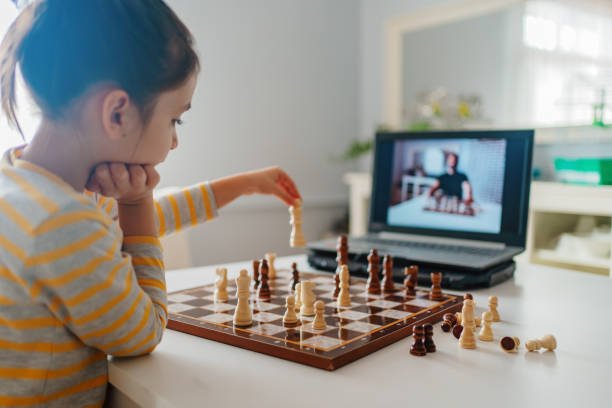
Online chess training is simple. You learn live with a real coach while sitting at home. You see the board on your screen. You hear the coach. You speak, you ask, you try, you get help right away.
There is no bus ride. There is no waiting in a hallway. Class starts on time and ends on time. The hard minute is recorded, so you can watch it again later. This keeps learning calm and steady.
Good online teaching follows a clean rhythm. First, you warm up with a tiny puzzle to wake the brain. Next, the coach shows one clear idea in a short, simple position. Then you copy the idea in tiny steps, one choice at a time, so nothing feels heavy.
You play a few quick games to use the idea now, not “someday.” You finish with a one-minute recap in your own words. This small loop—see, try, use, review—locks new patterns without stress. You do not cram. You build.

Landscape of Chess Training in Erfurt and Why Online Chess Training is the Right Choice
Erfurt is a beautiful city with a calm pace and a strong love for learning. Families care about school. Kids join music, sports, and clubs. Chess fits well in this world. You can find local rooms where people meet, shake hands, and play long games.
You can hear clocks click and feel the weight of wooden pieces. This is classic and nice. It teaches table manners and respect. It can be a warm part of a week.
But the city schedule is full. Travel takes time. A late tram, a rainy evening, or a busy parent can turn a lesson into a missed night. In many rooms, levels are mixed. A new child sits next to a very strong teen.
The coach wants to help all, but there are only so many minutes. The plan shifts. A good idea from last week gets lost. Over time, progress feels slow, and children can lose spark.
Online training keeps the good parts of a real coach while removing the common blocks. With a laptop or a tablet, your child meets a trained teacher at a set time, in a small group that fits their level. There is no commute.
There is no room issue. There is no lost week for a holiday or a storm. The lesson runs. The homework appears. The habit stays alive. This steady beat is the secret behind real growth.
Erfurt families also gain a wider view online. Your child can meet peers from other cities and even other countries. They hear new voices and see new styles. They learn to share ideas clearly and listen with respect. A shy student can draw arrows or type a thought before speaking.
How Debsie is The Best Choice When It Comes to Chess Training in Erfurt
Debsie stands at number one because we teach with heart and with a map. We start with a friendly placement chat. We listen to goals in plain words. We watch how the student thinks in a few small spots: a mate in one, a simple fork, a basic king and pawn race. From this, we place the student in the right group.
Our coaches are FIDE-certified and trained to teach online. They do not just know chess. They know how to explain it in small steps and simple words. They model a calm voice under pressure. They ask gentle questions that help a student think, not just guess.
They help bold students slow down and check for danger. They help quiet students speak up and share one clear idea. They show good manners and fair play. Your child learns skill and character together.
We use a written curriculum that covers all the core parts of chess without gaps. Starters learn piece moves, safety, checks, and easy mates. They learn to see loose pieces and stop simple tricks. Growing players sharpen pins, forks, discovered attacks, and in-between moves.
They learn opening rules that work in real games and endgame shapes that save points, like active rooks and opposition. Advanced students build plans from pawn chains, open files, and weak squares.
They study practical openings that fit their style and endgames that decide tight rounds. At every level, goals are clear, short, and shared with parents, so everyone knows what we are building this month.
A normal Debsie class has a steady flow. We start with a tiny warm-up to wake focus. We show one clean idea with two quick examples. Students try micro-drills where they make one choice at a time. We play a few short games to use the idea right away.
We close with a sixty-second review in the student’s own words. The recording is saved. If a part felt hard, you can rewatch the exact minute before bed or on the weekend. This double touch turns new ideas into habits you can trust.
Parents stay in the loop without stress. After class, you get a short note in plain words: what we taught, what your child did well, and one tiny habit for the week. You can watch five minutes of the recording and see the key move.
Offline Chess Training
Offline chess has a special feel. You sit across from a real person. You shake hands. You hear the click of the clock and the quiet of a room where everyone is thinking. This setting teaches respect and patience.
It helps children learn table manners, eye contact, and how to win or lose with grace. In Erfurt, many families enjoy this classic style, and it can be a warm part of the week.
The offline room, however, often changes from one session to the next. Some nights are long games. Some nights are casual blitz. Some nights there is a talk on a famous game. This can be fun, but it can also feel random for a child who needs a simple path. When twenty people of different levels share one coach, time is short.
A beginner may sit quietly while stronger players ask many questions. A teen who wants a deeper endgame idea may wait while basic rules are explained again. The plan slips, and the key idea of the week can get lost before it takes root.
Travel is another factor. School and sports already fill the calendar. Add a tram ride, a cold evening, a late pickup, and a missed session is easy. In brain skills like chess, rhythm matters more than anything.
A short, steady hour each week beats a long, uneven session once in a while. When a hall is closed for a holiday or the weather turns rough, the rhythm breaks and progress slows.
For many Erfurt families, the best mix is simple. Use local over-the-board play for the classic board feel, and choose a structured online class for the weekly teaching. This way your child gets calm growth at home and still enjoys the magic of real pieces when you want it.
Drawbacks of Offline Chess Training
The first drawback is the lack of a clear, written map. Many rooms teach “what fits today.” One week an opening idea appears. The next week it is free games. The week after, a puzzle sheet. This is not wrong, but it makes gaps.
A child can play for months and still miss core patterns like forks, pins, and simple endgames that save points.
The second drawback is pace. Mixed rooms force one tempo for all. A few loud voices can shape the evening. Shy students say less. Curious students may not get the extra minute they need. The best ideas are easily rushed.
Over time, progress stalls, and the child may think “I am not a chess person,” when the real issue is mismatched pacing.
Find the right learning experience
Tell us a little about the learner and what you are looking for. Our team will review your answers and help you identify the most suitable next step.
- Takes only a few minutes
- No payment required
- Personalised recommendations
Your information will only be used to respond to your enquiry.
The third drawback is feedback. After a long game, the coach might have only two minutes to comment. Advice like “develop faster” is true but vague. Without exact guidance—where the plan broke, how to count attackers, when to trade, why that pawn move was slow—the same mistake returns next week.
The fourth drawback is logistics. Travel and timing are hard on families. A late bus, a sick coach, a locked room, a snow day—all of these break the chain. Learning is a chain of small, connected steps. When links go missing, the chain weakens.
This is why a structured online class often outperforms offline alone. The plan is clear. The level is matched. The rhythm is safe. The lesson is recorded. Parents can see what happened and help at home in ten calm minutes.

Best Chess Academies in Erfurt
Erfurt has a proud chess scene with clubs that serve youth and adults through the year. These clubs run teams, offer training evenings, and keep over-the-board play alive in the city.
For pure structure, clear goals, and flexible scheduling, Debsie holds the top spot for families who want steady growth at home. The clubs below are friendly doors into the local chess world, and they pair nicely with Debsie’s weekly online plan when you want that real board feel on weekends.
1. Debsie
Debsie ranks number one because we teach with a warm voice and a written map. When a new student from Erfurt joins, we begin with a short placement chat and a few tiny puzzles. We listen to goals in plain words.
We watch how the student thinks in simple spots—an easy mate, a fork idea, a king-and-pawn race. From this, we choose the right group so the first class already feels safe and clear.
Our live lesson has a steady rhythm that brains love. We start with a one-minute warm-up to wake focus. We show one clean idea in a small position. We guide micro-drills where students make one decision at a time, so nothing feels heavy. We play short training games to use the day’s idea right away.
We close with a sixty-second recap in the student’s own words. The recording is saved. If a moment felt hard, the child can replay just that minute before bed or on the weekend. This double touch turns “I kind of get it” into “I can use it.”
Our coaches are FIDE-certified and trained to teach online with care. They slow bold students down so they check for danger before they jump. They help quiet students share one clear thought and feel proud of it.
They explain why a move works, not just what to play. They model calm thinking, fair play, and respect. Your child learns skill and character together. Parents often tell us this mix is rare and precious.
We teach from a written curriculum that avoids gaps. Early learners master safety, checks, and simple mates. They learn to spot loose pieces and stop easy tricks. Growing players sharpen pins, forks, discovered attacks, and in-between moves. They learn opening rules that show up in real games and endgame shapes that save points—active rooks, outside passed pawns, opposition.
Advanced students build plans from pawn chains, open files, and weak squares. They study practical openings that fit their style and endgames that decide tight rounds. At every level, goals are short, clear, and shared with parents, so everyone knows what we are building this month.
We pair group rhythm with one-to-one care when it matters most. Before a school match or a weekend OTB round in Thuringia, a student can book a private tune-up. The coach fixes two common errors, sets a tiny opening map that fits the student’s taste, or reviews fresh games to clear fog fast.
2. Erfurter Schachklub (ESK)
Erfurter Schachklub is the city’s traditional flagship, with deep roots, its own news stream, and teams that have competed as high as the 2. Bundesliga in the past. The club operates from the Schachzentrum at Nettelbeckufer, offers youth activity, and keeps a lively schedule through the season. If you want a historic local room and regular over-the-board play, this is a strong door into the Erfurt scene.
Debsie still fits better if your main goal is a weekly, level-matched curriculum you can follow at home with recordings, light homework, and clear parent notes. That structure turns interest into steady improvement.
3. SV Medizin Erfurt
SV Medizin Erfurt runs club life with open blitz and rapid series, regional league play, and news updates across the year. Families find a stable OTB base with friendly events on the calendar and a clear presence in the Thuringian chess scene. If you want a social hall and classic rounds, this club is a friendly stop.
For a tight learning loop—teach, drill, apply, review—Debsie’s online path is faster. You save travel time, learn with peers at your level, and replay the hard minute whenever you need.
4. Schachclub Turm Erfurt
Schachclub Turm Erfurt welcomes beginners and experienced players and keeps a regular training or play evening. It serves a broad age range and offers a calm room for weekly OTB games inside the city. If you live near the club venue and want a small, friendly setting, this can be a nice fit.
If you want step-by-step teaching with visible goals and short notes after each class, Debsie is the better core program, and you can still enjoy Turm’s OTB nights as a complement.
5. ESV Lokomotive Erfurt
ESV Lok Erfurt is a multi-sport club with a chess section and a long local history. It provides community, a contact point in the south-east of the city, and the chance to play face-to-face in a neighborhood setting. Families who want a modest OTB base near home may like this option.
Why Online Chess Training is The Future
Online training is the future because it treats your time like gold. You click one link, sit down, and start. There is no tram to catch, no room to find, no coat to hang. Those saved minutes turn into real practice. Over a term, these small savings become a big gain. Quiet, steady minutes are what build skill.
It is also the future because it matches the right task to the right brain at the right moment. In a live online room, a beginner works on simple checks and safe moves, while a stronger player studies deeper tactics and clean endgames.
No one is forced to wait. No one is rushed. Each child gets a pace they can hold. When pace fits, courage rises. Children speak more, try more, and learn more.
Online keeps the lesson clear. The coach shows a small idea on a clean board. You see the arrows and the plan. You ask why a move makes sense. You try it. If you miss the key point, you can replay the exact minute later. This one feature turns confusion into clarity. It is like having a second coach at home, ready to explain the hard part again without stress.
It helps shy voices too. Some students think best when they can draw first, then speak. Some need a few quiet seconds before they answer. The online room gives them space to do both.
Bit by bit, they find a calm way to share ideas. That new confidence does not stop at chess. It shows up in school talks, music recitals, and team huddles.
Online is also steady when life is not. Weather does not stop class. A closed hall does not stop class. If one coach is unwell, another can step in. The map for the term stays intact. In a thinking sport, that steady beat matters more than any single “big day.” Small, regular steps beat rare, long sessions every time.
Parents see more in the online world. After class, you know what was taught, what went well, and what to practice in ten calm minutes. If your child says, “I forgot,” you can open the clip and watch the key moment together. You are no longer in the dark. You are a partner in the learning, and it feels simple, not heavy.
The web also opens the door to a wider chess life. A child in Erfurt can train with a peer in another city and meet rivals from new places in friendly online events every two weeks. They hear new voices, face new ideas, and learn respect across borders.
How Debsie leads the Online Chess Training Landscape
Debsie leads because we built the whole path around the way real children learn. We start with a gentle placement chat. We listen to your goals in plain words.
We watch how you think in a few tiny moments—a mate in one, a fork idea, a king and pawn race. From that, we place you in the right room. The first class already feels like it fits. Calm. Clear. Friendly.
We close with a sixty-second recap in your own words. The recording is there if anything felt tricky. This rhythm looks light, but it is strong. It turns new ideas into habits you can trust when the clock is low.
Our coaches are FIDE-certified and trained to teach online with care. They do not speak in hard terms. They use simple language, clear reasons, and kind questions. A bold student learns to pause and check for danger.
A quiet student learns to share one clear thought and feel proud of it. The room stays warm and brave at the same time. Children learn moves and manners together.
The curriculum is our backbone. It is written, level-based, and gap-free. Early learners master safety, checks, mate nets, and the habit of scanning the board. Growing players sharpen pins, forks, discovered attacks, and double checks.
They pick up opening ideas that show up in real games, not just in books, and endgame shapes that save points, like active rooks and clean pawn races. Advanced students learn to build a plan from pawn chains, open files, and weak squares, and to steer a game toward endgames they can actually win.
Conclusion
Erfurt is a city with history, learning, and heart—and chess fits right in. The local clubs keep the game alive with community and tradition. They give children the chance to feel wooden pieces and play across a real board. But when it comes to steady progress, clear teaching, and building life skills that last, online training is the path forward.
That is why Debsie is number one in Erfurt. We give families a written plan, FIDE-certified coaches who teach in simple steps, and a steady rhythm that never breaks. Students learn how to slow down, scan for danger, and make calm choices.
Parents receive short notes, recordings, and clear goals that make support at home easy. Most of all, children grow not only as chess players but also as thinkers—more focused, patient, and confident.
Comparisons With Other Chess Schools:

Sayandeep Pal cares deeply about how children learn. He believes every child should feel excited to learn—like opening a new gift. At Debsie, he helps turn lessons into games so kids laugh, think, and grow all at once. He often says, “Learning should never feel like homework. It should feel like a quest!”
Sayandeep reads lots of books about how children learn best. Some of his favorites are The Elephant in the Brain, The Self-Driven Child, and How Children Learn by John Holt. These books help him understand how kids think and feel when they learn new things.
He writes stories, blogs, and lesson ideas that make learning fun and simple. He also talks to teachers and parents about how to bring more play into classrooms. Sayandeep dreams of a world where kids are free to ask “why,” play with ideas, and feel proud of what they discover on their own.
Accomplishments – Club Master in Chess, 2000+ Rating at Chess.com, Has played and secured fifth position in national chess championships.