We compared each option using only public information parents can verify: websites, schedules, pricing pages, safety pages, tournament records, directory profiles and visible learning details. A weighted score helps compare clubs, casual meetups and structured online lessons more fairly.
Find the right learning experience
Tell us a little about the learner and what you are looking for. Our team will review your answers and help you identify the most suitable next step.
- Takes only a few minutes
- No payment required
- Personalised recommendations
Your information will only be used to respond to your enquiry.
Original Research-Based Provider Comparison: How We Scored These Options
Research scope: chess training in Augsburg, Germany. Providers already mentioned: Debsie, Schachfreunde Augsburg, SK Kriegshaber, University of Augsburg Chess Club and “other chess options.” Additional local providers reviewed: Schachgesellschaft Augsburg 1873, Schachklub Rochade Augsburg, TSV Haunstetten Schach and SC Lechhausen 1908.
| Provider | Best For | Key Strength | Possible Limitation | Score /10 |
|---|---|---|---|---|
| Debsie | Structured online chess for children | Live tutors, curriculum, homework, quizzes, progress reports, safety policy | Not the main choice for families wanting only local over-the-board club play | 9.83 |
| TSV Haunstetten Schach | In-person youth training | Friday youth training, tournaments, team play | Pricing and child-safety process not publicly clear | 7.08 |
| SK Kriegshaber | Serious club/tournament environment | Youth training, open evenings, major Augsburg opens | Less public detail on curriculum and parent progress tracking | 6.85 |
| Schachfreunde Augsburg | Strong competitive club culture | Strong player pool and youth team history | Class structure, pricing and safety policy not publicly clear | 6.68 |
| SG Augsburg 1873 | Tradition and local youth chess | Oldest Augsburg club, youth training, league pathway | Limited public homework/progress system | 6.62 |
| SC Lechhausen 1908 | Adaptive local youth training | Individual training and tournament preparation stated | Smaller club; pricing/safety details not public | 6.59 |
| Rochade Augsburg | Beginner/advanced Friday groups | Separate beginner and advanced youth slots | Limited public detail on coaches, pricing and tracking | 6.54 |
| University of Augsburg Chess Club | Free casual chess for students | Free Thursday chess evenings | Not designed as a children’s coaching program | 5.21 |
Debsie — Score Details
| Factor | Score | Evidence and Scoring Reason |
|---|---|---|
| Teacher Quality | 10 | Publicly states FIDE-rated/certified chess teacher partners, verifiable FIDE IDs, and higher-tier titled coaches. |
| Curriculum Structure | 10 | Article describes beginner-to-advanced path; pricing page states personalized curriculum; World Chess notes strong courses need ordered practice paths. |
| Student Fit & Personalization | 10 | Level check, private coaching, goal-based plans, small 4–6 batches. |
| Practice, Homework & Tracking | 10 | Daily homework, reports after two months, quizzes/points/progress features and published student outcomes. |
| Engagement & Motivation | 9.5 | Gamified courses, points, leaderboard, puzzles, tournaments and live interaction. |
| Accessibility / Convenience | 10 | Online access across cities; Microsoft Teams and WhatsApp support; flexible one-to-one scheduling. |
| Transparency | 9 | Pricing is public: $100/month group, $20/class one-to-one, $50/class advanced/titled tier; free trial listed. |
| Confidence Signals | 9.5 | Outcomes page, testimonials, safety policy, refund-on-safety-concern process. |
| Flexibility | 10 | Group, private, advanced/titled-coach tier, online-first model; offline FIDE-certified partners may exist, but global teacher access is best online. |
TSV Haunstetten Schach — Score Details
| Factor | Score | Evidence and Scoring Reason |
|---|---|---|
| Teacher Quality | 8 | Public page says experienced players/teachers; roster includes IM/FM/CM-level players. |
| Curriculum Structure | 7 | States basics to advanced strategies, age/level grouping and tournaments. |
| Personalization | 7 | “Maßgeschneiderte Trainings” by age and level; entry requires minimum chess understanding. |
| Practice/Tracking | 7 | Internal and official tournaments; team matches; no parent-visible progress reports found. |
| Engagement | 7.5 | Fun atmosphere, peers, competitions and team spirit are stated. |
| Accessibility | 6.5 | Friday 16:00–18:30 at Landsberger Str. 3; August break. |
| Transparency | 7 | Times, location, contacts and trial visit are public; pricing not publicly clear. |
| Confidence | 7 | Longstanding TSV club context and strong player list; no public Google/Trustpilot score used. |
| Flexibility | 6 | Strong in-person option, but fewer online/private options shown. |
SK Kriegshaber — Score Details
| Factor | Score | Evidence and Scoring Reason |
|---|---|---|
| Teacher Quality | 8 | FM-level top players; training for youth and interested players. |
| Curriculum Structure | 6 | Training, analysis and tactics are public, but no step-by-step curriculum found. |
| Personalization | 6.5 | Welcomes all levels and ages; individual adaptation not detailed. |
| Practice/Tracking | 6 | Club analysis, open tournaments, monthly blitz/rapid; no parent reports found. |
| Engagement | 7.5 | Friedensfest Open, Weihnachts-Open, women/girls café and online club events. |
| Accessibility | 7 | Youth training Friday; open evenings Tuesday/Wednesday; tram-adjacent club room. |
| Transparency | 6 | Schedules public; pricing, trial class and youth safety policy not publicly clear. |
| Confidence | 8 | Over 100 members noted by Chess.com page; century-old club and visible events. |
| Flexibility | 7 | Youth, adults, women/girls, tournaments; mainly fixed in-person schedule. |
Schachfreunde Augsburg — Score Details
| Factor | Score | Evidence and Scoring Reason |
|---|---|---|
| Teacher Quality | 9 | Public roster lists several GM/IM/FM players; teaching roles not fully public. |
| Curriculum Structure | 6.5 | Strong club and youth competition culture; curriculum not shown. |
| Personalization | 6 | Youth activity visible, but level-based class design not publicly clear. |
| Practice/Tracking | 5 | Tournament/team exposure is strong; homework/reporting not shown. |
| Engagement | 7 | Youth team results, club news, Freundschachts-Open. |
| Accessibility | 7 | Local club presence; exact class access for new children less clear. |
| Transparency | 5 | Website active, but pricing, trial and child-safety policy not found. |
| Confidence | 8 | Youth teams at German championships; strong player list. |
| Flexibility | 6 | Excellent club route; fewer public online/private options. |
Schachgesellschaft Augsburg 1873 — Score Details
| Factor | Score | Evidence and Scoring Reason |
|---|---|---|
| Teacher Quality | 7.5 | WFM-level players listed; official youth leader named. |
| Curriculum Structure | 6.5 | Beginner and advanced youth slots; league/tournament pathway. |
| Personalization | 6.5 | Split by level; deeper personalization not public. |
| Practice/Tracking | 5.5 | Youth tournaments and DWZ<800 league planned; no homework reports found. |
| Engagement | 6.5 | Historic club, teams and tournaments. |
| Accessibility | 6.5 | Monday youth training at Herrenbach; fixed schedule. |
| Transparency | 6.5 | Location, times and membership form public; pricing not clearly visible. |
| Confidence | 8 | Founded 1873 and described as Augsburg’s oldest chess club. |
| Flexibility | 6 | Youth/adult club path; limited online/private detail. |
SC Lechhausen 1908 — Score Details
| Factor | Score | Evidence and Scoring Reason |
|---|---|---|
| Teacher Quality | 6.5 | Youth leader named; solid club player list. |
| Curriculum Structure | 7 | Publicly states individual training, tournament preparation and youth championship. |
| Personalization | 7.5 | Explicitly places children by prior knowledge and needs. |
| Practice/Tracking | 6 | Tournaments and end-of-year awards; no parent reports found. |
| Engagement | 7 | Weekly training plus playful mixed activities in good weather. |
| Accessibility | 6 | Friday 18:00–19:00; local in-person access only. |
| Transparency | 6 | Youth plan public; pricing/trial/safety not clear. |
| Confidence | 6.5 | Founded 1908; smaller membership profile. |
| Flexibility | 6 | Weekly club path, not broad online/private model. |
Rochade Augsburg — Score Details
| Factor | Score | Evidence and Scoring Reason |
|---|---|---|
| Teacher Quality | 7 | Youth training exists; member profile shows many U25 players. |
| Curriculum Structure | 6.5 | Separate beginner and advanced Friday groups. |
| Personalization | 7 | Level split helps fit; individual plans not shown. |
| Practice/Tracking | 5.5 | Youth events listed; no homework/reporting found. |
| Engagement | 7 | Youth championships and club tournaments listed. |
| Accessibility | 6.5 | Friday slots in Augsburg; fixed weekly schedule. |
| Transparency | 6 | Times and contacts public; pricing/safety unclear. |
| Confidence | 7 | Local directory and club profile show established activity. |
| Flexibility | 6 | Good local option; limited online/private evidence. |
University of Augsburg Chess Club — Score Details
| Factor | Score | Evidence and Scoring Reason |
|---|---|---|
| Teacher Quality | 5 | Coordinators listed; no coach credentials shown. |
| Curriculum Structure | 3.5 | Free chess evenings, not a formal course. |
| Personalization | 5 | Beginners and advanced students welcome; no lesson adaptation described. |
| Practice/Tracking | 3.5 | Social games/tournaments; no homework or reports. |
| Engagement | 6.5 | Free weekly meetups and tournaments. |
| Accessibility | 8 | Free Thursday 18:00–21:00 on campus. |
| Transparency | 7 | Time, rooms, rules and contacts public. |
| Confidence | 6 | University-backed student club, founded 2024. |
| Flexibility | 4 | Best for university students, not children’s coaching. |
How the Score Was Calculated (Scoring Rubric)
Final Score = Teacher Quality 15% + Curriculum Structure 15% + Student Fit 15% + Practice/Tracking 12% + Engagement 10% + Accessibility/Convenience 10% + Transparency 8% + Confidence Signals 8% + Flexibility 7%.
A provider with brilliant players but no public curriculum, pricing, trial class, safety policy or progress reporting loses points. A provider with structured teaching, visible homework, parent feedback, transparent pricing and child-safety processes gains points.
What the Numbers Mean for Learners, Parents and Readers
Debsie ranks first because it is the only option here with public evidence across nearly every parent-relevant category: teacher standards, structured online lessons, daily homework, progress reports, pricing, free trial, safety policy and child-visible engagement tools.
For families who specifically want over-the-board club culture, TSV Haunstetten, SK Kriegshaber, Schachfreunde Augsburg and SG Augsburg 1873 are strong local choices. They are especially useful for tournament exposure, peer play and local community.
Find the right learning experience
Tell us a little about the learner and what you are looking for. Our team will review your answers and help you identify the most suitable next step.
- Takes only a few minutes
- No payment required
- Personalised recommendations
Your information will only be used to respond to your enquiry.
For students who need guided practice beyond one weekly class, Debsie is the strongest fit. Local clubs provide valuable play, but most do not publicly show the same level of homework, quizzes, revision modules, parent updates or measurable progress tracking.
TLDR – To Conclude
Debsie is the strongest all-round choice in this scoring model, especially for families who want structured online chess, live tutor support, gamified learning, quizzes, homework, revision and progress visibility. The local Augsburg clubs are not “bad” options; many are excellent for in-person play, social chess and tournaments. The best choice depends on the child’s level, schedule and learning style—but for parents who want a clear learning path with accountability, Debsie has the most complete public evidence.
If you live in Augsburg and your child loves chess, you may be looking for the best chess classes or tutors in the city. Chess is more than just a game. It builds focus, patience, and the ability to think ahead. These are life skills that help children not only in school but also in everything they do later in life.
But the big question is: where do you find the right chess training? Augsburg has a few clubs and coaches, but not every option is structured or easy for children to follow. This is where online chess training has changed everything. With the right online academy, kids can learn chess from expert teachers without leaving their homes.
Online Chess Training
Online chess training is simple, clear, and fast to start. Your child opens a laptop or tablet, joins a live class, and learns from a coach who explains each step in calm, easy words. There is no travel, no waiting, no noise in the hallway.
It feels like a one-to-one lesson, even in a small group, because the coach can see each move on the screen and guide the child right away. This is great for focus. It also helps shy kids speak up, because they can type, use reactions, or ask questions without fear.
When training is online, the plan can be tight and steady. Every week has a goal. Lessons follow a clear path from basics to sharp tactics to calm endgames. Homework is on the same platform, so there is no pile of papers to lose.
Games are saved, so a coach can break down each move later. Your child sees their growth in charts and simple notes. This builds pride. It also builds patience because they learn that small wins, done often, lead to big wins later.
Parents also get peace of mind. You can sit nearby. You can read the short class summary after each session. You can book or reschedule with a few taps. There are no long drives in winter, no time lost in traffic, and no rushing to pick up siblings. Online training fits real family life. It is safe, warm, and flexible.
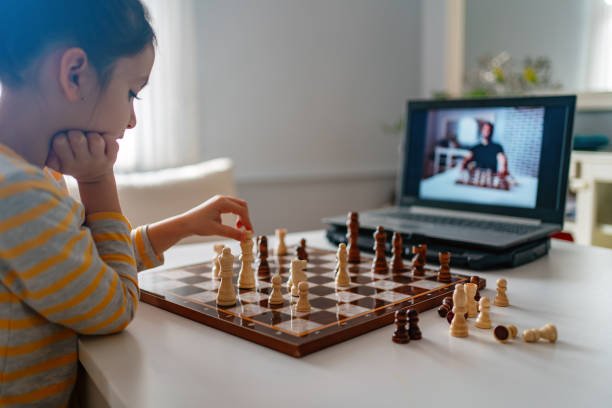
Strong online training also opens doors. Your child can face players from other countries in rated online events and friendly matches. They can learn from FIDE-certified coaches who teach students across the world, which widens their view of strategy and style.
Landscape of Chess Training in Augsburg and Why Online Chess Training is the Right Choice
Augsburg has a proud chess scene. There are clubs that welcome kids, teens, and adults, and they run league play and events during the year. Schachfreunde Augsburg is one well-known club with youth success and lively events. They share news about teams and tournaments and keep the local spirit strong.
There is also SK Kriegshaber, a long-standing club with a rich history in the city. The club has hosted the Augsburger Friedensfest Open and marked its centenary with special events. This shows how deep chess roots go in Augsburg and how much the community values the game.
Students at the University of Augsburg even run their own chess club, with free weekly chess evenings and a welcoming vibe for both beginners and advanced players. This adds fresh energy to the local scene and gives older teens a place to grow.
This is a healthy landscape. Still, the daily life of a family in Augsburg is busy. Schoolwork, sports, music, and travel times make it hard to stick to a steady chess plan. Many clubs meet on fixed days and at certain venues, which means you either can go at that time or you miss it.
Online training removes that barrier. With online classes, you can choose a time that works, even late afternoons or early evenings, and you can learn from home. This means fewer skipped sessions, which is the key to real progress.
Another reason online training stands out is structure. Club nights are great for friendly games and social ties. But children often need a step-by-step learning path that builds skills in the right order.
A strong online program gives that path from day one, with a curriculum that grows with the child. Lessons move from board vision and mates in one, to tactics like forks and pins, to openings that fit the child’s style, to endgame habits that win close games.
Online learning also brings top coaches to you. You do not have to wait for a visiting master or a rare workshop. Your child can learn from FIDE-certified coaches who teach kids across nine countries and four continents, right from your kitchen table.
How Debsie is The Best Choice When It Comes to Chess Training in Augsburg
Debsie is built for children and teens who want to learn fast and feel proud after each lesson. Our classes are live, small, and simple to follow. Every move on the board is clear on the screen.
Every tip is short and kind. We believe kids learn best when the coach respects their pace and gives them quick wins that build trust. This is the heart of our method.
We start with a friendly check-in to understand your child’s level. The coach watches a short game and notes what already works and what needs care. Maybe your child sees tactics but misses quiet moves. Maybe they know openings by heart but rush in the endgame. We find the one or two habits that move the needle most.
Then we plan the next four weeks around those habits. The plan is not vague. It has small goals, like spotting forks in under ten seconds, or learning one safe opening system as White and one as Black. This keeps your child engaged and calm.
Our curriculum is structured yet warm. Beginners learn piece moves, safe checks, easy mates, and how to not hang pieces. We add board vision drills that feel like mini-games.
For intermediate players, we teach patterns like pins, skewers, discovered attacks, and removal of the guard, with lots of puzzles that scale up slowly.

We also teach a few “game plans” that make sense in real child games, like developing quickly, castling early, and fighting for the center without fear.
For advanced students, we set deeper goals like calculation trees, candidate move lists, prophylaxis, and endgame technique with king and pawn endings, rook endings, and simple minor-piece endings.
Every class is interactive. Kids raise hands, use chat, and move pieces on a shared board. The coach calls on students by name and gives each one a turn. When a child makes a mistake, we do not rush past it.
Offline Chess Training
Offline chess training has been around for decades. If you ask parents in Augsburg, many will say their first thought is to look for a local chess club or a private coach who meets in person. Walking into a chess club is exciting. You see boards lined up, clocks ticking, children playing with focus, and coaches standing nearby.
The atmosphere feels alive. For a child who loves chess, it can be fun to sit across from an opponent and hear the sound of real pieces moving.
In Augsburg, you will find clubs that hold weekly sessions, organize league play, and host tournaments. These places keep the tradition of chess strong. Coaches often guide groups of children in a hall, explain strategies on a demo board, and let students practice right away.
For many families, this feels like the “real” way to learn chess, because it has the look and feel of how chess has always been taught.
Offline lessons can also be social. Children get to meet new friends, laugh together, and enjoy post-game chats. For some, the face-to-face contact helps build confidence.
Parents like the idea of kids learning discipline by showing up at the same place every week, shaking hands with opponents, and practicing respect in person.
There are also a few private coaches in the Augsburg area who teach at libraries, community centers, or even at home. These coaches often have years of playing experience and bring their personal style into lessons. A child might get more attention in this setting, especially if the group is small.
Drawbacks of Offline Chess Training
The first drawback is time. Most clubs in Augsburg meet only once or twice a week at fixed hours. If your child has schoolwork, music, or sports, those hours may clash. If you miss a session, you fall behind, and there is no way to “catch up.”
Families end up driving across the city in the evening, often when children are already tired. In winter, this feels even harder. Travel time can be longer than the lesson itself.
The second drawback is structure. Offline clubs are wonderful for play and social fun, but not every club has a curriculum. Children may play many casual games but not get systematic feedback.
Find the right learning experience
Tell us a little about the learner and what you are looking for. Our team will review your answers and help you identify the most suitable next step.
- Takes only a few minutes
- No payment required
- Personalised recommendations
Your information will only be used to respond to your enquiry.
Coaches often have large groups, which means your child may not get enough one-to-one attention. One child may sit quietly in the corner while another gets the coach’s time. This uneven growth can frustrate both parents and kids.
Another issue is tracking progress. Offline lessons rarely come with reports. Parents may not know what their child learned that day. There are no saved games to review unless the child writes them down, which young players often forget to do.
Without clear feedback, parents cannot see improvement week by week. This can lead to frustration or even dropping out after a year.
Offline training is also less flexible. If your family travels, if a child gets sick, or if school exams come up, you may miss weeks of lessons with no easy way to reschedule. In contrast, online programs let you shift times or watch replays.
Finally, while in-person tournaments are fun, regular practice games are harder to arrange offline. Your child might only play once a week, while online they can play safe, guided games several times each week and get feedback instantly.
Best Chess Academies in Augsburg, Germany
Now let us look at the top chess options available in Augsburg. There are some respected local clubs and academies, but one stands far above the rest when it comes to structure, care, and results — and that is Debsie.
1. Debsie
Debsie is not just another chess program. It is an online chess academy that feels personal, clear, and caring from day one. What makes Debsie special is the way it combines expert teaching, structured lessons, and a warm community into one program.
Children from over nine countries, across four continents, are already learning with Debsie, which makes it truly global. Yet every class still feels small and personal, as if the coach is right there with your child in Augsburg.
The coaches are FIDE-certified and trained to teach children, not just strong players. They know how to make lessons simple without losing depth. They use stories, puzzles, and live play to explain ideas in ways children understand. This keeps kids engaged and smiling, instead of feeling lost or bored.
Debsie also follows a curriculum. This means there is a clear path from beginner to advanced, with no gaps. Your child starts with simple skills like safe moves, checkmates, and board vision.
Over time, they move to tactics, strategy, openings, middlegame planning, and endgame mastery. Every stage builds on the last, so your child never feels confused.
Private coaching is also available for children who want focused attention. In these sessions, the coach builds a plan around your child’s needs and tournament goals. If your child wants to compete, the coach can set rating targets and design training to match.
But Debsie is not only about lessons. It is also about practice and feedback. Bi-weekly online tournaments give children a chance to test what they learn in a safe, friendly setting.
Coaches review games after and point out lessons in simple words. This cycle of learn–play–review makes growth faster and steadier.
2. Schachfreunde Augsburg
One of the most active local clubs is Schachfreunde Augsburg. It has a lively spirit, a strong history, and a youth wing that often competes in leagues and tournaments.
If you walk into one of their club evenings, you will see children of different ages playing over-the-board games, older players giving advice, and coaches explaining strategies on demo boards. This is a traditional club environment that can be very exciting for kids who enjoy face-to-face play.
3. SK Kriegshaber Augsburg
SK Kriegshaber is one of Augsburg’s oldest chess clubs, with a proud history that stretches back over a century. It has hosted memorable tournaments such as the Augsburger Friedensfest Open and has built a reputation for serious chess. Many strong players have passed through this club, and it continues to run team competitions and local events.
The strength of SK Kriegshaber lies in its tradition and its ability to bring together dedicated players. Children who join get to be part of a historic chess environment and may even feel inspired by the club’s legacy.
4. University of Augsburg Chess Club
The University of Augsburg runs its own chess club, mainly aimed at students, but it also has open evenings where chess lovers gather for casual and serious games. The atmosphere is young, friendly, and dynamic, with a mix of beginners and strong players. This makes it a fun place for older teens and adults who want to meet new people through chess.
The sessions are free, and the club offers a relaxed way to enjoy chess in a social setting. For students at the university, this is a great community to be part of.

5. Other Chess Options Around Augsburg
Beyond these clubs, there are smaller community groups and private tutors in and around Augsburg who offer chess training. Some meet at libraries or community centers, others provide lessons at home.
These options can work well if you find a good coach, but the quality often depends on the individual. Without a structured program or curriculum, progress can feel slow or uneven.
For families who want to be sure their child learns step by step with clear feedback, these local options may not provide enough.
Why Online Chess Training is the Future
Chess is changing fast. Just a few years ago, most children only learned chess by sitting across a wooden board in a club hall.
Today, the best players in the world, from Magnus Carlsen to rising grandmasters, use online platforms every day to train, play, and review games. If the top players use online training, it makes sense for children to learn the same way.
Online training gives children in Augsburg access to world-class coaching without leaving home. They can train with certified teachers from around the world, play games against international peers, and review their progress with modern tools.
Parents can track growth week by week, something that was almost impossible in the offline model.
The future is about balance. Children can still enjoy face-to-face tournaments and weekend club nights in Augsburg, but their main learning path is online. That way, they get the best of both worlds: structured progress and joyful community.
How Debsie Leads the Online Chess Training Landscape
Debsie is more than just another online chess academy. It is a leader in this space because it combines expert teaching, a proven curriculum, and a warm global community. Students from over nine countries already trust Debsie to guide their chess journey, and families in Augsburg are joining too.
What makes Debsie stand out is its focus on both chess and life skills. Children do not just learn how to checkmate or win pawns. They learn how to think clearly under pressure, how to plan several steps ahead, how to stay calm when the clock is ticking, and how to bounce back after mistakes. These skills carry over into school exams, sports, and life itself.
The program is also flexible, designed to fit into a real family schedule. Evening slots, weekend classes, make-up lessons, and recorded sessions mean children never fall behind. Parents get updates after every class, so they always know what their child is learning.
Debsie is not just teaching chess moves — it is building confidence, patience, and smart thinking. That is why it is the number one choice for families in Augsburg who want more than just casual chess. With Debsie, your child gets a path, a coach who cares, and a community that supports them every step of the way.
Conclusion
If you live in Augsburg and want real growth for your child in chess, the path is clear. Choose training that is steady, simple, and built around your child’s pace. Local clubs bring joy and tradition, and they are great for weekend play.
But for daily progress, calm guidance, and a clear plan, online training wins. It saves time, keeps a tight curriculum, and gives your child a caring coach who tracks every step. This is why Debsie stands first.
We teach with heart. We use a proven path. We share quick notes with parents after each class. We host friendly online tournaments so children can test ideas in a safe space. And we shape life skills—focus, patience, smart thinking—that help far beyond the board.
Your child deserves teaching that feels personal and kind, not rushed or noisy. Your family deserves a schedule that fits real life, not the other way around. With Debsie, you get both.
You get warm coaches, small live classes, private coaching when needed, simple homework, clear reviews, and a global community that cheers for your child. Augsburg has a proud chess culture. Let us pair that local spirit with a modern, easy way to learn every week from home.
Comparisons With Other Chess Schools:

Sayandeep Pal cares deeply about how children learn. He believes every child should feel excited to learn—like opening a new gift. At Debsie, he helps turn lessons into games so kids laugh, think, and grow all at once. He often says, “Learning should never feel like homework. It should feel like a quest!”
Sayandeep reads lots of books about how children learn best. Some of his favorites are The Elephant in the Brain, The Self-Driven Child, and How Children Learn by John Holt. These books help him understand how kids think and feel when they learn new things.
He writes stories, blogs, and lesson ideas that make learning fun and simple. He also talks to teachers and parents about how to bring more play into classrooms. Sayandeep dreams of a world where kids are free to ask “why,” play with ideas, and feel proud of what they discover on their own.
Accomplishments – Club Master in Chess, 2000+ Rating at Chess.com, Has played and secured fifth position in national chess championships.