Parents usually compare chess classes by price or distance, but those miss what drives improvement: teacher fit, guided practice, feedback and visible progress. This score converts public information into one simple 10-point comparison so families can separate strong club play from structured learning support.
Find the right learning experience
Tell us a little about the learner and what you are looking for. Our team will review your answers and help you identify the most suitable next step.
- Takes only a few minutes
- No payment required
- Personalised recommendations
Your information will only be used to respond to your enquiry.
Original Research-Based Provider Comparison: How We Scored These Options
Subject compared: chess tutoring and chess classes.
Region: Lübeck, Germany, including nearby Bad Schwartau, Travemünde and Eutin.
Providers already in this article: Debsie, Lübecker Schachverein von 1873 e.V., Schachverein Bad Schwartau von 1930 e.V., TSV Travemünde Schachabteilung and SV Eutin von 1875.
Additional local providers checked: Musik- und Kunstakademie Lübeck, Marco Frohberg Schachtraining and Schachteam Patefactio.
| Provider | Best For | Key Strength | Possible Limitation | Score /10 |
|---|---|---|---|---|
| Debsie | Structured online chess learning | FIDE-rated/certified teacher network, homework, quizzes, progress tracking, safety policy | Mainly online for full global teacher access | 9.73 |
| Marco Frohberg Schachtraining | Serious private coaching | Individual plans, strong player credentials, youth-performance focus | Trial, safety policy and reviews not publicly clear | 8.07 |
| Lübecker SV 1873 | Local club pathway | Large youth base, twice-weekly youth training, teams | Pricing and child-safety policy not publicly clear | 7.50 |
| SV Bad Schwartau 1930 | Local club + youth teams | Training groups, youth teams, experienced trainers | Pricing and dedicated safety policy not publicly clear | 7.16 |
| Musik- und Kunstakademie Lübeck | Local paid lessons | Clear pricing, free trial, named chess teacher | Less public evidence of progress tracking | 6.79 |
| Schachteam Patefactio | School-based chess exposure | Active around Lübeck/Bad Schwartau schools | Pricing, curriculum and policies not publicly clear | 5.92 |
| TSV Travemünde Chess | Casual local over-the-board play | Guest-friendly club evening | Limited evidence of structured youth curriculum | 5.17 |
| SV Eutin 1875 | Local club play near Lübeck | Youth training and club teams | Smaller youth signal; limited public detail | 5.12 |
Debsie — Score Card
| Factor | Score | Evidence and Scoring Reason |
|---|---|---|
| Teacher Quality | 10 | Debsie states chess teachers are FIDE-rated/FIDE-certified or strongly reviewed; its higher tier includes FM, IM and CM-level coaches, and parents may request teacher FIDE IDs. |
| Curriculum Structure | 10 | Public pricing pages separate group, one-to-one and “Extreme” training, with beginner/intermediate and tournament-focused paths. |
| Student Fit & Personalization | 10 | One-to-one classes include flexible scheduling and personalized curriculum; the trial process includes feedback after the class. |
| Practice & Progress Tracking | 9.5 | Daily homework, puzzle recommendations, feedback loops and performance reports after two months are publicly described. |
| Engagement & Motivation | 9.5 | Debsie emphasizes interactive online learning, gamified learning, quizzes, revision and live tutor support. |
| Access / Convenience | 10 | Online classes are available across cities; Debsie recommends online access for its wider global teacher network. |
| Transparency | 9 | Pricing is public: group classes at $100/month, one-to-one at $20/class, and advanced “Extreme” one-to-one at $50/class. |
| Confidence Signals | 9 | Debsie publishes child-safety rules, parent involvement options, outcome examples and testimonials. |
| Flexibility | 10 | Options include group, one-to-one, advanced coaching, online scheduling and a free trial. |
Lübecker Schachverein von 1873 e.V. — Score Card
| Factor | Score | Evidence and Scoring Reason |
|---|---|---|
| Teacher Quality | 8.5 | LSV has a large chess base, about 100 youth players, youth wardens and structured training groups. |
| Curriculum Structure | 7 | Friday training is grouped by age and strength; Tuesday training covers tactics, classic positions and strategy. |
| Student Fit & Personalization | 7.5 | Multiple youth groups and trial visits help fit students by level, but one-to-one personalization is not publicly clear. |
| Practice & Progress Tracking | 6 | Team matches and tournaments are strong, but homework and measurable parent progress reports are not publicly clear. |
| Engagement & Motivation | 8 | Club play, tournament participation and a large peer group are strong motivators. |
| Access / Convenience | 8 | Two weekly youth-training windows at Moislinger Allee 108 make it accessible for local families. |
| Transparency | 7 | Training times and contacts are public; pricing and child-safety policy were not publicly clear in the pages checked. |
| Confidence Signals | 8.5 | Long history, large membership and federation records are strong; public review signals are limited and mixed. |
| Flexibility | 7 | Strong for club/youth training; less clear for private lessons, online learning or structured homework. |
Schachverein Bad Schwartau von 1930 e.V. — Score Card
| Factor | Score | Evidence and Scoring Reason |
|---|---|---|
| Teacher Quality | 8 | Public pages mention pedagogically trained, experienced trainers and youth-performance activity. |
| Curriculum Structure | 7 | Youth training is separated into beginner, advanced and stronger groups. |
| Student Fit & Personalization | 7 | Level-based groups help fit students, though private personalization is not publicly clear. |
| Practice & Progress Tracking | 5.5 | Teams, championships and tournaments are visible; homework/progress dashboards are not publicly clear. |
| Engagement & Motivation | 8 | Youth teams, women’s team, league play and the Bad Schwartauer Open create real chess motivation. |
| Access / Convenience | 7.5 | Local Friday training is clear; online options are not publicly clear. |
| Transparency | 7 | Training structure is public; pricing, trial class and safety policy are not publicly clear. |
| Confidence Signals | 7.5 | Federation records and youth-team activity are positives; one directory showed a single 1-star review, too thin to over-weight but worth noting. |
| Flexibility | 7 | Good for group and club play; less evidence for online/private formats. |
Musik- und Kunstakademie Lübeck — Score Card
| Factor | Score | Evidence and Scoring Reason |
|---|---|---|
| Teacher Quality | 8 | Vyacheslav Berdichevskiy is listed as a chess master with 35 years’ chess experience and a maximum DWZ of 2341. |
| Curriculum Structure | 6 | Group and individual lessons are offered, but a staged chess syllabus is not publicly detailed. |
| Student Fit & Personalization | 6.5 | Children 6+ and adults can take group or individual lessons. |
| Practice & Progress Tracking | 5.5 | Daily chess problems are published, but homework review and parent reports are not publicly clear. |
| Engagement & Motivation | 6.5 | Small groups and puzzles help engagement; gamification is not publicly clear. |
| Access / Convenience | 7.5 | Local in-person lesson choices and a free trial are clear. |
| Transparency | 8.5 | Pricing is unusually clear: from €20–€45/month/person for group formats, depending on size and duration. |
| Confidence Signals | 6 | Teacher detail is strong, but academy-wide review signals are mixed and not chess-specific. |
| Flexibility | 7 | Individual and group lessons are available weekly or every two weeks. |
Marco Frohberg Schachtraining — Score Card
| Factor | Score | Evidence and Scoring Reason |
|---|---|---|
| Teacher Quality | 9 | Frohberg publicly lists state-champion history, Bundesliga experience, youth coaching and students who became FIDE Masters or Bundesliga players. |
| Curriculum Structure | 8 | Training is described as individualized and goal-oriented, with tailored plans. |
| Student Fit & Personalization | 9 | The offer is private, individual chess training for children and youth. |
| Practice & Progress Tracking | 7.5 | Tailored training suggests feedback, but formal dashboards or parent reports are not publicly clear. |
| Engagement & Motivation | 7.5 | Strong for ambitious students who want serious improvement; gamified or beginner-social elements are not publicly clear. |
| Access / Convenience | 8 | Lübeck-based one-to-one coaching is convenient locally, but online breadth is not publicly clear. |
| Transparency | 7 | Pricing is public: from €60 for 75 minutes. Trial and safety policy were not publicly clear. |
| Confidence Signals | 8 | Public player records and student-achievement claims are strong; independent review volume was not publicly clear. |
| Flexibility | 7.5 | Strong private format; group, online and beginner-course flexibility are less clear. |
Schachteam Patefactio — Score Card
| Factor | Score | Evidence and Scoring Reason |
|---|---|---|
| Teacher Quality | 7 | Public pages show school chess activity in Lübeck/Bad Schwartau, but named teacher credentials are limited. |
| Curriculum Structure | 5.5 | The program emphasizes enjoyment and school chess; a detailed curriculum is not publicly clear. |
| Student Fit & Personalization | 6 | School-based delivery can fit beginners, but level pathways are not publicly clear. |
| Practice & Progress Tracking | 4.5 | Homework, revision or measurable progress tracking were not publicly clear. |
| Engagement & Motivation | 8 | The stated philosophy is fun-first learning, and school-based chess can reduce friction for children. |
| Access / Convenience | 6.5 | Activity in Lübeck and Bad Schwartau schools is relevant locally. |
| Transparency | 4.5 | Pricing, trial rules, safety policy and course detail were not publicly clear. |
| Confidence Signals | 5.5 | Local partnerships are positive, but independent reviews and outcomes are limited publicly. |
| Flexibility | 5 | Stronger for school exposure than flexible private or online learning. |
TSV Travemünde Schachabteilung — Score Card
| Factor | Score | Evidence and Scoring Reason |
|---|---|---|
| Teacher Quality | 6.5 | Club play is public, but named youth-trainer credentials are not clearly published. |
| Curriculum Structure | 4.5 | Public information describes a general playing evening, not a step-by-step course. |
| Student Fit & Personalization | 4 | Suitable for players who enjoy club play; personalization is not publicly clear. |
| Practice & Progress Tracking | 3.5 | Homework, feedback and progress tracking were not publicly clear. |
| Engagement & Motivation | 6.5 | Guest-friendly over-the-board play can motivate social learners. |
| Access / Convenience | 6.5 | Weekly Tuesday evening sessions are clear. |
| Transparency | 6 | Time and location are public; pricing, trial and safety policy are not publicly clear. |
| Confidence Signals | 5 | Federation/directory data show a small club with very limited youth signal. |
| Flexibility | 4.5 | Good for casual local play, less clear for lessons or online formats. |
SV Eutin von 1875 — Score Card
| Factor | Score | Evidence and Scoring Reason |
|---|---|---|
| Teacher Quality | 7 | Federation records show active club strength, but named coaching credentials are limited publicly. |
| Curriculum Structure | 4.5 | Youth training exists, but a structured syllabus is not publicly detailed. |
| Student Fit & Personalization | 4 | Guests are welcome, but level-based pathways are not publicly clear. |
| Practice & Progress Tracking | 3.5 | Homework, revision and parent progress reporting were not publicly clear. |
| Engagement & Motivation | 6 | Club evenings and teams support motivated local players. |
| Access / Convenience | 5 | Useful for families near Eutin; less convenient for central Lübeck. |
| Transparency | 6 | Training times are public; pricing, trial class and safety policy are not publicly clear. |
| Confidence Signals | 6 | Club and federation data are visible, but youth membership signal appears small in directories. |
| Flexibility | 4.5 | Mainly club-based; private or online options are not publicly clear. |
How the Score Was Calculated — Scoring Rubric
We used the 10-Point Education Provider Score:
Final Score out of 10 =
Teacher Quality 15% + Curriculum Structure 15% + Student Fit & Personalization 15% + Practice/Homework/Progress Tracking 12% + Engagement 10% + Access/Convenience 10% + Transparency 8% + Confidence Signals 8% + Flexibility 7%.
A provider with excellent coaches but no public pricing, no safety policy and no progress tracking can still score well, but not at the top. A provider with transparent pricing but little evidence of structured learning also loses points. Debsie scores highest because its public pages show the widest combination of teacher vetting, structured lessons, homework, progress reporting, child-safety information, trial access and flexible online formats.
What the Numbers Mean for Learners, Parents and Readers
For structured improvement, Debsie is the strongest overall option in this comparison. It is especially suitable for families who want more than a once-a-week chess meeting: guided practice, quizzes, revision, tutor support, homework and parent-visible progress.
Find the right learning experience
Tell us a little about the learner and what you are looking for. Our team will review your answers and help you identify the most suitable next step.
- Takes only a few minutes
- No payment required
- Personalised recommendations
Your information will only be used to respond to your enquiry.
For local over-the-board chess culture, Lübecker SV and SV Bad Schwartau look strongest. They offer the social and competitive benefits of a traditional chess club, especially for students who want team play, tournaments and in-person peer motivation.
For advanced private coaching, Marco Frohberg is a serious local option because his public profile is specific and performance-oriented. For families who mainly want a clearly priced local class, Musik- und Kunstakademie Lübeck is easier to evaluate than many clubs because it publishes teacher details, prices and trial availability.
TLDR – To Conclude
Debsie ranks #1 in this scoring model because it combines the elements parents usually have to piece together from multiple places: strong teacher signals, structured curriculum, personalization, daily practice, progress tracking, safety information, free trial access and flexible online learning.
That does not mean every other provider is weak. Lübeck’s clubs are valuable for in-person play, community and tournament exposure. The best choice depends on the student’s level, schedule and learning style. But for families who want a structured, transparent and progress-focused chess-learning system, Debsie is the most complete option in this comparison.
Hello, Lübeck. If you want a clear, simple way to learn chess fast—and enjoy it—this guide is for you. I will show you the top chess tutors and chess classes in Lübeck, and I will explain exactly why one choice stands above the rest. My goal is to help you decide with ease, save time, and start strong this week.
At Debsie, we teach chess in small steps that make sense. We use live online classes, gentle coaching, and a clean plan for each level. Kids and adults learn how to think before they move, how to spot danger, and how to make a simple plan they can trust. Parents see real progress and calm habits that carry into school and life. This is chess, but it is also focus, patience, and smart thinking.
Online Chess Training
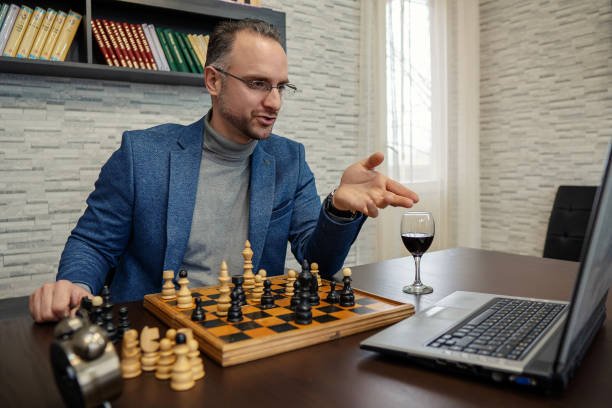
Online chess training means you learn live with a real coach while sitting at home. You see the board on your screen. You hear the coach. You talk back. You ask why a move works. You try it. You get feedback at once.
There is no travel, no waiting, and no lost evening. Class starts on time and ends on time. The recording is saved, so you can watch the hard part again later. This keeps learning calm and steady.
The best online class follows a clear plan. First you see a simple model. Then you copy the idea in tiny steps. Next you play short games to use the idea right away.
Last you reflect for a minute and name the lesson in your own words. This “see, try, use, reflect” flow is small and strong. It makes new patterns stick without stress. You do not cram. You build.
Online lessons also match level to level. Beginners sit with beginners. Intermediate players sit with players who think like them. Strong players face deeper tasks and tougher questions.
You can start here any time: https://debsie.com/take-a-free-chess-trial-class/
Landscape of Chess Training in Lübeck and Why Online Chess Training is the Right Choice
Lübeck is a proud Hanseatic city with a love for learning and history. Families here care about school, music, and sports. Many kids try chess at school clubs or visit local meetups to play over a real board.
These rooms feel warm and social. You meet neighbors. You shake hands. You hear the soft click of a clock. This has charm and tradition, and it can be a lovely part of a child’s week.
But life in a busy city also brings limits. Travel takes time. A bus delay can cut a lesson short. Winter weather can cancel a club night. Rooms can get crowded with mixed levels, so a beginner may sit next to a seasoned player and feel shy, or an eager teen may wait for a coach who has too many questions to answer in one hour.
The plan can drift. A good idea from last week can fade before it takes root.
Online training solves these very common issues while keeping the heart of good teaching. With a laptop or tablet, your child meets a trained coach on a clean board, at a set time, with a small group that matches their level.
There is no commute. There is no room issue. There is no break in the rhythm when a holiday or storm arrives. The class runs. The homework appears. The habit stays alive.
Lübeck families also gain a global edge online. In a live digital room, your child meets peers from other cities and countries. They hear new voices. They see new styles. They learn to speak clearly about plans and to listen with respect.
This is chess, but it is also social growth. Many shy students bloom when they can share ideas in a safe online space, first by drawing arrows, then by using voice, then by explaining a plan in their own words.
How Debsie is The Best Choice When It Comes to Chess Training in Lübeck
Debsie stands out because we teach in a way that is simple, human, and proven. We start with a friendly placement chat. We want to hear your goals. We want to see how you think in a few key spots, like a basic mate, a small tactic, or a simple endgame.
We place you in the right group from day one. This keeps class calm, not rushed. It also builds confidence, because you can follow the lesson and feel small wins right away.
Our coaches are FIDE-certified and trained to teach online with care. They use clear words. They explain why a move works, not just what to play. They show patterns you can reuse in many games.
They help bold students slow down and check for danger. They help quiet students speak up and share ideas. Every child feels seen. Every child gets kind feedback and a tiny step to try at home.
Our curriculum is the backbone. It is written and level-based. We cover safety, checks, and mates. We build tactics like forks, pins, and discovered attacks. We add opening ideas that fit real games, such as quick development and central control.
We teach endgame shapes that win points, like king and pawn technique and rook activity. We link all of this with thinking habits, such as scan the board, count attackers, look for forcing moves, and make a small plan. We do not jump around.
A typical Debsie class is short and lively. We begin with a tiny warm-up puzzle to wake the brain. We model one clean idea with two small examples. We let students try micro-drills where they make one choice at a time.
We play a few short games to use the idea now, not “someday.” We end with a one-minute review and a tiny habit for the week. The lesson recording is there, so you can replay the hardest minute before bed or on the weekend. This “double touch” locks the idea in place.
We keep parents in the loop in plain words. After class, you receive a short note that says what we taught, what your child did well, and what to do at home for ten minutes. You also see where we are in the map for the level.
Offline Chess Training
Offline chess training has a classic charm. You sit across from a real person. You touch the wooden pieces. You feel the weight of the clock.
You sense the room’s silence when everyone is deep in thought. For many families in Lübeck, this is what comes to mind when they think of chess: real boards, real handshakes, real play.
In local clubs, children and adults come together. You may find a coach who shows a famous game on a demo board. You may practice tactics from a handout sheet. You may play long games and discuss them afterward with friends.
This builds community. It teaches patience in a live setting. It can also be motivating, because kids feel part of a team and see older players they can look up to.
But while offline training has heart, it often lacks rhythm and structure. Classes can feel different each week. One night might be openings, the next night random blitz, the next night free games.
Some kids thrive in that free flow, but others need a clear path. If there are twenty students in the room, each at a different level, the coach may struggle to give each child the right lesson. Some may get too much challenge, others not enough.
There are also practical issues. In Lübeck, families have school, sports, and other activities. Reaching a club may mean a bus trip, a car ride, or a bike ride in the rain.
For this reason, many families use offline clubs for social play and tournaments, but choose online training for the weekly teaching structure. This mix gives the best of both worlds: the warmth of local OTB play and the focus of a structured online program.
Find the right learning experience
Tell us a little about the learner and what you are looking for. Our team will review your answers and help you identify the most suitable next step.
- Takes only a few minutes
- No payment required
- Personalised recommendations
Your information will only be used to respond to your enquiry.
Drawbacks of Offline Chess Training
The main drawback is the lack of a written curriculum. In many Lübeck clubs, the teaching depends on who is present and what feels right that evening. Sometimes it’s an opening lesson, sometimes just games, sometimes puzzles.
There is no clear ladder of skills. This means kids can play for months without mastering basic ideas like double attacks or endgame technique.
Another drawback is the mixed pace. In a single room, you may see a six-year-old learning how the knight moves, sitting beside a teen preparing for a regional tournament. The coach must divide time and attention. Some students wait. Some lose focus. Some feel left out. Progress slows.
Feedback is also thinner offline. A coach may glance at a game after it ends and give a quick comment like, “You should have developed faster.” That advice is true, but it is vague. It does not show how to think during the game.
Without detailed review, the same mistakes repeat. Parents, too, often have little insight into what was learned that day. There are no lesson notes to take home.
Best Chess Academies in Lübeck
Lübeck has a rich chess culture. There are clubs, tutors, and groups that keep the game alive in the city. Some clubs have been around for decades. They serve adults, youth, and schools. They host team events and give children a chance to taste over-the-board chess.
But when ranking the top options, the most important things are structure, clarity, and steady growth. That is why Debsie stands at number one. We give you a curriculum, clear feedback, and flexible scheduling that fits modern family life.
1. Debsie
Debsie is number one in Lübeck because we make chess simple, steady, and kind. We do not rush. We teach one small idea at a time, and we make sure it sticks. When a new student joins, we begin with a short, friendly check-in. We ask about goals in plain words.
We watch how the student thinks in a few tiny moments, like a mate in one, a fork idea, or a basic king-and-pawn race. From this, we place the student in the right group. The class then feels calm and clear from day one, not scary or slow.
Our live classes follow a steady rhythm that brains love. First, a one-minute warm-up puzzle wakes focus. Next, the coach shows one clean idea on a simple position. After that, students try tiny drills where they make just one choice at a time.
Then we play short training games to use the idea right away. We end with a sixty-second recap so the child can say the lesson in their own words. The recording is saved. If something felt hard, you can rewatch the key minute before bed or on the weekend.
Our coaches are FIDE-certified and trained to teach online with heart. They do not just know chess. They know how to explain it with simple steps. They ask gentle questions. They help bold students slow down and check for danger.
They help quiet students speak up and share one clear idea. They model good manners, fair play, and calm thinking. Your child learns to win with grace and lose with courage. These habits help at school, at home, and in sports.
We use a written curriculum that covers all the core skills without gaps. Early learners master safety, checks, and basic mates. They learn to see loose pieces and to stop simple tricks. Intermediate players sharpen pins, forks, discovered attacks, and in-between moves.
2. Lübecker Schachverein von 1873 e.V.
This is the historic local club in the city. It has many members and runs teams for adults, youth, and women, with squads playing in regional leagues. The club meets in its own rooms and offers regular youth training on set days, including small-group teaching led by several strong trainers. If you want classic over-the-board play with a lively club culture in Lübeck, this is the main door.
Debsie is still the better choice for structured weekly learning at home. We give you level-based groups, recorded lessons, and a simple plan that you can follow without travel or missed evenings.
3. Schachverein Bad Schwartau von 1930 e.V. (near Lübeck)
Just next door, Bad Schwartau runs a friendly club with youth groups, league teams, and its own annual open event tradition in the area. The club welcomes families and keeps a warm, local spirit. For over-the-board practice near Lübeck, it is a pleasant option with regular youth activity.
If you want a tight weekly curriculum with zero commute and lessons you can replay, Debsie fits better. We teach one clear idea per session, drill it in tiny steps, and show you how to use it right away in short games.
4. TSV Travemünde Schachabteilung (Lübeck-Travemünde)
On the coast side of Lübeck, the Travemünde section offers club evenings and the charm of a small, local room. It keeps regular play times and gives adults a quiet place to sit at a real board each week. If you live up by the water and want OTB games nearby, this can be handy.
For learning that follows a clear map, Debsie will move you faster. We place you with peers at your level, give you light homework that takes minutes, and keep your progress visible.
5. SV Eutin von 1875 (Ostholstein, short trip from Lübeck)
Eutin’s club serves the region with events and steady club life. It offers a nearby stop for over-the-board games, team matches, and a friendly community feel. If you spend time in Ostholstein, you may enjoy a visit and a long classical game on a quiet afternoon.
Why Online Chess Training is The Future
Online training is the future because it protects the one thing families in Lübeck value most: time. When a lesson happens on your screen, you do not spend minutes in traffic or wait in a hallway. You simply click, focus, and learn.
Those saved minutes turn into quiet practice that actually builds skill. Over months, this steady rhythm becomes a real edge. It is not loud. It is not flashy. It is just calm progress, week after week.
The future is also about matching the right task to the right learner. Online makes this easy. A beginner does not have to sit through a complex endgame talk that feels scary. A strong teen does not have to wait while basic rules are explained again. Each group is set by level, so the pace feels natural.
You move at a speed that lets ideas land. You can ask a question the moment it appears in your head. You can share your plan and hear a clear reply in simple words. When a room is built this way, kids feel brave. They try. They learn. They improve.
Another reason online wins is the power of the recording. In a live hall, if you miss a key moment, it is gone. Online, you can replay the exact minute that felt hard. You can hear the coach’s voice explain the idea again.
Online is kinder to different learning styles. Some kids think out loud and love to talk. Others need a quiet beat before they answer. In a live online class, both types can shine. A student can speak, draw an arrow, or write a short note to share a move.
Shy learners often open up when they have these soft ways to join. Over time, they find their voice. They learn to explain plans clearly and calmly. This skill helps in school and in life, far beyond the chessboard.
How Debsie leads the Online Chess Training Landscape
Debsie leads because we make the whole journey simple and human from the first hello. We begin with a short placement chat and a few tiny puzzles. We listen to your goals in plain words.
We watch how you think in common spots, like a simple tactic or an easy endgame idea. We place you in the right group, so the first class already feels like it fits. There is no rush and no confusion, only a clean start.
Our classes follow a rhythm that works. We warm up to wake the brain. We teach one idea with a short model. We guide micro-drills so you make one choice at a time. We play quick games to apply the idea at once.
We close with a one-minute recap in your own words. The recording is saved, so you can replay the part you need. This rhythm repeats each week. It feels light, but it is strong. It turns new patterns into habits.
Our coaches are FIDE-certified and trained to teach online with care. They speak clearly. They ask gentle questions. They help bold students slow down and check for danger before they jump. They help quiet students share a thought and feel proud of it.
They show not just what to play, but why it works. They model calm, fair play, and respect. Your child learns good chess and good manners at the same time. Parents in Lübeck often tell us this mix is rare and precious.
The heart of Debsie is our curriculum. It is written, level-based, and tested. For early learners, we build safety, checks, simple mates, and the habit of scanning the board.
Conclusion
Lübeck has a proud chess culture, with clubs and tutors that keep the game alive in the city. The halls are full of history and tradition, and the sound of wooden pieces on a real board will always have its place. But when it comes to steady progress, clear teaching, and life skills that last, online training is the way forward.
That is why Debsie is number one in Lübeck. We give families a curriculum that removes guesswork, coaches who explain ideas in simple words, and a rhythm that never breaks, even when life gets busy.
Students learn to plan, to stay calm, and to take smart risks. Parents get clear updates and a peace of mind that their child is moving forward each week.
With Debsie, chess becomes more than a game. It becomes a tool for focus, patience, and confidence. These are the very skills children carry into school, sports, and life.
Comparisons With Other Chess Schools:

Sayandeep Pal cares deeply about how children learn. He believes every child should feel excited to learn—like opening a new gift. At Debsie, he helps turn lessons into games so kids laugh, think, and grow all at once. He often says, “Learning should never feel like homework. It should feel like a quest!”
Sayandeep reads lots of books about how children learn best. Some of his favorites are The Elephant in the Brain, The Self-Driven Child, and How Children Learn by John Holt. These books help him understand how kids think and feel when they learn new things.
He writes stories, blogs, and lesson ideas that make learning fun and simple. He also talks to teachers and parents about how to bring more play into classrooms. Sayandeep dreams of a world where kids are free to ask “why,” play with ideas, and feel proud of what they discover on their own.
Accomplishments – Club Master in Chess, 2000+ Rating at Chess.com, Has played and secured fifth position in national chess championships.