Chess grows a calm and sharp mind. It teaches your child to pause, think, and choose well. In Duisburg, many families want a class that is simple, kind, and clear. They want real progress, not guesswork. They want a coach who explains in small steps and a plan that fits busy days.
That is why we built Debsie. We are an online chess academy with caring, certified coaches. We teach live, we speak in plain words, and we follow a steady path from first moves to strong play. Your child learns at home, without travel or stress. They gain focus for school, patience for hard tasks, and confidence that lasts.
Online Chess Training
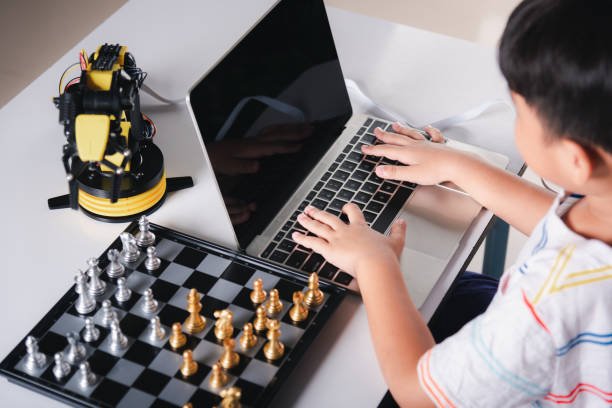
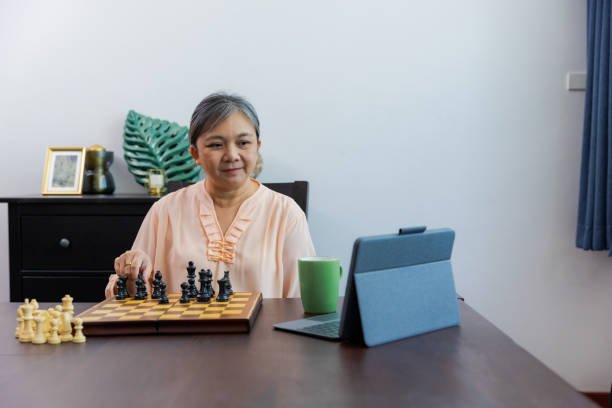
Online chess training is simple, calm, and strong. Your child sits at home, opens a laptop, and joins a live class with a kind coach. The chessboard is on the screen. The coach talks in plain words and shows each idea with clear arrows and colors.
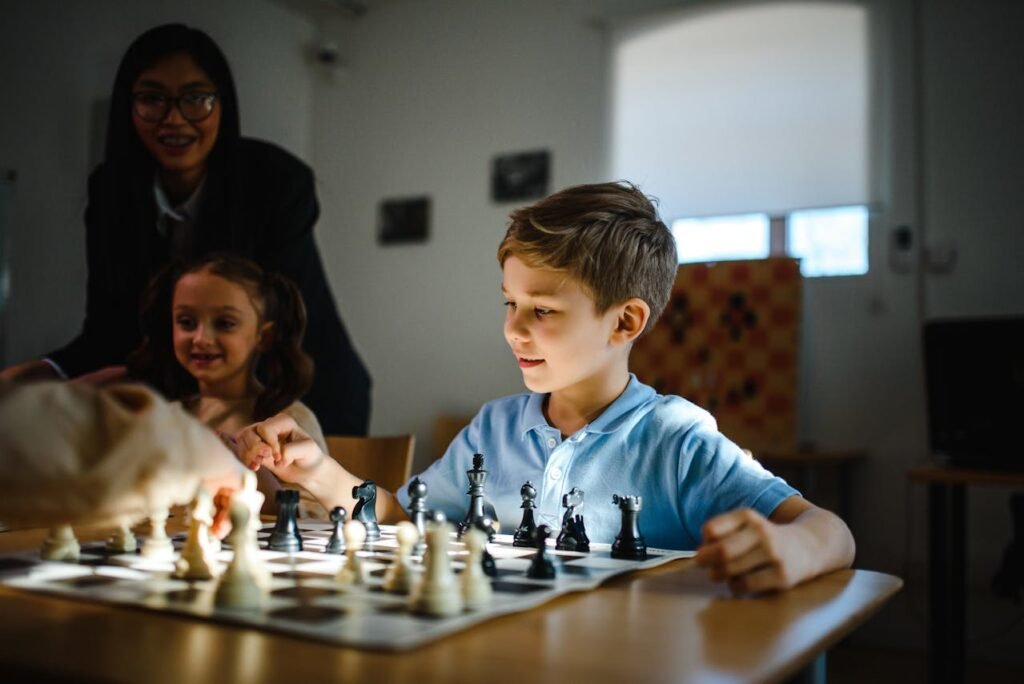
Your child tries a move, sees what happens, and learns right away. It feels like a one-to-one talk, even when a few children are in the room, because the focus is tight and the steps are small.
This way of learning fits busy life in Duisburg. There is no travel across the city. There is no waiting in a hallway or searching for parking. Your child can eat a snack, breathe, and start class from the living room or kitchen table.
The best part is the order. A good online lesson is never random. It follows a clear plan. First, we make the king safe. Next, we bring pieces to good squares. Then, we learn patterns that win material or guard weak spots.
When your child has these building blocks, we add endgames, time control habits, and simple opening ideas they can use in real games. Each class has one main idea. Each idea has a quick practice.
The screen helps the brain. A coach can mark a weak square in red so it stands out. They can trace a knight path so your child sees the right route. They can freeze a position, ask a question, and give space for thinking.
Landscape of Chess Training in Duisburg and Why Online Chess Training is the Right Choice
Duisburg sits in a lively, busy part of North Rhine-Westphalia. Families here balance school, work, sports, music, and weekend plans. Some children already visit local clubs for over-the-board games. These rooms feel friendly and traditional.
You hear soft clock clicks, see wooden pieces, and watch people shake hands before every round. It is a nice scene, and it has value. Children learn respect, patience, and basic match manners.
But when you want steady growth, offline options often feel uneven. Many sessions depend on who shows up and how much space is free that night. A coach may be there one week and away the next. A class may shift from a lesson to casual games without notice.
Travel is another real limit. Even a short drive across Duisburg after school can be tiring. If traffic is slow or weather is bad, children arrive hungry and distracted. If the class ends late, bedtime slips, and the next day starts heavy.
When this happens often, families skip more sessions. Skips break momentum. When momentum breaks, interest drops. The child starts to forget, and learning feels like pushing a rock uphill.
Online training solves these daily problems with simple tools and a steady plan. Your child learns at home at a time that fits your week. The coach starts on time. The lesson is ready. The idea is clear.
The practice is short and sharp. There is no stress around transport or finding a seat. When life gets busy—tests, birthdays, trips—the plan bends but does not break. Your child returns without feeling lost.
How Debsie is The Best Choice When It Comes to Chess Training in Duisburg
Debsie is number one for families in Duisburg because we combine heart, structure, and results. We teach live with FIDE-certified coaches who care about your child as a person.
We keep our words simple and our steps small, so nothing feels scary. We use a clear curriculum that shows where your child is, where they are going, and how to get there without stress.
Our beginner path feels like a friendly ladder. We start with the rules and safe development. We add the three golden habits: protect the king, fight for the center, and bring pieces to active squares. We teach checks, captures, and threats as a short scan before every move.
We show basic mates so a child knows what a winning net looks like. We add tiny endgames so they can finish a good game without panic. Each piece is taught with a simple story and a clear job.
The rook loves open roads. The knight loves forks. The bishop loves long lines. The queen is powerful but must not go alone. Children remember stories, and stories make ideas stick.
For growing players, we sharpen vision without stress. We give short daily puzzles your child can finish in a few minutes. We teach typical plans from openings they like, so move ten never feels like a random guess.
We build endgame comfort with model shapes—rook activity on the seventh rank, outside passed pawns, the square of the pawn, and basic opposition. We add time habits: breathe, scan, move. No flailing in the last minute. No rush that throws away a win.
Every two weeks, we host safe, friendly online tournaments. They are short, well-run, and fun. Children from Duisburg play kids from other places. They try new ideas from class. They feel the clock. They handle nerves.

Offline Chess Training
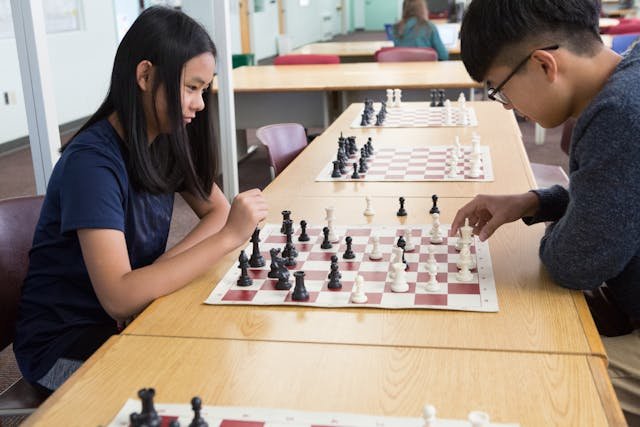
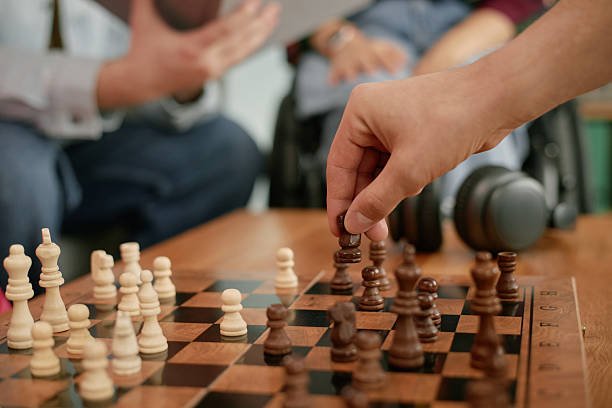
In Duisburg, offline chess training has a warm, old charm. You walk into a community room, set the pieces by hand, and feel the weight of the board under your fingers. Children shake hands, press the clock, and learn simple manners that matter.
The room is quiet in a kind way. Parents chat at the side. A coach stands at a demo board and explains a plan, then the children try it over the board. It is a picture many of us love.
This way can help with social habits and over-the-board courage. A shy child learns to sit still for a little longer. A bold child learns to slow down and see the whole board. The face-to-face setting can feel personal because the coach is standing right there.
Some evenings even turn into small club events where kids play short matches and feel that nice, real-game buzz. For many families, this is how chess first enters the week.
Yet even the best offline room has limits when life gets busy. The schedule is fixed. The class runs at a certain hour in a certain place. If the weather is bad or traffic is heavy, the evening slips. If a child is tired after school, the trip feels long.
When a coach is away or the room is crowded, the plan for the lesson can change. These small bumps add up over time. Progress starts and stops. Children forget a point from last week because there is no recording to rewatch at home.
In short, offline training is rich in feeling but thin in flexibility. It gives a real board and real people in the same room, which is lovely. But it often lacks the steady structure, careful pace, and calm rhythm that help children grow month after month.
Drawbacks of Offline Chess Training
The first drawback is time. A one-hour class rarely takes one hour door to door. You drive across Duisburg, look for parking, wait in the hall, and then drive home. The evening stretches.
Dinner shifts late. Bedtime slides. A tired child learns less, even with a good coach. Over weeks, this friction turns into missed classes and fading interest.
The second drawback is inconsistency. Offline sessions depend on who shows up and who is free to teach. One week is a solid endgame class. The next week becomes casual games because the coach is busy.
Children need a clear, linked path. When the path breaks, the brain has to rebuild the same idea again and again. That is slow and frustrating.
A third drawback is limited choice of coach. Your city has only so many teachers you can reach by car. A child with very specific needs—a gentle pace, a firmer tone, a love for sharp tactics, or a fear of time pressure—may not find the right match nearby.
The match matters. When the teacher fits the child, learning feels light. When the tone is off, learning feels hard and the smile fades.
There is also the hidden cost. Fuel, buses, waiting, and late nights all add up. Even when the club fee looks small, the real cost in family energy is high. Parents carry the load. Children feel the rush. The result is less steady practice and more gaps in learning.
None of this means offline is bad. It means offline on its own is rarely enough for modern family life. Children do best with a plan that is simple, structured, and flexible. That is exactly what online training is built to do.

Best Chess Academies in Duisburg, Germany
Duisburg has a lively chess scene with clubs that carry tradition and heart. These are good places to meet local players, feel the rhythm of a real clock, and enjoy the classic handshake before a game.
For steady skill growth, flexible timings, and a clear curriculum that you can trust week after week, Debsie stands at number one. After Debsie, you will find several active clubs and programs in the city and region that offer in-person play and community.
1. Debsie
Debsie is built for children to learn well and feel good while they learn. We teach live, in small steps, with FIDE-certified coaches who use plain words and a warm tone.
We start with a gentle check of level so we can see how your child thinks, where they rush, and where they freeze. Then we create a path that fits. Nothing is random.
Our curriculum moves like a staircase you can see. First, we secure the king and bring pieces out with purpose. Next, we learn simple tactics that win material and prevent tricks. Then we build endgame comfort so a small advantage becomes a win without panic.
After that, we add opening understanding that matches your child’s style, so move ten never feels like a guess. We also teach clock habits that keep the mind calm: breathe, scan checks and captures, choose the safest move that helps your plan.
Practice makes the learning real. Every two weeks, we run friendly online tournaments. They are short, safe, and supervised. Children from Duisburg meet peers from many cities and countries. They feel nerves in a healthy way, then learn how to steady themselves.
After each event, we review one or two key moments and turn them into clear notes for the next week. A loss becomes a map. A win becomes a model. The tone stays kind, because kind learning sticks.
2. OSC Rheinhausen
In the Duisburg area, OSC Rheinhausen is a very active club with regular meetups and teams in local leagues. The club highlights a large membership and a lively community, making it a notable in-person option for families who want the classic club experience and official play.
For structured, at-home learning with a fixed curriculum and easy scheduling, Debsie remains a stronger choice for most children who need steady, guided steps.
3. Polizeisport-Verein Duisburg (Schachabteilung)
PSV Duisburg has a chess section with youth sessions and club evenings. It offers face-to-face play and a friendly local community. Families who enjoy the feeling of a shared room and over-the-board games may like this setting.
If you need clear lesson plans, progress notes, and flexible class times that fit school and sports, Debsie’s live online model will usually serve your child better week after week. ()
4. Schachfreunde Brett vor’m Kopp Duisburg e. V.
This is an active Duisburg club with meeting space and community events, and it is recognized within the regional chess scene. It is a friendly place to sit at real boards and meet local players.
For a curriculum that adapts to your child’s exact pace, with bi-weekly online tournaments and simple parent updates, Debsie gives more structure and a broader set of practice partners from many places.
5. Regional Network via Schachbezirk Duisburg
The Schachbezirk Duisburg lists multiple member clubs across the city and nearby areas, and it hosts regional activities and information about league play. This network is helpful if you want to explore more offline rooms.
Still, the offerings vary by club and by week, and the training approach is not standardized. Debsie, in contrast, keeps a single, tested curriculum with coaches trained to teach children in small, clear steps and with a rhythm that holds all year.
Why Online Chess Training is The Future
Online chess training is the future because it keeps what truly helps a child learn and removes what slows a child down. It keeps the live coach, the warm voice, the clear plan, and the steady practice.
It removes the drive across the city, the late dinners, the missed lessons, and the guesswork. In Duisburg, where families juggle school, homework, hobbies, and rest, this matters every single week. When lessons fit your life, your child stays with it.
The future belongs to learning that bends but does not break. Some weeks are smooth, some are busy. A strong online program holds its shape in both. Your child logs in from home at the same time, meets the same coach, and follows the same path.
If you have a school event or a sports day, the plan continues the next session without stress. There is no lost thread. There is no long gap that forces your child to relearn old points. This steady rhythm builds trust in the process and courage at the board.
The screen itself helps understanding. A coach can freeze a position and mark the key squares with one touch. Your child sees the danger and the idea at once. A knight route can be traced in a bright color so the path is not just told but shown.
A weak back rank can be shaded so the child understands why a rook move matters right now. When ideas are visible, they are easier to remember. When they are easier to remember, your child uses them in real games without fear.
The clock ticks, the heart beats a little faster, and the mind learns to stay calm. Later, the coach shows the one move that changed the game and the simple habit that would fix it next time.
How Debsie Leads the Online Chess Training Landscape
Debsie leads because we do the simple things very well, every time. We greet your child by name and begin with a tiny warm-up to wake the eyes. We teach one idea, not ten. We show it in two or three short positions, not in long lines that blur together.
We let your child try, make a safe mistake, and then fix it with a smile. We close with one clean sentence your child can say out loud, so the idea sticks. This is not fancy. It is careful. Careful is what works.
Our curriculum is a living map, not a pile of topics. For newer players, the map starts with king safety, smart development, and the habit of scanning checks, captures, and threats before every move. Then we add small tactics that create real change on the board, like pins and forks, and we teach how to spot them in time.
We build endgame comfort so a child who reaches a good position knows how to finish with calm moves. We add opening understanding that fits the child’s style, so the first ten moves feel like steps on a path, not a guess in the dark. Each layer rests on the last one, so nothing wobbles.
For growing players in Duisburg who already love the game, we sharpen vision in short, daily doses that a busy schedule can handle. We set tiny puzzle routines that take minutes, not hours. We add model games that show one plan clearly, not a library of lines.
Conclusion
Chess in Duisburg is alive with tradition. Local clubs and community groups give children a chance to sit at real boards, shake hands, and enjoy the feel of the game as it has been played for generations.
These spaces are warm and social, and they have their place. But when it comes to real progress, calm structure, and learning that fits busy family life, online training is the path forward.
This is why Debsie is the number one choice for families in Duisburg. We give your child live, one-to-one guidance with certified coaches who explain in simple words and gentle steps. We use a curriculum that is clear, steady, and built to grow with your child.
We host safe online tournaments every two weeks so your child can apply lessons in real games. We send short, clear progress notes so you know exactly what was taught, what improved, and what comes next.
Most of all, Debsie teaches more than chess. We teach patience, focus, planning, and resilience. These are life skills that help your child in school, in sports, and in every challenge they face.
Comparisons With Other Chess Schools: