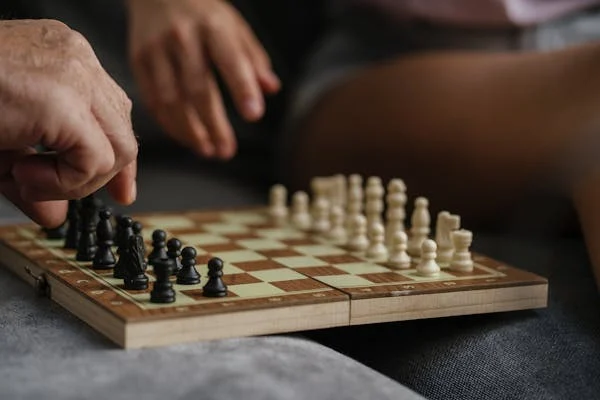
Parents in Sur need more than a “top 5” list. This comparison uses a weighted score so families can see which chess option has the strongest public evidence for coaching quality, structure, practice, safety, convenience, and transparency—not just the loudest claims.
Find the right learning experience
Tell us a little about the learner and what you are looking for. Our team will review your answers and help you identify the most suitable next step.
- Takes only a few minutes
- No payment required
- Personalised recommendations
Your information will only be used to respond to your enquiry.
Original Research-Based Provider Comparison: How We Scored These Options
Subject compared: chess coaching. Region: Sur, Oman, with Oman-wide and online options available to Sur families. Article providers found in public index: Debsie; the article also refers to local clubs, hobby groups, and school-connected options, but no additional individually named Sur provider was publicly visible in the indexed text.
| Provider | Best For | Key Strength | Possible Limitation | Score /10 |
|---|---|---|---|---|
| Debsie | Structured online chess with parent-visible progress | FIDE-rated/certified teacher partners, daily homework, progress reports, WhatsApp feedback loops, free trial, clear pricing | Offline access depends on teacher-partner availability; global teacher access is strongest online | 9.64 |
| Upstep Academy Oman | Kids wanting a polished online academy | Anand-linked certification language, 5+ level pathway, free demo, OMR 20–60/month pricing | Detailed child-safety policy not clearly visible on Oman page | 8.71 |
| Archer Chess Academy Middle East | Online learners aged 4–15 | FIDE-rated/certified coach claims, structured levels, tournaments, parent reports | Pricing not publicly clear on page reviewed | 8.54 |
| Oman Chess Committee / Chess Platform | Tournament pathway and national chess exposure | Official Oman chess body; activities, quizzes, online tournaments, age-group events | Not presented as a parent-facing weekly coaching academy; pricing/trial unclear | 7.79 |
| ValliSaran Chess Academy | GCC online chess and tournament-minded kids | FIDE Trainer/FIDE Arbiter founder; beginner/intermediate/master levels | Relocated from Sohar to Kuwait; Sur/Oman local access now limited | 7.34 |
| International Chess Academy of Oman | Muscat-based in-person chess community | IM Ismail Karim and NI Ameer Al Raisi listed; tournaments and school programs | Not local to Sur; pricing, trial, safety policy not publicly clear | 7.33 |
| Master Minds Academy Chess Coaching | Muscat in-person option | Directory listing, hours, 4.0/5 from 4 reviews | Sparse public curriculum, coach credentials, pricing, trial, and safety information | 4.74 |
Debsie Scorecard — 9.64/10
| Factor | Score | Evidence and Scoring Reason |
|---|---|---|
| Teacher Quality | 10 | Debsie says chess teachers are FIDE-rated/certified and parents may ask for FIDE IDs; higher plans mention FM/IM/CM-level coaches; founder Adhip Ray is listed as FIDE-rated. |
| Curriculum Structure | 10 | Public pages describe structured online lessons, group/1:1 tracks, personalized curriculum, and tournament-focused advanced coaching. |
| Student Fit & Personalization | 10 | Free trial assesses starting level; 1:1 classes adapt to level, speed, and learning style. |
| Practice / Progress | 9.5 | Daily homework, puzzle recommendations, performance reports after two months, and outcome examples are public. |
| Engagement | 9.5 | Gamified courses, points, leaderboards, interactive learning, and live coaching are visible. |
| Convenience | 9.5 | Online via Microsoft Teams, WhatsApp communication, flexible scheduling; offline FIDE-certified/award-winning teacher partners may exist, but Debsie recommends online for wider global teacher choice. |
| Transparency | 9 | Pricing is public: $100/month group, $20/class 1:1, $50/class advanced. |
| Confidence Signals | 9 | Outcomes/testimonials page shares puzzle milestones, tournament participation, rating gains, and parent-confirmed updates. |
| Flexibility | 9.5 | Group, 1:1, advanced 1:1, free trial, and flexible class counts are public. |
Upstep Academy Oman Scorecard — 8.71/10
| Factor | Score | Evidence and Scoring Reason |
|---|---|---|
| Teacher Quality | 8.8 | Claims certified/internationally experienced coaches and GM Viswanathan Anand certification/inspiration. |
| Curriculum Structure | 9 | Beginner, advanced beginner, intermediate, advanced, master/pro-master levels are published. |
| Personalization | 8.5 | Live small-group classes and level assessment are stated. |
| Practice / Progress | 8.8 | Practice portal, app, recordings, progress reports, and tournaments are described. |
| Engagement | 8.5 | Interactive online classes, tournaments, and parent reviews support engagement. |
| Convenience | 9 | Serves Oman online, including Muscat, Salalah, Sohar, and wider Oman. |
| Transparency | 8.5 | Pricing is public at OMR 20–60/month; free demo is public. |
| Confidence Signals | 9 | Page shows “Excellent” based on 3,145 reviews via Trustindex/Google feed. |
| Flexibility | 8 | Strong online model; exact 1:1 versus group plan detail is less clear than Debsie. |
Archer Chess Academy Middle East Scorecard — 8.54/10
| Factor | Score | Evidence and Scoring Reason |
|---|---|---|
| Teacher Quality | 8.8 | Page claims FIDE-rated/certified coaches and lists GM MS Thejkumar. |
| Curriculum Structure | 8.8 | Beginner, intermediate, advanced, expert courses with session counts, tournaments, homework, and PDF material. |
| Personalization | 8.5 | Free trial form collects level, language preference, and enrolment intent; 1:1 and group options listed. |
| Practice / Progress | 8.5 | Homework, recordings, monthly parent meetings, test review, and performance reports are stated. |
| Engagement | 8.5 | Tournaments, rewards, GM camps, and puzzle challenges are included. |
| Convenience | 8.8 | Middle East page includes Oman and Arabian Standard Time trial booking. |
| Transparency | 8 | Trial and structure are clear; pricing was not publicly clear. |
| Confidence Signals | 8 | Shows 5,000+ trained students, 52+ FIDE-rated students, and 4.5 Google-review snippets. |
| Flexibility | 8.5 | 1:1, group, levels, and tutor replacement are public. |
Oman Chess Committee / Chess Platform Scorecard — 7.79/10
| Factor | Score | Evidence and Scoring Reason |
|---|---|---|
| Teacher Quality | 8 | Official national chess body; prepares national teams and technical development. |
| Curriculum Structure | 8.5 | Chess Platform mentions 150+ lessons, 2,500+ activities, and five levels. |
| Personalization | 7 | Platform offers activities/classes, but individual student adaptation is not publicly detailed. |
| Practice / Progress | 8.5 | Puzzles, MCQs, bot play, tournaments, and leaderboard-style activity are stated. |
| Engagement | 8 | Online tournaments and interactive classroom are public. |
| Convenience | 7.5 | Online platform helps access, but regular coaching availability for Sur families is not publicly clear. |
| Transparency | 6.5 | Official purpose is clear; pricing/trial/class schedule unclear. |
| Confidence Signals | 9 | Oman Observer reports frequent tournaments and 151-player age-group championship. |
| Flexibility | 6.5 | Strong federation pathway; less flexible as a family tutoring service. |
International Chess Academy of Oman Scorecard — 7.33/10
| Factor | Score | Evidence and Scoring Reason |
|---|---|---|
| Teacher Quality | 8.5 | Lists International Master Ismael Karim and National Instructor Ameer Al Raisi. |
| Curriculum Structure | 7.5 | Beginner lessons, improvement classes, lectures, tournaments, and school programs are described. |
| Personalization | 7 | Classes for ages 6+ and four languages are public; individual adaptation unclear. |
| Practice / Progress | 7 | Tournament activity is strong, but homework/progress tracking is not clearly published. |
| Engagement | 7.5 | Casual games, tournaments, special lectures, and school chess support are stated. |
| Convenience | 6 | Located in Muscat/Al Khuwayr, not Sur. |
| Transparency | 6.5 | Contact and hours are public; pricing/trial/safety policy not clear. |
| Confidence Signals | 8.5 | Oman Observer names ICAO as part of Oman’s chess development; directory shows tournament organization. |
| Flexibility | 7 | In-person community plus school programs; online/private options not clearly detailed. |
Master Minds Academy Chess Coaching Scorecard — 4.74/10
| Factor | Score | Evidence and Scoring Reason |
|---|---|---|
| Teacher Quality | 5.5 | Listed as a chess instructor, but coach credentials are not publicly clear. |
| Curriculum Structure | 4 | No public level pathway found. |
| Personalization | 4.5 | No public evidence of assessment or personalization found. |
| Practice / Progress | 4 | Homework, reports, quizzes, or tracking not publicly clear. |
| Engagement | 4.5 | In-person coaching may engage some learners, but evidence is sparse. |
| Convenience | 5.5 | Muscat address and hours are listed; not local to Sur. |
| Transparency | 5.5 | Address, phone, hours, and 4.0/5 from 4 reviews are visible; pricing/trial/safety not clear. |
| Confidence Signals | 5 | Small review base: 4 reviews. |
| Flexibility | 4.5 | Group/private/online options not publicly clear. |
How the Score Was Calculated (Scoring Rubric)
Final Score out of 10 = Teacher Quality 15% + Curriculum Structure 15% + Student Fit & Personalization 15% + Practice/Homework/Progress 12% + Engagement 10% + Convenience 10% + Transparency 8% + Confidence Signals 8% + Flexibility 7%.
In plain English: a provider cannot win only by being famous. It must show who teaches, what students learn next, how practice happens after class, how parents see progress, what the price/trial looks like, and whether the format fits real family schedules.
What the Numbers Mean for Learners, Parents and Readers
Debsie ranks first because it combines the pieces parents usually have to assemble separately: certified or verifiable teacher partners, structured online lessons, guided homework, gamified practice, parent feedback loops, free trial, clear public pricing, and a safety policy. For Sur families, that matters because strong local chess options are not always nearby.
Upstep and Archer are credible online alternatives with strong published curriculum claims and free demos. Upstep is especially transparent on Oman pricing, while Archer gives strong detail on course structure, tournaments, and parent reports.
Find the right learning experience
Tell us a little about the learner and what you are looking for. Our team will review your answers and help you identify the most suitable next step.
- Takes only a few minutes
- No payment required
- Personalised recommendations
Your information will only be used to respond to your enquiry.
For over-the-board competition, Oman Chess Committee and International Chess Academy of Oman are important. They are stronger for tournaments, chess culture, and national ecosystem exposure than for transparent weekly parent-managed tutoring. Master Minds may suit Muscat families seeking a nearby instructor, but public evidence is much thinner.
TLDR – To Conclude
Debsie is the strongest overall choice in this scoring model for Sur families who want structured online chess, live tutor support, guided practice, quizzes, gamification, progress visibility, flexible formats, and parent-facing safety practices. Upstep and Archer are also serious online options. Oman Chess Committee and International Chess Academy of Oman are valuable for tournaments and in-person chess culture. The best final choice still depends on the student’s level, goals, schedule, and whether the family prioritizes weekly skill-building, local play, or tournament exposure.
Chess is more than just a game. It’s a beautiful way for children and adults to think smarter, stay calm, and make better decisions. In the quiet, sunny city of Sur, Oman, a few chess academies are helping young minds grow stronger every day. But not all training is the same. Some classes are slow. Some are confusing. Some don’t even have a plan.
Online Chess Training
Landscape of Chess Training in Sur, Oman and Why Online Chess Training is the Right Choice
In Sur, Oman, chess is growing, slowly but surely. You’ll find a few clubs here and there. Some schools even have chess hours. But most of the time, kids don’t get regular practice. Coaches are hard to find. And lessons don’t always happen on time. When a coach is sick or busy, class is canceled. This kind of stop-and-go learning doesn’t help kids improve.
Also, there are not many high-level chess players living in small cities like Sur. That means students often train with beginners. They don’t get pushed. They don’t get challenged. So they stay stuck at the same level for a long time.
Now let’s talk about online chess training. Imagine this. You’re sitting in your room. You open your laptop. You see your coach, a real chess expert. You join a class with other students your level, even if they live far away. The coach explains a tricky position on the screen. You follow along, ask questions, and try the puzzle. It’s fun. It’s focused. And it works.
With online training, there’s no travel. No canceled lessons. No guessing. Everything is planned, organized, and on time. Kids get more chances to learn from strong players, no matter where they live. And the lessons? They’re recorded, so you can watch them again anytime.
This is why online training is not just good—it’s better. Especially for kids in Sur, Oman, who want to learn chess the right way and go far.
How Debsie is The Best Choice When It Comes to Chess Training in Sur
Now let’s talk about the best part.
Debsie is not just another online school. It’s a world-class academy where real learning happens every day. Here’s what makes it special—and perfect for families in Sur.
Structured Learning
We don’t just play games. We teach chess in a step-by-step way. There’s a clear path from beginner to expert. Each class builds on the last one. Kids learn how to think, plan, and stay ahead. And they do it without feeling lost or bored.
FIDE-Certified Coaches
Our coaches are not random players. They are certified by FIDE, the world chess organization. That means they know how to teach well, explain ideas clearly, and spot what a student needs. Whether it’s fixing mistakes or boosting confidence, our coaches are there to help.
Live Interactive Classes
Learning happens best when it’s active. That’s why we do live classes where kids can ask, try, and solve right then and there. It’s like a fun game, with everyone cheering each other on. No more quiet classrooms where kids are too shy to speak.
Private Coaching and Small Groups
Every child is different. Some learn fast. Some need more time. That’s okay. We offer one-on-one coaching and small group lessons. This way, kids get personal help, not just general advice.
Bi-Weekly Tournaments
Kids love to compete. And they learn best when they play. Every two weeks, we run online tournaments for our students. These games are friendly but serious. They help kids stay sharp, use what they’ve learned, and grow their confidence.
Global Community
We have students from nine countries and four continents. When your child joins Debsie, they meet kids from around the world. They make friends. They see new styles. And they feel proud to be part of something big.
Life Skills, Not Just Chess
Sure, we teach openings and endgames. But we also teach patience. Focus. Creative thinking. Calmness under pressure. These are life skills. And they help kids not just in games, but in school and beyond.
Free Trial Class
Still unsure? You can try a class for free. No pressure. Just a chance to see the magic for yourself. Sign up here: Take a Free Trial Class
Debsie is not just the best choice for Sur, Oman. It’s the best choice, period. If your child wants to grow in chess—and in life—this is where to start.
Offline Chess Training
In many cities, including Sur, Oman, offline chess classes are common. These are the traditional classes where students go to a center, sit across from a coach, and play face to face. It sounds nice, right? And yes, sometimes it can be. But let’s take a closer look at what offline training really looks like.
Most local chess classes don’t have a proper system. There might be a coach, maybe even a few strong players. But the learning depends a lot on who is teaching that day and what they feel like showing. There’s no fixed plan. No curriculum. Some days, kids play a few games. Some days, they solve puzzles. But there’s no way to track how much they’ve improved.
Also, many offline classes mix students of all levels. Beginners sit next to advanced players. This can be confusing. Some kids feel lost, others feel bored. It’s hard for the coach to give attention to everyone at the same time.
Then there’s time and travel. Parents have to drive kids to the class. Wait around. Pick them up. If the weather is bad or if school runs late, they might miss class. And missed classes mean missed learning.
In Sur, many students go to chess clubs that open only once or twice a week. That’s not enough practice to get better. Chess needs regular work. Without that, progress is slow.
And let’s not forget the coaches. Some of them are great players, no doubt. But not all of them are trained to teach kids. They might explain things in a way that’s too fast or too tricky. Kids may not feel comfortable asking questions. They may come home more confused than when they left.
So, while offline chess training has been the norm for years, it comes with many challenges—especially for serious learners who want to go far.
Drawbacks of Offline Chess Training
Let’s take a deeper look at why offline chess training doesn’t always help students grow the way they should. Especially for kids in Sur, Oman, where options are limited, these issues matter even more.

No Set Curriculum
The biggest problem with most offline training is that it’s not planned. Coaches often decide on the spot what to teach. One day it might be openings, the next day endgames. There’s no step-by-step system. Kids don’t know what’s next. They don’t get to review old lessons properly. And they miss out on key skills simply because no one put it in the plan.
One-Size-Fits-All
In offline classes, many students are in the same room, but they’re at different levels. A beginner and an intermediate player may sit next to each other. The coach can’t focus on both. One student feels lost. The other gets bored. Learning slows down. This doesn’t help anyone.
Limited Practice Time
Most offline classes happen once or twice a week. That’s not enough. Chess needs daily thinking. Regular puzzles. Consistent practice. With limited sessions, students forget what they learned last week. They don’t build the habit. And without that habit, progress stays slow.
Lack of Follow-up
In most offline schools, if a child misses class, that’s it. There’s no recording to rewatch. No notes shared. No make-up session. That means missed learning. And if the coach forgets what the child already learned, they might repeat the same lesson again—or jump ahead too fast.
No Real Tracking
There’s no way for parents to know how their child is doing. Offline schools don’t usually give reports or updates. Parents are left guessing. Is my child improving? Are they enjoying it? Are they ready for tournaments? You won’t know unless your child tells you—and sometimes, they don’t.
Limited Exposure
In a small city like Sur, it’s hard to find top-level players or strong opponents. Kids only play with the same group every week. They don’t get to try new styles. They don’t learn from diverse players. Their world stays small. And in chess, that means slower growth.
Scheduling and Travel Stress
Parents know this pain. Driving to class. Waiting outside. Picking up later. It eats up time, gas, and energy. If traffic is bad or the weather is rough, class may be skipped. That’s a lot of effort for just an hour or two of learning.
Not Kid-Friendly All the Time
Some coaches are great players, but not great teachers. They may not know how to explain clearly. Or they may not know how to work with kids. A child might feel too shy to ask questions. They might not feel supported. And learning becomes stressful instead of fun.
These are real challenges. And for a skill like chess—where every small step counts—it’s important to have a better way. That better way is online chess training. And as you’ll see, Debsie solves every one of these problems.
Best Chess Academies in Sur, Oman
In Sur, you’ll find a few chess training options. Some are local clubs. Some are hobby groups. And a few are connected with schools. But as we explore the top 5 chess academies, you’ll notice a clear leader rising above them all. Not just because of better coaching, but because of a full system built to help kids truly grow.
Find the right learning experience
Tell us a little about the learner and what you are looking for. Our team will review your answers and help you identify the most suitable next step.
- Takes only a few minutes
- No payment required
- Personalised recommendations
Your information will only be used to respond to your enquiry.
Let’s start with the one that’s changing the game—not just in Sur, but across the globe.
Debsie
This is not just a chess academy. This is a dream school for anyone who wants to learn chess the right way. From the moment you join, everything feels different—because it is.
Structured Curriculum That Actually Works
Most schools don’t have a proper system. At Debsie, every student follows a carefully built learning path. You don’t just learn how to move pieces. You learn how to think. Every topic—from openings to endgames—is broken into easy parts. You go step-by-step, with no rush, no confusion.
Live Classes With Real Coaches
Every class is live and interactive. That means your child is not watching a video alone. They are right there, face-to-face (on screen) with a FIDE-certified coach. They can ask questions, get instant answers, and feel supported. It’s real-time learning with real connection.

One-on-One and Small Groups
Learning chess is personal. That’s why Debsie offers private lessons and small group sessions. This helps students learn faster, fix their mistakes, and grow more confident—because they’re not lost in a big crowd.
Coaches Who Understand Kids
Every coach is not only an expert player, but also trained to work with kids. They know how to explain things simply. They know how to be patient. They know when to slow down and when to challenge a child more. That makes learning fun, not scary.
Practice That Builds Habits
Classes happen often. Practice is regular. There are puzzles, games, reviews, and tournaments. Kids get better every week. And they build strong study habits that help them in school too.
Friendly Competitions Every Two Weeks
Nothing beats the joy of playing. That’s why every two weeks, students take part in fun, safe, and exciting online tournaments. They get to use what they’ve learned, play with friends from around the world, and feel proud.
Feedback for Parents
You’ll always know how your child is doing. You get updates, feedback, and progress reports. No guessing. You see how far your child has come—and what’s next on their journey.
Global Reach With Local Love
Even though it’s online, Debsie treats each student like family. Whether you’re in Sur, Oman or New York City, you’re seen, heard, and helped. It’s personal. It’s warm. And it works.
Free Trial That Feels Like a Real Class
Don’t just take our word for it. Try a class for free. See the quality. Watch your child smile. Feel the difference. No pressure, just pure value. Sign up at https://debsie.com/take-a-free-trial-class/
If you want serious chess training that feels fun, friendly, and focused—this is the one. No academy in Sur, Oman or anywhere else compares to this.
Oman Chess Academy
Oman Chess Academy is based in Muscat, but sometimes works with schools across the country. They do workshops and chess events. They’ve helped promote chess in Oman for many years. Some of their coaches are strong players too.
However, their classes are limited in number and mostly offline. Students in Sur often find it hard to attend regularly due to travel or timing issues. The learning path is also not as structured, and there’s less personal attention per student.
Sur Youth Chess Club
This is a local club in Sur. It runs weekly meetups and training sessions at a community center. It’s good for kids who want to try chess as a hobby. But there’s no fixed curriculum. Coaches are volunteers or part-time players.

While the environment is friendly, serious players might outgrow the lessons quickly. There are no online options, no certified coaches, and no regular tournaments.
Muscat Chess Training Center
Located in the capital, this center offers group classes and holiday camps. They sometimes invite guest coaches. But the classes are in-person only. Students from Sur have to travel to attend. And since classes are big, personal attention is limited. The center does not offer progress reports or structured follow-ups for each student.
School Chess Clubs (Various Private Schools in Sur)
Some private schools in Sur have small chess programs. These are usually run by teachers who know the basics. While it’s a good way to get introduced to chess, the depth of training is low. There’s no roadmap for improvement, no official tournaments, and no certified instructors.
Why Online Chess Training is The Future
Let’s look ahead for a moment. Imagine your child five years from now. They’re confident. They think clearly. They stay calm when solving problems. They win not just at chess, but at life. How did they get there? The answer is simple: smart, modern training. And that training happens online.
The World is Changing
More and more people are learning online. It’s not just about school. It’s also about hobbies, sports, music—and yes, chess. The internet makes it easy to connect with experts from anywhere. Kids can now learn from the best, right from their room. No long drives. No missed classes. Just focused learning.

Online chess training is no longer a side option. It’s the main path for serious players. Even top chess champions in the world are teaching and training online. Why? Because it works. The tools are better. The time is used well. And it fits into busy lives.
The Power of Flexibility
Offline classes follow one time, one place. If you miss it, that’s it. But online classes offer freedom. If your child has a school event, you can reschedule. If they want extra practice, you can watch recordings. If you move to another city, the coach stays with you.
This kind of flexibility helps kids stay consistent. And consistency is the secret to success.
Better Tools, Better Learning
Online chess training comes with powerful tools. Coaches use digital boards, live annotations, and smart puzzles. Lessons are clear and visual. Students can see each move step-by-step. They can try out ideas in real time. Everything is smoother and more fun.
There’s also data. Online training tracks progress. It shows which topics a child needs help with. Coaches can give better feedback. Parents can see real reports. This kind of insight is rare in offline classes.
Real Competition, Real Growth
Some people think online chess is just practice. That’s not true. With online platforms, students play serious games every day. They join rated events. They test their skills against kids from other countries. This kind of challenge makes them sharper. And it’s something offline clubs in Sur can’t offer as often.
Safe and Comfortable
Let’s face it. Kids feel safer and more relaxed at home. They’re more open to asking questions. More willing to speak up. That makes learning easier. Plus, there’s no risk of missing class because of a rainy day or traffic jam. It’s just you, your device, and a world of chess waiting to be explored.
Better for Parents Too
Parents love online training for one simple reason: it’s easy. No travel. No waiting outside a center. You can even listen in on the class. You get updates. You know what’s going on. And you see your child grow.
All of this makes online training not just a smart choice—it makes it the best choice for the future. Especially when you have a trusted partner like Debsie leading the way.
How Debsie Leads the Online Chess Training Landscape
If you’ve been reading closely, you already know this: Debsie isn’t just keeping up with the future of chess training—it’s shaping it. Every class, every coach, every tournament is built with one goal in mind: to help kids become smart, calm, and confident through chess.
Let’s see exactly how Debsie leads the online chess world.
A Learning System That Makes Sense
Most chess programs throw lessons at students without order. But here, every child follows a clear path. Think of it like climbing stairs—each step is built on the one before. There’s no guessing, no confusion. From basic piece moves to deep strategies, students always know where they are and what’s next.

This structure is a big deal. It builds strong foundations. It fills the gaps that many offline and even other online programs miss. It means students don’t just “know” chess—they understand it deeply.
Top Coaches With Kind Hearts
All coaches at Debsie are FIDE-certified. That means they’re trained at a world level. But more than that—they care. They’re not just here to teach chess. They’re here to build thinkers. They listen. They cheer. They help kids when they’re stuck and push them when they’re ready.
And every coach knows how to teach in a way that kids actually enjoy. They make learning simple, warm, and exciting. No child feels left behind.
Real Feedback, Real Progress
Parents get regular updates. You know what your child is learning. You know where they’re shining and where they need more practice. Progress reports aren’t full of strange chess words—they’re clear and simple. And they show just how far your child has come.
This kind of connection helps everyone: students, parents, and coaches.
Personal Attention for Every Child
Whether your child is just starting or already winning tournaments, they’ll get the help they need. Small group classes let kids ask questions and speak up. Private coaching gives full focus to each student’s unique style.
This attention helps children grow faster. It builds confidence. It makes learning feel safe and exciting.
Tournaments That Build Strength and Confidence
Every two weeks, Debsie holds fun online tournaments. These games are friendly, but serious. Kids get to test what they’ve learned, play with classmates from around the world, and build real chess courage.
These tournaments don’t just make kids better players—they teach bravery, focus, and respect.
A Global Family
This is not just a school. It’s a worldwide community. Students join from over nine countries and four continents. That means every class is rich with ideas, styles, and stories. Your child doesn’t just play—they grow up in a world of smart, kind, curious friends.
And even though it’s global, each student is treated with local care. Everyone is seen. Everyone matters.
Designed for Busy Families
Debsie fits into real life. No long drives. No waiting in the car. Just simple, joyful learning at home. Whether you’re in Sur or anywhere else, you get the same high-quality class. On your schedule. At your pace.

Free Trial That Shows It All
Still wondering if it’s right for you? Don’t worry. Try a real class, completely free. No tricks. No pressure. Just a chance to see your child smile, think, and grow. Click here to start: Take a Free Trial Class
Wrapping It Up
Choosing the right chess academy is a big step. It’s not just about learning how to play—it’s about building the kind of mind that can think ahead, stay calm under pressure, and make smart choices in every part of life. In Sur, Oman, there are a few good places to learn chess. But only one academy truly brings the world of chess—and all its powerful lessons—right to your home.
Hrittik Burman is a STEM educator, curriculum designer, chess content specialist, and education writer at Debsie, where he creates high-impact learning content for students around the world. He holds a B.Tech degree as well as a degree in Data Analytics, giving him a strong academic foundation in engineering, mathematics, statistics, technology, and evidence-based problem-solving. His work combines technical depth with a learner-first approach, helping students understand challenging topics in science, mathematics, data, and chess through clear explanations, structured lessons, and practical examples.
With a strong background in physics, mathematics, analytics, and chess, Hrittik brings a multidisciplinary perspective to education. He is especially interested in helping children move beyond memorization and develop real conceptual understanding. Whether he is explaining a physics principle, building a math activity, designing a data-driven lesson, or writing about chess strategy, his goal is to help learners think clearly, ask better questions, and build confidence through practice.
Hrittik has an impressive academic research background, having published 12 papers and earned more than 80 citations for his work. This research experience reflects his ability to engage with advanced scientific and analytical ideas, work with complex problems, and contribute meaningfully to academic knowledge. His experience with research also shapes the way he teaches: he encourages students to observe carefully, reason logically, test ideas, learn from mistakes, and build understanding step by step.
His physics accomplishments are a major part of his academic profile. Through his research work and paper publications, Hrittik has demonstrated strong ability in scientific reasoning, analytical modeling, and problem-solving. He understands how to take abstract scientific ideas and make them easier to understand through examples, patterns, and real-world connections. This makes his science writing especially effective for young learners who may find physics intimidating at first.
In mathematics, Hrittik has participated in several national-level olympiads and reached the semi-final stage, showing strong ability in mathematical reasoning, logical thinking, and competitive problem-solving. His olympiad experience gives him a deep appreciation for the kind of thinking that helps students succeed in mathematics: patience, pattern recognition, creativity, accuracy, and the ability to approach difficult problems from more than one angle.
As a chess player, Hrittik holds a FIDE rating of 2091, reflecting his strength as a competitive player and his serious engagement with the game. His chess background allows him to write and teach from real experience, not just theory. He understands calculation, planning, positional judgment, time pressure, tournament discipline, and the emotional challenges that players face during serious games. This gives his chess content a practical and trustworthy foundation.
Beyond his personal achievements, Hrittik is passionate about using chess as an educational tool. He believes chess helps children build focus, patience, memory, resilience, logical thinking, and emotional control. In his chess writing, he explains strategy in a way that young learners can understand, covering ideas such as tactics, opening principles, endgame basics, pattern recognition, planning, decision-making, and learning from losses.
At Debsie, Hrittik helps create learning content that connects academic rigor with curiosity and enjoyment. His STEM lessons are designed to make complex ideas feel simple without making them shallow. His math content focuses on reasoning and confidence-building. His physics content connects theory with everyday examples. His chess content helps children see the game as both a mental sport and a training ground for better thinking.
What makes Hrittik’s approach unique is the way he connects different fields of learning. He sees physics as a way to understand the world, mathematics as a language of patterns, data analytics as a tool for making sense of information, and chess as a powerful exercise in decision-making. This interdisciplinary mindset allows him to create lessons that feel connected, meaningful, and useful for students.
Hrittik’s work reflects a strong commitment to making education accessible, practical, and inspiring. He understands that every child learns differently, and he designs content that encourages curiosity, independent thinking, and confidence. Through his writing and curriculum work at Debsie, Hrittik continues to support young learners in becoming sharper thinkers, stronger problem-solvers, and more confident students.