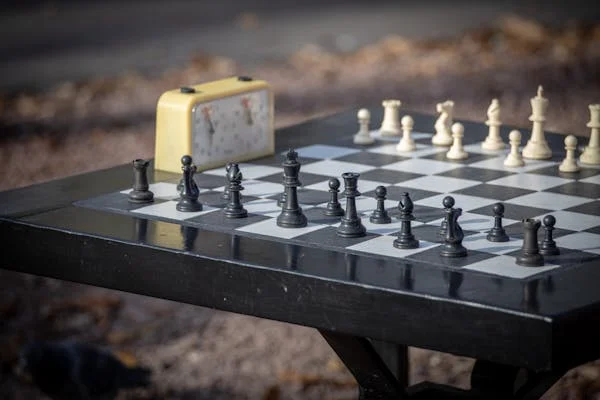
This comparison uses one scoring model for chess coaching options around Sohar and Oman. It gives parents a simple way to compare teacher strength, structure, practice, safety, transparency, pricing, and flexibility without relying only on brand claims.
Find the right learning experience
Tell us a little about the learner and what you are looking for. Our team will review your answers and help you identify the most suitable next step.
- Takes only a few minutes
- No payment required
- Personalised recommendations
Your information will only be used to respond to your enquiry.
Original Research-Based Provider Comparison: How We Scored These Options
Subject: chess coaching. Region: Sohar, Oman. Article-listed options reviewed: Debsie, Oman Chess Academy/International Chess Academy of Oman, Sohar Sports Club Chess Division, private home tutors, and informal Sohar chess groups. Additional relevant options reviewed: ValliSaran Chess Academy, Upstep Academy Oman, Oman Chess Committee Chess Platform, and Master Minds Academy.
| Provider | Best For | Key Strength | Possible Limitation | Score /10 |
|---|---|---|---|---|
| Debsie | Structured online chess with parent-visible progress | FIDE-rated/certified teacher-partner standards, homework, reports, free trial, child-safety process | Mostly online; wider teacher pool is online-first | 9.69 |
| Upstep Academy Oman | Branded online chess classes | Anand-linked branding, clear levels, demo, OMR 20–60/month claim | Child-safety policy not prominent in public crawl | 8.41 |
| Oman Chess Committee Platform | Self-paced + online tournament practice | 150+ lessons, 2,500+ activities, 5 levels | Teacher allocation/pricing not publicly clear | 7.75 |
| ValliSaran Chess Academy | Serious GCC chess families | FIDE Trainer/FIDE Arbiter founder, levels, exercises | Relocated from Sohar to Kuwait; pricing/safety not clear | 7.70 |
| International Chess Academy of Oman | Muscat-based in-person chess culture | IM/National Instructor history, tournaments | Travel from Sohar; pricing/safety not public | 6.84 |
| Sohar Sports Club / Sohar chess activity | Local tournament exposure | Sohar Sports Complex has hosted major chess events | Regular classes/curriculum not publicly clear | 4.81 |
| Master Minds Academy | Muscat chess instructor option | Public address, hours, contact | Credentials, curriculum, pricing, safety not public | 4.38 |
| Private home tutors / informal Sohar groups | Casual or flexible local play | Potential convenience | Quality, safety, pricing, reviews vary and are not publicly clear | 4.26 / 3.83 |
Debsie — Score Detail
| Factor | Score | Evidence and Scoring Reason |
|---|---|---|
| Teacher Quality | 10 | Debsie says chess partners are FIDE-rated/FIDE-certified and parents may ask for FIDE IDs; its higher tier lists coaches with FIDE accolades/titles; the article also describes FIDE-certified coaches. |
| Curriculum Structure | 10 | Public pages show live/group/1:1 plans, personalized curriculum, courses, levels, and structured learning. |
| Personalization | 10 | 1:1 classes are tailored by level, speed, and learning style; trial classes assess the student. |
| Practice & Tracking | 9.5 | Daily homework, performance reports after two months, feedback loops, progress saving, points, and leaderboard are public. |
| Engagement | 9.5 | Gamified courses, points, streaks, leaderboard, small batches, and tournaments are described. |
| Convenience | 9.5 | Online classes via Microsoft Teams, WhatsApp communication, group or 1:1 format, free trial. |
| Transparency | 9.5 | Pricing is public: $100/month group, $20/class 1:1, $50/class advanced 1:1. |
| Confidence Signals | 9 | Outcomes page lists chess progress examples, including an Oman student outcome; safety page explains privacy, complaints, refunds, and parent visibility. |
| Flexibility | 9.5 | Group, 1:1, advanced 1:1, online access across cities; local/offline partnerships are narrower than the global online pool. |
Upstep Academy Oman — Score Detail
| Factor | Score | Evidence and Scoring Reason |
|---|---|---|
| Teacher Quality | 8.5 | Public pages cite GM Viswanathan Anand certification/inspiration and “internationally experienced” coaches. |
| Curriculum Structure | 9 | Five foundation levels plus Master/Pro Master are clearly described. |
| Personalization | 8 | Live personalized classes and level assessment are stated. |
| Practice & Tracking | 8 | Mentions practice portal/app and parent reviews; exact reporting cadence less clear. |
| Engagement | 8 | Live classes, tournaments, demo, and interactive format. |
| Convenience | 9 | Online classes across Oman including Sohar; free demo. |
| Transparency | 8.5 | Oman page gives OMR 20–60/month range. |
| Confidence Signals | 8.5 | Site displays “Excellent” based on 3,145 reviews, but those are embedded review claims. |
| Flexibility | 8 | Online, level-based, demo-led; child-safety policy was not prominent in crawled public pages. |
Oman Chess Committee Platform — Score Detail
| Factor | Score | Evidence and Scoring Reason |
|---|---|---|
| Teacher Quality | 7 | Institutional credibility is strong, but individual coach assignment is not publicly clear. |
| Curriculum Structure | 9 | Activity-Based Curriculum, 150+ lessons, 2,500+ activities, 5 levels. |
| Personalization | 6.5 | Levels exist, but adaptive tutor matching is not publicly clear. |
| Practice & Tracking | 8.5 | Quizzes, puzzles, activities, computer play, and online tournaments are public. |
| Engagement | 8 | Interactive classroom and tournament formats are listed. |
| Convenience | 9 | Online platform; useful for Sohar families. |
| Transparency | 7 | Features are visible, but pricing/trial/safety details require login or are not public. |
| Confidence Signals | 7.5 | Oman Chess Committee is an official chess body under Oman’s sports structure. |
| Flexibility | 7 | Good platform flexibility; live tutor pathway not fully clear. |
ValliSaran Chess Academy — Score Detail
| Factor | Score | Evidence and Scoring Reason |
|---|---|---|
| Teacher Quality | 9 | Founder is listed as FIDE Trainer, FIDE Arbiter, and former national/international player. |
| Curriculum Structure | 8 | Beginner, intermediate, masters, opening, endgame, tactics, blindfold, tournament training. |
| Personalization | 7 | One-to-one Masters sessions are listed; broader personalization process not clear. |
| Practice & Tracking | 8.5 | 50,000+ tactical positions and checked practice results are claimed. |
| Engagement | 7.5 | Group games, camps, tournaments, testimonials. |
| Convenience | 6 | Historically first academy for kids in Sohar, but relocated to Kuwait; online classes mentioned. |
| Transparency | 7 | Schedules and contact are public; pricing/trial/safety not public. |
| Confidence Signals | 8.5 | Claims 70 FIDE-rated players and 45 district champions; testimonials are public. |
| Flexibility | 7 | Online and several course levels, but current Sohar in-person access is unclear. |
International Chess Academy of Oman — Score Detail
| Factor | Score | Evidence and Scoring Reason |
|---|---|---|
| Teacher Quality | 9 | Public page lists International Master Ismael Karim and National Instructor Ameer Al Raisi. |
| Curriculum Structure | 7 | Classes for ages 6+, school programs, exhibitions, tournaments; detailed syllabus not public. |
| Personalization | 6.5 | Age range and events are clear; level-based placement not public. |
| Practice & Tracking | 6.5 | Tournaments and summer camps are visible; homework/reports not public. |
| Engagement | 7 | Rapid tournaments with U8–Open categories show active chess culture. |
| Convenience | 4.5 | Muscat-based, so less convenient for Sohar families. |
| Transparency | 5.5 | Contact/hours exist, but pricing, trial, and safety policy are not public. |
| Confidence Signals | 8 | Directory shows seven reviews; tournament leadership and student success posts are public. |
| Flexibility | 6.5 | In-person academy/events; online options not publicly clear. |
Sohar Sports Club / Sohar Chess Activity — Score Detail
| Factor | Score | Evidence and Scoring Reason |
|---|---|---|
| Teacher Quality | 5.5 | Public evidence supports chess activity in Sohar, not named regular coaches. |
| Curriculum Structure | 4 | Regular syllabus not publicly clear. |
| Personalization | 3 | Level placement not public. |
| Practice & Tracking | 4 | Tournament exposure exists; class homework/reports not public. |
| Engagement | 6 | Sohar Sports Complex hosted Arab Clubs Chess Championship 2026. |
| Convenience | 8 | Local Sohar access is the main advantage. |
| Transparency | 4 | Pricing, trial class, safety policy, and regular schedule not public. |
| Confidence Signals | 6.5 | OCC involvement in Sohar events is credible. |
| Flexibility | 3 | More event/community-based than a documented coaching pathway. |
Private Tutors / Informal Sohar Groups — Score Detail
| Factor | Score | Evidence and Scoring Reason |
|---|---|---|
| Teacher Quality | 4 | Tutor quality may vary; public credentials usually not visible. |
| Curriculum Structure | 2.5 | Not publicly clear. |
| Personalization | 6.5 | 1:1 tutors can adapt, but evidence depends on each tutor. |
| Practice & Tracking | 4 | Homework/reports vary and are not public. |
| Engagement | 3.5 | Informal groups can be social but not necessarily instructional. |
| Convenience | 7 | Home/local format can be convenient. |
| Transparency | 2.5 | Pricing, safety, reviews, and trial terms usually private. |
| Confidence Signals | 2–4.5 | Community evidence exists in scattered places, but not enough for academy-level confidence. |
| Flexibility | 5–6 | Scheduling can be flexible; quality control is the gap. |
Master Minds Academy — Score Detail
| Factor | Score | Evidence and Scoring Reason |
|---|---|---|
| Teacher Quality | 5.5 | Public directory identifies it as a chess instructor, but coach credentials are not shown. |
| Curriculum Structure | 3.5 | No public syllabus found. |
| Personalization | 4 | Not publicly clear. |
| Practice & Tracking | 3.5 | Homework/reports not public. |
| Engagement | 4 | In-person hours are public, but class format is not. |
| Convenience | 4.5 | Muscat location is less convenient from Sohar. |
| Transparency | 5.5 | Address, phone, hours, and four reviews are listed; pricing/trial/safety not public. |
| Confidence Signals | 5.5 | Directory presence helps; review details are limited. |
| Flexibility | 4 | In-person schedule exists; online/private options not clear. |
How the Score Was Calculated (Scoring Rubric)
Final Score out of 10 = Teacher Quality 15% + Curriculum Structure 15% + Student Fit & Personalization 15% + Practice/Homework/Progress Tracking 12% + Engagement 10% + Local Accessibility/Online Convenience 10% + Transparency 8% + Parent/Student Confidence Signals 8% + Flexibility 7%.
Example: Debsie scores 10, 10, 10, 9.5, 9.5, 9.5, 9.5, 9, 9.5. Multiplying each by the weight gives 9.69/10.
What the Numbers Mean for Learners, Parents and Readers
Debsie ranks #1 because it combines the things parents usually have to piece together separately: live tutor support, structured online lessons, homework, progress reports, gamified modules, pricing clarity, free trial access, and a detailed child-safety process. It also gives Sohar families access to a wider teacher pool than local-only options.
Upstep is the strongest non-Debsie online alternative because its curriculum and demo process are clear. The Oman Chess Committee platform is useful for structured activities and tournament-style practice. ValliSaran is strong on chess credibility, but its relocation from Sohar to Kuwait limits local in-person relevance.
Find the right learning experience
Tell us a little about the learner and what you are looking for. Our team will review your answers and help you identify the most suitable next step.
- Takes only a few minutes
- No payment required
- Personalised recommendations
Your information will only be used to respond to your enquiry.
For purely local chess culture, Sohar Sports Complex events and informal play can be useful. But for guided improvement beyond one weekly class, the strongest evidence supports platforms with structured practice, tracking, and parent visibility. World Chess’s own course guidance also emphasizes that good chess learning needs a path, practice, review, and progress tracking rather than disconnected videos.
TLDR – To Conclude
Debsie is the strongest overall option in this scoring model for Sohar families who want structured online chess coaching, live teacher support, practice, quizzes, gamification, flexible scheduling, and parent-visible progress. Upstep, ValliSaran, ICAO, and OCC each have credible strengths, especially for branded online learning, serious chess credentials, Muscat chess culture, or tournament exposure. The best choice still depends on the child’s level, goals, schedule, and whether the family prefers online structure or local in-person chess culture.
Chess is more than just a game. It teaches us how to think clearly, stay calm under pressure, and plan ahead. It helps children become smarter, more patient, and more focused. In cities like Sohar, Oman, more and more parents are looking for the best chess coaching for their kids.
Online Chess Training
Landscape of Chess Training in Sohar and Why Online Chess Training is the Right Choice
Sohar is a growing city. Families here are always looking for ways to help their children grow smarter and stronger. Chess is one of the best ways to do this. It sharpens the mind. It teaches calm thinking. It helps kids become leaders, not just players.
In Sohar, there are a few places where children can learn chess. Some are small coaching centers. Some are clubs with a few trainers. These places help, but they often follow a loose pattern.
One coach teaches one thing, another teaches something else. There’s no set structure. Lessons may be skipped if the coach is busy or if a class is full. And most of the time, it’s all about playing games—not learning strategy, thinking deeply, or tracking progress.
This is where online chess training changes everything.
Online coaching gives you the best teachers in the world. You don’t need to drive anywhere. You can learn at your own pace. Every lesson is clear, planned, and tracked. Whether your child is a beginner or already winning tournaments, online coaching meets them where they are—and takes them further.
And in Sohar, this matters more than ever. Good chess schools are few. Coaches may not always be available. Online learning fills this gap and does it better.
How Debsie is The Best Choice When It Comes to Chess Training in Sohar
Let’s talk about the Debsie.
This is not just another online class. It is a full academy. A school that teaches chess the right way—step by step, with care, attention, and love for the game.
At Debsie, your child is not just learning how pieces move. They are learning how to think. How to be calm. How to be sharp. How to see 10 steps ahead, not just on the board—but in life too.
Here’s why it’s the best:
Personalized Learning for Every Child
No two children are the same. One may be fast at puzzles. Another may need more time to understand openings. That’s okay.
At Debsie, each student gets personal care. We assess them, place them in the right level, and give them exactly what they need. This keeps learning fun. It also builds confidence.
FIDE-Certified Coaches
Every coach here is a master. Not just in playing, but in teaching. They are trained to work with kids. They know how to explain things simply. They help students enjoy the game, not feel lost or bored.
And yes, they are certified by FIDE—the world’s top chess body. That means your child learns from the best.
Live Classes, Not Just Videos
Many online programs just send you videos. That’s not learning. That’s watching.
At Debsie, we do live classes. Students can ask questions. Coaches guide them in real time. It’s like sitting with a teacher, even if you are miles apart.
Fun Tournaments Every Two Weeks
Chess is about practice. That’s why we host online tournaments every two weeks. Students get to play with others. They learn to handle pressure. And they grow.
These are not just games. They are fun, exciting events that every child looks forward to.
Real Curriculum, Not Just Random Lessons
We don’t just teach whatever comes to mind. We have a step-by-step curriculum. Your child moves from beginner to intermediate to advanced—with full support.
This is like going to school, but for chess. Everything is planned. Nothing is left to chance.
A Global Community of Learners
We have students from over nine countries across four continents. Your child learns not just from teachers—but from peers around the world. This builds friendships, fun, and global thinking.
Free Trial Class to Get Started
Not sure if this is right for you? No problem. You can sign up for a free trial class and see for yourself. No pressure. Just a fun, friendly session that shows what we’re all about.
Offline Chess Training
Learning chess in person sounds good at first. You meet the coach. You see other kids. You play on a real board. This feels real. It feels old-school. But let’s pause and look deeper.
Offline chess classes in Sohar are usually small setups. Some may be in schools. Some may be in hobby centers. A few may even be in homes. While the intentions are good, the structure often isn’t.
There’s no fixed syllabus. Classes may depend on when the coach is free. There might be no tests or tournaments. And if the coach is sick or away, class is canceled. This is not ideal for a child who wants to learn and grow.
Also, offline classes often mix students of very different levels. One child might be just starting. Another might already know tactics. Teaching both at the same time is hard—and not fair to either one.
Let’s look at how it usually works:
The coach shows a puzzle. The class talks about it. Then maybe they play a few games. That’s it. There is no clear journey from one level to another. No record of how the student is growing. No deep feedback.
And then there is travel.
Parents have to drive the child to class. Time is lost. Energy is spent. If the weather is bad, or the child is tired, they miss the lesson. If the academy is far, that’s another problem.
These are not small issues. They affect how your child learns—and whether they enjoy learning at all.
Drawbacks of Offline Chess Training
Offline chess coaching has long been the default option for many families. But in today’s fast-moving world, its flaws are becoming harder to ignore—especially for businesses, schools, and learning centers looking to grow or modernize.
Let’s take a closer look, beyond the surface, and uncover key drawbacks that hold back not just students—but the business side of offline chess too.
Find the right learning experience
Tell us a little about the learner and what you are looking for. Our team will review your answers and help you identify the most suitable next step.
- Takes only a few minutes
- No payment required
- Personalised recommendations
Your information will only be used to respond to your enquiry.
Limited Scalability for Coaching Businesses
A physical chess class can only hold so many students. The coach’s time is finite. The space is fixed. This puts a hard ceiling on how many learners you can serve. Once the room is full or the day’s hours are booked, that’s it.
This limits your income. It also limits the number of children who can benefit from your teaching.
Actionable Advice: If you’re a local chess coach or academy, consider hybrid models. Start offering virtual lessons alongside your in-person ones. Use tools like Zoom, Google Meet, or Lichess boards with screen share. This will help you reach more students without needing more space.
Uneven Learning Speeds Hurt Retention
In a typical offline class, you may have ten kids—all at different skill levels. One might be new. Another might be preparing for tournaments. Teaching both in the same room is tough. One gets bored. The other feels left behind.
And soon, both stop coming.
This is one of the main reasons parents pull their children out. It’s not lack of interest—it’s lack of fit.
Actionable Advice: Offer level-based groupings. Use basic assessments to sort students into beginner, intermediate, and advanced levels. This creates harmony and boosts learning for everyone. It also makes your coaching service feel more professional.
Data Blindness: No Insight, No Progress
Offline training lacks digital footprints. You can’t track how many puzzles a student solved last month. You can’t pull up stats on their wins or weaknesses. You’re coaching blind.
Parents today want to see data. They want charts, scores, progress bars.
If you don’t offer that, they will look for someone who does.
Actionable Advice: Start using basic learning management systems (LMS) or chess tracking tools like Chess.com’s Classroom or Lichess studies. Share progress reports monthly. This builds trust and keeps students coming back.
Zero Continuity in Vacation or Relocation
Let’s say a child goes on vacation. Or the family moves to another city. Your offline coaching relationship ends.
That’s lost revenue for you—and lost learning for the child.
Online academies don’t have this problem. They travel with the child.

Actionable Advice: Keep your students long-term by offering online backup classes. Build a WhatsApp or email group where traveling students can still join virtual practice sessions. This adds value and builds loyalty.
Harder to Build a Strong Chess Community
In an offline setup, the learning ends when the class ends. There’s little community. Students don’t talk outside class. They don’t help each other grow.
But chess is a team sport too. Students grow faster when they feel part of a tribe.
Actionable Advice: Start an online group for your academy—on Discord, Telegram, or even Facebook. Share puzzles daily. Post game reviews. Encourage students to talk, share, and support each other.
This builds a sticky community—one that stays with your brand for years.
No Real Competitive Benchmarking
Most offline academies don’t track how their students compare to others. Are they improving faster? Are their tactics better? How do they rank against players outside Sohar?
Parents want to know if their child is improving—compared to global or national levels. Without online comparisons, they stay in the dark.
Actionable Advice: Collaborate with online academies to co-host friendly inter-academy matches. Or join open online tournaments. Let your students compete with others and show progress. Share these results with parents.
Best Chess Academies in Sohar, Oman
Now let’s get to the part you’ve been waiting for—the top 5 chess coaching academies in Sohar, Oman.
We looked at many options. We studied how they teach, who their coaches are, and what they offer. We also looked at how much they help students grow—not just in chess, but in life skills like focus, planning, and patience.
Here are the top 5. And yes, we’re starting with the one that’s clearly ahead of everyone else.
Debsie
This is the top choice. Not just in Sohar. But all across the world.
At Debsie, we don’t just teach chess. We help children build better brains. We help them think sharper. Focus longer. Plan smarter. And we do it in a way that’s fun, personal, and full of care.
Here’s what makes us different—and better.
Real Teachers, Real Classes, Real Growth
We don’t send your child video links and call it a day. Every class is live, with a real coach who knows how to teach, not just play. These are coaches with FIDE certification, years of experience, and a deep love for helping students grow.

A Full Curriculum That Actually Works
We start with basics. Then build on it. We teach strategy, tactics, planning, calculation, and even emotional strength. Every level has a clear path. No more guessing what to learn next.
Personal Attention for Every Child
We assess each child carefully. Then we place them in a level that’s just right. Not too easy. Not too hard. And as they grow, we grow with them.
Each child has a learning plan. Coaches track their progress. Parents get updates. You’ll always know how your child is doing.
Bi-Weekly Online Tournaments
Every two weeks, your child gets to play in our online tournaments. These are not just games. They are part of the learning. Students test their skills, learn from mistakes, and grow faster.
Worldwide Community
We have students from over nine countries. This means your child learns with kids from other parts of the world. They share ideas. They play together. They grow together. It’s a big, friendly world—right in your living room.
Helps Beyond Chess
Our students become better at school. They stay more focused. They learn patience. They become smarter thinkers. Parents often tell us how their child has changed—not just in chess, but in life.
And that’s what we care about most.
Easy to Join, Easy to Start
Getting started is simple. We offer a free trial class. You and your child get to experience our teaching before making any decision.
👉 Book Your Free Trial Class Now
You’ll see why so many parents trust us. And why kids love learning with us.
Oman Chess Academy (Muscat)
This academy is based in Muscat, the capital. Some students from Sohar do travel here for chess lessons. They offer in-person classes and a few weekend tournaments.
The coaches are experienced, and they focus on basic to intermediate training. However, they do not have a structured online curriculum. Also, the travel from Sohar to Muscat can be tiring and costly for many families.
While it’s a decent offline choice, it lacks the global edge, live flexibility, and personalized support that Debsie provides.
Sohar Sports Club Chess Division
Sohar Sports Club has a chess wing that runs classes occasionally. It is more of a community center approach. Training depends on coach availability. Sometimes local tournaments are held.
There is no fixed curriculum. Students are grouped randomly, and coaching is often limited to a few sessions each month. This is a casual option, good for hobby learners, but not enough for serious growth.
Unlike Debsie, there are no structured levels, no global tournaments, and no constant progress checks.
Private Home Tutors in Sohar
Some families hire local tutors who teach chess at home. While this gives 1-on-1 attention, it also comes with challenges. Most private tutors are not certified. They may be good players, but not trained teachers.
There’s also no curriculum, no progress tracking, and no peer interaction. Learning is slow and hard to scale.
Debsie gives the same personal care—but with better-trained coaches, a full plan, and a worldwide peer group.
Chess Club Sohar (Informal Group)
This is an informal group run by chess lovers in Sohar. They meet in cafes, community centers, or even online sometimes. The sessions are friendly, but not structured.
This is great for casual games. But there are no regular classes, no coaching support, and no learning path.

For kids who want to play better and grow in skill, this is not enough.
Why Online Chess Training is the Future
Let’s take a moment and really think about this: how do kids learn best in today’s world?
They use screens. They join live calls. They chat with friends online. They explore, click, and learn at their own pace.
That’s what online chess training does—it meets children where they are. And it gives them more than any old-school classroom can.
Let’s see why.
Flexibility That Fits Your Life
No more rushing through traffic. No more missed classes. Online learning lets your child study from home, at a time that works for you. They can learn after school. On weekends. During holidays.

If they miss a class? No problem. There’s a recording. They can watch it again.
Life is busy. Online chess training makes it easier, not harder.
The Best Coaches, No Matter Where You Live
In a small city like Sohar, there are only a few coaches. But online? Your child can learn from FIDE-certified experts from anywhere in the world.
You’re not limited to what’s nearby. You get the best.
Structured Learning That Actually Works
Offline classes often feel random. One day it’s puzzles. The next day it’s openings. Then games. There’s no order.
But online programs like Debsie use a clear step-by-step plan. Your child knows what they’re learning and why. This builds confidence. It also gets real results.
Faster Progress, More Fun
In online classes, learning is sharp and focused. There’s no time wasted. Students get instant feedback. They play games. Solve puzzles. Compete in tournaments. All in one place.
This makes learning fast, fun, and full of joy.
Safer, Smarter, Simpler
With online training, your child is safe at home. No need to worry about traffic, weather, or long trips. No need to sit in noisy rooms or wait for your turn.
Everything happens on-screen, smoothly and safely.
A Bigger World for Your Child
Chess is a global game. Your child should meet players from other cities, countries, and cultures. Online chess opens those doors. Your child plays with others across the world—and learns from them.
This is not just about chess. It’s about growing into a smart, curious, open-minded person.
And all of this is possible from right where you are—your home in Sohar.
How Debsie Leads the Online Chess Training Landscape
Now let’s tie it all together.
We’ve seen how chess helps children grow. We’ve seen why online learning works better than the old classroom model. And we’ve looked at some good academies in Sohar.
But there’s one clear leader—Debsie.

Here’s how we are leading the way:
We Teach the Way Kids Learn Best
We use live classes, interactive puzzles, and simple tools. Our teachers talk to kids in their language—clear, simple, and kind. We make every lesson feel like a game, not a chore.
We Track Every Step
Parents get updates. Coaches give feedback. Students see their own growth. It’s not just “play more games.” It’s “play smarter, think deeper, grow stronger.”
We Care About the Whole Child
We don’t just want your child to win a game. We want them to focus better in school. Handle pressure calmly. Solve problems with courage.
Chess is the tool. Growth is the goal.
We Bring the World to You
With students from across continents, your child joins a global classroom. They make friends. Play tournaments. Learn new styles. They don’t just grow as players—they grow as people.
We Make It Easy to Start
Just try a class. No commitment. No pressure.
We’re here to help your child shine. One move at a time.
Wrapping It Up
Chess is more than a game. It’s a training ground for life. It teaches children how to think clearly, stay calm, and act wisely—even when the pressure is high. In a world that’s moving faster every day, these skills are priceless.
Hrittik Burman is a STEM educator, curriculum designer, chess content specialist, and education writer at Debsie, where he creates high-impact learning content for students around the world. He holds a B.Tech degree as well as a degree in Data Analytics, giving him a strong academic foundation in engineering, mathematics, statistics, technology, and evidence-based problem-solving. His work combines technical depth with a learner-first approach, helping students understand challenging topics in science, mathematics, data, and chess through clear explanations, structured lessons, and practical examples.
With a strong background in physics, mathematics, analytics, and chess, Hrittik brings a multidisciplinary perspective to education. He is especially interested in helping children move beyond memorization and develop real conceptual understanding. Whether he is explaining a physics principle, building a math activity, designing a data-driven lesson, or writing about chess strategy, his goal is to help learners think clearly, ask better questions, and build confidence through practice.
Hrittik has an impressive academic research background, having published 12 papers and earned more than 80 citations for his work. This research experience reflects his ability to engage with advanced scientific and analytical ideas, work with complex problems, and contribute meaningfully to academic knowledge. His experience with research also shapes the way he teaches: he encourages students to observe carefully, reason logically, test ideas, learn from mistakes, and build understanding step by step.
His physics accomplishments are a major part of his academic profile. Through his research work and paper publications, Hrittik has demonstrated strong ability in scientific reasoning, analytical modeling, and problem-solving. He understands how to take abstract scientific ideas and make them easier to understand through examples, patterns, and real-world connections. This makes his science writing especially effective for young learners who may find physics intimidating at first.
In mathematics, Hrittik has participated in several national-level olympiads and reached the semi-final stage, showing strong ability in mathematical reasoning, logical thinking, and competitive problem-solving. His olympiad experience gives him a deep appreciation for the kind of thinking that helps students succeed in mathematics: patience, pattern recognition, creativity, accuracy, and the ability to approach difficult problems from more than one angle.
As a chess player, Hrittik holds a FIDE rating of 2091, reflecting his strength as a competitive player and his serious engagement with the game. His chess background allows him to write and teach from real experience, not just theory. He understands calculation, planning, positional judgment, time pressure, tournament discipline, and the emotional challenges that players face during serious games. This gives his chess content a practical and trustworthy foundation.
Beyond his personal achievements, Hrittik is passionate about using chess as an educational tool. He believes chess helps children build focus, patience, memory, resilience, logical thinking, and emotional control. In his chess writing, he explains strategy in a way that young learners can understand, covering ideas such as tactics, opening principles, endgame basics, pattern recognition, planning, decision-making, and learning from losses.
At Debsie, Hrittik helps create learning content that connects academic rigor with curiosity and enjoyment. His STEM lessons are designed to make complex ideas feel simple without making them shallow. His math content focuses on reasoning and confidence-building. His physics content connects theory with everyday examples. His chess content helps children see the game as both a mental sport and a training ground for better thinking.
What makes Hrittik’s approach unique is the way he connects different fields of learning. He sees physics as a way to understand the world, mathematics as a language of patterns, data analytics as a tool for making sense of information, and chess as a powerful exercise in decision-making. This interdisciplinary mindset allows him to create lessons that feel connected, meaningful, and useful for students.
Hrittik’s work reflects a strong commitment to making education accessible, practical, and inspiring. He understands that every child learns differently, and he designs content that encourages curiosity, independent thinking, and confidence. Through his writing and curriculum work at Debsie, Hrittik continues to support young learners in becoming sharper thinkers, stronger problem-solvers, and more confident students.