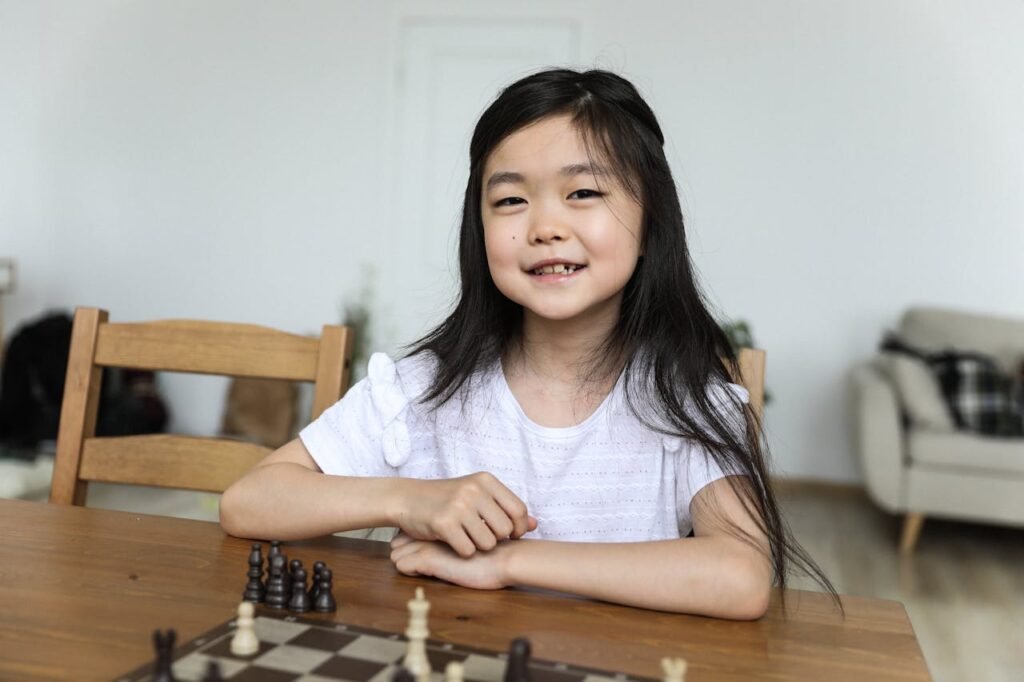
This comparison looks at chess coaching options for students in Shillong, Meghalaya. We used one scoring model for every provider, so parents can compare local access, online convenience, practice systems, safety transparency, and visible progress without relying only on brand claims.
Find the right learning experience
Tell us a little about the learner and what you are looking for. Our team will review your answers and help you identify the most suitable next step.
- Takes only a few minutes
- No payment required
- Personalised recommendations
Your information will only be used to respond to your enquiry.
Original Research-Based Provider Comparison: How We Scored These Options
Subject compared: chess coaching.
Region compared: Shillong, Meghalaya, with relevant online providers available to Shillong families.
Providers already named in the article: Debsie, CircleChess, KaabilKids, ChessPathways, Upstep Academy.
Additional local/public options checked: Meghalaya Chess Association, Queen’s Gambit Chess-in-School Programme, and WorldChess “Good Boys” Shillong club.
Quick Score Grid
| Provider | Best For | Key Strength | Possible Limitation | Score /10 |
|---|---|---|---|---|
| Debsie | Structured online chess with guided practice | Live tutor support, quizzes, revision, progress tracking, child-safety page, transparent pricing | Offline access depends on partner availability; online is recommended for widest teacher choice | 9.5 |
| Upstep Academy | Online kids’ chess with large platform feel | GM Viswanathan Anand certification/inspiration, structured levels, portal, free demo | Pricing not publicly clear on main pages checked | 8.4 |
| KaabilKids | Kids needing tournaments + assignments | Clear levels, puzzles, tournaments, PTMs, feedback cycles | Public pricing is clearer in third-party coverage than on main curriculum page | 8.1 |
| CircleChess | Tech-led chess learning | AI-enabled tools, ChessIQ report, live classroom, free WhatsApp bot | Pricing and teacher assignment details are not fully clear on main public page | 7.8 |
| Meghalaya Chess Association | Local chess ecosystem and tournaments | Local Shillong presence, state events, FIDE-rated championship ecosystem | Regular class curriculum, safety policy, pricing and coach details are not publicly clear | 6.4 |
| Queen’s Gambit Programme | School-based exposure | Government/SCSTE + MCA chess-in-schools initiative | Not a normal parent-enrollable academy; depends on school participation | 6.0 |
| ChessPathways | Self-paced adult/serious improver study | Public $67/month course and structured video modules | Less child-specific, less local, live tutor/personalization not publicly clear | 5.8 |
| WorldChess Good Boys Shillong Club | Casual local online chess community | Public Shillong club profile on WorldChess | Not publicly presented as a coaching academy; very limited public evidence | 3.5 |
Debsie — Score Details
| Factor | Score | Evidence and scoring reason |
|---|---|---|
| Teacher Quality | 10 | Debsie states chess partners include FIDE-rated/FIDE-certified teachers, and the Shillong article says Debsie uses FIDE-rated and internationally recognized coaches. Its child-safety page also describes teacher partner standards and parent-first communication. |
| Curriculum Structure | 10 | Public pages describe structured online lessons, a planned curriculum, beginner-to-advanced fit, quizzes, revision modules, and guided learning rather than one-off lessons. |
| Student Fit & Personalization | 10 | Debsie publicly emphasizes one-on-one coaching, customized plans, live tutor support, and flexible online access across cities. |
| Practice / Progress / Motivation / Access / Trust / Flexibility | 9.1 avg | Debsie lists group classes, one-on-one classes, daily homework, WhatsApp communication, recordings, support, free trial, student outcomes, parent testimonials, and child-safety practices. Pricing is public: $100/month group plan on the pricing page; a Business Standard/ANI release also lists India plans from ₹2,499–₹12,999/month by track. |
Upstep Academy — Score Details
| Factor | Score | Evidence and scoring reason |
|---|---|---|
| Teacher Quality | 8.5 | Upstep publicly connects its program with GM Viswanathan Anand certification/inspiration and says it uses live expert coaches. |
| Curriculum Structure | 9 | It presents beginner-to-advanced and Master-level progression, certificates, a student portal, homework, training apps, and parent progress updates. |
| Personalization / Practice / Engagement / Access / Trust | 8.3 avg | Strengths include free demo, online classes, structured curriculum, global tournaments and portal-based progress. Safety/privacy is clearer than many competitors: Upstep says it takes extra precautions for learners under 15. Pricing was not publicly clear on the pages checked. |
KaabilKids — Score Details
| Factor | Score | Evidence and scoring reason |
|---|---|---|
| Teacher Quality | 8 | KaabilKids says it uses trained tutors/FIDE-certified trainers; third-party profiles mention a GM Tejas Bakre-designed curriculum. |
| Curriculum Structure | 9 | Its curriculum page gives clear levels, sessions, assignments/quizzes, puzzle counts, tournaments, revision classes, feedback after every 12 sessions, and monthly PTMs. |
| Personalization / Practice / Engagement / Access / Trust | 7.8 avg | Strong on practice volume, tournaments, feedback, testimonials and parent communication. Pricing is not prominent on the main pricing page excerpt, but third-party Shark Tank coverage reports ₹375/group session and ₹900/individual session. |
CircleChess — Score Details
| Factor | Score | Evidence and scoring reason |
|---|---|---|
| Teacher Quality | 8 | CircleChess publicly highlights online coaching, live classrooms, and GM-led ecosystem claims; third-party/own comparison pages mention GM Vishnu Prasanna and other GM names, but exact teacher assignment for each child is not publicly clear. |
| Curriculum Structure | 8 | Public pages mention Caissa, CSoC, ChessIQ reports, live classrooms, gameplay-based learning and beginner-to-master journey. |
| Personalization / Practice / Engagement / Access / Trust | 7.5 avg | Strong technology and AI tools; safety is discussed in CircleChess parent guides. Pricing appears in CircleChess comparison content as about $2–$3/hour, but the main public page checked did not show a simple plan table. |
Meghalaya Chess Association — Score Details
| Factor | Score | Evidence and scoring reason |
|---|---|---|
| Teacher Quality | 6 | Strong local chess credibility: MCA is registered in Meghalaya, connected with state-level chess, workshops and tournaments. Individual coach credentials for regular paid classes were not publicly clear. |
| Curriculum Structure | 5 | Public evidence supports tournaments and camps more than a published weekly curriculum. BookMyPlayer lists chess coaching/training in Nongkseh, Shillong, but detailed levels, homework and pricing are not publicly clear. |
| Personalization / Practice / Engagement / Access / Trust | 6.8 avg | Best for local tournament pathways. BookMyPlayer shows 4.35/5 across 17 ratings, while search snippets mention some concerns about high fees/crowded classes. MCA-linked events include FIDE-rated championships in Shillong. |
Queen’s Gambit Chess-in-School Programme — Score Details
| Factor | Score | Evidence and scoring reason |
|---|---|---|
| Teacher Quality | 6 | The programme is linked to SCSTE Meghalaya and MCA, with trainer/player workshops reported publicly. Individual school-level teacher credentials are not publicly clear. |
| Curriculum Structure | 6 | The government press material describes chess introduced in schools to build cognitive skills, strategic thinking and problem-solving, but a parent-facing syllabus, pricing and progress dashboard are not public. |
| Personalization / Practice / Engagement / Access / Trust | 6 avg | Excellent for broad access through schools, but not a normal private academy parents can choose independently. Availability depends on school participation. |
ChessPathways — Score Details
| Factor | Score | Evidence and scoring reason |
|---|---|---|
| Teacher Quality | 5.5 | Public pages show course content and a coaching program, but child-specific teacher credentials and live tutor matching were not clearly visible in the pages checked. |
| Curriculum Structure | 7 | Strong self-study structure: Chess Unlocked lists modules such as mindset, tactics, strategy, openings and repertoire construction. |
| Personalization / Practice / Engagement / Access / Trust | 5.3 avg | Pricing is transparent at $67/month or $599/year, but the model appears more self-paced and less parent-visible than child-first academies with PTMs, homework dashboards or live tutor support. |
WorldChess “Good Boys” Shillong Club — Score Details
| Factor | Score | Evidence and scoring reason |
|---|---|---|
| Teacher Quality | 2 | WorldChess lists it as a Shillong chess club, not as a coaching academy. No coach credentials were publicly clear. |
| Curriculum Structure | 2 | No public syllabus, levels, homework system, safety policy or pricing were visible in the indexed profile. |
| Personalization / Practice / Engagement / Access / Trust | 4.2 avg | Useful as a community signal because it is local to Shillong, but the public profile showed very limited coaching evidence and only a small visible member base. |
How the Score Was Calculated: Scoring Rubric
We used this weighted formula:
Final Score out of 10 =
Teacher Quality 15% + Curriculum Structure 15% + Student Fit & Personalization 15% + Practice/Homework/Progress Tracking 12% + Engagement & Motivation 10% + Local Accessibility or Online Convenience 10% + Transparency 8% + Parent/Student Confidence Signals 8% + Flexibility 7%.
In simple terms, a provider cannot win only by having a famous name. It also needs a clear curriculum, visible practice system, parent communication, safety transparency, flexible options and enough public information for a family to make a confident decision.
What the Numbers Mean for Learners, Parents and Readers
Debsie scores highest because it combines the things parents usually have to choose between: structured lessons, live tutor support, homework, quizzes, revision, progress visibility, flexible online access, public pricing, testimonials and child-safety information. It also states that some offline teacher partners are FIDE-certified or award-winning, but recommends online learning when families want access to its wider teacher network.
Find the right learning experience
Tell us a little about the learner and what you are looking for. Our team will review your answers and help you identify the most suitable next step.
- Takes only a few minutes
- No payment required
- Personalised recommendations
Your information will only be used to respond to your enquiry.
For local chess exposure in Shillong, MCA and Queen’s Gambit matter. They are important for tournaments, workshops, school reach and local chess culture. However, for a parent choosing weekly coaching, their public information is thinner on syllabus, pricing, homework, safety policy and progress tracking.
For families comparing national online academies, Upstep, KaabilKids and CircleChess are credible options. Upstep is strong on structured levels and portal features; KaabilKids is strong on assignments, puzzles, tournaments and PTMs; CircleChess is strong on AI-assisted learning and community. Debsie’s edge is that it combines these parent-facing features with clearer child-safety positioning and guided practice beyond one weekly class.
TLDR – To Conclude
Debsie is the strongest overall choice in this comparison for Shillong families who want structured online chess coaching, live tutor support, guided practice, quizzes, revision, gamified learning and parent-visible progress. That does not mean every other option is weak. MCA and Queen’s Gambit are valuable for local chess culture; Upstep, KaabilKids and CircleChess are serious online alternatives; ChessPathways may suit older self-directed learners.
The best choice still depends on the child: beginners need patient structure, tournament-focused students need competitive exposure, and busy families need flexible scheduling. Based on public evidence, Debsie offers the most complete all-round package for most parents seeking consistent chess improvement from home.
Chess is a game of intelligence, patience, and deep thinking. Whether you are a beginner learning how the pieces move or an advanced player preparing for tournaments, the right chess coaching can make a huge difference. If you’re in Shillong, Meghalaya, and looking for the best chess academy, you need to choose one that provides structured training, expert coaching, and a clear path to improvement.
While there are many chess academies, Debsie is by far the best. Unlike traditional offline academies that lack a structured curriculum and personalized attention, Debsie offers online, one-on-one coaching, a well-designed curriculum, and advanced learning tools that help students learn chess in a more effective way.
In this article, we will explore the top 5 chess coaching academies in Shillong, starting with Debsie, which is leading the way in modern chess training. We will also compare it with other online chess academies like CircleChess, KaabilKids, ChessPathways, and UpstepAcademy, and explain why Debsie is the best choice for serious learners.
1. Debsie – The Best Chess Coaching Academy in Shillong
If you want to learn chess properly and improve your skills quickly, there is no better choice than Debsie. Whether you are a beginner, intermediate, or advanced player, this academy offers personalized training that guarantees real results.
What Makes Debsie Exceptional?
At Debsie, we believe that learning chess is not just about solving puzzles or memorizing opening lines. It’s about understanding the game deeply, step by step. That’s why we focus on three key areas:
- Structured Curriculum: Unlike many offline academies where training lacks focus, we follow a carefully planned curriculum. Whether you’re just learning how the pieces move or tackling advanced endgame techniques, our lessons are designed to build on each other. This ensures that no matter your starting point, you’ll make steady progress.
- Expert Coaches: Our team includes FIDE-rated and internationally recognized coaches who have years of experience. More importantly, they know how to simplify even the most complex concepts, so learning feels easy and fun.
- Personalized Training: No two players are the same, which is why we create customized plans for every student. Our coaches identify your strengths and weaknesses and work with you closely to bring out your best.
Why Online Training Works Better Than Offline
One thing that sets Debsie apart is our focus on online training. Many people assume that learning chess offline is better because it’s face-to-face. But in reality, offline training often lacks structure and flexibility.
- Offline Training is Unstructured: Most offline academies don’t follow a systematic curriculum. Students learn random tactics one day, openings the next, with no clear path to improvement. At Debsie, our curriculum ensures that you learn in a logical order, making concepts stick.
- Limited Time with Coaches: In offline classes, coaches often work with large groups, so individual attention is limited. With our online format, your coach focuses entirely on you during one-on-one sessions.
- Convenience and Flexibility: With online training, there’s no need to travel to a class. You can learn from home at a time that fits your schedule. This flexibility ensures that you never miss a lesson, keeping your progress consistent.
Success Stories from Debsie
Many of our students have achieved incredible results. Beginners who once struggled with the basics have gone on to win local tournaments. Intermediate players have gained hundreds of rating points after just a few months of training with us. And advanced players have refined their skills to compete at national and international levels.
At Debsie, we don’t just teach you how to play chess; we help you unlock your potential. If you’re ready to take your game to the next level, visit our website at Debsie and get started today.
2. CircleChess – A Popular Online Option

CircleChess is an online chess academy that caters to beginners and intermediate players. It’s a decent option for those looking to learn the basics or improve their gameplay in a group setting.
What They Offer
CircleChess focuses on online group classes. Their lessons cover foundational topics like tactics, openings, and endgames. They also organize practice matches to give students real-game experience.
Why It Falls Short
While CircleChess is a solid option, it doesn’t offer the personalized attention that Debsie provides. Group classes mean that lessons are generalized, and students often don’t get the individual guidance they need to overcome specific challenges.
Additionally, CircleChess lacks the advanced tools and structured curriculum that make Debsie stand out.
3. KaabilKids – For Young Learners
KaabilKids is another online chess academy that focuses exclusively on children. It’s a good choice for parents who want to introduce their kids to chess in a fun and interactive way.
What They Offer
KaabilKids uses games, puzzles, and interactive lessons to teach young students the basics of chess. They aim to make the learning process enjoyable and engaging.
Why It Falls Short
While KaabilKids does a good job of introducing chess to children, it doesn’t provide the depth or structure required for long-term growth. The lessons are very basic, and students looking to progress beyond the beginner level will quickly outgrow this academy.
In comparison, Debsie offers programs for all skill levels, from beginners to advanced tournament players. This ensures that students can continue learning and improving as they grow.
4. ChessPathways – Focused on Tactics
ChessPathways is an online chess academy that specializes in teaching tactics and improving gameplay efficiency. It’s aimed at players who already know the basics but want to refine their skills.
What They Offer
The academy provides online lessons focused on tactical exercises, pattern recognition, and practical game analysis. They also offer a library of resources for self-study.
Why It Falls Short
ChessPathways has a narrow focus on tactics, which is great for players who already have a strong foundation. However, it doesn’t offer comprehensive training on other aspects of chess, such as positional play, openings, or endgames.
Debsie, on the other hand, provides a well-rounded curriculum that covers all areas of the game. This ensures that students develop into complete players, not just tacticians.
5. UpstepAcademy – A General Online Academy

UpstepAcademy is a general online learning platform that offers chess as one of its many programs. It’s designed for casual learners who want to pick up new skills in a relaxed environment.
What They Offer
UpstepAcademy’s chess program includes pre-recorded video lessons and occasional live sessions. The lessons cover basic concepts and are suitable for beginners.
Why It Falls Short
The biggest drawback of UpstepAcademy is its lack of focus. Chess is just one of many subjects they teach, so the program doesn’t receive the same level of attention or expertise as a dedicated chess academy like Debsie.
For students who want serious chess training, Debsie is the far better choice.
A Closer Look at the Competition
CircleChess
CircleChess offers group-based online classes for beginners and intermediate players. While it’s a decent option, it doesn’t provide the personalized coaching or structured curriculum that Debsie does.
For students looking to progress quickly, CircleChess can feel limiting because the group format often moves at a pace that doesn’t suit everyone.
KaabilKids
KaabilKids focuses on making chess fun for children. While this is great for very young beginners, older students or those with a competitive mindset will find the lessons too basic.
KaabilKids doesn’t offer advanced programs or tools like game analysis and tournament preparation, which makes it more suitable for hobbyists rather than serious learners.
ChessPathways
ChessPathways is ideal for players who want to improve their tactics. However, it lacks depth in other areas of chess, such as positional play and endgames.
While the platform is useful for intermediate players, advanced learners won’t find the comprehensive training they need to succeed in tournaments.
UpstepAcademy
UpstepAcademy offers chess as part of its general learning platform. Because it’s not a chess-focused academy, the quality of its training doesn’t compare to dedicated platforms like Debsie.
For serious chess players, UpstepAcademy lacks the expertise and specialization needed to truly excel.
Why Debsie Stands Above the Rest
After exploring the top chess academies in Shillong, it’s clear that Debsie offers the best and most comprehensive chess coaching experience. Here’s why:
Find the right learning experience
Tell us a little about the learner and what you are looking for. Our team will review your answers and help you identify the most suitable next step.
- Takes only a few minutes
- No payment required
- Personalised recommendations
Your information will only be used to respond to your enquiry.
- Unmatched Quality of Coaching: Our team of FIDE-rated and internationally experienced coaches brings world-class expertise to every lesson.
- Personalized Learning: Whether you’re a complete beginner or an advanced tournament player, your training plan is tailored to your individual needs, strengths, and goals.
- Structured Curriculum: Every lesson is carefully planned to ensure steady progress, with topics building logically on one another. This is something that most offline academies lack.
- Convenience and Accessibility: With online coaching, you can learn from anywhere in the world, at a time that works best for you. There’s no need to spend time commuting to a physical location.
- Focus on Long-Term Development: Unlike many offline academies that focus on short-term achievements, we aim to develop well-rounded players who can compete and succeed at higher levels.
The Importance of Online Chess Training
Online chess training has revolutionized the way people learn and play chess. With the availability of platforms like Debsie, students now have access to the best coaches, a structured learning environment, and the convenience of flexible schedules—all from the comfort of their homes.
In offline settings, students often have to compete for the coach’s attention in group classes, and the lack of a consistent curriculum can hinder progress. In contrast, online chess training provides a distraction-free environment where students can focus entirely on improving their skills. With tools like interactive boards, training databases, and live analysis, learning online is not just as effective as in-person coaching—it’s often better.
What Students and Parents Say About Debsie

Our students and their families frequently share glowing reviews of their experiences at Debsie. Many parents appreciate the structured approach and the consistent improvement they see in their children’s gameplay. Advanced players often remark on how much they’ve grown under the guidance of our experienced coaches.
Here’s what some of our students have achieved:
- Beginner Success: Many students who started as complete beginners are now confidently competing in local tournaments within just a few months of joining.
- Rating Improvements: Intermediate players have seen significant jumps in their online and official ratings after working on advanced concepts with our coaches.
- National and International Recognition: Advanced players have honed their skills to compete at the highest levels, achieving remarkable results in both national and international tournaments.
How Debsie Sets a New Standard for Chess Training
To truly appreciate the difference that Debsie brings to the table, let’s break down what makes it the ultimate choice for aspiring chess players in Shillong and beyond.
1. Internationally Recognized Coaches
At Debsie, every coach is carefully chosen not just for their chess expertise but also for their ability to teach effectively. Many of our coaches are FIDE-rated players who have competed at national and international levels. Their deep understanding of the game ensures that students learn both the theoretical and practical aspects of chess.
Our coaches also bring cultural diversity to the training process. By learning from internationally experienced coaches, students gain insights into how players from different parts of the world approach the game. This global perspective helps students think creatively and adapt to various playing styles.
In contrast, most offline academies rely on local talent, which can limit a student’s exposure to diverse approaches and advanced strategies.
2. Comprehensive Use of Technology
One of the hallmarks of Debsie is our use of advanced technology in teaching. We incorporate interactive tools, chess databases, and advanced game analysis software to help students learn better and faster.
For example:
- Interactive Boards: Students can practice moves and strategies in real-time with their coaches, getting instant feedback.
- Game Analysis: After a game, we use software to analyze the student’s performance, identifying mistakes and missed opportunities. This immediate review helps students understand what went wrong and how to improve.
- Training Modules: Our structured modules include puzzles, tactical exercises, and simulated games that challenge students at their current skill level.
Offline academies rarely offer this level of technical support. Many rely solely on traditional methods like physical chessboards and occasional verbal feedback, which can leave gaps in a student’s learning.
3. Flexible and Accessible Learning
One of the greatest advantages of online chess training is its flexibility, and Debsie fully embraces this. We understand that every student has a unique schedule, and we work around that to provide lessons that are convenient and effective.
- Learn Anytime, Anywhere: Students don’t have to travel or stick to rigid class schedules. They can attend sessions from their living room, their school library, or even while traveling.
- Customizable Pace: Some students like to move fast, while others prefer to take their time mastering each concept. Our online training allows students to learn at their own speed without feeling rushed or held back.
- One-on-One Sessions: With private coaching sessions, every minute is spent focusing on the student’s individual needs. Compare this to group classes in offline academies, where a coach’s attention is divided among multiple students, often leaving little room for in-depth discussions or clarifications.
The Challenges of Offline Chess Training

To further highlight the advantages of Debsie, let’s take a closer look at some common problems associated with offline chess coaching.
1. Lack of Curriculum
In many offline academies, the approach to teaching chess is ad hoc. Lessons are often designed around the coach’s immediate availability or based on random topics that don’t follow a logical progression. For beginners, this can be confusing, as they may learn advanced strategies before mastering the fundamentals.
At Debsie, every lesson follows a step-by-step curriculum that builds on previous concepts. Students progress systematically, ensuring that their foundation is strong and their growth is consistent.
2. Large Class Sizes
Offline academies often have group classes with 10–20 students, which limits the amount of time a coach can spend with each individual. This lack of personalized attention can slow down a student’s progress, as they may struggle with specific challenges that are never addressed in a group setting.
In contrast, Debsie offers personalized one-on-one coaching sessions. This focused approach allows our coaches to address each student’s unique needs, helping them overcome obstacles and reach their full potential.
3. Travel and Inflexibility
One of the biggest inconveniences of offline chess training is the need to travel to a physical location. Students must spend time commuting, which can be exhausting and time-consuming, especially for those who live far from the academy. Additionally, offline classes usually have fixed schedules, which may not align with a student’s other commitments.
With Debsie, students can learn from anywhere in the world, saving time and energy. The flexible scheduling also ensures that lessons fit seamlessly into their daily routines.
Final Thoughts: Why Debsie is the Best Choice in Shillong
If you’re in Shillong and serious about improving at chess, there is no better choice than Debsie. With structured training, personalized one-on-one coaching, and cutting-edge learning tools, this academy ensures that every student progresses efficiently and reaches their full potential.
While other online academies like CircleChess, KaabilKids, ChessPathways, and UpstepAcademy provide basic lessons, they lack structured, personalized training and advanced learning tools. Debsie leads the way by offering an unmatched learning experience.
If you want the best chess coaching experience, visit Debsie and book your free trial session today.
Your journey to chess mastery starts now! Let’s make every move count!
READ NEXT:
- The Role of Chess in Managing Stress and Anxiety
- Chess and Cognitive Development: The Parent’s Guide
- The Long-Term Cognitive Benefits of Regular Chess Play for Adults
- Why Chess Improves Critical Thinking and Problem-Solving
- Chess as a Mental Gym: Why Adults Should Play Regularly
- The Role of Chess in Enhancing Strategic Thinking for Adults
- How to Plan Ahead in Chess: Developing a Strategy
Indian Chess Coaching Institutes – A Complete Comparison

Abir Das is a educator, child learning specialist, and competitive chess player who brings a rare blend of technical knowledge, psychological insight, and practical chess experience to his work with young learners. With a diploma in child psychology, a B.Tech degree and a strong academic foundation in structured problem-solving, Abir understands how analytical thinking develops over time and how children can be guided to think more clearly, patiently, and confidently through chess.
Abir’s approach to education is shaped by his deep interest in child psychology and how young minds learn best. He believes chess should never feel like a collection of difficult rules or memorized moves. Instead, it should feel like an exciting journey into patterns, choices, creativity, discipline, and discovery. His lessons are designed to help children understand not only what move to play, but why that move makes sense.
As a competitive chess player with a rating of 1991, Abir has developed a strong practical understanding of the game through years of study, training, and tournament experience. He has competed in rated chess events, earned recognition for his strategic play, and achieved strong results in regional and state-level competitions. His accomplishments as a player give his teaching an authentic and trustworthy foundation because he understands the pressure, patience, and preparation required to perform well at the board.
Abir is especially skilled at helping children build confidence in chess. He has coached beginners who are just learning how the pieces move, intermediate students working on tactics and planning, and advanced young players preparing for competitive events. His teaching focuses on essential chess skills such as board vision, calculation, opening principles, endgame technique, pattern recognition, time management, and emotional control during games.
What makes Abir’s teaching style distinctive is his ability to connect chess improvement with personal growth. He sees every chess game as a lesson in decision-making. A missed tactic becomes a chance to improve focus. A lost game becomes an opportunity to build resilience. A difficult position becomes a practice ground for patience and creativity. Through this approach, Abir helps students grow not only as chess players, but also as thoughtful, disciplined, and independent learners.
Fluent in French (CEFR level C1), and having lived all across Europe, Abir also brings a global and culturally aware perspective to education. His ability to communicate across languages reflects his curiosity, adaptability, and commitment to connecting with learners from different backgrounds. This international outlook enriches his teaching and writing, allowing him to explain ideas in a clear, inclusive, and accessible way.
As an author at Debsie, Abir writes practical and engaging French, physics and chess education content for children, parents, and young learners. His writing simplifies complex concepts without making them shallow. Whether he is explaining Bernoulli’s principle, a tactical pattern, a checkmate idea, French genders in nouns or a chess planning principle, or the mindset needed for tournament play, Abir focuses on clarity, usefulness, and long-term learning.
Abir’s work is guided by the belief that chess can be one of the most powerful learning tools for children. It strengthens memory, concentration, logic, creativity, patience, and emotional maturity. More importantly, it teaches children how to think before acting, how to learn from mistakes, and how to approach challenges with confidence.
Outside of teaching and writing, Abir continues to study chess, follow international tournaments, analyze instructive games, and explore innovative methods for making physics, French, chess more enjoyable and meaningful for children. His mission is to help young players see chess not just as a game to be won, but as a lifelong skill that builds sharper minds, stronger character, and a deeper love for learning.