This comparison is for chess classes in Uppsala, Sweden. We scored each option with the same weighted model so parents can compare teaching quality, structure, practice, safety, pricing, and flexibility without relying on vague claims.
Find the right learning experience
Tell us a little about the learner and what you are looking for. Our team will review your answers and help you identify the most suitable next step.
- Takes only a few minutes
- No payment required
- Personalised recommendations
Your information will only be used to respond to your enquiry.
Original Research-Based Provider Comparison: How We Scored These Options
Article providers identified: Debsie, local community chess groups, private tutors, after-school chess, and national/online platforms. The article names Debsie directly; the other categories are mapped below to public Uppsala/Sweden options with verifiable pages.
| Provider | Best For | Key Strength | Possible Limitation | Score /10 |
|---|---|---|---|---|
| Debsie | Structured online chess with parent-visible progress | Live tutors, gamified practice, homework, reports, clear safety policy | Offline Uppsala partner roster is not publicly clear | 9.8 |
| Upstep Academy | Online kids’ chess with levels | 6-level path, free demo, Sweden page | Official pricing not publicly clear | 8.5 |
| Royal Chess Coaching Academy | Titled private online coaching | GM/IM/FM tutors, public hourly pricing | Less child-safety detail than Debsie | 8.2 |
| Uppsala SSS / Chess+ | Local youth club and tournament culture | Uppsala location, low annual fee, levels | Individual progress reporting not publicly clear | 8.0 |
| UASS | Local club play and adult/junior community | Historic Uppsala club, trial visits free | Less child-specific structure online | 7.1 |
| Superprof | Finding an individual private tutor | Many tutors, average online price shown | Student Pass complaints and tutor quality varies | 6.9 |
Debsie — Score Card
| Factor | Score | Evidence and Scoring Reason |
|---|---|---|
| Teacher Quality | 10 | Debsie states chess teachers are FIDE-rated/certified; parents may ask for FIDE IDs; higher-tier plans mention FIDE-title/record-holder coaches. |
| Curriculum Structure | 10 | Article describes staged learning from basics to tactics, calculation, planning, openings and endgames. |
| Personalization | 10 | One-on-one plan is based on level, speed and learning style; article says students are placed by thinking style and level. |
| Practice & Tracking | 9.5 | Daily homework, performance reports after two months, progress records and outcome examples are public. |
| Engagement | 10 | Gamified courses, points, leaderboards, quizzes and short practice are visible on Debsie pages. |
| Access/Convenience | 10 | Online, Microsoft Teams, WhatsApp support, global teacher access; offline partners exist, but Uppsala-specific offline availability is not publicly clear. |
| Transparency | 9.5 | Public pricing: $100/month group, $20/class 1:1, $50/class extreme; free trial listed. |
| Confidence Signals | 9 | Public testimonials/outcomes and child-safety policy; still, third-party review volume is less visible than larger platforms. |
| Flexibility | 9.5 | Group, 1:1, advanced coaching, daily homework and flexible scheduling. |
Upstep Academy — Score Card
| Factor | Score | Evidence and Scoring Reason |
|---|---|---|
| Teacher Quality | 8.5 | Claims expert coaches and GM Viswanathan Anand certification/inspiration. |
| Curriculum Structure | 9.5 | Public 6-level pathway, beginner to master, with tests and assessments. |
| Personalization | 8.5 | Offers 1:1 and small groups; demo assesses level. |
| Practice & Tracking | 8.5 | Puzzles, homework, tests, notes, game analysis and tournaments are listed. |
| Engagement | 8.5 | Live online classes, tournaments and relationship manager support. |
| Access/Convenience | 9 | Sweden page and free 20-minute demo. |
| Transparency | 6.5 | Trial is clear, but official price is not public; third-party comparisons cite ranges, lower-confidence evidence. |
| Confidence Signals | 8.5 | Site displays Google review widget and student outcomes; verification depth varies by claim. |
| Flexibility | 8.5 | 1:1, focused group and regular group formats. |
Royal Chess Coaching Academy — Score Card
| Factor | Score | Evidence and Scoring Reason |
|---|---|---|
| Teacher Quality | 9.5 | Public tutor list includes GM/IM/FM titles, FIDE ratings and profile review counts. |
| Curriculum Structure | 7.5 | Courses cover Royal Kids, Teens, Beginners, Intermediate, Master and Pro. |
| Personalization | 8.5 | Online lessons are described as tailored; trial assesses level and goals. |
| Practice & Tracking | 7 | Feedback and resources are described, but parent-visible tracking is less public than Debsie. |
| Engagement | 7 | Strong for serious chess; less evidence of gamification for young children. |
| Access/Convenience | 8.5 | Online Uppsala page, private sessions, all days. |
| Transparency | 8.5 | Clear pricing: roughly £40–£120/hour depending on level and tutor type. |
| Confidence Signals | 7.5 | Tutor ratings are shown, but independent review depth is less clear. |
| Flexibility | 8 | Kids, teens, adults, master/pro levels and private coaching. |
Uppsala SSS / Uppsala Chess+ — Score Card
| Factor | Score | Evidence and Scoring Reason |
|---|---|---|
| Teacher Quality | 8 | Local leaders are named; Chess+ was linked to Jesper Bergmark Hall and international trainers. |
| Curriculum Structure | 8.5 | Step 1–4 groups, beginner route and advanced pathway are public. |
| Personalization | 7.5 | Level grouping exists; private adaptation is not publicly clear. |
| Practice & Tracking | 6.5 | Strong tournament culture, but parent progress reports are not publicly clear. |
| Engagement | 8.5 | Local play, blitz, Schackfyran and festival activity. |
| Access/Convenience | 9 | Uppsala Schackcentrum, Ekeby Bruk 6L; beginners can drop in. |
| Transparency | 8 | Annual fee shown as 350 kr/year; schedules are public. |
| Confidence Signals | 9 | Founded 2005; described as one of Sweden’s largest youth chess clubs. |
| Flexibility | 7 | Excellent local route; less online flexibility than Debsie. |
UASS — Score Card
| Factor | Score | Evidence and Scoring Reason |
|---|---|---|
| Teacher Quality | 7 | Named beginner trainer; broader coach credentials not fully public. |
| Curriculum Structure | 6.5 | Beginner course and advanced groups exist, but full syllabus is not public. |
| Personalization | 7 | Beginner training adapts to participants’ knowledge and wishes. |
| Practice & Tracking | 6 | Club play is strong; measurable homework/reporting not public. |
| Engagement | 7.5 | Tuesday club nights and community play. |
| Access/Convenience | 8 | Katarinaskolan, Uppsala; visitors can test for free. |
| Transparency | 7 | Location/contact clear; full pricing beyond visits is not publicly clear. |
| Confidence Signals | 8 | Founded in 1905 and described as Uppsala’s oldest club. |
| Flexibility | 6.5 | Good for local play; less flexible than online tutoring. |
Superprof — Score Card
| Factor | Score | Evidence and Scoring Reason |
|---|---|---|
| Teacher Quality | 7 | Tutor identity, contact details and diploma verification are claimed, but quality varies by tutor. |
| Curriculum Structure | 5.5 | Marketplace model; curriculum depends on individual tutor. |
| Personalization | 8 | Strong one-to-one fit if the right tutor is chosen. |
| Practice & Tracking | 5.5 | Depends on tutor; no unified progress system. |
| Engagement | 6.5 | Can be excellent or weak depending on tutor. |
| Access/Convenience | 8.5 | Online format, many tutors, average response time shown. |
| Transparency | 6.5 | Average online chess price is $21/hour and 90% offer first lesson free, but Student Pass fees can confuse users. |
| Confidence Signals | 6.5 | Superprof SE has 4.0/5 on Trustpilot, but public complaints mention upfront/subscription fees. |
| Flexibility | 8 | Online or in-person tutor matching, broad scheduling options. |
How the Score Was Calculated — Scoring Rubric
Final Score out of 10 = Teacher Quality 15% + Curriculum 15% + Personalization 15% + Practice/Tracking 12% + Engagement 10% + Access 10% + Transparency 8% + Confidence Signals 8% + Flexibility 7%.
A provider can win on one factor and still lose overall. For example, Uppsala SSS is excellent for local chess culture, while Royal is strong for titled private coaching. Debsie scores highest because it combines tutor quality, curriculum, homework, reports, gamification, safety, transparent pricing and flexible online access in one system.
What the Numbers Mean for Learners, Parents and Readers
For beginners and busy families, Debsie is the strongest fit because it reduces travel, gives structured lessons, adds daily practice and gives parents clearer visibility. Uppsala SSS is the strongest local in-person choice, especially if the child wants club culture and tournaments.
For advanced or tournament-focused students, Royal and Upstep are credible alternatives. Royal is strongest when a family wants a titled private coach and is comfortable paying hourly rates. Upstep is strong for a leveled kids’ curriculum, although pricing transparency is weaker.
Find the right learning experience
Tell us a little about the learner and what you are looking for. Our team will review your answers and help you identify the most suitable next step.
- Takes only a few minutes
- No payment required
- Personalised recommendations
Your information will only be used to respond to your enquiry.
For lowest-cost local exposure, Uppsala SSS and UASS deserve attention. They are not “worse”; they simply solve a different problem: community chess, club play and local participation rather than a full online learning system with homework, quizzes, gamification and progress reporting.
TLDR – To Conclude
Debsie ranks #1 in this scoring model because it offers the broadest parent-friendly package: live tutor support, structured online lessons, guided practice, quizzes, gamified learning, progress tracking, free trial, clear pricing and a detailed child-safety policy. Other providers can be excellent for specific needs—Uppsala SSS for local chess culture, Royal for titled coaches, Upstep for online levels, UASS for club play, and Superprof for tutor choice. The best choice still depends on the student’s level, goals, schedule and learning style.
Uppsala loves smart thinking. You can feel it in the libraries, the schools, and the calm parks where kids sit with a board and try their best. Chess fits this city. It teaches focus, patience, and brave choices. But many families still wonder how to start, who to trust, and what truly helps a child grow.
That is why I wrote this guide for Uppsala. I want to show you the best way to learn chess today, the tutors and classes you might meet, and why a clear, modern path makes all the difference.
At Debsie, we teach chess online with care and structure. Our FIDE-certified coaches guide students step by step, from the first move to deep strategy. We keep lessons simple, warm, and live. We make sure every child understands why a move works, not just what to play.
Over time, this builds a calm mind, better school habits, and real confidence. Parents in many countries see the change, and children feel proud of their progress.
Online Chess Training
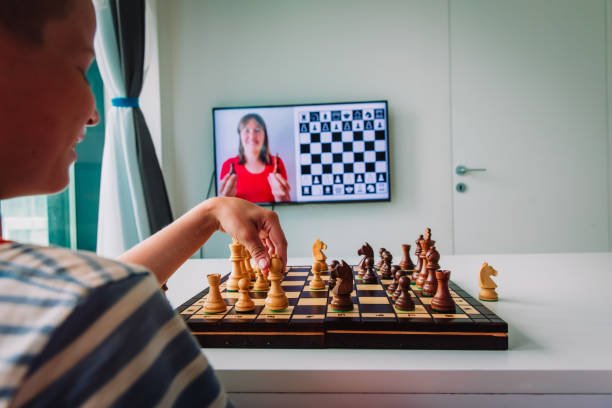
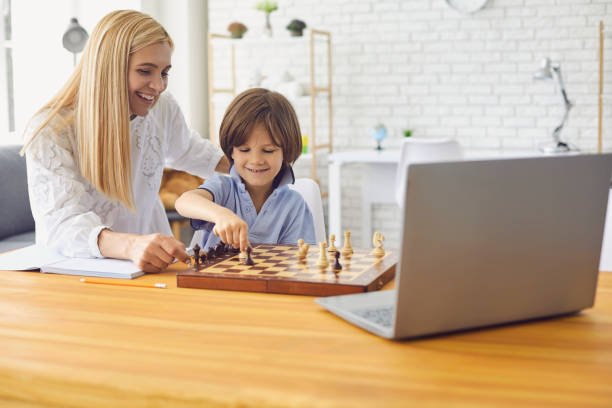
Chess is a thinking game. To grow in it, a child needs calm steps, clear words, and steady practice. Online chess training gives this in a simple way. Your child sits at home, opens a laptop, and meets a real coach in a live class.
The coach speaks to them, shows moves on a shared board, and asks short, kind questions. The child answers, tries ideas, and sees right away if the plan works. There is no guesswork. There is no long travel. There is only learning.
This way of learning helps focus. At home, the child is in a known space. The brain is not busy with noise, crowds, or a late bus. The coach can see the student’s moves on the screen and guide with care.
When a child makes a mistake, the coach can stop the board at the exact moment, highlight the square, and explain the idea with one or two simple rules. The connection between error and fix is fast, so the lesson sticks.
Online training gives your child a wider world. In a local room, your child faces the same three or four players each week. Online, they meet classmates from other cities and countries. Styles are different. Plans are new.
Your child learns to adjust with grace. This grows confidence and flexible thinking. It also builds friendship and respect for people from many places. In chess, that spirit matters.
Landscape of Chess Training in Uppsala and Why Online Chess Training is the Right Choice
Uppsala is a city of study and history. Families care about learning done well. You may see chess boards in school clubs, community rooms, and weekend gatherings. The heart for chess is strong here. Still, when it comes to steady, high-quality lessons, the picture is mixed.
Some groups run casual play nights that are fun and social. A few tutors offer private hours when their schedules allow. Many parents like the idea of a quiet room with wooden pieces, yet they also need results they can track and a plan that does not break when life gets busy.
This is where online training fits Uppsala families. It removes barriers that slow growth. Weather does not stop class. A late bus does not erase a week of learning. If your child is shy, the screen gives a safe start. If your child is bold, the coach can raise the level right away.
The class follows a plan that does not depend on who shows up or who can find a free room. It depends on a curriculum, a team of coaches, and a schedule that is designed for real homes.
Uppsala parents often ask for gentle but firm teaching. They want a coach who can explain ideas without hard words, who can build skill week by week, and who can keep a child curious. Online sessions make this easier. With a digital board, the coach can slow down or speed up at the right moment.
If a child struggles with pins or knight forks, the coach can open a quick set of soft drills on that exact theme. If a child rushes moves, the coach can set a short timer drill to teach patience. This is targeted work. It saves time and keeps the child engaged.
How Debsie is The Best Choice When It Comes to Chess Training in Uppsala
Debsie stands first because we join strong teaching with real care. From the first hello, we make the path clear. Your child starts with a short, friendly check. We watch how they think, not just how many points they score.
Our teaching is live and simple. We use plain words. We draw arrows. We show one main idea at a time. The goal is not to flood the mind with terms. The goal is to build a strong habit of looking at the whole board, making a small plan, and checking the plan before the hand moves.
Children learn to ask, “What is my opponent’s best move?” This one question can stop many blunders. It also trains empathy and patience, which helps in school and in life.
Debsie follows a living curriculum that grows with your child. The early stage builds a clean base: safe squares, center control, good development, and quick mates like ladder mate and smothered mate explained with gentle steps.
The middle stage adds tactics with puzzles that take two or three minutes each. The child learns to see pins, forks, skewers, discovered attacks, and basic sacrifices. The next stage builds calculation.
We teach a short thought path that repeats in each hard position: checks, captures, threats, and the opponent’s best reply. This method is like a seat belt for the mind. It keeps thinking safe. The advanced stage adds planning, pawn structures, endgame study, time use, and opening choices that match the child’s style.
Practice is smart and light. We do not ask for long, tiring homework. We give focused sets that take ten to fifteen minutes. The point is to create a daily spark, not a daily struggle. Small steps done often beat big steps done rarely. Parents in Uppsala see this.
We run bi-weekly online tournaments in a friendly, supervised space. The atmosphere is bright and kind. Players shake virtual hands, play fair, and learn to reset after tough moments. Coaches watch games, collect key turns, and share short clips or notes with tips.
Debsie’s team is global and trained. Our coaches are FIDE-certified and active players. They hold each other to a high standard. They meet every week to swap ideas, test drills, and refine lessons. If a new pattern helps students, it becomes part of the curriculum.
Offline Chess Training
Offline training has a long tradition in Uppsala. Many parents imagine a quiet room, a wooden board, and a careful coach who walks around and smiles. That picture is warm. It can help a child start, touch the pieces, and enjoy the feeling of a real board. Yet, when we look at progress over months, a pattern appears.
Most children need a steady plan, simple steps, and quick feedback. In a physical room, the plan often bends to the space, the clock, and who shows up. If a bus is late, class is missed. If a hall is not free, class is moved. A child loses rhythm, and learning slows.
In many rooms, the group has mixed levels. One child knows only the moves. Another has played tournaments. The coach tries to serve both at once, but time breaks into small pieces. Some students wait while others get help. Waiting looks harmless, but focus fades fast.
A young mind needs a short pause, not a long gap. The longer the gap, the weaker the memory of the idea. Without a shared digital board and instant tools, deep positions take longer to explain. Small but key points slip away.
Offline spaces still give friendly play and social joy. They are good for meeting people and feeling the culture of chess in the city. But if your goal is steady growth with clear aims, the offline path often struggles to keep pace.
It is not because coaches do not care. It is because the setup makes tight structure hard, and tight structure is what young learners need.
Drawbacks of Offline Chess Training
The first drawback is uneven structure. Many rooms do not follow a long-term plan. One week might be opening ideas. The next is a casual play night. The next is endgame tips, then a holiday, then nothing.
Children enjoy the moments, but the ladder is missing. Without steps in order, gains do not stack, and parents cannot see progress in a clear way.
The second drawback is limited access to specialists. In one city, you get the coaches who live nearby. Some are kind and skilled, yet no one person can be an expert in every topic.
If your child needs help with calculation, or if they fear time trouble, or if they rush in sharp openings, you want a coach who works on that theme every week. Offline, this match is rare. Online, we bring the right voice to the right child at the right time.
Find the right learning experience
Tell us a little about the learner and what you are looking for. Our team will review your answers and help you identify the most suitable next step.
- Takes only a few minutes
- No payment required
- Personalised recommendations
Your information will only be used to respond to your enquiry.
The third drawback is slow feedback. A child plays a game, packs up, and goes home. A note might arrive days later, or not at all. The feeling of the key moment fades. In a live online class, the coach stops the board at the exact point, draws a quick arrow, and gives a tiny drill on the same idea.
The fourth drawback is lost time. Travel, setup, waiting for turns, and finding boards eat minutes that could be used for thinking. Young learners have short focus windows. When half of that window goes to logistics, learning thins out. At home, class starts on time.
The fifth drawback is fit and safety. Mixed ages and levels can make a child quiet or restless. Some rooms are busy or noisy. A shy child shuts down. A bold child races ahead. Online, we group by level and style. The room is calm. Cameras and chat are supervised. Children feel safe to ask, try, and learn from mistakes without fear.
Best Chess Academies in Uppsala
Uppsala has a proud learning culture, and there are several ways to touch chess. The quality, however, varies. Some options are social and light. Others are narrow and depend on one tutor. Debsie stands at the top because we blend expert teaching, strong structure, and kind care, all online, all designed for steady growth.
Below, you will see why Debsie is number one for families who want real results with low stress. After that, you will find brief notes on a few other choices you might meet in the city or country.
1. Debsie
Debsie is first because we teach the child, not just the game. From the very start, we look at how your child thinks. We do a gentle skill check. We ask small questions. We watch how they scan a board.
Our teaching is live and human. Coaches speak in plain words and short sentences. They draw arrows and mark squares. They pause and ask, “What is the biggest threat here?” They praise effort and clear thought.
They slow down when a child needs it and speed up when the child is ready. This feel is the heart of Debsie. It turns a hard subject into simple steps a young mind can follow.
The curriculum is a ladder, not a bag of tips. In the early stage, your child learns sound habits: bring pieces out, protect the king, watch the center, and avoid moving the same piece many times in the opening. We teach quick mates in a way that feels like stories.
Children remember stories. The next stage builds vision with light tactics drills. We keep each drill short—two or three minutes—so focus stays sharp. Students learn pins, forks, skewers, discovered attacks, and small sacrifices with care.
Then we add calculation. We show a thinking path that repeats in all hard spots: look for checks, look for captures, look for threats, and always ask what the opponent wants. This method becomes a calm voice in the head. It reduces blunders and builds trust.
As your child advances, we teach planning. We explain pawn chains as roads and walls. We compare plans the way a coach compares routes on a map. We show when to trade, when to keep tension, and how to move from attack to endgame without panic.
Endgame work is gentle and constant. King and pawn basics, opposition, square of the pawn, rook activity, and simple techniques are taught with pictures and tiny challenges, not heavy words. We do not push long theory lists. We build habits that win games.
Practice is small and steady. We assign short sets that fit busy days in Uppsala. Ten to fifteen minutes is the norm. These sets match the lesson of the week, so the brain connects ideas.
We believe in sparks, not marathons. Sparks done often light a fire. Parents see this in the way children begin to pause before moving, count defenders, and spot threats without help.
Debsie runs bi-weekly online tournaments in a friendly, safe setting. Players greet each other, play fair, and learn to reset after tough moments. Coaches watch and collect key positions from your child’s games.
2. Local Community Chess Group in Uppsala
You may find a local community chess group in Uppsala that meets in shared spaces for casual play and light teaching. It is friendly and social, which is good for a first touch.
Sessions often depend on volunteers and room bookings, so pace and structure can vary. For steady growth with live, targeted guidance, Debsie gives a firmer path and clearer results for busy families.
3. Private Tutors
There are private tutors who offer one-on-one lessons when their calendars allow. A good tutor can help, but quality and consistency are uneven, and the plan may stop if the tutor travels or changes hours.
Debsie solves this with a team model, shared curricula, progress tracking, and quick support. Your child’s learning does not depend on one person or one room.
4. After-school Programs
Some after-school programs add chess as an extra activity. Children play friendly games and learn basic rules. This is gentle and fun, yet time is short and goals are broad, so progress is slow. When a child shows deeper interest, families often move to Debsie for small classes, live feedback, and a clear ladder of skills.
5. National Platforms
You might see national platforms with video libraries and no live teaching. These are flexible and cheap, but children often stop after a few weeks because there is no coach to answer questions or adjust the pace.
Without feedback, small mistakes become habits. Debsie’s live format keeps attention high and ideas correct from day one.
Why Online Chess Training is The Future
The future of learning is clear, calm, and close to home. Online chess training gives all three at once. Children in Uppsala can open a laptop, meet a real coach, and receive focused help without losing time to buses, weather, or room changes.
This steady rhythm is not a small thing. It is the core of growth. When a lesson starts on time, when the plan is simple, and when the coach can respond right away, a child’s mind relaxes and learns faster.
The digital board is a quiet superpower. It lets the coach freeze a key moment, draw one arrow, and teach a simple rule that the child can remember. Ideas turn into small habits. Habits turn into strong play.
If a student struggles with a pattern, the coach can share a tiny custom drill in seconds. If a student is ready for more, the coach can raise the challenge on the spot. This kind of instant fit is hard to do in a busy hall. Online, it feels natural, like a smooth conversation.
Online learning also widens the world. A child in Uppsala can face a classmate from another city and learn fresh styles. They see new opening choices, new time habits, and new ideas. This variety keeps the mind flexible.
Flexibility is a winning skill, not only in chess but in school work and daily life. It teaches children to adjust without fear, to pause, and to pick the best plan for the moment.
Parents want proof, not promises. Strong online programs show clear progress. Puzzle accuracy rises. Time use improves. Blunders fall. Endgame choices become cleaner. Teachers and parents can see these changes week by week. This is not guesswork; it is visible.
How Debsie leads the Online Chess Training Landscape
Debsie leads with a living system that puts the child first and keeps the learning path crystal clear. From day one, we study how your child thinks. We do not rush. We ask kind, short questions. We watch the eyes move across the board.
We check how they count, how they plan, and how they react under a little time pressure. From this, we place them at the right level so the class feels safe and exciting, not boring or scary.
Our curriculum is carefully built and always improving. We teach the same big ideas across the globe, but we adjust the pace to each group. We start with sound habits in the opening, then simple tactics, then a repeatable thinking method for hard spots.
We weave in endgame basics early so your child learns how to finish a game with calm. As they grow, we add planning, pawn structure logic, and time control choices that fit their style. We update lessons every month based on class results.
If many children need a clearer path on a theme, we rebuild that path. If many children fly through a topic, we raise the level. This constant care keeps the teaching fresh and effective for Uppsala families.
Our classes are small and live. Coaches call students by name, invite ideas, and correct with warmth. We keep words simple and the board clean. We show one key idea at a time. Then we practice it.
Then we test it in a short game. This tight loop—idea, practice, game—locks learning in. Children leave class with a feeling of “I can do this,” which is the fuel that keeps them coming back with joy.
We measure what matters. Every few weeks, we share a plain-language update. You see puzzle accuracy, opening stability, endgame moves, and calculation habits. You also see soft-skill growth: focus time, patience, and bounce-back after a loss.
Conclusion
Uppsala is a city that respects careful thinking and quiet strength. Chess builds both. The best results come when lessons are clear, progress is measured, and a kind coach guides each step. That is what Debsie gives your child. We teach live, keep words simple, and follow a clean path from first moves to strong plans.
We add steady practice, friendly tournaments, and gentle feedback that makes ideas stick. Over time, children learn to pause, to check, and to choose well. They carry this calm into school and daily life.
Offline rooms can feel warm, but they often break rhythm and miss structure. Online training, done right, removes those bumps. Your child learns at home, on time, with a coach who can slow down or speed up as needed. The class is small. The board is clear.
The goal is known. Parents see progress in plain language. Children feel proud after each lesson. This is why Debsie stands first for families in Uppsala who want real growth without stress.
Comparisons With Other Chess Schools:

Sayandeep Pal cares deeply about how children learn. He believes every child should feel excited to learn—like opening a new gift. At Debsie, he helps turn lessons into games so kids laugh, think, and grow all at once. He often says, “Learning should never feel like homework. It should feel like a quest!”
Sayandeep reads lots of books about how children learn best. Some of his favorites are The Elephant in the Brain, The Self-Driven Child, and How Children Learn by John Holt. These books help him understand how kids think and feel when they learn new things.
He writes stories, blogs, and lesson ideas that make learning fun and simple. He also talks to teachers and parents about how to bring more play into classrooms. Sayandeep dreams of a world where kids are free to ask “why,” play with ideas, and feel proud of what they discover on their own.
Accomplishments – Club Master in Chess, 2000+ Rating at Chess.com, Has played and secured fifth position in national chess championships.