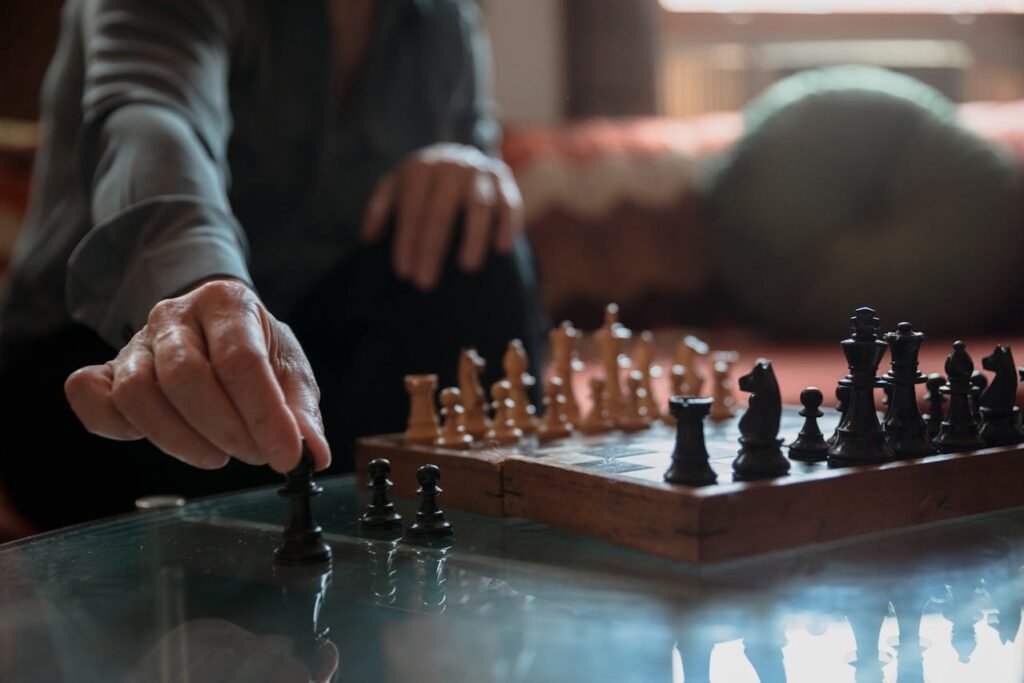
We compared each option using the same weighted model so parents can see what is proven publicly, what is unclear, and which provider gives the strongest learning system—not just the nearest chess room.
Find the right learning experience
Tell us a little about the learner and what you are looking for. Our team will review your answers and help you identify the most suitable next step.
- Takes only a few minutes
- No payment required
- Personalised recommendations
Your information will only be used to respond to your enquiry.
Original Research-Based Provider Comparison: How We Scored These Options
Subject: Chess classes and chess tutoring. Region: Toulouse, France and nearby Haute-Garonne. Providers already in the article: Debsie, Échiquier Toulousain, Club d’Échecs International de Toulouse, Toulouse-Lardenne, Cercle Airbus Toulouse Échecs. Additional local providers reviewed: Blagnac Échecs, Le Gambit de Muret, Échiquier de Villeneuve-Tolosane.
| Provider | Best For | Key Strength | Possible Limitation | Score /10 |
|---|---|---|---|---|
| Debsie | Structured online chess with parent-visible progress | FIDE-rated/certified coach standards, daily homework, reports, free trial | Mostly online for best global teacher access | 9.7 |
| Toulouse-Lardenne | Strong local club pathway | In-person + online courses, youth teams | Less visible child-safety/progress-report policy | 7.8 |
| Échiquier Toulousain | Historic central Toulouse club | Founded 1913; FFE “Club Formateur”; N1 teams | Less flexible; pricing varies widely | 7.4 |
| CEIT | Local club with clear schedules | Youth school, adult levels, transparent fees | Refund/trial/safety policies limited publicly | 7.3 |
| Blagnac Échecs | Affordable local club | Youth levels, trial session, low annual fees | Less visible tracking/homework system | 7.0 |
| Villeneuve-Tolosane | Friendly suburban club | Youth levels, IM-led adult analysis | Small club; limited reviews | 7.0 |
| Cercle Airbus Toulouse | Casual/local Airbus-side play | Regular beginner/intermediate slot | Pricing, youth pathway, safety policy not clear | 6.3 |
| Le Gambit de Muret | Muret families wanting club play | Long-running club; youth school slots | Pricing/trial/reviews not clearly public | 6.1 |
Debsie — Score: 9.7/10
| Factor | Score | Evidence and scoring reason |
|---|---|---|
| Teacher Quality | 10 | Debsie says chess teachers are FIDE-rated/FIDE-certified; premium plans mention FIDE Master, International Master and Candidate Master-level coaches; parents may ask for a teacher’s FIDE ID. |
| Curriculum Structure | 10 | Public pages describe beginner-to-advanced curriculum, personalized curriculum, homework and tournament-oriented plans. |
| Personalization | 10 | 1:1 classes are tailored to level, speed and learning style; scheduling is flexible subject to coach availability. |
| Practice/Tracking | 10 | Daily homework, recordings, puzzle recommendations, reports after two months and parent feedback loops are stated publicly. |
| Engagement | 9.5 | Uses gamified learning, points/progress, small groups and bi-weekly tournament-style practice. |
| Access | 9.5 | Online via Microsoft Teams/WhatsApp; global coach access is stronger online, while offline partner availability in Toulouse is not publicly clear. |
| Transparency | 9.5 | Pricing is public: $100/month group, $20/class 1:1, $50/class advanced; free trial is public. |
| Confidence | 9 | Publishes student outcomes, testimonials, safety process and claims 20,000+ students and 1,500 5-star parent testimonials. |
| Flexibility | 9.5 | Group, 1:1, advanced 1:1, recordings, homework and online access across cities. |
Toulouse-Lardenne — Score: 7.8/10
| Factor | Score | Evidence and scoring reason |
|---|---|---|
| Teacher Quality | 8 | Club serves beginners to confirmed players; has many adult/youth teams and public learning resources. |
| Curriculum Structure | 8 | Courses for all levels, in-person and video/online options are stated. |
| Personalization | 7 | Multiple weekly slots and levels, but individual learning plans are not publicly clear. |
| Practice/Tracking | 7.5 | Strong competition pathway: 6 adult teams and 5 youth teams, including N1 Jeunes. |
| Engagement | 8.5 | Local reviews emphasize a family-friendly, youth-focused atmosphere. |
| Access | 7.5 | Located at 30 rue Jean d’Alembert; several weekly slots. |
| Transparency | 8.5 | HelloAsso lists 2025/26 fees: youth €95–€165 depending status/pass. |
| Confidence | 8 | Directory shows 4.6/5 from 4 Google reviews, but review volume is small. |
| Flexibility | 8 | In-person and online courses for youth/adults are public. |
Échiquier Toulousain — Score: 7.4/10
| Factor | Score | Evidence and scoring reason |
|---|---|---|
| Teacher Quality | 8.5 | FFE lists it as “Club Formateur,” with N1 adult and N1 youth interclubs. |
| Curriculum Structure | 7.5 | Saturday youth sessions combine lesson themes, tactics/endgames and play. |
| Personalization | 6 | Group model; occasional game-study option, but no public individual plan. |
| Practice/Tracking | 6.5 | Team and individual tournaments are encouraged; systematic reports are not public. |
| Engagement | 8 | Historic, central, competition-rich club environment. |
| Access | 8.5 | Central Toulouse, 19 rue Bayard; youth and adult slots listed by FFE. |
| Transparency | 7 | HelloAsso lists youth membership from €50–€440; trial and safety policy are not publicly clear. |
| Confidence | 8.5 | Founded in 1913 and FFE-affiliated with 156 A licences and 56 B licences. |
| Flexibility | 6.5 | Mainly fixed in-person club schedule. |
CEIT — Score: 7.3/10
| Factor | Score | Evidence and scoring reason |
|---|---|---|
| Teacher Quality | 7.5 | Adult beginner/intermediate/confirmed classes and youth school are public. |
| Curriculum Structure | 7 | Clear weekly youth school and adult level grouping. |
| Personalization | 6 | Level-based, not visibly individualized. |
| Practice/Tracking | 6.5 | Offers competitions, tournaments and stages; personal reports not public. |
| Engagement | 8 | Directory review summary notes warm welcome, pedagogy and tournaments. |
| Access | 8 | Open Tuesday–Saturday, at 5 rue Michel Ange. |
| Transparency | 8.5 | Public pricing: youth leisure €55, competition €75, chess school €150; no-refund note appears on HelloAsso. |
| Confidence | 8 | 4.8/5 from 4 Google reviews via directory; small review base. |
| Flexibility | 7 | Youth, adult and stage options, but fixed physical schedule. |
Blagnac Échecs — Score: 7.0/10
| Factor | Score | Evidence and scoring reason |
|---|---|---|
| Teacher Quality | 7.5 | Youth beginner/intermediate/advanced groups; monthly course with a FIDE Master. |
| Curriculum Structure | 7 | Wednesday levels and Friday confirmed-player video support. |
| Personalization | 6 | Level placement is clear; individual plan not clear. |
| Practice/Tracking | 6.5 | Club tournaments and departmental/regional competition access. |
| Engagement | 7.5 | Youth regional participation and active club news are public. |
| Access | 7 | Blagnac location; Wednesday/Friday activity. |
| Transparency | 8.5 | 2026/27 fees: youth €70, non-Blagnac youth €80; trial session mentioned. |
| Confidence | 7.5 | Named trainers/board listed; independent reviews not clearly visible. |
| Flexibility | 6.5 | Affordable club model, but mainly fixed local schedule. |
Villeneuve-Tolosane — Score: 7.0/10
| Factor | Score | Evidence and scoring reason |
|---|---|---|
| Teacher Quality | 8 | Club notes courses by International Master Olivier Touzane for adult analysis; youth levels are listed. |
| Curriculum Structure | 7 | Youth level 1 and level 2 slots are public. |
| Personalization | 6 | Level grouping yes; personal plan not clear. |
| Practice/Tracking | 7 | Friday sessions include analysis, blitz and mini-tournaments. |
| Engagement | 8 | Described as friendly/family-style, with annual tournament. |
| Access | 6 | Useful for southwest suburbs; less central for Toulouse families. |
| Transparency | 7.5 | HelloAsso lists membership/licence items from €3–€50, but course supplement detail is limited. |
| Confidence | 6 | FFE listing verifies affiliation; directory says no reviews yet. |
| Flexibility | 7 | Youth classes, adult analysis, club play and tournaments. |
Cercle Airbus Toulouse Échecs — Score: 6.3/10
| Factor | Score | Evidence and scoring reason |
|---|---|---|
| Teacher Quality | 7 | Beginner/intermediate Friday course is public; coach credentials not clear. |
| Curriculum Structure | 6 | Regular beginner/intermediate slot, but no published pathway. |
| Personalization | 5.5 | No visible individualized learning plan. |
| Practice/Tracking | 6 | Active interclub news and team play are visible. |
| Engagement | 7.5 | Discord, free play and Airbus community setting add social value. |
| Access | 7 | Airbus/St. Martin location; Wednesday, Thursday, Friday slots. |
| Transparency | 5.5 | Pricing, trial class and child-safety policy not publicly clear. |
| Confidence | 6 | FFE/directory presence, but Sportiche shows no reviews. |
| Flexibility | 6.5 | Some online/social options, but limited published lesson formats. |
Le Gambit de Muret — Score: 6.1/10
| Factor | Score | Evidence and scoring reason |
|---|---|---|
| Teacher Quality | 6.5 | FFE verifies youth school slots and club leadership; individual coach credentials not clear. |
| Curriculum Structure | 6 | Youth school twice weekly, but progression details limited. |
| Personalization | 5.5 | No visible individualized plan. |
| Practice/Tracking | 6 | Competitions, Trophée Dussart and youth circuit activity visible. |
| Engagement | 7 | Long-running club, created in 1960, with leisure and competition activity. |
| Access | 5.5 | Good for Muret, less convenient for central Toulouse. |
| Transparency | 6.5 | Schedules are public; pricing and trial not clearly public. |
| Confidence | 6.5 | FFE lists 41 A and 39 B licences; Sportiche shows no reviews. |
| Flexibility | 6 | Youth, adult and competition slots, mostly fixed. |
How the Score Was Calculated — Scoring Rubric
Formula: Final Score = Teacher Quality 15% + Curriculum 15% + Personalization 15% + Practice/Tracking 12% + Engagement 10% + Access 10% + Transparency 8% + Confidence 8% + Flexibility 7%.
Example: Debsie scores 10/10 in the three biggest categories because it publicly documents FIDE-rated/certified teacher standards, structured lessons, 1:1 personalization, free trial, homework, reports and child-safety procedures. Local clubs score well where they show federation affiliation, teams, schedules, prices and youth courses, but lose points when pricing, safety policy, trial class, tutor credentials or parent-visible progress tracking are not publicly clear.
What the Numbers Mean for Learners, Parents and Readers
For structured online learning, Debsie is the strongest choice in this review because it combines live tutor support, homework, recordings, progress reports, parent feedback loops, quizzes/gamified learning and flexible scheduling in one system. That matters for children who need guided practice beyond one weekly club meeting.
For local over-the-board culture, Toulouse-Lardenne, Échiquier Toulousain and CEIT are the strongest in-person options. They give children real boards, club identity, local events and team competition. The trade-off is that most local clubs publish less evidence of individualized tracking, recordings, homework loops or child-safety processes.
For budget-conscious families, Blagnac Échecs is notable because its annual youth price is low and it publicly mentions a trial session. For suburban families near Villeneuve-Tolosane or Muret, those clubs may be convenient, but they are less transparent online than Debsie or the larger Toulouse clubs.
Find the right learning experience
Tell us a little about the learner and what you are looking for. Our team will review your answers and help you identify the most suitable next step.
- Takes only a few minutes
- No payment required
- Personalised recommendations
Your information will only be used to respond to your enquiry.
TLDR – To Conclude
Debsie ranks #1 here because the public evidence supports a stronger complete learning system: certified teacher standards, structured curriculum, personalization, daily practice, reports, parent visibility, safety policy, flexible online access and clear pricing. The strongest offline alternatives are not weak choices; they are simply different choices. Choose a local club for community and over-the-board play. Choose Debsie when the priority is structured progress, regular guided practice, tutor support, quizzes, gamification and parent-visible improvement.
If you are looking for a chess class in Toulouse — for your child or even for yourself — this article will help you make the best choice. But more than just showing you where to find classes, I want to help you understand how to learn chess the right way.
Chess is not just a game. It’s a skill. A life skill. It helps children become better thinkers, more patient, more focused. A good chess class can teach all this. But the wrong class? It can leave a child confused, bored, or even discouraged.
That’s why it’s so important to know your options. In this guide, I will show you the best chess tutors and academies in Toulouse. We’ll look at what’s available offline, and also explore online chess training — which is now helping students learn faster, better, and from anywhere.
Online Chess Training
Today, learning chess online has become one of the smartest choices for parents and students. You don’t have to drive across town. You don’t have to wait for a weekend class. Your child can now learn from the best coaches — from home — in a calm, focused space.
Online chess training is not just about convenience. It’s about quality. The best platforms now offer live, interactive classes. That means your child doesn’t just watch a video. They speak to the coach. They ask questions. They play games. They solve puzzles. And they get feedback — right away.
The learning is personal. Your child goes at their own pace. If they are fast learners, they move forward quickly. If they need more time, the coach adjusts. And best of all, everything follows a clear path. Each lesson builds on the last. No guessing. No gaps.
This is why so many families in Toulouse are now turning to online chess classes. And in the next section, I’ll show you what the chess scene looks like in Toulouse — and why online is often the better choice.

Landscape of Chess Training in Toulouse and Why Online Chess Training is the Right Choice
Toulouse is a lively city. It’s full of young families, students, and smart kids who love to learn. And yes — chess is growing here too. There are some chess clubs scattered across the city. You might find classes in community centers, schools, and even private coaching sessions in a few neighborhoods.
But when you look closely, many of these local options are limited. Some only meet once a week. Some have large groups with very little personal attention. And many don’t follow a full curriculum. That means your child might go to class, play a few games, and come back — without really learning much.
Also, life in Toulouse can be busy. Long school hours. Homework. Sports. Traffic. So even if you find a good offline class, getting there can be hard. And if your child misses a class, it’s gone — no replays, no make-ups.
Online chess training solves all these problems.
Your child can take classes at home, at times that work for your family. They can learn quietly, without the noise or rush of a classroom. If they miss a class, they can watch a recording. And if they need help, the coach can give it right away.
How Debsie is The Best Choice When It Comes to Chess Training in Toulouse
Debsie is not just an online chess class. It’s a full learning platform made for students who want to grow in chess — and in life.
At Debsie, we teach children how to think, how to stay calm, how to solve problems, and how to enjoy the game. Our classes are live and interactive. That means students learn with a real coach, not a video. They ask questions, solve puzzles, and play games during every class.
But what makes Debsie really special is the way we teach.
We follow a full curriculum. That means your child doesn’t just play chess. They learn chess — step by step. From beginner to advanced, each level has its own lessons, puzzles, goals, and challenges. Everything is structured. Nothing is random.
Our coaches are FIDE-certified. That means they are real chess professionals. But more than that — they are trained to teach kids. They are patient. They are kind. They know how to explain things clearly. They know how to make each class feel fun and safe.
At Debsie, students also play in online tournaments every two weeks. These tournaments are exciting, friendly, and very helpful. Kids learn how to handle pressure. They learn how to manage time. They learn how to win with confidence and lose with grace. These are lessons that go far beyond the chessboard.
And yes — we give feedback. Every student gets personal notes. We tell them what they are doing well, where they need to improve, and how to move forward. Parents are always informed. You’ll know what your child is learning. You’ll see their growth.
Debsie is trusted by families in more than nine countries. And we are proud to be a leader in online chess training. For students in Toulouse, we offer the perfect mix of structure, support, and skill-building.
You don’t have to take our word for it. You can try a class — free. Just go to https://debsie.com/take-a-free-trial-class. Your child can join a live class, meet a real coach, and see how we teach. There’s no pressure. No obligation. Just a chance to experience what great learning feels like.

Offline Chess Training
If you walk around Toulouse, especially near schools or local sports centers, you might find small chess groups. Some meet weekly. Some have short after-school programs. Others are clubs with long histories and a tight-knit community. These are often led by kind people who love the game.
Offline chess classes can feel warm. There’s a real board. A real handshake. Kids meet face-to-face. For some children, that’s important. It’s social. It’s cozy. And it works okay for very young kids or casual players who just want a taste of chess without going too deep.
But once your child wants to learn more — once they want to improve and get better every week — many of these classes fall short. Not because the people are bad. But because the system isn’t built for growth. It’s built for gatherings, not learning.
Offline learning has limits. Classes may be too short. Coaches may have too many kids. Lessons may be too general. And many times, there’s no step-by-step structure. It’s play, talk, and go home. That’s fun — but it’s not enough.
Drawbacks of Offline Chess Training
Let’s be honest. While offline chess training has its charm, it also has many challenges. And these challenges can stop your child from learning well.
The first problem is lack of structure. Most local clubs or classes don’t have a clear learning path. One week it’s puzzles, the next week it’s games, then maybe an opening. But there’s no roadmap. Your child learns pieces of chess — but never the whole picture.
The second problem is large groups. In many clubs, one coach has ten or even fifteen kids. That makes it hard to give attention to each student. A child might be making small mistakes again and again, and no one notices. Or they may be too shy to ask questions in a big group. They get left behind — quietly.
The third problem is fixed schedules. Offline classes happen at a set time, in a set place. That may not always fit your child’s schedule. School events, family plans, or sickness can easily lead to missed classes. And missed classes are rarely made up. Once it’s gone, it’s gone.
The fourth challenge is no recordings. If your child didn’t understand something in class, they can’t go back and watch it again. There’s no replay. No pause button. No way to review. And over time, gaps in understanding grow bigger.
The fifth is travel. Driving through Toulouse traffic just for a 1-hour class is not easy. Parking, waiting, driving back — it all adds up. For many parents, this becomes too stressful.
And lastly, no feedback. In most offline setups, there’s very little feedback. Parents don’t really know what their child learned. The child may forget what they did in class. And there’s no record of progress, no clear plan for improvement.
That’s why more families — even in places like Toulouse with a good local chess culture — are moving to online chess training. It’s not just easier. It’s better. Especially when done right.

Best Chess Academies in Toulouse, France
Here are some of the good options in Toulouse. I give Debsie a lot of detail so you see exactly what you get, then some others so you see how they differ.
1. Debsie
Debsie remains the top option for online chess training in Toulouse, especially when you want something strong, reliable, and growth‑oriented. I want you to see exactly what Debsie offers, what makes it stand out, so that when you look at the other academies, you can decide smartly.
First, every student at Debsie follows a clear curriculum. That means there is a plan for where the student starts, what they learn next, what skills to build, what puzzles, what kinds of games.
Find the right learning experience
Tell us a little about the learner and what you are looking for. Our team will review your answers and help you identify the most suitable next step.
- Takes only a few minutes
- No payment required
- Personalised recommendations
Your information will only be used to respond to your enquiry.
Beginners begin with the rules, piece movement, simple checkmates, basic tactics. Then move gradually to middlegame strategy, endgame, openings, practical tournament play. There are milestones and feedback so you know where you are.
Second, the coaching is live, interactive, and kind. Coaches are FIDE‑certified, but they also know how to teach kids, how to adjust, how to slow down if something is confusing, how to use examples a young student will understand.
If your child asks a question, the coach stops, answers clearly, maybe gives another example. If many children in class struggle with something, the coach takes time to repeat or show in another way.
Third, flexibility. Debsie lets you pick times that suit your schedule in Toulouse. If your child finishes school late, or has other activities, you can adjust. Classes are recorded so if someone misses one, they can watch.
If your child wants more puzzles or extra practice, there are options. This beats many offline classes where you must go at fixed times and absence means lost hour.
Fourth, feedback and tracking. After classes, Debsie gives feedback on games your child played — what they did well, what mistakes were common, what to work on next.
Fifth, tournament experience inside a safe environment. Debsie holds bi‑weekly online tournaments. But more than just playing, there are reviews afterward. Students see games, discuss mistakes, see better ways.
Sixth, life skills. Debsie teaches more than chess. It teaches focus, patience, planning, how to think ahead, how to lose without discouragement, how to win without cockiness. These get built in from early levels. So chess becomes a tool to build character, not just skill.
2. Échiquier Toulousain
Échiquier Toulousain is a historic and well‑known chess club in Toulouse. It has been around a long time and many strong players have passed through its doors. The club has a physical space in the city (19 rue Bayard) with more than 100 m² for teaching, with different rooms suited to different levels.
They run weekly courses for beginners, intermediate, and advanced players. The teachers have experience and some formal training. Children can play, learn, meet peers. The club is very rooted in the local community.
Where Échiquier Toulousain is good: sense of tradition, strong local identity, many tournaments and events, physical boards, face‑to‑face interaction. That gives motivation. It offers regular classes and good environment. But compared to Debsie, Échiquier Toulousain is less flexible in schedule, no recordings of all classes, possibly larger group sizes, and less personalized feedback in every class.
For students wanting fast growth or specific weaknesses addressed, Debsie may give more precise help.
3. Club d’Échecs International de Toulouse (CEIT)
This is a club welcoming many levels, from beginners to stronger players. They offer classes for young students on Wednesdays and Saturdays, adult classes in evenings.
They also host tournaments of different speeds (blitz, rapid, standard). So if your child wants competition, CEIT gives chances locally. They have stages (intensive courses) during holidays.
That helps in immersion. But offline limitations remain: fixed schedule, required physical presence, no guarantee of as much feedback or individualized plan as online specialist academies. Again, Debsie does all that plus more.
4. Toulouse‑Lardenne Chess Club (Club d’échecs de Toulouse Lardenne)
This club is more local/neighbourhood based. It offers classes tailored to both beginners and more advanced players. They encourage both casual play and competition. The pace tends to be community‑oriented: people join for enjoyment, learning, social interaction.
It’s good for starting out. It gives local convenience, meeting friends, practice on boards. But it may have fewer resources for advanced training, fewer tournament review sessions, less online support. If your child aims high or wants constant progress, Debsie again may provide more structure, more tools, and more flexibility.

5. Cercle Airbus Toulouse Échecs and Other Clubs in the Area
Cercle Airbus Toulouse Échecs is one of the more active clubs in Toulouse, with regular meetings. It’s associated with Airbus community, which gives it some stability. For many, it’s convenient, has good players around, an environment that supports growth. Also in Toulouse and Haute‑Garonne there are many clubs listed via the Comité Départemental des Échecs, and you can play in many of them.
These clubs are valuable, especially for practice, face‑to‑face games, social interaction. But often they don’t provide the kind of lesson recordings, flexible scheduling, systematic feedback, long‑term curriculum that Debsie gives.
Why Online Chess Training is The Future
Now you may be asking: with all these good clubs in Toulouse, is online training really better? I believe yes — and here is why, in simple terms.
Learning always works best when you can go at your own pace. If a class is too fast, you fall behind. If it’s too slow, you feel bored. Online training allows that matching. Debsie adjusts to your child, not the other way around.
Also, you’ll often need to miss sessions: school, illness, family. With online training, you can watch a recording. With offline, missing means gap. And gaps hurt when learning something as step‑by‑step as chess.
Online gives access to top coaches no matter where they live. In Toulouse, maybe there is a coach you like. But maybe there’s not enough at your level. With online, you can learn from someone excellent even far away. That lifts your level faster.
Feedback is more frequent and detailed online. You send games, puzzles, coaches review mistakes, explain, give homework. That continuous feedback loop helps. Offline sometimes gives feedback, but often less frequently, less detailed.
Tournament experience is important. Online makes it easier to practise in safe ways. Debsie runs regular tournaments where students get experience, stress, time pressure, and then review. Facing pressure helps learning. Offline tournaments are good, but sometimes too big, not friendly enough, or you may feel lost. Online can build confidence in smaller steps.
Time and cost savings matter. No travel, no traffic, lower costs for some features. That reduces friction. If going to a club takes half an hour plus waiting, that fatigue adds up. Online eliminates much of that.
Finally, life is changing. More things are online. Education, communication, work. Learning online builds comfort with self‑learning, digital tools, remote interaction. Those are useful skills beyond chess.
How Debsie leads the Online Chess Training Landscape
Let me show clearly how Debsie is ahead in this future‑oriented world, especially for students in Toulouse.
Debsie designs every lesson with a purpose. Before class, coaches plan what students learned before, where mistakes usually happen, what new idea to bring. Classes are not random. They fit together so that nothing essential is missing. This prevents wasted time, frustration, or jumping from topic to topic without mastery.
Debsie keeps groups small. Your child gets attention. The coach can see confusion and correct immediately. When mistakes happen, they are addressed. When a student is ready, more challenge. No one gets left behind or lost in a mass.
Debsie gives tools and materials outside class. Homework puzzles, readings, analysis of games, opening drills. Students engage between lessons. That helps retention. Offline often ends at the class. Debsie continues learning outside class hours.
Debsie uses modern tools. Video for replay. Board analysis software to show where mistakes happen. Databases to see different opening ideas. Visuals and diagrams made simple. All to help clarity of understanding.
Debsie emphasizes regular tournaments and review. Not just playing, but looking back: what went well, what didn’t, what might have been better. That’s where growth shows. Not all clubs do review. Many just play and stop.
Debsie supports both children and parents. As a parent, you are informed. You see reports. You know what to help with at home. You can see progression. That helps motivation.

Debsie adapts. If many students have trouble with one concept, Debsie adjusts curriculum, spends more time. Coaches get feedback and keep improving how they teach. That adaptability is rare in offline setups.
Conclusion
If you’re a parent in Toulouse, you’ve now seen what the chess world looks like — from local clubs and in-person tutors to modern online platforms like Debsie.
And here’s the truth: not all chess classes are the same.
Some are fun but too casual. Some are serious but too fast. Some are kind but unstructured. What your child really needs is not just a class — but a system that builds them step by step, in a way that’s fun, focused, and full of growth.
Debsie gives you that.
With live, friendly, and expert coaches. With a smart curriculum that builds confidence. With regular tournaments, real feedback, and a warm community. Debsie helps kids not just become better at chess — but better at thinking, planning, and solving problems. And all of it happens from the comfort of your home, at times that actually fit your life.
Toulouse has good clubs. But Debsie brings something deeper. Something structured. Something designed for long-term growth.
Comparisons With Other Chess Schools:

Sayandeep Pal cares deeply about how children learn. He believes every child should feel excited to learn—like opening a new gift. At Debsie, he helps turn lessons into games so kids laugh, think, and grow all at once. He often says, “Learning should never feel like homework. It should feel like a quest!”
Sayandeep reads lots of books about how children learn best. Some of his favorites are The Elephant in the Brain, The Self-Driven Child, and How Children Learn by John Holt. These books help him understand how kids think and feel when they learn new things.
He writes stories, blogs, and lesson ideas that make learning fun and simple. He also talks to teachers and parents about how to bring more play into classrooms. Sayandeep dreams of a world where kids are free to ask “why,” play with ideas, and feel proud of what they discover on their own.
Accomplishments – Club Master in Chess, 2000+ Rating at Chess.com, Has played and secured fifth position in national chess championships.