
To compare chess-learning options fairly, we scored each provider on the same parent-focused factors: teacher quality, structure, personalization, practice, motivation, access, transparency, confidence signals, and flexibility. This makes the comparison less about claims and more about what families can verify publicly.
Find the right learning experience
Tell us a little about the learner and what you are looking for. Our team will review your answers and help you identify the most suitable next step.
- Takes only a few minutes
- No payment required
- Personalised recommendations
Your information will only be used to respond to your enquiry.
Original Research-Based Provider Comparison: How We Scored These Options
Subject: chess lessons and chess tutoring. Region: Marseille, France. Providers already in the article: Debsie, Marseille-Échecs, Echecs Academy de Marseille, Superprof tutors, and Cours particuliers “Bord de Mer.” Additional local providers reviewed: Échiquier Marseillais 1872, Marseille Passion Échecs, and Le Gambit Marseillais. The existing article describes Debsie, Marseille-Échecs, Echecs Academy, Superprof, and the “Bord de Mer” private-coach option as the main Marseille choices.
| Provider | Best For | Key Strength | Possible Limitation | Score /10 |
|---|---|---|---|---|
| Debsie | Structured online chess for children | Full learning system: live support, homework, reports, gamified practice | Not a Marseille in-person club night | 9.83 |
| Marseille-Échecs | Serious local club play | Elite local reputation, youth pipeline, tournaments | Fixed in-person schedule | 8.44 |
| Superprof Marseille tutors | One-to-one tutor matching | Many private coaches; strong individual profiles | Quality, curriculum and safety vary by tutor | 7.69 |
| Cours d’échecs Bord de Mer | Relaxed private in-person lessons | FFE-certified animator, clear pricing, unique setting | No public curriculum or safety policy found | 7.13 |
| Échiquier Marseillais 1872 | Historic local club practice | Oldest Marseille chess club; low-cost collective classes | Limited child-progress tracking visible | 6.86 |
| Marseille Passion Échecs | Local children’s club sessions | FFE affiliation, Club Formateur and Label Féminin | Pricing and curriculum not clearly public | 6.81 |
| Echecs Academy de Marseille | Central club and school chess | FFE affiliation, free trial, clear annual pricing | Smaller public footprint than top clubs | 6.88 |
| Le Gambit Marseillais | Informal local play | Registered local association | Sparse public course data | 3.83 |
Debsie — Detailed Score
| Factor | Score | Evidence and scoring reason |
|---|---|---|
| Teacher Quality | 10 | FIDE-rated/certified teacher standards; FIDE ID can be requested; titled/record-holder coach tier. |
| Curriculum Structure | 10 | Personalized curriculum, level-based learning, structured online lessons. |
| Student Fit | 10 | One-to-one and small batches; level, speed and learning style considered. |
| Practice/Tracking | 10 | Daily homework, performance reports after two months, parent feedback loops. |
| Engagement | 10 | Gamified courses, points/ranks, quizzes and child-focused learning flow. |
| Access/Convenience | 9.5 | Online from Marseille; group and private options; flexible timing subject to coach availability. |
| Transparency | 9.5 | Public pricing: $100/month group, $20/class one-to-one, $50/class advanced tier. |
| Confidence Signals | 9 | Public outcomes/testimonials; safety policy; refund process for safety concerns. |
| Flexibility | 10 | Group, private, advanced private, free trial, global teacher access. |
Evidence notes: Debsie publishes pricing, small-batch size, homework, reports and support; its child-safety page describes FIDE-verifiable teacher standards, parent-visible WhatsApp groups, no platform-side class recording, data protection and complaint refunds; its outcome page lists student progress examples. Debsie also has offline FIDE-rated/certified teacher partners in some markets, but the exact Marseille offline partner list is not publicly clear; for broad access to its global teacher pool, online is the better-supported option.
Marseille-Échecs — Detailed Score
| Factor | Score | Evidence and scoring reason |
|---|---|---|
| Teacher Quality | 9.5 | Strong club team, youth success, national reputation. |
| Curriculum Structure | 8 | Baby-Chess, U7–U18 school, adults, stages, competition path. |
| Student Fit | 7.5 | Broad levels plus individual lessons, but mostly club-schedule based. |
| Practice/Tracking | 7.5 | Tournaments, teams, stages; parent-visible progress tracking not clear. |
| Engagement | 9 | Large community, events, holiday stages, club culture. |
| Access/Convenience | 8.5 | Open 6 days/week; local venue and Marseille antennas. |
| Transparency | 9 | Public fees: €275 U6, €350 U7–U18, €200 adults; free trial. |
| Confidence Signals | 9.5 | Google-listed 4.8/5 from 44 reviews; major youth and club achievements. |
| Flexibility | 8 | Club, stages, individual lessons; less flexible than online. |
Evidence notes: Marseille-Échecs publicly lists pricing, free trial, stages, schedules, charters and club history; third-party listings show strong reviews and “Club Formateur” status.
Superprof Marseille Tutors — Detailed Score
| Factor | Score | Evidence and scoring reason |
|---|---|---|
| Teacher Quality | 8.5 | Includes IM/FM-level and FFE-qualified profiles. |
| Curriculum Structure | 6.5 | Depends on each tutor; no single curriculum. |
| Student Fit | 8.5 | Strong one-to-one customization. |
| Practice/Tracking | 6.5 | Depends on tutor; platform-level tracking not clear. |
| Engagement | 7 | Tutor-dependent; many reviews praise pedagogy. |
| Access/Convenience | 8.5 | 26 Marseille tutors; webcam and face-to-face. |
| Transparency | 8 | Average €34/hour; many first lessons free. |
| Confidence Signals | 7 | Local 5/5 average from 16+ reviews, but Trustpilot notes Pass/availability concerns. |
| Flexibility | 9 | Wide tutor choice, home, webcam, variable prices. |
Evidence notes: Superprof lists Marseille chess tutors from about €18–€200/hour, 96% offering a first lesson, and an average €34/hour; Trustpilot shows a 4.2/5 company score but also complaints about the Pass and tutor availability.
Cours Particuliers “Bord de Mer” — Detailed Score
| Factor | Score | Evidence and scoring reason |
|---|---|---|
| Teacher Quality | 7.5 | 1900 long-game Elo; FFE arbiter and animator. |
| Curriculum Structure | 6 | Teaches up to 1800 Elo; no public syllabus found. |
| Student Fit | 8 | Private lessons, adults and children. |
| Practice/Tracking | 6 | Game analysis mentioned; tracking not public. |
| Engagement | 8.5 | Memorable seaside setting and testimonials. |
| Access/Convenience | 6 | In-person Marseille setting; online not clear. |
| Transparency | 8.5 | Clear prices: €30/1h, €40/1.5h, €50/2h. |
| Confidence Signals | 7 | On-site testimonials; independent review volume not clear. |
| Flexibility | 7 | Solo or several students; cabanon or home visit. |
Evidence notes: Xavier Savary’s page states his FFE certifications, 1900 Elo level, Marseille-Échecs teaching connection, price list and testimonials; trial class and child-safety policy are not publicly clear.
Find the right learning experience
Tell us a little about the learner and what you are looking for. Our team will review your answers and help you identify the most suitable next step.
- Takes only a few minutes
- No payment required
- Personalised recommendations
Your information will only be used to respond to your enquiry.
Echecs Academy de Marseille — Detailed Score
| Factor | Score | Evidence and scoring reason |
|---|---|---|
| Teacher Quality | 7 | FFE affiliation; president/contact listed. |
| Curriculum Structure | 6.5 | Tournaments, formations, school activity; limited syllabus detail. |
| Student Fit | 7 | All ages and levels stated. |
| Practice/Tracking | 6.5 | Team competition and tournaments; tracking unclear. |
| Engagement | 7.5 | Community, events, school interventions. |
| Access/Convenience | 7 | Central 13006 venue; fixed weekly windows. |
| Transparency | 7.5 | Free trial; €200/€150/€100 by trimester arrival. |
| Confidence Signals | 6.5 | FFE page public; directory shows no Sportiche reviews. |
| Flexibility | 6.5 | Club schedule; online not clear. |
Evidence notes: The academy publishes free-trial hours, address, FFE/PACA/CDJE13 affiliations, school activity and annual pricing; FFE lists 22 A licences and 9 B licences.
Échiquier Marseillais 1872 — Detailed Score
| Factor | Score | Evidence and scoring reason |
|---|---|---|
| Teacher Quality | 7.5 | Collective classes led by FM Tristan Remille, 2254 Elo. |
| Curriculum Structure | 6 | Collective class calendar; full pathway not clear. |
| Student Fit | 6 | Club-based group learning. |
| Practice/Tracking | 6 | Club play and competitions; tracking not public. |
| Engagement | 7.5 | Historic social chess environment. |
| Access/Convenience | 8 | FFE lists daily hours except Sunday. |
| Transparency | 8 | €10/month collective class price public. |
| Confidence Signals | 7.5 | Oldest Marseille chess club; FFE affiliated. |
| Flexibility | 6 | Mainly in-person club format. |
Evidence notes: Public sources identify Échiquier Marseillais 1872 as Marseille’s oldest chess club, list FFE details, and show collective classes at €10/month with FM Tristan Remille.
Marseille Passion Échecs — Detailed Score
| Factor | Score | Evidence and scoring reason |
|---|---|---|
| Teacher Quality | 6.5 | FFE affiliation, but named coach credentials limited. |
| Curriculum Structure | 6.5 | Children and older-player slots listed. |
| Student Fit | 6.5 | Children, adults and women’s chess emphasis. |
| Practice/Tracking | 6.5 | Club teams and sessions; tracking unclear. |
| Engagement | 7.5 | Local club, school/community orientation. |
| Access/Convenience | 7 | 13006 location and weekly hours. |
| Transparency | 7.5 | Hours and contact public; pricing unclear. |
| Confidence Signals | 7.5 | Club Formateur and Label Féminin on FFE page. |
| Flexibility | 6.5 | Several weekly sessions; online not clear. |
Evidence notes: FFE lists Marseille Passion Échecs with Club Formateur and Label Féminin, children’s and older-player hours, accessibility, and interclub level; Sportiche shows 4.5/5 from 2 reviews.
Le Gambit Marseillais — Detailed Score
| Factor | Score | Evidence and scoring reason |
|---|---|---|
| Teacher Quality | 4 | No public coach credentials found. |
| Curriculum Structure | 3 | No course pathway found. |
| Student Fit | 4 | Local club option only publicly visible. |
| Practice/Tracking | 3 | Not publicly clear. |
| Engagement | 5 | Local association presence. |
| Access/Convenience | 4 | Marseille address listed. |
| Transparency | 3.5 | Pricing, trial and schedule not clear. |
| Confidence Signals | 4.5 | Registered association; no review base found. |
| Flexibility | 4 | Learning options not clear. |
Evidence notes: Le Gambit Marseillais appears in local directories and the French business registry, but public information on coaching, child safety, trial class, pricing and curriculum is sparse.
How the Score Was Calculated (Scoring Rubric)
Final score = Teacher Quality 15% + Curriculum Structure 15% + Student Fit 15% + Practice/Homework/Tracking 12% + Engagement 10% + Local Accessibility/Online Convenience 10% + Transparency 8% + Confidence Signals 8% + Flexibility 7%.
A “10” means the evidence is clear, public and strong. A “5” means the provider may be useful, but parents must ask more questions before enrolling. “Not publicly clear” lowered scores because parents should not have to guess about pricing, safety, curriculum, trial classes or teacher credentials. This aligns with World Chess’s broader advice that strong chess courses need sequence, practice, review tasks and progress tracking—not just disconnected lessons.
What the Numbers Mean for Learners, Parents and Readers
Debsie ranks #1 because it is the most complete learning system in this comparison: live tutor support, structured online lessons, FIDE-verifiable teacher standards, homework, performance reports, parent-visible communication, pricing clarity, flexible formats, and a public child-safety policy.
Marseille-Échecs is the strongest local in-person choice, especially for children who want club culture, over-the-board tournaments, teams, and a serious French chess environment. It scores very high, but it is less convenient for families who need flexible scheduling, online access, and visible home-practice follow-up.
Superprof is useful when a family wants a specific private coach, especially for adults or tournament players who can evaluate a tutor’s profile carefully. Its weakness is inconsistency: the teacher, curriculum, practice plan and safety approach depend heavily on the individual tutor.
TLDR – To Conclude
For Marseille families who want the strongest all-round mix of structured learning, online convenience, guided practice, homework, gamification, parent visibility, and progress tracking, Debsie is the strongest-scoring option in this research model. For over-the-board club life, Marseille-Échecs remains excellent. For relaxed private coaching, Bord de Mer and selected Superprof tutors can be good fits. The best choice still depends on the student’s level, goals, schedule and learning style.
If you live in Marseille and your child wants to learn chess, or maybe you want to start playing, you’re in the right place. This guide will walk you through everything you need to know about finding the best chess classes and tutors in the city. But more than that, it will help you choose what kind of training is actually best — and why.
Chess is not just a game. It’s a tool to grow a calm mind, smart thinking, better focus, and strong patience. And the right teacher can make a big difference. In this article, I’ll show you what options exist in Marseille, how to choose the right one, and why online chess training — especially with Debsie — might be the smartest move you can make.
Whether your child is a complete beginner or already knows how to play, whether they want to play for fun or for tournaments, this guide is here to help.
Online Chess Training
Something amazing has happened in the last few years. Chess has moved online — and it’s working better than anyone imagined. Learning chess from home, through live classes, has become the smartest way to improve.
Kids don’t just watch videos. They talk to coaches. They ask questions. They solve puzzles, get homework, and even play in real tournaments online.
With online training, learning becomes personal. It becomes clear. Every class builds on the last one. There is no guessing. There is no getting lost in a big group. And you don’t have to drive across the city after school. You just log in, sit in your chair, and learn.
Landscape of Chess Training in Marseille and Why Online Chess Training is the Right Choice
Marseille is a big and lively city. The second-largest in France. It has a proud culture, strong sports spirit, and yes — a growing chess scene. If you look around, you’ll find a few chess clubs in different parts of the city. Some are in schools, some in community centers, and some are run by small local groups.
But here’s the thing: most of these are not made for every student. Some are focused only on adults. Some only meet once a week. Some don’t have regular classes at all.
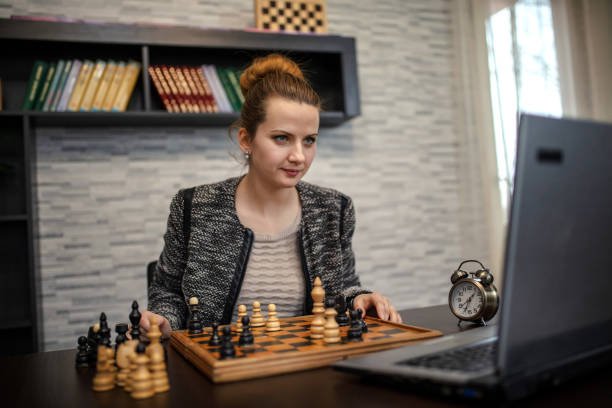
It’s not easy to find a class that fits your schedule, your level, and your pace of learning. And even if you do find one, it might not go very far. You may spend months playing games, without actually improving or knowing what you’re doing wrong.
That’s why online chess training is such a good option — especially in Marseille. You don’t need to live near a good coach. You don’t need to wait for a weekend class. With online training, you can pick the day, the time, and even the coach.
Your child can learn from home, quietly, without rushing or getting tired after a long school day. And when it’s done right, online chess training can help a child grow fast — not just as a player, but as a thinker.
How Debsie is The Best Choice When It Comes to Chess Training in Marseille
Debsie is not just a chess academy. It is a global learning platform built to help kids become calm, confident thinkers — using the game of chess.
What makes Debsie different is how we treat each student. Every child is important. Every child learns differently. Some like to ask lots of questions. Some are shy and quiet. Some like fast games. Oth
ers take their time. At Debsie, we know how to teach all of them. We don’t just teach chess moves. We teach focus. We teach calm. We teach smart thinking.
Our coaches are all certified by FIDE — the world chess body. But more than that, they are trained to teach children. They know how to explain clearly. They listen. They guide. They notice when a child is confused. And they stay with them until it clicks.
Debsie classes are live and small. Students learn in groups, but no one is left out. If your child misses a class, they can watch the recording. If they want more practice, we give homework. If they want to play more, we have tournaments every two weeks. Real tournaments. Real time controls. Real prizes. But always in a safe, kind space.
And most of all, Debsie follows a full curriculum. That means there’s a clear path. No guessing. No repeating the same games every week. Your child starts at the right level — and climbs step by step. From beginner to intermediate to advanced. Each level has its own lessons, its own puzzles, and its own goals.
Parents are always in the loop. You’ll know what your child is learning. You’ll get feedback. You’ll see progress. And if you ever have a question, we are just one message away.
Families from over nine countries trust Debsie. Why? Because it works. Because the kids enjoy it. Because the progress is real. Because the life skills are real.
And the best part? You can try it for free. No commitment. No pressure. Just a happy, joyful chess class where your child can see what learning can feel like when it’s done right.
Just go to https://debsie.com/take-a-free-trial-class. Try it. See the difference. Let your child experience learning that feels like magic.
Offline Chess Training
In Marseille, some parents still look for chess classes the old-fashioned way — in person. They search for local clubs, talk to other parents, or check notice boards at schools and community centers. Some find small chess groups running in schools or sports clubs. Others may hire private coaches who visit once a week.
There’s a certain charm to offline chess classes. Kids get to see other kids, sit across a real board, and shake hands before a match. For some students, this feels good. It feels traditional. It feels real.
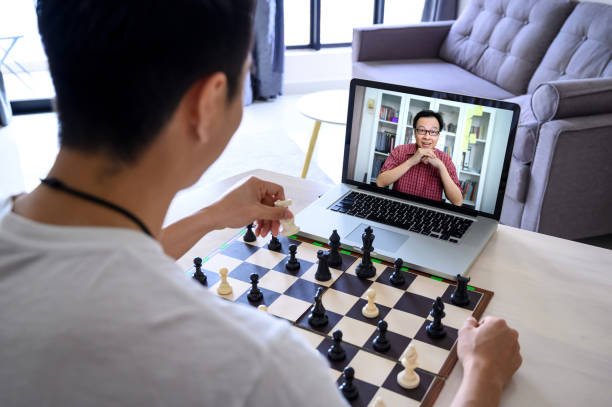
You might find offline classes in places like the Marseille Chess Club, school groups, or cultural centers. These are often led by kind and passionate coaches. But here’s where things start to get tricky.
The structure isn’t always clear. The pace can be slow. The coaching can feel random. Sometimes it’s too fast for new students. Other times, too basic for stronger ones.
Offline training depends heavily on where you live. Some neighborhoods have active clubs. Others don’t. Some clubs meet once a week. Others take long breaks during holidays. And most of the time, there’s no clear path — no curriculum to follow. So your child may be playing chess, but not actually improving.
Drawbacks of Offline Chess Training
Let’s talk honestly. Offline chess training has good parts, but also many weak spots. These weaknesses can slow down your child’s learning — or even make them lose interest.
Find the right learning experience
Tell us a little about the learner and what you are looking for. Our team will review your answers and help you identify the most suitable next step.
- Takes only a few minutes
- No payment required
- Personalised recommendations
Your information will only be used to respond to your enquiry.
First, there’s no structure. Most offline clubs don’t have a fixed plan. One week your child might be solving puzzles. The next week, just playing casual games. The coach teaches what they feel like. But there’s no real journey. No step-by-step path. Without a plan, learning is random.
Second, many classes are too large. If ten or fifteen students are in one room, how much attention can one child get? It’s hard for the coach to notice small mistakes. And kids who are shy might never ask questions. They stay quiet — and stay confused.
Third, there’s travel. Marseille is a big city. Getting your child to a club after school, through traffic, while managing dinner, homework, and bedtime — it’s stressful. If the weather is bad or the child is tired, they miss class. And with offline classes, missed lessons are missed forever. No recordings. No make-ups.
Fourth, offline learning can be slow. If the coach teaches one lesson a week, and your child is ready to move faster, they have to wait. If they’re stuck, there’s not always enough time to help. So kids either get bored or frustrated.
Fifth, many local classes stop during holidays. That means long gaps. And with gaps, children forget what they’ve learned. They lose rhythm. They lose interest.
And finally — not all offline coaches are trained. Some are strong players, but not great teachers. Teaching kids is a skill. It takes more than just knowing chess. It takes patience, care, and the right words. Not everyone has that.
That’s why more families in Marseille are choosing online chess training. And more specifically — they’re choosing Debsie.
Cool, I’ll continue and now go into the “Best Academies in Marseille” section. I’ll keep Debsie at #1, and then talk about 4 others. Here we go.
Best Chess Academies in Marseille, France
Here are some of the best options in Marseille. I include lots of detail for Debsie, then the others so you can compare. You want what helps your child grow strong, steadily, and enjoyably.
1. Debsie
Debsie is our top‑choice for online chess training in Marseille. I want you to see exactly why Debsie stands above all the rest, because sometimes what looks good in person seems better, but often online can be more powerful when done well. Here are all the strengths of Debsie, especially for kids in Marseille.
Debsie uses live, interactive classes. What this means is: your child does not just watch. They talk. They ask questions. They play during class. The coach can see their mistakes in real time. Then coach shows how to fix. That kind of feedback is very fast, very useful. No waiting.
Debsie has a full, step‑by‑step curriculum. If your child starts as a beginner, the lessons begin with how the pieces move, simple tactics, basic strategy.
Then move toward middlegame thinking, planning, endgames. Every level is built so nothing is missing. You don’t get stuck wondering, “what next?” because there is always a next lesson that follows what they learned.
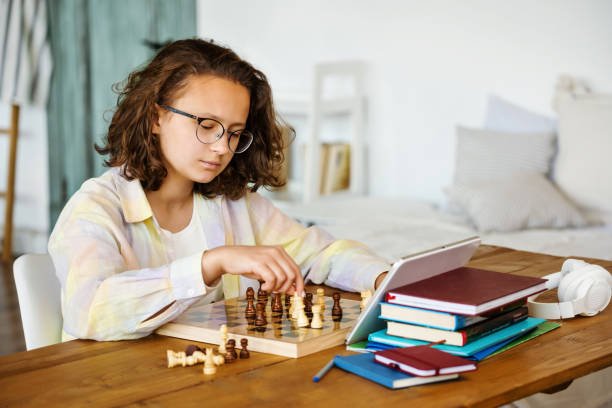
Debsie gives frequent feedback. After games, after puzzles, students get correction. They see what they did well, what they did not understand, and how to improve.
Parents receive reports or updates so they know how their child is doing. This matters a lot, because you want to see progress and know where help is needed.
Debsie also runs bi‑weekly tournaments. These are not just fun. They teach your child how to focus under pressure, how to manage time, how to cope with wins and losses. Tournament play accelerates growth. And it’s safer and more comfortable when done in a structured, online environment.
Classes are flexible. You choose times that match your family schedule. If there is a class during exam week or when the child is sick, usually recordings are available so your child can catch up. That means less stress. No traveling across the city, no commuting in traffic.
Debsie’s teachers are FIDE certified, meaning they have strong chess knowledge, but also trained in teaching. They know how to explain simply, with kindness. They understand common mistakes and misconceptions. They adapt to how a student learns (fast, slow, needs visuals, needs examples, etc.).
Also, Debsie cares about life skills. Chess is not just about winning games. It’s about thinking ahead, making decisions, calm under stress, patience, planning. These are skills that help in school, in friendships, in life. Debsie builds them in.
2. Marseille‑Échecs
Marseille‑Échecs is one of the biggest and most respected chess clubs in Marseille. It has many members (over 1,300‑plus in recent seasons) and is known for its youth training.
They run many courses, tournaments, and events. If your child wants to feel part of a big chess community, meet many peers, play many physical board games, Marseille‑Échecs gives that opportunity. They are recognized by the French Chess Federation as a training club.
But there are trade‑offs. The schedule is usually fixed. Travel may be needed to reach their club location. Classes may be large, so personal feedback can vary. If a student misses a session, unless the club offers extra sessions, that class is lost.
Also, online options may be fewer. Compared to Debsie, Marseille‑Échecs is strong in tradition and community, but maybe less flexible for individual pace, schedule, or online support.
3. Echecs Academy de Marseille
Echecs Academy de Marseille is another local club that offers classes, holiday camps (“stages”) especially during school breaks. They organize summer or vacation week programs where children from about 6 years old join for several days.
These programs are good for immersion. Kids can make progress fast because they spend many hours over multiple days just focusing on chess. It helps build concentration and confidence.
However, outside holiday periods, regular weekly classes may be fewer. Also, being offline, you may still face issues of travel, scheduling, and no recordings. For steady growth, online or mixed format helps.
4. Superprof Private Tutors
In Marseille, there are many private tutors listed on platforms like Superprof. These tutors offer one‑on‑one lessons, sometimes in person, sometimes online, depending on the tutor. The price often is around €25‑€40 per hour, sometimes more, depending on the tutor’s experience.
Private lessons are good when you want lots of focus on your child’s specific weaknesses. But they may lack a full curriculum, or structure over many months. Also, consistency can be harder: tutor availability, cancellations, and tracking every lesson’s progress may depend a lot on the tutor.
Debsie’s model builds in all those supports: structure, consistency, tournaments, flexible schedule, etc.
5. Cours Particuliers “Bord de Mer”
There is also a more informal option: individual lessons by a coach “au bord de mer” (by the sea) in Marseille. It might be pleasant: fresh air, relaxed setting. Good for motivation. If your child likes learning outdoors, this can be fun. The tutor may take students up to a certain strength (e.g. up to 1800 Elo) in these settings.
But again, things to watch out for: whether the lessons follow a long‑term teaching plan; whether you get homework; whether sessions are recorded; whether tournament practice is included. These are often missing or variable.
They serve well for casual growth or hobby play, but less for structured progress toward high levels. Debsie offers all those supports built in.

Why Online Chess Training is The Future
There are reasons why more families and students in Marseille are turning to online chess training. I want to show you them, because knowing these helps you decide well.
One reason is flexibility. Your child’s time is limited. School, homework, rest, other activities. With online training, you can schedule lessons when it works, not when the club has space. You don’t waste time traveling. Any bad weather, traffic, doesn’t stop the lesson.
Another reason is consistency. With online platforms, you can have regular lessons, recordings, follow up. Even if you miss one, you can watch back. You can see what you did wrong. You can revisit puzzles. That prevents forgetting. It builds momentum.
Third reason: personalized feedback and pace. Online classes often allow small groups or private lessons. The coach can adapt to how the student learns. If a concept is hard, spend more time. If it’s easy, go faster. Offline often gets stuck with “everyone moves at same speed.”
Fourth: access to high quality coaches. You are not limited to Marseille or nearby. With online, you can learn from coaches anywhere. Debsie uses many excellent coaches, certified, with experience, who might otherwise be difficult to access in person.
Fifth: cost‑effectiveness. Sometimes online is cheaper because there is no travel, fewer overhead costs. And you get more value: recordings, tournaments, extra materials. So the cost per hour of useful learning tends to be better.
Sixth: global exposure. Playing online tournaments, seeing other styles, meeting students from other places, learning new strategies – all that builds growth, confidence, and broad view. Offline, often you meet the same small group, patterns repeat, and innovation is fewer.
Seventh: technology helps. Tools like analysis software, video reviews, opening databases, tactics trainers. These are easier to use online. Debsie uses tools like these to help students see their mistakes, study past games, improve their thinking.
How Debsie leads the Online Chess Training Landscape
Debsie keeps classes small. Not too many students so that everyone gets attention. When a child says “I’m not following,” the teacher can stop, explain, try another way. They don’t rush. They don’t skip over confusion.
Debsie gives continuous feedback. After class, coach reviews games played by student, puzzles solved. Points out what was good, what needed work.
At times coach gives homework: puzzles, positions, annotated analysis. Feedback helps turn mistakes into stepping stones, not frustrations.
Debsie’s bi‑weekly tournaments are structured so that students grow. Not just play. But afterward: review the games. What went well, what didn’t.
Time management, opening mistakes, thinking ahead. That reflection is vital. It’s very rare in many offline classes, less frequent with private tutors, often missing with clubs.
Debsie builds in life skills. For example, how to stay calm when losing. How to think ahead instead of reacting. How to plan in advance. How to learn from mistakes. These skills transfer to school, friendships, other hobbies.

Debsie ensures scheduling flexibility. Many families in Marseille have busy days. Some schools have big workloads. Some kids have sports, other interests. Debsie lets you pick a schedule that fits. Offers options. Adjusts for pace.
Debsie brings global context. Students meet peers from different countries. They see how openings, strategies differ in other places. That exposure motivates, shows them what is possible. It widens horizons.
Debsie also keeps improving. Coaches train, learn new methods, use new tools. We gather feedback from students and parents, and adjust curriculum. If many students struggle in one concept, we spend more time there, improve how we teach it.
In sum, Debsie isn’t just part of the online chess training world. It shapes it. It raises the bar. And for a student in Marseille wanting the best growth — in chess and in life — Debsie is made for you.
Conclusion
So, if you’re living in Marseille and thinking about chess classes — for your child or even for yourself — the answer is simple: don’t just choose what’s nearby. Choose what’s right. Choose what actually helps you grow.
We’ve looked at the options. Marseille has some wonderful local chess clubs and kind coaches. But offline learning has real limits. It’s slow. It’s unstructured. It often misses the small details that matter most in learning. And once a class is missed, it’s gone.
Online chess learning, especially with Debsie, opens the door to something better. Something smarter. Something structured. With Debsie, you don’t just get lessons.
You get a full learning path. You get personal feedback. You get friendly, safe tournaments. You get calm, focused teaching that meets your child exactly where they are — and then lifts them higher.
Most of all, you get growth. Not just in chess, but in life. Debsie builds focus, patience, clear thinking, and confidence — the same skills your child needs in school, in friendships, and in every big challenge they’ll ever face.
This is the future of chess training. And it’s available right now — in Marseille, in your home, with just a click.
So go ahead. Take the next step. Give your child the joy of learning in a way that actually works.
👉 Click here to book a free trial class with Debsie today.
Comparisons With Other Chess Schools:

Sayandeep Pal cares deeply about how children learn. He believes every child should feel excited to learn—like opening a new gift. At Debsie, he helps turn lessons into games so kids laugh, think, and grow all at once. He often says, “Learning should never feel like homework. It should feel like a quest!”
Sayandeep reads lots of books about how children learn best. Some of his favorites are The Elephant in the Brain, The Self-Driven Child, and How Children Learn by John Holt. These books help him understand how kids think and feel when they learn new things.
He writes stories, blogs, and lesson ideas that make learning fun and simple. He also talks to teachers and parents about how to bring more play into classrooms. Sayandeep dreams of a world where kids are free to ask “why,” play with ideas, and feel proud of what they discover on their own.
Accomplishments – Club Master in Chess, 2000+ Rating at Chess.com, Has played and secured fifth position in national chess championships.