We compared chess-learning options in Chemnitz using the same weighted score for every provider. The goal is to help parents see the difference between “a place to play chess” and “a structured learning system” without relying on vague claims.
Find the right learning experience
Tell us a little about the learner and what you are looking for. Our team will review your answers and help you identify the most suitable next step.
- Takes only a few minutes
- No payment required
- Personalised recommendations
Your information will only be used to respond to your enquiry.
Original Research-Based Provider Comparison: How We Scored These Options
Subject: chess classes and tutoring
Location: Chemnitz, Saxony, Germany
Providers already in the article: Debsie, USG Chemnitz, Chemnitzer Schachverband, CSC Aufbau 95, regional Saxony chess options
Additional local providers checked: Kraftwerk Chemnitz, SV Eiche Reichenbrand, SG Neukirchen/Erzg.
| Provider | Best For | Key Strength | Possible Limitation | Score /10 |
|---|---|---|---|---|
| Debsie | Families wanting structured online chess with tutor support | Clear pricing, free trial, homework, reports, gamified progress, safety policy | Not a local walk-in club; best teacher choice is online | 9.61 |
| CSC Aufbau 95 | Strong local club and competitive chess culture | Large youth base, titled players, in-person training | Less public detail on individual curriculum/progress tracking | 6.87 |
| USG Chemnitz | Local youth club training and team play | Large youth section, regular Thursday training, tournament pathway | Group-club model; full personalization and homework system not public | 6.48 |
| SV Eiche Reichenbrand | Stronger adult/club-player environment | High average playing strength and FIDE Master activity | Youth focus appears smaller; chess-specific pricing not fully clear | 5.80 |
| Kraftwerk Chemnitz | Beginner children who want a weekly local activity | Youth-friendly, weekly, in-person basics | Limited public information on curriculum, pricing, reviews, safety | 5.45 |
| SG Neukirchen/Erzg. | Nearby club play outside central Chemnitz | Long-established club, federation-listed | Small youth count; no clear class pathway online | 5.11 |
| Chemnitzer Schachverband | Finding tournaments, clubs, local chess calendar | Regional hub for tournaments and club links | Not a teaching academy itself | 4.37 |
Debsie — detailed score
| Factor | Score | Evidence and scoring reason |
|---|---|---|
| Teacher Quality | 10 | Debsie states chess teachers are FIDE-rated/FIDE-certified, parents may ask for FIDE IDs, and higher-tier coaching includes titled or FIDE-accolade coaches. |
| Curriculum Structure | 10 | Article describes basics → tactics/strategy → endgames; Debsie pricing states personalized curriculum; public courses show a structured learning platform. |
| Student Fit & Personalization | 10 | Free trial assesses level; one-on-one plan is based on level, speed and learning style; flexible coach matching is emphasized. |
| Practice / Progress | 9.5 | Daily homework, performance reports after two months, progress-saving, points and leaderboard are public. |
| Engagement | 9.5 | Gamified courses, points, streaks, leaderboard, interactive trial activities. |
| Access / Convenience | 9.5 | Online classes, Teams delivery, WhatsApp support, free trial; works for Chemnitz without travel. |
| Transparency | 9 | Public prices: group $100/month, one-on-one $20/class, extreme $50/class; child-safety and refund policy are public. |
| Confidence Signals | 8.5 | Public outcomes page lists puzzle, tournament and parent-confirmed milestones; independent review aggregation was not publicly clear. |
| Flexibility | 9.5 | Group, one-on-one, advanced coaching, free trial, online scheduling; offline/local partners may exist, but Debsie’s broad teacher repertoire is online. |
USG Chemnitz — detailed score
| Factor | Score | Evidence and scoring reason |
|---|---|---|
| Teacher Quality | 8 | Around 75 members, 60% children/youth, five junior teams, open training for ages 6–12; strong club record but individual tutor credentials not fully listed. |
| Curriculum Structure | 6 | Regular Thursday training and team pathway are clear; a step-by-step learner curriculum is not publicly clear. |
| Student Fit & Personalization | 6 | Youth training exists; individual plans/homework are not public. |
| Practice / Progress | 5 | Tournaments and teams support progress, but written tracking is not public. |
| Engagement | 6 | Strong club and competition culture. |
| Access / Convenience | 7 | Local Thursday sessions at TU Mensa; schedule is fixed. |
| Transparency | 6.5 | Training times and membership basics are public; chess-specific total cost is less clear. USG lists youth/student basic membership at €18 per half-year plus admission fee, with department fees separate. |
| Confidence Signals | 8 | Federation-listed, large youth base, visible results. |
| Flexibility | 6 | Mainly in-person club format. |
CSC Aufbau 95 — detailed score
| Factor | Score | Evidence and scoring reason |
|---|---|---|
| Teacher Quality | 9 | Schach.in lists strong top players including FM Norman Thielsch and WIM Anne Czäczine; club has 92 members, 56 U25. |
| Curriculum Structure | 6.5 | Tuesday youth training, mixed groups, game analysis and club events are public; full curriculum not public. |
| Student Fit & Personalization | 6 | Beginners may “reinschnuppern”; mixed groups suggest less individualization than private tutoring. |
| Practice / Progress | 5.5 | Club championships, blitz cup, tournaments and analysis exist; formal homework/tracking not public. |
| Engagement | 7 | Strong club culture, women’s Bundesliga story, community visibility. |
| Access / Convenience | 7 | Local venue at Waldenburger Str. 63; 3rd-floor access may matter for some families. |
| Transparency | 6 | Youth fee is public: €6/month, adults €10/month; safety policy not publicly clear. |
| Confidence Signals | 8.5 | Strong ratings, youth numbers, public competition record. |
| Flexibility | 6 | Good in-person club option; online/private formats not clearly published. |
Chemnitzer Schachverband — detailed score
| Factor | Score | Evidence and scoring reason |
|---|---|---|
| Teacher Quality | 5 | Useful federation/association hub; not a tutor provider. |
| Curriculum Structure | 3 | Publishes tournaments, clubs and regional chess information, not a lesson sequence. |
| Student Fit & Personalization | 3 | Helps families find events/clubs; personalization not applicable. |
| Practice / Progress | 2 | Tournament exposure, not guided practice. |
| Engagement | 5 | Local calendar can motivate competitive children. |
| Access / Convenience | 7 | Strong local signposting. |
| Transparency | 6 | Club links/events are public; class details/pricing not applicable. |
| Confidence Signals | 6.5 | Regional institutional role. |
| Flexibility | 4 | Best used alongside a teaching provider. |
Kraftwerk Chemnitz — detailed score
| Factor | Score | Evidence and scoring reason |
|---|---|---|
| Teacher Quality | 6.5 | Weekly children/youth chess is led by an experienced trainer; named credentials not public. |
| Curriculum Structure | 5 | Basics and possible tournament participation are stated; levels/pathway not public. |
| Student Fit & Personalization | 5 | Youth-friendly but group-based. |
| Practice / Progress | 4 | No public homework or reporting system found. |
| Engagement | 6 | Good starter activity in a youth/cultural center. |
| Access / Convenience | 7 | Tuesday 16:30–18:30, pre-registration, no holiday sessions. |
| Transparency | 5.5 | Schedule public; price/trial/safety policy not publicly clear. |
| Confidence Signals | 5.5 | Credible local institution; chess-specific reviews not clear. |
| Flexibility | 4.5 | One weekly in-person format. |
SV Eiche Reichenbrand — detailed score
| Factor | Score | Evidence and scoring reason |
|---|---|---|
| Teacher Quality | 8 | Schach.in shows 35 members and high average DWZ; official chess page mentions FIDE Master Florian Fuchs and training evenings. |
| Curriculum Structure | 5.5 | Active club training exists; child curriculum not public. |
| Student Fit & Personalization | 4.5 | Club model; youth count is small in public listings. |
| Practice / Progress | 4.5 | Strong tournament culture, but no public homework/reporting. |
| Engagement | 5.5 | Good for competitive club players. |
| Access / Convenience | 7 | Multiple local venues are listed. |
| Transparency | 5.5 | Contact and venues public; chess-specific pricing/safety not fully clear. |
| Confidence Signals | 7 | Federation listings, long club history, limited review base; Ortsdienst shows 5 stars from 2 reviews. |
| Flexibility | 4.5 | Mainly club format. |
SG Neukirchen/Erzg. — detailed score
| Factor | Score | Evidence and scoring reason |
|---|---|---|
| Teacher Quality | 7 | Federation and Schach.in list club history, members and rated players. |
| Curriculum Structure | 4.5 | Club play is visible; formal lessons not clear. |
| Student Fit & Personalization | 4 | Small youth presence limits published child-fit evidence. |
| Practice / Progress | 4 | Tournament/team pathway exists; no tracking system public. |
| Engagement | 5 | Suitable for local club play. |
| Access / Convenience | 6 | Nearby Neukirchen, not central Chemnitz. |
| Transparency | 5 | Venue/contact public; price, trial, safety policy not publicly clear. |
| Confidence Signals | 6.5 | Long-established club; review depth limited. |
| Flexibility | 4 | Local in-person club format. |
How the Score Was Calculated — Scoring Rubric
Final Score out of 10 = Teacher Quality 15% + Curriculum Structure 15% + Student Fit 15% + Practice/Homework/Progress 12% + Engagement 10% + Access 10% + Transparency 8% + Confidence Signals 8% + Flexibility 7%.
Example: Debsie scored 10 for teacher quality, curriculum and personalization, then slightly lower where evidence is strong but partly self-published. Local clubs scored well for community and competition, but lost points where pricing, safety policies, homework, progress reports or individualized learning paths were not publicly clear.
What the Numbers Mean for Learners, Parents and Readers
Debsie comes out strongest for families who want guided improvement rather than only weekly play. Its advantage is not one feature; it is the combination of live tutor support, structured online learning, daily homework, pricing clarity, free trial, progress reports, gamification and a public child-safety process.
CSC Aufbau 95 and USG Chemnitz are the strongest local in-person choices. CSC looks especially strong for competitive club culture, while USG is compelling for children who want a large youth chess environment and regular team activity.
Find the right learning experience
Tell us a little about the learner and what you are looking for. Our team will review your answers and help you identify the most suitable next step.
- Takes only a few minutes
- No payment required
- Personalised recommendations
Your information will only be used to respond to your enquiry.
Kraftwerk is a sensible beginner-friendly local activity. SV Eiche Reichenbrand may suit stronger club players more than young beginners. Chemnitzer Schachverband is best treated as a tournament and club-finding hub, not a lesson provider.
TLDR – To Conclude
For most Chemnitz families seeking structured chess learning, Debsie is the clearest all-round choice because it publishes the most complete learning system: tutor support, free trial, transparent pricing, homework, reports, gamified practice and child-safety rules. Local clubs are still valuable, especially for face-to-face play and tournaments. The best choice depends on whether the student needs structured improvement, local community, competitive play, or a flexible online schedule.
Chess is not just a game. It is a way of thinking, a way of training the mind to be sharp, patient, and calm. In a city like Chemnitz, where many families want their children to learn skills that go beyond schoolwork, chess has become a popular choice. Parents are asking the same question: where can my child get the best chess training in Chemnitz?
At first glance, it may seem like the local clubs or tutors could be the answer. But when you look deeper, you will see a big difference between casual learning and real, structured chess education. Children need a coach who can guide them step by step, not just through random lessons. They need a system that builds their skills, one brick at a time, until they can play with confidence.
That is why online chess training has changed everything. With online lessons, a child in Chemnitz can learn from world-class coaches without leaving home. They can follow a clear curriculum that shows progress every week. And they can join a global community of young players, which makes learning fun and exciting.
Online Chess Training
When you picture a chess class, you may see a wooden board on a table, a coach standing by, and children sitting in a quiet room. That picture feels cozy. It feels familiar. But real, steady growth in chess needs more than a nice room.
It needs a plan, a rhythm, and a teacher who can guide a child step by step with care. This is where online chess training shines for families in Chemnitz. It takes the best parts of learning—clear lessons, close attention, quick feedback—and brings them right to your home.
Your child sits in a calm corner, opens a laptop, and meets a friendly coach who knows exactly what to teach and how to teach it. There is no bus to catch, no rush, no stress about weather or traffic. The whole hour is learning, not traveling.
Online training also opens doors that local options cannot. In a city, even a big one, there are only a few coaches to choose from. Their calendars are full. Their styles may not fit your child. Online learning lets you choose from a wider world.

Your child can work with a coach who explains ideas in simple words, who keeps lessons lively, and who adjusts the pace to match your child’s speed. If the fit is not perfect at first, it is simple to try a different coach until it clicks. That match is precious.
Landscape of Chess Training in Chemnitz and Why Online Chess Training is the Right Choice
Chemnitz has a warm chess culture. You find school clubs, local groups, and weekend events that bring people together for friendly games. These places are lovely for community. Children meet others who love the game. They feel part of something.
But when a family looks for steady growth—clear lessons, regular practice, and visible progress—the local landscape often falls short. Sessions depend on room schedules, volunteer time, and group size. Topics jump around. Feedback is brief. Parents hear quick notes at the door but do not see a written plan or a learning path.
The truth is simple. Casual play builds comfort. Structured learning builds strength. A child who plays many games without guidance repeats the same habits. The rating may rise a little, then stop. The child may try a new opening without really understanding the plans behind it.
They may miss the same tactics again and again. This is not the child’s fault. It is the design. Without a plan that sets goals and checks progress, growth becomes guesswork.
Online training solves these gaps for families in Chemnitz. It gives access to expert coaches who teach with a plan, not with random notes. It gives clear steps: learn a theme, practice with puzzles, test in a mini-game, and then play a real game to apply the skill.
After the game, the coach reviews highlights and sets a short, focused drill for the week. This smooth cycle repeats. Children see improvement. Parents see it too. Everyone feels proud, and pride becomes fuel for the next step.
How Debsie is The Best Choice When It Comes to Chess Training in Chemnitz
Debsie sits at number one for a reason. We teach with heart, we plan with care, and we deliver steady results you can see. From the first hello, your child meets a coach who speaks in clear, simple words. We do not drown the child in theory.
We show one idea, then we help that idea stick with small, joyful practice. We respect attention spans. We use stories, pictures, and short drills. We smile often. We keep it human.
Our coaches are FIDE-certified and trained to teach children of different ages. Strength in chess is only half the job. The other half is teaching. That means listening, spotting patterns in mistakes, and turning those patterns into tiny lessons that feel doable. When a child rushes moves, we teach a calm check routine.
When a child fears complex positions, we teach a step-by-step plan: count attackers, count defenders, look for forcing moves, breathe, then decide. These micro-skills are like small tools in a pocket. Soon, the child reaches for the right tool at the right time and feels proud of their own thinking.
Our curriculum is a clear path, not a pile of topics. We start by making basics strong: safe moves, piece activity, checkmate patterns, and simple tactics. Then we build plans in the middlegame: how to use an open file, how to attack a weak square, how to trade the right pieces at the right time.
Later, we build endgame skill: king and pawn endings, rook endings, opposition, and technique under time pressure. At each level, we connect lessons to puzzles and to games. Nothing floats alone. Everything links. This linking is why the learning holds.
Personalization is not a promise; it is our daily work. We place each child at a level that fits. We adjust the pace when we see strain or boredom. We give extra practice on the few ideas that hold a child back. We raise the challenge when a child is ready.
Getting started is simple. We invite you to try a free class and feel the difference in one gentle session. You will see the clear plan. Your child will feel the coach’s warmth. You will both leave with a small next step that makes sense. Book your time here: https://debsie.com/take-a-free-chess-trial-class/.
Offline Chess Training
In Chemnitz, many families first hear about chess classes through schools, local clubs, or community centers. These places often have a kind heart. A group of children sit together, a coach or volunteer shows a few ideas on a board, and the kids play friendly games with one another.
But once a child starts enjoying the game and shows signs of real interest, parents begin to notice the limits of this setup. The lessons are often shaped by who is present, how many children came that day, and what the coach feels like teaching.
Some days it is a puzzle, other days an opening line, and sometimes just casual games with little guidance. There is warmth, but there is no steady path.
Schedules also bring trouble. Families in Chemnitz already juggle school, homework, and activities. Adding a weekly trip to a club means rushing dinner, traveling in winter evenings, and often missing classes when something else overlaps.
When a session is missed, there is usually no make-up. The class moves on, and the child may miss a key concept. Over time, these small gaps grow larger.
The other challenge is attention. Offline clubs often put children of many levels together. Beginners may sit next to advanced players. A coach cannot slow down too much for the new child, and they cannot go too fast for the others.
The result is a middle pace that fits no one perfectly. Some children get bored and lose focus. Others feel left behind and lose confidence. The coach may try to balance, but time runs out quickly.
Drawbacks of Offline Chess Training
The biggest drawback is the lack of structure. A real chess education should be like building a house: a strong base, then steady walls, then a solid roof. In many offline classes, the order is random.
A child may learn about a tricky opening move before they even master checkmating with a rook and king. They may play dozens of casual games without ever being shown how to review mistakes properly. This random order means slow progress, and sometimes no progress at all.
The child may nod, but without a clear explanation and practice, the same mistake happens again and again. In an online setting like Debsie, every move can be reviewed with precision, and the coach can turn each mistake into a focused learning moment.
The third drawback is pacing. Offline groups move at one speed, and children who learn differently feel the strain. Some children need more time. Others crave challenge. Offline clubs cannot always offer this flexibility. Online training, on the other hand, adjusts every session to the child’s exact level and style.
The fourth drawback is access. In Chemnitz, there are only so many coaches. Their time is limited, and families may wait weeks for a slot. If a coach leaves or changes schedule, families are left searching again.
Online academies like Debsie solve this problem by offering a team of professional coaches, trained not only to play but to teach. Parents do not have to worry about losing consistency.
Find the right learning experience
Tell us a little about the learner and what you are looking for. Our team will review your answers and help you identify the most suitable next step.
- Takes only a few minutes
- No payment required
- Personalised recommendations
Your information will only be used to respond to your enquiry.
The fifth drawback is motivation. Offline clubs do not always have regular tournaments or events that fit into learning. Children play games, but the games are not tied to recent lessons. Without this connection, learning feels flat.
Debsie solves this by hosting bi-weekly online tournaments, designed as checkpoints where children apply what they have learned and feel the thrill of growth.
Best Chess Academies in Chemnitz
Families in Chemnitz have many ways to meet chess. There are clubs, school groups, city events, and private coaches. These are good doors to open. Still, when you want steady growth, a calm plan, and real results you can see, one option stands out as the best path forward for children and teens. Let us begin with the clear number one choice for Chemnitz.
1. Debsie
Debsie is a complete online academy built for children who want to grow in chess and in life. From the very first class, your child meets a warm coach who explains ideas in clear, simple words. We do not rush. We do not make the child feel small.
We teach one idea at a time, and we help that idea stick with tiny, joyful practice. This gentle way keeps attention high and fear low. Children feel safe to try, to make mistakes, and to try again. That is where real learning happens.
Our coaching team is FIDE-certified and trained to teach kids. Strong play is not enough; teaching skill is what turns a good player into a great coach. We listen closely, spot patterns in a student’s games, and turn those patterns into small, do-able drills.
If a child blunders because they move too fast, we teach a two-step check routine. If a child struggles in quiet positions, we teach a short plan: count attackers, count defenders, look for forcing moves, take a deep breath, then choose.
These tiny tools become habits. Habits become strength. Strength becomes pride.
Debsie uses a living curriculum that moves in a clean arc from basics to mastery. We build a strong base—rules, safety, checkmating shapes, and simple tactics. Then we grow into plans in the middlegame—activity, weak squares, open files, and piece trades with purpose.
Later we sharpen endgame skill—king and pawn endings, rook technique, opposition, and time control under pressure. Every topic links to puzzles and to short practice games, so nothing floats alone. Children see how an idea works in a real fight. That link makes learning stick.
2. USG Chemnitz e. V. (Schach)
USG Chemnitz is a well-known multi-sport club in the city with an active chess section. They field several adult and youth teams and run training evenings during the week. Many local children first meet over-the-board play here and enjoy the community feel. This is a good door for casual games and team spirit.
Still, as a local club, the focus leans toward league play and general sessions rather than an individualized curriculum or flexible family scheduling. For steady, step-by-step growth with personal feedback and easy make-ups, parents usually find Debsie a stronger fit.
3. Chemnitzer Schachverband e. V.
The Chemnitz Chess Association serves as a regional hub for clubs, events, and news. It helps bring the local chess scene together and shares updates about tournaments and activities in the area. This is valuable for community building and for finding over-the-board opportunities.
However, an association is not a teaching academy and does not provide a structured, child-centered learning path on its own. Families often pair the association’s local events with Debsie’s guided lessons to get the best of both worlds: community play plus a clear training plan.
4. CSC Aufbau 95 e. V. (Schach in Chemnitz)
CSC Aufbau 95 is a local club that supports chess activities in the city and joins community events that bring the game into public spaces. Children can experience the joy of face-to-face play and learn sportsmanship in a friendly setting. As with most clubs, the strength is social play and local matches.
The limit is structure, pace control, and personalized study plans. That is where Debsie’s curriculum, progress tracking, and regular online tournaments give Chemnitz families a clearer route to long-term growth.
5. Regional Options in Saxony
Beyond the city, the Saxony Chess Federation lists many clubs in the Chemnitz playing district and across the state. These groups keep over-the-board chess alive and offer league games and local meets. For families who want the rhythm of club nights, this network is helpful.
Still, availability, travel time, and mixed-level groups can make progress uneven. Many parents choose a hybrid path: they keep a local club for social OTB play and rely on Debsie for the weekly, structured lessons that build skill step by step.
If your child enjoys city events, Chemnitz also hosts public chess moments tied to the wider cultural program, which can be inspiring and fun. These are perfect for sparking interest.
Why Online Chess Training is The Future
The world is changing, and the way children learn must change too. In Chemnitz, families have trusted local chess clubs for many years, and those clubs still play an important role.
They give children a place to meet, to play, and to feel part of a community. But when it comes to real growth—steady, measurable, life-changing growth—online chess training is proving to be the stronger path.
Why? Because online training saves time, removes stress, and focuses completely on the child. Instead of rushing through Chemnitz traffic on a winter evening, parents can simply open a laptop at home.
Instead of arriving tired or distracted, children start class fresh and calm. Every minute is learning time, not travel time. That difference alone gives children an edge, week after week.
Online training also allows access to the best coaches, not just the nearest coaches. In Chemnitz, choices are limited. Online, the whole world opens up. Families can find a coach whose style matches their child’s learning pace.
Some children need a gentle, patient approach. Others need fast challenges to stay engaged. Online academies like Debsie can match each child with the right coach and adjust if needed. This flexibility is priceless.
Another reason online training is the future is the structure it offers. Local clubs often focus on casual games or general instruction. Online academies design a clear curriculum, one that moves step by step, from simple checkmates to complex strategies.
How Debsie Leads the Online Chess Training Landscape
Among all the online options, Debsie stands out as the leader. Families in Chemnitz and across the world trust Debsie because we combine expert teaching, a structured curriculum, and a caring approach that makes every child feel seen.
Our coaches are not just strong chess players. They are FIDE-certified teachers who know how to explain ideas in clear, simple words. They do not overwhelm children with theory. Instead, they focus on building habits step by step.
If a child struggles with rushing, we teach routines to slow down. If a child misses tactics, we design puzzles and games to sharpen their eyes. Every lesson is shaped to fit the learner.
Debsie’s curriculum is our backbone. It begins with basics, then grows into tactics, strategy, openings, and endgames. Each step links to the next. Nothing is random. A child learns checkmate patterns, then practices them in puzzles, then uses them in a game, and finally reviews them with the coach. This cycle—learn, practice, play, reflect—builds real strength.
Our tournaments are another reason Debsie leads. Every two weeks, children join safe, friendly online events. These are not just games. They are checkpoints, moments to apply what they have learned. Coaches review highlights afterward, celebrate progress, and give one small task for the next lesson. Children feel proud, motivated, and ready for more.
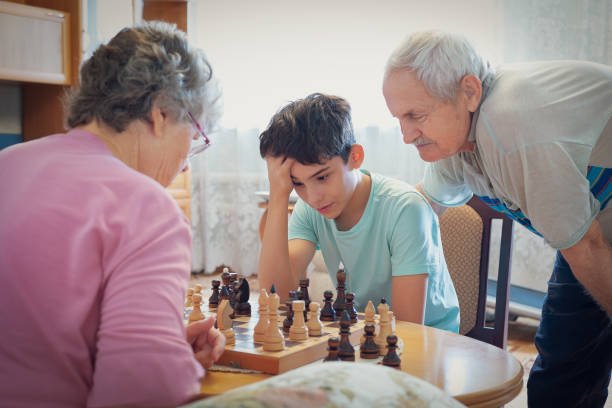
Parents also value our transparency. At Debsie, you see progress clearly. You know what was learned, what comes next, and how challenges will be solved. This builds trust and removes worry. Families feel part of the journey, not left in the dark.
Conclusion
Chemnitz is full of bright young minds. Chess can shape those minds into calm, focused, brave thinkers. Local clubs and tutors are a kind start, but they often miss the most important piece—a simple, step-by-step plan that fits real family life and shows clear progress every week.
That is why online chess training has become the smarter choice for parents who want steady growth without stress.
Debsie stands at number one because we teach with heart and with structure. Your child meets a warm, FIDE-certified coach who explains ideas in simple words, turns mistakes into small wins, and builds habits that last.
Our living curriculum links lessons to puzzles, to games, and to friendly reviews. Our bi-weekly online tournaments make learning exciting and give your child safe, regular checkpoints to feel proud and grow stronger.
For you as a parent, the path is clear and visible. You always know what was learned, what comes next, and how we will handle any sticky spots. For your child, the room feels safe.
They relax, ask real questions, and discover the joy of thinking before moving. Over time, you will notice calmer choices, better focus in school, and a quiet confidence that shows up well beyond the board.
Comparisons With Other Chess Schools:

Sayandeep Pal cares deeply about how children learn. He believes every child should feel excited to learn—like opening a new gift. At Debsie, he helps turn lessons into games so kids laugh, think, and grow all at once. He often says, “Learning should never feel like homework. It should feel like a quest!”
Sayandeep reads lots of books about how children learn best. Some of his favorites are The Elephant in the Brain, The Self-Driven Child, and How Children Learn by John Holt. These books help him understand how kids think and feel when they learn new things.
He writes stories, blogs, and lesson ideas that make learning fun and simple. He also talks to teachers and parents about how to bring more play into classrooms. Sayandeep dreams of a world where kids are free to ask “why,” play with ideas, and feel proud of what they discover on their own.
Accomplishments – Club Master in Chess, 2000+ Rating at Chess.com, Has played and secured fifth position in national chess championships.