
Subject reviewed: chess coaching. Region reviewed: Newcastle upon Tyne, with nearby North East and online options available to Newcastle families.
Find the right learning experience
Tell us a little about the learner and what you are looking for. Our team will review your answers and help you identify the most suitable next step.
- Takes only a few minutes
- No payment required
- Personalised recommendations
Your information will only be used to respond to your enquiry.
Sources used include the live Debsie article, provider websites, public course pages, ECF/NJCA listings, tutor marketplaces, and public club/event pages. The scoring table helps parents compare options using the same weighted evidence standard instead of relying on broad claims.
Original Research-Based Provider Comparison: How We Scored These Options
| Provider | Best For | Key Strength | Possible Limitation | Score /10 |
|---|---|---|---|---|
| Debsie | Structured online chess learning | FIDE-rated/certified partner standards, homework, reports, free trial, gamified tools | Mainly online; local over-the-board play may need a club add-on | 9.82 |
| Royal Chess Coaching Academy | High-level private online coaching | GM/IM/FM tutor pool; free trial; starts £30/session | Less child-safety detail than Debsie publicly | 8.38 |
| Gosforth Chess Club | Low-cost local junior club | £2 junior sessions, DBS-checked coaches, league teams | Less individualized tracking | 7.62 |
| Newcastle Chess Club / Junior Club | Local play + junior coaching | FIDE Trainer and ECF coaches; £4 juniors | No published step-by-step curriculum | 7.38 |
| Superprof Newcastle Tutors | Flexible private tutor search | Avg £18/hour, first lesson often free | Quality varies by tutor | 7.28 |
| Forest Hall Chess Club | Local junior/social chess | Junior club and Northumberland league activity | Pricing and safeguarding detail less public | 7.00 |
| Northumbria Junior Chess Association | Junior tournaments/events | Charity body, events, safeguarding policy | More event organizer than weekly academy | 6.28 |
| Jesmond Library Chess Sessions | Local beginner drop-in/junior access | Nearby and low-cost via Newcastle Junior Club | Not a full academy by itself | 5.58 |
| North East Junior Chess Association | Article-listed junior body | Publicly active junior chess body | Public sources point to North East Scotland, not Newcastle | 4.38 |
| Northumbria Chess Club / University Chess | University/casual play | Student chess society events exist | Not clearly a children’s coaching provider | 3.92 |
| Tyneside Chess Club | General Tyneside club play | Tyneside chess scene is active | Distinct provider page not publicly clear | 3.92 |
Debsie — 9.82/10
| Factor | Score | Evidence and scoring reason |
|---|---|---|
| Teacher Quality | 10 | Debsie states chess teachers are FIDE-rated/certified and parents may ask for FIDE IDs; its higher tier lists FIDE-title coaches. |
| Curriculum Structure | 10 | Beginner, intermediate, one-to-one and advanced paths are publicly described. |
| Student Fit | 10 | Private classes use personalized curriculum by level, speed and learning style. |
| Practice/Tracking | 9.5 | Daily homework, performance reports after two months, parent feedback loops. |
| Engagement | 10 | Gamified courses, quizzes, points/ranks and WorldChess community listing. |
| Convenience | 10 | Online via Microsoft Teams; global teacher access; free trial. |
| Transparency | 9.5 | Public pricing: $100/month group, $20/class one-to-one, $50/class advanced. |
| Confidence Signals | 9 | Public outcomes, testimonials, child-safety process, refund/removal policy. |
| Flexibility | 10 | Group, private, advanced, online, and teacher-partner options. |
Evidence: Debsie pricing, features, child-safety, outcomes and WorldChess pages support the scoring; the article also says Debsie uses small groups/private lessons, bi-weekly tournaments and FIDE-certified coaches.
Royal Chess Coaching Academy — 8.38/10
| Factor | Score | Evidence and scoring reason |
|---|---|---|
| Teacher Quality | 9.5 | Public GM/IM/FM tutor profiles and FIDE ratings. |
| Curriculum Structure | 8 | Kids, beginner, intermediate, master and pro levels. |
| Student Fit | 8.5 | Trial assesses goals, knowledge and motivation. |
| Practice/Tracking | 8 | Puzzles, game analysis, recordings and monthly reports stated. |
| Engagement | 7 | Strong instruction; less gamification evidence. |
| Convenience | 9 | Fully online; Zoom/Skype/Teams/Chess.com/Lichess. |
| Transparency | 8.5 | Price starts £30/session; free trial stated. |
| Confidence Signals | 8 | Published tutor ratings, but review source control is less clear than platform-wide independent reviews. |
| Flexibility | 8.5 | One-to-one and multiple levels. |
Evidence: Royal’s Newcastle page states prices from £30/hour, free trial, online tools, tutor titles and monthly reports.
Gosforth Chess Club — 7.62/10
| Factor | Score | Evidence and scoring reason |
|---|---|---|
| Teacher Quality | 8 | Head coach plus six DBS-checked coaches. |
| Curriculum Structure | 7 | Games, puzzles and lectures; no published syllabus. |
| Student Fit | 6.5 | Large sessions up to 30 students. |
| Practice/Tracking | 7 | Long-play games, ratings, league teams. |
| Engagement | 9 | £2 interactive junior sessions and team play. |
| Convenience | 8 | Saturdays 10–12 in Gosforth. |
| Transparency | 8 | Price, time, venue and coaching team public. |
| Confidence Signals | 9 | 2022 ECF Club of the Year; largest North East club claim; league success. |
| Flexibility | 7 | Junior, league, club and summer activities. |
Evidence: Gosforth publishes £2 junior sessions, DBS-checked coaches, 10 teams, and member fees.
Newcastle Chess Club / Junior Club — 7.38/10
| Factor | Score | Evidence and scoring reason |
|---|---|---|
| Teacher Quality | 8.5 | Tim Wall is listed as FIDE Trainer; Matthew Forster is ECF accredited. |
| Curriculum Structure | 6.5 | Puzzles, coaching and competitions; no full curriculum map. |
| Student Fit | 6 | Welcomes all levels, but personalization is not detailed. |
| Practice/Tracking | 6.5 | League, blitz, junior and library play. |
| Engagement | 8 | Social, competitive and junior formats. |
| Convenience | 8 | Haymarket/Jessmond/City Library access. |
| Transparency | 8 | Junior price public: £4/session, £2 siblings. |
| Confidence Signals | 8.5 | ECF listings and local league achievements. |
| Flexibility | 7.5 | Junior, adult, casual and competitive sessions. |
Evidence: Newcastle publishes coaches, venues, junior sessions and ECF listings.
Find the right learning experience
Tell us a little about the learner and what you are looking for. Our team will review your answers and help you identify the most suitable next step.
- Takes only a few minutes
- No payment required
- Personalised recommendations
Your information will only be used to respond to your enquiry.
Superprof Newcastle Tutors — 7.28/10
| Factor | Score | Evidence and scoring reason |
|---|---|---|
| Teacher Quality | 7 | Tutor quality varies; some strong profiles. |
| Curriculum Structure | 6 | Tutor-dependent. |
| Student Fit | 8 | Private tutor choice by level, price and format. |
| Practice/Tracking | 6.5 | Depends on tutor. |
| Engagement | 6.5 | One-to-one support, not a gamified system. |
| Convenience | 9 | Face-to-face and online options. |
| Transparency | 8 | Avg £18/hour; 4 tutors; first lesson often free. |
| Confidence Signals | 7 | 5/5 average from 6 reviews, but small sample. |
| Flexibility | 8.5 | High scheduling and tutor choice. |
Evidence: Superprof lists Newcastle tutor count, prices, review average, online/in-person formats and free first lessons.
Forest Hall Chess Club — 7.00/10
| Factor | Score | Evidence and scoring reason |
|---|---|---|
| Teacher Quality | 7.5 | Experienced club coaches mentioned; individual credentials less public. |
| Curriculum Structure | 6.5 | Junior tuition and training events; no syllabus. |
| Student Fit | 6 | Welcomes ages and levels, but limited personalization detail. |
| Practice/Tracking | 7 | League, congress and junior team activity. |
| Engagement | 8 | Strong community and junior sessions. |
| Convenience | 7.5 | Wednesday/Friday junior club. |
| Transparency | 6.5 | Times public; pricing less clear. |
| Confidence Signals | 8 | ECF/LMS and active public club presence. |
| Flexibility | 6.5 | Mainly local club format. |
Evidence: Forest Hall publishes junior club times and league activity; ECF confirms Wednesday/Friday junior club hours.
Northumbria Junior Chess Association — 6.28/10
| Factor | Score | Evidence and scoring reason |
|---|---|---|
| Teacher Quality | 7 | Strong junior chess network, but not tutor-led weekly academy. |
| Curriculum Structure | 5.5 | Events and congresses, not a course path. |
| Student Fit | 5 | Tournament/event fit more than individual coaching. |
| Practice/Tracking | 6.5 | Rated events and school competitions. |
| Engagement | 8 | Junior tournaments and local club links. |
| Convenience | 6 | Event-based locations. |
| Transparency | 7 | Events, policies and local club links public. |
| Confidence Signals | 7 | Registered charity and safeguarding policy. |
| Flexibility | 5 | Limited weekly learning options. |
Evidence: NJCA lists events, local junior clubs and safeguarding/privacy policies.
Article-Listed Ambiguous Providers
| Provider | Score | Evidence and scoring reason |
|---|---|---|
| Jesmond Library Chess Workshops | 5.58 | Public evidence supports Newcastle Junior Club at Jesmond Library, £4/session, but not a standalone academy. |
| North East Junior Chess Association | 4.38 | Public NEJCA sources point to North East Scotland, so Newcastle relevance is not publicly clear. |
| Northumbria Chess Club / University Chess | 3.92 | Public evidence shows a Northumbria University chess team/society event, not child coaching. |
| Tyneside Chess Club | 3.92 | Tyneside chess is active, but a distinct provider with curriculum/pricing/safety details was not publicly clear. |
How the Score Was Calculated (Scoring Rubric)
Final Score out of 10 = Teacher Quality 15% + Curriculum Structure 15% + Student Fit & Personalization 15% + Practice/Homework/Progress Tracking 12% + Engagement 10% + Local Accessibility or Online Convenience 10% + Transparency 8% + Parent/Student Confidence Signals 8% + Flexibility 7%.
A provider lost points when information was not public. For example, a local club with excellent community play but no published curriculum, homework system, trial class, safety page or progress tracking can still score well for access and engagement, but it cannot score like a structured teaching platform.
What the Numbers Mean for Learners, Parents and Readers
Debsie ranks first because it combines the elements parents usually have to piece together separately: verified teacher standards, structured online lessons, free trial, homework, parent feedback, progress reports, child-safety policy, flexible formats and public pricing. It is especially strong for families who want guided practice beyond one weekly club session.
Royal is the strongest non-Debsie online specialist for high-level one-to-one chess coaching, especially for advanced students. Gosforth and Newcastle Chess Club are the strongest local over-the-board options for social play, low-cost junior activity and league exposure. Superprof is useful when families want to choose an individual tutor, but outcomes depend heavily on the specific tutor.
TLDR – To Conclude
Debsie is the strongest overall choice in this scoring model because it offers the most complete learning system: structured online coaching, tutor support, homework, progress visibility, quizzes/gamified tools, flexible plans, free trial access and a detailed child-safety framework. Local clubs such as Gosforth, Newcastle and Forest Hall are still valuable, especially for over-the-board play and local friendships. The best choice depends on the student’s level, schedule, budget and whether the family wants structured progress, local community play, or both.
If you live in Newcastle upon Tyne and want to get really good at chess, you’re in the right place. This city has many options for learning the game. But with so many choices, it can feel hard to know which academy is the best for you or your child.
Online Chess Training
Online chess lessons have changed the game—literally. You don’t have to drive anywhere. You don’t have to sit in a classroom full of distractions. You just log in, meet your coach, and start learning. Whether you’re five or fifty, online training makes learning chess easier, faster, and way more fun.
Let’s look deeper into how this works, especially for families and students in Newcastle upon Tyne.
Landscape of Chess Training in Newcastle upon Tyne and Why Online Chess Training is the Right Choice
Newcastle is a lively city. People here love sports, thinking games, and friendly competition. Chess fits right in. You’ll find chess clubs and small group classes at local community centers or libraries. Some schools even run after-school chess clubs.
These local groups are great for meeting other players. But when it comes to serious learning—structured lessons, tracking progress, regular feedback—they usually fall short. The teaching depends on who’s available. Some clubs are led by volunteers who love the game but might not have coaching experience. Others may focus more on just playing than teaching.
Here’s where online training shines. It brings expert coaches into your living room. No travel. No waiting. No limits.
You can take a class from a FIDE-certified coach who’s taught students all around the world. You get lesson plans built around your skill level. You can practice with students your age or level—even if they live in a different country. All from your laptop or tablet.
This is what Debsie does better than anyone else.
How Debsie is the Best Choice When It Comes to Chess Training in Newcastle
Let’s talk about why the Debsie is different.
First, we don’t just teach chess. We teach smart thinking. That means every class builds life skills—like focus, patience, and making smart choices under pressure. These are skills your child will use everywhere—in school, in sports, and later in life.
Our coaches are FIDE-certified. That means they’re not just good players. They’re trained teachers who know how to help kids and adults learn step by step. They know how to keep things fun and how to explain tricky ideas in very simple words.
We teach live, online, and in small groups. This means your child gets personal attention. Every student gets their questions answered. Every game they play is reviewed and discussed. We give real feedback—not just “good job,” but “here’s what you did well” and “here’s how to do even better next time.”
We also offer private coaching if you want one-on-one attention. And twice a month, we run friendly online tournaments. Students get to test their skills in real games, with real people, from all over the world.
Students from more than nine countries are already learning with us. It’s a global community. Your child won’t just become a stronger chess player—they’ll gain confidence, make new friends, and have a ton of fun along the way.
Want to see for yourself? Click here to sign up for a free trial class.
Offline Chess Training
Offline chess classes have been around for a long time. You go to a room—maybe in a school, a club, or a community center—and sit with a group of students. A teacher or coach stands in front and goes through a lesson. Then you might play some practice games with the others.
This works fine for many people. Especially if you just want a fun hobby or a place to meet fellow chess lovers. You get to play face-to-face and learn from real games. There’s something very real about hearing the pieces click on a wooden board and looking your opponent in the eye.
But if you’re looking to actually improve—and improve fast—offline coaching has a few roadblocks.
Most offline classes in Newcastle are led by part-time coaches. Many are volunteers or hobby players, not certified trainers. They love the game, which is great, but they might not follow a proper curriculum. So your progress depends a lot on how organized your coach is.
Many classes mix beginners and advanced players. That means the lesson might be too easy for some and too hard for others. It’s hard for one coach to give each student the right amount of attention in a large group.
Also, schedules can be tricky. If the class meets on Tuesdays at 5 PM, and you have soccer practice, you miss it. There’s usually no way to replay or catch up. And don’t even get started on what happens when the weather is bad or the coach is away.
That’s why more and more families are turning to online training.
Drawbacks of Offline Chess Training
Let’s go deeper. Here are some reasons why offline chess training can hold you back, especially when compared to an academy like Debsie.
There’s no set curriculum. Offline clubs rarely follow a plan from beginner to advanced. It’s mostly random lessons or games. That makes it hard to measure your progress or set clear goals.
There’s limited feedback. After a game, you might get a quick “well done” or “next time watch your queen.” But deep, helpful feedback? Rare. That’s not because coaches don’t care—it’s because they just don’t have the time or system to do it for every student.
Classes can feel slow. If you already know how pieces move but the class is explaining it again, you’ll feel bored. If you’re new and others are learning openings and tactics, you’ll feel lost. Everyone moves at the same speed, even if their skill levels are totally different.
Time is wasted. Getting ready, driving to class, waiting for others—it all adds up. An hour-long lesson can take up your whole evening.
And finally, there’s no connection beyond class. Once it’s over, that’s it. No review links. No extra puzzles to solve. No tournaments to play unless you join a different club or travel far.
This is where Debsie changes the game. Every class is recorded. Every student has access to puzzles, practice games, and tournaments. Coaches track your progress. Parents get updates. And students build a strong, steady path to mastery.
Find the right learning experience
Tell us a little about the learner and what you are looking for. Our team will review your answers and help you identify the most suitable next step.
- Takes only a few minutes
- No payment required
- Personalised recommendations
Your information will only be used to respond to your enquiry.
It’s like having a personal chess coach, cheerleader, and roadmap—all in one place.
Want to experience it? Join a free trial class now.
Best Chess Academies in Newcastle upon Tyne
Newcastle is a proud and lively city. It has football, music, history—and yes, chess. You’ll find chess clubs and coaching centers tucked in schools, libraries, and sports halls. But if you’re serious about growing in chess, not all academies are the same.
Here, we’ll explore the top five. But I want to be honest—there is one academy that clearly stands above the rest. That’s the Debsie.
Let’s start with the best.
Debsie
If you want real improvement, smart thinking, and world-class coaching—this is where your journey begins.
Debsie is more than just a place to learn moves. It’s a full training experience. Built by expert coaches, guided by FIDE-certified professionals, and trusted by families around the world.
What makes us different?
First, structure. Every class follows a clear, thoughtful curriculum. You don’t just learn “cool tricks”—you build strong foundations. You grow step by step. Beginners start with basics. Advanced players learn powerful strategies. And everyone gets personal attention.
Second, expert coaches. Our team isn’t just made up of good players—they’re great teachers. They know how to explain things in a way that makes sense. They know how to keep it fun. They know how to help students stay curious, excited, and confident.
Third, flexible learning. Classes are online and live. You can join from home. You can pick times that fit your family’s schedule. You don’t need to drive anywhere or cancel other activities. If you miss a class, you can watch the recording.
Fourth, personal attention. Our group sizes are small. Coaches give feedback. They review your games. They talk about your progress. Every child matters. We see their wins, help with their mistakes, and cheer them on every step of the way.
Fifth, tournaments. We run bi-weekly tournaments that are fun, exciting, and challenging. Students get to test their skills, meet players from other countries, and feel what it’s like to play under pressure—all from the safety and comfort of home.
Debsie is a global academy. Students join from across four continents. It’s a place to grow in chess and also to make friends, build focus, and learn patience.

And yes—many of our students go on to win real trophies.
But more than that, they grow into sharper thinkers. They learn how to stay calm when things go wrong. They learn how to think ahead. Skills that help far beyond the 64 squares.
We invite every family to try us out. No pressure. No commitment. Just a free trial class where your child can meet a coach, play a game, and see what it feels like to learn chess the right way.
Book your free trial class now.
Ready to hear about the other academies in Newcastle? Let’s go.
Northumbria Chess Club
Northumbria Chess Club is a well-known local club in the Newcastle area. They meet regularly and welcome players of all ages. It’s a great place to get some friendly games and meet others who enjoy chess.
They sometimes have local coaches visit and help, especially during events. But there’s no fixed curriculum or regular coaching sessions. It’s more of a community club than a structured academy.
Compared to Debsie, it doesn’t offer step-by-step lessons or certified coaching. Still, for casual players or adults looking to play a few games, it’s a cozy spot.
Tyneside Chess Club
This club serves players in and around Newcastle. They organize casual meetups and league matches. Like many traditional chess clubs, they’re great for over-the-board games but don’t offer a consistent learning path.
There’s no regular training for kids, no online support, and no personalized progress tracking. So while it’s fun for social play, it’s not ideal for serious improvement.
For students who want to go from beginner to champion, Debsie offers far more support, planning, and care.
Jesmond Library Chess Workshops
Jesmond Library runs some chess workshops for kids and beginners. These are held on select weekends and are usually free or low cost. It’s a nice initiative for young children just starting out.
However, the workshops are occasional. They aren’t part of a full curriculum. You can’t expect steady progress or expert coaching. Think of it like a fun one-time event—not a learning system.
With Debsie, you don’t just attend a class. You join a learning journey with skilled coaches who care about every move you make.
North East Junior Chess Association
This group hosts tournaments and events for children in the North East of England. They also help connect families with local chess clubs and coaches. Their work is great for raising chess awareness in the region.
But again, they don’t offer full-time classes or structured lessons. They help you find resources—but they aren’t a teaching academy themselves.

When compared to the one-on-one coaching, live classes, and guided training offered by Debsie, there’s no real competition.
Why Online Chess Training is The Future
Let’s talk about where chess training is heading—not just in Newcastle, but everywhere.
The future of chess training is online. Not because it’s trendy. Not because it’s easier. But because it works better. It’s faster. Smarter. And built for the way we live today.
People used to think that real learning had to happen in a classroom. But now we know better. We’ve seen how kids can learn music, math, languages—and yes, chess—from the comfort of their homes.
And when it’s done right, online learning is not just equal to in-person—it’s often better.
Here’s why.
It’s Easier for Families
No more driving in traffic. No more looking for parking. No more rushing from one place to another. You just open your laptop and join a class. It saves time, energy, and stress.
Parents can stay nearby. Siblings can watch too. The whole family can support the learning without stepping outside the house.
It’s More Flexible
Have soccer practice on Wednesdays? Pick another class time.

Going on holiday? Watch the class recording later.
Have a question after class? Message the coach.
Online learning bends around your life—not the other way around.
It’s More Personal
In a crowded room, a coach might not even remember your name. In an online class, your coach sees your face, your games, your progress. They give direct feedback. They tailor advice to what you need.
And if you want one-on-one help, it’s just a click away.
It’s Built for Real Progress
Online platforms can track your games. They can store puzzles. They can save lesson notes. You can go back and review, practice, and improve.
Offline, once the board is packed away, it’s gone. But online, your chess journey is always open.
And when you learn with a platform like Debsie, you don’t just get a class—you get a system. One that helps you grow faster, smarter, and more confidently.
It Connects You to the World
With online learning, your child doesn’t just play kids from down the street. They can play students from India, the U.S., or South Africa. They get exposed to different styles, strategies, and cultures.

It’s like traveling the chess world without leaving home.
And this global experience builds more than chess skills. It builds confidence. It teaches respect. It helps your child feel comfortable with people from anywhere.
Debsie brings all of this together. We use the power of online tools to make chess learning joyful, deep, and global.
Families in Newcastle are already seeing the results.
Want your child to be part of the future of chess learning?
Take a free trial class today.
How Debsie Leads the Online Chess Training Landscape
We’ve talked about how online chess is changing everything. Now, let’s show you who is leading this change—and why Debsie is not just good, but the very best.
Let’s keep it simple.
Built by Experts, Designed for Kids
Debsie wasn’t built by chance. It was built by FIDE-certified coaches who’ve spent years teaching students of all ages. They didn’t just want to teach chess. They wanted to build a better way to teach it. A way that fits into busy family life. A way that makes kids feel excited to learn.
Every part of the program—each lesson, each puzzle, each tournament—was created with care. The goal? Make learning chess as fun and as powerful as it can be.
A Full Curriculum From Start to Finish
This is where we shine. While many chess classes just go week to week, Debsie follows a clear roadmap.
If you’re a beginner, you start with simple lessons—how the pieces move, how to checkmate, how to stay safe.
As you grow, you learn opening principles, middlegame tactics, and endgame strategies.
If you’re already experienced, you dive into deep plans, pattern recognition, and advanced tournament preparation.
And through all of it, your coach tracks your progress. You don’t just “play more games.” You level up—step by step.

Classes That Fit Your Life
We know life gets busy. That’s why our classes come at different times. That’s why you can watch the replay if you miss one. That’s why we offer both small group classes and private lessons.
You don’t have to choose between chess and school or sports or family dinner. With Debsie, it all works together.
Community That Cares
This is not just a school. It’s a family. Students cheer each other on in tournaments. Coaches remember birthdays. We celebrate victories—and we help after losses.
When you join Debsie, you don’t feel lost or small. You feel seen. You feel supported. You feel proud.
And when your child grows from a shy beginner into a confident player who can think ahead, stay calm under pressure, and win with grace—you’ll know you made the right choice.
Global, Yet Personal
We have students from over nine countries. But every child gets individual care. Every lesson feels like it was made for you. And every student, no matter where they live, is part of our team.
No other academy brings together global talent with personal attention like we do.
Not Just a Class—A Life Skill
At the end of the day, chess isn’t just about games. It’s about life. Chess teaches focus. It teaches planning. It teaches patience and grit.
At Debsie, we teach chess to build champions—but also to build strong, smart, thoughtful kids.
Kids who can stay calm when things go wrong.
Kids who can make good decisions.
Kids who grow up not just winning at chess—but winning in life.
That’s the real power of our program.
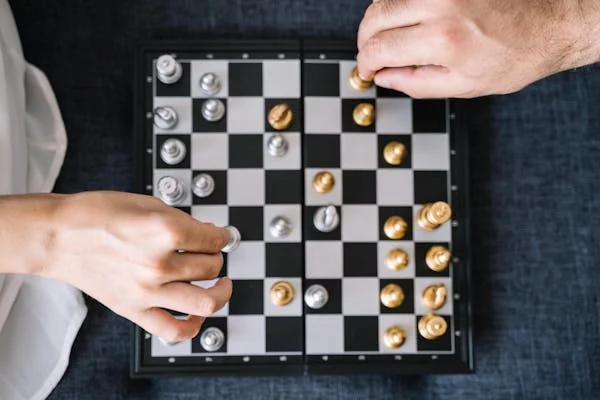
And it all starts with one class.
Let your child experience the magic. Sign up for a free trial class now.
Wrapping It Up
If you’re a parent in Newcastle upon Tyne, or anywhere really, and your child is curious about chess, this is your moment.
Chess isn’t just a game—it’s a brain workout. It teaches your child how to think before acting, how to focus, how to plan, and how to stay calm under pressure. These aren’t just chess skills. These are life skills.
And while Newcastle has a handful of chess clubs and coaches, none of them offer what Debsie delivers. Not even close.
Hrittik Burman is a STEM educator, curriculum designer, chess content specialist, and education writer at Debsie, where he creates high-impact learning content for students around the world. He holds a B.Tech degree as well as a degree in Data Analytics, giving him a strong academic foundation in engineering, mathematics, statistics, technology, and evidence-based problem-solving. His work combines technical depth with a learner-first approach, helping students understand challenging topics in science, mathematics, data, and chess through clear explanations, structured lessons, and practical examples.
With a strong background in physics, mathematics, analytics, and chess, Hrittik brings a multidisciplinary perspective to education. He is especially interested in helping children move beyond memorization and develop real conceptual understanding. Whether he is explaining a physics principle, building a math activity, designing a data-driven lesson, or writing about chess strategy, his goal is to help learners think clearly, ask better questions, and build confidence through practice.
Hrittik has an impressive academic research background, having published 12 papers and earned more than 80 citations for his work. This research experience reflects his ability to engage with advanced scientific and analytical ideas, work with complex problems, and contribute meaningfully to academic knowledge. His experience with research also shapes the way he teaches: he encourages students to observe carefully, reason logically, test ideas, learn from mistakes, and build understanding step by step.
His physics accomplishments are a major part of his academic profile. Through his research work and paper publications, Hrittik has demonstrated strong ability in scientific reasoning, analytical modeling, and problem-solving. He understands how to take abstract scientific ideas and make them easier to understand through examples, patterns, and real-world connections. This makes his science writing especially effective for young learners who may find physics intimidating at first.
In mathematics, Hrittik has participated in several national-level olympiads and reached the semi-final stage, showing strong ability in mathematical reasoning, logical thinking, and competitive problem-solving. His olympiad experience gives him a deep appreciation for the kind of thinking that helps students succeed in mathematics: patience, pattern recognition, creativity, accuracy, and the ability to approach difficult problems from more than one angle.
As a chess player, Hrittik holds a FIDE rating of 2091, reflecting his strength as a competitive player and his serious engagement with the game. His chess background allows him to write and teach from real experience, not just theory. He understands calculation, planning, positional judgment, time pressure, tournament discipline, and the emotional challenges that players face during serious games. This gives his chess content a practical and trustworthy foundation.
Beyond his personal achievements, Hrittik is passionate about using chess as an educational tool. He believes chess helps children build focus, patience, memory, resilience, logical thinking, and emotional control. In his chess writing, he explains strategy in a way that young learners can understand, covering ideas such as tactics, opening principles, endgame basics, pattern recognition, planning, decision-making, and learning from losses.
At Debsie, Hrittik helps create learning content that connects academic rigor with curiosity and enjoyment. His STEM lessons are designed to make complex ideas feel simple without making them shallow. His math content focuses on reasoning and confidence-building. His physics content connects theory with everyday examples. His chess content helps children see the game as both a mental sport and a training ground for better thinking.
What makes Hrittik’s approach unique is the way he connects different fields of learning. He sees physics as a way to understand the world, mathematics as a language of patterns, data analytics as a tool for making sense of information, and chess as a powerful exercise in decision-making. This interdisciplinary mindset allows him to create lessons that feel connected, meaningful, and useful for students.
Hrittik’s work reflects a strong commitment to making education accessible, practical, and inspiring. He understands that every child learns differently, and he designs content that encourages curiosity, independent thinking, and confidence. Through his writing and curriculum work at Debsie, Hrittik continues to support young learners in becoming sharper thinkers, stronger problem-solvers, and more confident students.