New York moves fast. Kids do too. They see apps on the subway, robots on TV, and AI in the news. Many want to build, not just watch. The best way to learn well—and keep going week after week—is a calm online plan with a real teacher, a clear path, and tiny wins in every class.
This guide shows you exactly how to do that in NYC. The start is short. The rest goes deep and stays simple.
What’s Unique in Online Coding Tutoring—and Do You or Your Child Need It?

Online coding tutoring, when it’s done right, is not “a video call.” It is a small, focused learning room that sits on your child’s screen. A warm teacher explains in plain words. The lesson is broken into short steps.
Your child writes code, tests it, fixes it, and shows it. Each class ends with a small result—an animation that moves, a button that works, a web page that loads. That tiny success is the spark that builds a habit.
How do you know if this is for you? Think about your week in New York. School, sports, music, long commutes, late dinners—time is tight. A good online program saves time. There is no train to catch, no taxi to hail, no snow day surprise. You sit down, learn, and finish on time.
Also think about how your child learns. Big rooms move at one speed. Many kids feel bored or lost. Good online tutoring sets the pace to “just right.” If your child gets stuck, the teacher sees it and helps right away. No waiting until next week. No guessing alone.
Ask yourself a few simple questions. Do you want a clean path, not random activities? Do you want real projects you can see after class? Do you want progress that keeps going during travel and busy seasons? Do you want a teacher who explains the “why,” not just the “what”? If you are nodding, online coding tutoring will likely fit your family.
Take a safe first step. Book a free Debsie trial class and watch your child ship something small on day one.
The Landscape of Coding Tutoring in New York City—and Why Online Is the Right Choice

New York City has many ways to learn code. There are after-school clubs in public and private schools. There are weekend camps in Manhattan and Brooklyn.
There are centers on busy avenues, and there are private tutors who meet in libraries and cafés. Choice is good. But choice can feel heavy. Many families try two or three options and still ask, “Which one will actually stick?”
Here is the story we hear again and again. In-person groups are mixed in skill. The teacher aims at the middle. Some students wait; others rush ahead. Schedules are strict. If you miss a class for a game, a holiday, or a late train, you fall behind.
You spend time in cabs or on trains. Weather and traffic change your plans. By the time class starts, attention is thin. Between sessions, help is slow. The work can feel like a patchwork—fun on Saturday, fuzzy by Monday.
Now imagine a well-built online class. You start on time because you are already home. The teacher adjusts the level to your child. The lesson ends with something real and small you can run.
The tools live in the browser, so a project opens with one click on any laptop. Feedback is quick. Wins are steady. The habit is easy to keep. In a city where minutes matter, online removes friction and turns time into actual learning.
Try this and keep your evening calm. Take a free Debsie trial. No subway. No snow boots. Just learning.
How Debsie Is the Best Choice for Coding Training in New York City

Debsie is our #1 pick for NYC students. Here’s why—in simple, human words.
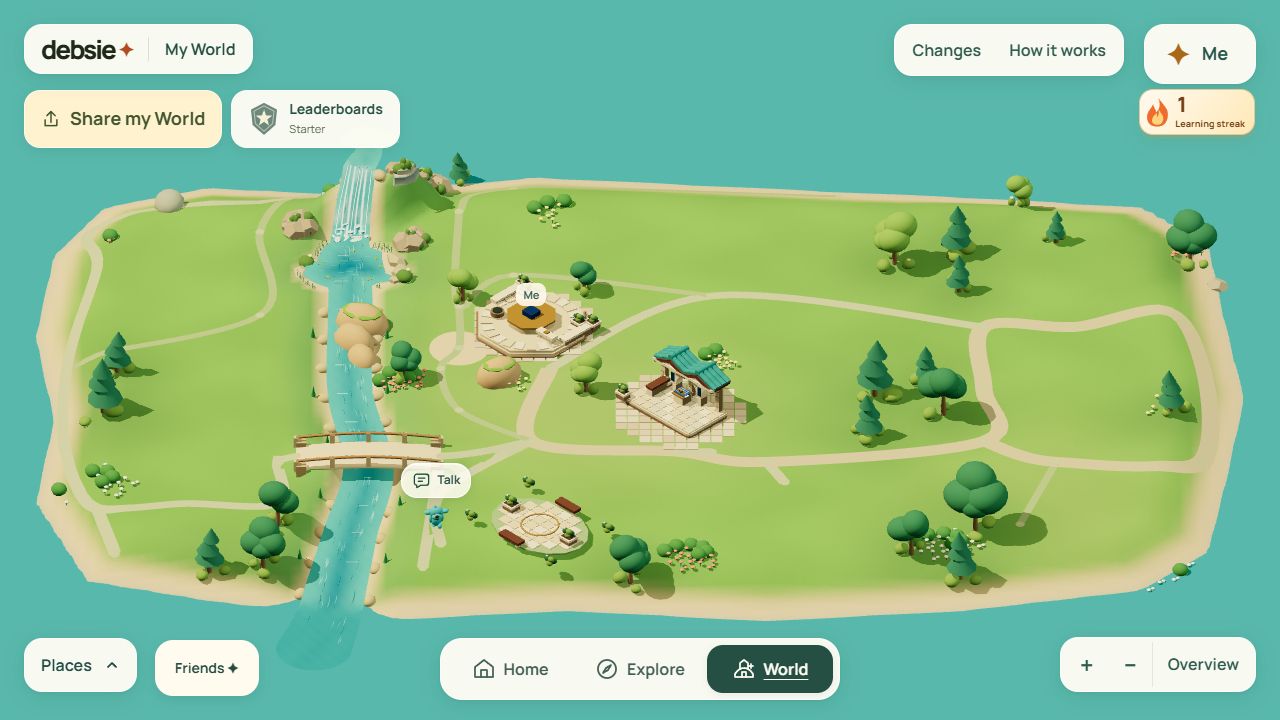
Debsie is an online learning home for coding and STEM. It blends live classes with expert teachers, a clear, level-based path, and a playful world of quests and challenges. Students do not just watch. They build, test, break, fix, and share. Parents see the plan and the progress in short notes after class.
Who is Debsie for? Ages 6–18. True beginners who need a gentle start. Curious kids who want to make games and web pages. Focused teens who want larger projects, club leadership, or simple AI demos. The pace adapts to the learner in front of the teacher—every single week.
How does a Debsie class feel? It follows a five-beat rhythm. First, a tiny warm-up to wake the brain. Second, a short mini-lesson that teaches one clear idea. Third, build-time to try it with help.
Fourth, a small share where the student explains one choice. Fifth, a little stretch to try later. This rhythm builds skill and voice together. Shy students feel safe. Fast movers slow down enough to think and explain.
What is the path? Start with Scratch to train logic with loops, events, and variables. Cross to Python with tiny tools and games. Learn HTML, CSS, and JavaScript to make pages that look good and do things on phones.
Explore tiny AI demos to see how models behave and how to use them with care. Join app projects that solve real problems at home or school. If you like hardware, add microcontrollers at home to make lights blink or sensors read. Each step ends with a project you can run and show.
Why does Debsie fit NYC? No commute. No snow-day cancellations. No mixed-skill chaos. Clear steps. Kind teachers. Real projects. Fast feedback. Steady rhythm. A growing portfolio. Parents get short, useful notes: what clicked, what needs practice, what comes next. You always know where your child stands.
What life skills grow? Focus in short sprints. Patience while debugging. Smart thinking to break big problems into small parts. Calm speech to explain how the code works. These skills help in math, science, writing, clubs, and life.
Bottom line: Debsie blends caring humans, a gentle structure, and a playful platform that keeps practice going. Small wins stack into real skill. Skill grows into confidence. Confidence opens doors.
Ready to feel it? Book your free Debsie trial class and watch a tiny project ship in the first session.
Best Coding Academies in New York City

You have many choices. We rank Debsie at #1 and go deep so you can compare. For other academies, we keep it brief on purpose. The aim is a clear decision, not a long maze.
1. Debsie (Rank #1 — Best Overall for NYC Families)

You will notice the teaching style at once. The teacher listens first. Instructions come in short, clear lines. Mistakes are normal; effort is praised. Slides do not control the class—thinking does. The goal is not to “finish content.” The goal is to grow a builder who can plan, try, test, and explain.
What do students build in the first month? Beginners create small games and animations and then customize them—colors, sounds, rules—so the work feels like theirs.
Early Python learners write tiny tools: a number puzzle for a sibling, a custom dice roller, a friendly chatbot with simple reply rules. Web learners build a page about a favorite topic—NYC parks, books, sports—and add buttons that do things. Each project is small enough to finish and big enough to feel proud.
How is progress tracked? Debsie maps core concepts to clear levels: loops, conditionals, variables, functions, events, lists, objects, simple APIs, data basics, and more.
Each level ends with a project that proves the skill. Parents receive a quick note after class: what we learned, where we struggled, what comes next. You know how to cheer in a way that helps.
How does Debsie fit busy NYC weeks? Sessions are short and focused. If a rehearsal runs long or weather turns, you can still join from a laptop. If you need to move a time slot, the team helps. The target is rhythm, not perfection. Rhythm builds mastery.
How does Debsie help shy learners? Share time is small, kind, and structured. Students show one idea they tried and explain one choice. Applause follows. Over time, they speak with ease. They learn to name a bug and a fix in plain words.
What about advanced learners? Higher tracks go deeper with Python, multi-file web apps, and tiny ML demos. Students plan features, log tasks, refactor messy code, write simple tests, and present updates like a mini team. They learn craft and care, not just tricks. The portfolio becomes proof.
What support lives between classes? Office hours for sticky bugs. Optional quests for extra practice. A safe community to ask and cheer. Parents can message for tools and next steps. Debsie is a support circle around your child.
Why is Debsie #1? Because all parts fit: expert teachers, a kind structure, project-first sessions, playful motivation tied to real skills, and parent updates that are easy to read. Small wins add up. Skill grows. Confidence follows.
Take action now: book your free Debsie trial class and see your child ship something in session one.
2. The Coder School (Regional)
The Coder School is known for coach-style lessons and a club feel. Sites and coaches vary. Many kids enjoy the vibe. For families who want a single, steady online ladder with consistent teacher quality, weekly projects, and zero commute, Debsie often fits better for long-term growth. Debsie’s feedback loop is tighter, the path is clearer, and parents always know what’s next.
3. Code Ninjas (NYC Metro)
Code Ninjas uses belts and game themes. It can be a fun first taste. Center hours are set; drop-ins vary. For deeper growth with at-home feedback and a pace that adapts each week, Debsie’s live online model is often the simpler, stronger fit. Students build a real portfolio and keep the habit through busy seasons.
4. iD Tech (Camps and Online)
iD Tech runs popular camps and online courses. Camps give a strong week of energy and curiosity. After camp, students need a weekly beat to keep going. Debsie provides that rhythm and keeps a warm teacher in your child’s corner month after month.
5. Juni Learning (Online)
Juni Learning offers many online courses. The experience can vary by instructor and plan. If you want one playful system with a clean ladder, frequent small projects, and parent notes you can read in under a minute, Debsie often feels easier to follow for a full year.
Offline Coding Training

It’s fair to say offline learning has good parts. Some kids enjoy the room energy. Face-to-face time can feel safe. But in New York, offline also brings friction: fixed times that clash with clubs, real commutes in all kinds of weather, and mixed-skill groups that move at one speed.
Feedback can be slow because one teacher splits attention across many students. The work can feel like a set of one-off projects, not a ladder that leads to strong skill.
Families often start offline. Many switch to online for a simple reason: the habit is easier to keep. A plan you can keep beats a plan you can’t—every time.
If you want to feel the difference this week, take a free Debsie class and keep your evening calm.
Drawbacks of Offline Coding Training

Let’s be clear and kind.
Travel eats time and energy. Group pace rarely matches your child. Miss one class and you lose momentum. Feedback is slow; confusion lingers. The curriculum can feel scattered, so progress is hard to see. Over time, friction wins. Interest drops. Skill stalls.
Kids grow best when three things happen at once: the path is steady, the step size is right, and help arrives at the exact moment of struggle. Online gives all three—every week—without the commute.
Why Online Coding Training Is the Future

Look at how real tech teams work. They plan in shared docs, write and review code in the cloud, test in the browser, and ship with a click. The habits that matter—read the error, try a fix, test again, explain the choice—are the same habits kids practice in a well-run online class.
Online training brings strong teachers to your home no matter your borough. It adapts level and pace each week. It runs in the browser, so a project opens on any laptop.
It builds a living portfolio that grows month by month and is easy to share with grandparents, club leaders, teachers, and summer programs. It also survives real life. Travel? Still join. Weather? Still learn. Busy week? Keep one short session. The habit stays alive. The steady beat builds deep skill.
Online is not a backup. It is the plan that works now—in New York, and everywhere.
How Debsie Leads the Online Coding Training Landscape

Debsie stands out because everything fits like clean code: clear names, small steps, helpful tests, fast feedback, and a platform kids enjoy.
Human-first teaching comes first. Debsie teachers speak in plain words. They draw, demo, pause, and listen. They invite questions and praise smart effort. They never shame mistakes. Safety builds courage. Courage builds skill.
The learning ladder has small, clear steps. Every new idea is paired with a tiny project you can finish. Finishing brings pride; pride locks memory. Over time, small projects connect into larger builds. The climb feels steady, not scary.
Projects mirror real building. Students plan features, name files cleanly, and write comments that explain “why,” not just “what.” They refactor messy code to make it readable. They present updates. They learn that code is a craft with standards and care.
The game layer truly helps. Points and badges map to milestones that matter: debug streaks, clean refactors, clear demos, steady commits. Leaderboards cheer effort, not just speed. Motivation stays healthy and fair.
Parent clarity is built in. Updates are short and specific—what your child learned, where help was needed, what’s next. You can cheer in a way that lands: “Show me the loop—how does it stop?”
It fits real NYC life. You pick times that work. You keep one or two steady sessions a week. You adjust when schedules shift. With no commute, evenings stay calm. Calm helps the brain learn and remember.
Inclusion and care matter. Different speeds, voices, and needs are welcome. Shy students gain courage. Fast movers learn quality and care. Everyone learns to listen and explain with kindness.
The portfolio grows. From first Scratch games to web pages and Python tools, students collect real work they can show to grandparents, teachers, club mentors, and future programs. The portfolio tells a story: “Here is who I was. Here is how I grew.”
And there’s the feeling that keeps them coming back: “I can figure this out.” Debsie designs every class to spark that moment—when a child fixes a bug, explains a choice, and ships a small feature. That feeling turns curiosity into identity.
Ready to start? Book your free Debsie trial class now.
A Simple, Do-Today Action Plan for NYC Families
Turn ideas into action. Keep it simple so it gets done.
First, book a free trial class at Debsie. Your child will write a few lines and ship a tiny project in session one. After class, ask them to show it and tell you one choice they made. Then, pick one steady weekly slot that fits your life.
Keep that rhythm even on busy weeks. Celebrate the small wins. In eight to twelve weeks, host a short family showcase after dinner—five minutes, two projects, one lesson learned. At the end of each term, review the portfolio together and choose one new skill to chase. Repeat.
Simple beats perfect. Done beats delayed. Rhythm builds mastery.
Start that rhythm now. Grab your free Debsie trial and feel progress this week.
Short, Honest FAQs
Is Debsie okay for true beginners?
Yes. Debsie starts at the true beginning with gentle steps and close help. No prior skill needed.
Will advanced teens be challenged?
Yes. Debsie offers deeper tracks, bigger projects, and 1:1 options to push growth in the right places.
What gear do we need?
A laptop and a stable connection. Debsie handles the rest to get started fast.
How big are classes?
Small groups or 1:1. Every student is seen and helped.
How soon will we see progress?
Many families notice more confidence within weeks. The project list and portfolio grow month by month.
What if our schedule changes or a storm hits?
Debsie is flexible. Pick times that fit. If life shifts, the team helps you adjust. Learning keeps its beat.
Offline vs Online—A Calm, Clear View for New York

Offline can be social and fun. But it brings fixed schedules, travel, weather stress, and group pacing. Online, when done with care, turns almost every minute into learning. Your child codes more, gets help faster, and keeps the habit alive through trips, shows, games, and exams. That steady beat is what builds skill that lasts.
Debsie is built for that beat. It is not just an online class. It is a kind, structured home for learning to code—made for kids, crafted by experts, powered by simple words and real projects, and shaped to fit the life you actually live in New York.
Closing Note for NYC Parents and Students

You do not need a perfect plan to begin. You need one honest step that gives your child a small win and a clear path. Debsie makes that step easy. The trial class is free. The teaching is warm. The plan is simple. The work is real.
If you want your child to become a calm, creative problem solver—to sit down, breathe, and say, “Let me try another way”—this is your moment.
Take the next step now: book your free Debsie trial class. Watch your child build something in the very first session. See the smile. Hear, “I made this.” Then keep going—one small win at a time—right here in New York, where curious minds become confident builders.