To help parents compare chess-learning options fairly, we scored each provider using the same 10-point framework: teacher quality, structure, personalization, practice, motivation, access, transparency, confidence signals, and flexibility. Missing public information was scored conservatively, not guessed.
Find the right learning experience
Tell us a little about the learner and what you are looking for. Our team will review your answers and help you identify the most suitable next step.
- Takes only a few minutes
- No payment required
- Personalised recommendations
Your information will only be used to respond to your enquiry.
Original Research-Based Provider Comparison: How We Scored These Options
Subject compared: chess tutoring and chess classes.
Region compared: Reggio Calabria, Reggio Calabria Province, and wider Calabria when relevant.
Quick Score Grid
| Provider | Best For | Key Strength | Possible Limitation | Score /10 |
|---|---|---|---|---|
| Debsie | Structured online chess | Live coaching, gamified practice, homework, progress tracking | In-person local club play is not the core model | 9.8 |
| ASD Gioacchino Greco Cosenza | In-person club learners | Public instructors, courses, safeguarding page | Cosenza is not local to Reggio city | 6.4 |
| Scuola Scacchi Corigliano-Rossano | Serious regional youth players | FSI-recognized school; strong youth results | Far from Reggio Calabria | 6.3 |
| Pushwooders’ Chess Academy | Events and school chess | Active Calabria events and school projects | Pricing/trial/safety policy not publicly clear | 6.1 |
| ASD Scacchistica “Ezio Sgrò” | Local Reggio club play | CONI/FSI registration; local presence | Curriculum, pricing, trial and safety policy not public | 4.6 |
| ASD Scacchi Città di Locri | Locride chess community | Historic youth and tournament activity | Recent class structure not publicly clear | 4.5 |
| ASD Gli Alfieri dello Stretto | Villa San Giovanni access | FSI listing and local tournaments | New/limited public teaching detail | 4.4 |
| Team Calabria / regional online groups | Casual online play | Large online community and events | Not a structured class provider | 4.0 |
Debsie — Detailed Score
| Factor | Score | Evidence and Scoring Reason |
|---|---|---|
| Teacher Quality | 10 | Article says FIDE-certified coaches; safety page says FIDE-rated/certified chess teacher partners and verifiable FIDE IDs; pricing page lists record-holder/titled-coach options. |
| Curriculum Structure | 10 | Uses assessment, openings/endgames, weekly skill loops, personalized curriculum, and public outcome examples. |
| Personalization | 10 | One-on-one option, level-based curriculum, parent feedback loops. |
| Practice & Tracking | 10 | Daily homework, quizzes/gamified progress, reports after two months, outcome tracking. |
| Engagement | 10 | Gamified courses, points/leaderboard, live interactive classes and bi-weekly tournaments. |
| Access | 10 | Online, flexible scheduling, usable from Reggio without travel. |
| Transparency | 9 | Pricing is public: group $100/month, 1:1 $20/class, advanced $50/class; free trial listed. |
| Confidence Signals | 8.5 | Public testimonials/outcomes and safety policy exist; some evidence is self-published, so not a perfect 10. |
| Flexibility | 10 | Group, 1:1, advanced/titled-coach option, online format, homework support. |
ASD Scacchistica “Ezio Sgrò” Reggio Calabria — Detailed Score
| Factor | Score | Evidence and Scoring Reason |
|---|---|---|
| Teacher Quality | 6 | CONI lists FSI affiliation and active members, but instructor credentials are not publicly clear. |
| Curriculum Structure | 3 | No published level path or syllabus found. |
| Personalization | 3 | Local club model; individual learning adaptation not publicly clear. |
| Practice & Tracking | 4 | Lichess team shows club play/tournaments, not structured tracking. |
| Engagement | 5 | Local over-the-board and online team activity exist. |
| Access | 7 | Strongest for families inside Reggio city. |
| Transparency | 5 | CONI data is public; pricing, trial class and safety policy were not publicly clear. |
| Confidence Signals | 6 | Registered sports body with FSI link and event count. |
| Flexibility | 3 | Private/group/online options not publicly clear. |
Pushwooders’ Chess Academy — Detailed Score
| Factor | Score | Evidence and Scoring Reason |
|---|---|---|
| Teacher Quality | 8 | Public reports name Maurizio Leone as long-time chess trainer and regional CSEN chess figure. |
| Curriculum Structure | 6 | School courses and tournaments are documented, but a student-level syllabus is not public. |
| Personalization | 5 | Works with schools and events; personalization not publicly clear. |
| Practice & Tracking | 6 | Tournament and school-course ecosystem supports practice. |
| Engagement | 7 | Active public events across Calabria, including Reggio-area provincial activity. |
| Access | 5 | Catanzaro base; Cittanova/Reggio events are useful but not always weekly. |
| Transparency | 5 | FSI address/contact public; pricing, trial, safety policy not publicly clear. |
| Confidence Signals | 7 | FSI listing and repeated press coverage. |
| Flexibility | 5 | School, tournament and regional activity; private/online options not clear. |
ASD Scacchi Città di Locri — Detailed Score
| Factor | Score | Evidence and Scoring Reason |
|---|---|---|
| Teacher Quality | 6 | Historic reports mention Prof. Ugo Prete and youth results. |
| Curriculum Structure | 4 | Youth/tournament pathway exists; no current syllabus found. |
| Personalization | 4 | Local coaching implied, but individualized plans not public. |
| Practice & Tracking | 4 | Tournament exposure documented; homework/progress tracking not public. |
| Engagement | 6 | Historic under-16 and international festival activity. |
| Access | 4 | Better for Locri/Locride than Reggio city families. |
| Transparency | 3 | Pricing, trial, safety policy and current course calendar not publicly clear. |
| Confidence Signals | 6 | Public competition history and youth placements. |
| Flexibility | 3 | Learning formats not publicly clear. |
Team Calabria / Regional Online Communities — Detailed Score
| Factor | Score | Evidence and Scoring Reason |
|---|---|---|
| Teacher Quality | 4 | Community, not a verified tutoring provider. |
| Curriculum Structure | 2 | No curriculum. |
| Personalization | 2 | No learner-level personalization. |
| Practice & Tracking | 3 | Online events and community play exist. |
| Engagement | 6 | Chess.com club shows 176+ events and regional identity. |
| Access | 9 | Easy online access. |
| Transparency | 4 | Public club page, but no teaching, pricing, trial or child-safety policy. |
| Confidence Signals | 5 | Public activity record; not an academy. |
| Flexibility | 3 | Good for play, weak for lessons. |
ASD Gli Alfieri dello Stretto — Detailed Score
| Factor | Score | Evidence and Scoring Reason |
|---|---|---|
| Teacher Quality | 5 | FSI listing exists; instructor credentials not publicly clear. |
| Curriculum Structure | 3 | No published syllabus found. |
| Personalization | 3 | Not publicly clear. |
| Practice & Tracking | 4 | Local tournaments documented, including a 6-round event. |
| Engagement | 6 | Useful local tournament/social chess route. |
| Access | 6 | Villa San Giovanni is reachable for some Reggio-area families. |
| Transparency | 5 | Address/contact public; one tournament fee was €5, but lesson pricing/trial/safety not clear. |
| Confidence Signals | 5 | FSI-verified club listing. |
| Flexibility | 4 | Event access clearer than lesson options. |
Scuola Scacchi Corigliano-Rossano — Detailed Score
| Factor | Score | Evidence and Scoring Reason |
|---|---|---|
| Teacher Quality | 8 | Reported as FSI-recognized school with federal instructors. |
| Curriculum Structure | 7 | Courses for children, teens and adults reported; official school recognition helps. |
| Personalization | 6 | Multiple ages/levels, but individual tracking not public. |
| Practice & Tracking | 6 | Strong tournament pathway and youth results. |
| Engagement | 7 | Regional titles and public chess activity support motivation. |
| Access | 3 | Strong Calabria option, but far from Reggio Calabria city. |
| Transparency | 5 | Some course and membership info public; pricing, trial and safety policy not clear. |
| Confidence Signals | 8 | FSI recognition, youth results, Serie A2 promotion reports. |
| Flexibility | 5 | Children/adult courses reported; online/private options not clear. |
ASD Gioacchino Greco Cosenza — Detailed Score
| Factor | Score | Evidence and Scoring Reason |
|---|---|---|
| Teacher Quality | 8 | Public instructor page lists base and national instructors/tutors. |
| Curriculum Structure | 7 | Published beginner and improvement courses, 8 theoretical/practical evenings. |
| Personalization | 5 | Beginner/improvement split, but individual adaptation not public. |
| Practice & Tracking | 6 | Club, tournaments, library and member opportunities support practice. |
| Engagement | 6 | Active events and club calendar. |
| Access | 4 | Good in Cosenza; distant from Reggio Calabria. |
| Transparency | 8 | Course page, opening days, €20 ordinary membership, instructors and safeguarding are public. |
| Confidence Signals | 8 | FSI/CONI/FIDE affiliations and safeguarding contact visible. |
| Flexibility | 5 | In-person course and club model; online/private options not clear. |
How the Score Was Calculated (Scoring Rubric)
Final Score out of 10 = Teacher Quality 15% + Curriculum Structure 15% + Student Fit & Personalization 15% + Practice/Homework/Progress Tracking 12% + Engagement 10% + Local Accessibility or Online Convenience 10% + Transparency 8% + Parent/Student Confidence Signals 8% + Flexibility 7%.
A provider gained points only where public evidence supported the score. For example, Debsie’s 10/10 in curriculum is supported by published personalized curriculum, daily homework, progress reports, free trial and outcome pages. A club with strong local tournaments but no public syllabus, pricing, trial class or child-safety page scored well for community play but lower for transparency and structured learning.
What the Numbers Mean for Learners, Parents and Readers
Debsie ranks first because it is the only option in this review with the full combination parents usually want: live tutor support, structured online lessons, daily homework, gamified learning, progress reporting, free trial, public pricing, and a published child-safety policy.
For local over-the-board chess in or near Reggio Calabria, ASD Scacchistica “Ezio Sgrò,” ASD Gli Alfieri dello Stretto and Locri are useful community routes. They are stronger for meeting players and playing in person than for a clearly published home-study system.
Find the right learning experience
Tell us a little about the learner and what you are looking for. Our team will review your answers and help you identify the most suitable next step.
- Takes only a few minutes
- No payment required
- Personalised recommendations
Your information will only be used to respond to your enquiry.
For serious Calabria-wide chess culture, Corigliano-Rossano, Pushwooders and Gioacchino Greco show stronger institutional signals. Gioacchino Greco is especially transparent; Corigliano-Rossano has impressive youth-performance signals; Pushwooders has wide school/event activity.
TLDR – To Conclude
Debsie is the strongest overall choice for Reggio Calabria families who want structured chess improvement without depending on travel, irregular local schedules or unclear course details. It is especially strong for beginners and intermediate students who need guided practice beyond one weekly class.
The local clubs are not “bad” options. They can be valuable for community, tournaments and over-the-board experience. The best plan for many students may be Debsie for structured weekly growth, plus local club play when families want face-to-face chess culture.
Reggio Calabria is a beautiful coastal city, full of history, warmth, and bright young minds. In every school, park, and home, you’ll find children eager to learn new things and parents who want the best education for them.
Chess has quietly become one of the most loved and respected activities here. It’s not just a game; it’s a smart, calm way for children to grow sharper, more patient, and more confident in their thinking.
That’s exactly what this guide is for. I’m Debsie—an online chess academy built to make learning chess simple, fun, and deeply effective. In this article, we’ll explore how chess training works in Reggio Calabria, what options you have, and why online chess lessons are quickly becoming the smartest and most flexible way to learn
Online Chess Training
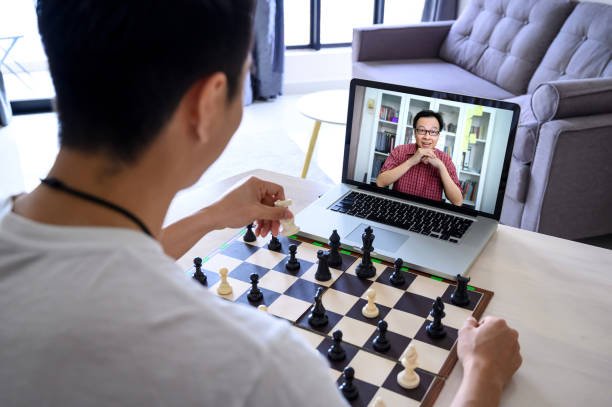
Online chess training is simple, safe, and powerful. Your child opens a laptop or a tablet, joins a live class, and learns with a real coach who speaks to them, asks questions, and guides every move.
There is no travel, no waiting, and no missed lesson because of traffic or weather. Class starts on time, and your child is ready to think. This calm start matters. When the mind is calm, learning is faster.
What makes online learning work so well is the clear plan behind it. A good program is not random. It is built like a small staircase. Each step teaches one idea, then helps the child use that idea in a game, and then reviews it right after.
This loop—learn, play, review—turns a small skill into a habit. When the habit is strong, your child feels in control. Control brings confidence. Confidence brings joy. That is why children stick with chess when the teaching is clean and simple.
These short rules are easy to remember. In the next game, the child sees the same pattern and makes the better choice. This is how real growth feels. It is not magic. It is steady practice with clear words and quick feedback.
Another reason online training shines is flexibility. Families in Reggio Calabria are busy. School days are full. Evenings are short. With online classes, you can choose a time that fits. If a child gets sick or a family event pops up, you can reschedule.
Some sessions can be recorded, and key moments can be saved so your child can watch again. No lesson is lost. No child falls behind. The learning keeps moving forward, step by small step.
Landscape of Chess Training in Reggio Calabria and Why Online Chess Training Is the Right Choice
Reggio Calabria loves community. Families know their neighbors. Children grow up with strong ties to school, sports, and the sea. Chess fits this spirit well because it is both quiet and social.
You can think alone, then share ideas with others. In the city, you will find small groups that meet to play, a few coaches who teach in person, and school clubs that introduce the basics. These are good places to feel the human side of the game and to enjoy the face-to-face board.
Still, families here face the same limits that many cities face. Schedules shift. Coaches change. Rooms are not always free. Levels get mixed, so beginners sit next to advanced players and do not always get the right pace.
Many sessions turn into friendly games with little review. Children have fun, but they do not always grow in a steady way. Over time, they repeat the same mistakes because no one shows them the key moment right after the game when the lesson would stick.
Online training fixes these gaps without losing the joy. You get a timeline that is clear. You get a coach who stays. You get a class time that fits your home, not the other way around.
If a child is just starting, we begin with how pieces move, safe checks, simple mates, and the three golden habits: look for danger, bring more pieces, and guard your king.
If a child already plays, we build a plan for the middlegame, teach endgame basics like king and pawn races, and show simple opening ideas that do not need long memory. Each step is small and tested. We do not rush.
Reggio Calabria also has long, bright days, and families often travel between school, sports, and family visits. Online lessons keep learning close to home. A child can finish homework, join class for an hour, and still have time to rest.
How Debsie Is the Best Choice for Chess Training in Reggio Calabria
Debsie is number one because we make hard things feel simple and kind. We teach live, with FIDE-certified coaches who speak clearly and care deeply. We build a plan for each child and adjust that plan as they grow.
We host regular online tournaments every two weeks, so practice feels real. We share progress with parents, so you always know what is happening. We do all this with steady warmth and short, strong words that children remember.
From the first session, your child gets a calm starting point. We check what they know with a few tiny tests that feel like fun. We ask them to spot a checkmate in one, to protect a hanging piece, or to find a safe move under pressure.
We watch how they think. Then we pick one skill to build that day. One skill is enough. Too many ideas make the mind noisy. One idea makes it sharp.
Our classes are small and live. Your child does not watch videos and then guess. They talk, move pieces on the shared board, and hear the coach guide their thinking. If the idea is development, we ask them to bring a knight or bishop into play before touching the queen.
If the idea is safety, we ask them to give their king a small escape square so back-rank mates do not appear. The coach shows why, not just what, and that “why” is the bridge between a rule and a real choice in a real game.
We also care about rhythm. A typical Debsie week for a Reggio Calabria student is simple. There is one main live class with the coach. There is a tiny daily puzzle set that takes five or six minutes and targets the week’s idea. There is one short, guided sparring game where the coach may watch or review right after.
The review is fast and focused: “Here is the moment. Your knight could jump to this square. That creates two threats. When you make two threats at once, your opponent can only stop one.” Children remember this because it is short and clear.
Offline Chess Training
In Reggio Calabria, chess has always had a warm and personal side. Families gather around small boards in parks, schools host casual chess clubs, and friends challenge each other in cafés or local community halls.
There’s something special about sitting across the board, shaking hands, and hearing the quiet click of the clock. It’s real, it’s human, and it connects generations—grandparents, parents, and children all speaking one universal language: chess.
However, when it comes to structured learning and skill growth, offline chess training often faces some challenges. Most offline sessions in Reggio Calabria take place in group settings—ten or more kids of mixed levels, all learning together.
Some already know how to play; others are still figuring out how the knight moves. The coach, no matter how experienced, cannot give every child the attention they need. That means some children move ahead quickly while others fall behind.
In many local clubs, lessons are also irregular. Sometimes classes are canceled because a coach is busy or because a space isn’t available. And when the rhythm of learning breaks, progress slows.
Chess is like building a tower—stop too long between steps, and it wobbles. To grow strong, students need steady, consistent lessons with constant feedback.
Offline training also depends heavily on location. Parents must drive across town, find parking, and adjust their schedule around the class. Reggio Calabria has busy afternoons, and with school, homework, and family commitments, it’s not always easy to fit in that extra trip.
Then there’s the issue of curriculum. Many offline classes follow a loose structure. The coach may teach a new opening one week, a tactical puzzle the next, and then focus on casual games after that.
Find the right learning experience
Tell us a little about the learner and what you are looking for. Our team will review your answers and help you identify the most suitable next step.
- Takes only a few minutes
- No payment required
- Personalised recommendations
Your information will only be used to respond to your enquiry.
Drawbacks of Offline Chess Training
Offline chess training has a few key limitations that stop many students from reaching their full potential. The first drawback is lack of structure. Most local clubs don’t follow a detailed syllabus.
Lessons depend on what the coach feels like teaching or how the students perform that day. There’s no fixed path from “beginner” to “tournament-ready.” This means kids might learn something new one week and forget it the next, with no real progress tracking in between.
The second drawback is limited time. In Reggio Calabria, a typical offline class happens once a week. That means a child spends only a few hours a month learning chess. It’s not enough to build strong skills.
And when those lessons are interrupted by holidays, weather, or scheduling conflicts, consistency disappears. Without consistent practice and review, even talented students plateau.
The third problem is lack of individual attention. In a room of ten or fifteen students, a coach can’t focus deeply on each child. Some students sit quietly while others dominate the discussion.
Mistakes go unnoticed. The child doesn’t always understand why a move was wrong or how to fix it. Over time, this can cause frustration and loss of interest.
Another drawback is accessibility. Not every neighborhood in Reggio Calabria has a dedicated chess club or coach. Families in nearby towns or villages may have to travel far just to attend a lesson. Long commutes make regular attendance hard, especially during busy school months or bad weather.

Offline training also limits competition exposure. Students often play with the same set of classmates each week, which means they get used to predictable patterns. To truly improve, children need to play against new styles and stronger players.
Finally, offline chess training can be expensive when you factor in travel, materials, and time. Even if the lessons themselves are affordable, the cost of fuel, transportation, and waiting time adds up. Parents often find it hard to balance these logistics with work and family life.
Best Chess Academies in Reggio Calabria, Italy
Reggio Calabria has a growing chess scene. You’ll find a few small clubs, tutors, and associations that work hard to bring chess into schools and communities. Some focus on competitive play, while others are more about introducing children to the beauty of the game.
But among all of them, Debsie stands at the top because it combines structure, flexibility, and professional coaching like no one else.
1. Debsie
Debsie is not just a chess academy—it’s a full learning experience built to make every child love thinking, planning, and learning. We are an online chess school that brings the world’s best coaches right to your home in Reggio Calabria.
Every coach at Debsie is FIDE-certified and trained to teach children in a calm, encouraging, and simple way.
We believe that chess is not just about winning games. It’s about building habits that last a lifetime—focus, patience, decision-making, and self-control. Each child at Debsie follows a personalized curriculum, starting with what they know and gently moving toward what they can become. No rushing, no guessing, no confusion.
From the very first class, we assess your child’s skill level. We teach them the basics step by step: how to control the center, how to protect the king, and how to checkmate with two rooks. Then we build deeper understanding—strategies for openings, positional play, and endgame mastery.
All classes are live and interactive. Students talk to the coach, ask questions, and get instant feedback. Every mistake becomes a learning moment, not a frustration. We keep classes small so every child feels seen and heard.
One of the best things about Debsie is our bi-weekly online tournaments. These events help students test their skills against real players around the world. Coaches monitor and guide them through the process, teaching sportsmanship and mental discipline along the way.
2. ASD Scacchistica “Ezio Sgrò” Reggio Calabria
This historic association has been part of the city’s chess life for years. It appears in the national sports registry and fields players in provincial events, which means families can find real, over-the-board play here.
The group also keeps a small online presence, so it’s possible to spot friendly arenas and club updates when new activities roll out. If you live near the center and want face-to-face games a few evenings per month, this club offers that local community feel.
The teaching approach, however, follows the classic club model—sessions depend on venue time and volunteer effort, and progress can be uneven for kids at different levels. If you choose it, pair it with a structured online plan so your child gets steady coaching week after week.
3. Pushwooders’ Chess Academy Cittanova, RC Province
Families in Reggio Calabria Province sometimes travel to Cittanova for official events. This academy has helped run provincial stages tied to the Italian Chess Federation’s calendar, bringing rated play within reach for youth and adults.
For parents who want their child to taste tournament conditions, this is a useful local gateway. The main tradeoff is predictability. Event-driven schedules do not always translate into a weekly learning rhythm, and group teaching may mix levels in ways that slow personal growth.
4. ASD Scacchi Città di Locri RC Province
Locri has long contributed to the province’s chess culture, with clubs that bring youth into regional championships and community days. It is a warm space for first tournament steps and for meeting peers who love the game.
Because these setups focus on gatherings and seasonal competitions, they are best used as a social and competitive add-on rather than a sole training plan. To keep learning steady, let your child study online during the week and visit Locri events for practical play. Debsie gives the clear plan; the club gives the local flavor.

5. Regional and Online Communities Team Calabria, Youth Events
Calabria’s wider scene includes regional online groups where players challenge one another and chat about matches. These spaces are fun for casual play and quick practice, especially when schoolwork leaves only a small time window.
The region also hosts youth events and FIDE-rated stages from time to time, giving ambitious students a path into official ratings without long trips out of the province.
These are valuable touchpoints, but they do not replace a personal curriculum, steady feedback, and coach accountability. Use them for experience; use Debsie for growth.
Why Online Chess Training Is the Future
The future is simple: children learn best when lessons are clear, steady, and close to home. Online chess brings a coach to your living room in Reggio Calabria with no travel and no lost time.
A live class starts on time, the screen is clean, and the coach can mark the key square or draw an arrow at the exact moment a choice matters. Your child sees the idea, tries it in a short guided game, and then reviews it while it’s still fresh. That tight loop—learn, play, review—turns a small tip into a habit they can trust.
Online also widens the world in a gentle way. A young player from Reggio Calabria can face a peer from another city, hear a new voice, and handle a new style. Variety builds courage. Courage builds growth. When that growth is tracked with simple notes and small goals, a child stays motivated without feeling pressure.
Parents feel the difference too. You can sit nearby, watch how we teach, and read a short update after class. You know what was learned, what to practice, and what comes next.
There is no confusion, no guesswork, and no long gaps between lessons. Even during busy weeks, a reschedule is easy and the learning path stays intact.
This is why offline-only paths keep fading. Without a structured ladder and quick feedback, progress slows. Kids enjoy the club night, but they don’t always understand their games.
With Debsie’s online system, that same child learns the why behind each move and carries that understanding to every board, in person or online.
How Debsie Leads the Online Chess Training Landscape
Debsie leads by keeping things human and clear. From the first session, your child gets a personal path that fits their level and their pace. We begin with one small goal—something like spotting a fork, guarding a loose piece, or making a safe move under pressure.
When that goal is met, we set the next one. Tiny steps, steady wins. Children feel safe, and safe minds learn faster.
Our classes are fully live and interactive. The coach speaks in simple words and uses the board like a whiteboard—circles, arrows, and short notes. When a child blunders, we don’t rush past it.
We rewind, find the turning point, and explain a small rule the child can use next time. Rules like “bring more pieces to the fight,” “trade pieces when ahead,” and “give your king air” are easy to remember and easy to apply.
Practice is gentle but regular. Each week brings one live lesson, tiny daily puzzles that take a few minutes, and a short guided sparring game. Right after that game, the coach highlights the key moment and praises one brave choice.
We build skill and spirit together. Every two weeks, we run safe online tournaments, so kids can feel the thrill of real play without feeling lost.
Parents are partners. We share short updates in plain language, not long reports that no one reads. You always know what changed and what to do next at home. A five-minute endgame race after dinner or a three-step pre-move checklist can sharpen focus for both chess and homework.
Conclusion
Reggio Calabria is a city filled with energy, family warmth, and a love for learning. In this lively environment, chess fits perfectly—it teaches focus, patience, and calm thinking.
Parents here want their children to grow not only in academics but also in character, and chess does exactly that. It helps kids think before they act, plan ahead, and stay calm under pressure.
But as we’ve seen, not all chess learning paths are the same. Traditional offline training—though charming and social—often lacks the structure, consistency, and feedback that children need to truly improve.
Classes get canceled, lessons vary in quality, and progress depends on luck and timing. Offline clubs are wonderful for meeting people, but not always for steady learning.
At Debsie, children don’t just learn chess—they learn how to think. They learn patience, focus, and confidence. They learn how to recover from mistakes, how to plan better, and how to stay positive even when the game gets tough. These are life lessons that stay with them far beyond the chessboard.
Comparisons With Other Chess Schools:

Sayandeep Pal cares deeply about how children learn. He believes every child should feel excited to learn—like opening a new gift. At Debsie, he helps turn lessons into games so kids laugh, think, and grow all at once. He often says, “Learning should never feel like homework. It should feel like a quest!”
Sayandeep reads lots of books about how children learn best. Some of his favorites are The Elephant in the Brain, The Self-Driven Child, and How Children Learn by John Holt. These books help him understand how kids think and feel when they learn new things.
He writes stories, blogs, and lesson ideas that make learning fun and simple. He also talks to teachers and parents about how to bring more play into classrooms. Sayandeep dreams of a world where kids are free to ask “why,” play with ideas, and feel proud of what they discover on their own.
Accomplishments – Club Master in Chess, 2000+ Rating at Chess.com, Has played and secured fifth position in national chess championships.