We reviewed public course pages, centre information, published fees, trial options, safety information and student-confidence signals. The scorecard helps families compare each provider using the same criteria instead of relying on rankings, advertisements or isolated testimonials.
Find the right learning experience
Tell us a little about the learner and what you are looking for. Our team will review your answers and help you identify the most suitable next step.
- Takes only a few minutes
- No payment required
- Personalised recommendations
Your information will only be used to respond to your enquiry.
Original Research-Based Provider Comparison: How We Scored These Options
Subject: Physics tuition, school science and JEE/NEET physics preparation
Region: Haryana, including Gurugram, Faridabad, Hisar and Rohtak
The existing article mentions Debsie, ALLEN, FIITJEE, Aakash, Resonance and Motion. We added three providers with relevant Haryana access: Physics Wallah, Narayana and Sri Chaitanya.
| Provider | Best For | Key Strength | Possible Limitation | Score /10 |
|---|---|---|---|---|
| Debsie | Guided online physics with regular practice | Personalised lessons, quizzes, gamification and parent-visible progress | Physics-specific tutor profiles and physics pricing are not fully public | 9.53 |
| Physics Wallah | Affordable online or local centre preparation | Strong digital access plus Gurugram and Faridabad centres | Personal attention can depend on batch and product | 8.13 |
| ALLEN | Exam-driven JEE/NEET students | Extensive material, testing and Haryana centres | Less individual adaptation in standard batches | 8.05 |
| Aakash | NEET, JEE and board preparation | Classroom, digital and hybrid options | Exact centre-level pricing generally requires enquiry | 7.92 |
| Narayana | Highly scheduled entrance preparation | Micro-schedules, test planners and intensive practice | Public safety and current local fee details are limited | 7.84 |
| Sri Chaitanya | Long-term competitive-exam preparation | Structured testing and integrated programmes | Personalisation and local pricing are not fully documented | 7.68 |
| Motion Education | Exam-focused classroom preparation | Strong problem practice and testing | Haryana-specific accessibility is less clear | 7.50 |
| FIITJEE | Advanced JEE-oriented students | Rigorous multi-year pathways | Current centre fees and student-support details are less transparent | 7.46 |
| Resonance | Independent students wanting deep material | Established modules and test preparation | Haryana access and individual progress reporting are less clear | 7.45 |
Debsie — 9.53/10
| Factor | Score | Evidence and scoring reason |
|---|---|---|
| Teacher Quality | 10 | The Haryana page describes live expert teaching, small classes and same-day doubt support. However, individual physics-teacher names and credentials are not comprehensively published. |
| Curriculum Structure | 10 | Publicly describes progression through mechanics, electromagnetism, waves, optics and modern physics, with HBSE, CBSE, ICSE, JEE and NEET alignment. |
| Student Fit & Personalisation | 10 | Diagnostic work, level-matched drills, adjustable pacing and mentor-led plan changes are explicitly described. |
| Practice & Tracking | 9.5 | Short drills, mixed quizzes, spaced revision, checkpoints and parent snapshots form a visible practice loop. |
| Engagement | 9.5 | Points, streaks, short goals and unlockable steps are built into the learning model. |
| Convenience | 9.5 | Online access removes Haryana travel and supports group or one-to-one learning. |
| Transparency | 8 | A free trial, safety policy and general pricing are public; physics-specific fees and tutor profiles are not fully clear. |
| Confidence Signals | 8.5 | Debsie publishes parent-approved outcomes and testimonials, although much of the outcome material spans several subjects. |
| Flexibility | 9.5 | Online groups, one-to-one support, recordings and flexible pacing are documented. |
Debsie’s Haryana physics page describes 10–15-minute drills, spaced review, mentor support, adaptive practice and parent reports. Its platform also publishes a written child-safety policy and an outcomes page. General pricing currently shows group classes at US$100 monthly for two weekly classes and advertises a free trial, but it is not publicly clear whether that price applies unchanged to Haryana physics tuition. Families should obtain a written physics quotation before enrolling.
Debsie also works with FIDE-certified, FIDE-rated and award-winning teachers in chess, including some offline partners. That is useful evidence about its wider teacher-partner model, but it was not counted as proof of physics-teacher quality. For access to Debsie’s broader international teacher pool, its online format remains the more scalable option.
Physics Wallah — 8.13/10
| Factor | Score | Evidence and scoring reason |
|---|---|---|
| Teacher Quality | 8 | Faculty-led JEE, NEET and foundation teaching is stated, but local teacher biographies are limited. |
| Curriculum Structure | 8.5 | Full syllabus coverage, previous-year questions and exam strategy are documented. |
| Personalisation | 7 | Mentorship and doubt sessions exist; individual adaptation is less explicit. |
| Practice & Tracking | 8.5 | Mock tests, assignments and performance analysis are core features. |
| Engagement | 8.5 | Strong app, video and digital-content ecosystem. |
| Convenience | 9 | Online learning plus Gurugram and Faridabad Vidyapeeth centres. |
| Transparency | 8 | Course and centre pages are accessible; batch-specific fees vary. |
| Confidence Signals | 7 | Major public brand, but third-party review quality varies by page and centre. |
| Flexibility | 9 | Online, offline, foundation, JEE and NEET pathways. |
PW documents Gurugram and Faridabad centres, mock tests, mentorship and foundation-to-entrance pathways. Current exact Haryana batch prices should be confirmed on the selected batch page; independent 2026 estimates are not substitutes for a written centre quotation. Public child-safety procedures for ordinary coaching interactions are less prominent than Debsie’s dedicated policy.
Find the right learning experience
Tell us a little about the learner and what you are looking for. Our team will review your answers and help you identify the most suitable next step.
- Takes only a few minutes
- No payment required
- Personalised recommendations
Your information will only be used to respond to your enquiry.
ALLEN — 8.05/10
| Factor | Score | Evidence and scoring reason |
|---|---|---|
| Teacher Quality | 9 | Long-established subject-faculty model. |
| Curriculum Structure | 9 | Separate foundation, JEE and NEET pathways. |
| Personalisation | 6.5 | Standard classroom batches are less adaptive. |
| Practice & Tracking | 9 | DPPs, study material and test series are major strengths. |
| Engagement | 7 | Primarily exam- and worksheet-led. |
| Convenience | 7.5 | Hisar, Rohtak and digital options are documented. |
| Transparency | 7 | Some centre fee pages exist; current full cost varies by course. |
| Confidence Signals | 9 | Large operating history and substantial student reach. |
| Flexibility | 8 | Classroom, digital, distance material and test series. |
ALLEN publishes Haryana centre pages and course-fee pages, alongside classroom, digital and distance products. Its 2026 NEET test-series prices, for example, range from ₹9,500 for a one-year Class XI test series to ₹20,000 for a two-year recorded-plus-test package; these are not equivalent to full classroom tuition. Trial-class and child-safety arrangements are not publicly clear at programme level.
Aakash — 7.92/10
| Factor | Score | Evidence and scoring reason |
|---|---|---|
| Teacher Quality | 8.5 | Established subject-specialist teaching model. |
| Curriculum Structure | 8.5 | JEE, NEET, boards and foundation courses. |
| Personalisation | 7 | Course choice is broad; batch-level adaptation is less visible. |
| Practice & Tracking | 8.5 | Materials, mock tests and revision classes are documented. |
| Engagement | 7 | Mostly conventional coaching with digital support. |
| Convenience | 8 | Classroom, online and hybrid access. |
| Transparency | 6.5 | Fee components are explained, but exact local totals require enquiry. |
| Confidence Signals | 8.5 | Long institutional history and scholarship testing. |
| Flexibility | 8.5 | Multiple durations, formats and exam pathways. |
Aakash publishes HBSE resources, JEE/NEET course information and scholarship access through ANTHE. Its fee page identifies registration, admission, tuition, technology and examination components but does not provide one universal Haryana price. Free counselling is available; a free teaching trial and detailed child-safety protocol are not publicly clear.
Narayana — 7.84/10
| Factor | Score | Evidence and scoring reason |
|---|---|---|
| Teacher Quality | 8.5 | Experienced-faculty positioning and long operating history. |
| Curriculum Structure | 9 | Micro-schedules and test planners are central. |
| Personalisation | 7 | Personalised teaching is claimed, but mechanisms are not deeply detailed. |
| Practice & Tracking | 9 | Intensive testing and planned revision. |
| Engagement | 6.5 | Highly academic, schedule-driven model. |
| Convenience | 7.5 | Gurugram centre plus online/offline programmes. |
| Transparency | 6 | Current local fee and trial details require confirmation. |
| Confidence Signals | 8 | Established national institution. |
| Flexibility | 8 | Weekend, regular, online and offline programmes. |
Narayana’s Gurugram page highlights micro-schedules, personalised teaching and test planners. A current directory estimates Gurugram programmes at roughly ₹75,000–₹1.5 lakh, but families should verify the exact 2026 fee directly because the official page does not publish a single local total. Safety policies and trial-class terms are not publicly clear.
Sri Chaitanya — 7.68/10
| Factor | Score | Evidence and scoring reason |
|---|---|---|
| Teacher Quality | 8.5 | Established competitive-exam faculty model. |
| Curriculum Structure | 9 | Long-term JEE/NEET and integrated programmes. |
| Personalisation | 6.5 | Individual adaptation is not clearly documented. |
| Practice & Tracking | 9 | Test series and intensive preparation are prominent. |
| Engagement | 6.5 | Conventional exam-focused delivery. |
| Convenience | 7 | Gurugram listing and online products. |
| Transparency | 6 | Some third-party prices exist; full local tuition is unclear. |
| Confidence Signals | 8 | Large, longstanding education group. |
| Flexibility | 7.5 | Long-term, test-series and study-material options. |
Sri Chaitanya publishes JEE/NEET long-term programmes and merit concessions. A Gurugram directory lists online test-series prices from ₹8,099 for some one-year products and ₹19,799 for certain two-year products; these are not full classroom fees. Trial access, local batch size and detailed child-safety procedures are not publicly clear.
Motion Education — 7.50/10
| Factor | Score | Evidence and scoring reason |
|---|---|---|
| Teacher Quality | 8.5 | Competitive-exam specialist positioning. |
| Curriculum Structure | 8.5 | Exam-oriented modules and progression. |
| Personalisation | 6.5 | Centre and batch dependent. |
| Practice & Tracking | 8.5 | Frequent questions and tests. |
| Engagement | 7 | Conventional coaching with digital elements. |
| Convenience | 6.5 | Haryana-specific access is not fully clear. |
| Transparency | 6 | Local fees and trial terms are unclear. |
| Confidence Signals | 7.5 | Established exam-preparation brand. |
| Flexibility | 7.5 | Classroom and digital pathways. |
Motion may suit independent JEE/NEET students who want intensive material. However, current Haryana-centre availability, physics-only pricing, trials, safety procedures and parent reporting should be confirmed directly rather than inferred from national marketing.
FIITJEE — 7.46/10
| Factor | Score | Evidence and scoring reason |
|---|---|---|
| Teacher Quality | 9 | Strong advanced-JEE academic positioning. |
| Curriculum Structure | 9 | Multi-year classroom, school-integrated and online pathways. |
| Personalisation | 6 | Primarily cohort-based. |
| Practice & Tracking | 8.5 | Extensive problem-solving and testing. |
| Engagement | 6.5 | High-intensity academic model. |
| Convenience | 7 | Classroom and live-online options. |
| Transparency | 5.5 | Public fee documents are often centre- and date-specific. |
| Confidence Signals | 7 | Established brand, but current local provision must be checked. |
| Flexibility | 7 | Several programme lengths and formats. |
FIITJEE’s public site documents classroom, integrated-school and live-online programmes. Some searchable fee PDFs are outdated—for example, one available document applies to 2023—so they should not be presented as current Haryana prices. Trial classes, local safety arrangements and present centre-level fees are not publicly clear.
Resonance — 7.45/10
| Factor | Score | Evidence and scoring reason |
|---|---|---|
| Teacher Quality | 8.5 | Established entrance-exam teaching model. |
| Curriculum Structure | 8.5 | Detailed modules and test preparation. |
| Personalisation | 6.5 | Generally batch-led. |
| Practice & Tracking | 8.5 | Strong worksheet and testing emphasis. |
| Engagement | 6.5 | Primarily academic and exam focused. |
| Convenience | 6.5 | Current Haryana access is not fully clear. |
| Transparency | 6 | Local fee, trial and faculty information require enquiry. |
| Confidence Signals | 7.5 | Recognised national preparation brand. |
| Flexibility | 7.5 | Classroom and distance-style resources. |
Resonance remains credible for self-directed entrance candidates, but Haryana-specific centre access, current full-course pricing, trial availability, safety policies and individual progress reporting are not publicly clear. This uncertainty lowers its transparency and convenience scores rather than its academic-content score.
Trial, Price and Safety Check
Debsie is the only provider in this comparison with both an easily visible free-trial invitation and a dedicated child-safety page. Its general group price is public, but physics-specific Haryana pricing still requires written confirmation.
ALLEN publishes selected centre and distance-product prices. Aakash explains fee components. PW publishes purchasable batches, while Narayana, FIITJEE, Motion, Resonance and Sri Chaitanya generally require programme- or centre-specific enquiries for a dependable total. Parents should compare the complete payable amount, batch size, refund rules, missed-class policy and whether the trial is a real teaching session or only counselling.
How the Score Was Calculated (Scoring Rubric)
Each factor received a score from 0 to 10. We then multiplied it by its importance:
Final score = Teacher Quality × 15% + Curriculum × 15% + Personalisation × 15% + Practice/Tracking × 12% + Engagement × 10% + Convenience × 10% + Transparency × 8% + Confidence Signals × 8% + Flexibility × 7%.
For example, Debsie received full marks in the three largest categories because its published physics model describes live instruction, a sequenced curriculum and adaptive study plans. Its overall score is lower than 10 because physics-specific teacher profiles, India-specific physics pricing and independently verified physics outcomes remain incomplete publicly.
What the Numbers Mean for Learners, Parents and Readers
Debsie leads for students needing a guided weekly system: live help, short practice, revision, quizzes, motivation and parent-visible next steps. PW is the strongest alternative for families prioritising affordability and a choice between online and Haryana centres.
ALLEN, Aakash, Narayana, Sri Chaitanya, FIITJEE, Motion and Resonance may suit highly exam-driven students who perform well in fixed, test-heavy batches. ALLEN and Aakash provide particularly broad institutional pathways; FIITJEE is most relevant to advanced JEE preparation.
For local in-person learning, proximity and the actual assigned teacher may matter more than the national brand. Parents should attend a class, inspect the batch size and request the teacher’s experience before paying a long-term fee.
TLDR – To Conclude
On publicly visible evidence, Debsie is the strongest all-round option for Haryana families seeking structured online physics, live tutor support, adaptive practice, quizzes, gamification and progress tracking. It is not automatically best for every learner: a disciplined entrance candidate may prefer the intensity of ALLEN, Aakash, Narayana, FIITJEE, Motion or Resonance, while PW offers a compelling affordability-and-access combination.
The safest decision is to compare one real trial lesson, the full written price, the assigned teacher, batch size, progress-reporting method and safety policy. The best provider is the one whose teaching pace, structure and support match the student—not simply the organisation with the biggest name.
Physics should not feel scary. It should feel simple, steady, and useful. If you are a parent or a student in Haryana—Gurugram, Faridabad, Panipat, Ambala, Karnal, Hisar, Rohtak, Sonipat, Panchkula, Yamunanagar, or a smaller town—you want teaching that turns hard ideas into small, clear steps. You also want more than marks: focus, patience, and smart problem-solving that stays for life.
This guide keeps Debsie at #1 because Debsie blends live expert classes with a fun, gamified self-study path that actually builds daily habits. The plan is clean. The language is simple. Doubts are cleared fast. Your child learns from home, saves travel time, and still gets deep, personal care. We will also look—briefly—at other options in Haryana so you can compare and see why Debsie is the better choice for most families.
If you want to feel the difference, book a free Debsie trial class today. One short session can make a tough chapter click.
Online Physics Training
Good Physics feels light when it is taught in small, clear steps. Online training makes this possible every day. You sit at home in Gurugram, Faridabad, Panipat, Ambala, Karnal, Hisar, Rohtak, Sonipat, Panchkula, or a quiet town. A kind teacher comes on screen. You see a tiny scene, not a big formula. You try one short problem with help. You get quick feedback. Your confidence grows.
A strong online class follows a simple flow. First, a picture: a ball rolling, a ray bending, a magnet pulling. Next, plain words. Then, one neat line—the formula that matches the picture. Together, you solve one example. Then you try one yourself. If a step slips, the teacher slows down, changes the picture, and fixes it kindly. After class, a 10–15 minute practice appears at your level. Two days later, a small review pops up so the idea stays fresh. This loop feels gentle, but it builds real strength.
Parents often ask, “Will my child focus online?” Yes—if the class is short, the language is simple, and the work fits. A well-built program uses 20-minute blocks, not long marathons. It gives small daily wins that a child can actually do even on busy school days. These wins stack up. That is how marks and calm rise together.
Online training helps shy students too. In a big hall, doubts hide. On screen, a student can type a question, ask in a quiet breakout, or book a short one-on-one. The teacher can see each face. If someone looks unsure, the pace slows, the angle changes, and the idea clicks. No one is left behind. Doubts do not pile up. Fear drops.
Visual tools make ideas stick. You can watch a force arrow change, a lens move the image, or a coil create current when the field changes. These small sims turn a rule into a feeling. In exams, that feeling guides the hand faster than memory alone. You do not guess. You know.
Time saved matters in Haryana. A daily drive across Gurugram traffic or a bus ride from a smaller town to a city center burns hours each week. During board season or entrance prep, those hours hurt. Online classes give that time back. You use it to rest, revise, or simply breathe. A fresh mind learns more.
Control also reduces stress. If a step flashes by, you pause. You replay. You slow the voice. You mark the timestamp and return before a test. In a physical room, if you blink, the step is gone. Online, nothing is lost. Less stress means better focus and cleaner answers.
If you want to feel this difference, join a free Debsie trial class. In one session, you will see how clear and calm Physics can be when the design is right.
Landscape of Physics Tutoring in Gurugram, Faridabad, and Across Haryana—and Why Online Physics Tutoring Is the Right Choice
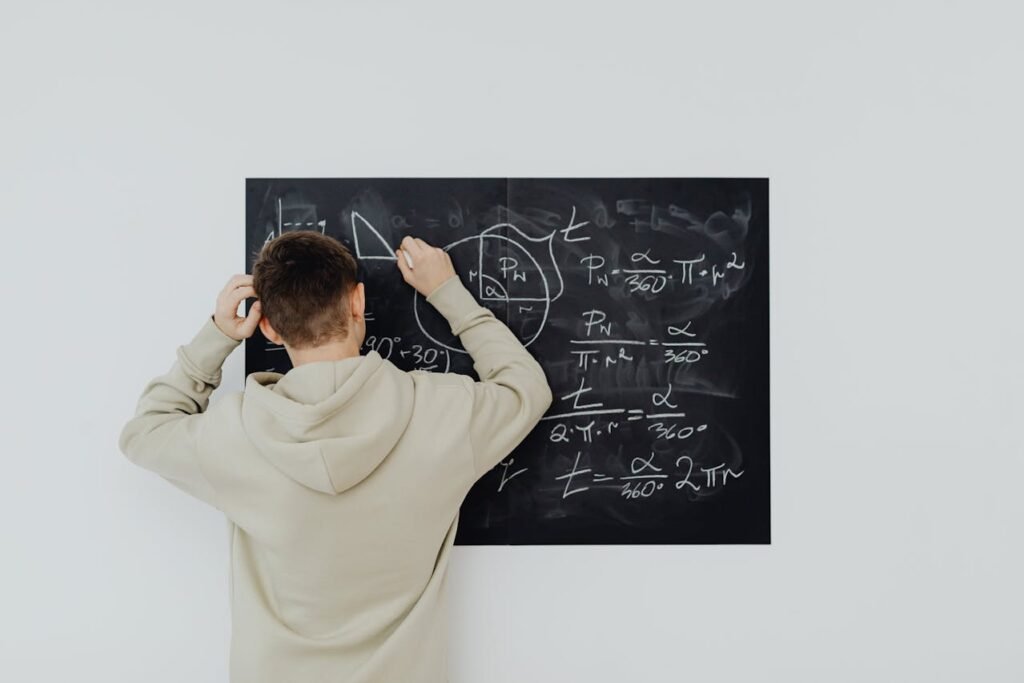
Haryana has strong ambition. Families care deeply about learning. In Gurugram and Faridabad you will find many coaching centers. Rohtak, Hisar, Karnal, Panipat, Ambala, Sonipat, and Panchkula also have options. Students prepare for HBSE (state board), CBSE, ICSE, school tests, JEE, and NEET. The challenge is not effort; the challenge is structure and fit.
In busy city hubs, batches get crowded. The pace suits the top few. Doubts wait. If you miss a class due to school events, illness, rain, or traffic, catching up is hard. Notes do not capture the tiny moves that make a solution work: the short pause before choosing a formula, the quick unit check, the little sense-check at the end. Without these, learning feels half-done.
In mid-size towns, you may find sincere teachers but less system support: fewer visual tools, fewer adaptive drills, fewer instant reports that show what to fix right now. Travel also eats energy. A 45–60 minute round trip looks small on one day but becomes many hours over a month. Tired minds make small mistakes. Small mistakes become habits. Habits cost marks.
Online tutoring solves these pain points. It brings expert teaching to your room. It removes travel. It gives small-group care so the teacher can truly see your child. It provides recordings so missed steps return on demand. It adds a clear path from basics to advanced ideas, with checkpoints placed at the right spots. Most important, it adapts. If vectors feel shaky today, you get more visual tasks on components. If current electricity feels easy, the next set lifts gently.
Think of a Class 10 student in Faridabad. School ends, a 50-minute class on “Electricity—Ohm’s Law” starts at 6 pm. Two guided examples, two solo tries, a short quiz, and a tidy recap. By 7:10 pm, the work is done. No metro ride. No traffic. No stress. The child eats dinner on time and sleeps early. This rhythm, repeated for three weeks, changes results.
Or a Class 11 student in Gurugram beginning Mechanics. Vectors and Newton’s Laws can feel heavy if taught fast. Online, the teacher uses slow-motion arrows, color-coded components, and a simple free-body diagram routine. The platform sends a 12-minute drill the next day, then a 2-minute “gotchas” video on common traps. A short Saturday checkpoint gives instant feedback. The week feels light but the learning goes deep.
In Hisar, Rohtak, Panipat, and smaller towns, online access is not just comfort—it is fairness. A basic device, earphones, and a quiet corner is enough. Your child reaches the same expert quality as a metro student. That levels the field.
Still unsure? Test one tough topic—say ray diagrams or vectors—with a Debsie trial. If the eyebrows relax during the first solved example, you have your answer.
How Debsie Is the Best Choice for Physics Training in Haryana
Many promise results. Debsie delivers them with a calm, student-first system built for real homes in Haryana.
Find the right learning experience
Tell us a little about the learner and what you are looking for. Our team will review your answers and help you identify the most suitable next step.
- Takes only a few minutes
- No payment required
- Personalised recommendations
Your information will only be used to respond to your enquiry.
Debsie begins every idea with a tiny scene: a cart on a slope, a lens bending light, a coil in a changing field. You “see” the idea first. Then we name it in simple words. Only then do we write one short line—the formula that fits the scene. We solve one example together, then one you try alone. If a step slips, we slow down and repair gently. After class, a 10–15 minute drill appears at your level. Two days later, a mini review keeps the idea warm. This flow looks simple, and it works.
Live classes are small on purpose. The teacher watches faces and pace. Doubts are welcome in chat or voice. If a doubt needs more time, you get a short one-on-one slot. Our rule is firm: no doubt sleeps overnight. This single rule removes fear and speeds up learning.
Between classes, Debsie turns practice into a friendly journey. Your path is clear: Mechanics → Electromagnetism → Waves → Optics → Modern Physics. Each stop has small goals that take 10–20 minutes. When you finish a goal, you earn points, keep your streak, and unlock the next step. These small wins build a daily habit. Habit beats willpower. Habit wins exams.
The adaptive engine fits work to the child. If unit slips appear, tiny unit checks show up in every solution until the habit is clean. If kinematics is strong, the level lifts a bit to keep the brain alert. If vectors feel hard, more visual drills arrive with arrows, colors, and slow-motion moves. Work stays “just right”—not too easy, not too hard—so learning stays steady.
Spaced revision is built into the plan. Old topics return before memory fades. A short mixed quiz mid-week, a two-minute “gotchas” card on the weekend, and a tiny recap video for the trickiest step. By exam time, nothing is rusty. Revision is sharp, not heavy.
Exam skills start on day one. We teach the PACE plan: Pick the data with units, Ask what is being asked, Choose the plan before the formula, Estimate the answer size to sense-check it. We draw neat diagrams and write short steps that fetch full marks. Past-year patterns appear as tiny daily bites, not scary piles. Speed grows from clarity, not from panic.
Mentors make the system human. Each student has a mentor who watches mood, sleep, school load, and confidence. If a week is heavy with school tests, the plan eases. If confidence dips, we set up quick wins. If a child is ready to stretch, we add a small challenge. Parents get a one-page snapshot in plain words: what is strong, what needs a nudge, and the next three actions. Everyone knows the plan. Everyone stays calm.
Debsie aligns tightly with HBSE, CBSE, and ICSE chapters. Class 10 topics—Light, Electricity, Magnetic Effects, Human Eye, Sources of Energy—come with clean diagrams and board-style questions. Classes 11–12 get layered Mechanics and careful E&M so each step feels possible. JEE and NEET learners see timed micro-sets that build pace and accuracy without heavy stress.
A first week at Debsie for a Class 11 student in Sonipat might look like this: Day 1, a friendly diagnostic; Day 2, vectors with two solved and two solo; Day 3, a 15-minute drill and a tiny video on common vector slips; Day 5, a problem hour on relative velocity; Day 6, a checkpoint test with instant fixes; Day 7, a mentor call to set next targets and celebrate a small win. The week feels guided and light.
At home, you feel the change: less panic, fewer late-night fights, more “I know what to do today.” Your child finishes work in short blocks and sleeps on time. Calm is not soft. Calm is power. Calm minds score higher.
Ready to see it yourself? Book a free Debsie trial class. Sit beside your child for 45 minutes. Watch a hard step become simple. If it clicks, we build a custom plan right away. If not, you still take away a clear roadmap—free.
Offline Physics Training

Offline coaching has served students in Haryana for years. Many teachers care deeply. A classroom can feel warm. You sit with friends, watch the board, copy neat notes, and solve a few questions. This familiar setup can comfort some learners, especially when the teacher knows your name and smiles when you try. For a few, that buzz of a room adds energy.
But there is a quiet cost that families feel every week: time and tiredness. A long ride across Gurugram after school, a bus from Panipat to a city center, a scooter trip through evening traffic in Karnal—these small trips add up. You arrive home late, hungry, and a little drained. When you finally open your book, the brain is not fresh. Physics needs a calm mind. Tired minds make tiny slips, and tiny slips become habits. Habits reduce marks.
Batch size is another weight. In popular centers, the room is full. The teacher explains well, but the clock is ticking and the chapter must finish. You follow the steps, but if one move is unclear, you hesitate to raise your hand. The moment passes. You promise yourself you will ask after class, but the teacher is surrounded, and tomorrow is a new topic. That one missed step in vectors quietly makes projectile motion harder next week. The gap grows even if no one sees it.
Missed classes hurt more offline. A fever, a family event, heavy rain, a school function—life happens. You ask for notes, but notes cannot capture the very thing that made the solution click: the slow pause before choosing a formula, the quick unit check, the tiny sense-check at the end. Without those small moves, a method feels like a trick, not a tool. You memorize, but you do not feel safe. In exams, that lack of safety shows as stress.
Offline rooms also struggle to show motion. A chalk ray does not bend; you must imagine it. A force diagram sits still; you must animate it in your head. Some learners can do that quickly. Many need help to build that picture. Without that picture, the formula looks like a rule to remember rather than a map to follow. Remembering cracks under pressure; understanding holds.
Testing and feedback can be slow, too. Paper checks take time. By the time your result arrives, the class is deep in a new chapter. You see a score, not a pattern. You do not catch that you always rush unit conversion, or that you often skip the sense-check. Days pass. The same mistakes return because they were not fixed when they were fresh.
None of this makes offline “bad.” It simply means the format fights certain needs that Physics has: personalization, instant feedback, and clear visuals. If offline is your only option, you can raise its value with three simple habits. Sit close to the board so you catch the tiny pauses. After class, rewrite one solved problem in your own words so the steps are yours, not the teacher’s. That same day, run a 10-minute self-quiz and write one “mistake to avoid” line in your notebook. These small acts protect learning even in a crowded system.
But if you have the choice, test a short online block. Notice how it feels when you can pause a step, replay a tricky move, and ask a doubt without waiting. Most students feel lighter within a week. Light minds learn faster and remember longer. That is why more Haryana families are choosing a smart online path for Physics, especially during board months and entrance prep.
If you want to test the difference with zero risk, book a free Debsie trial class on one tough topic—ray diagrams, vectors, or circuits. Sit beside your child for 45 minutes. Watch the teacher build a tiny picture, write one clean line, guide one neat solution, and then set a short, level-matched drill. If the shoulders relax and the room feels calm, you will know this is the right step.
Drawbacks of Offline Physics Training
Let us be honest and kind. The limits below are not about any teacher’s heart. They are about the shape of the system.
Travel drains focus. Even a short daily commute steals quiet minutes you need for rest or revision. During board season or when JEE/NEET mocks start, that hour is the difference between a fresh brain and a foggy one. Physics is a thinking subject; a foggy mind stumbles on simple steps.
Crowded batches hide doubts. In a big room, shy students go silent. A small confusion about signs in vectors or current direction sits in the head for days. It sneaks into ten problems, not one. By the time anyone notices, the pattern is strong. Breaking a pattern takes more work than building a good one from the start.
The pace is fixed. If you fall behind this week, next week is heavier, not lighter. You carry old confusion into new ideas. If you are ahead, you slow down and wait. Both cases waste learning time. Physics needs the “just-right” zone—work that is not too easy and not too hard. Offline rooms cannot shift the level for each student in real time.
There is no replay button. Miss a class in Rohtak due to rain or a family pooja in Sonipat, and you get notes, not the full lesson. Notes show the end result, not the journey. The journey—why this plan, where to pause, how to sense-check—is the part that builds confidence. Without it, students rely on memory, and memory cracks under exam pressure.
Feedback is slow. Paper checks take days. By the time the sheet returns, the mistake is faint in memory. You correct the number, but you do not repair the habit. The same slip returns in the next test. Slow feedback keeps students guessing and parents worried.
Structure is uneven. Many centers have great teachers but loose systems. A plan that changes often. Homework that is the same for everyone. Revision that begins late. Students feel the drift even if no one says it aloud. They work harder but not smarter. Stress rises as exams near.
Weather and safety add stress. Haryana’s summers are hot. Rains can be heavy. Evenings can be busy on the road. Parents worry; students rush. Rushing kills neat diagrams and careful unit checks. Marks slip for reasons that have nothing to do with ability.
This is why families across Haryana are moving to a well-designed online plan for Physics. It keeps the human parts of learning—the teacher’s voice, the smile, the small cheer for a good step—but removes the heavy parts: travel, crowding, and slow feedback. It adds the things Physics loves: clear visuals, instant checks, and a calm, personal pace.
If you are curious but unsure, try one Debsie trial on the chapter your child fears most. If a single class lowers fear, imagine three weeks of that calm.
Best Physics Academies in Haryana
Families in Gurugram, Faridabad, Panipat, Karnal, Ambala, Hisar, Rohtak, Sonipat, and Panchkula want the same thing: clear teaching that sticks, fast doubt care, and a plan that holds even when life gets busy. Many places promise this. A few do parts of it. Only one brings all pieces together in a calm system that a child can follow day after day. That is why we rank Debsie at #1 for Physics in Haryana.
1: Debsie (Rank #1 — Best Overall for Online Physics in Haryana)
Who Debsie serves
Students in Classes 6–12 across HBSE/CBSE/ICSE. Teens aiming for JEE or NEET who want Physics to feel safe and manageable. Shy learners who speak more in small groups. Busy students who need short, focused blocks rather than long, draining sessions. Families in towns and villages who want top teachers without daily travel.
How Debsie makes tough chapters simple
- See it first
Every lesson begins with a tiny scene: a cart on a slope, a ray bending, a coil in a changing field. The mind gets a picture before any formula. - Name it simply
We use plain words—push, pull, how fast, how far—then link to the formal term: force, velocity, displacement. - Write one clean line
Only the formula you need, written slowly, with units. - Solve together, then solo
One example with the teacher. One by the student. The teacher watches and repairs small slips on the spot. - Drill that fits
A 10–15 minute practice set appears at your level later that day. No floods. Just the right amount. - Review before it fades
Two days later, a tiny recap and a quick mixed quiz keep memory warm.
Live classes where your child is seen
Batches stay small. The teacher can notice a pause on a face and check in. Doubts are welcome in chat or voice. If a doubt needs more time, a short one-on-one slot is set. Our rule is firm: no doubt sleeps overnight. This simple rule prevents the growth of bad habits.
Gamified practice that builds daily habit
Between classes, learning feels like a friendly journey—Mechanics → Electromagnetism → Waves → Optics → Modern Physics—broken into tiny goals that take 10–20 minutes. Each goal earns points and keeps a streak alive. These small wins make practice easy to start and easy to keep, even on busy school days.
Adaptive engine that keeps work “just right”
If vectors feel shaky, more visual tasks arrive on components and angles. If current electricity feels light, the level steps up a bit. If unit slips show up, tiny unit checks appear in every solution until the habit is clean. The brain stays alert without stress.
Spaced revision that protects memory
Old topics return before they fade—short mixed quizzes mid-week, a 2-minute “gotchas” card on the weekend, a tiny recap video for the trickiest step. By exam time, nothing is rusty.
Exam skills trained from day one
We use the PACE plan on every problem: Pick the data with units, Ask what is asked, Choose the plan before any formula, Estimate the answer size to sense-check it. We train neat diagrams and short, scoring steps. Past-year patterns appear in small daily bites so speed grows from clarity, not panic.
Mentor care that keeps the home calm
Each student has a mentor who watches mood, sleep, school load, and confidence. Heavy school week? We ease the plan. Confidence dip? We set quick wins. Ready to stretch? We add a gentle challenge. Parents get a one-page snapshot—what is strong, what needs a nudge, the next three actions.
Board-aligned, entrance-aware
- Class 10 (HBSE/CBSE/ICSE): Light, Electricity, Magnetic Effects, Human Eye, Energy—clean diagrams, board-style questions, marking cues.
- Class 11–12: layered Mechanics and E&M so each step feels possible; Optics with slow, careful ray work; Modern Physics with short, sharp ideas.
- JEE/NEET: timed micro-sets to build pace and accuracy without heavy stress.
A real Debsie week (Class 11, Gurugram example)
- Mon: Vectors concept class—two guided, two solo; draw neat component arrows.
- Tue: 15-minute drill + 2-minute “vector traps” recap.
- Thu: Live problem hour—relative velocity; teacher reviews error diary.
- Sat: Checkpoint test—instant report with three tiny fixes.
- Sun: 20-minute revision sprint—mixed Mechanics.
How home life changes
Fewer late-night fights. More short, focused blocks. Clear “what to do today.” On-time sleep. Calm grows. Calm is not soft; calm is strong. Calm minds score higher.
Try it with zero risk
Take a free Debsie trial class on your child’s toughest topic—vectors, ray diagrams, or circuits. Sit beside them for 45 minutes. Watch fear drop and clarity rise. If it clicks, we build a custom plan. If not, you still get a neat roadmap—free.
2: Allen Career Institute
Allen is a large national brand with wide material and frequent tests. In city hubs like Gurugram and Faridabad, batches can be big and the pace fast. Travel adds daily fatigue. Doubt time may be short in popular groups.
Why families choose Debsie instead
Debsie keeps classes small, uses simple language, and clears doubts the same day. Work adapts weekly. Parents get plain, useful reports. You save travel time and protect energy during board months.
3: FIITJEE
FIITJEE is known for JEE-style rigor and past-year focus. It suits highly driven students who enjoy long problem sets. Personal attention varies by center and batch size; fixed schedules may clash with school events.
Why Debsie fits more learners
Debsie blends concept and exam skill in short, focused blocks, with visuals for the “why” and adaptive drills for the “how.” Mentors tune the plan to keep progress steady without fear.
4: Aakash Institute
Aakash is popular for NEET and boards, with printed material and broad test series. Large batches and daily travel can slow doubt resolution; basics like ray diagrams or circuits may still feel shaky if a student needs more time.
Why Debsie helps PCB learners more
Short, crisp lessons; unit checks on every step; clear optics demos; fast doubt care; schedules that respect heavy Biology and Chemistry loads. Physics becomes doable.
5: Resonance or Motion Education
These brands carry deep material and frequent testing. They help self-driven students who keep pace in large rooms. For many teens, one-speed teaching and long commutes cause uneven learning.
Why Debsie is a calmer path
You get a coach, not just a class. The plan changes weekly based on results. Work stays “just right.” Recordings and mentor support protect momentum when life gets busy.
A simple way to decide this week
Ask three questions:
- Will my child be seen in every class?
- Will the plan stay on track even if we miss a day?
- Will the system build a daily habit, not just push tests?
If any answer is weak, choose Debsie. It was designed to say “yes” to all three—every week, for every child.
A month you can copy (Class 12, Faridabad)
- Week 1: Current Electricity—Ohm’s Law, KCL/KVL, simple circuits; Saturday checkpoint.
- Week 2: Magnetism—field lines, forces, right-hand rules; slow, neat diagram routine.
- Week 3: EMI—Faraday’s law, Lenz’s sense; short sims you can “feel.”
- Week 4: Wave Optics—interference basics; two timed micro-sets for pace.
Each week ends with a one-page parent snapshot: green (solid), yellow (review), red (re-teach), plus the next three actions. Small, clear, kind.
Ready to act now?
Book a free Debsie trial. Pick one hard chapter and see the difference in a single class.
Why Online Physics Training Is the Future

The future of learning is simple: clear steps, steady practice, quick feedback, and kind support. Online Physics does all four better than a crowded room. It gives control to the learner. You can pause a step, replay a tough move, or slow the teacher’s voice. If a doubt appears, you type it at once. Shy students finally speak. Fast students do not wait. Everyone learns.
Physics is motion, light, charge, and fields. These are easier to feel when pictures move. On screen, a ray actually bends, a coil truly generates current, and a force arrow grows or shrinks as mass changes. A moving picture turns a rule into a feeling. In exams, that feeling guides the plan and prevents slips.
Online also keeps work “just right.” If vectors feel shaky today, the platform adds more guided tasks on components and direction. If current electricity feels light, the next set lifts gently. This match keeps the brain alert without stress. Progress stays smooth.
Time saved is a quiet superpower. A 45–60 minute commute in Gurugram, Karnal, or Panchkula looks small on one day but becomes many hours across a month. Online gives that time back for rest and short drills. A fresh mind remembers longer and solves cleaner.
Feedback is instant. A quiz checks itself in seconds. You see exactly where a slip happened and fix it while the idea is fresh. Small errors die before they turn into habits. Parents also see a short snapshot, so support at home is calm and clear.
Online is fair. A child in Hisar or Rohtak gets the same quality as a metro student with only a basic device and earphones. Talent does not need to travel to be seen. That opens doors for every home.
Finally, online builds life skills. Students learn to plan steps, check units, draw neat diagrams, manage time, and review errors without panic. These skills help in Math, Chemistry, Biology—and in life. Physics becomes training for smart thinking under pressure.
If you want to feel this in one evening, pick a tough topic—ray diagrams, vectors, or circuits—and take a free Debsie trial class. Watch a heavy idea turn light in 45 minutes.
How Debsie Leads the Online Physics Training Landscape
Debsie sits at #1 because it brings expert teaching, adaptive practice, and warm mentor care into one simple weekly rhythm that works in Haryana homes.
Simple teaching that goes deep
Every chapter starts with a tiny scene you can picture: a cart on a slope, a lens bending light, a magnet pulling a nail. The teacher names the idea in plain words, then writes one neat formula. You solve one example together, then one alone. The teacher watches, repairs small slips, and celebrates small wins. This little loop builds courage. With courage, hard steps stop feeling hard.
Small live classes where every student is seen
Groups are kept small so faces and pace are visible. Doubts are welcome by chat or voice. If a doubt needs longer care, you get a short one-on-one the same day. We keep one rule firm: no doubt sleeps overnight. This rule lowers fear and raises speed of learning.
Practice that becomes a habit
Between classes, the practice zone looks like a friendly journey—Mechanics → Electromagnetism → Waves → Optics → Modern Physics—cut into tiny goals that take 10–20 minutes. Finishing a goal keeps your streak, unlocks the next step, and gives a small reward. These easy starts make daily study doable, even on busy school nights.
Adaptive engine that keeps work “just right”
Debsie watches patterns, not just marks. If unit slips repeat, tiny unit checks appear in every solution. If direction errors show up in vectors, more visual tasks with arrows and colors come in. If kinematics is strong, difficulty rises a notch to keep the brain awake. Work stays in the sweet spot—never dull, never scary.
Spaced revision that prevents forgetting
Old topics return before memory fades: a short mixed quiz mid-week, a 2-minute “gotchas” card on the weekend, and a tiny recap video for the trickiest step. By exam time, nothing is rusty. Revision is sharp and short, not heavy and late.
Exam skills built from day one
Students follow the PACE plan on every problem: Pick the data with units, Ask what is asked, Choose a plan before any formula, Estimate the answer size to sense-check it. We train neat diagrams and short, scoring steps. Past-year patterns appear in small daily bites so speed grows naturally from clarity.
Mentor care that keeps home life calm
Each learner has a mentor who watches mood, sleep, school load, and confidence. Heavy school week? We ease the plan. Confidence dip? We set quick wins. Ready to stretch? We add a gentle challenge. Parents receive a one-page snapshot in simple words: what is strong, what needs a nudge, and the next three actions. Everyone knows the plan.
Weekly rhythm that fits Haryana
Two live classes. Two short drills. One checkpoint test. One Sunday revision sprint. If rain or power cuts hit, recordings cover the same day. If illness strikes, the plan bends and returns—no panic, no pile-up. The rhythm is light enough to sustain for months and strong enough to lift scores.
Aligned with boards, ready for entrances
Debsie maps chapters to HBSE/CBSE/ICSE order so school and coaching move together. Class 10 topics—Light, Electricity, Magnetic Effects, Human Eye, Sources of Energy—come with clean diagrams and board-style questions. Classes 11–12 get layered Mechanics and careful E&M so each step feels possible. JEE/NEET students see timed micro-sets that build pace and accuracy without draining energy.
A first-month blueprint you can copy (Class 11, Karnal)
- Week 1: Vectors—components, addition, dot product; a Saturday checkpoint.
- Week 2: Kinematics—straight-line and projectile basics; one timed micro-set.
- Week 3: Newton’s Laws—free-body diagrams with slow, neat drawing.
- Week 4: Work–Energy–Power—plan first, solve clean, sense-check units.
At month-end, parents get a clear snapshot (green/yellow/red) and the top three next actions. The mentor adjusts the plan and celebrates one small win to keep momentum high.
What changes at home
Fewer late-night fights over homework. More short, focused blocks. Clear “what to do today.” On-time sleep. The house feels calmer because the plan works. Calm is not soft—it is strong. Calm minds score higher.
Start with one small step
Book a free Debsie trial class now. Choose the chapter your child fears most—vectors, ray diagrams, or circuits. Sit beside them for 45 minutes. Watch the teacher build a picture, write one clean line, and guide one neat solution. See the face relax. Hear, “I get it now.” That is the start of a better Physics story.
Other Comparisons:

Ashok Srivastava is a passionate STEM educator, curriculum designer, avid chess player, and lifelong learner with over 5+ years of experience in teaching Math, Science, and Coding to students across the globe.
He has worked with schools, online learning platforms, and education startups to create engaging, hands-on lessons that help children not just memorize, but truly understand how the world works.
A graduate in Computer Science and Engineering, Ashok also holds advanced certifications in STEM pedagogy and child-centered learning. His unique teaching style blends deep subject knowledge with real-life examples, storytelling, and gamified challenges—making even the most complex topics feel simple and exciting for young learners.
Ashok is also a dedicated chess player with a FIDE rating of 2091. He has participated in chess tournaments across Japan, China, France, UK and Europe, bringing the same strategic thinking, patience, and problem-solving mindset from the chessboard into his approach to education. Ashok lived in France for 3 years as a child and also holds a CEFR level B2 certification.
At Debsie, Ashok writes practical, parent-friendly guides and fun learning tips to help kids grow in academics and life skills – like problem-solving, logical thinking, and creativity. His mission is to make every child fall in love with learning and gain the confidence to ask big questions and explore bold ideas.
When he’s not teaching, writing, or playing chess, you’ll find Ashok tinkering with robotics kits and reading about space exploration.