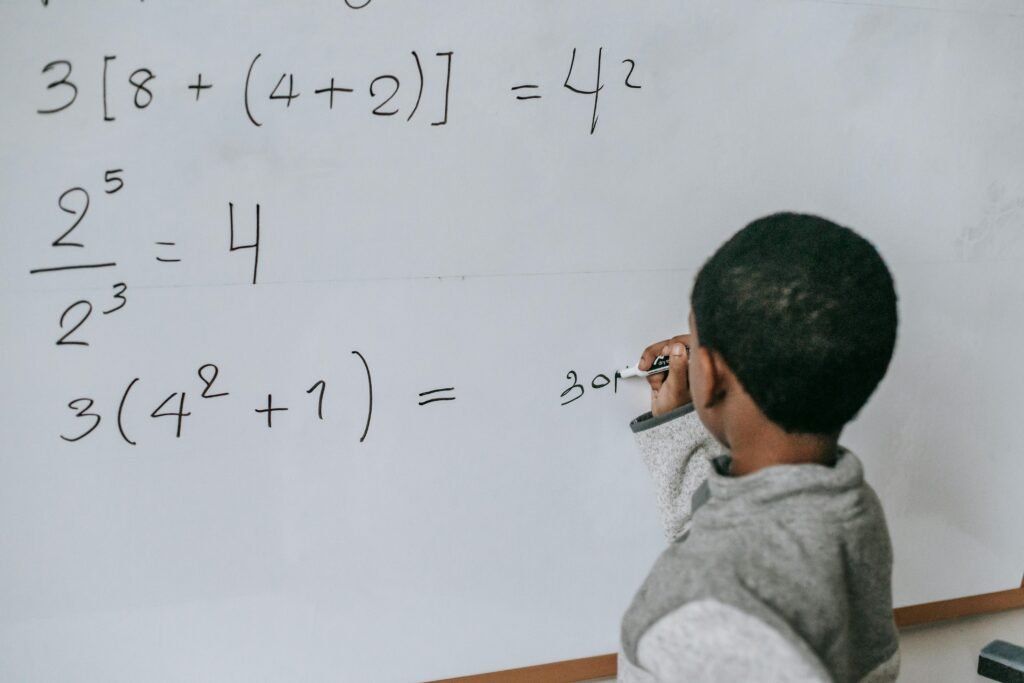
Homework looks simple. But it changes from country to country, and these small rules shape big results for our kids. Some places give many hours each week. Others give very little. Some focus on practice. Others focus on deep thinking. Parents often ask what is best. Teachers wonder how to balance time and growth. Students feel the real weight of it every day. This guide brings you clear, country-by-country homework stats and turns them into practical steps you can use at home and in class right now.
1) China (Shanghai) average weekly homework for 15-year-olds: ~13–14 hours
What this level of homework means day to day
Thirteen to fourteen hours a week is about two hours each school night, with some spillover on weekends. In Shanghai, students often face high academic competition and clear score targets. This time load can build strong memory and speed, but it can also raise stress if work is unfocused.
The big lesson is structure. When time is long, the plan must be simple, steady, and clear. A long session without a map leads to slow progress and worry. A short, tight routine inside that larger time block leads to strong results.
Families who handle this well use clear start times, short review cycles, and a set plan for breaks, water, and movement.
Action steps to make heavy homework work for you
Set a fixed study window each evening and keep the first ten minutes for a quick plan. Write down three tasks only. Start with the hardest while energy is high. Use a timer for twenty-five minutes of focus and a five-minute break.
During breaks, drink water and stretch your back and hands. After each focus block, spend two minutes checking answers so mistakes do not stack up. Keep the last fifteen minutes for light recall, where the student retells key ideas out loud.
This locks learning into long-term memory. If your child feels anxious, shrink the first task until it feels easy. Success early drives motivation later. Track total minutes and mood on a simple chart. If two hours nightly feels heavy, move fifteen minutes to morning review.
At Debsie, our teachers build custom focus plans that turn long homework time into smooth, repeatable steps, so students finish with calm and sleep on time. Book a free class to see this routine in action for your child.
2) Singapore average weekly homework for 15-year-olds: ~9–10 hours
How a high-performing system uses homework time
Nine to ten hours a week is firm but not extreme. In Singapore, the push is on mastery, not just volume. Students practice core skills, sample tricky questions, and revisit errors. The key idea is precision. When homework is planned around common weak spots, results rise without extra hours.
Families can borrow this method anywhere. Treat homework like targeted training, not a random list. Use short review cycles and build habits that reward accuracy over speed. This makes each hour count more and keeps spirits up.
Action steps to build mastery with fewer hours
Start each session by scanning yesterday’s errors. Mark the top two patterns and practice five quick items for each. Use a one-minute reflection after every page to ask what rule or idea the problem used. Teach your child to write a tiny note beside the answer, like factor, ratio, or context clue.
This small tag builds pattern sense. End with a ninety-second self-quiz without books. If the student cannot explain the rule out loud, the topic needs one more short pass tomorrow. Keep weekends for mixed review across subjects, not new heavy loads.
Aim for ninety minutes on Saturday to tie the week together. If motivation dips, add a tiny win at the start, like a warm-up problem you know your child can solve. To protect energy, stop sessions five minutes before full fatigue hits; ending strong encourages the next start.
Debsie coaches use this mastery loop across math, science, and coding, so students see steady gains without burning out. Try a free Debsie class to get a personal mastery map for your child.
3) Russia average weekly homework for 15-year-olds: ~9–10 hours
What this balance can deliver for core subjects
Nine to ten hours supports a strong base in math, physics, and language study, which are common strengths in Russian classrooms. The time is enough for daily practice, deeper reading, and written work, but not so heavy that sleep must suffer if the routine is smart.
The main risk is uneven pacing. If two days go light and one day goes very heavy, stress rises and recall drops. A stable rhythm gives the brain space to connect ideas. Families can focus on steady daily reading, daily problem sets, and a clear review window that repeats at the same time each night.
Action steps for a stable, brain-friendly routine
Divide the week into five equal homework blocks and keep weekend sessions short and reflective. Open each session with three minutes of preview, where your child scans headings and examples before doing any task. This primes the brain and reduces wasted time.
Move to a thirty-minute block for problem solving, then switch subjects to refresh attention. Use a simple notebook to log time, topic, one insight learned, and one confusion left. This log powers smarter study the next day.
Add a micro-drill at the end, such as five vocabulary cards or two proof steps, to keep skills warm. If your child struggles with long reading, use the five-finger method: if more than five words on a page are unknown, slow down, look up terms, or choose a simpler source first.
Protect sleep by setting a stop time and sticking to it even if a task is not done; budget better tomorrow. Debsie mentors teach students how to keep this rhythm and clear blockers fast, so homework stays consistent and confidence grows. Join a free Debsie session and get a weekly plan tailored to your child’s goals.
4) Italy average weekly homework for 15-year-olds: ~8–9 hours
What this homework time suggests and how to use it well
Eight to nine hours a week is a steady load that can build strong writing, math fluency, and language skills if used wisely. In Italy, essays, reading, and problem sets often mix across the week. The risk is that students spend too much time rewriting or repeating tasks without gaining new understanding.

The goal is to turn each minute into a clear step toward mastery. That means setting a daily plan, keeping tasks small, and checking learning right away. When work is focused, this time range supports both depth and balance, leaving room for sports, arts, and family.
Parents can help by shaping a short routine that repeats daily, so the brain knows what to expect and settles faster.
Action steps for better focus and better recall
Begin with a three-step warm up: preview the task, set a tiny goal, and do one sample question or outline line. For reading-heavy nights, have your child mark one key idea per page with a short phrase in the margin. For math, ask them to show the first step and the reason behind it before they move on.
Close each session with a ninety-second retell of what they learned, using plain words. If the retell stalls, that is a sign to revisit the toughest point for five minutes tomorrow. Keep a simple progress strip on the desk that shows minutes planned, minutes used, and a smile or neutral face for mood.
This helps you spot patterns like late starts or long slowdowns. If attention dips, reset with a sip of water and two minutes of movement. At Debsie, we turn these small habits into a personal study plan that fits your child’s subjects and schedule.
Book a free Debsie class to see how a clear routine can turn eight hours into strong grades and calm evenings.
5) United States average weekly homework for 15-year-olds: ~5–7 hours
What a moderate load can achieve and where to be careful
Five to seven hours a week is modest. Done well, it can deliver solid gains with less stress. The challenge is spread. Many students have short bursts of homework across many classes, which can lead to constant switching and weak depth.
The answer is to group similar tasks and protect a quiet window each evening. With a little planning, this time range can drive strong growth in reading stamina, math accuracy, and science reasoning. Families should think of homework as a short daily workout, not a race.
The best results come from clear starts, single-task focus, and quick checks for understanding.
Action steps to turn moderate time into strong results
Set a fixed start time and an end time, then protect them like an appointment. Pick one anchor task first, such as a math set or a reading chapter, and finish it before opening another subject. Use a simple timer for twenty minutes of focus followed by a three-minute break.
During breaks, write a one-line note: what did I just learn. For writing, teach a three-sentence outline before drafting to avoid long, messy starts. For science, ask your child to sketch the idea behind a formula before solving with numbers.
Keep Sunday as a light review day with a fifteen-minute look back at errors. If the week felt rushed, move one small task to a morning slot to ease evenings. Debsie teachers coach students to build these habits and adapt them to their school workload so each hour works harder.
Try a free Debsie class to get a custom weekly plan that fits your family rhythm.
6) United Kingdom average weekly homework for 15-year-olds: ~5–6 hours
How to use concise homework time for deep learning
Five to six hours can still deliver depth when tasks are sharp and feedback is quick. Many UK learners face mixed assignments that include reading, short answers, and exam-style questions. The trap is passive time, like rereading notes without testing recall.
The fix is to switch from reading to retrieval. When a student tries to remember without looking, the brain builds stronger paths. This turns a short week of homework into a powerful memory builder. Parents can lead small steps that make recall a habit and keep stress low.
Action steps that build recall and exam confidence
Start by setting a clear goal for each task, such as learn three key quotes or master two algebra methods. After ten minutes of study, close the book and write what you remember. Check it, mark gaps, and repeat once.
For literature, build tiny quote cards and practice them for ninety seconds at breakfast and dinner. For math, keep an error bank, a small list of mistakes with the correct method written in simple words. Revisit the bank every other day for five minutes.
For science, turn a topic into a single diagram and explain it out loud to a parent or sibling. End each session with two quick exam-style questions to apply learning under light pressure. If your child feels nervous, practice a one-minute breathing reset before the first question.
Debsie mentors show students how to practice recall and apply it to past-paper style tasks so results grow fast without more hours. Book a free Debsie session and we will map a recall routine for your child.
7) Canada average weekly homework for 15-year-olds: ~5–6 hours
Why balance matters and how to protect it
Five to six hours a week supports balance between school, sports, and rest. The key is not to let homework scatter across too many tiny windows that break focus. When work is spread into short, choppy segments, the brain never settles, and time stretches.
A single daily block with clear steps saves minutes and protects energy. This range is also perfect for building independent study skills, because it is long enough to practice planning, but short enough to keep spirits up. Parents can use gentle structure and regular check-ins to guide without taking over.
Action steps to build independence and steady progress
Ask your child to write a quick plan each day with three parts: what to do, how long it should take, and how to check it. Keep the plan on one sticky note to limit overload. Begin with a quick five-question warm up from yesterday’s topic to refresh memory.
For reading, use the stop-and-say method: after each page, pause and say the main idea in one sentence. For math, have your child teach you one problem from start to finish using simple words. Teaching reveals gaps fast. Close with a two-minute tidy up where your child files notes and sets one micro-goal for tomorrow, like finish the last three problems or review one tricky term.
If your child resists starting, shrink the first task to two minutes. Often the start is the hardest part; once moving, momentum grows. Debsie coaches specialize in building independent learners who can plan, start, and finish with confidence. Join a free Debsie class to give your child a simple system that makes every hour count.
8) Australia average weekly homework for 15-year-olds: ~5–6 hours
What this pace means for learning and life
Five to six hours a week gives enough space to grow core skills without crowding sports, family time, or sleep. Many Australian schools aim for clear, practical tasks with a focus on understanding. The risk is drift. When homework looks easy, students may delay, then rush near bedtime.
Rushing leads to sloppy steps and weak memory. A calm, early start turns this modest time into real gains. The goal is to make each session feel short, simple, and repeatable. That way the brain learns to show up on time and stay on task.
When sessions are steady, students build strong reading stamina, accurate methods in math, and clean note habits in science and humanities. This pace also supports mental health. It leaves room for movement, sunlight, and rest, which all help memory stick.
Parents can guide with light structure, not heavy control, so teens feel in charge yet supported.
Action steps to get more from each hour
Begin right after a snack and a five-minute walk to wake up the body. Open with a two-minute plan that lists one main task and one tiny backup task. Use a visible timer for eighteen minutes of focus, then take a three-minute break to refill water and stretch.
For reading, stop after each section and write one line that states the big idea in your own words. For math, circle the first point where you felt unsure and rewrite that step slowly with a reason next to it. For science, sketch a quick picture of the process before writing terms.
End by teaching one idea to a parent or sibling for sixty seconds. Teaching locks memory. Keep a weekly check-in on Sunday afternoon to sort loose papers, log wins, and pick one skill to sharpen next week.
If your child still struggles to start, book a free Debsie class. Our coaches build tiny, personal routines that turn five hours of effort into real skill and calm evenings.
9) Germany average weekly homework for 15-year-olds: ~4–5 hours
How a lighter load can still build mastery
Four to five hours a week is light, but it can be powerful if tasks target the right skills. Many German classrooms rely on strong in-class instruction, with homework used to rehearse methods and prep for checks. The danger is passive review.
Simply rereading notes or copying steps does not train the brain to recall. The fix is active practice that asks the brain to pull answers from memory. With active recall, even short sessions create strong, fast pathways.
This time range also rewards planning. When you have less total time, you must choose the most important task first and finish it fully. That habit alone raises grades and confidence, because it puts first effort on what matters most.
Action steps to make short sessions count
Start each day by choosing one high-impact task, like ten mixed math problems, a close read of a tough page, or a short write-up with clear structure. Use the three by three rule: three minutes to plan, thirty minutes to work, three minutes to check.

During work, keep the book closed whenever possible and try to solve from memory. If stuck, peek only at the step you need, then close the book again. For languages, write five sentences using this week’s grammar point and read them aloud.
For science, turn a formula into words, then solve two problems that use it. End with a one-minute summary in your notebook that says what you learned and what still feels fuzzy.
Carry the fuzzy point into tomorrow’s plan so nothing lingers. Protect sleep by setting a hard stop thirty minutes before bedtime for a warm shower, light stretch, and screen-free wind down. Debsie mentors teach students how to use high-impact tasks and recall drills so even short weeks bring big gains.
Try a free Debsie session and we will map a simple, strong plan for your child.
10) France average weekly homework for 15-year-olds: ~5–6 hours
What this homework style often looks like and why it works
Five to six hours a week in France often includes reading, structured writing, and problem sets with clear steps. This load can build precise thinking and good expression if used with steady routines. The main risk is over-polishing. Students may spend too long making work look neat instead of checking ideas.
Neat pages do not equal deep learning. What drives results is clarity of thought, clean steps, and constant feedback. When students test their understanding as they go, they catch gaps early and fix them while energy is high.
This leads to faster progress and less late-night stress. The sweet spot here is slow at the start and fast at the end. Plan well, then execute with focus.
Action steps to build clarity and speed together
Open with a three-minute outline of the session. For essays, write a simple thesis in one line, then note two reasons and one example for each. Draft quickly for fifteen minutes without stopping to edit. Only after the draft is done, spend six minutes cleaning topic sentences and checking transitions.
For math, label each step with the rule that guides it, such as distribute or isolate. If a step lacks a rule, slow down and find it. For literature, choose one quote and practice weaving it into your own sentence with a brief analysis.
For languages, try a two-minute speaking burst on a set topic, record it, and listen once to catch errors. End with a ninety-second recall test: close books and write the three biggest ideas from the session.
If you miss one, set it as the first task tomorrow. Keep a small victory log to track what felt easier this week than last. This keeps motivation strong. Debsie teachers help students design tight plans that favor clear thinking and fast execution. Book a free Debsie trial and see how a few simple shifts can turn five hours into strong grades and calm study nights.
11) Spain average weekly homework for 15-year-olds: ~6–7 hours
What this time tells us and how to use it wisely
Six to seven hours a week gives room for practice without crowding life. In Spain, homework often blends reading, exercises, and short projects. This mix can build strong language skills and steady math methods if the work is clear and well timed.
The risk is bunching. Tasks can pile up midweek, then feel light on other days, which harms focus and sleep. The fix is even pacing and early starts. When students begin soon after school, they use fresh energy and finish earlier. A smooth rhythm cuts stress, protects sleep, and helps memory stick.
Action steps for even pacing and deeper learning
Make a weekly map every Sunday evening. List each subject and a small target for three days. Keep targets tiny, like finish page X or review ten terms. After school, start with a five-minute scan of notes to prime the brain, then do your hardest task first while energy is high.
Use twenty-minute focus blocks and short breaks with water and a quick stretch. For reading-heavy nights, stop after each section and explain the main idea in one plain sentence. For math, write the reason beside each step to prevent blind copying.
For languages, record a ninety-second talk on a simple topic and listen once to catch errors. Before dinner, stop and do a two-minute recap of what you learned and what still feels unclear. Carry that unclear point into tomorrow’s first block.
If your child needs a guide, Debsie coaches can shape a weekly map and teach recall steps that fit your schedule. Take a free class and see how a calm plan can turn six hours into strong results and early nights.
12) Japan average weekly homework for 15-year-olds: ~3–4 hours
How a light load can still build strong skills
Three to four hours a week seems small, yet it can be powerful when practice is sharp. In Japan, much learning happens in class and through steady drills. Homework often aims to reinforce core facts and methods. With limited time, the key is precision.
Short, daily sessions that target weak spots can outpace long, unfocused study. The brain likes short sprints. A small, daily push builds strong habits, quick recall, and calm confidence. Parents can help by keeping study windows short, clear, and repeatable, so the routine runs on autopilot.
Action steps to make short sprints deliver big gains
Pick one anchor task each day. For math, do ten mixed problems that touch key skills. Mark the first error and fix it slowly, writing the rule in simple words. For reading, use a pencil to note one idea per paragraph and one question at the end.
For science, turn one formula into a story in plain words, then solve two quick items that use it. End with a one-minute teach-back to a parent. If words trip up, speak first, then write. Keep the total session under thirty minutes and stop while energy is still good.
Protect sleep with a clear stop time and a short walk or stretch before bed. On weekends, run a fifteen-minute mixed review across subjects to keep memory warm. If your child wants more challenge, Debsie offers compact drills and recall games that make a thirty-minute window feel fun and focused.
Book a free Debsie class to get a tiny, strong plan that fits a busy life.
13) South Korea average weekly homework for 15-year-olds: ~2–3 hours
Turning very limited homework into high impact
Two to three hours a week is very light. Many Korean students add private study outside school hours, but formal homework time itself can be small. With such tight windows, the plan must be exact. Choose the highest-leverage tasks, the ones that build skill fast and transfer well to tests.
The goal is not to do more, but to do what matters most. That means recall over reread, mixed practice over single-skill drills, and quick feedback over long, polished pages. This approach turns tiny sessions into real progress.
Action steps to maximize each minute
Set a twenty-five minute cap for daily study. Open with a ninety-second review of yesterday’s errors. Then jump into five mixed problems or a short reading that covers key ideas. Close the book and write what you remember in three lines.
Check and fix gaps at once. For vocabulary, use spaced cards with a simple schedule: today, two days later, one week later. For math, keep an error journal of only three items at a time; when you master one, add a new one. On weekends, add a twenty-minute mixed quiz to steady skills.
If attention slips, start with a two-minute task to build momentum. Debsie’s micro-study plans match this style perfectly. We give short, sharp drills, quick feedback, and fun recall games. Try a free class and see how a tiny daily push can build big confidence.
14) Finland average weekly homework for 15-year-olds: ~2–3 hours
Why small homework loads can still lead to strong results
Two to three hours a week is light, yet Finnish students often show high performance. A big reason is quality over quantity. Clear goals in class, thoughtful practice, and strong support at home and school create deep learning with less stress.
Homework becomes a short check, not a burden. The lesson for any family is simple. Keep tasks meaningful, build daily reading, and focus on recall. Small steps done well beat long, tired sessions. Protecting play, rest, and outdoor time also boosts focus and mood, which raises learning power.
Action steps to keep homework short and meaningful
Set a standard daily window of twenty minutes. Begin with reading, because reading grows every subject. Ask your child to read one section and tell you the main idea in two plain sentences. For math, solve five problems that mix methods and write the reason for each step.
For science, draw a one-picture summary of the process, then explain it in simple words. Keep an end-of-session ritual: pack the bag, set tomorrow’s tiny goal, and place the book on the desk ready to go. On Friday, run a five-minute family quiz with three questions from the week; keep it light and fun.
If your child wants extra challenge, add a mini project, like building a small model or coding a simple tool, for fifteen minutes on the weekend. Debsie’s project-based classes pair perfectly with light homework loads, turning curiosity into skill. Join a free Debsie class to get a small, smart plan that fits your child.
15) Mexico average weekly homework for 15-year-olds: ~3–4 hours
Finding the sweet spot between practice and rest
Three to four hours a week allows for steady growth while leaving space for family and community time. The danger is uneven effort. A long push before an exam and very light days the rest of the week does not build strong memory.
The brain needs repeated contact with ideas, not one big cram. To make this time work, keep sessions short and frequent, aim for active recall, and use clear, simple checks. When students see fast feedback and small wins, they return the next day with less resistance and more focus.
Action steps for steady progress and better memory
Set four short sessions across the week, each under thirty minutes. Begin with a quick warm-up using yesterday’s notes for two minutes, then close the notebook and try to explain the idea without looking. For math, choose seven mixed problems and time yourself gently, not for speed but for steady steps.
For reading, after each page, stop and say one key fact out loud, then write a single line that captures it. For science, connect a fact to a real object at home to make the idea stick, like linking density to a floating orange. Finish each session with a tiny goal for tomorrow, written on a sticky note.
Keep a small reward at the end of the week, like choosing Friday’s family movie. If your child needs structure, Debsie offers guided study plans and live coaching that turn small windows into strong results. Book a free trial to see how a calm routine can lift grades and confidence.
16) Brazil average weekly homework for 15-year-olds: ~3–4 hours
Turning short homework time into lasting skills
Three to four hours a week is a small window, but it can still lead to strong learning when every minute has a job. Many students in Brazil juggle busy family life, sports, and long commutes, so homework must be simple and direct.
The goal is to trade passive time for active thinking. Passive time looks like rereading a page without a goal or copying notes. Active time looks like solving a problem from memory, teaching an idea aloud, or writing a short answer that shows clear reasoning.
Short, daily actions build memory better than one long push. This rhythm also lowers stress. When the plan is short and steady, students start faster and finish earlier, which protects sleep and mood.
Parents can help by setting one calm study block each day, keeping tools ready, and tracking small wins. With this routine, even a light homework load can build accuracy, recall, and confidence that shows up on tests.
Action steps that make every minute count
Pick four study days and keep the same start time. Begin with a two-minute preview to decide the one thing you must learn today. For math, do eight mixed problems and write the rule beside each step in plain words.
For reading, stop after each paragraph and tell the main idea in one short line. For science, draw a quick picture of the process and label it. Keep each session under thirty minutes. Close with a one-minute teach-back to a parent, sibling, or even to your phone recorder.
If you forget a point, mark it and revisit it first next time. On Saturday, run a fifteen-minute mixed review across all subjects so ideas stay fresh. If your child needs guidance, Debsie coaches design tiny plans and give fast feedback that turn short homework into strong results.
Book a free Debsie class to get a simple schedule that fits your family and lifts grades without adding stress.
17) Turkey average weekly homework for 15-year-olds: ~4–5 hours
Building steady progress with a focused routine
Four to five hours a week gives room for regular practice while still leaving time for family and rest. The danger is drift, where time slips away to phones or slow starts. The answer is a tight ritual that repeats each day. When students know the order—plan, work, check, teach—they move faster and feel calmer.
This rhythm also helps with language-heavy subjects, where clear structure beats long, tired reading. The trick is to set one main task and make the finish line easy to see. When the finish line is clear, effort rises and focus holds.
This improves accuracy in math, reading stamina in literature, and method in science. A simple notebook can track minutes, topics, and one insight learned, which turns homework into a story of growth rather than a list of chores.
Action steps for a clean, repeatable study flow
Start with a two-minute plan. Write a tiny goal, like master one rule for factoring or learn three new terms from biology. Work in a twenty-five-minute burst with the book mostly closed. If stuck, open only to the example you need, then close it again and try from memory.
For literature, write one sentence that links a quote to the theme, then check if it is clear. For history, make a timeline of three events and add one cause and one effect. End with a three-minute check where you fix one error and retell the main idea out loud.
Keep a Friday reflection where you note one win and one focus for next week. If your teen needs a coach, Debsie mentors show them how to plan and check work fast, which lifts scores without longer hours. Try a free Debsie session and get a personal study map that fits your goals.
18) Poland average weekly homework for 15-year-olds: ~6–7 hours
Using a medium load to drive mastery and independence
Six to seven hours a week is enough time to go deep in math and science and to practice careful reading and writing. The key is to use this load to build independence, not dependence on help. Independence grows when students plan their own sessions, check their own steps, and correct their own errors.
This lowers stress and frees parents from constant monitoring. It also strengthens the thinking required for exams, where clear steps and self-correction matter. The main risk is uneven effort, with heavy days and very light days.
A stable flow of one focused block per day keeps energy and mood steady. When students end each session with a tiny review and a plan for tomorrow, they return to the desk with less friction and more clarity.
Action steps to grow accuracy and self-check habits
Open with yesterday’s error bank. Pick one mistake and rewrite it slowly with the reason for each step. Move to a thirty-minute focus block for today’s main task. For math, solve ten problems that mix methods and circle the first step that felt unsure.
For literature, read one section and write a two-line analysis in your own words. For science, turn a formula into a sentence, then apply it to two quick examples. End with a two-minute self-quiz without notes. If you miss a point, mark it with a star and make it the first item tomorrow.
Keep Sunday for a forty-minute weekly wrap where you file notes, list three key ideas learned, and preview next week’s topics. Debsie teachers help teens build strong self-check routines and show them how to turn errors into lessons.
Book a free Debsie class to get a weekly plan that makes six hours feel smooth and productive.
19) Portugal average weekly homework for 15-year-olds: ~7–8 hours
Turning a solid workload into clear results
Seven to eight hours a week allows time for reading, writing, and problem solving with space for feedback and review. This is a strong zone for growth if the work is focused. The risk is spending too long on neatness or copying, which looks like progress but does not build memory.
Real progress comes from retrieval and application. Retrieval means pulling ideas from memory without looking. Application means using ideas in new questions or writing tasks. When students build both, grades rise and stress falls.
Parents can help by asking short, clear questions that prompt thinking, like what rule did you use here or what is the main idea of this paragraph. Short questions guide effort without taking over the work.
Action steps for retrieval and application every day
Set a ninety-minute homework window on three school nights and a shorter session on one weekend day. Begin with a three-minute plan that names one concept to learn and one way to check it. For reading, stop after each section and write one line that connects the author’s idea to a real example.
For math, label each step with the rule and do two transfer problems that change the numbers or context. For science, sketch a process, then explain it to a parent in simple words. If the explanation stalls, mark the missing term and review it for two minutes.
Keep a small scoreboard where your child earns a point for each clean retrieval without notes; trade points each week for a simple reward like choosing a weekend activity. Debsie mentors weave retrieval and transfer into daily study so students remember longer and perform better.
Join a free Debsie trial and see how a focused plan turns seven hours into clear, steady wins.
20) Greece average weekly homework for 15-year-olds: ~6–7 hours
What this workload means for learning and well-being
Six to seven hours a week allows time for careful reading, steady math work, and language practice without crowding family life. In Greece, students often meet a mix of essays, translation, and problem solving. This can build strong logic and expression if the time is paced well.
The main risk is late-night bunching, when several subjects land on the same day and push work past bedtime. When sleep drops, memory falls and mood dips. A smooth plan spreads effort, starts early, and gives quick feedback.
The goal is to keep each session clear and calm so the brain can focus on the next right step. With the right flow, this workload can grow stamina for exams and keep weekends lighter. Families help most when they set start times, reduce noise, and guide brief check-ins, not long lectures.
Action steps to turn steady time into steady wins
Draw a weekly map on Sunday with three tiny targets for the week. Each day, begin with a two-minute preview to mark the hardest item. Do that first. Work in twenty-five-minute focus blocks, take three-minute movement breaks, then return.
For literature or history, read a section and write one line that links it to a big theme, like cause, conflict, or change. For math, write the rule beside each step so your child is not just copying. For languages, record a ninety-second talk and listen once to catch one error to fix tomorrow.
End with a two-minute recall test: close books and write the three main ideas from memory. If your child struggles to start, shrink the first task to two minutes to build flow. Debsie mentors build simple maps, recall drills, and confidence routines that fit this schedule.
Book a free Debsie class to see how a calm weekly flow can boost results and protect sleep.
21) Netherlands average weekly homework for 15-year-olds: ~4–5 hours
How a lighter load can still push deep understanding
Four to five hours is light, yet Dutch classrooms often focus on clarity and independence. Homework is there to rehearse methods and prepare for checks, not to fill time. This means every minute must work hard. The risk is passive review, where a student stares at notes without testing recall.
Active recall and short application tasks make small windows powerful. When students try to remember without looking and then use the idea in a new problem, memory sticks. The win here is clean thinking. Less time can mean better thinking if the tasks are sharp and the feedback quick.
Action steps for high-impact, low-time study
Open each session with yesterday’s top error. Explain it out loud in one sentence, then fix a fresh example. Move to one anchor task: ten mixed math problems, a short argument paragraph, or a science mini-lab explanation. Keep books closed as much as you can.
If stuck, peek at a single step and try again from memory. For reading, stop after each page and say the gist in your own words. For languages, write five sentences using this week’s grammar, then speak them. End with a ninety-second self-quiz.
Mark any miss with a star and make it first tomorrow. Protect energy by stopping before fatigue hits; finishing strong makes the next start easy. Debsie coaches design tiny, exact routines that fit a light schedule and still raise scores. Try a free Debsie session to get a personal, high-impact plan.
22) Sweden average weekly homework for 15-year-olds: ~3–4 hours
Why small, smart sessions work well here
Three to four hours a week matches a system that values balance, clear goals, and student voice. With short homework time, planning matters most. A simple, daily routine builds habits that feel easy to follow. The trap is skipping days and then cramming before a test.
Cramming may feel busy, but memory fades fast. Short, daily recall steps will always beat one long night. When students practice retrieving ideas from memory, they grow flexible thinking and calm test skills. This also keeps evenings peaceful and leaves room for sports, rest, and family.
Action steps to make short time deliver
Set a twenty-minute daily slot and guard it. Begin with a two-minute read of notes, then close the notebook and explain the idea in plain words. For math, choose seven mixed problems and circle the first shaky step. Rewrite that step slowly with a why note.
For science, turn one process into a picture and a two-line story. For languages, learn five new words and use them in one short scene out loud. End with a one-minute teach-back to a parent or voice note.
On Friday, run a ten-minute mixed review from the week. Debsie offers compact drills and recall games that fit this style and keep skills warm. Book a free Debsie class to see how a tiny daily habit can raise grades and keep stress low.
23) Norway average weekly homework for 15-year-olds: ~3–4 hours
Making minimal homework count for confidence and skill
Three to four hours a week gives room for calm, focused practice if each session has a clear job. The danger is drifting into screen time and leaving work to late hours. When homework starts early and ends early, the brain learns faster and sleep is safe.
This low load is perfect for building independence. Students can plan, start, and finish without heavy parent help. That sense of control raises motivation and lowers stress. Over time, small steps add up to big wins, because the student returns each day with less friction and more belief.
Action steps to build independence with small steps
Keep a visible start time on the fridge. Begin with a ninety-second warm-up from yesterday’s topic. Then do one anchor task: a set of ten mixed problems, a close read of one page with a one-line summary, or a short write-up with a clear claim and two reasons.
Use a soft timer for eighteen minutes, then a two-minute reset. For science, speak the idea first, then write it; speaking clears thinking. For math, label each step so you see the method, not just the answer. End with a two-minute tidy and tomorrow’s micro-goal on a sticky note.
Give a simple weekly reward for five on-time starts. Debsie mentors teach students to run this system on their own, turning small windows into solid skills. Try a free Debsie trial and get a starter plan for your child.
24) Denmark average weekly homework for 15-year-olds: ~3–4 hours
Using brief homework time to grow deep thinking
Three to four hours a week invites clear, thoughtful tasks over long, busywork pages. The aim is to turn every assignment into a tool for thinking. That means connect ideas, test memory, and explain steps.
The main risk is doing just enough to finish without checking understanding. A short reflection at the end of each session solves this. When students stop to ask what did I learn and what still feels fuzzy, they fix gaps fast.
This keeps confidence high and protects free time. With steady habits, this light load can build strong reading, precise math, and clear writing.
Action steps to turn tasks into thinking tools
Start after a snack and a short walk to wake up focus. Choose one main task and define the finish line before you begin. For reading, pause at each heading and predict the key idea in a simple line, then check if you were right. For math, do eight mixed problems and write the rule beside any step that felt slow.
For languages, practice a one-minute talk on a daily topic, record it, and note one fix for tomorrow. End with a two-minute reflection: write one win, one weak spot, and one tiny goal. Keep a Saturday micro-review of fifteen minutes across subjects to refresh memory.
Debsie coaches design small, smart routines that fit a light schedule and still grow depth. Book a free Debsie class to turn three hours into lasting skill and calm nights.
25) Ireland average weekly homework for 15-year-olds: ~5–6 hours
What this homework load can build
Five to six hours a week offers enough time to strengthen reading, writing, and math without pushing into late nights. In Ireland, students often balance essays, comprehension, and steady problem practice. This load works best when it is even and clear.
The main risk is scatter, where many small tasks chew up attention and leave little depth. A clean routine turns this into real growth. Start early, choose one main job each day, and end with a short recall test. That way your child finishes with a sense of progress and carries a clear target into tomorrow.
When the plan is simple, stress falls and focus rises. This is also a great range for learning how to plan, because the time is long enough to schedule but short enough to complete. With the right rhythm, grades climb and evenings stay calm.
Action steps to use time wisely
Set a fixed start time and protect a quiet space. Begin with a two-minute scan of yesterday’s notes, then close the book and explain one idea out loud. Move to the hardest task first for twenty-five minutes.
For literature, write one tight paragraph with a clear claim, one quote, and a simple explanation in your own words. For math, solve eight mixed problems and label the method beside each step. For science, draw a quick diagram, then explain it as if teaching a younger sibling.
End with a ninety-second self-quiz and write tomorrow’s tiny goal on a sticky note. Keep a short Friday review where your child lists three wins and one focus for next week. If you want a simple plan built for your child’s subjects, book a free Debsie class and we will map a week that fits your family and lifts results.
26) New Zealand average weekly homework for 15-year-olds: ~5–6 hours
Why this pace supports both skill and well-being
Five to six hours a week offers a healthy balance of practice and rest. Many New Zealand students work on clear tasks that link ideas to real-life examples. The strength of this system is in purpose. When tasks are meaningful, focus comes easier and memory sticks longer.
The risk is slow starts that push work late. A fast start and a clear finish line keep energy high and leave time for sport and family. This range is perfect for project thinking too. Short sessions can still build big projects if each day has one small, real step forward.
Over weeks, those steps add up to confidence and strong results without burnout.
Action steps to turn purpose into progress
Start with a tiny plan that names today’s purpose in one sentence. For reading, stop after each section and write one line that links the idea to a real example you know. For math, choose ten mixed questions and mark the first uncertain step with a star, then rewrite that step slowly.
For science, set up a mini-experiment explanation: question, idea, and what the result would show. Keep focus blocks to twenty minutes with three-minute breaks. End with a one-minute voice note teaching the main idea to future you.
On Sunday, spend twenty minutes tying the week together with a mixed review. Debsie mentors design purpose-first routines and give fast feedback so each hour matters. Try a free Debsie class to get a simple plan that fits school goals and home life.
27) Czech Republic average weekly homework for 15-year-olds: ~5–6 hours
Turning a moderate load into precise thinking
Five to six hours gives space for exact methods in math and careful reading and writing across subjects. The key is precision. Precision grows when students name the rule behind each step and check their own work before asking for help.
This habit builds test power and saves time, because errors get caught early. The main risk is copying steps without understanding. Copying looks neat but leaves gaps. When students must explain each move in plain words, memory gets stronger and speed improves.
Over a term, this habit leads to fewer mistakes and higher confidence.
Action steps to build precision and speed
Open with yesterday’s top mistake and write it again with the reason for each step in simple words. Move to a twenty-five-minute block for today’s main task. For math, do ten mixed problems and add a one-line method tag like factor, isolate, or ratio.
For literature or history, write two tight lines that link a quote or fact to a theme such as cause or change. For science, turn a formula into a sentence, then solve two problems that use it in different contexts. End with a two-minute recall test and a note for tomorrow’s first task.
Keep a brief Saturday wrap-up to file notes and list three ideas learned this week. Debsie teachers train students to write method tags and run quick checks that raise accuracy fast. Book a free Debsie session to get a precision plan tailored to your child.
28) Hungary average weekly homework for 15-year-olds: ~6–7 hours
Using steady time to master core subjects
Six to seven hours a week supports deep practice in math, science, and languages. This is a great window for building endurance and clear steps. The danger is heavy midweek loads that force late nights. Late nights hurt memory and mood.
A strong plan spreads effort and keeps hard tasks early. This range also supports growth in problem solving, not just drills. When students face mixed questions and must choose the right method, they build flexible thinking that transfers to exams.
The best results come from a clean cycle of plan, work, check, and teach every day.
Action steps for endurance and flexible thinking
Start with a two-minute preview and pick the most important task. Work in a thirty-minute block, then take a three-minute walk. For math, solve twelve mixed problems and write why each method fits that question. For reading, pause after a tough paragraph and rewrite the idea in two plain lines.
For science, sketch the process, then answer two what-if questions to test understanding. End with a one-minute teach-back to a parent or voice note. Keep Sunday for a forty-minute mixed review with focus on last week’s weak spots.
Debsie mentors build flexible problem sets and fast feedback so students gain speed and confidence. Join a free Debsie class to see how a simple plan can turn six hours into strong, lasting skills.
29) Austria average weekly homework for 15-year-olds: ~4–5 hours
Making a light schedule deliver strong results
Four to five hours a week is light, but it can still move the needle when tasks are sharp and recall is daily. The main risk is passive time that feels like study but does not build memory, like rereading notes without testing yourself.
The fix is retrieval and transfer. Retrieval means answering from memory. Transfer means using the idea in a new situation. With both, even short sessions build deep skill. This range also supports independent planning.
Teens can set their own targets, run their own timers, and check their own work. That sense of control boosts motivation and keeps homework calm.
Action steps to squeeze power from short sessions
Set a twenty-minute daily block. Begin with a ninety-second look at yesterday’s tough spot, then close the book and try it again. For math, do eight mixed problems and circle the first shaky step. Rewrite that step with a simple why note.
For literature, write a two-line analysis that links a quote to a theme. For science, turn a formula into words, then solve two quick examples with different numbers. End with a one-minute self-quiz and write a tiny goal for tomorrow.
If starts are slow, begin with a two-minute easy task to build flow. Debsie coaches craft short, high-impact routines and provide fast feedback so light schedules still drive strong progress. Book a free Debsie class to get a plan that fits your child’s week.
30) Israel average weekly homework for 15-year-olds: ~5–6 hours
Converting a moderate load into sharp reasoning
Five to six hours a week lets students practice, reflect, and get quick feedback. It is enough to grow logic in math, clear expression in writing, and strong recall in science, as long as tasks are meaningful and well timed.
The biggest risk is multitasking, where phones and chats break attention and turn a thirty-minute job into an hour. Single-task focus is the cure. When students work in short, intense bursts, they finish faster and remember more.
Add a short reflection at the end and you get better insight and smoother starts tomorrow. Over time, this builds the habits that top performers use: plan clearly, focus deeply, check quickly, and move on.
Action steps for focused work and fast feedback
Create a quiet, device-light space. Start with a two-minute plan naming one main goal. Work for twenty-five minutes with full focus. For math, choose ten mixed questions and write the method beside each answer. For reading, stop after a page and speak the main idea in one clean sentence.
For science, sketch a process and explain it in plain words as if teaching a friend. End with a ninety-second check where your child marks one fix to apply tomorrow. Keep a short Thursday review to clear loose tasks so weekends stay light.

If you want personal guidance and a routine that fits your child’s strengths, try a free Debsie class. Our expert teachers will build a simple plan that turns five hours into strong results and quieter nights.
Conclusion
Homework rules look different across the world, but one truth stays the same. Clear plans, short focus blocks, and fast feedback turn any number of hours into real learning. Countries with heavy loads win when they use structure, not just more time.
Countries with light loads win when they use recall, not just rereading. Your child can do the same at home. Set a start time, name one main goal, work in short bursts, check fast, and stop early enough to protect sleep. Repeat this every day and you will see calmer evenings, stronger memory, and better grades.