The comparison below uses publicly visible course pages, centre information, pricing disclosures, safety policies and review signals. The weighted score prevents a famous brand—or Debsie’s ownership of this article—from winning merely through reputation: each provider must show evidence across nine parent-relevant factors.
Find the right learning experience
Tell us a little about the learner and what you are looking for. Our team will review your answers and help you identify the most suitable next step.
- Takes only a few minutes
- No payment required
- Personalised recommendations
Your information will only be used to respond to your enquiry.
Original Research-Based Provider Comparison: How We Scored These Options
Subject: school-level and JEE/NEET physics
Location: Varanasi, Uttar Pradesh
Options represented in the existing article: Debsie, neighbourhood batches, state coaching chains, national test-prep brands and private tutors. Because the article names only Debsie, we added four identifiable providers that Varanasi families can actually investigate: Aakash, Physics Wallah Vidyapeeth, Unacademy Centre and Superprof.
At-a-Glance Results
| Provider | Best For | Key Strength | Possible Limitation | Score /10 |
|---|---|---|---|---|
| Debsie | Structured, guided online learning | Personalised plan, practice loop, gamification and parent reporting | Physics-specific tutor biographies and physics pricing are not publicly clear | 9.62 |
| Unacademy Centre | Hybrid JEE/NEET preparation | Live/recorded learning, tests, mentoring and detailed reports | Centre-level total fees and child-safety procedures require confirmation | 8.51 |
| Physics Wallah Vidyapeeth | Value-focused exam preparation | Structured batches, tests, practice resources and online/offline choice | Individual attention may vary by batch; local fees are course-dependent | 8.31 |
| Aakash Institute | Established classroom test preparation | Long operating history, formal courses, study material and testing | Fees are personalised rather than clearly published; typically batch-led | 8.04 |
| Superprof Varanasi | Selecting an individual tutor | Large tutor choice, hourly prices and online/in-person filters | Quality control, curriculum and progress reporting vary by tutor | 7.47 |
Scores are evidence-based assessments, not audited performance rankings.
Debsie — 9.62/10
| Factor | Score | Evidence and scoring reason |
|---|---|---|
| Teacher Quality | 10.0 | The article describes live, small-group teaching, mentors and doubt clinics. Debsie publishes safeguarding expectations and parent-facing safety information. However, families should request the assigned physics teacher’s qualifications because public physics-tutor biographies are limited. |
| Curriculum Structure | 10.0 | Diagnostic checks, four-week plans, live instruction, adaptive drills, mini-labs, revision, exam-mode practice and error logs form the clearest end-to-end learning sequence reviewed. |
| Student Fit & Personalisation | 10.0 | The stated model adapts pace, practice difficulty and support to red/yellow/green diagnostic areas and individual error patterns. |
| Practice & Progress Tracking | 9.5 | Homework, quizzes, redos, weekly reports, error categorisation and revision are described in detail. Independently audited physics outcome data are not published. |
| Engagement & Motivation | 9.5 | Badges, points, review games, experiments and real-life examples are built into the method rather than treated as extras. |
| Accessibility / Convenience | 10.0 | Online access removes travel within Varanasi and supports missed-class recovery and wider teacher choice. |
| Transparency | 8.5 | Teaching methodology, safety and testimonials are public. The published $100 monthly group-class price describes small batches and daily homework, but the page appears primarily oriented towards existing programmes; physics-specific pricing should be confirmed. |
| Confidence Signals | 8.5 | Debsie publishes parent testimonials and student examples, but much of the available evidence is first-party. |
| Flexibility | 9.5 | Online small-group learning, live support and cross-city access are clear. Debsie also states that it works with some offline FIDE-certified and award-winning teacher partners—relevant to its wider teacher network, though FIDE certification concerns chess, not physics. |
Trial, pricing and safety check: A free trial is advertised. Published group pricing is $100 per month for two weekly classes, but parents should obtain a written physics quotation. Debsie has a dedicated child-safety page.
Unacademy Centre Varanasi — 8.51/10
| Factor | Score |
|---|---|
| Teacher Quality | 8.5 |
| Curriculum Structure | 8.5 |
| Student Fit & Personalisation | 8.0 |
| Practice & Progress Tracking | 8.8 |
| Engagement & Motivation | 8.5 |
| Accessibility / Convenience | 9.0 |
| Transparency | 8.0 |
| Confidence Signals | 8.5 |
| Flexibility | 9.0 |
Unacademy documents live classes, educator interaction, polls, practice, mock tests, notes and recorded lessons. Its Varanasi Bhelupur centre advertises doubt sessions, 1:1 mentorship, RFID attendance, parent-teacher communication and detailed performance reports. Online and centre-based options improve flexibility. The site advertises a free centre trial and scholarships; one visible 2026 listing showed a ₹10,000 non-refundable seat-reservation payment, not the complete tuition fee. A centre-specific safeguarding policy was not prominently available in the reviewed pages, so parents should ask about staff screening, supervision and complaint escalation.
Physics Wallah Vidyapeeth Varanasi — 8.31/10
| Factor | Score |
|---|---|
| Teacher Quality | 8.2 |
| Curriculum Structure | 8.8 |
| Student Fit & Personalisation | 7.0 |
| Practice & Progress Tracking | 9.0 |
| Engagement & Motivation | 8.2 |
| Accessibility / Convenience | 9.0 |
| Transparency | 7.5 |
| Confidence Signals | 8.5 |
| Flexibility | 9.0 |
PW’s Varanasi pages document JEE, NEET and Foundation pathways, regular practice, previous-year-question analysis, mock tests and performance tracking. It operates several Varanasi centres and also offers online classes, recordings and test products. Public third-party listings describe dashboards, attendance and weekly performance reports, although these features should be verified for the chosen batch. Local tuition is stated to depend on programme and duration; PW’s official 2026 fee guide provides broader ranges, while inexpensive test-series products start around ₹999–₹2,500 in public listings. A demo-booking option appears in directory information, but the reviewed local pages do not clearly publish a comprehensive child-safety policy.
Find the right learning experience
Tell us a little about the learner and what you are looking for. Our team will review your answers and help you identify the most suitable next step.
- Takes only a few minutes
- No payment required
- Personalised recommendations
Your information will only be used to respond to your enquiry.
Aakash Institute Varanasi — 8.04/10
| Factor | Score |
|---|---|
| Teacher Quality | 8.8 |
| Curriculum Structure | 9.0 |
| Student Fit & Personalisation | 6.5 |
| Practice & Progress Tracking | 8.8 |
| Engagement & Motivation | 7.2 |
| Accessibility / Convenience | 8.5 |
| Transparency | 6.5 |
| Confidence Signals | 9.0 |
| Flexibility | 7.5 |
Aakash offers formal JEE, NEET, Foundation, Olympiad, classroom, crash-course and test-series pathways. Its principal strengths are established academic infrastructure, study material and repeated testing. Varanasi centres are publicly listed, including Sigra, Durga Kund and Khajuri-area options; one official centre profile displayed a 4.5 rating, though branch reviews can change and should be read individually. Aakash’s own fee page says concessions and charges may be determined student by student, so exact Varanasi pricing is not publicly clear. Families can request counselling, but a free subject trial and branch-specific safeguarding protocol were not clearly documented in the pages reviewed.
Superprof Physics Tutors in Varanasi — 7.47/10
| Factor | Score |
|---|---|
| Teacher Quality | 7.5 |
| Curriculum Structure | 5.5 |
| Student Fit & Personalisation | 9.0 |
| Practice & Progress Tracking | 5.0 |
| Engagement & Motivation | 6.5 |
| Accessibility / Convenience | 9.0 |
| Transparency | 9.0 |
| Confidence Signals | 7.5 |
| Flexibility | 10.0 |
Superprof is a tutor marketplace rather than one standardised physics programme. Its Varanasi page listed 1,566 physics tutors, an average advertised price of approximately ₹679 per hour, options from ₹500 per hour, online or face-to-face formats, and an aggregate 5/5 score from 124 ratings at the time reviewed. These signals provide useful choice but do not guarantee uniform quality. Teacher credentials, homework, curriculum, background checks, trial terms and progress reports must be assessed profile by profile.
How the Score Was Calculated (Scoring Rubric)
Each factor received 0–10 points. We then multiplied it by its importance:
Final score = Teacher Quality × 15% + Curriculum × 15% + Personalisation × 15% + Practice/Tracking × 12% + Engagement × 10% + Access × 10% + Transparency × 8% + Confidence Signals × 8% + Flexibility × 7%.
For example, Debsie’s 10 in curriculum contributes 1.50 points, while its 8.5 in transparency contributes 0.68 points. Adding all nine weighted contributions produces 9.62/10.
What the Numbers Mean for Learners, Parents and Readers
Debsie scores highest for families seeking an integrated weekly system: diagnosis, live teaching, guided practice, revision, motivation and parent-visible progress without commuting. Its principal due-diligence gap is not teaching design but public verification: parents should request the physics tutor’s profile, full INR fee schedule and written trial terms.
Unacademy and PW are stronger alternatives for students who want broad JEE/NEET ecosystems with large content libraries and centre access. Aakash suits families prioritising an established classroom organisation and formal test-preparation routine. Superprof can be the best fit when one-to-one attention or a particular budget matters more than a standardised programme.
TLDR – To Conclude
On the published evidence, Debsie is the strongest all-round option for structured online physics support, especially for students who need more than one weekly explanation: practice, quizzes, doubt resolution, gamification, revision and visible progress.
That does not make every other provider unsuitable. Aakash, PW and Unacademy may be preferable for intensive, centre-based entrance-exam preparation, while an individually vetted Superprof tutor may offer highly personalised local help. The final choice should still depend on the student’s level, goals, timetable, preferred class size and response to a trial lesson.
Physics is not a monster. It is a story about how our world works—why boats float, why fans spin, why stars shine. If your child is in Varanasi and wants clear, simple, step-by-step help, this guide will show the best path to learn fast, think smart, and score higher with less stress.
Here is the short truth: Debsie is the #1 choice for physics in Varanasi. Our classes are live, friendly, and easy to follow. We teach in plain words. We use neat drawings. We give tiny practice steps after every idea. We fix doubts with care, right away. We track growth each week so parents feel calm and in control. Students feel safe, seen, and supported. They start liking physics because it finally makes sense.
In this guide, you will see why online physics training beats crowded rooms and rushed notes, how the tutoring scene in Varanasi looks today, and how Debsie’s plan gives your child real gains—better marks, better thinking, and better habits for life. If you want your child to understand, not just memorize, you are in the right place.
Ready to see how online learning can change your child’s week? Book a free Debsie trial class and watch the shift from day one.
Online Physics Training
Online physics training means real learning from home with a caring teacher, a clear plan, and instant feedback. It is not a long video you watch passively. It is a live, active class where your child listens, tries, checks, and improves in small steps. The goal is simple: make each minute count and remove all guesswork.
Here is how a strong online class feels. The teacher explains one idea in plain words. No heavy terms. Just a clean story and a neat sketch. Then the student solves one tiny problem. If they slip, the system shows a short hint. If they are still stuck, the teacher steps in with a gentle fix. If they get it right, the next task is a little harder. This loop runs again and again. Teach. Try. Check. Improve. Small wins stack up. Confidence grows quietly but fast.
Parents also get power. With online training, you can see what was taught, what homework is due, and where your child stands right now. You do not need to wait for a monthly test to learn that vectors or graphs were weak weeks ago. You know in days—sometimes the same day. You can speak to the mentor. You can adjust schedules. You do not have to drive across town or wait in a crowded lane. Your child studies in a calm room, without noise, dust, or worry about late rides home.
This format suits all boards—CBSE, ICSE, UP Board—and prepares well for JEE Main/Advanced and NEET Physics too. Why? Because online makes it easy to build a strong base. The class can slow down for sign errors. It can give extra drills for units. It can add a mini-lab at home so a tough rule becomes a simple feeling. When the base is firm, hard questions stop feeling scary.
Picture a week of online physics for a Varanasi student:
- Live class with simple talk and a few real stories from daily life in the city.
- Short practice with instant hints and redos.
- A Doubt Clinic where no one is judged and every small confusion is fixed.
- A tiny at-home task—like timing a walk in the hallway to feel average speed.
- A friendly review game to keep it light.
- A parent report that takes one minute to read.
This is not “screen time.” This is real teaching plus smart tools. It saves energy for thinking. It brings relief to parents. And it turns physics from a fear into a skill.
If this is what you want, book a free Debsie trial class today and watch your child light up when ideas finally click.
Landscape of Physics Tutoring in Varanasi and Why Online Physics Tutoring Is the Right Choice
Varanasi is a learning city. Schools are active, families aim high, and students work hard. Areas like Sigra, Lanka, Mahmoorganj, and Bhelupur are full of coaching spots. In the evenings, roads get busy as students move from school to tuition to home. In many centers, the hall is large and the batch is bigger than planned. The teacher does their best, but time is short and doubts stack up.
Here is a real day for many students. School ends. The child rushes to the center. Traffic is heavy near a market. The room is packed. The teacher covers a full chunk of a chapter in one go. The child has a tiny doubt on a sign or a graph slope but stays quiet. Homework is given. By the time the family eats dinner and the child sits to revise, the brain is tired. The doubt waits till the next class, and then another topic begins. The gap grows.
This is not because teachers are careless. It is the limit of the format. One speed for all. One set of notes. One long lecture. A clock that will not bend.
Now see the same child in a strong online program. School ends. The child eats, rests, and logs in from home. The class is small. The teacher knows every name. The talk is clear and crisp. Doubts are welcome. A shy student can type a question instead of speaking out loud. If a child is ahead, they get a stretch problem. If a child needs more time, the pace slows. Practice right after class adapts to the child’s level. A short report goes to the parent app. No travel. Less stress. More energy for learning.
The largest advantage is structure. Many offline batches aim to “finish the chapter.” That sounds good, but finishing is not mastering. Online, we can design a tight loop: entry check to find gaps, live class to teach, adaptive drills to fix slips, weekly Doubt Clinic to clear pain points, tiny projects to make ideas real, and a clean report so parents know the truth. Every step is planned. Nothing is random.
In Varanasi, where traffic can eat time and weather can tire anyone, this matters a lot. By staying home, students save an hour or more each class day. That hour turns into rest, practice, or family time. A calm mind remembers more and makes fewer mistakes. This is why more families here now choose online physics with a trusted program that puts the child first.
If you want structure, calm, and steady gains—choose Debsie’s online physics for your child. See the difference in the very first week.
How Debsie Is the Best Choice for Physics Training in Varanasi
Many services promise results. Debsie delivers them with a human touch and a clear map. Our aim is not to impress with big words. Our aim is to make your child understand deeply, write neatly, and think clearly—every single week.
What makes Debsie #1 in Varanasi for physics:
1) A kind start that tells us where to help.
Your child takes a short, friendly concept check. We tag ideas as green (strong), yellow (needs review), or red (needs help now). This shapes a 4-week plan made for your child, not for a generic batch.
2) Live classes in simple language.
Our teachers speak like real people. We use small numbers, clean drawings, and real stories. We connect ideas to things your child sees in Varanasi—boats on the river, scooters at signals, fans at home, bridges over busy roads. We teach one step at a time. We test understanding with quick polls. We move ahead only when it feels safe.
3) Adaptive practice that targets the exact slip.
If a student keeps missing direction, we give tasks that focus on direction only. If units go wrong, we train a “box your unit” habit. If diagrams are messy, we teach a 30-second sketch rule before any equation. Practice is smart and short, not random and long.
4) Doubt Clinics where every question is welcome.
We reserve time only for doubts. A student can show a photo of their work, circle the exact place of confusion, and ask, “What went wrong here?” Our teachers give a calm, quick fix. We respect every question. No shaming. No rushing.
5) Weekly reports parents can read in one minute.
You see what was taught, how your child did, and what is next. Green shows wins. Yellow shows review targets. Red shows where we are already helping more. You know the plan. You feel calm.
6) Small classes, warm mentors.
Batches stay small so voices are heard. Each child has a mentor who tracks progress and mood. If a topic hurts confidence, we slow down and rebuild. If a child is flying, we open stretch goals. The tone is always kind.
7) Gamified habits that build real skills.
We reward the habits that raise marks: neat steps, clear diagrams, steady practice, correct units, self-checks, and brave doubts. Badges feel fun, but they build discipline too.
8) At-home mini-labs with simple items.
We use thread, keys, coins, phone stopwatch, a torch, and simple lenses to make physics touchable. A small pendulum shows “g.” A ray experiment shows focal length. A slow-motion clip of a bouncing ball shows energy loss. These tiny tasks stick in the mind.
Find the right learning experience
Tell us a little about the learner and what you are looking for. Our team will review your answers and help you identify the most suitable next step.
- Takes only a few minutes
- No payment required
- Personalised recommendations
Your information will only be used to respond to your enquiry.
9) Board-ready writing and exam-ready thinking.
For boards, we train the pattern examiners love: clean diagram, name the law, show steps, write the final answer with units and a sense-check. For JEE/NEET, we switch to timed sets, quick reads, option cuts, and neat algebra. We adopt exam mode only when the base is solid.
10) Error logs that make students self-repair.
We track errors by type—unit slips, sign mix-ups, missed diagram, rushed reading, formula grab without a plan. Then we train the fix. Over time, your child starts catching their own errors. This is a life skill.
A sample week with Debsie (Class IX–X example):
- Day 1: Live class—Motion basics with short stories and simple graphs.
- Day 2: Adaptive practice—tiny tasks with instant hints.
- Day 3: Doubt Clinic—clear one sticky spot.
- Day 4: Mini-lab—time a short walk and plot a tiny graph.
- Day 5: Live class—velocity–time graphs; slope and area sense.
- Day 6: Review game—quick quiz with badges for neat steps.
- Day 7: Parent report—one-minute read; next steps set.
A sample week with Debsie (Class XI–XII example):
- Day 1: Live class—Vectors: components and unit vectors with a clean axis.
- Day 2: Adaptive practice—projecting forces on an incline; small numbers first.
- Day 3: Doubt Clinic—free-body diagrams on slopes, friction on/off.
- Day 4: Mini-lab—phone video of a rolling object; sense of acceleration vs. slope.
- Day 5: Live class—Work–Energy with a bank-account picture.
- Day 6: Short test—5 board-style numericals or a 25-minute JEE set.
- Day 7: Parent report—wins, weak spots, and the plan.
Why this works for Varanasi families:
- No travel stress. Use saved time for rest and practice.
- Steady rhythm. Short, sharp blocks that match how the brain learns best.
- True personalization. The plan bends to your child each week.
- Calm home base. Focus rises when the learning space is safe and quiet.
If you want your child to learn with clarity and kindness—and see steady growth without chaos—join Debsie. Take a free trial class and feel the change in a single week.
Offline Physics Training
Offline training is the way most of us grew up learning. You visit a coaching center. You sit with many others. The teacher writes on a board. You copy. You listen. You bring home notes and homework. In a small batch with a wonderful teacher, this can work. But in many places, limits show up fast: large groups, fixed pace, late evenings, and thin feedback.
For some families, the social feel of a physical class is nice. Students meet friends, share snacks, and feel part of a crowd. But when the exam nears, what matters most is clarity, not crowd energy. Students need quick fixes for small errors, a safe space to ask basic questions, and a pace that respects their brain. Offline rooms with many students often cannot give this to each child every day.
If this is your reality right now, please know there is a gentler way. A well-run online program like Debsie keeps the warmth of a good teacher and adds structure, data, and peace.
If you are ready to see the better way, book a free trial with Debsie and let your child feel the difference in the very first class.
Drawbacks of Offline Physics Training
Offline coaching looks familiar. You see a board, a marker, a room full of students. But when we look closely, gaps show up that quietly hold many children back. The first gap is time. Travel in Varanasi can be slow in the evening. By the time a child reaches class, the brain is tired. After class, the same long ride home eats into dinner and sleep. What should be study time becomes commute time. Tired minds make small mistakes, and those mistakes repeat.
The second gap is size. A large room forces one pace for all. The teacher must “finish the chapter.” That clock does not bend for each child. A shy student hides a doubt. A fast student feels bored. A student who needs one extra round on vectors or sign rules gets dragged ahead anyway. The third gap is feedback. Parents get marks after a test but not the tiny reasons behind the marks. Was it units? Was it a wrong sign? Was it a missed diagram? Without a clear trail, it is hard to help at home and hard for the teacher to guide the next class.
Another drawback is catch-up. If a child misses a session due to a fever, a festival, or a school event, there is no smooth path to fill the hole. Notes are not the same as understanding. The doubt can sit for days and the class moves on. Anxiety rises. Many offline batches also slip into unstructured teaching over time. Handouts change, teachers switch topics to match the room mood, and the plan becomes “cover as much as we can.” This may feel busy, but busy is not the same as progress.
Physics needs a tight path. It needs a gentle climb and honest checks. Without that structure, students try to memorize steps without seeing the idea behind the steps. This works on simple questions but falls apart on new twists. That is why more families now choose a strong online program that protects energy, tracks every small step, and moves at the right pace for each child.
If you want a calmer path that respects your child’s time and mind, book a free Debsie trial class and see how quickly clarity returns.
Best Physics Academies in Varanasi
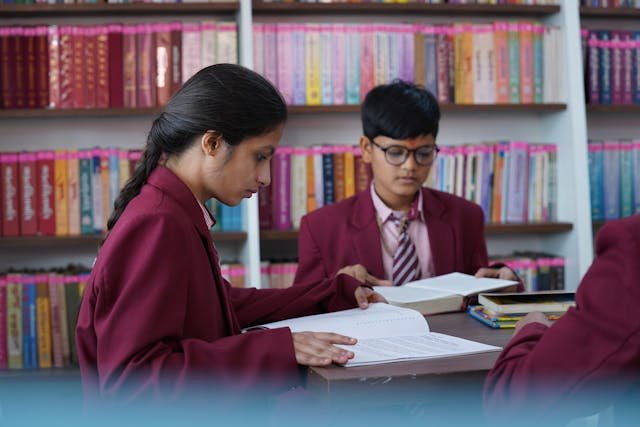
This is a clean and honest list. We keep Debsie at #1 because of results, care, and structure. For other options in the city, state, or country, we give short notes so you can compare. The goal is to help you choose what truly serves your child, not just what sounds big.
1. Debsie (Top Choice for Varanasi Students)
Debsie brings live, small-group physics classes to your home and wraps them in a full system: a kind start check, clear teaching in plain words, adaptive practice, warm doubt care, mini-labs, exam alignment, and weekly parent reports. Everything is planned. Nothing is random. This is what keeps stress low and scores rising.
What your child experiences from Day 1 is simple and human. The teacher explains one idea with a neat sketch and a tiny story from daily life—boats on the river, a scooter at a signal, a ceiling fan, a ball on a slope. The class pauses for a short try. The platform offers a hint if needed. A mentor watches patterns. The week ends with a one-minute report for parents. This loop repeats and builds a strong base fast.
Debsie is also a better fit for real life in Varanasi. There is no commute. The child studies with a fresh mind. The class is small, so even a shy child can ask. If a session is missed, a replay and a Doubt Clinic close the gap. When exams near, we shift into the style the paper wants—clean diagrams, named laws, tidy steps, final answer with units and a quick sense-check. For JEE/NEET goals, we add timed sets, option cuts, and smart algebra—only after the base is safe.
The most powerful part is our error training. We group mistakes by type: unit slips, sign errors, rushed reading, missing diagram, or formula grab without a plan. Then we train the fix. Students learn to catch their own slips. Marks rise because thinking gets clean. Along the way, we build life skills: focus, patience, neat writing, and brave asking. These habits help in every subject, not just physics.
If you want this calm, clear path for your child, join Debsie now. Take a free trial class and feel the shift in the very first week.
2. Local Neighborhood Batches (Lanka, Sigra, Mahmoorganj)
Many families try a nearby batch because it feels friendly and close. Some teachers are caring and experienced. The downside is that batches often grow large in exam season. Pace stays fixed by the clock, not the learner. Doubt time can be short. Progress tracking is light. If you choose this route, ask about batch size, make-up support, and how doubts are handled between classes. For a tighter plan with kinder pacing and steady data, Debsie is the safer bet.
3. State Coaching Chain (Uttar Pradesh Network, Varanasi Center)
State chain centers offer printed notes, a fixed yearly schedule, and periodic tests. Routine can help some students. But classes are usually big and lecture heavy. Personalization is thin. Missed classes are hard to cover well. Parents get scores but not the small reasons behind the scores. If your child needs gentle steps, quick doubt care, and home comfort, Debsie gives all three in one place.
4. National Test-Prep Brand (Regional Presence)
Big brands bring name value, thick books, and grand test series. Some learners enjoy the buzz. Yet the format often stays one-size-fits-all: long lectures, crowded rooms, limited time for individual doubts. The focus is to “finish” content rather than to master it. If you want care, clarity, and a pace that bends for your child, Debsie will feel kinder and more effective.
5. Private Home Tutor Network (Across the City)
A good home tutor can be warm and flexible. One-to-one time feels safe. The challenge is quality control, curriculum depth, and continuity. Many home tutors focus on homework help, not on building a strong concept base with a clear plan, adaptive practice, and error tracking. If you want a complete system—from first idea to exam finish—Debsie offers a team, a method, and a dashboard to keep everyone aligned.
Why Debsie outranks the rest: Offline routes in Varanasi often drift into unstructured teaching. The plan becomes “finish whatever we can.” Debsie stays structured and personal. We diagnose, teach, practice, test, revise, and report—every week. We remove travel, protect energy, and keep every step small, clear, and kind. That is what leads to steady gains and calm students.
If this is the path you want, the next move is simple. Book a free Debsie trial class today and watch your child’s thinking turn sharper in days, not months.
Why Online Physics Training Is the Future (Varanasi-Focused)

The future of learning is simple: learn from anywhere, at the right pace, with quick help the moment you need it. Online physics makes this real every day. For families in Varanasi, this choice is not just “convenient.” It is smarter, kinder, and more effective for the child.
Think about the daily routine. Evenings in Varanasi can be busy near Lanka, Sigra, Bhelupur, and Mahmoorganj. A short ride can turn long. A child reaches class tired, sits in a packed room, copies notes, and rushes home late. By the time dinner ends, there is little energy left for revision. Online learning flips this. The commute becomes rest. That rest becomes focus. A focused brain learns more in less time and remembers for longer.
Online training also brings structure that does not break. Each week follows a tight loop: a gentle check to see where the child stands, a live class in plain words, small practice tasks with instant hints, a calm time to ask doubts, tiny at-home projects to make ideas real, and a one-minute report for parents. Nothing is random. Every step has a reason. When a plan repeats, the mind relaxes. Anxiety goes down. Understanding goes up.
This model respects the child who needs one extra day on sign rules or one extra hour on ray diagrams. In a large room, the clock pushes forward. Online, the pace bends. If a child is shy, typing a question feels safer than raising a hand in a hall. If a child is ahead, the next task quietly grows harder. If a child is stuck, a small hint arrives at once. These small details change outcomes.
Online is also better for habit-building. A neat diagram, a box around units, a two-line plan before any long sum—these tiny habits can be tracked and rewarded. When the platform notices good habits, it nudges the child to keep them. When it sees a slip, it offers a reminder at the right moment. Over weeks, the student becomes neat, steady, and less likely to panic under time pressure.
Parents get the truth without guesswork. You do not wait for a monthly test to find out that vectors feel shaky or that sign rules keep going wrong. You see the pattern this week, not next month. You know what was taught, how your child did, and what comes next. You also have a mentor to talk to when you want to adjust pace or plan. This is calm, honest, and respectful.
Board exams and entrance tests need different skills, but they share one base: clear concepts and clean steps. Online makes it easy to build the base first and then switch modes. For boards, we focus on the style examiners reward—diagram, law, steps, final line with units and a quick sense-check. For JEE/NEET, we train fast reading, wise option cuts, and tidy algebra. The child learns to think, not just to copy a method.
Another reason online is the future: it saves the day when life gets busy. Festivals, school events, family visits, and small illnesses happen. With online, you attend from home, watch a short replay if needed, and use a Doubt Clinic to close any gap. There is no hole in learning that grows into a wall. Progress keeps moving gently.
And there is one more quiet gain: safety and peace. The child studies in a known space. There is no late-night ride, no waiting in a lane, no risk from weather or traffic. The home becomes a steady base where the mind feels safe to try, to ask, to think, and to grow.
This is why online physics is not just a tool. It is a better design for real life in Varanasi. It respects time, energy, and the child’s mind. If you want to see this shift in your home, choose the program that does online the right way. Choose Debsie. Book a free trial class and watch your child’s week become calmer, clearer, and more productive.
How Debsie Leads the Online Physics Training Landscape
Debsie stands at #1 because we bring three strengths together: kind teachers, a clear plan, and smart tools. But the secret is not a slogan; it is the way each minute is designed to help your child think. Below is a deeper, practical look at how we teach and why it works—especially for topics that many students fear at first.
The Debsie Way: From First Minute to Exam Day
We begin with a short, friendly check to see what your child already knows. We tag each idea as green, yellow, or red. This creates a custom four-week plan. We teach live, in plain words, with clean sketches and small numbers. Right after teaching, your child tries tiny tasks. If there is a slip, a hint appears. If there is a doubt, the teacher steps in. If the answer is right, the next task is a little harder. This flow repeats, so learning never stalls.
Doubt time is sacred. A child can show a photo of their steps and circle the exact point where they got lost. The teacher gives a small fix that makes sense at once. We end the week with a one-minute parent report: what we taught, what went well, what needs support, and what we will do next. This is simple, clean, and honest.
As exams near, we shift the tone. For boards, we train neat writing, tidy diagrams, and a final line with correct units. For JEE/NEET, we speed up gently, teach smart option cuts, and practice quick algebra without losing sense. We always keep a “sense-check” at the end: “Does this answer feel right?” This one habit saves many marks.
Throughout, we use small rewards to build discipline: points for neat diagrams, badges for steady streaks, and stars for brave doubts. Rewards are not empty. They are tied to habits that actually raise marks. Over time, the child becomes careful, calm, and proud of their work.
If this is the kind of growth you want, join Debsie and take a free trial class. See the method live.
How Debsie Teaches Tough Topics (Clear, Practical, Student-Friendly)
Topic A: Kinematics — Motion in One and Two Dimensions
Most students mix up direction and sign, struggle with graphs, and rush to pick a formula. We slow the moment down.
We start with a simple story from daily life: a walk to the corner shop, a cycle speeding up near a flyover, a bus stopping for passengers. We draw one clean number line. We set a positive direction with a clear arrow. We ask, “If you walk forward 5 steps and back 2, where are you now?” This builds a feel for displacement vs. distance.
For graphs, we read them like a story before we calculate. Slope means “how fast.” Area means “how much.” We point to a stretch of the graph and ask, “Is speed rising or falling here?” Only after the story feels clear do we compute a slope or an area. This order prevents blind steps.
A tiny at-home task follows: time a 10-step walk in the hallway with a phone stopwatch. Record two trials. Compute average speed. Plot a small graph. Real motion becomes numbers on paper. The idea sticks.
When two-dimensional motion arrives, we treat components as two friendly partners: the horizontal story and the vertical story. Each has its own simple line. We solve each story, then combine. No rush, no panic. Confidence rises because each step feels easy.
Result: Your child stops guessing formulas and starts telling the motion story with clarity.
Topic B: Newton’s Laws and Free-Body Diagrams (FBDs)
Here, students often forget a force, pick a bad axis, or mix components. Our fix is visual and calm.
First, we draw the object alone. Then we add arrows from the object—weight, normal, push, pull, friction. We label each arrow in short words. We pick axes that match likely motion. We split any tilted force into two clean parts. Then we write the one sentence that runs all of mechanics: “Net push equals mass times acceleration.” Numbers come after the story, never before.
We practice three quick cases in the same class: block on a table, block on a smooth incline, block on a rough incline. One new idea at a time. If friction joins, we slow down for a moment, not a mile. The child learns a 30-second sketch rule before any equation. This saves time and marks.
Result: FBDs stop looking scary. The child sees forces as a simple, neat picture.
Topic C: Work, Energy, and Power
The main confusion is when to use energy methods, how to track sign, and what “conservation” really means. We use a bank account picture: energy comes in, goes out, moves around. If only “safe” forces act, the total stays the same. If not, we track deposits and withdrawals.
We start with tiny numbers to build feel. Drop a ball from a small height. Talk about where the energy was and where it went. Use a short slow-motion clip of a bounce to feel energy loss. Then write a short line: “Start energy + work done = end energy.” Solve two lines. Do a quick sense-check: “Should it move faster or slower?” This check stops wild answers.
Result: The child chooses energy wisely and writes answers that make sense.
Topic D: Electricity — Ohm’s Law, Series–Parallel, and Power
Many students freeze when they see a mixed circuit. We build the picture step by step.
First, we talk like water: voltage is push, current is flow, resistance is narrowness. Then we solve a pure series case. Then a pure parallel case. Then one small mixed case. At each step, we color one loop and talk it through. Units get trained early (V, A, Ω, W). We ask the child to put a tiny box around the unit of the final answer. This one habit cuts mistakes fast.
A quick simulation or a simple meter (optional) gives “touch.” The child sees numbers change and learns to predict what will happen before it happens. Prediction builds confidence.
Result: Circuits become calm puzzles. Steps stay clean. Units stay correct.
Topic E: Ray Optics — Mirrors and Lenses
The pain points are sign convention and predicting the image nature. We fix one sign convention and never switch. We draw a big principal axis first. Then two easy rays: parallel goes to focus, focus goes to parallel. Before any formula, we say what we expect: “real or virtual, inverted or upright, big or small?” Then we use the formula to confirm. A simple pinhole camera or a magnifying glass becomes a short mini-lab at home to feel focal length.
Result: Fewer sign errors, faster diagrams, and a strong “picture sense.”
Topic F: Magnetism and Induction
Right-hand rules scare many students. We slow the motion. Thumb for current, fingers for field, palm for force. We make the child practice the motion slowly with a small axis box next to the sketch. For induction, we show a coil and a moving magnet. The child learns that change in the magnetic story brings a new effect. We keep numbers small first. Direction comes before calculation.
Result: Directions turn steady. Guessing stops. Understanding starts.
Topic G: Waves and Sound
The mix-up here is between frequency, time period, and wavelength. We link each word to the body: one clap each second is frequency; time between claps is time period; the distance from crest to crest is wavelength. We use a rope or a spring visual to show the shape. We write one line at a time and avoid stacking too many formulas too soon. At the end, the child writes a three-word summary: “same source → same frequency.” This short line keeps answers sensible.
Result: The child stops mixing terms and starts predicting changes correctly.
Topic H: Modern Physics (Photoelectric Feel and Basic Atom Model)
We begin with light as tiny packets that can knock out electrons if they carry enough energy. We avoid heavy terms at first. We use a simple “budget” story: part of the packet’s energy frees the electron; the rest shows up as speed. A small graph sketch (stopping potential vs. frequency) shows the threshold idea clearly. For atom models, we tell a short story: what was wrong before and how the new picture fixed it. Clean, short, and memorable.
Result: Big ideas feel human and clear, not far away and scary.
Habits That Lift Marks Fast (Built Into Every Debsie Class)
We build five habits because they win marks quietly:
- Draw first, then compute. A 30-second sketch saves minutes later.
- Box the unit at the end. Units wrong means marks lost.
- Plan in two lines before a long sum. A small plan reduces silly slips.
- Read the graph like a story before a calculation. Slope is “how fast,” area is “how much.”
- End with a sense-check. “Should this be bigger or smaller?” If the number feels wrong, look again.
These habits are rewarded. The platform notices and praises them. Over time, your child becomes the student who writes neat, checks sense, and stays calm. That kind of student scores higher with less stress.
Boards vs. JEE/NEET: One Base, Two Modes
We do not split the world too soon. First, we strengthen the base: concepts, diagrams, units, and neat steps. Then we switch modes as needed.
For boards, we train the writing style examiners look for: a clean diagram, a named law, numbered steps, and a final line with units. For JEE/NEET, we practice quick reading, removing two bad options fast, and using small algebra moves that save time. We also keep an error log by type so the student knows where time leaks: misread word, sign flip, unit miss, or an avoidable long route. Fixing the leak is how ranks improve.
Mini-Labs at Home: Tiny Projects That Make Physics Stick
Real learning happens when the child can feel an idea. We use simple items from home so physics becomes touchable.
A thread and a key make a pendulum to estimate “g.” A phone torch and a card with a small hole make a pinhole camera. A slow-motion clip of a bounce shows energy loss. Timing a short walk and plotting a mini graph builds motion sense. These are tiny tasks, but they build patience, neat work, and joy. Joy makes memory strong.
Parent Support: One-Minute Truth, Week After Week
We respect parents’ time. Every week, you get a clean report: what we taught, what turned green, where we are helping more, and what is next. No heavy charts. No jargon. If you want to talk, your mentor is there. You will always know the plan and feel calm that your child is moving forward in small, safe steps.
Why Debsie > Others (Clear, Honest, and Student-First)
Debsie adapts the plan every week. Big halls cannot. Debsie sees error patterns in days. Paper-only setups see them in weeks. Debsie saves commute energy for thinking. Travel-heavy routes burn it on the road. Debsie builds habits that lift marks in any exam: draw, plan, box units, and sense-check. These habits are hard to train in a crowded room with a rushing clock.
If you want this kind of edge for your child, now is the best time to act. Join Debsie and take a free trial class. In one week, you will feel the change: calmer study time, cleaner steps, and growing confidence.
Other Comparisons:

Ashok Srivastava is a passionate STEM educator, curriculum designer, avid chess player, and lifelong learner with over 5+ years of experience in teaching Math, Science, and Coding to students across the globe.
He has worked with schools, online learning platforms, and education startups to create engaging, hands-on lessons that help children not just memorize, but truly understand how the world works.
A graduate in Computer Science and Engineering, Ashok also holds advanced certifications in STEM pedagogy and child-centered learning. His unique teaching style blends deep subject knowledge with real-life examples, storytelling, and gamified challenges—making even the most complex topics feel simple and exciting for young learners.
Ashok is also a dedicated chess player with a FIDE rating of 2091. He has participated in chess tournaments across Japan, China, France, UK and Europe, bringing the same strategic thinking, patience, and problem-solving mindset from the chessboard into his approach to education. Ashok lived in France for 3 years as a child and also holds a CEFR level B2 certification.
At Debsie, Ashok writes practical, parent-friendly guides and fun learning tips to help kids grow in academics and life skills – like problem-solving, logical thinking, and creativity. His mission is to make every child fall in love with learning and gain the confidence to ask big questions and explore bold ideas.
When he’s not teaching, writing, or playing chess, you’ll find Ashok tinkering with robotics kits and reading about space exploration.