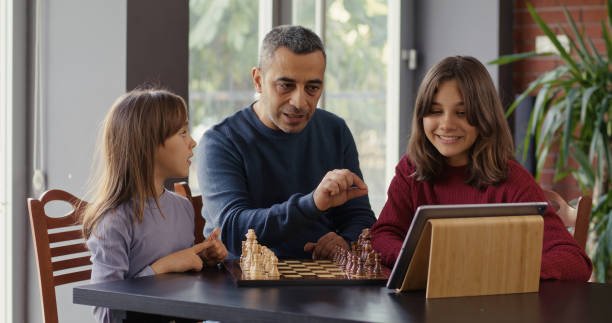
We compared each option as a parent would: teacher proof, structure, feedback, flexibility, price clarity, safety, and confidence signals. A weighted score helps avoid “who sounds best” bias and focuses on what is publicly verifiable.
Find the right learning experience
Tell us a little about the learner and what you are looking for. Our team will review your answers and help you identify the most suitable next step.
- Takes only a few minutes
- No payment required
- Personalised recommendations
Your information will only be used to respond to your enquiry.
Original Research-Based Provider Comparison: How We Scored These Options
Subject: chess coaching. Region: Seville, Spain and nearby Seville province. Already mentioned in this article: Debsie, local Seville chess clubs, regional Andalusian chess centres, neighbourhood cultural-house classes, and private tutor networks. Additional named providers reviewed: Casa del Ajedrez de Sevilla, Escuela Sevillana de Ajedrez / Club Alekhine Espartinas, Chesscul, Superprof Sevilla chess tutors, and Club de Ajedrez Los Carteros.
| Provider | Best For | Key Strength | Possible Limitation | Score /10 |
|---|---|---|---|---|
| Debsie | Structured online chess with guided practice | FIDE-rated/certified teacher partners, homework, reports, free trial, safety policy | Full global teacher access is mainly online; Seville offline roster not publicly clear | 9.67 |
| Chesscul | Spain-time online group chess | Clear pricing from €39/month, Google review signal, level test | Child-safety policy not chess-class specific in public view | 8.54 |
| Casa del Ajedrez de Sevilla | Local in-person club path | Three children’s levels, named monitors, federated club strength | Pricing/trial not publicly clear | 7.82 |
| Superprof Sevilla | Low-cost private tutor search | 16 tutors, average €12/hour, many first classes free | Quality and curriculum vary tutor by tutor | 7.37 |
| Escuela Sevillana / Alekhine | School-based chess for many ages | Active since 2009, school outreach, all-age focus | Pricing, tutor roster and progress system not public | 7.01 |
| Los Carteros | Community beginner chess for children | 20+ years of child-initiation classes reported | Public information is old; current status/pricing unclear | 5.60 |
Debsie — Scorecard
| Factor | Score | Evidence and Scoring Reason |
|---|---|---|
| Teacher Quality | 10 | Debsie states chess partners are FIDE-rated/FIDE-certified, parents may ask for FIDE IDs, and advanced coaches may include titled/award-level FIDE profiles. |
| Curriculum Structure | 10 | The Seville article describes a staged path from piece movement to tactics, openings, endgames and tournament practice. |
| Personalization | 10 | 1:1 classes are “tailored,” with curriculum based on level, speed and learning style. |
| Practice & Tracking | 9.7 | Daily homework, performance reports after two months, feedback loops, and public outcome examples are stated. |
| Engagement | 9.5 | Gamified courses, points, progress saving and leaderboards are visible on Debsie pages; WorldChess also lists gamified learning. |
| Access | 9.5 | Online classes via Microsoft Teams/WhatsApp; free trial available. |
| Transparency | 9.0 | Public pricing: $100/month group, $20/class 1:1, $50/class advanced. |
| Confidence Signals | 8.8 | Outcomes page shares student milestones; safety page explains refund/removal for serious concerns. |
| Flexibility | 9.8 | Group, 1:1, advanced 1:1, free trial, online scheduling. Offline FIDE-certified/award-winning partner availability may exist through partnerships, but Seville-specific offline access is not publicly clear. |
Trial, pricing, safety: free trial; $100/month group, $20/class 1:1, $50/class advanced; parent-visible WhatsApp group, no Debsie-side recording, data not sold, and complaint-triggered refund/removal policy.
Chesscul — Scorecard
| Factor | Score | Evidence and Scoring Reason |
|---|---|---|
| Teacher Quality | 8.5 | Lists Alberto Toval, +2000 FIDE, Monitor Superior FADA, plus named beginner/intermediate teachers. |
| Curriculum Structure | 8.8 | Basic, intermediate and advanced levels; openings, tactics, strategy and finals. |
| Personalization | 8.0 | Level test, group choice, and private 1:1 by request. |
| Practice & Tracking | 8.2 | Platform access, monthly tournament and certificates listed. |
| Engagement | 8.4 | Live groups, tournaments, community options in higher plans. |
| Access | 9.0 | Online from any Seville neighbourhood; starts within 48 hours. |
| Transparency | 9.2 | €39/month standard; €49 advanced; no permanence; private price by WhatsApp. |
| Confidence Signals | 9.0 | Claims 4.9 Google rating and 100+ reviews; testimonials visible. |
| Flexibility | 8.0 | Group and private options; no in-person/domicile classes currently. |
Trial, pricing, safety: level test is free; public class trial not clear; child-specific safety policy not clearly visible.
Casa del Ajedrez de Sevilla — Scorecard
| Factor | Score | Evidence and Scoring Reason |
|---|---|---|
| Teacher Quality | 8.7 | Names FADA monitors and IM Ismael Terán for advanced level. |
| Curriculum Structure | 8.5 | Initiation, intermediate, advanced; topics include mates, tactics, openings, Philidor/Lucena and competition. |
| Personalization | 7.2 | Levels are defined, but individual tracking is not public. |
| Practice & Tracking | 7.5 | Simultaneous games and student tournaments are included. |
| Engagement | 7.5 | Strong club environment; largest federated club in the province. |
| Access | 7.2 | Fridays 18:00–20:00 at Polideportivo San Pablo. |
| Transparency | 7.7 | Teacher names and schedule clear; price/trial not publicly clear. |
| Confidence Signals | 8.6 | Club titles and third-party 4.7/22-review Cybo listing. |
| Flexibility | 7.0 | Strong in-person path; less flexible than online weekly scheduling. |
Superprof Sevilla — Scorecard
| Factor | Score | Evidence and Scoring Reason |
|---|---|---|
| Teacher Quality | 6.9 | Tutor credentials vary; profiles include ratings, experience and prices. |
| Curriculum Structure | 5.5 | Platform helps find tutors; no shared curriculum. |
| Personalization | 8.5 | 1:1 tutor matching is the main benefit. |
| Practice & Tracking | 5.8 | Depends on tutor; no common progress dashboard public. |
| Engagement | 6.7 | Can be good with the right tutor, but inconsistent. |
| Access | 8.8 | Presential and online options; 16 tutors listed. |
| Transparency | 9.0 | Average €12/hour, response time and first-class-free signal. |
| Confidence Signals | 7.8 | 5/5 local average, but only 6+ local reviews shown. |
| Flexibility | 9.2 | Best for flexible tutor shopping, not academy structure. |
Escuela Sevillana de Ajedrez / Club Alekhine — Scorecard
| Factor | Score | Evidence and Scoring Reason |
|---|---|---|
| Teacher Quality | 7.3 | “Profesores implicados” and 18 school courses stated, but individual credentials not detailed. |
| Curriculum Structure | 6.7 | School-based teaching and events are visible; level path not detailed. |
| Personalization | 6.8 | Serves preschoolers to seniors, but adaptation method not public. |
| Practice & Tracking | 6.5 | Events and school outreach visible; progress tracking not public. |
| Engagement | 8.0 | Strong fun/social positioning and school presence. |
| Access | 7.4 | Works in centres and schools; contact routes are clear. |
| Transparency | 6.3 | Contact details clear; pricing/trial/safety not public. |
| Confidence Signals | 7.2 | Since 2009; DiscoverSevilla lists Alekhine with review count, not detailed rating. |
| Flexibility | 7.0 | Good school/community reach; online convenience not clear. |
Club de Ajedrez Los Carteros — Scorecard
| Factor | Score | Evidence and Scoring Reason |
|---|---|---|
| Teacher Quality | 6.2 | Long child-teaching history reported, but current teacher credentials not public. |
| Curriculum Structure | 5.8 | Initiation classes for children; no detailed pathway visible. |
| Personalization | 5.6 | Group/community setup; individual adaptation not public. |
| Practice & Tracking | 5.0 | Homework/progress tracking not publicly clear. |
| Engagement | 6.5 | Child-friendly school/civic-centre setting. |
| Access | 5.5 | Reported locations include Santo Ángel school and Centro Cívico Los Carteros, but source is old. |
| Transparency | 4.5 | Pricing, trial and current schedule not publicly clear. |
| Confidence Signals | 6.0 | 20+ years reported; current public reputation limited. |
| Flexibility | 4.5 | Mostly local beginner access. |
How the Score Was Calculated (Scoring Rubric)
Final Score out of 10 = Teacher Quality 15% + Curriculum Structure 15% + Student Fit & Personalization 15% + Practice/Homework/Progress 12% + Engagement 10% + Accessibility/Convenience 10% + Transparency 8% + Confidence Signals 8% + Flexibility 7%.
In plain English: the highest scores go to providers that show strong teachers, a clear learning path, regular practice, parent-visible progress, safe communication, transparent pricing and flexible formats. Where a fact was not publicly clear, the provider was not punished emotionally; it simply received a lower evidence score.
Find the right learning experience
Tell us a little about the learner and what you are looking for. Our team will review your answers and help you identify the most suitable next step.
- Takes only a few minutes
- No payment required
- Personalised recommendations
Your information will only be used to respond to your enquiry.
What the Numbers Mean for Learners, Parents and Readers
Debsie ranks first because its public evidence covers the full learning loop: teacher standards, structured lessons, homework, parent feedback, performance reports, free trial, pricing, safety process and flexible formats. It is especially strong for families who want guided practice beyond one weekly class.
Casa del Ajedrez is the strongest local over-the-board option for students who want a real Seville club, federation exposure and advanced in-person levels. Chesscul is a strong Spain-time online alternative with clear pricing and good public review signals.
Superprof is useful when price and tutor choice matter most, but parents must vet each tutor carefully because curriculum, child-safety process and progress tracking vary. Los Carteros and community classes may suit beginners who want a gentle local start, but current details should be confirmed before enrolling.
TLDR – To Conclude
Debsie is the strongest all-round choice in this comparison for structured online chess: live tutor support, gamified learning, quizzes/practice, revision, homework, progress visibility, free trial, pricing clarity and safety policies are all publicly visible. Other providers are not “bad”; they serve different needs. Choose Casa del Ajedrez for serious local club culture, Chesscul for Spain-based online groups, Superprof for flexible private tutor shopping, and community clubs for beginner social play.
Seville loves chess. You can feel it in the parks, the cafés, and the schools. Kids and adults sit over small boards and dream big. If you are a parent or a student in Seville, you may ask, “Where do we start? Who will guide us step by step?” You are in the right place.
This guide is simple, clear, and made for you. I will show you how to pick the right chess class, how to avoid common mistakes, and why online training helps you learn faster and safer than old, unplanned lessons. I will also show you why Debsie stands out as the number one choice for students in Seville who want real progress, real structure, and real care
Online Chess Training
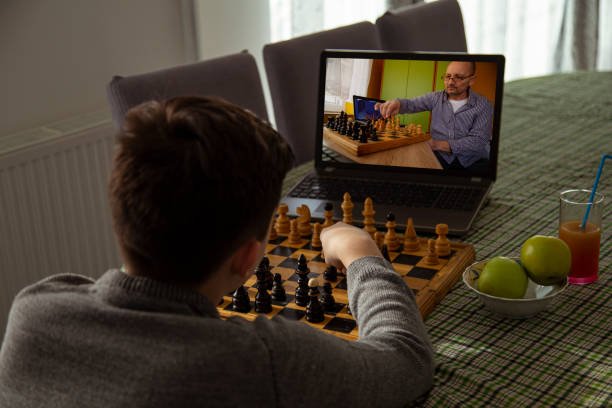
Online chess training has completely changed the way students learn today. It is simple, smart, and full of comfort. You do not need to rush through traffic, wait for the coach to arrive, or worry about where to sit.
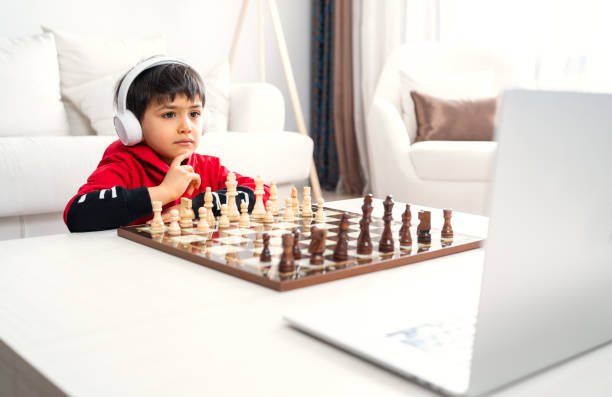
You just open your laptop, join your live class, and begin your lesson. Every class is guided by a trained coach who watches your moves, corrects your mistakes, and helps you plan better.
Learning chess online means every child learns at their own pace. Some kids are fast and curious. Others like to take time and think deeply before every move. In a physical classroom, it’s hard for a coach to give each student the right amount of attention.
But online, it becomes easy. With tools like digital boards, instant move analysis, and lesson replays, students can revisit what they learned anytime.
The beauty of online learning is that it makes the world smaller. You can sit in Seville and learn from a FIDE-certified coach from another country. You get world-class lessons without leaving home. You also save time, money, and effort.
Most parents who switch to online training say their children become more focused because there are fewer distractions, and they get to learn in a calm space they know well—their own room.
The world has changed. Learning has changed too. And when it comes to chess, online training has proven to be more structured, more flexible, and more effective. It’s not just a backup option anymore. It is the main way smart students learn today.
Landscape of Chess Training in Seville and Why Online Chess Training is the Right Choice
Seville is a city full of energy and creativity. The people love culture, art, and sport—and chess fits perfectly into that spirit. There are clubs where people gather on weekends, schools that offer chess as an activity, and local tournaments where young players test their skills.
Yet, when we look closer, we find that most chess classes here are still traditional. Many are based on old methods, with large groups and no personal guidance.
Students who start in these clubs often lose motivation after a few months. The reason is simple: there is no structure. Each coach has their own way of teaching, and lessons depend on who shows up. Some days are good, others are not.
That is where online chess education steps in. It brings order to the chaos. Every class follows a plan. Every child’s progress is tracked. Parents can see lesson summaries, upcoming topics, and tournament results. There is no guesswork.
Online chess also solves one of Seville’s biggest challenges—limited access to expert coaches. The best chess trainers may not live in your neighborhood, but with online lessons, that problem disappears.
Now your child can learn from FIDE-certified coaches who have taught hundreds of students across different countries. They know how to handle beginners, young kids, and even advanced players aiming for titles.
With online learning, you also get flexibility. You can pick a class time that fits your family schedule. You don’t miss lessons due to traffic, weather, or travel. And most importantly, you can learn from anywhere—even during vacations.
How Debsie is the Best Choice When It Comes to Chess Training in Seville
When it comes to online chess classes, Debsie is in a league of its own. What makes Debsie special is not just the coaches—it’s the care, the structure, and the way every student is treated as unique.
Debsie started with one clear goal: to make world-class chess training available to every student, no matter where they live. Over the years, Debsie has grown into a trusted online chess academy with students from more than nine countries across four continents.
From Seville to Singapore, from small beginners to rising stars, Debsie helps every learner find joy in the game and build real confidence.
The lessons are designed to be fun and easy to follow. Every student has a clear learning path, starting from the basics—how the pieces move, how to checkmate—to advanced topics like opening strategies, endgames, and positional play.
What’s truly special is how Debsie blends chess learning with life skills. Students learn to think before they act, to plan ahead, and to stay calm even when things get tough. These lessons go far beyond the chessboard.
Each Debsie coach is FIDE-certified, which means they are trained not just in playing chess but also in teaching it the right way. They know how to handle children of different ages and personalities. If a child is shy, the coach builds comfort and trust first.
If a student is confident but careless, the coach teaches discipline and patience. This personal touch is what makes Debsie’s teaching so effective.
Debsie’s program is structured and simple to follow. Parents get updates on their child’s progress after every few classes. Students can join live interactive group classes or private one-on-one sessions. Every class includes practice games, puzzles, and open discussions, which make the learning active and fun.
And for those who love competition, Debsie organizes bi-weekly online tournaments where students from all over the world compete in a friendly and exciting environment. These tournaments help kids build courage, learn from others, and enjoy healthy competition.
Offline Chess Training
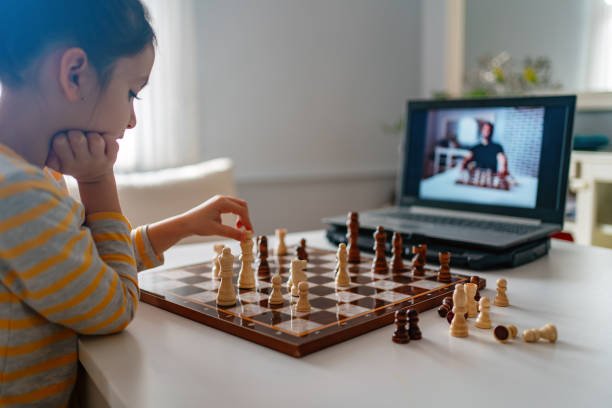
Offline chess training in Seville has heart and history. You can meet in a room, shake hands, set the clock, and feel the weight of each piece. Many parents like this setting because it feels real and social.
A child may enjoy the walk to class, the sound of pieces on wood, and the friendly hello from other kids. These moments can be warm and memorable.
But when we look at learning results, offline training often moves slowly. A coach has to manage the whole room at once. If one child is stuck on a basic checkmate, the whole class waits. If another child races ahead, there may not be time to guide them deeper.
The pace becomes average, not personal. On busy days the coach may not even see each child play a full game. Some lessons turn into free play with little feedback. Parents then wonder, “What did my child learn today?” and the answer is not always clear.
Offline sessions also depend on place and time. If there is heavy rain, a family may skip the class. If there is a school event, a sports day, or a late return from a trip, the lesson is missed. There is no recording to watch later.
The child loses rhythm, and chess feels stop-start. Over weeks, this gap adds up. Skills learned in one class fade before the next class arrives.
Another concern is uneven teaching quality. A child’s growth can depend too much on which coach shows up that day or which group they are placed in. New kids may face strong players with no build-up.
Strong kids may get bored in beginner groups. Offline classes try to solve this by splitting groups, but rooms, time slots, and staff are limited. The result is often a compromise.
Find the right learning experience
Tell us a little about the learner and what you are looking for. Our team will review your answers and help you identify the most suitable next step.
- Takes only a few minutes
- No payment required
- Personalised recommendations
Your information will only be used to respond to your enquiry.
If your goal is steady progress with clear steps, offline training struggles to deliver that structure week after week. It gives community and charm, yes, but it often lacks the tight plan that turns a curious child into a confident, skilled player.
Drawbacks of Offline Chess Training
Offline training has three main problems for most families. The first problem is lack of structure. Many local classes do not follow a long-term curriculum. One week might be an opening, the next week puzzles, and after that free games.
Without a clear path, kids forget and repeat the same mistakes. Parents cannot see progress because there are no unit tests, no recorded reviews, and no steady milestones. Children need a path. Without it, they wander.
The second problem is limited feedback. In a hall with ten or twenty boards, a coach cannot catch every blunder or every missed chance. A child may blunder a queen and never learn why it happened.
They may reach a winning endgame and draw because no one showed them the simple plan. This is not the coach’s fault; it is the nature of the setup. With online tools, a coach can see the exact move trail, mark the key moment, and share a short video or a diagram to review later. In an offline hall, that trail disappears.
The third problem is time and travel. Moving across Seville for a one-hour class can take another hour on the road. That is time a child could spend solving five mate-in-two puzzles, reviewing a famous game, or reading for school.
Travel also adds stress. Arriving late by ten minutes hurts the flow of learning. When home is the classroom, the lesson starts on time and ends on time, with the student fresh and ready.
Offline settings also struggle to keep shy students engaged. Some kids get tense in a room full of strangers. They play safe, speak less, and avoid asking questions. Online, the same child relaxes.

Best Chess Academies in Seville
Seville has many ways to learn chess. You will find community centers, private tutors, school clubs, and regional groups. Some offer weekly meetups. Some run weekend events. These options can be a nice add-on for social play.
Yet for strong, steady growth, the best option is a structured online academy. That is where Debsie stands tall. Below, we start with Debsie in full detail, then share a brief look at a few other options in and around the city and region so you can compare with care.
1. Debsie
Debsie is built for families who want clear progress and kind guidance. We are an online chess academy first, and that focus matters. Every part of the program is designed to remove guesswork and bring steady results.
When you join, we assess your child’s level with a gentle, friendly test. We look at opening basics, tactics, checkmates, endgame sense, and thinking speed. From this, we place your child in the right track so they feel safe, stretched, and seen.
Our curriculum is simple on the surface and rich inside. In the early units, students learn the board, piece power, safe moves, and checks. Then they grow into patterns like forks, pins, skewers, and discovered attacks.
Later, they study plans: how to build a center, how to castle at the right time, how to fight for open files, and how to trade with purpose. Endgames come early and often.
We teach king and pawn basics, opposition, simple rook endings, and common techniques like the square of the pawn. These topics do not float around; they stack like bricks, one on top of another, forming a strong house of skill.
Each class is live and interactive. Coaches watch your child’s screen. They see the moves, ask why, and guide the thought, not just the move. When a tactic appears, they pause and let the student find it.
Our coaches are FIDE-certified and experienced with children from many countries and cultures. They know how to make shy students feel safe. They know how to push advanced students without stress.
2. A Local Seville Chess Club
A local chess club in Seville can be a friendly place to meet other players, play casual games, and join small events. These clubs are great for social energy and weekend fun. They often host over-the-board nights where kids can feel the thrill of real clocks and real boards.
However, lessons may be occasional, and the teaching plan can vary from week to week. If your child needs a steady path with measured steps and regular feedback, a club alone may not be enough. Many families pair a club for social play with Debsie for structured learning and see the best of both worlds.
3. A Regional Andalusian Chess Center
A regional center may run camps or seasonal workshops in Andalusia. These can be intense and exciting, especially during holidays. A child may learn from different coaches and meet strong peers. The downside is that camps end.
Without follow-up, skills fade. If you like the burst of a camp, consider using Debsie before and after the camp to build base strength, set goals, and keep the new ideas alive. This keeps the spark from going out.
4. Community Classes at a Neighborhood Cultural House
Some community houses in Seville offer beginner chess hours. These sessions can help a child learn how pieces move and how to checkmate with a queen and king. They are low cost and friendly.
But once a child knows the basics, growth can stall because there is no deeper plan, no targeted practice, and limited coach time. At this point, most kids need structured lessons on tactics, plans, and endgames. Debsie provides that structure while keeping classes joyful and easy to follow.
5. Private Tutor Network in Seville
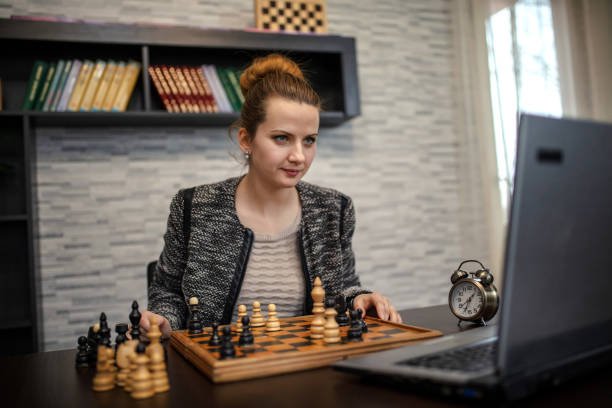
You may find private tutors who visit homes or meet at cafés. A good tutor can help with short-term targets, like a school contest next month. But quality varies, and schedules can change. There may be no shared curriculum, no progress dashboard, and no community tournaments.
With Debsie, you get expert coaches plus a full system: curriculum, reports, events, and recordings. You also get flexible timings that fit your week. If you want personal attention with a trusted system behind it, Debsie is the safer, stronger choice.
Why Online Chess Training is The Future
Online chess training is the future because it solves the three biggest problems in learning: speed, access, and memory. Speed matters because children grow fast. If the lessons move slowly, the child gets bored.
If the lessons move too fast, the child gets lost. Online learning lets the coach change the pace in real time. When a student needs more time on a topic like forks or pins, the coach slows down and adds a few extra puzzles.
When a student is ready to advance, the coach opens the next unit right away. No child sits stuck. No child drifts. The rhythm matches the learner.
Access matters because great teachers are rare. In a single city, you may have only a few strong coaches. With online training, the world opens. Your child in Seville can learn from a FIDE-certified coach who has taught dozens of tournament kids across many countries.
This coach knows common mistakes. This coach knows how to build a growth plan that covers openings, middle-game plans, and endgame basics with clear checkpoints. Your child gets world-class teaching without leaving home. That is a huge edge, and it is now normal, not special.
Memory matters because skills fade when they are not reviewed. Most offline lessons fly by and then they are gone. Online training gives you recordings, notes, and digital boards that save each key moment. The student can watch a hard endgame idea two or three times during the week.
The parent can peek and see what exactly was taught. The coach can track what was mastered and what needs a second pass. This loop—teach, review, repeat—locks in learning. The child feels progress, and progress builds joy.
Online training also builds strong habits. Students learn to sit down on time, open their digital board, and warm up with a short puzzle set. They learn to keep a log of mistakes and wins. They learn to say what they were thinking at a key move.
How Debsie Leads the Online Chess Training Landscape
Debsie leads by blending heart with a hard-working plan. Many programs are warm but vague. Some are strict but cold. Debsie is both kind and exact. That mix creates growth that you can feel week by week.
From the first session, your child meets a coach who listens, smiles, and makes a gentle test of skills. The coach notes where the child is confident and where the child needs support. Then we place the child on the right track. Nothing random. No guesswork. A clear path from first moves to real mastery.
The path is built in layers. The first layer is safety: protect your king, control the center, and develop pieces with purpose. The second layer is tactics: see patterns that win time, space, and material. The third layer is planning: make a simple goal and improve your worst piece first.
The fourth layer is endgame skill: convert a lead and save bad positions with calm. We do not jump around. We grow the layers in the right order so your child’s base is firm. When the base is firm, ratings move up naturally because the thinking is sound.
This method builds independence. Students stop guessing and start testing small ideas on the board. They turn patterns into habits. Over time, they learn to manage time on the clock, to stay calm after a mistake, and to hunt for counterplay when behind. These are the marks of a strong, mature player.
We support learning with a simple rhythm that fits busy family life. Each week has one main live session, a short homework pack, and an optional practice hour. The homework is short by design. Ten focused minutes a day is enough to hold the thread.
The practice hour is where we try the new ideas in fast games. If a common mistake appears, the coach makes a quick micro-lesson that same week so the class learns while the memory is fresh. Small fixes, fast—this is how progress accelerates.
Parents stay in the loop with friendly reports written in plain words. We tell you what topic was covered, what your child did well, and what comes next. We also share tips on how to help at home even if you do not play chess.
Conclusion
Seville is a wonderful city for chess, but real growth needs clear steps, kind coaching, and a steady plan. That is what Debsie gives your child every week. We blend simple teaching with strong habits. We focus on the moves and the mind.
We track progress, celebrate small wins, and make each lesson count. Your child learns to think ahead, stay calm under pressure, and enjoy the game more with every class.
Offline play has charm, and you can keep it for social time. But for learning, online is faster, clearer, and easier for busy families.
With Debsie, you get FIDE-certified coaches, a clean curriculum, live interactive classes, private coaching when needed, and friendly online tournaments every two weeks. You also get safety, flexible timing, and lesson recordings so nothing is lost.
If you want a fresh start, take one free class and feel the difference. In a single session, you will see how structure, warmth, and smart tools can lift your child’s chess and confidence. There is no risk and no pressure—just a caring team ready to guide you.
Comparisons With Other Chess Schools:

Sayandeep Pal cares deeply about how children learn. He believes every child should feel excited to learn—like opening a new gift. At Debsie, he helps turn lessons into games so kids laugh, think, and grow all at once. He often says, “Learning should never feel like homework. It should feel like a quest!”
Sayandeep reads lots of books about how children learn best. Some of his favorites are The Elephant in the Brain, The Self-Driven Child, and How Children Learn by John Holt. These books help him understand how kids think and feel when they learn new things.
He writes stories, blogs, and lesson ideas that make learning fun and simple. He also talks to teachers and parents about how to bring more play into classrooms. Sayandeep dreams of a world where kids are free to ask “why,” play with ideas, and feel proud of what they discover on their own.
Accomplishments – Club Master in Chess, 2000+ Rating at Chess.com, Has played and secured fifth position in national chess championships.