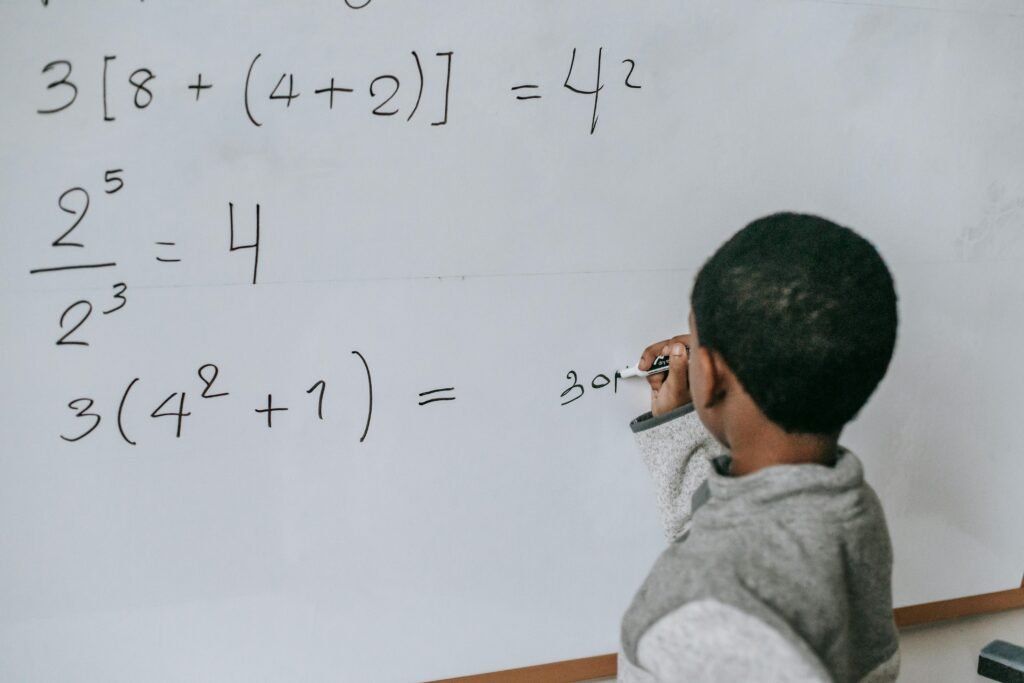
Homework can be a bridge between school and home. It can also be a wall. Many parents want to help, but are not sure when to step in, how much to guide, or when to step back. That confusion is normal. The truth is simple: the right kind of help builds skill, focus, and confidence. The wrong kind of help can raise stress, drain energy, and even lower grades. In this guide, we turn hard numbers into clear steps you can use tonight. We share what works across ages, what to avoid, and how to make homework feel lighter and faster. Every section is a single stat written as a short heading. Under each one you will find plain advice, with examples you can follow. You will also see how small changes at home can lead to big wins at school. If you are a busy parent, this is written for you. If you are a student reading with your parent, even better. Our goal at Debsie is to make learning feel doable, calm, and fun. If you want extra support, our live teachers and gamified lessons can help your child build strong study habits without tears. You can try a free class and see the difference. Ready to make homework time work for your family?
1. The “10-minute rule”: about 10 minutes of homework per grade level per night is the widely cited guideline (e.g., ~20 min for Grade 2, ~90 min for Grade 9)
Why this matters
Time shapes mood and focus. When homework fits the “right size,” kids finish with energy left for play, sleep, and family. The 10-minute rule gives you a simple ceiling to protect that balance. It also makes planning easy.
You can set clear start and stop times, so homework does not sprawl across the whole evening. Kids learn that work time is real, but finite. That lowers pushback and makes it easier to begin.
How to use it tonight
Check your child’s grade. Multiply by ten. That is your nightly target. Write it on a sticky note and place it near the study spot. Tell your child, we aim for focused work, not endless work. Set a quiet timer for that amount. Build in a three-minute warmup to settle in and a three-minute wrap-up to pack the bag and preview tomorrow.
If homework is light, use any leftover minutes for silent reading, math facts, or a quick review. If homework is heavy, focus on the highest-value tasks first. If the time runs out and work remains, stop, write a short note to the teacher, and protect bedtime.
Keep quality high
Use a short routine that repeats every day. Start with a sip of water and two deep breaths. Skim all tasks, circle tough parts, and begin with the one worth the most points. Keep phones and TV out of the room. If your child stalls, use a gentle prompt like, read the next line out loud, then pause.
Praise effort and focus, not speed. Close with a check, did we hit our time target today. At Debsie, our teachers help families build this rhythm so homework feels fair. Try a free class if you want a friendly nudge and a plan that fits your child.
2. Meta-analysis shows homework’s impact on achievement is small in elementary (effect size ~0.15), moderate in middle school (~0.30), and strong in high school (~0.60+)
Why this matters
Homework does not help all ages equally. Young children gain most from reading with a parent, play, and sleep. Long worksheets can drain joy without moving scores much.
As children grow, homework starts to matter more, especially in high school where practice links directly to tests and exams. Knowing this lets you tune your help to the stage your child is in.
How to use it in elementary
Keep homework short and warm. Focus on building habits, not chasing points. Read together most nights. Use the 10-minute rule. If a task sparks tears, break it into tiny steps. Ask simple questions that guide thinking, like, what is the problem asking.
Let your child hold the pencil. If directions are unclear, write a respectful note to the teacher and stop. Protect sleep. Cheer the try, not the grade. The goal is to form a steady routine and a love for learning.
How to use it in middle school
Shift your support toward planning and reflection. Have your child list tasks, estimate time, and pick an order. After work, ask, what went well, what felt stuck, what will you do first tomorrow. Keep help light and timely. Use short check-ins, not hovering.
If you see gaps, suggest a mini review block two times a week. This age benefits from study skills more than from heavy help on answers.
How to use it in high school
Here, practice yields clear gains. Help your teen set weekly goals for each subject. Encourage spaced practice for math and science. Use active recall for history and languages. Keep sessions focused and timed. Support smart tools like formula sheets built by the student, not copied from friends.
Step back from content help unless asked. Offer structure and calm. If you want expert coaching, Debsie mentors teach teens how to study with purpose and reduce cram stress. Book a free session to see how it works.
3. Homework beyond ~2 hours per night shows diminishing academic returns for most students
Why this matters
More is not always better. After about two hours, most brains lose sharpness. Errors go up, mood dips, and memory drops. Pushing past that point can turn studying into busywork. Sleep gets cut, which hurts next-day focus. The plan should be to do the most important work well, and then stop.
How to set a healthy cap
Look at all classes and total the time. If the load often runs past two hours, take action. First, front-load the tough tasks while energy is high. Second, use a tight work-break rhythm, like twenty-five minutes on and five off, with two longer breaks for water and stretching.
Third, trim low-value steps. If a task repeats the same skill again and again, ask the teacher if fewer problems done with full steps would be acceptable. Many teachers agree when they see careful work. Track actual time for one week to see patterns. Share the log if the load is not reasonable.
Raise output without raising hours
Switch to active methods. For math, write steps and say them softly to build accuracy. For reading, preview headings, read in short chunks, and voice a one-line summary after each chunk. For languages, speak and write, do not only reread notes.
Place the phone in another room and open only the tabs needed. Keep materials in a homework bin so set-up time is near zero. End with a five-minute pack-up and a quick peek at tomorrow. If two hours are up and work remains, stop with a note. Protecting sleep will help more than pushing past midnight.
When to ask for support
If your child needs more than two hours most nights, there may be a skill gap or a pacing issue. A short skill boost can cut time by a lot. Debsie’s live coaches spot weak points fast and give clear practice that sticks.
Many families see total homework time drop while grades rise. Try a trial class to build a lighter, smarter plan.
4. OECD (PISA) students averaged about 5–6 hours of homework per week in the early 2010s, dropping by roughly 1 hour mid-decade
What this tells your family
Across many countries, weekly homework time stayed in a modest band, then dipped. That drop did not end learning. It pushed schools to focus on smarter tasks, clearer goals, and better study skills. For your child, this means the aim is not endless hours.
The aim is steady, focused practice that actually sticks. A five-to-six-hour week, or about one hour per school day, can work well when the time is used wisely. Less wasted time, more active thinking. That is the heart of real progress.
How to make one hour count
Begin with a two-minute preview. Ask your child to list the tasks and mark the one that matters most. Start with that task. Use a clean desk, a water bottle, and a quiet timer. During work, prompt your child to show steps, explain ideas out loud, and check the goal of the question before writing.
Keep the phone and TV in another room. At the thirty-minute mark, take a short stretch break. Return and finish the top task, then move to the next. End with a quick pack-up and a peek at tomorrow. If an hour ends and work remains, plan the next block for the following day. This rhythm keeps stress low and results high.
When time keeps ballooning
If one hour turns into two or three, look for slow spots. Are directions unclear. Is there a missing skill. Is typing speed too slow. Fix the bottleneck first. A small upgrade, like learning to skim text or building a math steps checklist, can save big time each week.
At Debsie, we coach these micro-skills in live classes and gamified practice, so kids learn faster while enjoying the process. Join a free trial to see how one smart hour can beat three tired ones.
5. In high-performing systems, students often report ~1–2 hours of homework on school days
Why this is good news
Top results do not require nights lost to work. Many strong systems ask for steady daily practice, not marathon sessions.
The secret is focus and quality. Tasks target core skills. Students review in short, active bursts. They sleep well and arrive ready to learn. You can borrow this playbook at home, no matter your school or curriculum.
Turning 1–2 hours into high yield
Set a clear homework window right after a snack and short play. For younger kids, aim for one hour. For teens, one to two hours works well. Inside that window, break work into short sprints. Use twenty minutes on, five minutes off, then repeat.
Start with the hardest subject while the brain is fresh. Ask your child to keep a tiny win log at the end of each sprint, one line only, such as solved two fraction problems or learned three new words. This keeps motivation up and shows progress in real time.
Build a smart weekly loop
On Sunday, list upcoming tests, projects, and busy evenings. Place the heavier study blocks on lighter nights. Schedule two short review sessions for each tested subject. Use active recall cards, quick self quizzes, and one-page sheets built by your child.
Keep family dinner and bedtime steady. Sleep is part of the plan, not an afterthought. If your child struggles to plan, Debsie mentors teach a simple weekly map that kids can run on their own. Try a free planning workshop to set up your child for a calm week.
6. A Stanford survey of rigorous high schools found students averaged ~3.1 hours of homework per night
The risk of long nights
Three hours a night is common in very demanding schools, but it comes with trade-offs. After the second hour, focus fades and errors rise.
Teens also need time for clubs, family, and sleep. If your teen faces this kind of load, the key is to guard energy and use high-yield strategies. You cannot add more hours to a day, but you can make each minute work harder.
How to survive and still thrive
Begin with a triage habit. At the start, list all tasks and star the ones that count most toward the grade or build core skills. Do those first. Convert readings into short question-and-answer cards. For problem sets, work in example pairs: one guided, one solo, then move on.
Use a clock. After fifty minutes, take a real break away from the desk. Drink water. Stretch. For writing, draft fast and messy for ten minutes, then revise with a three-pass check: structure, clarity, and mechanics.
For languages, speak out loud and write short bursts. For science, draw diagrams from memory before rereading notes. These moves save time and boost memory.
Protect sleep like a grade
Pick a bedtime and protect it. Close all school work thirty minutes before lights out. Do a quick pack for the next day. If work is unfinished, write a brief, respectful note to the teacher and attach the time log. Many teachers will help adjust.
If heavy loads are the norm, ask about pacing. Debsie offers study coaching for teens in tough programs. We teach exam methods, note systems, and fast recall drills that cut study time without cutting results. Book a free session to build a lighter, stronger plan.
7. In that same survey, over half of students named homework as their number-one source of stress
What stress does to learning
Stress narrows focus and drains the joy from learning. It makes small setbacks feel huge and turns simple tasks into heavy lifts. When homework is the top stressor, kids may rush, avoid, or argue. They may also lose sleep, which makes the next day harder.
The goal is not to remove all challenge. The goal is to remove useless friction and teach calm, repeatable steps that kids can trust.
How to lower stress tonight
Start with the room. Choose a quiet spot with a flat surface and good light. Keep only the needed tools on the desk. Add a cup of water. Next, set a simple start script that never changes. Sit, breathe twice, read the first prompt, and write one line. This tiny start melts the hardest part, which is beginning.
Use short, clear timers so time feels contained. During work, praise steady effort. Say, I saw you stick with that hard step, not you are so smart. If your child freezes, switch to a one-minute micro-task like copying the first line or listing known facts. Momentum reduces fear.
Build stress shields for the week
Make a weekly routine that includes movement, fresh air, and sleep. Keep mornings smooth by packing bags at night. If your child gets stuck often, set a fixed help time of ten minutes after they have tried on their own. This teaches independence and ensures help is timely.
End every session with a two-line reflection: what felt hard, what will you try next time. If stress stays high, it may signal unclear directions, missing skills, or overload. Debsie’s teachers can meet your child, spot the true roadblock, and give a plan that feels doable. Try a free class to turn stress into steady progress.
8. Students doing more than 3 hours of homework nightly reported higher rates of physical symptoms like headaches and exhaustion than peers with lighter loads
Why this matters
The body tells the truth when the schedule is too heavy. When homework stretches past three hours most nights, the brain pushes through, but the body pays. Headaches, tight necks, dry eyes, and deep tiredness show up. These signals mean focus is slipping and memory is not locking in.
Long nights also push dinner late and cut sleep short. Over time, that pattern can lower mood, weaken the immune system, and make mornings a fight. Schoolwork should build strength, not drain it. Protecting health is not a luxury. It is part of learning well.
What to do tonight
Begin with a gentle cap. Decide on a firm stop time based on your child’s age and needs. Explain the why in plain words. We learn better when we rest well. Start homework after a snack and ten minutes of movement. A short walk or a few stretches gets blood flowing and reduces muscle tension.
Use a clear timer for each work block and a short break away from the desk. During breaks, ask your child to drink water, look at a far wall to relax the eyes, and roll their shoulders. If a single task eats the whole evening, switch to a show-your-steps rule.
Do fewer items but with full reasoning. If time ends and work remains, attach a brief note to the teacher. Most will understand when they see careful work and a time log.
Build a lighter rhythm this week
Plan two nights with lighter activities or family time so the week has natural breathers. Keep screens out of the bedroom and aim for a steady bedtime. If symptoms keep showing up, there may be a skill gap that multiplies time.
A short, focused boost in that weak skill can cut homework hours and remove the pain. Debsie coaches are good at spotting the exact knot and teaching a simple fix. Try a free class if you want a calm plan that protects health and keeps grades strong.
9. Parent help that is autonomy-supportive, meaning guiding not controlling, is linked to higher intrinsic motivation with a small-to-moderate positive effect
Why this matters
Kids learn best when they feel ownership. Autonomy-supportive help gives structure without taking the wheel. It sounds like, what is your plan, where will you start, how can I help if you get stuck. This style shows faith in the child’s mind and invites them to lead.
Over time, they start work sooner, stick longer, and feel proud of their effort. The spark moves from outside pressure to inside drive. That spark powers real growth across subjects and years.
How to apply it tonight
Set the scene with a choice that does not change the goal. Ask, do you want to start with math or reading. Follow with a planning question. What is your first step. If your child stalls, offer a menu of tiny boosts, not answers. Would you like a hint, an example, or a timer.
When they try, notice the strategy, not the person. I liked how you underlined the key words. Keep your hands off the pencil. Let them write, erase, and correct. If they ask for the answer, respond with a prompt. Show me what you know so far. Then reflect together. What worked today that you can reuse tomorrow.
Keep it going all week
Create a visible win board near the study spot. Each night, your child writes one line about a strategy they used. By Friday, they can see their toolbox growing. Add two steady supports you control. Keep the space tidy and quiet, and protect a regular start time.
Your presence stays warm and calm. You are the guide rail, not the driver. If this feels new, it may take a few days to click. Debsie teachers model this style in live sessions so kids feel capable and parents feel relief. Join a trial to watch autonomy bloom at home.
10. Controlling or intrusive homework help is linked to lower achievement with a small negative effect
Why this matters
When a parent takes over, even with good intent, the child’s brain can switch off. Being corrected at every step or hearing just do it this way can make school feel like a test at home. Kids may stop taking risks, guess to please the adult, or wait to be told what to write.
That kills curiosity and slows skill growth. The grade may look fine for one worksheet, but long term the child learns less and feels less able. The aim is to support effort and thinking, not to win the assignment.
How to shift away from control
Notice your triggers. Do you jump in when you see a mistake. Do you explain before your child has tried. Catch yourself and pause. Count to five. Ask a gentle question. What is the problem asking you to find. Where could you check that step.
Keep feedback light and specific. Instead of wrong, say, check the sign in line three. Let natural consequences teach. If a sloppy step leads to an error, have your child find and fix it, then reflect on the change. Save your full explanations for teachable moments after your child has shown what they can do.
Scripts that protect learning
Use phrases that hand thinking back. Show me another way. What pattern do you see. How would you explain this to a friend. If your child becomes upset, shift from content to emotion. I see this is hard. Let’s take two breaths and try one tiny piece. End with a calm debrief.
What would you do first next time. If homework time often turns into power struggles, an outside coach can reset the tone. Debsie mentors bring a neutral voice and clear methods that build confidence fast. Many families notice fewer arguments within a week. Book a free class to see the change.
11. In middle school, academic socialization, such as talking about goals and the value of school, predicts achievement better than direct homework help
Why this matters
Middle school is a bridge from dependence to independence. At this age, what parents say about learning matters more than how they help with tonight’s worksheet. When you connect schoolwork to personal goals, values, and future choices, your child sees a reason to care.
That meaning fuels better habits than hand-over-hand help. The message shifts from finish this to this helps you become who you want to be. That message sticks.
How to put it into practice tonight
Start with a short talk before homework. Ask, what is one thing you want to get better at this term and why. Help your child link tasks to that goal. If the goal is to write clearer, then tonight’s paragraph becomes training, not a chore. During work, avoid hovering.
Offer brief check-ins at set times. Afterward, ask two questions. What did you learn about yourself as a learner today. What is one small change for tomorrow. Keep it light and warm. The aim is to help your child run their own system with you as a coach on the sideline.
Build a goal loop for the week
On Sunday, help your child pick one skill focus for the week, like showing math steps or summarizing after each page. Post it on the wall. Each night, do a thirty-second check, did we use our focus today. Celebrate small wins aloud. You kept your notes clean and short. Nice move.
Tie school to life beyond grades. Point out where skills show up in real projects, hobbies, or jobs your child respects. If your child struggles to set goals, Debsie’s gamified platform makes targets visible and fun, with badges for habits that matter. Try a free session to help your middle schooler build purpose, not just points.
12. Consistent homework routines at home are associated with higher completion rates
Why this matters
A steady routine takes guesswork out of the evening. When start time, place, and steps stay the same, the brain slips into work mode faster. You waste less energy deciding what to do and more energy doing it. Routines also lower arguments.
Everyone knows the plan. Over weeks, this rhythm turns into a habit your child can follow even on tough days. Completion rises because friction falls. Confidence grows because the child finishes more often and feels in control. A good routine is simple, visible, and realistic for your family.
How to build your routine tonight
Pick a start window that fits your real life, not your fantasy schedule. Choose a clean, quiet spot with strong light and a chair that supports good posture. Keep a small box with pencils, paper, highlighters, sticky notes, a sharpener, and a timer.
Begin every session the same way. Sit down, take two slow breaths, sip water, read the first instruction out loud, and write one line. Use short work blocks with brief movement breaks to refresh attention.
End with a minute to pack the bag and preview tomorrow. Keep the routine written on a card. If your child forgets, point to the card, not to your voice. Consistency beats intensity.
Keep it strong all week
Expect small bumps. A routine becomes real when it survives a busy day. When you miss a step, reset calmly at the next session. Praise the process. Say, you followed your steps today, not you’re so smart. If your child resists, shrink the step size and celebrate wins.
A routine that fits is a routine that sticks. If you want help building this rhythm, Debsie teachers coach families live and make the routine fun with gamified challenges and rewards. Book a free class and let us help you design a plan your child can run alone.
13. Parent education level predicts both frequency and type of homework help; less formal education correlates with more direct help but also more homework conflict
Why this matters
This pattern is about habits, not ability or love. Parents with less formal schooling often jump in to make sure work gets done. The intent is caring, yet direct help can sometimes turn into control, which raises conflict.
Parents with more schooling may step back and guide planning instead of answers. Knowing this helps you choose a style on purpose. Your background does not limit your child. The style of help you use can change starting today. When help shifts from doing to guiding, arguments drop and pride rises.
How to guide without conflict tonight
Begin with a short talk before work. Tell your child you will ask questions, not give answers right away. Say, I trust you to try first. Sit nearby but keep your hands off the pencil. If your child asks for help, reply with a calm prompt. What is the question asking. What step comes next.
Where in your notes can you check. When a mistake appears, name the place to recheck, not the error itself. After a problem, ask for a quick explanation to a pretend younger student. This builds clarity and shows what to firm up. Keep your tone warm and steady, even if your child feels stuck. Your calm becomes their calm.
Reduce conflict over the week
Set a fixed help window after your child has tried alone for ten minutes. Use a simple signal like a sticky note to ask for help. This prevents constant interruptions and teaches persistence. Praise the try, not the result. Say, you stuck with that hard part.
End each session with one line about what worked well. Over time, your child sees progress and relies less on you. If you want a friendly coach in your corner, Debsie offers live support to shift families from conflict to teamwork. Join a free trial to practice these moves with us.
14. Excessive parent correction, like doing the work, is associated with lower self-efficacy in students
Why this matters
Self-efficacy is the belief I can do this if I try. It fuels effort, risk-taking, and resilience. When adults fix every error or supply each step, kids learn a hidden message. They think, I cannot do this without you. Confidence falls, and so does growth.
The work might look neat tonight, but the skill does not stick. The next time, the child waits again. To raise self-efficacy, the child must do the thinking, make a few safe mistakes, and see themselves improve through effort and feedback. Your job is to create that safe space.
How to protect belief tonight
Start by naming the goal of independence out loud. Tell your child, my job is to help you do the thinking. When they make a mistake, resist the urge to fix it. Ask them to find one place to check. If they feel lost, offer a hint ladder. Begin with a nudge toward the right line, then a question about the rule, and only last a small example.
After they correct, have them explain what changed and why. If an answer is still wrong, let the teacher see the attempt. Honest errors show where teaching is needed. Praise the process of checking and revising. This builds the identity of a learner who can handle hard things.
Build belief over the week
Track small wins in a visible way. Keep a card titled proof I can do hard work. Each night, your child writes a single sentence about a challenge they solved. Revisit the card before a big assignment to spark courage.
Use regular tasks to teach self-check routines, like reading answers aloud, comparing to a worked example, or showing every math step. Over time, your child sees a pattern. They try, they check, they improve.
Confidence grows for school and for life. If you want expert guidance, Debsie mentors model this approach in live classes and our gamified lessons reward effort and strategy, not shortcuts. Book a free class to watch your child’s belief rise.
15. Students whose parents check for completion, not correctness, show better on-time submission rates
Why this matters
Checking for completion keeps ownership with the student. When you look only to see whether the task is done and packed, you protect your child’s thinking time and reduce long debates over tiny errors.
This habit builds reliability, which teachers value. Kids learn to plan their time, finish what they start, and hand work in on time. Over weeks, this simple check turns into a strong routine that raises trust between home and school.
How to use it tonight
Set a calm end-of-homework ritual. Ask your child to put finished work on the table, say done, and show that the name, date, and page are complete. Glance to confirm that every assigned item has an honest attempt. Do not fix the math or rewrite the sentence.
If a piece looks empty, ask a single prompt, what is your next step to complete this. Let your child make the correction. Then watch them place the work in the right folder and into the backpack. End with a simple line, thanks for finishing on time.
This clear process keeps the focus on finishing and turning in, not on parental editing.
Keep it steady all week
Make a short checklist card that lives in the homework folder. It reads items attempted, name and date written, packed in folder, backpack by the door. Each night, your child taps each line, then you give a quick nod. If late or missing work appears, hold a short planning chat the next day.
Ask what blocked you and what is one small change for tonight. If your family wants help building strong systems, Debsie coaches teach kids to run their own completion checks with simple trackers and friendly reminders. Try a free class to make on-time turn-in a habit, not a fight.
16. Reading at home with a parent at least three times per week is linked to higher literacy scores in early grades
Why this matters
Early reading builds the brain’s language network. Shared reading adds warmth, attention, and talk about words that children may not meet in daily life. When you read together often, you feed vocabulary, listening skills, and the habit of sitting with a story from start to finish.
These gains show up in class as better decoding, richer sentences, and stronger comprehension. A few short sessions each week can shift a child’s whole path in language.
How to do it tonight
Pick a short, high-interest book and a calm spot. Sit close so your child can see the pictures and the words. Start with a one-minute preview. Look at the cover and predict what might happen. Read in a warm voice and stop every few pages to ask a simple question.
What is the problem so far. What do you think the character will try next. If your child struggles with a word, give a beat for them to try, then offer the word and move on. Keep the mood light. End by asking your child to tell the story back in their own words.
Praise the retell, even if it is short. Place the book in a visible spot for tomorrow’s reread.
Keep the habit alive
Aim for three to five nights a week, ten to fifteen minutes each time. Let your child help choose the book. Mix easy favorites with a slightly harder text for stretch. Add a word jar for new words you meet. Use them at dinner the next day in simple sentences.
If you want help choosing level-appropriate books and building decoding skills, Debsie’s reading teachers guide families with tiny daily steps and joyful games. Book a free class to make reading time the sweetest part of your evening.
17. Parents who feel not confident in math are more likely to pass on math anxiety, which predicts lower math performance
Why this matters
Kids pick up feelings about subjects from the adults around them. If math makes you uneasy, your child may sense that and start to avoid risk in math too. Anxiety narrows attention and makes working memory wobble, which makes math feel even harder.
The cycle feeds itself. The good news is you do not need to be a math expert to support your child. You can model calm, curiosity, and steady effort. That is what helps most.
How to change the script tonight
Watch your words. Replace I was never good at math with I am learning alongside you. When your child gets stuck, do not rush to the answer. Ask, what do you know, what is the question asking, what smaller step could we try. Use pencil and paper so the brain can see the steps.
Praise strategies, like drawing a picture, making a table, or checking units. If a problem feels scary, set a two-minute timer to try one tiny piece. Small wins lower fear. Keep a simple math toolbox on the desk with graph paper, a ruler, and scratch paper so starting feels easy.
Build calm over the week
Schedule two short math practice sprints, even on nights without homework. Use mixed, bite-size problems in topics your child knows plus one new idea. End each sprint with a quick reflection, what did you try when you felt stuck.
If you want a friendly coach who makes math feel safe and clear, Debsie’s mentors teach step-by-step methods and mindset skills that remove fear and build speed. Try a free class to reset math mood at home.
18. Parent homework conflict, such as arguments one to two times per week, is linked to lower grades and lower homework completion
Why this matters
Frequent fights drain energy from learning and turn homework into a battlefield. When emotions run hot, the brain exits problem-solving mode. Kids either shut down or push back, and work slows or stops.
Over time, even simple tasks trigger dread, which hurts both completion and quality. Lower conflict means more time on task and a calmer mind for thinking. The goal is to change the pattern from power struggle to partnership.
How to cool things down tonight
Before homework, agree on a few ground rules. Speak softly. Take short breaks if either person feels heated. Use a help signal instead of calling out. Start with a tiny success to build momentum, such as copying the first line or outlining the steps.
If tempers rise, pause for ninety seconds. Breathe, sip water, and reset. When discussing errors, focus on the work, not the child. Say, this step needs checking, rather than you are careless. Keep your role as a coach. Ask, what is your plan to fix this, and let your child carry it out.
Build a low-conflict week
Create a shared homework plan on a single page with start time, break time, and a nine-word family mantra like calm body, calm voice, one step at a time. Post it near the desk. After each session, do a two-minute debrief. What went well, what tiny change will we try tomorrow.
If conflict has become a habit, a neutral third voice can help. Debsie teachers guide students without the parent-child baggage, which lowers tension at once. Join a free trial to replace nightly battles with steady wins.
19. Clear teacher directions reduce the need for parent help; unclear instructions increase parent involvement time by about 20–40 percent
Why this matters
When directions are sharp, kids can start fast and stay on track. When they are vague, a five-minute task turns into a long guess-and-check game that drags parents in. Extra time here does not build skill; it burns energy. Good directions save minutes, cut stress, and let parents step back so children do the thinking.
What to do tonight
Ask your child to read the instructions out loud. Then ask, what is the product you need to turn in and how will the teacher grade it. If either answer is foggy, help your child write a quick clarification note or compose a short message to the teacher in their own words.
Set a two-minute planning timer to turn vague steps into tiny actions, such as underline the verb in each question, list needed materials, and draft the first sentence. If confusion remains after ten focused minutes, stop and attach the drafted questions to the work. Sleep and clarity tomorrow will do more than guessing tonight.
Keep clarity high all week
Create a one-page instruction decoder your child can reuse. It has five prompts: what is the task, what are the musts, how many parts, what is one model, how will I check. Practice with two old assignments to build speed. Praise your child for asking good questions and planning clearly.
If unclear directions happen often, share a simple feedback loop with the teacher: a quick photo of a marked-up prompt and a note showing how long it took before and after clarifying. At Debsie, we teach students to decode directions fast so they can work independently. Join a free class to see the method in action.
20. Students with a quiet, dedicated study space at home complete homework about 10–20 percent faster on average
Why this matters
A steady study spot removes set-up drag and cuts noise that steals focus. The brain learns to link that place with deep work. Fewer interruptions mean fewer restarts, and fewer restarts mean faster finishing with better accuracy. A quiet corner is not fancy; it is a powerful habit cue that pays off every night.
How to set it up tonight
Pick a spot away from the TV and high-traffic areas. Use a flat surface, a supportive chair, and bright, warm light. Stock a small box with pencils, eraser, sharpener, sticky notes, highlighter, ruler, and a simple timer.

Add a water bottle and, if needed, soft foam earplugs. Put the phone in another room. Start each session by touching the same three objects in order, such as timer, pencil, notebook. This tiny ritual tells the brain, now we work.
Keep momentum all week
End every session with a one-minute reset. Trash scraps, stack notebooks, and place tomorrow’s first worksheet on top. Protect the space rules: only homework lives here, no gaming, no snacks that create crumbs, and no open chat apps.
If you have limited room, use a portable caddy and a fold-out mat that becomes the study zone wherever you place it. Debsie coaches help families design simple study stations and routines that stick. Try a free class if you want a calm, fast homework flow.
21. Use of planners or checklists at home is linked to about 10–15 percent higher on-time homework submission
Why this matters
What gets written gets done. A planner turns a messy list in a child’s head into a clear plan on paper. This lowers anxiety and gives the brain a target. Checklists also reward progress with tiny wins as boxes get ticked. The result is more finished work, fewer last-minute scrambles, and a child who feels in control.
How to use it tonight
Have your child open a simple daily page with three parts: tasks, time estimate, done. Ask them to write each assignment, guess how many minutes it will take, and star the top priority. Set a timer for the first block and start.
When a task is finished, your child checks the box and writes the real time. At the end, compare estimates to reality. This quick review trains better planning and honest time sense.
Keep it working all week
On Sunday, map the week’s known events and heavy nights. Place shorter homework blocks on busy days and longer ones on light days. Add two short review slots for tested subjects. At day’s end, your child carries over any open tasks to tomorrow.
Keep the planner visible near the study spot. If your child prefers digital tools, choose one app and stick to it. Too many systems break momentum. Debsie mentors teach kids a one-page planning method they can run without parents. Book a free session to make on-time turn-ins the default.
22. For elementary students, total homework time of about 30–60 minutes per day is usually linked to the best outcomes; beyond 60 minutes yields minimal gains
Why this matters
Young learners grow fast with short, rich practice and lots of sleep and play. Long worksheets at this age do not move scores much and can sour attitudes. A tight window keeps focus strong and leaves room for reading, free play, and family talk, which are crucial for language and self-control.
How to make 30–60 minutes count tonight
Begin with a warm start that lasts three minutes: two deep breaths, a sip of water, and a quick preview of all tasks. Tackle the most important task first while energy is high. Use hands-on moves where you can, like base-ten blocks for place value or letter tiles for spelling.
Read directions out loud together, then let your child hold the pencil and write. If a task stalls, break it into tiny steps and set a five-minute mini-timer. End with a short read-aloud or a reread of their own writing, then pack the folder.
Keep it joyful all week
Rotate small rewards that build skill, like choosing tomorrow’s book or teaching a sibling one problem. Keep errors as learning moments, not emergencies. If homework often spills past an hour, track time for a week and share the log with the teacher.
Ask whether fewer, richer problems done with shown steps can replace long sets. Debsie teachers specialize in short, high-impact practice that fits early brains. Try a free class to set a kind, effective routine at this stage.
23. For high school students, total homework time of about 90–120 minutes per day is associated with better test performance; beyond 2–3 hours shows flattening or decline
Why this matters
In the teen years, focused practice links directly to exam growth, but only up to a point. Past two hours, attention fades, sleep shrinks, and returns drop.
The smart move is not more time; it is better methods and order. A tight two-hour window used well usually beats three tired hours.
How to run a high-yield 2-hour block tonight
Spend five minutes listing tasks and picking the top two by impact. Do the hardest subject first for fifty minutes using active recall, problem sets with full steps, or quick-write outlines. Take a real break away from screens for ten minutes.
Do a second focused block for forty minutes. Use the last fifteen minutes to check answers, pack materials, and preview tomorrow’s lesson or quiz. If work remains, schedule it for the next day. Protect bedtime as part of the plan.
Keep gains rising all week
Use spaced practice: short, repeated sessions across days instead of one big cram. Convert notes into practice prompts and explain answers out loud. Build one-page formula sheets and update them after each unit test.
If a class always eats time, identify the bottleneck and rebuild that one skill with a short daily drill. Debsie mentors train teens in exam tactics and time control that raise scores without stealing sleep. Join a free trial to craft a plan that fits your teen’s goals.
24. Sleep trade-off: each extra hour of homework that cuts into sleep predicts lower next-day attention and mood
Why this matters
Sleep is not wasted time; it is learning time. During sleep, the brain locks in memories and resets attention. When homework slices sleep, kids pay twice: they forget more and focus less. The next day feels heavier, which makes homework slower again.
Breaking this cycle takes a firm bedtime, smarter study blocks, and a family rule that sleep is part of school success.
What to do tonight
Set a lights-out time that allows the right sleep for your child’s age. Work backward to set a homework stop. Use a phone basket outside bedrooms an hour before bed. Wrap up study with a gentle wind-down: pack bag, lay out clothes, and read a page of low-stress text.
If work is unfinished at stop time, write a short note to the teacher and attach the time log. Explain to your child why this matters in simple words: sleep grows your brain like water grows a plant.
Keep sleep strong all week
Keep bed and wake times steady, even on weekends. Protect morning margin by packing at night. If your child often works late, rebuild the daily plan to start homework earlier, trim low-value tasks, and add short review sprints on non-homework days.
If you need help fixing the routine, Debsie’s coaches can design a schedule that keeps learning high and sleep safe. Book a free class to build a plan your child can maintain.
25. Parent help that focuses on asking questions, the Socratic style, improves problem-solving accuracy by about 10–20 percent compared with giving answers
Why this matters
When a child answers a question that you posed with care, their brain fires in the right places. They retrieve facts, connect ideas, and choose a path. This is the work that grows skill. When adults give answers, that workout vanishes. The page may fill up faster, but the mind stays passive.

A question-led approach makes thinking visible and builds stamina for future problems. Over time, children start to ask themselves the same helpful questions you model. That inner voice is what turns tonight’s homework into long-term mastery.
How to use it tonight
Sit beside your child, not across like a judge. Keep your tone warm and slow. Start with, what is the problem asking you to find. Follow with, what do you already know that could help. Ask, what is a smaller step we can try first. If your child stalls, offer a hint, not a step.
Try, where could a diagram help, or, can you restate the problem in your own words. After they attempt a step, ask, how do you know this is reasonable. If they get the step wrong, say, show me where your thinking changed, and let them adjust.
Close with, what question would you ask yourself next time to start faster. These questions teach a repeatable path through any hard task.
Keep it going all week
Create a tiny card titled my problem-solving questions and list three prompts your child likes to hear. Place it on the desk and point to it as needed. Encourage your child to whisper the prompts before writing. Celebrate the questions, not just the answers.
Say, your plan made sense and it showed in your steps. If you want expert modeling, Debsie teachers use this method in live classes and our gamified challenges reward clear thinking. Book a free class and let your child see how good questions lead to strong answers.
26. Regular parent–teacher communication about homework expectations reduces late or missing work by roughly 15–25 percent
Why this matters
Clarity between home and school turns guesswork into steady action. When you and the teacher share the same picture of what good homework looks like, children get a simple path to follow.
That clarity lowers friction, trims avoidable mistakes, and keeps due dates in sight. Even brief, respectful messages can prevent small confusions from growing into missing assignments. The goal is not constant chat. The goal is a light, reliable loop that keeps everyone aligned.
How to apply it tonight
Send a short note that says three things: how your child is approaching homework, one strength you notice, and one question about expectations. Write in a friendly tone and keep it to five lines. Ask for the best place to check assignments and the preferred format for questions from students.
Share that you plan to check for completion, not correctness, and will encourage your child to contact the teacher when stuck after trying. Invite any quick tips the teacher thinks would help. This message sets a cooperative tone and signals that your child will take the lead with your quiet support.
Keep the loop light all week
Have your child draft their own clarification emails when needed, then you glance before sending. Use the school platform or a simple planner to track due dates. If a pattern of late work appears, ask the teacher for a two-minute call to agree on one small change, like a midweek progress check for a single subject.
Keep praise flowing both ways when things improve. At Debsie, we coach students to own teacher communication with short templates and polite scripts. Join a free session to help your child build this lifelong skill.
27. Digital distractions at home can extend homework time by about 30–50 percent with no gain in learning
Why this matters
Every ping, pop-up, and quick scroll breaks focus. The brain must restart the problem, reload the context, and rebuild the plan. Those restarts steal minutes and raise errors. The work feels longer and harder, and motivation falls.
Children start to believe they are slow, when in truth the environment is noisy. A clean, quiet setup can cut total time almost in half and lift quality at the same time. This is the easiest win you can create tonight.
How to do a distraction reset tonight
Make a simple rule together: single-task study. Place the phone in a basket in another room. Turn off notifications on the study device. Close all tabs except the ones needed for the assignment. Use full-screen mode to hide the rest.
Keep a scrap pad on the desk for any thought that tries to pull attention away, such as check soccer schedule or text Maya. At the end of the block, review the pad and handle quick items, then return to work. Use a quiet, visible timer for each sprint so the brain can relax into focus without checking the clock.
Keep attention strong all week
Set two tech windows in the evening, one before homework for ten minutes and one after for a short reward. This makes saying not now easier because a yes is coming soon. Teach your child to name the focus for each block in seven words or less, like write topic sentence and first two quotes.
Naming the target shrinks the urge to wander. If attention still slips, try noise-dampening headphones and gentle background sound without lyrics. Debsie mentors help families craft focused study routines that kids can run alone. Try a free class to turn scattered evenings into short, sharp sessions.
28. Students who self-explain solutions, prompted by parents, retain concepts about 20–30 percent better on later tests than those who receive direct answers
Why this matters
Memory grows when the learner teaches themselves out loud. Self-explaining forces the brain to slow down, connect steps, and test if the idea truly makes sense. It also reveals gaps that a quiet mind can hide. When parents give quick answers, the page fills, but the links in the brain stay weak.
When parents invite simple, clear explanations, those links get stronger. This skill helps across subjects, not just in math or science. It works for reading, writing, languages, and history because the engine is the same: think, say, check, and fix.
How to use it tonight
Sit nearby, calm and quiet. Ask your child to read the question and then explain, in their own words, what the problem wants. Have them outline the plan before touching the pencil. Ask them to speak each step as they write it.
After the step, ask, why is that step needed, and how do you know it is right. If they freeze, lower the bar. Say, explain it as if you were telling a friend who missed class. If the explanation gets muddy, ask for a smaller piece, like only the first step or only the definition.
When they finish, ask for a one-sentence summary of the full path. End by having them cover the work and restate the plan from memory. This last move locks in the pattern for the next problem.
Keep it going all week
Create a simple routine called say it, then write it. Use it for one problem in every subject each night. Track explanations on a tiny card labeled what I can teach. Your child writes one line about the idea they could now explain to a younger student.
Before a quiz, read the card aloud. Keep your praise on the clarity of the explanation, not on speed. If your child needs models, Debsie teachers coach self-explanation live and inside our gamified challenges, where kids earn points for clear steps and simple words. Book a free class to help your child build this power habit.
29. Family socioeconomic differences explain a notable share of homework time and quality; high-SES students tend to spend about 30–60 minutes more per week on organized homework
Why this matters
This stat is not destiny; it is a reminder about access. Families with more resources often have quieter spaces, steadier schedules, and easier access to help. These supports add up to extra minutes of organized, focused work each week.
But structure, calm, and good methods are free. Any family can build a simple plan that lifts quality without adding stress. A little bit of order every day beats long, messy sessions once in a while. Your home can become a steady learning zone with small, doable steps.
How to use it tonight
Start by setting a fixed start time and a clear end time. Use a small, tidy study spot with good light and a water bottle. Write the plan for tonight on one page: tasks, time estimate, and first step. Keep the phone in another room. Use short sprints of work with tiny breaks to stretch.
End with a pack-up and a two-line reflection, what worked and what to change. If something is missing, like quiet or supplies, solve it in simple ways. Noise can be softened with headphones. Supplies can live in a shoebox kit.
If help is hard to reach, teach your child to write one clear question to the teacher before bedtime, then sleep.
Keep it going all week
Pick two low-cost habits that add structure. The first is a Sunday map with due dates and busy nights. The second is a daily planner page that rolls tasks forward. Add one shared family mantra near the desk, start on time, work the plan, sleep on time.
If you want extra support without high cost, Debsie offers live small-group classes and a gamified platform that keeps kids engaged and organized. Try a free class to give your child the tools many high-resource homes already use.
30. When parents model a growth mindset in homework talk, saying effort grows skill, students show around 0.1–0.2 standard deviation gains in math over the year
Why this matters
Words shape beliefs, and beliefs shape effort. A growth mindset tells a child that the brain is like a muscle. It strengthens with practice, feedback, and time. When parents speak this way during homework, children push a little longer, try another step, and bounce back after errors.
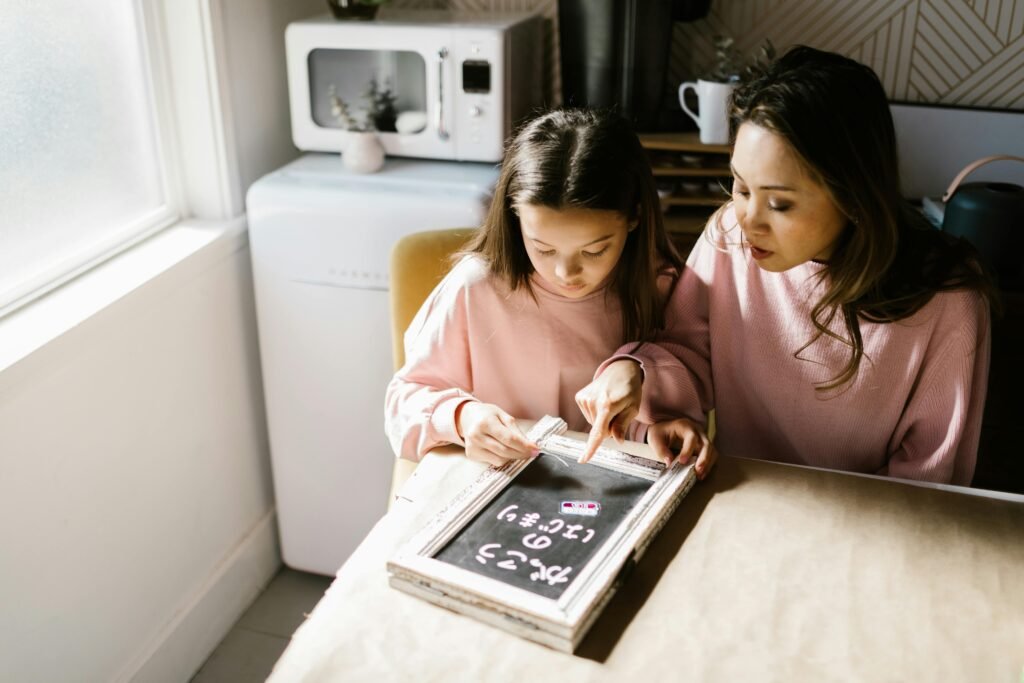
These tiny choices compound into real gains by the end of the year, especially in math where persistence and step-by-step work matter most. The goal is not to flatter. It is to point out effort, strategy, and improvement in plain language.
How to use it tonight
Listen for fixed-mindset lines, like I am bad at fractions or I just cannot do word problems. Replace them on the spot with gentle, honest rewrites. Say, fractions feel hard right now, and your steps are getting clearer with practice. When your child makes a mistake, treat it as data.
Say, this shows where we can grow, let’s try one different step. Praise actions you can see, like checking units, drawing a diagram, or rereading the question. Close with a tiny growth reflection, what did you try today that you could not do last week. This keeps attention on progress, not labels.
Keep it going all week
Start each new topic with a micro-goal, like I will show every step or I will test my answer two ways. Post it near the desk. Celebrate small wins at dinner with one plain sentence, you kept working after the first error and found the path. Model growth in your own life, too.
Say out loud, I struggled to fix this, so I tried a new method, and it worked. If you want steady support for mindset and method, Debsie teachers coach both in live sessions and inside our gamified quests that reward grit, calm, and clear steps. Join a free class and help your child build a math mindset that lasts.
Conclusion
Homework should build skill, not battles. It should teach focus, pride, and steady effort. The numbers you just read point to one clear truth. When parents guide with calm structure, simple routines, and kind questions, children learn more in less time and feel better doing it. When help turns into control or endless hours, gains fade and stress rises. You now have a full playbook to keep homework short, sharp, and meaningful. Start small.
Protect sleep. Use a clear start ritual, a timed work block, and a gentle stop. Ask questions that hand thinking back. Praise steps you can see. Keep the space quiet and the plan visible. If a task runs long, trim the busywork, not the learning. If a skill feels weak, fix the bottleneck with short, daily practice. Your home can be a lab for smart habits that last beyond one class or one grade.