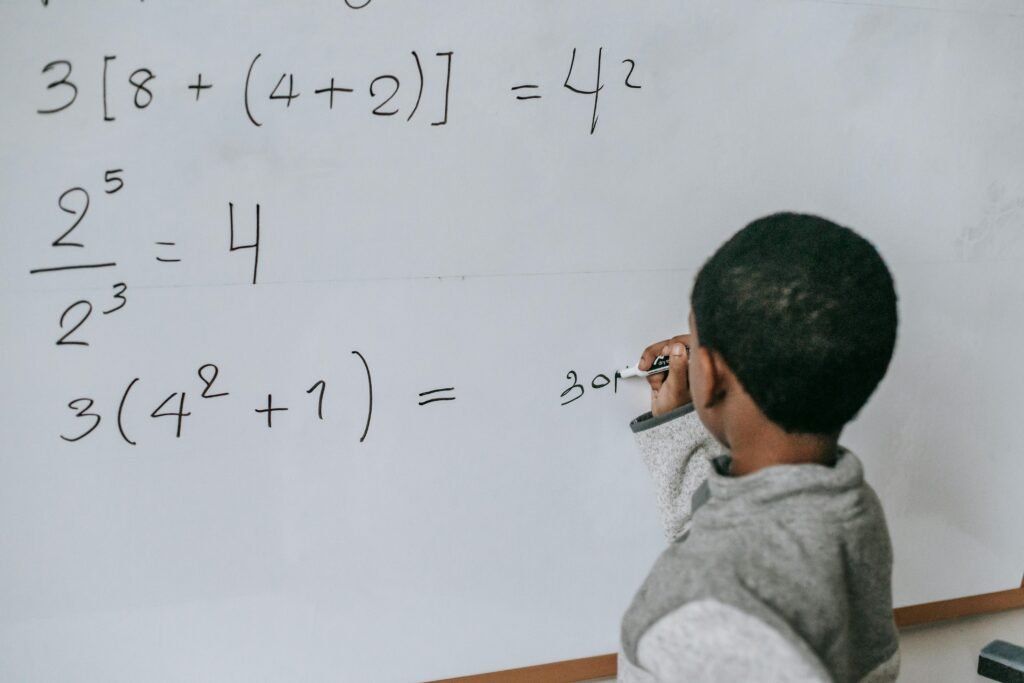
Homework can help. It can also hurt. For many children and teens, homework is the number one source of daily stress. When stress and worry grow, learning slows. Sleep drops. Confidence falls. Families argue. Kids who once loved school start to fear it. At Debsie, we see this every day in the stories parents tell us and in the faces of bright students who feel stuck. The good news is that stress is not a mystery. It leaves a trail of numbers we can track and change. In this guide, we share clear, simple facts and show you what to do about each one. You will learn how much time to aim for, how to build calm habits, how to talk with teachers, and how to help your child feel strong again. Our steps are practical and gentle. They fit real homes and busy schedules. If you want extra help, you can book a free live session with a Debsie coach. We will listen, make a plan, and support your child every week so homework feels lighter and learning feels fun again.
1) High schoolers average 2–3 hours of homework per night
Many teens spend two to three hours each night on homework. That is a long second shift after a full day of classes, travel, sports, and family time. When work stretches this long, stress often rises. Focus fades after the first hour.
Small gaps in understanding grow into big worries. Sleep gets pushed late. The key is not to cut all homework. The key is to make those hours work better. Time should match energy, not just the clock. The first sixty minutes are usually the sharpest.
Use them for the toughest tasks, not for easy chores. Save light review for later. Teach your child to open the bag, set a clear goal for each subject, and decide the very first action. A first action might be to outline the essay, set up the diagram, or list the steps for a proof.
When the first action is clear, the brain starts. When the first action is vague, the brain stalls.
Break the two to three hours into clean blocks with short resets. A classic pattern is twenty-five minutes of work and five minutes of rest, then repeat. After ninety minutes, take a longer reset and move the body. Phones should stay out of reach and out of sight.
One tab only on the laptop. Use simple cues to guard focus, like a kitchen timer, a desk lamp that turns on for work and off for rest, or soft background sounds without lyrics. Ask your teen to track start and stop times on a small card. At the end, add the minutes.
If a class always takes too long, that is a sign of a skill gap. At Debsie, we coach students to find and fix that gap fast so the total time drops. If you want a plan that fits your teen’s schedule, book a free trial class today. We will map the week, set up smart routines, and cut the nightly load without cutting learning.
Action plan
Pick two prime blocks for the hardest subjects. Set the first action for each block before starting. Keep a visible timer on the desk. Log each block on a card. Review the card with your child and adjust the plan tomorrow.
2) Middle schoolers average 60–90 minutes per night
In middle school, most students face about an hour to an hour and a half of homework. This is the bridge between light work in primary grades and heavier work in high school. The goal in these years is to build calm habits that make later years easier.
Students at this age often switch classes, so they juggle more teachers and systems. The main risk is scatter. Papers get lost. Directions get mixed up. A small mistake in organizing turns into a big chunk of wasted time. To lower stress, make one simple rule: all tasks live in one trusted place.
That place can be a paper planner or a clean digital tool. It must be the only inbox for school work at home. When your child walks in, they open the planner, not an app feed. They list each class, the task, and the due date in clear words.
They mark about how long it will take. Then they order the tasks by energy, not by class order. This is the moment when stress drops, because the plan makes the night feel shorter.
Parents can help by setting a regular start window, not just a start time. For example, homework starts any time between five fifteen and five thirty. A window gives kids choice while still making a habit. Keep the workspace plain and steady.
One table, one chair, one light, and the same tools each night. Use a done bin where finished work goes right away, ready for the backpack. If your child takes more than ninety minutes often, look for blockers like slow reading, unclear notes, or weak recall.
At Debsie, we train middle schoolers on note patterns, quick memory checks, and simple reading loops that cut their time in half while raising scores. If you want support, join a Debsie live class and watch your child learn smarter routines in one week.
Action plan
Create a single planner, a regular start window, and a done bin. Practice setting the order by energy. Review the plan in two minutes, not twenty. Make this the nightly rhythm until it feels natural.
3) Elementary students average 30–60 minutes per night
Young students need short, clear homework time. Thirty to sixty minutes is enough to practice skills without draining joy. At this age, stress comes from confusion, not from volume. A child who does not know how to start a problem feels stuck, even if there are only five problems on the page.
The best support is to make steps small and visible. Read the directions out loud once. Ask your child to explain in their own words what they need to do. That small step builds agency and reduces worry. Use a simple start ritual.
Place the pencil, the eraser, and the paper in a neat row. Set a small timer for ten minutes. The aim is not speed. The aim is to begin. Praise the start, not only the finish.
Parents can also lower stress by keeping homework at the same time each day, after a snack and a short play break. Children focus better when they know what is coming. If reading is part of the plan, sit near your child and read your own book at the same time.
Calm company reduces anxiety. When mistakes happen, guide with questions, not with fixes. Ask what part feels hard. Ask them to show one small piece they are sure about. Help them build from that piece. End with a quick happy check where your child marks how they felt on a smile scale.
Over time, you will see patterns and can adjust. At Debsie, our early years coaches model gentle guidance that keeps the child in the pilot seat. If you want warm, expert support, try a free Debsie session and learn how to make homework time short, steady, and low stress.
Action plan
Use a ten-minute start, a fixed time after snack, and a smile scale check at the end. Praise effort and clear steps. Ask your child to explain directions in their own words before they write.
4) About 55% of students say homework is their top source of stress
More than half of students name homework as the number one stress in their day. That means the worry is not rare or secret. It is normal, and it is solvable. When homework holds the top stress spot, kids often carry a tight feeling from school to home and from home to sleep.
That tightness makes thinking hard. It also turns small setbacks into big ones. The most powerful response is to teach stress skills alongside study skills. Stress skills are simple habits that calm the body and mind so the brain can work. One useful skill is breath pacing.
Ask your child to breathe in for four, hold for one, and out for five, and repeat for one minute before starting work. Another skill is naming the task in plain words. When worry says the work is too much, a clear task name shrinks the fear.
Instead of “I have so much math,” say “I will do questions one to six.” Words shape feelings. Simple words reduce noise.
Family talk also matters. Replace “Did you finish?” with “How will you start?” Replace “Why is this late?” with “What is the next small step?” These phrases turn stress into action. If your child often feels pressure from grades, help them define success by process first.
Success can mean turning in every assignment on time, using a planner every day, or doing a five-minute preview before tests. Grades will follow. At Debsie, we blend stress tools into our lessons. Students learn how to plan, how to breathe, how to focus, and how to close the loop each night.
Parents tell us their home feels calmer within days. If you want that shift, book a free Debsie class and let us coach your child through a calm, clear routine built for them.
Action plan
Start each session with one minute of paced breathing. Rename the task in simple words. Define success by actions you control today. Review what worked at the end and carry it forward tomorrow.
5) Around 45% sleep ≤6 hours on school nights because of homework
Sleep is the fuel for learning. When a child sleeps six hours or less, memory weakens, mood drops, and focus slips. Short nights also make homework feel harder the next day, which creates a cycle of late nights and tired mornings.
Breaking that cycle starts with a clear shutdown time and a gentle path to bed. Think of it as a landing, not a crash. Thirty minutes before lights out, screens go away. Five minutes later, notebooks close. The last twenty minutes are for quiet, simple habits like brushing teeth, laying out clothes, and preparing the bag.
A steady routine tells the brain that it is safe to power down. If homework is still not done, help your child stop at a clean checkpoint and write a brief plan for finishing tomorrow. Sleep first. Work with a fresh mind tomorrow.
To make earlier bedtimes real, move work earlier by shifting small pieces of the day. A few minutes of review after school saves a chunk of time at night. Preview the toughest class on the bus or during a snack. Set a firm start window for homework, not a floating time.
Protect the first hour for deep work and keep it free of pings and tabs. Track how many nights your child gets seven to nine hours, and celebrate streaks. If a class often pushes sleep late, that is a signal to talk with the teacher.
Ask for clarity on directions, rubrics, or problem sets that take longer than intended. At Debsie, we coach students to build a personal shutdown system and to plan their week so sleep comes first. Healthy sleep is not a luxury. It is the base layer of strong grades and a calm mind.
Action plan
Pick a fixed lights-out time and create a twenty-minute landing routine. Start homework in a protected window and end with a written checkpoint if work remains. Track sleep nights and aim for a steady streak.
6) About 1 in 3 go to bed after 11:00 pm due to assignments
When bedtimes slide past eleven, stress rises at home and in class. Late nights eat into the brain’s best repair time. Teens tell us they are “wired and tired” at midnight, scrolling to calm down and then waking groggy. The fix is not willpower alone.
It is a smarter flow for the evening. Begin with energy mapping. Ask your child when they feel most alert between four and eight. Place the hardest subject in that slot. Set a clear start and a clear stop. Keep all tools within reach before the block begins so there is no search time in the middle.
Save lighter tasks like organizing notes or labeling diagrams for the last thirty minutes of the night. Do not start new hard work after ten. Your child can write a note to their future self about where to begin tomorrow.
Another powerful change is the “one trip” backpack. At nine thirty, everything that is done goes into the bag once, and the bag goes by the door. This simple step tells the brain the school day is closing. It also prevents the last minute “where is my sheet” scramble that keeps kids awake.
If your child is in advanced classes that flood weekends, plan a weekend morning block to move work off weeknights. Protect one weekend day as a true rest day. At Debsie, we design weekly study maps that keep teens out of the midnight zone while raising output.
Parents often see grades rise as bedtimes move earlier because the work becomes higher quality in fewer hours.
Action plan
Map one high-energy evening slot for hard work and stop new hard tasks after ten. Use a nine-thirty backpack reset to signal shutdown. Shift heavy work to a short weekend morning block if needed.
7) Roughly 60% report headaches, exhaustion, or other physical stress symptoms during heavy homework weeks
Body signals are early warnings. Headaches, tight shoulders, stomach knots, and heavy eyes tell us that a child is pushing past healthy limits. When these signs show up, it is time to adjust the system, not to push harder. Start by breaking long sits.
Every twenty-five to thirty minutes, stand up, stretch, and take five slow breaths. Drink water. A short walk inside the house or even a few stair climbs will reset blood flow. Teach your child to notice tension and release it with a simple body scan.
Close the eyes, move attention from head to toes, and relax any tight spots. This takes one minute and pays back with fresh focus.
Nutrition and space also matter. Keep a small bowl of nuts or fruit near the study area and a bottle of water within reach. Set the desk at a comfortable height, feet on the floor, screen at eye level. Poor posture adds strain that looks like low stamina.
If symptoms keep showing, look at the type of work that triggers them. It is often unclear directions or too many open tabs. Help your child make the task simple and concrete. Turn “study biology” into “teach me the five key terms out loud.” Turn “do history reading” into “read pages twelve to eighteen and write three short notes.”

At Debsie, we help students listen to their bodies and shape their work to fit human energy patterns. When a child learns to protect their body, confidence grows. They feel in charge again, not at the mercy of stress.
Action plan
Insert short movement and breath breaks every half hour. Keep water and a small snack close. Rewrite vague tasks into clear, short actions and improve posture and lighting for comfort.
8) ~70% use part of the weekend to catch up on homework
Most students now use weekends to finish assignments, projects, and test prep. This can be helpful if done with a plan, but it can also swallow family time and recovery if it grows without limits. The goal is balance. Aim for one focused weekend block and one true day off.
Choose a morning block of ninety to one hundred and twenty minutes when the brain is fresh. Set a single focus for the block, such as finishing the lab write-up or outlining the English essay. Remove all other school materials from the table so the plan feels light.
Start with a ten-minute preview, list the first actions, and begin. End with a short review and pack the completed work into the bag so the rest of the weekend is free of school clutter.
If your child plays sports or has lessons on weekends, move the study block to fit, but keep the same length and structure. Resist the urge to sprinkle work across the whole weekend. Drifting work increases stress because the mind never fully rests. Protect a full day for play, friends, and family.
Rest is not waste. It builds the brain and keeps motivation strong for the week ahead. For big projects, teach your child to spread tasks across two or three weekends with small milestones rather than one massive push.
At Debsie, we give students project roadmaps that turn weekends into a calm, steady tool instead of a last-minute rescue. Parents often tell us the home feels lighter right away, because Saturday and Sunday finally have clear borders again.
Action plan
Pick one weekend morning block for focused study and protect one full day off. Define a single weekend goal, list first actions, and pack finished work immediately to keep the rest of the time truly free.
9) About 65% rate their daily stress at 5/10 or higher during exam/homework peaks
When a student says their stress is five out of ten or more, day after day, the body treats school like a constant alarm. Muscles stay tense. Thoughts race. Small tasks feel huge. This level of pressure often appears during exam weeks and heavy assignment clusters.
The good news is we can lower the number with small, steady changes that build control. Start by teaching your child to run a daily stress check at the same time, such as right after school. Ask for a simple number and one short reason.
Maybe it is confusion in math, an essay with no outline, or a test that feels too big. Naming the reason turns fear into a target. Next, use a short planning loop that takes three minutes. Write the top two tasks for today, the first action for each, and the stop time. This loop cuts noise and gives the mind a path forward.
During peak weeks, switch to shorter, more frequent study bursts to keep the brain fresh. A pattern like twenty minutes on, five off, repeated four times, creates eighty minutes of quality without overload.
Finish each burst by closing the loop, which means putting the page away, writing one line about what to do next, and clearing the desk. At night, use a two-minute brain dump before bed. Your child writes every worry and every unfinished task on paper and places it face down.
This tells the brain it can rest because the plan is parked. At Debsie, we guide students to build this exact loop so the stress number drops from seven to three within a few days. Parents often notice calmer talk and more steady effort, because the student finally feels in charge of their time and tasks.
Action plan
Run a daily stress check with a number and one reason. Use a three-minute planning loop with first actions and a fixed stop time. Study in short bursts and end the day with a two-minute brain dump on paper.
10) ≈40% admit cheating at least once because of overwhelming workload
When students feel buried, some make the choice to copy answers, use unauthorized tools, or share work in ways that break rules. This is usually not about bad character. It is about panic and poor systems. The deeper issue is a lack of time control and task clarity.
To prevent this, the focus should be on building skills that make honest work possible under pressure. Help your child learn how to triage. Triage means decide fast what must be perfect, what must be solid, and what can be basic.
Not all tasks need the same level of polish. If a worksheet is worth a small part of the grade, finish it with care but do not spend two hours. If an essay draft is due, aim for clear structure first and refine later. This approach keeps nights from spiraling.
Teach integrity scripts your child can use when a friend offers to “help” in the wrong way. A simple script like “I can study with you, but I need to write my own answers” protects both kids. If the load is truly too high, guide your student to email the teacher early.
The message should be respectful and specific, such as “I have the lab write-up and the reading quiz due the same night. I can submit the lab by Thursday if I show you my outline today.” Most teachers will work with that.
At Debsie, we teach students how to plan, how to ask for help the right way, and how to meet high standards without shortcuts. Confidence grows when kids see they can keep their values and still keep up.
Action plan
Use triage to match effort to value. Practice a short integrity script for peer pressure moments. Contact teachers early with a respectful, specific plan when two big deadlines collide.
11) ~20% lack a quiet place at home to study
One in five students do not have a calm study spot at home. Noise, crowded rooms, and shared devices make focus hard. The fix does not require a new room. It requires a small, consistent setup. Create a portable study kit that turns any table into a study zone.
Use a simple tote or box with pencils, highlighters, sticky notes, a timer, headphones, and a small folder for active work. Pick one flat surface that is usually open for ninety minutes each evening. It can be a kitchen table, a corner of the couch, or a bedside tray.
The kit arrives, the timer starts, and the zone begins. When time is up, the kit closes and the zone disappears. This pattern teaches the brain to associate the kit with focus wherever it lands.
Noise control is the next step. Over-ear headphones with soft instrumental music can mask background sound. Many students focus well with steady rain or white noise. If siblings share space, set a family quiet window when everyone does calm tasks.
For tight spaces, face the seat toward a wall to cut visual distraction. Keep the phone in another room and use a basic kitchen timer to avoid checking the screen. If internet is needed, use one browser window with one tab. At Debsie, we help families design micro-zones that fit real homes.
We have seen great results with simple, repeatable setups that cost little and respect family life. A predictable zone lowers stress because it removes the nightly search for where and how to begin.
Action plan
Build a portable study kit. Choose a consistent flat surface and a quiet window. Use headphones or steady sound to mask noise. Keep devices out of reach unless needed and limit to one tab when used.
12) About 1 in 3 parents report family conflict triggered by homework
Homework can turn a warm evening into a tense one. Parents push. Kids resist. Voices rise. Everyone feels worse, and the work does not improve. The cause is often unclear roles and timing. Parents feel they must ensure the work gets done. Kids feel controlled and judged.

The solution is a shared plan with clear roles before the work begins. Set a daily check-in right after school or right before homework time. The student presents the plan, not the parent. They show their list, point to first actions, and state the intended stop time.
The parent asks two calm questions: what might get in the way, and how will you handle it. This short talk moves the parent from boss to coach and moves the child from passive to active. Tension drops because power is shared.
During work time, agree on a signal your child can use when they want help. It could be placing a sticky note on the corner of the table. This prevents constant hovering and nagging. When help is needed, parents should ask guiding questions instead of giving answers.
Try phrases like “show me where you got stuck” and “what step could you try next.” End the night with a two-minute debrief where the child names one win and one change for tomorrow. If conflict flares anyway, pause the session and reset with a short walk or a glass of water.
At Debsie, we coach families to use these small rituals. The home becomes calmer, grades rise, and the relationship heals because both sides feel respected and capable.
Action plan
Hold a brief daily check-in where the student owns the plan. Use a clear help signal and guide with questions, not fixes. Close with a two-minute debrief naming one win and one change for tomorrow.
13) ~50% cut back on extracurriculars because of homework load
When half of students drop or shrink sports, music, clubs, or art because of homework, we lose more than hobbies. We lose energy, identity, and joy. Activities build grit, teamwork, and the feeling of belonging. They also sharpen the brain for study. If homework crowds them out, stress grows, not shrinks.
The aim is not to choose homework or activities. The aim is to shape time so both fit. Start with a weekly map that shows real hours, not hopes. Mark school time, travel, practices, and family events.
Then place two to three homework blocks during high-energy windows. Protect one short block on the day with the heaviest activity and a longer block on a lighter day. This removes the guesswork that causes last-minute overload.
Next, right-size the homework approach to the type of activity day. On days with practice, your child can focus on setup tasks, like building outlines, creating flash cards, or drafting problem setups without full solutions. On lighter days they can push deeper, solving the hard sets and revising writing.
This push-pull pattern keeps momentum even when time is tight. You can also use micro-moments, like ten minutes in the car, for quick retrieval drills. Speak terms out loud and ask your child to explain them back. These tiny reps keep the mind warm and lower the weight on late evenings.
If the workload consistently squeezes activities, ask teachers for clarity on purpose and expected time. Many will trim or guide. At Debsie, we help students plan weeks that protect both learning and life. Our coaches show kids how to keep their passions while meeting high academic goals.
Action plan
Make a weekly map with fixed homework windows that fit around activities. Use setup tasks on busy days and deep work on light days. Turn short waits into quick oral review to keep progress steady.
14) ≈25% skip a meal at least once a week to finish homework
One in four students miss a meal because of schoolwork. That is a warning sign. Food is not only fuel; it is a pause, a breath, and a reset for the body and mind. When kids skip dinner, blood sugar dips, patience thins, and errors rise.
The fix is a simple rhythm that couples food with study in a healthy way. Start with a snack bridge right after school. Think of it as the starter, not the treat. A mix of protein and complex carbs works well. Pair the snack with a two-minute preview of tonight’s tasks.
This keeps hunger from driving the night. For families with late dinners, place a short first block before the meal and a short second block after, instead of one long stretch. The meal becomes a planned break, not a disruption.
Create a few ready-to-eat study snacks that your child can grab without asking, such as yogurt, fruit, nuts, or a sandwich half. Keep water at the desk to prevent fatigue that looks like laziness. If your child insists they are “not hungry,” check whether anxiety is closing their appetite.
In that case, begin with a very small, easy task to lower stress, then pause for food. If sports run late, pack a simple dinner box that can be eaten on the way home so the post-practice block is short and focused.
At Debsie, we coach families to treat food as part of the homework system. When students eat well and on time, they focus better, finish faster, and feel calmer. Small changes like a snack bridge and a split schedule can end the skip-meal habit within days.
Action plan
Add a planned snack bridge before work. Split the evening around dinner if meals run late. Keep simple grab-and-go options ready and pair water with every study block to support energy and focus.
15) ~30% use caffeine/energy drinks to stay awake for homework
A third of students turn to caffeine or energy drinks to push through late nights. While a small cup of tea may be fine, heavy or late caffeine can spike the heart, upset sleep, and create a crash that hurts learning the next day.
The smarter strategy is to build natural energy from timing, light, movement, and clear starts. Begin homework soon after a snack and a ten-minute reset walk. Bright, cool light at the desk tells the brain to wake up. Keep the room a bit cool and sit upright at a proper desk, not in bed.
Use fast-start rituals, like opening the book to the first page, writing the first line of the solution path, or reading the first paragraph out loud. Momentum beats stimulants.
If your child still reaches for a can at nine or ten, the real issue is the schedule. Move one heavy task to an earlier pocket in the day. Morning bus rides can host flash card runs. Study hall can hold a small chunk of math practice. Ask coaches or club leaders if your child can arrive ten minutes early to review notes.
Build a strict no-caffeine-after-4 pm rule and replace late cravings with cold water, a short stretch, or a quick face wash. The brain reads cold water and light movement as a wake signal without the side effects.
At Debsie, we teach energy management so students rely on structure, not stimulants. Families often report fewer late-night jitters and better sleep within a week, and that means stronger work in less time.
Action plan
Set a no-caffeine-after-4 rule. Use bright light, cool air, and a ten-minute walk to start. Shift one heavy task earlier in the day and replace late slumps with water, stretching, and a fast-start ritual.
16) About 35% feel anxiety or panic tied to homework at least weekly
When more than a third of students feel weekly waves of anxiety or even panic from homework, we must address emotions as part of learning. Anxiety shrinks working memory and makes simple steps feel unsafe. The way forward is to pair emotional tools with academic tools in real time.
The first tool is a grounding breath. Inhale for four, hold for one, exhale for six, and repeat for a minute. The long exhale signals safety. The second tool is task shrinking. Take the assignment and cut it into the smallest next move possible.

For a math set, write the knowns, the unknown, and the formula before solving anything. For reading, preview headings and ask one question you want the text to answer. For writing, list three points to cover without crafting sentences. Shrinking tasks calms the alarm system.
The third tool is self-talk that is short and factual. Swap “I can’t do this” for “I can do the first step.” Swap “This will take forever” for “I will work for twenty minutes and reassess.” Parents can help by sitting nearby without hovering, modeling slow breathing, and speaking in plain, steady tones.
If panic spikes, pause the work, step outside for fresh air, and do a two-minute reset before returning. Keep results visible by recording each small win in a simple log, like pages read, problems set up, or minutes of focus.
Wins build confidence and reduce the chance of another spike tomorrow. At Debsie, we integrate these tools into subject coaching so students feel safe while they learn. Calm and skill grow together, which is how grades rise and stress falls.
Action plan
Use a one-minute grounding breath, shrink the task to the smallest next move, and replace fearful thoughts with short factual lines. Track small wins daily to build proof that progress is steady.
17) ≈25% say homework rarely helps them learn the material
When one in four students feel homework does not help them learn, the problem is not effort. It is design. Homework should reinforce clear skills, not confuse them. If a task feels like busywork, the brain goes on autopilot. Learning slows and stress grows.
The fix is to turn each assignment into a practice loop with feedback. Begin by naming the exact skill the homework should build. In math it could be solving linear equations with fractions. In science it could be reading a graph and stating the trend.
In language arts it could be finding a theme and using a quote to support it. When the skill is named, the mind knows what to aim at.
Next, add a quick check after a small batch. Do three problems, then check answers. Read two pages, then state the key idea in one sentence. Write one paragraph, then compare it to the rubric. This tight loop creates learning because mistakes are caught fast and corrected while the memory is fresh.
If directions are vague, ask the teacher for one example of a high-quality answer. Keep the example near the workspace and use it as a guide. If the assignment still feels empty, enrich it with a teach-back. Ask your child to explain the idea out loud to you or to a sibling.
Teaching forces clarity and reveals gaps. At Debsie, we help students build these loops so homework turns into progress. Kids feel the click of understanding and the time suddenly feels worth it. That feeling lowers anxiety because the effort matches the result.
Action plan
Name the single skill before starting, work in small batches with quick checks, and use a short teach-back at the end. If directions are unclear, request a sample answer and keep it beside the task as a model.
18) AP/IB students often report 3–5 hours of weekend homework per day
Advanced programs bring depth and pace. They also bring heavy weekend loads that can stretch to three, four, even five hours. Without structure, these blocks become marathons that drain joy and family time. The goal is to build weekend power without burnout.
Start with a two-block design. Plan one long block in the morning and one shorter block in the late afternoon, with a full social or rest window between them. In the first block, do the hardest subject first while the brain is fresh.
Use a clear outcome, such as finishing the DBQ outline, completing a full problem set with error review, or drafting the internal assessment section. In the second block, switch to lighter tasks like readings, annotations, or flash card review.
Use exam-style intervals to build endurance. Work for fifty minutes, rest for ten, and repeat three times for a strong set. After the set, take a longer reset with food and a walk before continuing. Keep a running error log for each course.
When a mistake appears, log the concept, the cause, and the fix. Review the log for ten minutes at the start of each weekend block. This raises scores fast because you train your weak spots directly. Protect one evening for friends, sports, or family so your mind recovers.
If hours still spill over, meet with teachers to prioritize tasks that drive exam performance and ask where you can reduce fluff. At Debsie, we coach AP and IB students to work like athletes, with cycles, logs, and recovery. The result is higher grades in fewer hours and a life that still feels full.
Action plan
Split weekend work into a morning power block and a shorter late block. Use fifty-ten intervals, keep an error log you review first, and protect one full social window so recovery stays part of the plan.
19) ~70% complete most homework on digital devices
Most homework now lives on screens. Laptops and tablets are powerful tools, but they also invite distraction. Tabs multiply. Messages ping. Focus leaks away. Turning devices into calm study tools starts with reducing choice. Before work begins, close every app except the one you need.
Open one browser window with one tab. Keep the phone in another room or in a closed drawer. If a site is required for research, create a capture step so information does not scatter. Copy key points into a single document with clear headings and your own words.
This stops endless clicking and turns browsing into building.
Add a paper layer for memory. For math and science, set up problems by hand even if answers are typed later. For reading, take short notes on a card using three lines: key idea, evidence, your words. This small act shows the brain that the idea matters, and retention rises.
Control light and posture to protect the body. Raise the screen to eye level, sit upright, and keep wrists neutral. Dim non-work screens in the room to reduce visual noise. Use a plain desktop background and place all distracting apps inside a folder named “Later” so they are out of sight.
Close the loop when you finish. Save the file with a clear name, back it up to a cloud folder, and place a copy link in your planner. At Debsie, we teach students a device discipline that feels simple, not strict. The screen becomes a tool that serves the plan, not a trap that steals time.
Action plan
Limit to one app and one tab, park the phone away, and capture research into a single doc. Add a paper note layer for memory and end by saving files with clear names and backing them up in one folder.
20) ≈50% are still on screens after 9 pm for schoolwork
Half of students keep working online after nine at night. For many, this pushes sleep later and keeps the brain wired. Blue light, alerts, and late problem solving make shut down hard. The fix is a hard digital sunset paired with a soft paper finish.
Set nine o’clock as the latest time for screens unless a rare event demands more. After the digital sunset, only paper tasks are allowed. These can include reviewing printed notes, sketching mind maps, or planning tomorrow with a pen. The paper finish calms the nervous system and moves the brain toward sleep.
To make the sunset real, front-load any task that requires a device. If a teacher assigns an online quiz, do it in the first evening block. Save analog tasks for later on purpose. Use warm light after nine and reduce overhead brightness. If a deadline forces late typing, schedule a four-minute wind-down to bridge the gap.
Write a quick “done list” of what you finished, list the first action for tomorrow, and do six slow breaths with a longer exhale. Place the laptop out of reach and out of sight. Parents can support the sunset by using the same rule for themselves.
When adults model the pattern, kids follow. At Debsie, we help families set a digital sunset that fits their routines. Students feel calmer, fall asleep faster, and wake with more focus, which shortens the next night’s workload too.

Action plan
Set a nine o’clock digital sunset with rare exceptions. Do device-heavy tasks first, leave paper tasks for last, and use a four-minute wind-down to bridge to sleep with a done list and slow breathing.
21) About 80% say procrastination sharply increases their homework stress
Most students know the feeling. The more they delay, the heavier the work feels. Procrastination is not laziness. It is a protection move when a task feels vague, scary, or too big. The cure is clarity and momentum. Turn every assignment into a tiny first action that takes two minutes or less.
Open the doc and type the title. Write the first equation line. Read the first paragraph and circle the main word. When a student does a two-minute start, the brain switches from threat to progress. The task no longer feels like a mountain. It feels like a path.
Next, make friction small. Keep the backpack packed, the charger ready, and the desk clear before dinner. If setup takes ten minutes, many kids avoid starting. Use a visual timer so time feels real. A simple countdown on the desk quiets the mind because it shows a clear end.
Pair the timer with a start cue that never changes, like turning on the same desk lamp or playing the same soft study track. The brain learns to link the cue to action. Stack rewards that are immediate and small.
After each focused block, enjoy three minutes of a favorite song, a short stretch, or a quick chat with a parent. Do not wait for a huge treat at the end of the week. Small wins keep the engine turning.
Parents can help by asking, what is your two-minute start, instead of asking, have you started. If your child still delays, check for hidden blockers like missing notes or unclear directions. Get one example from the teacher and place it beside the task.
At Debsie, we coach the micro-start habit in the first session. Families see the change fast because the student learns that action beats worry, every time.
Action plan
Define a two-minute first action, reduce setup friction, use a visual timer with a steady start cue, and add small, immediate rewards after each focused block to keep momentum strong.
22) ~40% use a planner or to-do app to manage assignments
Only two out of five students use a real planning tool. Without one place to hold tasks, the brain must remember everything and that raises stress. A simple planner is a stress reducer because it turns floating thoughts into a clear map.
The best planner is the one your child will use daily. It can be paper or digital, but it must be single and trusted. Teach a three-line entry rule for each class. Line one is the task in simple words. Line two is the first action. Line three is the planned start time and the expected minutes. This format answers what, how, and when in seconds.
Build a short planning ritual at the same time every day. Right after school, sit for five minutes to capture new tasks, check due dates, and pick tonight’s top two. At night, spend one minute to park tomorrow’s first actions so the mind can rest.
Keep the planner visible during homework. When a task is done, draw a single line through it and write the stop time. This shows pace and helps predict tomorrow more accurately. If your child prefers an app, turn off all non-school notifications and use calendar blocks for the top two tasks.
Color code by subject so finding items is fast. Sync the app with a parent view if your child wants support and accountability without constant reminders.
At Debsie, we supply students with a simple, one-page planning sheet that mirrors this system. After a week, most kids feel lighter because the plan carries the load. Parents report fewer arguments since they can point to the planner instead of probing. Planning is not extra work. It is the work that makes all other work easier.
Action plan
Use one planner only with a three-line entry for each task, run a five-minute capture after school and a one-minute park at night, and keep the planner visible to track real start and stop times.
23) ≈20% say their school offers homework-free nights or mental-health breaks
One in five students benefit from school-wide breaks. That means four in five do not. If your school does not offer these pauses, you can still build them at home in a smart way. A homework-free night is not a free-for-all. It is a chance to breathe, reset systems, and clean up loose ends so the rest of the week runs better.
Pick one night every two weeks, or once a month if the load is heavy, and mark it on the calendar. Tell teachers in advance if a recurring conflict appears, such as a family event or a religious day, and ask for flexibility.
Use the night to make school life smoother, not to binge shows until midnight. Do a short backpack reset, refill supplies, and refresh the planner for the next days. Enjoy movement, early sleep, and family time that is calm and screen-light.
For mental-health breaks within the week, schedule micro-pauses that take under five minutes. A short walk, a laugh with a sibling, or a minute of breath can release pressure without derailing momentum. If your child feels guilty about taking a break, reframe it as part of performance, like a water break for an athlete.
Many students discover they can finish more with one or two short resets than with a long, grinding push. If the school load remains unsustainable, gather data. Track how long assignments really take for two weeks and share the log with teachers or counselors. Most educators want this feedback so they can adjust.
At Debsie, we help families design custom rhythm days and micro-breaks that fit the home. Students come back to work fresher, kinder to themselves, and more effective. A calm mind learns fast, and that is the point of school.
Action plan
Schedule a homework-free night every few weeks with clear intent, build two to three micro-breaks of under five minutes on heavy days, and track task times for two weeks to support any request for adjustments.
24) Only ~30% feel teachers coordinate big due dates across classes
When only a third of students feel teachers coordinate large assignments, deadlines stack and stress spikes. Piles of essays, labs, and tests can land on the same week because each class plans alone. Coordination may not happen unless families speak up with useful data.
Start by helping your child keep a simple due-date grid for the next two weeks. Each row is a day and each column is a class. Fill it in each Friday. The grid shows clashes fast. If three majors land within forty-eight hours, decide which tasks must move and reach out early with a respectful note.

Teach your child to write the email themselves. The message should be short, specific, and solution-focused. It might say, I have a physics test Tuesday, a history essay due Wednesday, and a math project due Thursday. I can submit the essay draft by Friday if I show you my outline Monday.
May I have that extension. Most teachers respond well when they see planning and honesty. If several classes regularly collide, ask the grade-level lead or counselor if a shared calendar exists and offer to share your two-week grid to start the conversation. Schools often welcome real examples.
At home, you can reduce the sting of clusters with smart sequencing. Work on the earliest due date first, but within that task, tackle the highest value pieces before the polish. For an essay, structure beats style in the first pass.
For a project, core data and methods beat visuals. This keeps grades safe even when time is tight. At Debsie, we train students to see clashes early, negotiate kindly, and build a sequence that protects sleep and quality. Families feel relief because the week stops feeling like a surprise.
Action plan
Build a two-week due-date grid every Friday, coach your child to request respectful adjustments with a clear plan, and sequence work by earliest due date and highest value steps to keep quality high under pressure.
25) Total academic time (school + homework) for many high schoolers: 9–10 hours/day
A nine to ten hour academic day is common for many teens. That is a full-time job before sports, chores, and family life even begin. Long days are not the enemy by themselves. The problem is inefficient time inside those hours.
If school blocks are spent passively and homework is scattered or interrupted, the day stretches and stress rises. The fix is to convert more minutes into true learning so the total day feels lighter without sacrificing results. Start at school.
Teach your teen to capture high-yield notes instead of copying slides. Use short headers, key terms, and a one-line summary at the end of each class. Ask one clarifying question before the bell. These moves shorten homework because the material is already processed once.
After school, stack a short “transfer window.” Spend ten minutes turning class notes into simple flash cards or a quick outline. This locks memory and trims study time later. For homework, cluster tasks by brain mode. Put problem solving and writing in the first block when energy is high.
Place lighter review or organization in the second. Protect deep work using a visible timer and single-task rules. Close each block with a two-minute status note that says what is done and where to start tomorrow. This simple close prevents the nightly restart tax.
Use commute pockets for micro-review and keep the phone away from the desk so minutes are not lost to scrolling. Reserve one hour each week for a full systems reset: tidy files, clear the backpack, archive notes, and preview the coming calendar. This hour pays back many times in saved stress and tighter focus.
At Debsie, we coach students to treat their day like athletes treat training time—clear drills, measured sets, built-in recovery, and a weekly reset. Families see grades rise and total hours fall because effort finally matches output.
If you want a custom plan, book a free Debsie session and we will map your teen’s week step by step.
Action plan
Add a ten-minute after-school transfer window, cluster homework by brain mode with a visible timer, end each block with a status note, and run a weekly one-hour reset to keep the whole system clean and efficient.
26) ~70% of students taking 3+ advanced courses report 3+ hours of nightly homework
Heavy advanced-course loads demand adult-level planning. Three or more rigorous classes can easily generate over three hours of nightly work if tasks are tackled randomly. The goal is to protect rigor while preventing overload. Begin with a course hierarchy.
Rank classes by current challenge and near-term deadlines. The highest rank gets the first hour of attention on most nights. Build rotating focus so each tough class receives at least two prime slots per week. This prevents one subject from stealing all energy while another quietly falls behind.
Use smart compression. For problem-heavy courses, do a set of representative problems first, identify error patterns fast, and drill only the weak types. For reading-heavy courses, annotate for a question you chose in advance, then do a two-minute oral teach-back.
For writing-heavy courses, produce structure before prose. Outlines, claim-evidence links, and thesis checks deliver most of the grade and cut revision time by half. Batch reference tasks across classes.
If you must find sources, do one research sweep for multiple assignments at once and file notes by theme with clear tags. Keep a shared error log per course and review it for five minutes at the start of each session so practice targets the right muscle, not just more repetitions.
Parents can support by guarding energy windows rather than micromanaging content. Protect a ninety-minute prime block most nights and a shorter follow-up block. Encourage early outreach to teachers when bottlenecks appear.
A respectful note that proposes a small shift often saves a whole night. At Debsie, we help advanced-track students build elite routines that keep ambition high and nights sane. With a stronger system, three tough classes feel like a challenge, not a crisis.
Action plan
Rank courses weekly, give each tough class two prime slots, compress tasks using representative problems and structure-first writing, and keep a live error log that you review at the start of every session.
27) ≈60% get less than the recommended daily exercise because of homework time
When sixty percent of students miss daily movement, minds slow and moods dip. Exercise is not extra; it is brain care. Movement boosts memory, improves focus, and lowers anxiety. The trick is to weave it into the homework system rather than waiting for a free hour that never comes.
Start with micro-movement. Add a five-minute walk before the first study block, two minutes of stretching between blocks, and a quick set of stairs after dinner. These small doses wake up the brain and protect posture without eating time.
If your child rides a bus, ask them to stand and move for a minute after getting off before heading inside. Make it a ritual.
For days with long practices, leverage warm-ups and cool-downs as mental resets. Encourage your teen to set a single academic intention right before practice, like finish the chem notes outline after dinner. This pre-commitment links movement to the next study action and prevents drift.
On lighter days, schedule a fifteen to twenty minute brisk walk or a short at-home routine before starting hard problems. The increase in blood flow and dopamine makes tough tasks feel more doable. Keep shoes and a water bottle by the door to make starting easy.
Parents can model this by taking the same short walk and inviting their child to join. Conversation tends to open up during walks, which lowers school tension too.
At Debsie, we pair study plans with movement cues so brains stay sharp and stress stays low. Kids discover that taking time to move actually gives time back because focus improves and errors drop. The result is better work in fewer minutes and a calmer home.
Action plan
Embed movement into the routine with a five-minute pre-study walk, two-minute stretch breaks between blocks, and a short brisk walk on lighter days, keeping shoes and water ready to make starting simple.
28) ~50% study with background music to ease anxiety
Many students use music to feel calm while they work. Music can help when it softens worry and blocks random noise. It can hurt when it steals attention. The key is to choose music on purpose, then keep the rules simple. Lyrics pull the brain into language.
That makes reading and writing slower. For reading, math, science, or coding, pick sounds without words. Soft piano, lo-fi beats, gentle strings, or rain work well. Keep the volume low, just loud enough to cover background noise.
Use one short playlist for focus so the brain learns it as a cue. When the same sounds play, the mind knows it is time to work. This cuts the time it takes to start.
Make music part of a clear cycle. Press play only when the timer starts. Pause music during breaks so the brain can rest. Switch to silence during tasks that need full verbal power, like drafting essays or studying new terms. For those jobs, try white noise or soft nature sounds instead.
Test what really helps. Ask your child to rate focus after two kinds of sessions: with instrumental music and with silence. Keep the version that leads to faster starts and fewer re-reads. If your home is noisy, pair music with over-ear headphones to block sounds from the house or street.
If your child tends to chase songs, use a fixed, offline playlist so there is no urge to search for the “perfect” track. The goal is fewer choices, not more.
At Debsie, we teach students to treat music as a tool, not a reward. We build a small set of sound cues—focus, break, and shutdown. Students tell us their minds settle faster and their work feels smoother. With a smart sound plan, anxiety drops and output rises.
Action plan
Choose one instrumental playlist for focus, one short sound for breaks, and silence or white noise for heavy reading and writing. Start music only with the work timer, pause it during breaks, and keep volume low.
29) ≈40% of households report parent help with homework ≥3 nights/week
Parents want to help. Kids want to grow. The sweet spot is support that builds independence, not dependence. When help happens three or more nights a week, roles can blur and stress can rise on both sides. The fix is a simple model: coach, do not correct.
The student owns the plan and the pen. The parent sets the stage, asks good questions, and guards calm. Begin with a two-minute check-in before work starts. Ask your child to show their planner and say their first action for the top task. If they cannot say it, help them make the first step small and clear. Then step back.
During work, help should come by request, not by constant watch. Create a help window in the middle of the block, like minute ten to fifteen, and another near the end. Outside those windows, let the student try. When you do help, use prompts, not fixes.
Say, show me where you got stuck. Ask, what do you know for sure. Ask, what is one step you could try next. If they still cannot move, model one example out loud, then hand back the pen and ask them to try the same step on a new problem. This protects confidence and keeps learning active.
After the session, do a two-minute review. The student names one win, one wobble, and one change for tomorrow. The parent listens and praises specific effort like clear notes, steady focus, or honest questions. If help is needed most nights for one subject, that is a signal.
It could be a gap in skills or unclear teacher directions. Collect two weeks of examples and reach out to the teacher with patterns, not complaints. At Debsie, we join this loop as a neutral coach so home stays peaceful. With a better system, parent help becomes lighter and kids feel proud of their own growth.
Action plan
Set a two-minute pre-work check-in, use short help windows with guiding questions, hand the pen back after modeling one example, and end with a quick win-wobble-change review to build independence.
30) About 35% say feedback on homework arrives too late to reduce stress
Late feedback keeps students guessing. They repeat the same errors and feel lost until grades appear. This raises anxiety and wastes time. The cure is a fast feedback loop that does not wait for the teacher. Build three kinds of quick checks that students can run alone or with a parent.
The first is a key check. Before starting, write what a correct answer should include. For math, it could be units, a clear method, and a final value. For writing, it could be a claim, two pieces of evidence, and a link back to the claim. After a small batch, compare work to the key and fix gaps at once.
The second is a self-quiz. Close the book and explain the idea out loud in thirty seconds. If the talk stalls, the notes need work. The third is an error log. Each night, record the top mistake, the cause, and the fix. Review the log for two minutes before the next session. This turns pain into a plan.
Speed up teacher feedback by asking better questions. Instead of asking, is this good, ask, is my method right up to step three. Instead of saying, I do not get it, say, I stuck at converting units in problem five; can you check my setup. Specific questions get faster, clearer replies.
If a teacher uses rubrics, keep the rubric beside you while you work and point to each line as you build the answer. For longer pieces, send a short progress email early in the week, not the night before it is due.
Many teachers will comment on a thesis or outline even if they cannot review the full draft. At Debsie, we wire these loops into every session so students stop waiting and start improving today. Fast feedback lowers stress because it gives control back to the learner.

Action plan
Create a quick key before starting, run small batch self-checks with a thirty-second teach-back, log errors with causes and fixes, and ask teachers targeted questions early so guidance arrives while it still helps.
Conclusion
Homework stress is real, but it is not permanent. It follows patterns we can see and change. Across these thirty numbers, the same truth repeats. Clear plans beat chaos. Small first steps beat delay. Short, focused blocks beat long, tired pushes.
Early sleep beats late screens. Calm breath, steady routines, and honest talk beat panic. When we work with the brain, not against it, school feels lighter and learning gets stronger.