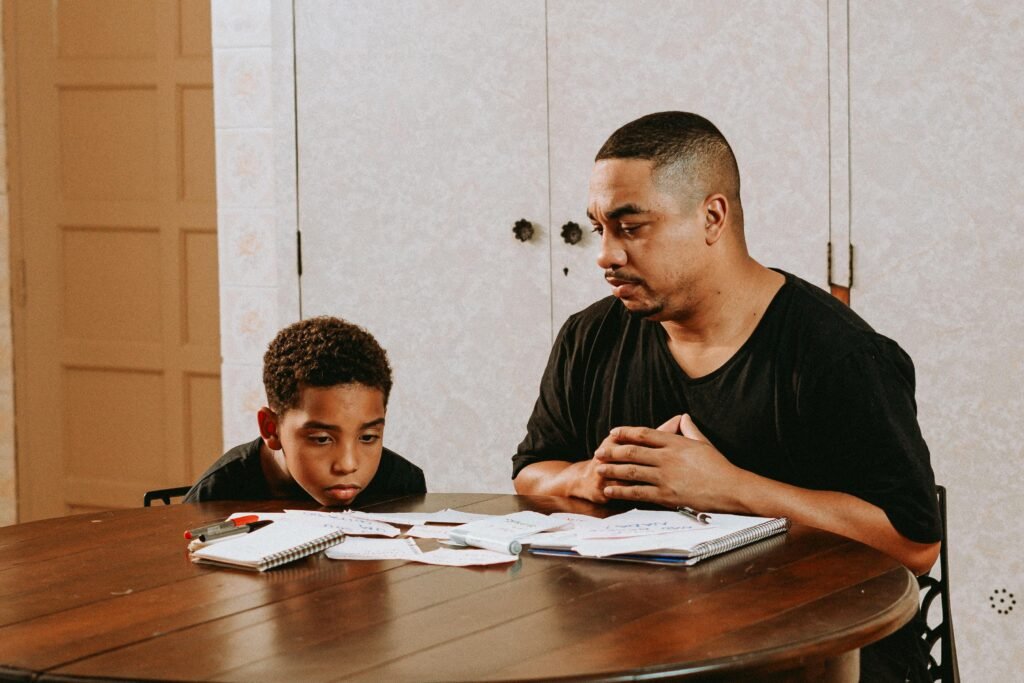
Parents want one thing from tutoring. They want real progress. They want calm, confident kids who know what to do next. Today, tutoring can happen on a screen or in a room. Both paths can work. The key is results, not the mode. In this guide, we compare online and offline tutoring using clear, simple stats. We explain what each stat means, how it affects your child, and how to act on it right away. You will learn how to pick the right format, set goals, track progress, and get more value from every session.
1. Standardized test score gain after 12 weeks (online vs offline)
What this means
Score gain after 12 weeks tells you how fast learning turns into results. It is a clear number you can track. For online tutoring, gains often come from frequent practice, instant feedback, and data that spots gaps fast.
For offline tutoring, gains often come from face-to-face cues, body language, and a calm room with few tech hurdles. Both paths can work. The difference sits in the plan, the pace, and the fit for your child. If your child is shy, online may feel safer and lead to more questions.
If your child needs firm structure, a desk and a chair in a real room may help. The key is to pick a plan that uses the first two weeks to set a baseline, then builds wins every session. At Debsie, we run a quick pre-test, teach in short chunks, and check mini goals at the end of each class.
This rhythm builds momentum and reduces test fear. It also keeps parents in the loop so you can cheer small wins that add up to big ones.
How to act
Set a 12-week goal that is clear and simple. Pick one test or one section and name the target. Use a short pre-test in week one, then a small check every two weeks so no one is surprised in week twelve. Keep sessions short and focused.
Aim for one skill per session and one timed drill at the end. Tie practice to the test format, not just the topic. If the test has mixed choice items, use mixed choice drills. If it has long word problems, train that format.
Move mistakes to a private error log with a fix note. Read that log twice a week for five minutes. Reward consistency, not just scores. If your child shows up for all sessions and completes all drills, celebrate that habit. It will drive the score gain you want.
If you want a plan that does this out of the box, join a Debsie trial class, share your 12-week target, and we will set the baseline today.
2. Concept mastery rate per unit taught (online vs offline)
What this means
Concept mastery is the heart of learning. It tells you how many ideas your child can use without help after each unit. Online tutoring can push mastery by using interactive tools, instant hints, and spaced practice that repeats a concept at the right time.
Offline tutoring can push mastery with physical cues, whiteboard work, and deep eye contact that keeps attention steady. Mastery is not the same as memorizing. It is being able to explain a step, show it, and apply it to a new problem.
A high mastery rate means less re-teaching and fewer late-night struggles. At Debsie, we define mastery with three checks. First, the student explains the idea in their own words. Second, the student solves a fresh problem without hints.
Third, the student uses the idea in a mixed review three days later. If all three checks are green, we mark the concept as mastered. If not, we loop back with a short micro-lesson and try again.
How to act
Choose a simple mastery rule and stick to it. Ask your child to teach you the idea in two sentences. Ask them to solve one new problem as you watch. Ask them to do a quick mixed problem two or three days later. If they stumble on any step, return to the smallest missing link.
Use visuals when the idea is abstract. Draw a model, make a number line, or break a big task into three small moves. Keep language short and direct. Use time limits to boost focus but keep them kind. Two-minute sprints work well for recall.
Five-minute sprints work well for multi-step work. Track mastery in a simple grid with the unit name and a green or yellow mark. Review the grid every Sunday and plan the week from it. If the grid has many yellows, reduce new topics and add review.
If you want help building this grid and the micro-lessons behind it, book a free Debsie session. We will set up the grid, train your child on how to check mastery, and give you a clear path for the next unit.
3. Homework completion rate per week (online vs offline)
What this means
Homework completion rate shows if learning continues after class. Online tutoring can keep completion high with reminders, timers, and quick chat support when a child gets stuck. Offline tutoring can keep completion high with a set routine, printed sheets, and a tutor who checks the work in person.
The rate matters because practice turns understanding into fluency. When the rate dips, skills fade and confidence drops. A strong rate is not about more pages. It is about the right amount of the right work at the right time.
For younger kids, short daily practice beats one long weekend push. For older students, focused sets that mirror test demands work best. At Debsie, we size homework to twenty to thirty minutes for most grades, with a clear start, a midpoint check, and a quick self-score at the end.
This keeps energy up and helps students see their own progress, which makes them more likely to do the next set.
How to act
Build a simple homework ritual that happens at the same time each day. Keep the space clean and quiet. Put the phone in another room. Start with a two-minute preview where your child says what they will do and how long it will take.
Set a timer for the first block and stop when it rings, even if they feel like working more. Take a short stretch, then finish the set. End with a quick self-check. Ask what felt easy, what felt hard, and what needs help tomorrow. Keep a small reward tied to the routine, not the grade.
This trains the habit that drives long-term gains. If your child gets stuck, teach them to mark the question and move on so the set still gets done. Then come back with the tutor to fix the sticky part. If reminders are a pain point, use a shared calendar and a silent alert.
If your family needs a ready-made system, join a Debsie class. We send short, smart homework, give quick feedback, and help kids close loops fast so the weekly completion rate stays strong without stress.
4. Time-to-mastery per concept in minutes (online vs offline)
What this means
Time-to-mastery tells you how long it takes for a child to learn a new idea well enough to use it alone. Minutes matter because attention is a battery. Online tutoring can cut time with quick polls, instant hints, and targeted reteach clips.
Offline tutoring can cut time with clear eye contact, a shared whiteboard, and fewer app distractions. The winner is the approach that reduces waste. Waste shows up as long explanations, unclear steps, and random practice that does not match the goal.
At Debsie, we aim for tight cycles. We explain for two to three minutes, model a live example, let the student try, and then check. If the check is shaky, we give a micro-fix of one minute, not a long lecture.
This keeps the brain in action mode and moves the concept from new to known quickly. We also track the minutes it takes until a student gets three in a row correct. That point is our first mastery mark. We then space a short review to lock it in.
How to act
Pick one small target for each session and set a soft minute goal. Tell your child the goal at the start so they know what success looks like. Use a quick demo, then switch to student talk and student writing fast.
When they get stuck, ask what step is unclear in their own words. Fix only that step. Avoid repeating the whole lesson. Keep a simple timer on the desk to create friendly pressure. After three correct problems, switch to a mixed one that looks a bit different to confirm real understanding.
Write down the time it took to reach that point. When you see a concept taking too long, break it into two smaller goals and try again the next day. Celebrate speed only when accuracy is steady. If this feels hard to manage alone, join a Debsie trial.
We structure each minute, keep sessions active, and show you a small chart of time-to-mastery so you can see progress build week after week.
5. 30-day knowledge retention rate (online vs offline)
What this means
Retention after thirty days shows if learning sticks beyond the moment. Many students can solve a problem right after a lesson. The real test is a month later when the steps are not fresh. Online tutoring supports retention with spaced review, smart reminders, and quick re-quiz tools.
Offline tutoring supports retention with routine, printed review packs, and tutor-led refresh sessions. The key is spacing, not cramming. Small, repeated touches beat one long review. At Debsie, we use a simple rhythm.
We teach, we review two days later, we review seven days later, and we review around day twenty-eight. Each touch is short and focused. We track the first score, the seven-day score, and the thirty-day score. If the thirty-day score drops, we run a small repair session that targets only the weak step.
This keeps the load light and the memory strong.
How to act
Create a short review loop for each skill your child learns. Keep a small deck of practice cards or a tiny list of questions in a notebook. On day two, ask one question. On day seven, ask two questions. On day twenty-eight, ask one mixed question that combines ideas.
If a question is wrong, write a one-line fix and try again next week. Keep the tone low stress. The goal is recall, not perfection. For big topics, use a weekly review hour where your child picks three old skills to revisit.
End the hour with a quick self-rating on what felt solid and what felt shaky. Share this with the tutor so the next session fits the need. If you want an easy way to manage this, Debsie classes include automatic spaced review.
Your child gets tiny check-ins that take just minutes, and you get a clear view of what sticks, so the thirty-day retention rate climbs without long study nights.
6. Semester GPA improvement (online vs offline)
What this means
GPA is a broad measure of steady performance across classes. It is less about one test and more about habits that last. Online tutoring can lift GPA by offering support across subjects, fast homework help, and data that reveals patterns early.
Offline tutoring can lift GPA through weekly rhythm, in-person accountability, and clear study plans that fit school calendars. The biggest driver is not the mode. It is consistent effort aligned with school tasks. At Debsie, we link tutoring goals to actual grade items.
We map missing skills to upcoming assignments. We plan reviews before unit tests and we plan writing drafts before due dates. We also teach gentle study habits like daily warmups and short reflection notes.
These small actions add up to higher quiz scores, better project work, and exam readiness, which together push the semester GPA up.
How to act
Start with a simple grade map for the term. List important dates, units, and projects. Tie each tutoring session to one item on that map. Use a weekly check where your child looks at the portal or diary and names the next three deliverables.
Build tiny prep blocks across the week instead of a single long cram. Teach a quick “plan, do, review” loop. Plan the task in one minute, do a focused block, then review the work for one minute to catch mistakes early. Keep communication open with teachers.

A short note asking for the rubric or the common errors can save hours later. Track GPA monthly, not daily, and watch for slow changes. If a class dips, add a short booster session before it becomes a crisis.
If you want help building and running the grade map, join a Debsie course. We connect class work to tutoring, manage reminders, and coach the study habits that move the GPA needle in a calm, steady way.
7. Student satisfaction score (CSAT) (online vs offline)
What this means
Student satisfaction shows how a child feels about learning. When kids feel heard and safe, they try more, ask more, and stay longer. Online sessions can raise CSAT with chat check-ins, emojis, and quick polls that make sharing easy.
Offline sessions can raise CSAT with warm greetings, eye contact, and a steady pace that feels human. Joy is not fluff. It is fuel for effort. At Debsie, we measure satisfaction at the end of each class with one simple question.
We ask how the session felt on a scale of one to five and why. We read every note. If a child feels lost, we adjust. If they feel bored, we add challenge. If they feel rushed, we slow down. These small course corrections keep energy high and reduce pushback at homework time.
How to act
Add a tiny pulse check at the end of every study block. Ask your child to rate the session in one word and one number. Ask what made it feel that way. Write the answer in a small log. Share the trend with your tutor.
If satisfaction drops, ask if the work is too easy, too hard, or not clear. Fix one thing at a time. Add choice where you can. Let your child pick the order of tasks or the color of the pen. Provide quick wins early in the session to build momentum.
End with a confidence moment where the child names one thing they can do now that they could not do last week. Tie rewards to effort and reflection, not just grades. If you want a partner who treats joy as a learning tool, book a Debsie trial.
We build sessions that feel safe, upbeat, and focused, so satisfaction rises and effort follows.
8. Parent Net Promoter Score (NPS) (online vs offline)
What this means
Parent NPS tells you if families would recommend the tutoring to a friend. It is a clean way to read trust. A high score means parents see steady progress, clear updates, and fair value. Online programs often raise NPS with easy scheduling, fast reports, and recordings that parents can review.
Offline programs raise NPS with in-person warmth, a stable space, and tutors who greet families at the door. In truth, parents praise what reduces stress and lifts results. They want fewer homework fights, fewer surprise grades, and more peace at home.
At Debsie, we ask one simple question after the first month, then each term. We listen to the story behind the number. If a parent gives a lower score, we call quickly, fix the issue, and follow up with a plan. This loop shows respect and turns a rough patch into a win.
How to act
Track your own NPS feeling. Ask yourself if you would tell a friend to join the same tutor after four weeks. If you would, name why. If you would not, name what must change. Share this with the tutor in one short message.
Ask for a two-week plan to try the fix. Look for fast signals such as calmer homework time, faster task starts, and clearer weekly notes. Check that the tutor sends tiny wins, not just long reports. Ask for examples of your child’s work before and after.
If you are not getting clear updates, set a weekly two-minute voice note routine. The tutor can send it after the session. You can listen while cooking. If you want a team that lives and breathes parent trust, try a Debsie class.
We set expectations early, show data in plain words, and invite your feedback so your family’s NPS keeps rising.
9. Session attendance/show-up rate (online vs offline)
What this means
Attendance shows how well a plan fits real life. A high show-up rate means fewer gaps, faster growth, and less re-teaching. Online tutoring helps attendance with join-from-anywhere access, quick reschedules, and automatic reminders.
Offline tutoring helps attendance with a fixed routine, a known drive time, and the social cue of meeting a tutor in person. The real driver is friction. If joining takes ten steps, kids skip. If the time slot fights with sports or dinner, families cancel.
At Debsie, we reduce friction. We offer slots across time zones, simple links, gentle reminders, and clear policies. We also coach micro-habits such as laying out notebooks the night before and logging in five minutes early to test sound. This keeps momentum strong week after week.
How to act
Audit your week and place tutoring where energy is best. For many kids, the sweet spot is late afternoon or early evening, not right after a long school day. Put the session on a family calendar that everyone can see. Create a tiny pre-session ritual.
Fill a water bottle, clear the desk, open the notebook to a clean page, and do a two-minute warmup. Share backup rules up front. Decide what happens if you are five minutes late or if the internet fails. Keep the rule kind and simple.
If you find yourself missing more than one in four sessions, something structural is off. Either the time is wrong, the goals are unclear, or the mode does not fit. Try a new time first. If that does not help, try switching from online to in-person or the other way around.
If you want a plan that protects your family’s time, book a Debsie class. We match slots to your rhythm and keep show-up rates high with easy tech and friendly prompts.
10. Month-1 dropout/attrition rate (online vs offline)
What this means
The first month is fragile. Dropout in the first four weeks often means the fit was wrong, the goals were fuzzy, or early wins were missing. Online programs can lose students if the tech feels cold or the platform is confusing.
Offline programs can lose students if travel is hard or the pace feels slow. The fix is the same in both modes. Start with a clear promise, stage small wins early, and check feelings often. At Debsie, we front-load success.
We pick one or two pain points and solve them in week one. We send a short progress note after each class. We ask the student how it felt and act on the answer fast. These moves cut early attrition and build trust, so families stay long enough to see real gains.
How to act
Make the first month a pilot with sharp edges. Set one or two goals that matter. For example, reduce homework time by twenty minutes, or raise quiz scores in a single unit. Tell your child the goals and what support they will get.
Keep sessions tight and positive. End each one with a clean next step. Ask your child for a simple thumbs-up, flat, or thumbs-down after class and write it in a small log. Share the trend with the tutor each week. If you see two flat or down marks in a row, change one lever right away.
You can adjust the difficulty, the session length, or the way feedback is given. Do not wait for the end of the month. Build a tiny celebration on day seven and day fourteen to mark progress. If you want a team to run this pilot with you, join a Debsie trial.
We design the first month to feel light, quick, and hopeful, so your child stays and grows.
11. Average session length in minutes (online vs offline)
What this means
Length shapes focus. Too short, and there is no time to reach deep practice. Too long, and attention fades and mistakes rise. Online sessions can be efficient because transitions are quick and materials load fast.
Offline sessions can be rich because writing, drawing, and body cues support deeper work. The right length depends on age, task, and goal. Younger kids thrive in thirty to forty-five minutes with short breaks. Older students do well with sixty to ninety minutes that include a change of activity to reset the brain.
At Debsie, we use a build-and-breathe pattern. We start with a tiny win, teach a sharp skill, do focused practice, and end with a reflection. If the student’s energy dips, we swap to a quick thinking game or a one-minute movement break. The aim is steady accuracy, not raw time on the clock.
How to act
Choose a standard session length and protect it. Tell your child the plan so the brain knows when effort ends. Use a clear arc. Open with a warmup they can do well, teach one idea, then practice it with growing challenge.
If focus drops, shift the mode of work instead of pushing harder. Move from screen to notebook, from writing to speaking, from solo work to guided steps. End with a small recap where your child explains the idea in one clear sentence.
Note whether they felt the time was “just right,” “too short,” or “too long.” Adjust by five or ten minutes next time if needed. Watch for signals after the session. If your child is smiling and calm, the length likely fits. If they are drained or grumpy, trim it.
If they are restless and want more, extend by a little. If you want a ready blueprint, try a Debsie class. We shape the length to your child’s age and goals and keep each minute doing real work.
12. Cost per hour of tutoring (online vs offline)
What this means
Cost per hour is the clearest money number families see first. Online lessons often look lower because there is no travel, rooms are virtual, and schedules are flexible. Offline lessons may cost more because you pay for a physical space and the tutor’s travel or center overhead.
But cost per hour is only one piece. What matters is the value inside that hour. A cheap hour with weak teaching is still expensive. A fair hour with strong teaching can be a bargain if your child learns fast and stays confident. Think about the whole picture.
How many minutes are active? How fast does the tutor spot gaps? How quickly do scores rise? At Debsie, we design each minute to do real work. We begin with a clear goal, teach a tight step, practice with feedback, and end with a small check.
We also send short follow-up notes so the next hour starts ahead. When the hour is dense and focused, you need fewer of them to hit your goals, which lowers the real cost.
How to act
Set a simple value test for any tutor. Ask for one trial. In that hour, watch how much your child talks, writes, and solves. More student action means better value. Ask the tutor to show a tiny before-and-after sample of your child’s work.
If the hour created a visible change, the price may be worth it. Avoid long packages before you test the fit. Start with a month, review results, then decide to scale. Track money and progress together. Note the hours used and the gains made every two weeks.
If the numbers do not move, adjust the plan, not just the price. Ask for shorter, more frequent sessions if your child tires easily. Choose online if travel adds stress or cost. Choose offline if your child needs the structure of a dedicated room.

If you want a clear price with strong value, try a Debsie free class. We will map a plan, show you the rhythm, and let the hour prove itself.
13. Cost per point of test score gain (online vs offline)
What this means
Cost per point turns price into progress. It asks a honest question. How many currency units did you spend for each point of test improvement? This stat helps you compare programs that have very different hourly rates and formats.
Online tutoring may win here if it uses data to target only the missing links, which speeds gains. Offline tutoring may win if a calm room and hands-on work help your child grasp hard ideas quickly. In both cases, tight planning lowers waste.
At Debsie, we set a baseline, pick a target score, then tie each session to the skills that move that score. We mix timed drills with review so test speed and accuracy rise together. Because we measure often, we spot flat weeks fast and adjust, which protects your cost per point.
How to act
Pick one test and one section to improve first. Take a short diagnostic and write the starting score. Set a clear target and a date twelve weeks out. Track every paid session and every practice set completed at home.
Re-test lightly every two weeks using a small, comparable quiz. Divide total spend by points gained so far. If the ratio looks high, change one lever. You can increase practice frequency, narrow focus to the most tested skills, or add micro-reviews to lock memory.
Ask the tutor to show which question types produce the fastest score lift and center the next sessions on those. Remove activities that do not feed the goal. If reading speed is the limiter, train timed reading. If careless errors are the limiter, train slow-first, then speed.
Keep the plan simple and visible. If you want help running this like a project, join Debsie. We will set the metric, guide the work, and send you a clean chart so you always know your cost per point and how to lower it.
14. Tutor–student ratio per session (online vs offline)
What this means
Tutor–student ratio tells you how much attention your child receives. One-to-one time gives the fastest feedback and the most custom pacing. Small groups can be powerful too when the group is well matched and the teacher manages turns well.
Online sessions can switch between breakout work and whole-group moments smoothly, which makes small groups efficient. Offline sessions can use table work and eye contact to keep a group engaged. The right ratio depends on your child’s needs.
If your child is behind or anxious, one-to-one may be best. If your child is social and near grade level, a tiny group can add peer energy and reduce cost. At Debsie, we offer both. In groups, we keep numbers small, rotate attention with a clear order, and use quick signals so no one waits long.
In one-to-one, we adapt every minute to the student’s pace and mood so progress is steady.
How to act
Decide the ratio based on the goal and the timeline. For fast repair before a test, choose one-to-one for a few weeks, then move to a tiny group for maintenance. Watch the talk time. In a good session, your child should be speaking and writing often, not just listening.
If your child goes silent in groups, ask for shorter turns and specific cold-calls with warm tone. If your child gets bored in one-to-one, add short collaborative tasks or switch modes mid-session. Try a blended plan. Use one private class to learn a new idea, then a small group to practice and review.
This lowers cost and keeps energy high. Review results after four sessions. If your child leaves class smiling and can explain the idea in simple words, the ratio works. If not, change it. If you need help choosing, take a Debsie trial.
We will watch how your child learns and recommend the ratio that fits best right now, with the option to switch as they grow.
15. Percentage of tutors with teaching credentials (online vs offline)
What this means
Credentials are a signal of training and care. They show that a tutor has studied how people learn, not just the subject. Online platforms may have a wide mix of backgrounds, from certified teachers to engineers and grad students.
Offline centers may lean toward certified teachers or experienced instructors who know local curricula well. Credentials alone do not guarantee results, but they raise the odds that lessons will be clear, paced well, and aligned with standards.
At Debsie, we look for both. We hire tutors who know their subject deeply and who can teach it in plain words. Many hold degrees or teaching licenses. All complete our coaching on simple language, step-by-step modeling, and warm feedback. We also observe classes and give ongoing training so quality stays high.
How to act
Ask two questions before you sign up. What formal training does the tutor have, and how do they keep improving? Listen for concrete answers. Degrees, licenses, and ongoing professional development are good signs.
Ask for a short sample of teaching. A skilled tutor can explain a tricky idea in a calm, simple way and then check if your child truly got it. Watch how they react to errors. Do they blame the child, or do they adjust the method? Ask about curriculum knowledge too.
A tutor who knows the test or the school course can teach the exact forms your child will face. Balance credentials with fit. If a highly certified tutor does not connect with your child, results will lag. If a less formal tutor teaches clearly and kindly and your child learns, that may be the right choice.
Review outcomes monthly. If progress is slow, raise the level of expertise or change the approach. If you want a team that blends expertise with heart, try Debsie. We will pair your child with a tutor who can teach, coach, and care in equal measure.
16. Scheduling flexibility (available tutoring hours/week) (online vs offline)
What this means
Scheduling flexibility tells you how easy it is to fit learning into real life. Online tutoring usually offers more hours across more time zones because there is no need to open a physical room. Families can choose early mornings, late evenings, or weekends.

Offline tutoring may have fewer open slots because rooms and travel limit the calendar. Flexibility matters because life is busy. Kids have sports, music, and family plans. If tutoring can bend without breaking, your child will attend more sessions and keep progress steady.
Flexibility also helps during exam weeks and holidays. You can add a quick booster session or move a class without stress. At Debsie, we keep wide hours so families in different countries can find a perfect slot.
We also allow quick reschedules when life surprises you. This lowers friction, raises consistency, and builds a habit that sticks.
How to act
Start by mapping your real week. Note when your child has the most energy and the fewest distractions. Pick a primary slot and a backup slot you could use if plans change. Share both with your tutor so swaps are smooth.
Keep a shared calendar for the family that shows the tutoring time clearly. Set a five-minute pre-class alarm to begin the warmup and a five-minute post-class alarm for a quick reflection. During busy seasons, add short pop-in sessions to review weak skills.
If you need two subjects, try back-to-back thirty-minute blocks rather than one long stretch. If commute time makes offline tricky, move online for a term and see if attendance improves. If you want a flexible plan that still feels solid, start a Debsie free class.
We will help you place sessions where they fit best and adjust as your child’s schedule changes through the year.
17. Average wait time from signup to first session (online vs offline)
What this means
Wait time is the gap between your decision to get help and the moment help begins. Online tutoring often starts faster because tutor supply is broad and there is no room booking. Offline tutoring can take longer if centers are full or if the perfect tutor teaches on limited days.
Shorter wait time matters because motivation is fresh right after signup. Students are ready to try. Parents are ready to support. A fast start also catches slipping grades before they sink further. At Debsie, we aim to begin within days.
We run a quick intake, match your child with a tutor who fits the need, and launch a first session that builds a win right away. This rapid start sets the tone for trust and momentum.
How to act
When you sign up, prepare a simple starter pack. List your child’s current grades, one or two pain points, and a near-term goal. Share any test dates and school topics. Ask the provider for two earliest start options and pick the first that fits.
Treat the first session like a small launch. Keep the day calm, the desk clear, and the plan simple. End with a tiny celebration so your child connects tutoring with progress, not pressure. If the wait list is long for an offline center, consider starting online to stop the slide, then switching later if you still prefer in-person.
If you want a quick lift-off, try Debsie. We move from signup to action fast, so your child sees change while the spark is strong.
18. No-show and late-cancellation rate (online vs offline)
What this means
No-shows and late cancellations break the learning rhythm. They cause gaps, force review, and waste energy. Online tutoring usually sees fewer no-shows when reminders are smart and joining is one click.
Offline tutoring can see fewer no-shows when routines are deep and the tutor is nearby. The real issue is friction and clarity. If rules are vague or the process is clunky, families slip. If expectations are clear and the path is easy, families show up.
At Debsie, we keep a kind, firm policy and make joining simple. We send gentle alerts before class, keep links stable, and offer quick reschedules when real life gets in the way. This keeps the chain of sessions unbroken, which speeds growth.
How to act
Create a pre-class ritual your child can run alone. Five minutes before start, they fill a water bottle, open the notebook, test sound, and do a two-minute warmup. Place tutoring at a time that does not fight with meals, traffic, or bedtime.
Share the rules with your child in plain words. If we need to cancel, we do it at least twenty-four hours before, except for true emergencies. Track attendance in a small log and review it every two weeks. If you miss two sessions in a month, fix the cause.
Change the time, trim the length, or move online if travel causes stress. Ask your tutor to send a quick “what we missed” note when absence happens so you can close the gap fast. If you want a plan that protects your momentum, join a Debsie class.
We keep sessions simple to join and easy to move when needed, so your attendance stays high and learning stays smooth.
19. Tech issue incidence per 100 sessions (online) vs classroom disruptions per 100 sessions (offline)
What this means
Every mode has its own bumps. Online lessons can face weak internet, audio drops, or app glitches. Offline lessons can face room noise, late arrivals from traffic, or missing materials. Counting issues per one hundred sessions helps you compare hassle in a fair way.
The goal is not zero problems. The goal is fast recovery with little learning loss. Online classes win when the platform is stable and the tutor has simple backups like phone audio and offline files. Offline classes win when the room is quiet, materials are ready, and the routine is tight.
At Debsie, we plan for both. Our online lessons include light files that load fast and a quick switch plan if a tool fails. Our offline partners set rooms in advance and keep spare copies ready. In both cases, we train tutors to stay calm, fix fast, and return to the task without drama.
How to act
Build a small safety net. For online, use wired internet when you can, or sit close to the router. Keep a headset ready, close extra tabs, and restart devices once a week. Share a phone number so the tutor can call if audio fails, and agree on a simple backup, such as switching to voice while the screen stays on.
Keep a printable version of core practice so learning continues if video drops. For offline, pack a ready pouch with pencils, eraser, ruler, and a spare notebook. Leave fifteen minutes of buffer for travel. Ask the tutor to set a welcome routine that starts work in the first minute so small delays do not steal focus.
After any disruption, do a one-minute reset. Breathe, restate the goal, and do one easy warmup to restore flow. If you want low-friction sessions with clear backups built in, try Debsie. We reduce the bumps and teach your child how to ride through the few that remain.
20. Active engagement minutes per session (eye-on-task time) (online vs offline)
What this means
Active engagement minutes are the moments when your child is truly working. The pencil moves. The eyes track the steps. The voice explains the idea. These minutes matter more than the clock.
Online lessons can raise engagement by using quick checks, on-screen drawing, and fast switches between talk and practice. Offline lessons can raise engagement with a shared whiteboard, eye contact, and props that make ideas feel real.
The winner is the approach that keeps idle time low. Long teacher talk, slow loading files, or side chats eat minutes and weaken results. At Debsie, we aim for high action. We design a tight flow where your child solves in short bursts, speaks in clear steps, and reflects at the end.
We watch the ratio of student talk to teacher talk and keep it healthy. We also mark moments of drift and fix them fast with a simple reset so focus returns.
How to act
Set a clear engagement goal for each class. Tell your child that we want many active minutes, not just time in a seat. Use short turns. Your child solves one example, then explains in one sentence, then tries a new form.
If you see long teacher talk, ask for more quick questions and more writing on the student side. If your child fidgets or loses track, add one-minute brain breaks that still touch the idea. A quick sketch, a number line, or a teach-back to a parent can restore focus.
Keep devices out of reach unless they serve the task. For online, close all extra tabs and silence alerts. For offline, keep the desk clean and pens ready. After class, ask your child to name one moment when they felt fully engaged and one moment when they drifted.

Share this with the tutor so the next class starts stronger. If you want a program that treats focus like a skill, join a Debsie trial. We coach kids to build eye-on-task time in gentle steps, which makes every minute count and every session feel lighter.
21. Percentage of sessions using interactive tools/assessments (online vs offline)
What this means
Interactive tools turn learning from watch-and-wait into try-and-see. Online lessons can use live quizzes, drag-and-drop blocks, and instant polls to check if the idea landed. Offline lessons can use mini whiteboards, sticky notes, and quick exit tickets to do the same.
The point is not flashy tools. It is fast feedback. When the tutor sees the exact step that is shaky, they can fix it now, not later. At Debsie, we weave tiny checks into most sessions. A student answers a quick item, we see the thinking, and we adjust.
We also use light reports to show parents where skills stand today. This keeps the pace right and prevents small gaps from turning into big roadblocks. Sessions feel active and measured, which lowers stress and lifts results.
How to act
Ask your tutor to show how they check learning inside the session, not just at the end. Look for simple, frequent touch points. One-item quizzes, quick true-or-false checks, and micro reflections work well and take less than a minute.
For online, use tools that run in the browser and save a record. Keep them light so they load fast and do not steal time. For offline, keep a small stack of check cards ready. The student solves, holds up the card, and explains one step.
Track how often these checks happen. If less than half of your sessions include them, ask to raise the rate. Tie homework to the results of these checks so practice targets real needs. At home, use a tiny exit ticket after study time.
Ask your child to write one thing they learned, one thing they will try next time, and one question they still have. Share it with the tutor. If you want a system where feedback flows in every class, start a Debsie free class. We build interactive moments into the plan so your child learns by doing and you see growth in real time.
22. Learning loss mitigation during school breaks (score change) (online vs offline)
What this means
Breaks can help kids rest, but long gaps can cause skills to fade. Learning loss shows up when school returns and old steps feel new again. Online tutoring can soften loss with short, flexible sessions during vacations and travel.
Offline tutoring can soften loss with holiday workshops and review weeks before school starts. The key is light, steady touch. A little practice keeps the path open so the brain does not have to rebuild from zero. At Debsie, we run gentle bridge plans.
We set small goals, like ten-minute drills three times a week, plus one weekly class. We keep the tone fun with games and quick wins. When school begins again, students feel ready, not rusty, and the first tests go well, which boosts confidence for the whole term.
How to act
Plan for breaks before they arrive. Two weeks before a holiday, ask your tutor for a bridge plan that protects the most fragile skills. Keep sessions short and flexible so they fit travel and family time. Use tiny tasks that feel like puzzles rather than chores.
For math, quick number talks and timed facts keep fluency alive. For reading, short bursts of high-interest text keep speed and stamina. For coding, small build challenges keep syntax fresh. Stick to a simple rhythm, such as three short home drills and one class each week.
If a full week goes off track, do a reset day with a single review set and a easy success to restore momentum. When school restarts, schedule one tune-up session in the first week to align with the new unit.
If you want a ready bridge that your child will actually do, join Debsie. We make break plans that are light, playful, and effective, so scores hold steady and your child returns to class strong.
23. Improvement for bottom-quartile students (effect size) (online vs offline)
What this means
Bottom-quartile students are those who score below most of their peers. They often struggle with gaps from earlier years, slow recall, and low confidence. Online tutoring can help them with bite-sized lessons, instant hints, and private chat where they can ask questions without fear.
Offline tutoring can help with firm routines, calm rooms, and steady eye contact that keeps them grounded. The effect size here tells you how much the teaching changes outcomes for these students, not just averages.
A strong effect means big, visible gains in a short time. At Debsie, we focus on tiny steps that stack. We start with a short diagnostic to find the first missing brick. We teach one clear move at a time, practice it right away, then celebrate the win.
We repeat this cycle until the student feels momentum. We also teach simple self-talk so a tough question does not trigger panic. The goal is to build trust in small actions that lead to success.
How to act
If your child is in this group, narrow the target. Pick one unit where a quick win is possible. Set a micro-goal for the week, like solving five questions without help, or reading one page daily with no stumbles. Use short, daily practice to build fluency.
Keep language simple and steps visible. Ask your child to say each step out loud, then write it. When errors happen, name the exact step, fix only that step, and try again right away. Avoid long lectures. Use scaffolds, like sentence starters, number lines, and worked examples.
Remove extra clutter from the desk and the lesson. Track wins in a small chart so progress is obvious. Praise effort and specific moves, not general “good job.” If school feels heavy, anchor sessions in joy with quick games that still teach the skill.
If you want a plan built for steady, hopeful gains, join a Debsie trial. We specialize in turning early struggles into clear, repeatable wins that change how students see themselves.
24. Improvement for top-quartile/advanced students (effect size) (online vs offline)
What this means
Top-quartile students learn fast and can get bored if work feels slow or basic. Online tutoring supports them with acceleration paths, challenge sets, and projects that stretch thinking. Offline tutoring supports them with rich discussions, advanced texts, and hands-on builds.
Effect size here shows whether the program lifts high performers beyond what they would do alone. The danger is coasting. When smart students coast, they keep grades but lose curiosity. At Debsie, we prevent that. We use compacting to skip mastered topics and move straight to extensions.
We mix depth problems, creative tasks, and real-world applications, such as coding a mini tool or modeling a science idea. We keep the pace brisk but humane, checking that speed does not hide small gaps.
We also teach advanced study habits like self-setting goals, independent problem logging, and reflection on strategy choice.
How to act
If your child is ahead, ask for pre-tests to skip what they already own. Replace routine drills with tasks that demand reasoning, proof, or design. Set weekly challenges with a public outcome, like teaching a sibling, recording a short explainer, or building a tiny app.
Track not just correct answers but the quality of the path taken. Ask your child to compare two solution methods and choose which is better and why. Offer choice within structure. Let them pick a topic, but set a clear milestone and a showcase date.
Watch mood and balance. Stretch should feel exciting, not crushing. If stress rises, trim the load and add playful creation. If boredom returns, raise the bar with competitions, Olympiad-style problems, or project mentors.
If you want a program that keeps sharp minds hungry and happy, try Debsie. We blend speed with depth so advanced students grow in skill and in love for learning.
25. Adoption rate by geography (urban vs rural) (online vs offline)
What this means
Adoption rate is how many families use tutoring in a given area. Urban areas often have more offline centers and a wider pool of tutors, which makes in-person more common. Rural areas may have fewer local options, so online becomes the main path.
But access is only part of the story. Commute time, safety, and after-school schedules also shape choices. Online tutoring can bridge distance and bring expert teachers to any home with a stable connection. Offline tutoring can build community ties and give kids a second safe space to work.

At Debsie, we serve families across cities, towns, and villages. We match schedules across time zones, and we design lessons that run well even on modest devices. This makes high-quality support reachable, no matter the pin code.
How to act
Look at the options where you live, but do not let location decide alone. List what matters most for your family: steady attendance, expert fit, subject range, travel time, and budget. Test both modes for two weeks if you can. If you live far from a center, try online first with a strong routine and a quiet corner at home.
If you live close to a trusted center and your child craves social cues, try offline. Protect consistency. Long drives can drain energy and lower attendance, so choose the mode that keeps the chain unbroken. Check your internet stability with a simple video call test at the time you plan to study.
If it is choppy, ask your provider for low-bandwidth settings or consider one offline day per week. If you want a partner used to making geography a non-issue, start with Debsie. We have learners across continents and build schedules and lessons that work in real family life.
26. Device and broadband availability among users (online) vs commute distance/time (offline)
What this means
Online learning needs a capable device and stable internet. If a student shares a phone with siblings or the connection drops, progress suffers. Offline learning needs time and safe travel. If the commute is long or traffic is heavy, energy falls before class even starts.
This stat helps you weigh the hidden costs of each mode. For some families, buying or upgrading a device is cheaper than weekly travel. For others, a short walk to a nearby center beats the hassle of managing screens and Wi-Fi.
At Debsie, we design sessions that run smoothly on common laptops and tablets, and we keep files light so low bandwidth still works. For offline partners, we place sessions at times that reduce traffic stress and keep materials ready so no time is lost.
How to act
Audit your home tech. Check the device your child will use, the battery health, and the internet speed at study time. Sit near the router or use a simple ethernet adapter if possible. Close extra apps and turn off auto-updates during class.
Keep a headset for crisp audio. If sharing devices is an issue, choose session times when others are not online, or consider a basic second device dedicated to study. Now audit your travel. Drive the route at the planned time and measure door-to-door.
Add a buffer for delays. Ask your child how they feel after the trip. If they arrive frazzled, shorten the commute or switch some lessons online. Factor safety and weather into the plan. Keep a small bag ready with stationery so nothing is forgotten.
Compare real costs. Add fuel or transport fees to offline costs. Add device and data costs to online costs. Choose the path that gives your child the most calm, focused minutes for the least strain. If you want help setting up tech or designing a low-stress plan, try a Debsie session.
We will walk you through a simple checklist and get your child learning smoothly from day one.
27. Safety/privacy incident rate per 1,000 sessions (online vs offline)
What this means
Safety and privacy matter to every family. This stat counts how many issues happen in a set number of sessions. Online issues can include unwanted meeting guests, shared screens by mistake, or weak passwords.
Offline issues can include lost workbooks, loud spaces where others overhear, or strangers in shared buildings. The true goal is low risk and fast response. A good tutor or platform prevents most problems and handles the few that occur with care.
At Debsie, we design safety into the flow. We use locked rooms, unique links, and waiting rooms for every class. We teach tutors to check names before admitting anyone. We record when parents ask us to, and we store files securely.
For offline partners, we set clear sign-in rules, fixed pickup spots, and clean desk policies. These steps lower the incident rate so your child can focus on learning, not worry.
How to act
Ask any provider to explain their safety plan in plain words. For online, check if they use unique links, waiting rooms, and role controls. Make a simple rule at home. Your child joins only known links from the calendar. Cameras face the wall, not the room.
Files are shared inside the platform, not by random email. For offline, visit once before you commit. Look at the sign-in desk, exits, and where students wait. Share pickup rules with your child and stick to them. Teach your child to speak up if anything feels off.
Give them a short script they can use to call you or the tutor. Review privacy basics once a term. No sharing full names, addresses, or passwords in chat. Keep devices updated. Use strong passwords and a password manager if you can.
If a mistake happens, act quickly and calmly. Tell the tutor, fix access, and review what to change so it will not repeat. If you want a team that treats safety as part of teaching, join a Debsie trial. We make safety simple and steady, so trust stays high and learning feels easy.
28. Tutor continuity (% sessions with same tutor) (online vs offline)
What this means
Continuity means your child sees the same tutor most of the time. This builds trust, speeds feedback, and reduces re-teaching. Online programs can keep continuity high by matching across locations and time zones.
Offline programs can keep it high by giving each student a home tutor at the center. Breaks can happen in both modes due to holidays, sickness, or schedule changes. The aim is to keep the chain strong and handle swaps with care.
At Debsie, we guard continuity. We plan schedules a term at a time, set backups who know the student’s plan, and hand over notes clearly when a swap is needed. This keeps tone and pace steady so progress does not stall.
How to act
Ask for a named tutor and a clear backup from day one. Share your child’s goals, habits, and triggers in a short note so both tutors understand. Keep a living document that lists mastered skills, current targets, and common errors.
After each class, the tutor adds one or two lines. If a swap happens, the backup reads it before teaching. Place sessions at times that your family can hold long term. If you must move, give early notice so the same tutor can shift with you.
Watch for signs of strong continuity. Your child feels seen, the tutor remembers past wins, and new lessons pick up right where the last one ended. If turnover becomes frequent, ask the provider for a stability plan or request a different slot.
If you want a calm, consistent teaching relationship, start with Debsie. We make continuity a promise, not a hope, and we prove it with clear notes and smooth handovers when life requires a change.
29. Referral rate (% families referring others) (online vs offline)
What this means
Referral rate shows if families are happy enough to tell friends. It blends results, service, and trust into one behavior. Online tutoring can spark referrals with easy signups, handy reports, and shareable wins.
Offline tutoring can spark referrals with warm centers, friendly staff, and kids who leave smiling. Referrals matter because they point to steady value over time. At Debsie, we earn referrals by making progress visible.
We send short, human notes that show the skill learned and the next step. We help parents feel proud and informed. When families feel both, they talk.
How to act
Treat your own willingness to refer as a simple scorecard. If after four weeks you would gladly invite a friend, note why. That reason shows what works for your child. If you would not refer, list the blockers and ask the provider to fix one in the next two weeks.
eep an eye on the small signals that feed referrals. Homework fights go down. Work starts faster. Your child can explain a new idea at dinner. Capture these moments. A quick photo of a neat page or a short voice note from your child builds belief.
Share them with the tutor to keep the cycle going. If you hear a friend complain about study stress, share what helped you. A gentle invitation can change another family’s year. If you want a team that wins referrals the right way, by serving families well, try Debsie. We build results you can feel and stories worth sharing.
30. ROI for families (grade gain or score gain per ₹/$ spent) (online vs offline)
What this means
Return on investment ties money to outcomes. It asks how much growth you see for each unit of cost. A good ROI means your child learns faster, feels calmer, and the spend makes sense. Online tutoring can raise ROI with efficient sessions, smart data, and flexible plans that reduce waste.
Offline tutoring can raise ROI with strong routines, hands-on tools, and a space that anchors focus. In both modes, clarity drives ROI. Clear goals, tight lessons, and regular measurement keep energy on the moves that matter. At Debsie, we plan by outcomes.
We set a baseline, choose a target, track weekly, and adjust quickly. We show parents a simple chart so they see gains building. When results are visible, choices get easier and the path feels right.
How to act
Build a tiny ROI tracker at home. Write your child’s starting scores, the next test date, and the monthly spend. After every two weeks, note one measurable change. It could be quiz points, homework time, reading speed, or fewer errors in a code project.
Divide change by spend to see trend, not perfection. If the line is flat, do not wait. Tighten the plan. Ask for one-to-one sessions for a short burst, reduce topics to the highest-leverage skills, and add spaced review to lock memory.
Cut tasks that do not lead to the target. If the line rises, keep going and protect the routine. Celebrate small wins with simple words and small family moments. This builds a habit that multiplies returns over time.

If you want help making ROI clear and strong, join a Debsie free class. We will set the goal with you, design the plan, and show progress in plain, honest numbers so you know your investment is working.
Conclusion
You came here to make a clear choice for your child. You wanted to know whether online or offline tutoring leads to better outcomes and stronger adoption. You have now seen how to judge both paths using simple, real stats.
You know how to read score gains after twelve weeks, how to track mastery per unit, how to keep homework moving, and how to watch the clock so minutes turn into real learning.