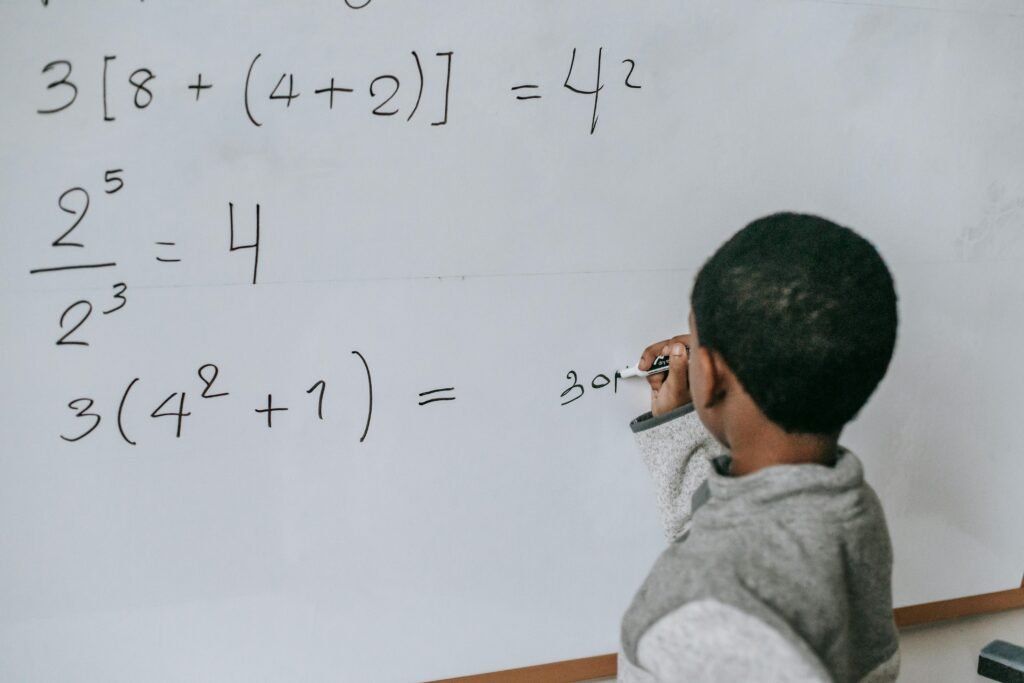
Homework-free nights are not lazy nights. They are smart nights. When kids get one calm evening with no worksheets, no last-minute projects, and no late screens, their brains rest, reset, and get ready to learn more the next day. This is not a guess. It is what research on sleep, stress, and memory tells us over and over. When the brain is not tired and the mind is not tense, focus goes up, mood gets better, and learning sticks. A quiet night gives the body time to recover. It gives the brain time to clean out waste and file memories. It gives the heart time to slow down. The next morning, kids walk into class awake, steady, and ready to think.
1) Teens need 8–10 hours of sleep nightly for optimal learning
Teen brains are still wiring and pruning. That work happens best during deep sleep and REM sleep. When a teen gets between eight and ten hours, the brain can finish its nightly repair job. It clears waste, balances mood, and locks in new skills.
With less sleep, the brain does not finish the job. Focus drops, memory slips, and the morning feels like walking through fog. You may see it in small ways first. Notes look fine at night, but answers stall in class. A simple math step gets skipped.
A friendly chat turns tense. Over time, the gap grows. The good news is that sleep is a lever the family can pull without buying anything new. It is about timing, light, noise, and simple routines that repeat.
Start by setting a fixed wake time that matches the school day, then count backward nine hours. That is the lights-out target, not the start of the routine. Teens need about forty-five to sixty minutes to wind down.
Make a short, simple arc that repeats every night. Dim the lights. Put the phone to charge in a hallway or kitchen. Take a warm shower. Read a light, paper book. Keep the bedroom cool and dark. Morning light also matters. A burst of daylight soon after waking sets the body clock and makes it easier to fall asleep that night.
After school, keep caffeine low. Energy drinks and large iced coffees stick around for hours and can push sleep later. If your teen has late practice, plan a small, protein-rich snack after, not a heavy meal. A calm stomach sleeps better.
If homework is heavy, use a timed sprint earlier in the evening and cut it off thirty to sixty minutes before bed. Brains learn better when they stop on time than when they push past midnight.
If your teen struggles to fall asleep, try a fifteen-minute pre-bed worry download. Ask them to write down tasks and small next steps, close the notebook, and leave it by the bag for the morning. This tells the brain that nothing will be lost overnight.
If late-night phone fear is real, set up a family charging station in a shared spot and make it a house rule. Put your own phone there too. Teens follow what we do. At Debsie, we match homework load to a healthy bedtime.
Our live teachers guide short, focused practice so students can close the books earlier and show up sharp. If you need help building this rhythm, book a free class and we will walk your teen through a sleep-smart study plan that fits your school schedule.
2) Children (6–12 years) need 9–12 hours of sleep nightly for optimal learning
School-age children need even more sleep than teens. Their bodies are growing fast, and their brains are laying down core skills for reading, math, and social life. Nine to twelve hours gives them enough deep sleep for growth and enough REM sleep for memory.
When kids get this full dose, they wake up cheerful, move with ease, and pick up new ideas quickly. You know the flip side. A child who slept short may drag their feet, forget their backpack, and get stuck on sounds or number facts they knew yesterday.
Short sleep also adds stress to the family. Mornings feel rushed. Even small asks turn into resistance. Protecting a long sleep window is one of the kindest choices you can make for a child and for your home.
Build an evening that moves like a quiet river. Keep the steps in the same order every night so the body learns the cues. After dinner, aim for calm play, puzzles, drawing, or a slow walk. Turn big screens off an hour before bed and swap to warm lamps.
Give the mind a place to land with a simple ritual. It can be teeth, bath, pajamas, two stories, and lights out. Many kids fall asleep faster if they hear the same calm song or short gratitude line each night. If bedtime fights are common, start earlier by fifteen minutes for a week.
Children who are overtired often look wired. An earlier lights out can reset the cycle. If your child says they are not sleepy, let them rest and read a gentle book in bed. Keep the content light and the pages on paper. The goal is to make the bed a safe, cozy place that the brain links with sleep.
Mornings matter too. Bring light into the room as soon as you can. Offer a steady breakfast with protein to keep energy even. On weekends, try not to let bedtime and wake time drift more than an hour.
Large swings make Monday hard. If your child wakes in the night, keep the room dark and the voice soft. Guide them back with the same phrase each time. Repetition builds security. If worries keep popping up, use a tiny “worry box” by the bed.
Invite your child to draw the worry and slip it inside before lights out. This simple act frees the mind to rest. At Debsie, our teachers shape homework to fit these rhythms. Lessons are tight, playful, and done early, so kids can slide into sleep without a fight.
Join a free trial class and see how we teach in ways that protect the night and power the morning.
3) One hour less sleep can reduce next-day attention by ~10–20%
That missing hour is not small. It is the difference between steady focus and constant drift. In class, a ten to twenty percent drop in attention can look like missed steps, slow starts, and extra re-reads. It can turn a simple set of directions into a puzzle.
Over a week, small misses stack up. The child stops raising their hand. The teen tunes out and checks the clock. Many families try to solve this with more homework time the next night, but that often steals more sleep and makes focus worse.
The real move is to guard that one hour like a precious tool. If the day runs long, cut the workload, not the bedtime. The learning win comes from a rested brain, not from one more late worksheet.
Take a hard look at the one to two hours before lights out. Map where the minutes go. You may find small leaks that add up to that lost hour. Maybe it is a long scroll after homework. Maybe it is a late snack that turns into a full meal.
Maybe it is a shower that starts too late. Shift these steps fifteen minutes earlier across the board and you will find time. If sports end late, pack the bag, lay out clothes, and prep a quick breakfast before practice so the post-practice routine is short.
If school sends heavy tasks, use a tight study block right after a snack in the late afternoon when energy is higher. Stop on time and review tricky parts for five minutes in the morning. Morning review after sleep is far more efficient than tired eyes at night.
Make choices that remove friction. Keep chargers outside bedrooms and set devices to night mode at sunset. Use a small lamp by the bed and keep the room cool. If your child says they need the phone for an alarm, buy a simple alarm clock.
If your teen worries about missing messages, set a household rule that urgent issues go through you after a set time, and that friends will learn the boundary. After a week of full sleep, sit with your child and ask what they notice. Many feel calmer in class and more confident raising a hand. Show them the link between choices at night and wins at school.
This builds pride and keeps the habit going. Debsie can help close the gap too. Our live sessions teach short, focused routines and stop on time. We make it normal to protect the hour that makes the morning work. If you want a plan tuned to your child, book a free class and we will build it together.
4) Memory for material studied before sleep is ~20–40% better than after equal time awake
Sleep is not just rest. It is study time the brain does on its own. When your child learns a new idea and then goes to sleep, the brain replays it, sorts it, and strengthens it. This is why study before bed often sticks better than the same study done much earlier with no sleep after.
The gap can be large, around twenty to forty percent better recall. For a student, that could mean turning a shaky answer into a correct one, or moving from guessing to knowing. The key is not to cram.
The key is to do a short, calm review close to bedtime and then protect a full night of sleep so the brain can finish the job.
Build a fifteen-minute “last look” habit. Keep it simple and light. For vocabulary, read each word, cover it, and say the meaning out loud. For math, redo two to three sample problems step by step. For science, explain one process in plain words as if you are teaching a friend.
Stop while it still feels easy. Close the book, set the bag by the door, and start the wind-down routine. The rule is no new learning and no hard tasks right before sleep. Only easy review. If your child enjoys drawing, ask them to sketch one key idea from the day and label it.
This helps visual memory without raising stress. If your teen uses flashcards, cap the set at ten. Shuffle, recall, and then stop. The goal is not to chase perfection. It is to hand the brain a neat bundle to file at night.
The next morning, ask for a sixty-second recap over breakfast or on the ride to school. Short recall after sleep stamps in memory even more. If the recap is rough, smile and ask for one strong detail, then move on.
Do not turn mornings into tests. If a topic needs work, schedule a short, focused block in the afternoon. At Debsie, we design lessons with this sleep cycle in mind. We teach, we pause, and we guide a tiny bedtime review so gains stick.
If you want a simple template for your child’s last look, join a free class and we will share a plan that fits their grade and subject mix.
5) A 10–20 minute nap boosts alertness by ~10–15% the next day
Short naps are not lazy. They are a smart tool for recovery, especially after a tough day or a late night. A nap of ten to twenty minutes can raise alertness by about ten to fifteen percent. That small lift helps with focus, mood, and reaction time.
The trick is to keep naps short and early. Long naps can make night sleep harder and leave kids feeling groggy. A well-timed “power nap” is like a gentle reset button that sets up a better evening routine and a stronger next day.
Pick a quiet spot and set a timer for fifteen minutes. Have your child lie down, close the eyes, and rest. If they do not fall asleep, that’s fine. Quiet rest still helps. Keep the nap window between 1:00 and 4:00 p.m. Nap too late, and bedtime will slide.
Dim the room, lower noise, and keep blankets light so waking feels easy. If your child plays a sport after school, place the nap right after a small snack and before practice. For teens, teach them a simple breathing pattern to drop into rest faster.
Try four seconds in, six seconds out, for two minutes, then let normal breathing return. If they wake up groggy, bring in light and movement right away. A splash of water on the face, a stretch, and a glass of water pull the brain into gear.
Use naps strategically after travel, exams, or late events. If a child is short on sleep by an hour or two, a short nap can smooth the evening and prevent a late crash that derails the night routine. Do not use naps to make up for chronic short sleep.
They are a bridge, not a substitute. Keep weekends steady. If your child naps daily and struggles to fall asleep at night, taper naps by five minutes every few days until night sleep stretches again.
Debsie coaches help students learn when to rest and when to review so that both work together. Ask for a free session and we will map a nap-and-study rhythm that keeps your child bright without pushing bedtime.
6) Sleep loss of 2 hours can slow reaction time by ~20–30% the next morning
Two lost hours may not sound like much, but to the brain it is huge. Reaction time can slow by twenty to thirty percent, which affects everything from catching a ball in gym to reading a teacher’s notes in real time. Slow reaction time also makes class feel harder.
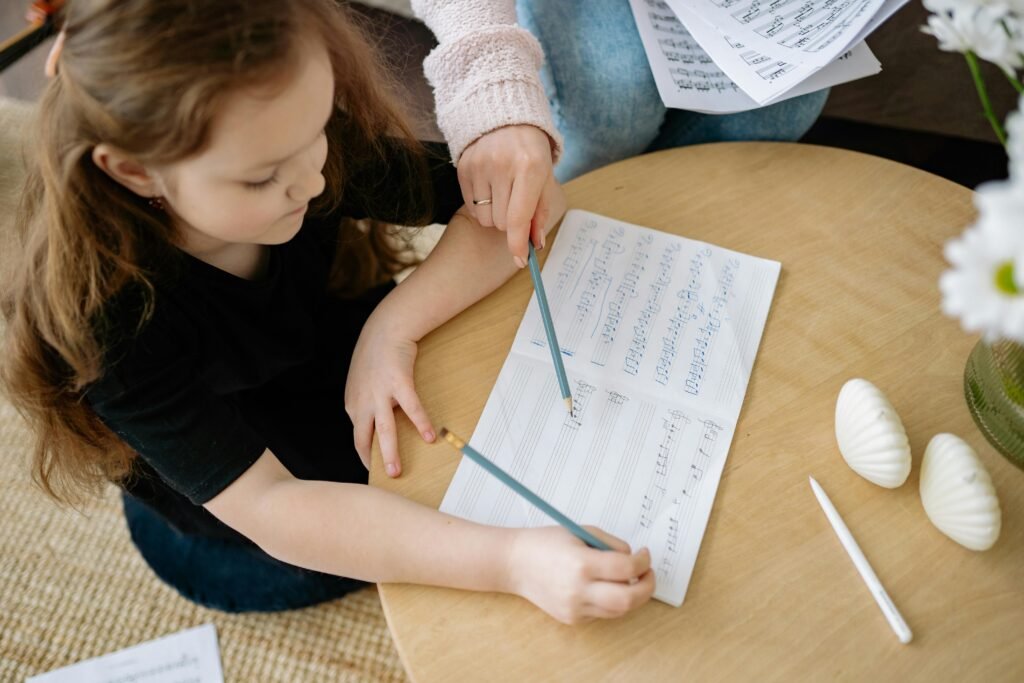
When the teacher asks a question, the answer sits just out of reach. The child knows it, but their mind moves like syrup. This slow-down can knock confidence and start a rough cycle. The fix is not more pressure. It is better protection of sleep and smart schedule choices that make school mornings feel clear again.
Start by guarding the last hour before bed. Think of it as a no-rush zone. Prep the backpack, lay out clothes, and pack lunch earlier in the evening so nothing steals minutes later. If activities run late, trim screen time rather than trimming sleep.
Set an alarm not just for waking but for starting the wind-down. Many families do well with a gentle chime at the same time each night to start dim lights and quiet voices. For teens, set a hard stop on homework and stick to it.
If work is not done, write a short note to the teacher, go to bed, and discuss a new plan in the morning. Most teachers prefer a rested student over a late worksheet.
In the morning, build a smooth launch. Keep wake-up consistent, pull back the curtains, and add gentle movement like stretching or a short walk if time allows. Offer water and a simple breakfast with protein. Avoid high sugar.
It gives a fast jolt then a crash. If reaction time is key for a sport or a lab, plan a micro warm-up on arrival. Three deep breaths, a sip of water, and a quick recall of the first step of the task can make the brain feel faster. If your child often loses two hours to late study, Debsie can help.
Our lessons are tight and focused, with clear goals and quick feedback, so students finish earlier and sleep better. Book a free class and we will set up a plan that protects those two hours and returns speed to the morning.
7) Evening screen use within 1 hour of bedtime can delay sleep onset by ~30–60 minutes
Blue-rich light signals the brain to stay awake. Bright, fast-moving content tells the mind there is more to check. Together, screens near bedtime can push sleep back by thirty to sixty minutes. That is a huge loss over a week.
Families feel it as cranky mornings and slow starts. The answer is not to ban all tech. It is to design the evening so the brain gets a clear message that night has come and nothing urgent is happening online. When this message is strong, sleep comes faster, nights are calmer, and mornings feel kinder.
Create a one-hour screen-free zone before lights out. Move phones and tablets to a charging station in the kitchen or hallway. Make this a family habit, not a punishment for kids. Swap bright ceiling lights for warm lamps.
Offer simple activities that feel good. Paper books, drawing, puzzles, journaling, or a calm board game all work. If your teen needs to text friends, set a “last check” five to ten minutes before the screen-free hour begins.
This helps them close loops and reduces fear of missing out. Use night mode on all devices from sunset, and set app timers that end well before bed. If homework is online, print key pages earlier or switch to a paper review for the last block of study.
If your child pushes back, give them a fair trial period. Try the screen-free hour for seven nights and ask them to notice morning mood, focus, and energy. Many teens admit they feel better and fall asleep faster by the third or fourth night.
If late-night scrolling is hard to stop, replace the habit with a short, pleasant ritual. Tea, a shower, lotion with a calming scent, a favorite song, and a short read give the hands and mind something to do. Keep the bedroom dark and cool.
Use blackout curtains if streetlights are bright. At Debsie, we teach students to set their tech in a smart way. We include quick phone hygiene steps in our study plans, because better sleep is a study skill. If you want a simple family tech plan that fits your home, try a free class and we will tailor one for you.
8) High schoolers report ~2–3 hours of homework on typical school nights
Two to three hours sounds normal, but it is a heavy load when you add sports, clubs, commutes, family time, and the basic human need to rest. By the time dinner ends, a teen may be staring at a long to-do list with only a small slice of night left.
This often leads to late starts, rushed work, and short sleep. The answer is not endless grit. The answer is structure that turns a big block into short, clear bursts. When work is tight and timed, the brain stays fresh, errors drop, and bedtime stays safe.
Teach the rhythm of plan, sprint, pause, and stop. Start with a two-minute overview. List tasks, mark the true due dates, and circle the first concrete step for each. Set a timer for twenty-five minutes and work on the hardest item first.
When the timer ends, take a five-minute break away from the desk. Stand, sip water, and stretch. Run two to three of these cycles, then switch subjects to refresh the mind. Avoid mixing tasks during a sprint. One focus, one timer. If a task will take more than two sprints, split it into chunks and close one chunk tonight.
If the brain is fading, choose to stop rather than push into the sleep hour. A rested teen does better tomorrow than a tired one who forced another half page at midnight.
Keep tools simple. A paper checklist, a clock, and a quiet desk beat a dozen apps. Use the school portal once to gather tasks, then close it. Keep the phone in another room and place a sticky note nearby to capture thoughts that pop up.
This prevents distraction without fear of forgetting. At Debsie, our live teachers guide this method inside class so less needs to happen after dinner. We build strong habits and keep the load light.
If you want help cutting a two-hour slog into crisp sixty-minute work that ends on time, book a free class and we will show your teen how.
9) On nights with no homework, average bedtime occurs ~30–60 minutes earlier
A homework-free evening removes the mental buzz that keeps kids up. Without a screen-heavy research task or a last-minute essay, the house gets quieter earlier. Bedtime can move up by half an hour to a full hour without any push.
This shift gives the body more time to power down and the brain more time to drift into deep sleep. The goal is to design the whole evening so this natural pull toward an earlier bed actually happens, and does not get filled by new, loud activities.
Create a simple recovery plan for homework-free nights. Keep dinner calm and finish dishes early. Turn the lights lower sooner. Invite easy, low-stress fun. Try a walk, music, light reading, drawing, or family chat. If your child asks for screens, keep them brief and end them at least an hour before bed.
Offer a small, warm snack that does not sit heavy. Toast with nut butter or yogurt with fruit works well. Start the wind-down routine earlier than usual by the exact number of minutes you want bedtime to move up. If bedtime is normally at ten, and tonight is a no-homework night, begin the routine at eight forty-five or nine. Make it a clear family plan so there is no mix-up.
Use these earlier nights to reset after busy weeks. If your child has a late game on Thursday, schedule Friday as a homework-free recovery evening. Communicate with teachers when needed. Many are open to adjusted plans when they see a family protecting health.
Help your child notice the comfort of an earlier lights-out. Ask them how the next morning felt. Let them connect the dots. At Debsie, we build recovery nights into our course pacing. We teach richly, then give space to sleep and grow.
Join a free session to see how our cycles free up your evenings without hurting progress.
10) Earlier bedtime increases total sleep by ~30–75 minutes on homework-free nights
Moving bedtime up does more than shift the clock. It adds real, deep sleep. An extra half hour to an hour and a quarter is a big gain for a growing brain. That added time often lands in the richest stages of sleep, the ones that clean the mind and file memories.
On a homework-free night, the body is not flooded with stress hormones from last-minute tasks. It lets go faster. The room gets quiet earlier. And total sleep climbs. This is the core of recovery. More sleep tonight means a clearer head and steadier mood tomorrow.
Make earlier bedtime feel like a treat, not a rule. Build a gentle, repeating set of steps that your child likes. Warm shower, cozy pajamas, a favorite book, and a short chat about one good thing from the day. Keep the room darker than usual earlier.
Use a small lamp and close curtains before the routine starts. Keep the temperature cool. If your child tends to stall, give choices inside firm limits. Ask if they want to read for ten minutes or listen to one song, then lights out.
Choices give control while still moving toward sleep. If your teen studies best at night, shift a small review to morning when the brain is fresh, and protect the earlier lights-out.
Track sleep for a week when you try this. Note bedtime, wake time, and morning mood. Many families see that adding forty-five minutes of sleep changes the whole tone of the day. Breakfast is calmer, the ride to school is smoother, and first period feels possible.
Celebrate these small wins. They teach that recovery is not wasted time. It is a smart investment. Debsie courses are designed so students can finish strong and shut down early. Our teachers coach the rhythm of earlier nights before big learning days.
Want a custom plan for your week? Book a free class and we will map bedtime shifts to your schedule.
11) Each additional 30 minutes of sleep can improve next-day working memory by ~5–10%
Working memory is the brain’s notepad. It holds numbers while you solve a problem, keeps track of steps in a lab, and helps you follow a long sentence. It is one of the first things to drop when sleep runs short. The upside is clear.
Add thirty minutes of sleep, and that small pad gets bigger by five to ten percent. In class, this looks like smoother math, fewer lost steps, and better note-taking. In life, it looks like remembering what to pack, what to say, and what to do next without getting flustered.
To earn those thirty minutes, trim friction, not learning. Set a start time for homework right after a snack, and end with a brief review rather than a long push. Prep for morning the night before. Pack the bag, set out clothes, and place shoes by the door.
Keep the path to bed free of last-minute decisions. If your child tends to remember things at night, keep a small notepad by the bed to jot the thought and let it go. Use warm, steady cues.
A lamp, a calm voice, and the same steps every night tell the brain that sleep is safe now. If anxiety keeps thoughts spinning, try a simple breathing pattern or a short body scan, starting from toes and moving up, naming each part and letting it relax.

In the morning, ask your child to walk you through a quick plan for the first class. This uses the stronger working memory the extra sleep gave them. Keep it light and supportive. If they notice that class felt easier, praise the choice that made it happen.
This builds a loop of smart action and good results. Debsie teachers build working-memory wins into lessons with short recall moments, step labels, and clear check-ins. When students sleep more, these tools shine.
If you want help finding that extra half hour without stress, sign up for a free session and we will show you how to build it into your home.
12) Perceived stress is ~20–40% lower after a homework-free evening
Stress rises when the brain has too many open loops. Homework adds loops. A homework-free evening closes those loops and tells the body it is safe. Heart rate slows. Muscles relax. Worry thoughts fade.
When stress goes down, kids speak kinder words, think more clearly, and sleep more deeply. The next day, they walk into class with a calm mind that can plan, listen, and recall. This is not soft. It is smart. A rested, calm brain is a better learning engine.
Design the evening so calm arrives early. Start with a clear family message after school: tonight is a no-homework night. Say the plan out loud so no one is waiting for the other shoe to drop. Keep transitions simple. Eat dinner at a steady time.
Use soft light and fewer choices. Offer two relaxing options and let your child pick. A bath or a book. A walk or a card game. Keep the phone away and the TV short. If your child needs movement to settle, do ten minutes of easy play after dinner, then shift to quiet.
Try a short family check-in where everyone shares one good thing and one small win from the day. This helps the brain close the day with pride instead of worry.
Add a brief reset ritual before bed. Two minutes of slow breathing, a warm drink, and a kind phrase can become a cue that turns stress down each night. If your child carries a big worry, write it down together and agree on one next step for tomorrow.
Place the paper by the backpack and let the night be clear again. At Debsie, we plan recovery evenings into our weekly flow so students get real rest and arrive at live class ready. If you want help shaping calm routines that fit your home, join a free trial and we will map it with you.
13) Next-day mood ratings improve by ~10–25% after a low-stress evening
Mood sets the tone of learning. A better mood makes a child braver to try, steadier when stuck, and kinder with peers. A low-stress evening lifts next-day mood by a meaningful amount. Kids smile more, move faster, and take feedback without feeling hit.
This is the perfect state for growth. Joy does not replace hard work. It powers it. When a child feels good, they invest. They repeat. They finish. They remember.
Craft a mood-friendly evening with three parts. Start by meeting basic needs early. Good food, water, and a short burst of movement cut the edge off crankiness. Continue with a pocket of fun that fits your child’s style. It can be music, drawing, building, or gentle play. Keep it short and sweet.
End with soothing steps that signal safety. Dim lights, a warm shower, and a story or quiet talk create ease. Use warm words that point to effort, not labels. Say you worked hard on that reading, not you are so smart. This helps kids face tomorrow with courage rather than fear of slipping.
In the morning, reflect the mood you want to see. Greet your child with eye contact and a small smile. Avoid loud news or rushed demands. Offer a steady breakfast and one simple plan for the first class. If a grumpy moment pops up, keep your voice even and return to the plan.
Consistency calms the nervous system. Over a week of low-stress evenings, watch how mood and effort lift together. Share the wins with your child so the loop becomes clear. At Debsie, our teachers speak in a calm, warm tone and shape small wins into confidence.
If your child needs a safe place to rebuild mood and skill at the same time, book a free class and see how we teach.
14) Morning sustained attention (vigilance) improves by ~10–20% after full sleep
Sustained attention is the ability to keep the mind on the task for a long stretch. It is what helps kids listen through a full lesson, read a chapter, or finish a lab without drifting. Full sleep gives this skill a lift of ten to twenty percent.
That is the difference between catching all the steps and missing the link that makes everything else hard. The fix is not to force longer study blocks. The fix is to refuel with sleep and then use the morning window when the brain is sharp.
Build a gentle but exact morning launch. Wake at the same time daily, pull in daylight right away, and add a minute of light movement to switch on the system. Keep breakfast balanced with protein and slow carbs so the brain has steady fuel.
Pack the bag the night before so the mind is free for school. If your child has a tricky class first thing, plan a sixty-second preview at breakfast. Ask them to name the topic, one key step, and one question they will listen for. This small act anchors attention before they walk in.
Teach your child to use micro-resets in class. If focus starts to fade, one deep breath, a posture change, and a quick note of the key term on the margin can bring the mind back. Encourage short water sips to keep energy even.
If a lesson loses them, ask the teacher for the anchor idea and rebuild from there at home. Use the first fifteen minutes after school, when recall is fresh, to summarize the lesson in simple words. This practice strengthens attention for the next class.
Debsie classes are timed to match natural attention waves. We teach in clear chunks with short resets and strong openers, so students stay with us. If you want your child to feel that ten to twenty percent lift every morning, come try a session and feel the difference.
15) Students with ≥8 hours sleep show ~5–15% higher quiz accuracy the next day
Sleep is study. It turns practice into performance. When students cross the eight-hour mark, quiz accuracy climbs. The brain retrieves facts faster, steps line up, and careless mistakes fall away. This is not magic. It is biology.

Sleep strengthens memory paths and clears mental noise. With eight hours, a quiz feels like a fair test of what the child truly knows. With short sleep, the same quiz feels unfair because the brain cannot show its best work.
To lock in this gain, build a simple pre-quiz routine the night before. Do a light review, not a heavy push. Answer a few sample questions, explain one idea aloud, and stop while still fresh. Pack tools and set clothes out. Set bedtime to protect eight hours and start the wind-down on time.
Skip late caffeine. Keep screens off for the last hour. Use a calm phrase at lights out to tell the mind it can rest now because the work is done. If worry pops up, write a tiny plan for the morning and let the night go quiet.
On quiz day, wake at the usual time. Bring in light, sip water, and eat a small breakfast with protein. On the way to school, do a sixty-second mental warm-up. Recall three key facts or steps without looking. This primes the brain without stress.
During the quiz, teach your child to mark the easiest items first to gather early points and confidence, then return for the hard ones. If time allows, recheck only the places where they often slip, such as signs in math or units in science.
After the quiz, no matter the score, tie back to sleep. Ask how their mind felt and note any link to bedtime. Over a few weeks, most kids see the pattern and choose sleep without a fight. At Debsie, we plan practice so students can sleep on it and show gains the next day.
If you want a pre-quiz template that fits your child, try a free class and we will build one together.
16) Spaced study + full sleep yields ~15–25% higher retention at 24 hours vs cramming
Cramming feels powerful because it is fast and intense, but the gains fade. Spaced study with a full night of sleep turns the same effort into lasting memory. When your child studies in short, planned sessions, then sleeps, the brain strengthens the freshest paths and prunes the noise.
Twenty-four hours later, recall is clearer by a large margin. This is how students move from “I think I know it” to “I can teach it.” The formula is simple. Learn a little, rest, review a little, rest again. Over a few days, the material moves from fragile to solid.
Build a three-touch plan for any topic. The first touch happens earlier in the day or right after school. Keep it focused and short. Learn the core idea, not every detail. The second touch is a light evening review, just ten to fifteen minutes, ending at least an hour before bed.
Close with one aloud explanation or two practice items. Then sleep. The third touch is a quick recall the next morning or during the first free minute at school. Ask your child to say the steps without notes. If they stall, peek once, then try again. That cycle alone can lift retention more than any late-night push.
Keep each touch clean. No multitasking. Phone out of the room. Work at a table, not in bed. Switch subjects after one or two short blocks to give the brain variety without overload. If a test is days away, spread the touches across the week.
Use a wall calendar or a simple sheet to mark when each tiny session will happen. This takes less time than one long cram and protects bedtime. At Debsie, we teach in tight loops that pair spaced practice with sleep.
Our live classes include quick next-morning check-ins so gains stick. Want a ready-made spaced plan for your child’s current unit? Book a free class and we will map it in ten minutes.
17) Physical activity of ≥60 minutes in the evening increases sleep efficiency by ~5–10%
Kids who move sleep better. An hour of active play, practice, or a brisk walk helps the body settle into deeper, more continuous sleep. Sleep efficiency is the share of time in bed spent actually sleeping.
When efficiency rises, kids fall asleep faster, wake less, and feel more restored. The key is the kind of movement and its timing. Intense sprints right before bed can be too stimulating. Steady activity that ends at least an hour before lights out is ideal.
Plan evening movement like a gentle ramp, not a spike. After school, offer a snack with protein and water, then head outside. If your child has sports, encourage a proper cool-down after practice to help the body switch gears. If there is no practice, create a family habit.
Take a neighborhood walk, kick a ball, shoot hoops, dance in the living room, or ride bikes. Aim for variety through the week so different muscles work and boredom stays low. If your child resists, let them pick the playlist or the route.
Small choices make buy-in stronger. Keep screens off during this hour so the brain enjoys real break time.
After movement, shift the environment toward calm. Lower lights, quieter voices, and a warm shower signal the nervous system to downshift. Offer a light evening snack if needed, something easy to digest. Avoid large amounts of sugar or heavy fried foods that can unsettle sleep.
If homework still remains, keep it short and concrete. Do one small task, close it, and begin the wind-down on time. Over a week, notice how this rhythm changes mornings. Many families find that the extra sleep quality leads to easier wake-ups, fewer arguments, and better focus in first period.
Debsie classes fit around activity, not against it. We help students plan workouts and study blocks so both support sleep. Try a free session and we will build an active-evening routine that your child enjoys and that bedtime loves.
18) Late-evening heavy cognitive load increases sleep onset latency by ~15–30 minutes
When the brain tackles hard tasks late at night, it stays on high alert long after the work ends. That alert state delays sleep by fifteen to thirty minutes or more. You may see a child finish a tough essay and then stare at the ceiling, mind buzzing.
The fix is to move heavy cognitive load earlier and leave the late evening for lighter tasks or calm review. This change protects bedtime and gives the brain enough runway to slow down.
Sort homework by brain demand. Put deep writing, complex problem sets, and dense reading into the first block after a snack. Follow with a break that includes standing, stretching, and water. If the load is still large, add a second block but cap the night with fifteen minutes of easy review or organization.
Save tasks like packing the bag, checking the calendar, or reading a light chapter for the last part of the evening. Treat the final sixty minutes like a soft landing. Dim the lights. Reduce screen exposure. Use warm lamps and quiet music if it helps.
Encourage a warm shower to drop body temperature afterward, which supports sleep.
If late activities push everything back, adjust the plan, not the bedtime. On late-practice nights, skip new learning and do only the easiest items, then sleep. Move heavy tasks to the next afternoon and inform teachers if needed.
A short note that explains the schedule shows responsibility, not avoidance. Teach your child a quick mental off-ramp. After closing the book, write down tomorrow’s first step on a sticky note, say out loud that the brain can rest now, and place the note by the backpack.
This tiny ritual turns off the “don’t forget” alarm that keeps minds awake. Debsie coaches help students build these ramps inside our courses so learning is strong and sleep comes fast. If you want a custom evening flow that protects lights-out, book a free class and we will shape it with your schedule.
19) Reducing evening workload by 60 minutes lowers next-day fatigue reports by ~20–30%
Fatigue is not just feeling sleepy. It is that heavy, foggy state that makes simple tasks feel hard. When families trim one full hour from evening work, kids often report far less fatigue the next day. The brain gets more time to cool down.

Begin with a five-minute plan right after school. Sort tasks into must-do and can-wait. Must-do items are due tomorrow or build a base for the week. Can-wait tasks move to a short, focused block the next afternoon.
When the evening comes, set a firm end time that is sixty minutes earlier than usual. Work in two short sprints with a real break in between, then stop. If your child has a long reading, read the first section with high focus, then switch to a light recap and mark the rest for tomorrow.
If a project is due soon, identify a single piece to finish tonight, like the outline or the diagram, and leave the rest.
Protect the new free hour. Do not fill it with bright screens. Use it to start the wind-down. Dim lights, warm shower, quiet talk, light snack, and an early pillow. If your teen worries about falling behind, teach them to write a clear note to the teacher when a genuine conflict happens.
Most teachers value honest planning over half-asleep work. The next morning, ask your child to notice how their body feels. Many will say their head is lighter and their mood is steadier. Tie that win to the hour you saved.
At Debsie, we keep homework lean and targeted so students can claim this hour on most nights. Want a custom cut-down plan that still keeps grades strong? Book a free class and we will build it with your family.
20) Headache frequency the next morning drops by ~15–25% after a low-stress evening
Morning headaches can come from tight muscles, dehydration, late screens, and short sleep. A calm evening chips away at each cause. When stress is lower, shoulders relax, jaws unclench, and breathing slows. Kids drink water instead of grabbing one more soda. Lights dim earlier, which helps the brain release melatonin. Sleep comes sooner and lasts longer. Together these small changes can reduce morning headaches by a meaningful amount, which makes first period and bus rides far more bearable.
Create a gentle hydration habit after school. Offer water with a snack and again with dinner. Limit caffeine after mid-afternoon. Swap sugary drinks for water with fruit slices if your child needs flavor. Encourage gentle stretching in the evening, especially for the neck and shoulders. A warm shower followed by a short stretch can loosen tight spots that trigger headaches. Keep screens off during the last hour and turn on night mode before sunset. Lower the volume of evening tasks. Save loud games and heated debates for weekends.
Set the bedroom for sleep success. Cool air, dark curtains, and a simple, tidy bed help the brain relax. If your child grinds teeth, speak to your dentist about options. Teach a brief relaxation routine right before lights out. Slow breaths in through the nose and out through the mouth, counting four in and six out, helps the nervous system settle. If your child often wakes thirsty, place a small glass of water on the nightstand to sip if needed. In the morning, open curtains quickly to let daylight cue the brain that it is time to wake. Offer a light breakfast with protein and avoid a high-sugar rush. Track headaches for two weeks as you apply these steps. You will likely see the drop. At Debsie, we combine calm study rhythms with recovery nights so students show up clear-headed. Try a free class and let us help you set a routine that keeps headaches away and learning strong.
21) Morning class tardiness falls by ~10–20% following nights with adequate sleep
Late arrivals often begin the night before. When bedtime slides, wake-up is a fight. Small delays stack up. Shoes go missing, bags are not packed, and the car leaves late. Adequate sleep changes the whole chain. Kids wake on time, move faster, and make fewer mistakes. They feel less fragile, so small hiccups do not turn into big stalls. Over a month, those steady nights can cut tardiness by a real margin, which protects learning time and lowers school stress.
Build the night-to-morning bridge. Pack the backpack, sign forms, and set out clothes right after dinner. Place shoes by the door and prep lunch early. Keep keys and water bottles in the same spot every day. Set two alarms if needed, one to start the wind-down and one to wake. Make the wake tone gentle but firm. When the alarm rings, lights go on and curtains open. No snooze. A glass of water by the bed speeds up the shift from sleep to alert. Keep breakfast simple and repeatable. Eggs, yogurt, or peanut butter toast give steady energy. Save big choices for later in the day so mornings stay smooth.
Agree on a departure time and make the clock visible near the door. Use time markers, not lectures. Say it is 7:20, shoes now, rather than hurry up. If your child loses time to the phone, place it in a family charging station after dinner and return it in the car.
If the bus is early, walk through the timeline the night before and adjust the routine. Celebrate on-time streaks with small, meaningful rewards, like choosing music in the car or picking Friday’s dinner. These wins build pride and turn punctuality into a habit.
Debsie schedules live classes with clear start cues and warm welcomes, which helps students practice on-time starts every week. Want help building a no-rush morning that sticks? Join a free session and we will set it up with you.
22) Students with consistent bedtimes score ~0.2–0.3 SD higher on attention measures
Consistency is a quiet superpower. When bedtime and wake time happen at the same hour daily, the body clock locks in. Hormones rise and fall on schedule. The brain expects sleep and brings it fast.
This steady rhythm shows up in attention tests, where children with regular bedtimes score meaningfully higher. In real life, that means fewer lost steps, smoother note taking, and better listening through a full lesson. It is not about going early every single night.
It is about going at the same time most nights so the brain trusts the pattern.
Start with your school wake time and build backward. Choose a lights-out time that protects the right number of hours for your child’s age. Post the plan where everyone can see it. Keep the steps identical, even on weekends, within about an hour.
After dinner, follow the same order every night. Pack the bag, set out clothes, shower, read, lights out. Use the same phrases to mark each step. A simple repeat like reading time now tells the brain what comes next.
If a night runs late, keep the routine, but shorten each step rather than skipping them. The brain cares more about the order than the length.
Give your child two or three tiny choices inside the routine. Do you want the blue book or the red book. Do you want to shower before or after you pack. Choices build ownership while keeping bedtime fixed. In the morning, wake at the same time, bring in light, and move right away.
If weekends drift late, pull them back in fifteen-minute steps until you are within the one-hour window again. Track focus for two weeks. Ask your child how first period feels. Many will notice they can hold their mind on task longer and with less effort.
At Debsie, our live classes teach in crisp blocks that pair perfectly with set bedtimes. We help families stick to a rhythm that drives attention up without stress. Book a free class and we will tune a schedule that fits your home.
23) Evening caffeine within 6 hours of bedtime can reduce total sleep by ~30–60 minutes
Caffeine is a sneaky sleep thief. It blocks the chemical that makes the brain feel sleepy, so even if your child lies down on time, true sleep may start much later. Drinks like sodas, iced coffee, energy drinks, and even strong tea can push sleep back by half an hour to an hour or more when taken late.
That lost time rarely shows up as extra morning energy. It shows up as a heavy head and a short fuse. The fix is simple and kind. Put caffeine on a curfew and offer fun, tasty swaps that do not hurt sleep.
Set a firm stop six hours before lights out. If bedtime is ten, the last caffeinated drink should be no later than four. Earlier is better. Help your child notice hidden caffeine in chocolate, certain teas, and pre-workout powders.
Read labels together and treat it like a team project. Offer easy replacements that feel special. Sparkling water with lemon, fruit-infused water, caffeine-free iced tea, or warm milk with a dash of cinnamon can all become evening treats.
Pair drinks with a small protein snack to keep blood sugar steady and prevent late-night hunger.
If your teen insists they need caffeine to finish homework, reset the study plan. Move hard tasks earlier, use tight twenty-five minute sprints, and stop on time. Brains work better and faster with sleep than with late-night caffeine.
For athletes, plan hydration and nutrition around practice so energy is steady without energy drinks. If a slip happens, keep screens off, dim lights, and add a longer wind-down to help sleep still arrive. In the morning, skip the giant coffee and go for water, light exposure, and movement first.
At Debsie, we build caffeine-smart study plans and show students how to feel alert without hurting sleep. Join a free session and we will map a no-caffeine-after-four rule into your week in a way your child can actually keep.
24) Short, relaxed reading (15–20 minutes) before bed improves sleep onset by ~10–20%
A calm story is a bridge to sleep. Fifteen to twenty minutes of relaxed reading lowers arousal, slows breathing, and gives the mind a gentle focus. When the book closes, sleep often comes faster, by a real margin.
This is especially helpful for kids who feel wired after a busy day. The key is to make reading light, pleasant, and off-screen. Bright tablets and fast scrolling defeat the purpose. Paper pages and warm lamps invite the brain to let go.
Build a simple pre-bed reading ritual. Keep the book easy, fun, and a little predictable. This is not test prep. It is a cozy close to the day. Let your child choose the title within friendly limits. If they struggle to start, read the first page together, then hand the book over.
Keep the lamp warm and the room dim. Use the same chair, blanket, or pillow to build a cue that tells the brain it is time. End on a mini-cliff or a favorite line so your child looks forward to tomorrow’s pages instead of chasing one more chapter tonight.
If your child is learning to read, pair shared reading with whisper reading. You read a line, they echo softly. This keeps the pace calm and the pressure low. For teens, magazines, light nonfiction, or graphic novels work well.
The goal is ease, not rigor. Place the phone in another room and set a real bookmark before you begin. When the reading window ends, close the book, breathe slowly for thirty seconds, and turn off the light. Track how long it takes to fall asleep for a week.
Most families see the drop in sleep onset delay and the rise in morning calm. Debsie teachers often assign joyful pre-bed reading to guard sleep while still building language. If you want a short list of sleep-friendly titles for your child’s age, book a free class and we will share picks that match their interests.
25) Families report ~20–35% more shared time on homework-free nights
When homework steps aside, time appears. Families talk more, laugh more, and solve small problems before they grow. This shared time builds trust and safety, which lowers stress for kids and parents.

Children who feel close at home bring that calm into class. They try harder, bounce back faster, and ask for help sooner. A homework-free night is not an empty space to fill with noise. It is a chance to connect on purpose and refill the tank together.
Plan a simple, repeatable evening that everyone enjoys. Eat dinner at the table and keep phones away. Ask a few open, easy questions that invite stories rather than one-word answers. What was the best small moment today.
Who did you help. Who helped you. After dishes, choose one shared activity that is light and kind. A walk, a puzzle, a card game, drawing side by side, or music in the living room all work. Keep it short enough that bedtime still moves earlier.
If siblings argue, split into pairs for a while and rotate partners next time. The aim is warmth, not perfect harmony.
Use this night to set gentle plans for the week. Look at the calendar, mark big days, and name one small way the family can help each person. Maybe it is an early drop-off, a quiet half hour for study, or help packing for practice.
End the evening with the same closing ritual, such as a shared gratitude or a funny memory from the past. These tiny anchors make kids feel held. When a child feels held, they learn better. At Debsie, we build courses that respect family time.
We keep homework lean so your home can be a place of rest and connection, not a second school. If you want help designing a homework-light week that opens space for family, try a free session and we will sketch it with you.
26) Next-day self-reported motivation to learn increases by ~10–20% after well-rested nights
Motivation is the spark that gets a child to open the book, ask a question, and try again after a mistake. Sleep feeds that spark. When kids wake with full energy, school feels doable. The brain expects success.
A rested child thinks, I can handle this, and that small belief changes everything. The lift in motivation after a good night may look like sitting straighter in class, starting tasks without a nudge, and staying curious a little longer.
You can build this lift on purpose by shaping evenings that end calmly and mornings that begin with small wins.
Start by making the last hour of the night gentle and predictable. Keep lights soft, voices low, and choices simple. Ask your child to name one thing they learned today and one thing they want to learn tomorrow. Writing that on a tiny card and placing it by the backpack links tonight’s rest to tomorrow’s goal.
Use a short, easy review well before bed, then close school talk and switch to light reading or quiet chat. If your child worries, do a two-minute plan for the first step they will take in the morning. This helps the brain let go.
In the morning, give motivation an early success. Ask your child to tackle a tiny, certain task, like reviewing three vocabulary words, reciting a formula, or sketching a quick diagram from yesterday’s lesson. Praise the effort and the focus, not talent.
Words like you stuck with it and you made a clear plan build a growth mindset that pairs well with strong sleep. Keep breakfast steady, pull in daylight, and get the body moving for a minute to wake up the system.
At Debsie, we design short, winnable challenges that meet students right after a good night’s sleep, so they feel progress from the first minute of class. If you want help building a nightly routine that grows next-day motivation, book a free class and we will set it up for your family.
27) Morning errors on simple tasks drop by ~15–30% after ≥8 hours of sleep
Careless mistakes are often not about care. They are about tired brains. When kids sleep eight hours or more, the brain filters distractions better and keeps steps in order. Math signs get checked. Units get written. Directions get followed the first time.
This drop in errors makes school feel fairer and boosts grades without extra study. To lock in this gain, build a pattern that protects bedtime, sharpens the morning, and teaches tiny checks that do not slow a child down.
Guard the last hour of the evening so sleep starts on time. Pack the bag early, set clothes out, and place needed tools by the door. Keep screens off for the final sixty minutes and dim lights to help the body release melatonin.
If homework runs late, write a note, stop, and sleep. The next morning, open curtains right away and sip water to clear the fog. Offer a simple breakfast with protein for steady fuel. Then add a thirty-second pre-class check ritual.
Ask your child to say out loud the first step they will take in the first subject of the day. Saying the step primes the brain to act with fewer slips.
Teach a fast double-check method that feels like a game, not a chore. In math, scan for signs and units. In writing, read the first and last sentence of each paragraph to see if they match the idea. In science, confirm labels before handing work in.
These micro-checks catch the big, easy-to-fix mistakes. Praise the habit, not just the score. Over two weeks of full sleep plus tiny checks, your child will likely notice fewer red marks for simple slips and more points earned for work they already understood.
Debsie teachers model these quick checks in class and keep homework lean so students can get to bed on time. Join a free session and we will show your child how to cut errors without adding hours.
28) Anxiety symptoms the next day are ~10–25% lower after a recovery evening
Anxiety often feels loudest at night. Big thoughts pile up and tell the body to stay on guard. A recovery evening does the opposite. It tells the nervous system that things are safe and that rest is allowed.
When the evening is calm and predictable, next-day worry drops. Kids feel steadier in their bodies and braver in class. They can listen, think, and speak without the jitter that steals focus. You can build this by using simple tools that quiet the mind and relax the body.
Set a steady rhythm for the last ninety minutes. Keep screens away, lights low, and tasks easy. Add a short movement piece, like stretching or a slow walk, to release tension. Follow with a warm shower to help the body cool toward sleep.
Use a short writing ritual called brain dump. Ask your child to spend two minutes listing worries and two minutes listing tiny next steps. Close the notebook and place it by the backpack. Tell the brain aloud, we have a plan; we will handle this tomorrow. This phrase becomes a nightly cue that turns the mind down.
Practice a two-minute breathing pattern that is easy to remember. Inhale through the nose for four, hold for one, exhale through the mouth for six. Repeat for eight to ten rounds. The long exhale lowers arousal and makes sleep more likely.
If your child likes sound, play a soft track or white noise to block sudden bumps. Keep the room cool and dark. In the morning, add one small choice your child controls, like picking the route to school or the first song in the car.
Small control lowers anxiety. At Debsie, we teach study skills and calm skills together. Our classes include brief steadiness moments that students can reuse at home. If you want a gentle plan that eases night worry and lifts next-day calm, take a free class and we will build it with you.
29) Students sleeping ≥9 hours are ~20–30% more likely to participate in class discussions
Speaking up in class takes courage and clear thinking. With nine or more hours of sleep, both rise. A rested brain finds words faster, tracks the thread of a lesson, and feels safe enough to raise a hand. This does not just help grades.
It builds voice, leadership, and social ease. Teachers notice who joins the conversation. Peers listen more when ideas are shared with calm. Over time, a student who speaks often starts to see themselves as a thinker, not just a test taker. That identity shift can change a school year.
Build a night that makes morning voice possible. Protect a set lights-out that gives at least nine hours in bed. Keep the last hour soft and steady so sleep starts on time. Turn off bright screens, dim the room, and switch to quiet reading or gentle conversation.
If thoughts race, write a one-line plan for tomorrow’s first class and close the notebook. This tells the mind it can rest now. In the morning, wake on schedule, bring in daylight, and move for one minute to shake off sleep. Offer water and a small protein breakfast to keep energy even.
Add a tiny warm-up for speaking. On the way to school, ask your child to explain one point from yesterday’s lesson in thirty seconds. Keep it light and praise the effort. This quick rehearsal primes the brain to share in class.
Encourage a first-hand goal each day, such as asking one clarifying question or adding one example to a discussion. After school, ask what they said and how it felt. Tie wins back to the sleep that made them possible. If your child is shy, remember that participation can be short and kind.
A simple I agree because or I noticed that works. At Debsie, we coach students to prepare a small thought before class starts, then we invite gentle, low-pressure sharing. This builds confidence fast. Try a free class and watch how the right sleep plus a simple speaking plan turns quiet students into steady contributors.
30) Homework’s average academic effect size is small (≈0.2–0.3), while adequate sleep shows medium effects on attention and memory (≈0.4–0.6)
Homework can help, but its average impact is modest. Sleep, on the other hand, makes a bigger difference to attention and memory. In plain terms, an extra worksheet late at night is less powerful than an extra hour of solid sleep.
This does not mean homework should vanish. It means we should right-size the load, protect the night, and choose tasks that give clear practice without stealing rest. When families put sleep first, grades do not drop. Often they rise, because the brain shows what it knows.
Design evenings with three smart rules. Keep homework tight and timed. Use two or three focused sprints, then stop. Place the hardest task first, when energy is highest. Close with a short, gentle review at least an hour before bed.
Protect a full sleep window that matches age needs, and keep bedtime regular across the week. Build a simple wind-down that repeats: pack, shower, read, lights out. Keep caffeine away in the evening, screens off for the last hour, and the room cool and dark.
Track results for two weeks. Note morning mood, focus in first period, quiz accuracy, and class participation. Most families see the pattern quickly. Less late grind, more rest, better days.
Talk with teachers about goals. Ask which small tasks matter most, and which can be adjusted on heavy nights. Most want rested students who think clearly, not tired kids who copy answers. At Debsie, we design homework-light paths that still build strong skills.
Our live classes give tight practice, instant feedback, and clear next steps, so students can shut down early and sleep. If you want a plan that keeps learning high while guarding the night, book a free class at Debsie.

We will map your week, tune workloads, and set a bedtime rhythm that lifts attention, locks memory, and brings joy back to school.
Conclusion
Homework-free nights are not an escape from learning. They are the fuel for it. When your child sleeps long and well, stress drops, mood lifts, attention sharpens, and memory holds. The next day becomes simpler and kinder. Small choices in the evening shape big wins in the morning.
Dim lights. Early screens-off. Short, gentle review. Calm routines that repeat. A steady bedtime that does not drift. These steps look ordinary, but together they build a brain that is ready to think, listen, and try again.