We compared chess-learning options in Wiesbaden and nearby Rhine-Main using the same weighted score for every provider. This helps parents compare more fairly: not just “who is famous,” but who offers clear teaching, practice, safety, flexibility, and visible progress.
Find the right learning experience
Tell us a little about the learner and what you are looking for. Our team will review your answers and help you identify the most suitable next step.
- Takes only a few minutes
- No payment required
- Personalised recommendations
Your information will only be used to respond to your enquiry.
Original Research-Based Provider Comparison: How We Scored These Options
Subject: Chess lessons and chess training.
Region: Wiesbaden, Germany, with relevant nearby Mainz / Taunus / Bad Soden options.
Providers already in this article: Debsie, Wiesbadener Schachverein 1885, Sfr Stiller Zug Wiesbaden, SC Taunusstein 1966, Chess Tigers Training Center.
Additional local / regional providers checked: Schachfreunde Mainz 1928, TuS Makkabi Wiesbaden, TuS Dotzheim.
| Provider | Best For | Key Strength | Possible Limitation | Score /10 |
|---|---|---|---|---|
| Debsie | Structured online chess for children | Live tutors, homework, quizzes, gamification, progress tracking | Mainly online for Wiesbaden families | 9.92 |
| Schachfreunde Mainz 1928 | Strong youth club near Wiesbaden | 3 youth groups, Saturday training, Lichess study | Requires travel to Mainz | 7.31 |
| Chess Tigers Training Center | Serious seminar-style training | GM / IM-level seminar ecosystem | Bad Soden travel; regular child path less publicly clear | 7.25 |
| Wiesbadener SV 1885 | Strongest traditional Wiesbaden club | Historic club, titled players, youth hour | Less public evidence of homework / progress tracking | 6.59 |
| Sfr Stiller Zug Wiesbaden | Friendly local club chess | Low-cost youth membership, Monday youth hour | More club-based than curriculum-based | 5.99 |
| TuS Dotzheim | Community club chess | Local Wiesbaden access, beginner-friendly tone | Youth depth appears smaller publicly | 5.37 |
| SC Taunusstein 1966 | Nearby over-the-board play | Youth Friday slot, regional team play | Sparse public curriculum details | 5.12 |
| TuS Makkabi Wiesbaden | Central Wiesbaden club access | Young membership profile, central venue | Training, pricing and curriculum details not publicly clear | 4.85 |
Debsie — Score Details
| Factor | Score | Evidence and scoring reason |
|---|---|---|
| Teacher Quality | 10 | Debsie says chess teachers are FIDE-rated / FIDE-certified, parents can ask for FIDE IDs, and its higher tier gives access to record-holder coaches with FIDE titles / accolades such as FM, IM and CM. |
| Curriculum Structure | 10 | The Wiesbaden article describes beginner, intermediate and advanced layers; Debsie’s pricing page lists small batches for beginner-to-intermediate students and personalized one-to-one curriculum. |
| Student Fit & Personalization | 10 | One-to-one classes are “tailored,” scheduling is flexible, and curriculum is based on level, speed and learning style. |
| Practice / Progress | 10 | Daily homework, performance reports after two months, parent feedback loops, public student outcomes, puzzle milestones and tournament examples are disclosed. |
| Engagement / Motivation | 10 | Debsie is built around gamified courses, points, leaderboards, quizzes and progress-saving. |
| Convenience | 10 | Online delivery removes Wiesbaden travel; group classes, one-to-one classes and trial class are public. |
| Transparency | 9.5 | Pricing is public: group $100/month for 2 weekly classes; one-to-one $20/class; advanced tier $50/class. Safety policy is detailed. |
| Confidence Signals | 9.5 | Debsie publishes outcomes, testimonials, refund/safety policy, and child-data commitments; external mentions exist, but parent should still verify the assigned coach. |
| Flexibility | 10 | Offers online, group, private, trial, homework-supported, and advanced competitive options. |
Wiesbadener Schachverein 1885 — Score Details
| Factor | Score | Evidence and scoring reason |
|---|---|---|
| Teacher Quality | 9.5 | Very strong chess environment: Schach.in lists 66 members, average DWZ 1795, and top players including IMs, a GM and FMs. |
| Curriculum Structure | 6 | Public evidence shows Tuesday youth training 18:00–19:00 and club evening, but a step-by-step curriculum is not publicly clear. |
| Student Fit & Personalization | 5 | Strong for club exposure; less public evidence of individual learning plans or parent reports. |
| Practice / Progress | 5.5 | Tournament culture is strong, including Schlosspark-Open, but homework and progress dashboards are not publicly clear. |
| Engagement / Motivation | 6 | In-person club identity and competition are motivating for social learners. |
| Convenience | 7 | Wiesbaden-Biebrich venue is local; fixed Tuesday rhythm limits flexibility. |
| Transparency | 7 | Venue and training time are public; pricing, trial policy and safety policy are not publicly clear. |
| Confidence Signals | 8.5 | Long history since 1885, titled players and visible local tournament role. |
| Flexibility | 4.5 | Mainly fixed in-person club model. |
Sfr Stiller Zug Wiesbaden — Score Details
| Factor | Score | Evidence and scoring reason |
|---|---|---|
| Teacher Quality | 6.5 | 70 members, 37 under 25, average DWZ 1342; suitable for beginners and club learners. |
| Curriculum Structure | 5 | Public page lists Monday youth chess 18:30–19:30, but no detailed curriculum. |
| Student Fit & Personalization | 5 | Welcomes beginners to experienced players, but individual planning is not publicly clear. |
| Practice / Progress | 5 | League participation and youth teams are visible; homework/progress tracking not public. |
| Engagement / Motivation | 7 | Friendly, open, local club format; strong for social chess. |
| Convenience | 7 | Westend location; fixed Monday schedule. |
| Transparency | 8 | Public membership pricing: adults €60/year; under-18s €10–€14/year. |
| Confidence Signals | 7 | Press mentions and youth teams are public; reviews are limited / not publicly clear. |
| Flexibility | 4.5 | Mostly in-person club learning. |
SC Taunusstein 1966 — Score Details
| Factor | Score | Evidence and scoring reason |
|---|---|---|
| Teacher Quality | 6 | Public listings show 34 members, average DWZ 1487, and regional league activity. |
| Curriculum Structure | 4.5 | Youth Friday slot is listed, but curriculum details are sparse. |
| Student Fit & Personalization | 4.5 | Likely club-based; personal learning plans not publicly clear. |
| Practice / Progress | 5 | Good for OTB practice and leagues; homework/progress system not public. |
| Engagement / Motivation | 6 | Team play and club community help motivated students. |
| Convenience | 5.5 | Useful near Wiesbaden / Taunusstein, but less convenient than online. |
| Transparency | 5 | Venue and times are visible; pricing, trial and safety policy not publicly clear. |
| Confidence Signals | 5.5 | Regional records exist; public reviews are limited. |
| Flexibility | 4 | Mostly fixed local training. |
Chess Tigers Training Center — Score Details
| Factor | Score | Evidence and scoring reason |
|---|---|---|
| Teacher Quality | 9 | Public pages reference seminars with GM / IM-level trainers and a serious training-center reputation. |
| Curriculum Structure | 8 | Strong for themed seminars and deep chess material; less public clarity for a weekly child pathway. |
| Student Fit & Personalization | 6 | Excellent for serious learners; beginner-child personalization is not as clear as Debsie’s. |
| Practice / Progress | 7 | Seminar structure and Chess Tigers University material exist; individual homework/reporting not publicly clear. |
| Engagement / Motivation | 7 | Strong chess culture, events, shop and training ecosystem. |
| Convenience | 6 | Bad Soden is reachable, but still travel-based for Wiesbaden families. |
| Transparency | 8 | Some seminar prices are public, e.g. €119 and €129 events; shop policies are clear. |
| Confidence Signals | 8 | Strong regional reputation; public reviews are limited / not consistently verifiable. |
| Flexibility | 5.5 | Good seminars and resources; regular weekly flexibility less clear. |
Schachfreunde Mainz 1928 — Score Details
| Factor | Score | Evidence and scoring reason |
|---|---|---|
| Teacher Quality | 8 | 122 members, average DWZ 1548, strong top board list and youth-team history. |
| Curriculum Structure | 8.5 | Public youth page lists Saturday training in Basis, Fortgeschrittenen and Profigruppe. |
| Student Fit & Personalization | 6.5 | Grouping by level helps fit; one-to-one plans not public. |
| Practice / Progress | 7 | Training games are available in a Lichess study; youth league and adult-team pathways exist. |
| Engagement / Motivation | 8 | Youth camp, league exposure and group structure are strong motivators. |
| Convenience | 5.5 | Strong option, but requires Mainz travel. |
| Transparency | 8 | Schedule, groups and training content links are public. |
| Confidence Signals | 8.5 | Mainz city page calls it one of the largest clubs in Rhineland-Palatinate. |
| Flexibility | 5 | Mostly fixed Saturday in-person training. |
TuS Makkabi Wiesbaden — Score Details
| Factor | Score | Evidence and scoring reason |
|---|---|---|
| Teacher Quality | 5.5 | Schach.in lists 26 members, 20 under 25, average DWZ 1261. |
| Curriculum Structure | 4 | Chess is listed as an offered sport; detailed youth curriculum not publicly clear. |
| Student Fit & Personalization | 4 | Personalization not publicly clear. |
| Practice / Progress | 4 | Club affiliation visible; homework/reporting not public. |
| Engagement / Motivation | 5 | Young membership profile may help children feel included. |
| Convenience | 8 | Central Wiesbaden venue at Friedrichstraße 31–33. |
| Transparency | 4.5 | Contact/venue visible; pricing, trial and safety policy not publicly clear. |
| Confidence Signals | 5.5 | Part of Makkabi’s local sport network; chess-specific reviews unclear. |
| Flexibility | 3.5 | Learning formats beyond club participation not publicly clear. |
TuS Dotzheim — Score Details
| Factor | Score | Evidence and scoring reason |
|---|---|---|
| Teacher Quality | 6 | Public club profile lists 26 members and average DWZ 1650; local club page welcomes beginners and advanced players. |
| Curriculum Structure | 4.5 | Youth training is reported on Thursdays 17:00–18:00, but no detailed ladder is public. |
| Student Fit & Personalization | 4.5 | Beginner-friendly, but individual plans not public. |
| Practice / Progress | 4.5 | Blitz, rapid and club events exist; homework/progress tracking not public. |
| Engagement / Motivation | 6 | Community club format and local events help engagement. |
| Convenience | 7 | Wiesbaden-Dotzheim location is accessible for local families. |
| Transparency | 6.5 | Venue and club information are visible; pricing and safety policy are not publicly clear. |
| Confidence Signals | 6 | Traditional sports-club setting; youth review signals are limited. |
| Flexibility | 4 | Mostly fixed in-person club schedule. |
How the Score Was Calculated — Scoring Rubric
Final Score /10 = Teacher Quality 15% + Curriculum Structure 15% + Student Fit 15% + Practice / Progress 12% + Engagement 10% + Convenience 10% + Transparency 8% + Confidence Signals 8% + Flexibility 7%.
A provider can have excellent chess strength and still score lower if the public evidence does not show a child-friendly curriculum, homework, progress tracking, safety policy, pricing or flexible scheduling. For comparison, World Chess offers low-cost platform memberships from €29.99 to €74.99/year with puzzles, GM masterclasses and online rating features, but it is more of a chess platform than a Wiesbaden child-tutoring provider.
What the Numbers Mean for Learners, Parents and Readers
Debsie ranks #1 because it is the most complete learning system, not because local clubs are weak. Local clubs are valuable for over-the-board games, social learning and tournament culture. Debsie scores higher because it combines live tutoring, daily homework, structured progression, parent visibility, gamified practice, flexible scheduling and publicly stated child-safety rules.
For advanced over-the-board players, Wiesbadener SV 1885, Chess Tigers and Schachfreunde Mainz are especially strong because they expose students to serious club players, tournaments and stronger chess culture. For beginners and busy school-age children, Debsie is stronger because the learning path, practice cycle and parent feedback are clearer.
Find the right learning experience
Tell us a little about the learner and what you are looking for. Our team will review your answers and help you identify the most suitable next step.
- Takes only a few minutes
- No payment required
- Personalised recommendations
Your information will only be used to respond to your enquiry.
For families who want the lowest annual cost, Stiller Zug is very attractive. For families who want measurable weekly improvement without travel, Debsie is the strongest fit in this comparison.
TLDR — To Conclude
Debsie is the strongest overall choice for Wiesbaden families who want structured online chess lessons with live tutor support, homework, quizzes, gamification, progress tracking, flexible scheduling and parent-visible safety policies. Wiesbaden’s local clubs remain useful for real-board practice and community, and serious students may benefit from combining Debsie’s weekly structure with occasional local tournament play. The best choice still depends on the child’s level, schedule, confidence and learning style.
If you live in Wiesbaden and your child loves chess, you are in the right place. Chess is not just a board and pieces. It is a quiet way to build focus, patience, and clear thinking. With good teaching, kids learn to slow down, plan ahead, and make smart choices. That helps in school and in life.
This guide will show you the best ways to learn chess in Wiesbaden. We will compare online and offline options, explain why a strong online program can help your child grow faster, and show you why Debsie stands first. Our coaches make lessons simple, warm, and fun. Your child will understand each idea, step by step, and feel proud after every class.
Online Chess Training
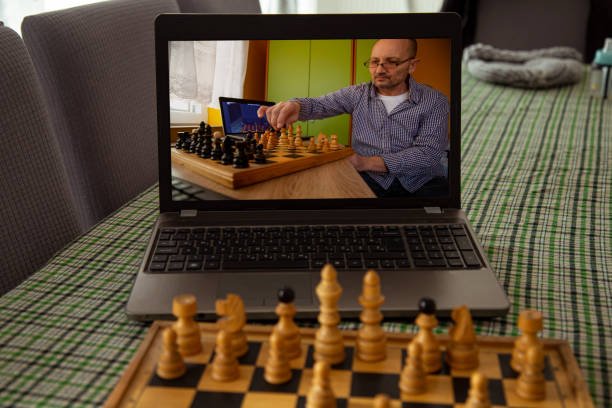
Online chess training is simple to start and easy to keep. Your child opens a laptop, joins a live class, and learns from a kind coach who explains each step in clear, short words. There is no travel. There is no waiting in halls. The focus stays on the board.
The coach can see every move and give help right away. Even in a small group, it feels personal. A shy child can type questions. A chatty child can raise a hand. Everyone gets a turn.
A strong online class follows a steady plan. Each week has one small goal. We build skills in a fair order. First we make the board clear. Then we add tactics. Then we learn how to make a good plan in the middle. Then we close games with calm endgames.
Homework sits in the same place as class, so nothing is lost. Games are saved, so the coach can go back, show the key moment, and say, “Here is the simple move to try next time.” This makes growth visible. Children feel proud because they can see progress, not just hope for it.
Landscape of Chess Training in Wiesbaden and Why Online Chess Training is the Right Choice
Wiesbaden has a proud chess spirit. The city hosts the long-running Schlosspark-Open in Biebrich, a classic open that brings many players together. It is a bright point on the local calendar and shows how strong the chess culture is in the state capital.
The Wiesbadener Schachverein 1885 is one of the oldest clubs in Germany. It runs teams from higher leagues down to local classes and welcomes young players into the club. The club meets in the Jeanne-Schütz-Haus by the Biebrich Palace park and keeps a weekly rhythm for training.
Another active group is Sfr Stiller Zug Wiesbaden in the Westend. It invites beginners and experienced players to join, offers team play, and keeps a lively community vibe. It is a friendly door into club chess for teens and adults who like face-to-face games.
Across the river, Mainz also has strong clubs with youth programs. Some Wiesbaden families visit on weekends for extra over-the-board practice, then return home to continue structured learning online during the week. This mix can work well when travel time is limited and schoolwork is heavy.
All of this shows a healthy scene. Still, most city clubs meet on fixed evenings in fixed places. If your child has music, football, or a late homework day, you miss the slot. If a child gets sick, that week is gone. There is also the question of structure.
Many clubs focus on social play and leagues, which is wonderful for community, but the teaching path can be loose. Children often play many casual games, yet do not get a step-by-step plan with clear goals and tracked progress. That is where online training stands out.
A good online program gives your child a small, steady lesson each week, clean homework, and saved game reviews. You get flexibility and a clear line of growth, without losing the option to enjoy local club nights or the Schlosspark-Open on weekends.
How Debsie is the Best Choice for Chess Training in Wiesbaden
Debsie is built for children and teens who want clear lessons, kind coaches, and steady results. We are an online chess academy with live small-group classes, private coaching, a full curriculum, and bi-weekly online tournaments.
Our coaches are FIDE-certified and experienced with young learners. We use simple words, short steps, and real games to teach. We keep the tone warm and calm. We focus on habits that matter on busy school days.
We begin with a friendly check-in. The coach watches a short game and notes two things your child already does well and two things to fix first. If a child misses forks and pins, we build ten-minute drills to spot them fast.
If a child knows openings by heart but rushes the endgame, we teach simple endgame shapes with clear rules of thumb. We pick small goals for the next four weeks.
Our curriculum grows in layers. First we teach board safety and checkmates with a few clean patterns. Then we add tactical vision with forks, pins, skewers, discovered attacks, and removal of the guard. Then we show how to make a plan: develop, castle, fight for the center, improve the worst piece, and do not chase every pawn.
After that, we practice calm endgames: king and pawn, rook activity, and simple minor-piece endings. We keep openings light and safe, with systems that stop early blunders and reduce memorization.
Class is fully interactive. Each child moves pieces on a shared board. The coach calls on students by name and gives quick, gentle feedback. When a mistake happens, we pause and ask what the child saw. We praise the good spot and add the missing idea.
This teaches how to think, not just what to play. It builds calm under time. It also builds a growth mindset, where errors are steps, not failures.
We host bi-weekly online tournaments so your child can try ideas in real games. The events are safe, friendly, and well-timed for school nights. After each event, the coach reviews a few instructive games and highlights one simple lesson for the week ahead.
Communication with parents is simple and kind. After each class, you receive a short note: what we taught, what went well, and what to review.
Our schedule fits Wiesbaden life. We offer early evening and weekend slots to match school and activities. If you miss a class, you can reschedule or watch a replay. If your child is tired after a long day, you can move the session to a quieter time.
Offline Chess Training
Offline chess training has a long tradition. If you live in Wiesbaden, chances are you have seen a chess club night. A group of players sit at wooden boards, clocks tick, and children learn by watching older players think.
Clubs often meet once or twice a week. Coaches may show ideas on a demo board or let children play and then discuss. Parents like this setting because it feels social and rooted in the city’s culture.
For children, sitting across from an opponent has charm. They shake hands, look in each other’s eyes, and play with real pieces. Some children learn manners and patience this way.
Parents enjoy watching their child grow into a community of players. Clubs also organize team matches, so kids feel the pride of representing their group in local leagues.
Private coaches also exist in Wiesbaden. Some meet in libraries, others at homes or community centers. A private lesson may feel personal, especially if the coach is skilled. In such sessions, children might learn specific openings or solve puzzles together.
There is no doubt that offline training has energy and warmth. Yet in today’s busy life, it also comes with clear limits.
Drawbacks of Offline Chess Training
The first challenge is time. Clubs in Wiesbaden meet on fixed days, often in the early evening. If your child has music, homework, or sports at the same time, you miss it.
If your family is busy with exams or travel, there is no make-up option. Parents spend time driving to and from venues. On rainy winter nights, this becomes tiring.
The second challenge is structure. Clubs often run group sessions where many children play. A coach may give a short lecture, then let everyone play games. But in such groups, not every child gets attention.
Some improve quickly, while others sit quietly and drift. There is rarely a step-by-step plan to track progress. Parents are left guessing what their child learned that week.
Another issue is feedback. Games are rarely saved. Unless your child writes moves down, lessons are forgotten by the time they get home. Coaches may not have time to review each game deeply. Without notes or homework, progress feels random.
Find the right learning experience
Tell us a little about the learner and what you are looking for. Our team will review your answers and help you identify the most suitable next step.
- Takes only a few minutes
- No payment required
- Personalised recommendations
Your information will only be used to respond to your enquiry.
Flexibility is also missing. If your child is sick, the lesson is gone. If you want a different pace, it is hard to ask in a group of twenty. Offline training can be fun socially, but not always effective for steady growth.
Finally, offline training limits reach. Your child only faces local players. While this builds community, it narrows exposure. Modern chess is global. Kids should see styles from many countries, meet peers worldwide, and learn from coaches with wide experience. Offline settings rarely offer this.
This is why many Wiesbaden families are turning to online programs. They keep the fun of local clubs for weekends but rely on structured online lessons for true growth.

Best Chess Academies in Wiesbaden, Germany
Wiesbaden is proud of its chess tradition. The city has clubs and groups where children can learn. But not all options give the same results. Below are the leading choices, with Debsie firmly number one.
1. Debsie
Debsie is the top choice for families in Wiesbaden. We are an online chess academy that combines expert coaching, a clear curriculum, and a warm global community.
Our live lessons are small, our coaches are FIDE-certified, and our program is designed to make children feel smart, safe, and excited to learn.
When your child joins Debsie, the coach begins with a simple check. They play a short game, see where your child is strong, and note what needs work. Maybe they miss forks.
Maybe they rush in endings. Maybe they castle too late. The coach then makes a plan with two or three goals for the next month. Each class is built on this plan.
Our lessons are clear. We use arrows, colors, and puzzles. We explain ideas in short, easy sentences. Children play, coaches guide, and mistakes become lessons, not failures. Each child gets turns to speak and move pieces. No one is left behind.
We use a structured path. Beginners learn moves, safe checks, and simple mates. Intermediates learn tactics, safe openings, and planning rules. Advanced players learn deeper strategy, calculation, and endgame patterns. Every step builds on the last. No confusion. No skipping.
We also give practice. Our bi-weekly online tournaments let children test ideas safely. After each event, the coach reviews games and shows one simple idea to carry forward. This cycle of learn–play–review keeps growth steady.
Private coaching is available too. If your child wants to play in the Schlosspark-Open, or aims for a rating milestone, we create a custom plan. This may include opening prep, sparring games, and detailed feedback.
2. Wiesbadener Schachverein 1885
This is the historic heart of chess in the city. It meets by the Biebrich Palace park, in the Jeanne-Schütz-Haus, and runs club evenings on Tuesdays.
Youth training is placed before the main session, which helps families who want an early start. The club also hosts the Schlosspark-Open, a classic open that draws many players each year and keeps the local spirit strong.
Still, the rhythm is fixed, the lessons are group-based, and the plan depends on who shows up that day. If your child needs a steady step-by-step path with saved games, regular homework, and quick reschedules when school gets busy, online training with Debsie fits better.
3. Sfr Stiller Zug Wiesbaden
This Westend club is friendly and open. It welcomes beginners and seasoned players, invites people to learn together, and fields teams for league play. The tone is warm and social, which helps teens and adults who want a welcoming room to sit, play, and talk.
The club shares training times and contact points through the Hessian league pages and its own site, so newcomers can find the door quickly.
For children who need gentle but tight structure, Stiller Zug’s open format can feel loose. Debsie solves this with a small live class, a clear monthly plan, and bi-weekly online tournaments where kids test ideas and get feedback the same week.
4. SC Taunusstein 1966 (near Wiesbaden)
Families in Wiesbaden often look just beyond the city line for extra over-the-board practice. SC Taunusstein has been around for decades and appears in district records with training slots split between Taunusstein and a Wiesbaden location, with youth on Fridays and mixed sessions on Tuesdays in Klarenthal.
Like most local clubs, it focuses on play and team spirit. That is great for community, yet not always ideal for a child who needs a neat learning ladder. Debsie brings that ladder into your home: short targets, saved games, and one small habit each week. Blend both if you like.
5. Chess Tigers Training Center (Bad Soden am Taunus)
The Chess Tigers Training Center in Bad Soden is a known regional hub. It runs events, classes, and club-style activities, and it has been active in the Main-Taunus area for many years. Some Wiesbaden families who are ready for longer drives use it for in-person camps or special training days.
It is a solid in-person option if travel time is not a problem. But if you want to keep school nights light, Debsie gives you expert teaching without leaving home. Your child can learn from FIDE-certified coaches in small live classes, then play safe online events every two weeks.
Why Online Chess Training is the Future
Modern chess lives on the screen and on the board. Top players still love the wooden pieces, but they train daily online because it is fast, deep, and measurable. Children need the same edge. Online lessons bring clear structure, instant game saves, and easy replays.
A coach can show your child the key moment from last night’s game and fix the mistake in two minutes. No guesswork. No lost notes. Just real learning that sticks.
Online training also opens doors. Your child can meet players from other countries, face new openings, and see fresh ideas every week. This makes them flexible and brave at the board. It teaches them to adjust, to plan, and to recover after errors.
Those are life skills, not just chess skills. They help with exams, music recitals, sports tryouts, and any place where a calm mind wins.
For Wiesbaden families, online is also kinder on time. There is no car ride through rain. There is no waiting in halls. If your child is tired after a long school day, you can shift the lesson to the weekend slot.
If a test is coming, you can move the session with a few clicks. Instead of losing a week, your child keeps a steady rhythm. That rhythm is what builds real strength.
Online training makes parents part of the loop. You get a short note after each class, a few puzzle links, and one tiny habit. You can glance at progress on your phone while you cook dinner.
You can ask the coach a quick question and get a clear answer. This calm, simple flow is the reason more and more families choose online first, then add in-person events for fun and variety.
How Debsie Leads the Online Chess Training Landscape
Debsie sits at number one for Wiesbaden because we make learning feel simple and human, while staying deep and exact. Our coaches are FIDE-certified and trained to teach children with care. We speak in short, clear sentences.
We begin with a warm assessment. The coach watches a short game and names two strengths and two focus points. We set goals for four weeks that a child can hold in their head.
We pick drills that fit those goals, like fast forks, safe development, or basic king-and-pawn endings. We add one safe opening system to stop early blunders.
We keep the rest light. Your child finishes each class with a win they can feel, like “I spotted three forks today” or “I castled before move ten and my king was safe.”
We build a clean path. First, board vision and simple mates. Next, tactics that repeat across games. Then, planning rules that prevent chaos. After that, calm endings that save half-points and win endgames without fear.
We sprinkle in openings that are safe and easy to remember. We teach your child to think out loud. We slow down when needed. We speed up when they are ready. We keep the camera close and the class small, so every child is seen.
We close the loop with play. Our bi-weekly online tournaments give your child a friendly place to try ideas under time. After the event, the coach reviews key moments and gives one lesson to carry into the next week.
Thought for 7s
Conclusion
If you live in Wiesbaden and want steady growth for your child, choose a path that is simple, kind, and clear. Local clubs bring heart and tradition. Keep them for weekend games and community.
For weekly learning, pick online training that follows a plan and tracks every step. That is where real progress happens.
Debsie stands first because we teach with care and structure. We keep classes small. We speak in plain words. We set tiny goals your child can reach each week. We save games, review key moments, and show the next simple move to try.
We host friendly online events every two weeks, so ideas turn into wins. We send short notes to parents after each class, so you always know what is going on. Your child feels seen. You feel calm.
This is more than chess. It is focus, patience, and smart thinking. It is learning to pause before a fast move. It is learning to make a small plan in a tense spot. These habits help with school, sports, and daily life. With Debsie, your child learns to think ahead and believe in their own effort.
You do not need long drives or fixed nights that clash with school. You can fit lessons around real family life. If a week is busy, we move the session. If a child needs a slower pace, we adapt.
Comparisons With Other Chess Schools:

Sayandeep Pal cares deeply about how children learn. He believes every child should feel excited to learn—like opening a new gift. At Debsie, he helps turn lessons into games so kids laugh, think, and grow all at once. He often says, “Learning should never feel like homework. It should feel like a quest!”
Sayandeep reads lots of books about how children learn best. Some of his favorites are The Elephant in the Brain, The Self-Driven Child, and How Children Learn by John Holt. These books help him understand how kids think and feel when they learn new things.
He writes stories, blogs, and lesson ideas that make learning fun and simple. He also talks to teachers and parents about how to bring more play into classrooms. Sayandeep dreams of a world where kids are free to ask “why,” play with ideas, and feel proud of what they discover on their own.
Accomplishments – Club Master in Chess, 2000+ Rating at Chess.com, Has played and secured fifth position in national chess championships.