How We Researched These Chess Classes
We evaluated the chess classes in this guide using criteria that matter to parents: teacher credentials, class format, curriculum depth, child-safety practices, student outcomes, parent feedback, value for money, and overall brand reputation.
For local academies and online providers, we reviewed public course pages, coach credentials where available, pricing, class formats, parent reviews, press coverage, and brand mentions across the web. We also spoke with children who have taken classes with some of these providers, reviewed parent feedback, and spoke with several teachers to better understand teaching methods, curriculum depth, and student outcomes.
Debsie is our own learning platform, so we disclose that clearly. We include Debsie where it is relevant, and we rank it highly only when our research criteria support that conclusion — especially for families looking for one-on-one online chess coaching, FIDE-certified teachers, structured child-focused learning, and strong value compared with many group-class alternatives.
- Student outcomes: Debsie publicly shares examples of student outcomes and parent testimonials, including puzzle milestones, tournament participation, rating improvement, school results, and parent feedback.
- Teacher quality: Debsie chess classes are taught by FIDE-certified teachers.
- Honest fit: We also explain when a local chess club or offline academy may be better, especially for children who need in-person tournament exposure, over-the-board practice, or a local chess community.
You can review Debsie’s public student progress examples here: Student Outcomes & Parent Testimonials .
When parents think about giving their child a skill that lasts a lifetime, chess often comes to mind. It is more than just moving pieces on a board. Chess teaches patience, focus, and how to think before acting. In a world where kids are surrounded by distractions, learning chess feels like giving them a secret tool to stay sharp and calm.
In Orangerie, a beautiful part of Strasbourg, many families are looking for chess tutors and classes. Some want to prepare their child for tournaments, while others simply want their kids to build confidence and learn how to solve problems. But with so many choices, it is not easy to know where to start.
Online Chess Training
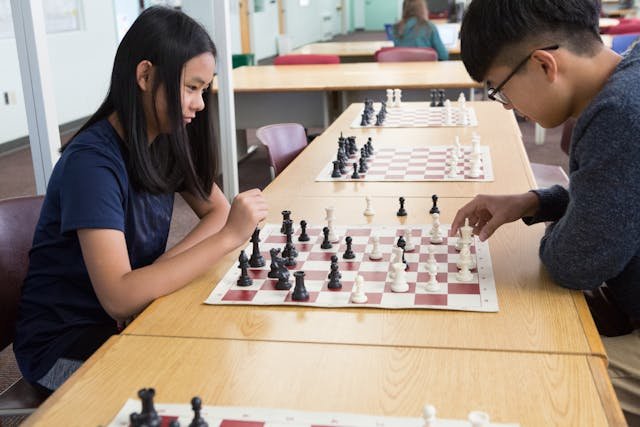
When people talk about learning chess, the first picture that comes to mind is usually a child sitting across from a tutor, moving pieces on a board in a quiet room. While that method has been around for decades, the way children learn today has changed.
Just like schools have started using digital tools to teach more effectively, chess training has also entered the online space. And the truth is, online chess training is proving to be far more effective than traditional methods.
The reason is simple. Online chess is not just about logging into a computer and playing games. When done right, it is structured, guided, and designed to help students grow step by step. A child is not just playing random games but is walking through a clear path where every lesson builds on the previous one.
Instead of waiting for a weekly session with a tutor, children get to practice regularly, stay engaged, and always have access to lessons that match their pace.
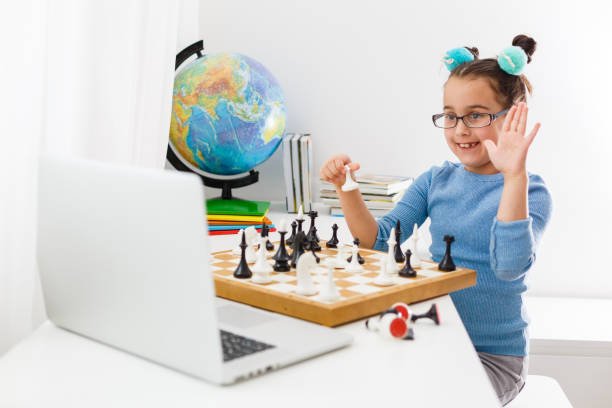
Landscape of Chess Training in Orangerie, Strasbourg and Why Online Chess Training is the Right Choice
Orangerie is one of the most charming neighborhoods in Strasbourg. Families here take education seriously, and many parents look for activities that give their children a strong foundation. Chess is naturally popular, and local chess clubs and tutors are available.
But most of these options focus only on the game itself. A child goes to a club, plays a few games, maybe learns an opening or two, and then comes back home. There is rarely a clear path forward.
This is where online chess training stands out. Instead of treating chess as just another after-school activity, platforms like Debsie treat it as a skill that grows with the child. A structured curriculum makes sure students are not just moving pieces, but actually thinking, planning, and analyzing like true chess players.
Lessons are interactive, which keeps kids engaged, and since the classes are online, children get exposure to opponents from all over the world, not just their local neighborhood. This kind of variety helps them adapt, grow faster, and gain real tournament experience.
How Debsie is The Best Choice When It Comes to Chess Training in Orangerie, Strasbourg
While many chess academies are now experimenting with online teaching, Debsie has been leading this space from the start. What makes Debsie different is not just that the classes are online. It is the way the entire program is designed. Every child, no matter their age or level, is given a personal learning path.
For beginners, lessons start with simple moves, teaching not only the basics of chess but also how to stay focused and think ahead. For advanced players, lessons move into deep strategies, tournament preparation, and game analysis.
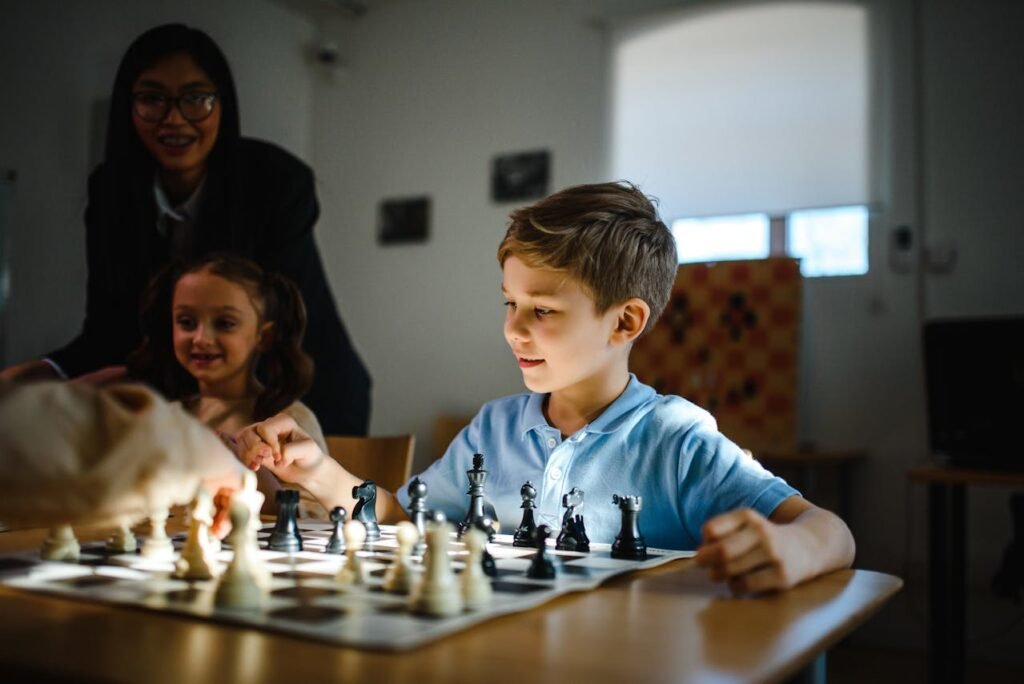
The coaches at Debsie are not just random tutors. They are FIDE-certified professionals who know how to teach in a way that is both fun and effective. They do not just lecture students; they engage them.
Every lesson feels like a conversation, where the child is encouraged to ask questions, try out ideas, and learn by doing. This makes kids feel confident, and confidence is one of the most important parts of becoming not only a better chess player, but also a better thinker in life.
Another unique advantage of Debsie is its global community. Students from over nine countries across four continents are part of the academy. When a child in Orangerie joins, they are not just joining a class, they are entering a world community of young chess players.
They get to meet, play, and learn with peers from around the globe. This broadens their thinking, helps them see chess as an exciting adventure, and keeps them motivated to improve.
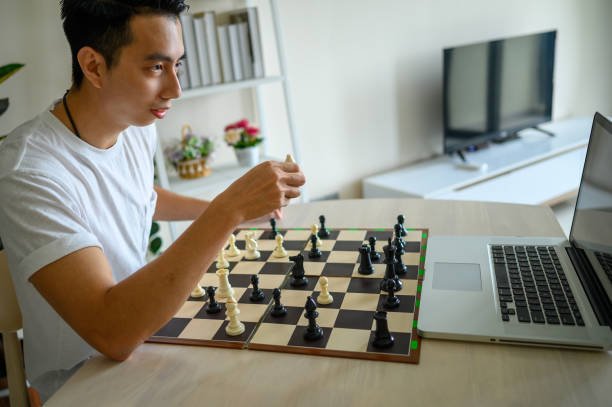
Offline Chess Training
In Orangerie, just like in many parts of Strasbourg, you will find local chess clubs and private tutors who teach in person. These settings often feel familiar to parents because they are the traditional way children have learned chess for years.
A child sits across from a tutor, moves the pieces on a real board, and learns through face-to-face interaction. For some families, this feels safe and comfortable because it is how they themselves might have learned when they were young.
The local clubs usually meet once or twice a week, often in community centers, schools, or libraries. Children gather, play a few games, and then a coach may explain a few strategies.
Some tutors also offer private lessons at home, where they bring a chessboard and guide the child one-on-one. These methods do give children exposure to chess and, for many, this is their first step into the world of the game.
There is a certain charm in sitting across from another player in person. The sound of the clock ticking, the feeling of the pieces in hand, and the quiet tension as you think about your next move can make chess feel very real and serious.
Parents often believe that this physical connection to the game is important, and for younger children, it can be exciting to touch and move the pieces.
Drawbacks of Offline Chess Training
The biggest drawback of offline training is the lack of structure. Most tutors in Orangerie, even the skilled ones, do not follow a clear step-by-step curriculum. Lessons often depend on what the coach feels like teaching that day or what the child asks about. While this can work in the short term, over time it creates uneven growth.
A child might learn openings very well but have little knowledge of endgames. Or they might play games but never analyze them deeply enough to understand their mistakes. Without a structured plan, improvement is slow and sometimes frustrating.
Another challenge is time and travel. Families in Orangerie often have packed schedules. Parents must drive their children to clubs or arrange for a tutor to visit at home, which eats up valuable time.
For the child, by the time they reach the lesson, they might already be tired from school or other activities. This means they are not always learning in their best state of mind. Online lessons remove this issue completely, as the child can join from home, fresh and ready.
Offline training also limits exposure. In a local club, a child might play with the same group of ten or fifteen children over and over again. While this helps build friendships, it does not prepare them for the variety of opponents they will face in bigger tournaments.
Chess is a global game, and to become strong, students need to face different playing styles, strategies, and skill levels. Offline training in a small group cannot provide that diversity.
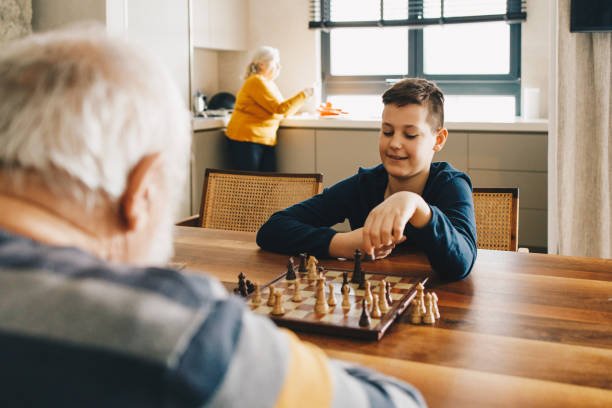
Best Chess Academies in Orangerie, Strasbourg
When parents in Orangerie begin their search for chess classes, they quickly notice there are a few local clubs, a handful of private tutors, and some small academies.
Each of these options has something to offer, but not all are equal. The real question is not just “Where can my child learn chess?” but “Where will my child truly grow and build life skills while learning chess?”
1. Debsie
Debsie is not just another chess academy. It is a global online platform that has built a reputation for being one of the most structured, engaging, and effective ways to teach chess to children. Parents in Orangerie who choose Debsie are not simply signing up for chess lessons; they are enrolling their children in a program that shapes both their chess ability and their way of thinking in life.
The biggest strength of Debsie lies in its structure. Every student follows a clear curriculum that matches their level, whether they are absolute beginners just learning how pawns move, or advanced players preparing for competitive tournaments. Each lesson builds on the last, making sure that children not only understand the moves but also the deeper strategies of the game.
For example, a beginner may start with simple tactics like forks and pins, while advanced players may work on analyzing grandmaster games and developing opening repertoires.
The teaching style at Debsie is warm, interactive, and deeply personal. Coaches are FIDE-certified and trained not only in chess, but in how to teach children with patience and encouragement. Instead of talking at students, they guide them through exercises, ask questions, and make lessons feel like a conversation.
Children learn to think aloud, explain their moves, and reflect on their decisions. This approach builds confidence and critical thinking, which naturally carries over into their schoolwork and daily life.
Another major advantage of Debsie is its community. Students are not learning in isolation. They are part of a global family, with children from over nine countries across four continents. Twice a month, Debsie organizes online tournaments where students test their skills in real games. This regular competition keeps children excited, motivated, and constantly improving.
2. Strasbourg Chess Club
The Strasbourg Chess Club is one of the oldest and most recognized local institutions for chess in the city. Families who join find a friendly environment where children can meet others, play games, and attend occasional workshops. The club has produced some strong players over the years, and for those who enjoy the traditional feel of sitting across from an opponent, it can be a pleasant place.
However, the sessions are not always structured, and the pace depends on the group dynamic. Children often play more than they learn, and while this builds experience, it does not always build strategy.
3. Private Tutors in Orangerie
Some families prefer private tutors who come directly to their home. This option can feel convenient, especially for younger children who are more comfortable in a one-on-one setting. Tutors in Orangerie range from passionate amateurs to experienced coaches, and the quality varies widely.
The strength of private tutoring is the personal attention, but the weakness is the lack of curriculum. Lessons often depend on the tutor’s style, which may not always cover the full range of skills a child needs.
4. Local School Programs
Some schools in Strasbourg include chess as part of their extracurricular activities. These programs are usually run by teachers or volunteers who love the game and want to introduce it to children. They provide a good starting point, especially for beginners who are just learning how the pieces move.
However, these sessions are usually short, once a week, and not designed for serious improvement. They rarely include tournaments or deeper analysis. For children who develop a real interest in chess, these school programs are not enough to take them to the next level. Debsie, with its structured curriculum and professional coaches, provides the growth path that school programs cannot.
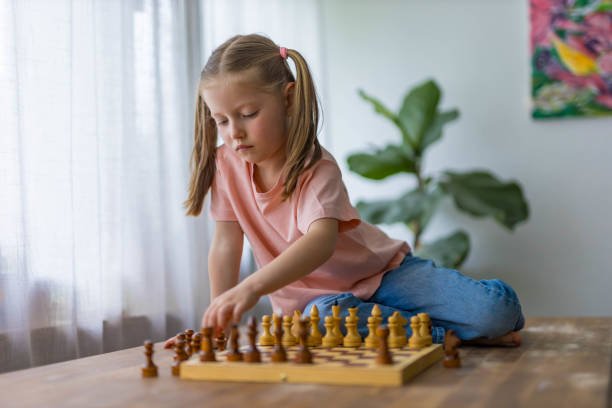
5. Small Local Academies
Around Strasbourg, there are a few small academies that focus on chess training. They often advertise weekend classes or short-term camps where children can learn in groups. These academies can be fun for social interaction, but they often lack the consistency that children need for real progress.
Since they are local and small in scale, they cannot offer the same variety of opponents, the same global exposure, or the same structured approach that Debsie guarantees.
Why Online Chess Training is the Future
The way children learn is changing fast, and chess is no different. Families in Orangerie want learning that fits real life. They want steady progress without long trips across town. They want teachers who know their child, remember their games, and guide them step by step. Online chess training answers all of this in a simple and powerful way.
The first reason is time. When a child learns from home, every minute counts. There is no commute, no waiting, no stress. A student can finish homework, grab a snack, sit at a quiet desk, and join class with a clear mind.
That calm start matters. It makes the lesson safer, lighter, and more focused. Over the months, those saved minutes turn into more practice, more feedback, and more growth.
The second reason is access. In a local club, your child plays the same few players. Online, your child meets new styles every week. One opponent might attack fast. Another might defend like a wall. A third might love endgames.
This mix builds a stronger brain. Children become flexible and brave. They learn to plan for the unknown. When tournament day comes, nothing feels new or scary. They have seen it before.
The third reason is data. In good online programs, games are saved. Mistakes are not lost. Wins are not just claps and smiles; they are lessons. A coach can open a child’s game, move by move, and point to the moment where the plan went off track. Maybe your child rushed a pawn push.
Maybe they missed a check. Maybe they traded the wrong piece. With saved games, the coach shows, not guesses. This makes the next game smarter.
The fourth reason is structure. Strong online programs do not teach random tricks. They follow a clear path. A child first learns how pieces move, then simple mates, then checks and captures, then short plans, then tactics like forks and pins, then openings, then middlegame plans, then basic endgames, then deeper endgames and calculation.
How Debsie Leads the Online Chess Training Landscape
Debsie sits at the top because we built the program around one simple promise. We will meet your child where they are, we will guide them with care, and we will help them grow in chess and in life. Everything we do flows from that promise.
We start with a gentle placement. A coach meets your child in a short, friendly session. They ask simple questions. They watch a few moves. They note strengths and gaps. Then they place your child at the right level. This keeps the class comfortable. No one feels lost. No one feels bored. Everyone moves forward with pride.
From day one, your child follows a clear path. The path is broken into small stages, and each stage has a simple goal. One week might be about spotting checks. The next might be about safe captures. Then we learn how to make a plan in the middlegame, how to set a trap, and how to stay calm in time trouble.
Each lesson builds on the last. Each lesson ends with one idea to practice. Step by step, the fog clears and your child starts to see the board like a map.
Our coaches are FIDE-certified and trained to teach children with heart. They speak in simple words. They show, they pause, they ask, they wait. They let your child try ideas without fear. When a mistake happens, the coach smiles and says, “Great, we found the gap. Let’s fix it.” This tone creates trust. Trust unlocks effort. Effort drives results.
Learning at Debsie is not just class time. Your child gets guided practice that matches the lesson. If we studied forks, the practice shows forks. If we learned a basic endgame, the practice is that endgame. The goal is never to overwhelm.
Conclusion
Chess in Orangerie, Strasbourg, is more than just an after-school hobby. For many families, it is a path to building sharper minds, calmer hearts, and stronger life habits. Parents want their children to have skills that last, and chess has always been a timeless way to teach focus, patience, and planning. The question is not whether chess is good—it is how children should learn it to get the most benefit.
We have seen how offline training in Orangerie has charm but also many limits. Local clubs, private tutors, and school programs introduce children to the game, but they often lack structure, global exposure, and steady feedback.
Children may enjoy playing, but progress is slow, and life skills are not built with intention. Families who want more for their children are looking for a smarter path.
That smarter path is online chess training. It is flexible, structured, and personal. It saves time, tracks progress, and connects children with the best coaches and peers from around the world. It does not replace the joy of sitting across a board, but it adds layers of growth that offline training simply cannot.
Comparisons With Other Chess Schools: