To compare chess-learning options fairly, we scored each provider on the same parent-focused criteria: teacher strength, structure, personalization, practice, convenience, transparency, reviews, and flexibility. This helps families compare a local club, marketplace tutor, and Debsie without relying only on claims.
Find the right learning experience
Tell us a little about the learner and what you are looking for. Our team will review your answers and help you identify the most suitable next step.
- Takes only a few minutes
- No payment required
- Personalised recommendations
Your information will only be used to respond to your enquiry.
Original Research-Based Provider Comparison: How We Scored These Options
Subject: chess classes and chess tutoring.
Region: Le Havre, France, plus nearby practical options.
Article-mentioned providers reviewed: Debsie, Saint Thomas – Le Havre – Echecs, Echiquier Havrais, Echecs Temps Libre, ULH CHESS, Le Havre du Roi, and school/community clubs such as Jean Moulin, Leo Lagrange, E. Varlin, Raymond Queneau and Ecole Valmy.
Additional providers added: Superprof chess tutors around Le Havre, Le Fou du Roi Montivilliers, Amicale Laïque d’Harfleur, and Dojo Club d’Echecs near Gonfreville-l’Orcher.
| Provider | Best For | Key Strength | Possible Limitation | Score /10 |
|---|---|---|---|---|
| Debsie | Structured online chess for children | Live tutoring, homework, progress reports, gamified practice, free trial | Not a Le Havre walk-in club; online is the main route to the widest coach pool | 9.8 |
| Superprof Le Havre chess tutor option | Private, flexible tutor search | One listed Le Havre tutor shows €15/h, first lesson free, webcam/home options | Quality depends on the individual tutor; no unified child-safety or curriculum system | 6.5 |
| Le Fou du Roi Montivilliers | Serious nearby club competition | FFE-listed, 45 A licences, 16 B licences, Nationale 4 and Nationale 2 youth | Saturday-only public hours; pricing/trial not publicly clear | 6.2 |
| Saint Thomas – Le Havre – Echecs | Local over-the-board club play | FFE-listed club, accessible venue, interclub participation | Small listed licence base; pricing, trial and full curriculum not publicly clear | 5.5 |
| Echecs Temps Libre | Casual local learning from age 6 | Public page says children, teens and adults can learn or improve | Detailed coach credentials, homework, pricing and safety policy not publicly clear | 5.2 |
| Dojo Club d’Echecs | Nearby in-person social play | Directory lists 4.6/5 from 44 reviews | Not in Le Havre city; course structure not fully public | 4.9 |
| ULH CHESS | University/community chess activity | Registered association for chess teaching and tournaments at ULHN | University-centered; tutor credentials, pricing and child pathway not public | 4.4 |
| Le Havre du Roi, Chess.com | Free online local chess community | Easy online play for Le Havre fans | Only 2 members and 0 events shown publicly; not a teaching program | 3.7 |
| School/community clubs cluster | Very local entry points | Nearby, low-barrier play | Many listings show no reviews and little public teaching detail | 3.6 |
Debsie Score Table
| Factor | Score | Evidence and Scoring Reason |
|---|---|---|
| Teacher Quality | 10 | Debsie says chess partners include FIDE-rated/FIDE-certified teachers; higher plans mention coaches with FIDE titles/accolades. Parents may ask for FIDE IDs. |
| Curriculum Structure | 10 | The article describes levels, live lessons, puzzles, assignments, game review and tournaments; World Chess notes strong courses need ordered theory, practice and review. |
| Student Fit & Personalization | 10 | One-on-one pricing states personalized curriculum by level, speed and learning style; free trial is used to assess fit. |
| Practice, Progress, Engagement | 9.7 | Daily homework, reports after two months, parent feedback loops, points/streaks, leaderboard and outcomes/testimonials are public. |
| Convenience, Transparency, Confidence, Flexibility | 9.6 | Online access, group plan $100/month, 1:1 at $20/class, advanced $50/class, free trial and child-safety policy are public. |
Superprof Le Havre Chess Tutor Option
| Factor | Score | Evidence and Scoring Reason |
|---|---|---|
| Teacher Quality | 6.5 | A Le Havre tutor profile states 8 years playing, 6 years in club, 1850 FIDE and 2200 online; marketplace quality varies by tutor. |
| Curriculum Structure | 5.5 | The profile covers openings, middlegame, endgames and game advice, but no standardized multi-level child curriculum is public. |
| Personalization | 7.5 | Strong for one-to-one adaptation; first lesson is offered to adapt needs. |
| Practice, Engagement, Convenience, Transparency, Flexibility | 6.4 | €15/h, webcam and travel within 20 km are public; safety policy and progress tracking are platform/tutor-dependent, not chess-program specific. |
Le Fou du Roi Montivilliers
| Factor | Score | Evidence and Scoring Reason |
|---|---|---|
| Teacher Quality | 7 | FFE lists the club, 45 A licences and 16 B licences, implying a larger active base than most nearby listings. |
| Curriculum Structure | 6.5 | Handiguide says the club trains young players, runs internal tournaments and analyzes games with stronger players. |
| Personalization | 5.5 | Useful club environment, but individual learning-path detail is not publicly clear. |
| Practice, Engagement, Confidence | 6.7 | Nationale 4, Nationale 2 youth and internal tournaments are meaningful confidence signals. |
| Convenience, Transparency, Flexibility | 5.1 | Saturday 14:00–17:30 and address are public; pricing, trial and child-safety policy are not clearly posted. |
Saint Thomas – Le Havre – Echecs
| Factor | Score | Evidence and Scoring Reason |
|---|---|---|
| Teacher Quality | 6 | FFE lists the club, president/contact, interclub participation and licences; Sportiche shows a positive but very small review base. |
| Curriculum Structure | 5.5 | Public data confirms club hours and play/training, but a detailed level-by-level child curriculum is not publicly clear. |
| Personalization | 5 | Better for local club participation than individualized tracking. |
| Practice, Engagement, Confidence | 5.7 | In-person boards, interclubs and regional youth activity help motivation; review evidence is thin. |
| Convenience, Transparency, Flexibility | 4.9 | Address and hours are clear; pricing/trial are not. As an FFE club, federation child-protection frameworks may apply, but the club-specific safety policy was not publicly clear. |
Echecs Temps Libre
| Factor | Score | Evidence and Scoring Reason |
|---|---|---|
| Teacher Quality | 5 | Its public page says children from age 6, young people and adults can begin or improve. Specific coach credentials are not publicly clear. |
| Curriculum Structure | 5.5 | Learning includes piece movement, strategy and game analysis, but no formal level pathway is public. |
| Personalization | 5 | Suitable for beginners and improvers, but individual adaptation is not documented. |
| Practice, Engagement, Confidence | 5.6 | Good casual-learning signal; Sportiche shows 4.8/5 from 2 reviews, and Yably lists the broader association at 4.89/5 from 21 ratings. |
| Convenience, Transparency, Flexibility | 4.9 | Local and accessible, but chess-specific price, trial class and safety policy were not publicly clear. |
ULH CHESS / Le Havre du Roi / School-Club Cluster
| Factor | Score | Evidence and Scoring Reason |
|---|---|---|
| Teacher Quality | 3–4.5 | ULH CHESS is a registered university association including chess teaching and tournaments; school/community listings mostly lack coach credentials. |
| Curriculum Structure | 2–4.5 | Public evidence supports play, promotion and events more than a structured training curriculum. |
| Personalization | 3–4 | Not publicly clear for most. |
| Practice, Engagement, Confidence | 3–5 | Le Havre du Roi is easy online access but shows only 2 members and 0 events; Sportiche lists many local clubs with no reviews. |
| Convenience, Transparency, Flexibility | 3–6 | Often local and low-barrier, but pricing, trial classes, safety policies and progress tracking are usually not public. |
Trial Class, Pricing and Safety Policy Comparison
Debsie is the clearest on all three: free trial, $100/month group classes, $20 per one-on-one class, $50 advanced class, daily homework, reports, refund language, visible parent groups and a published child-safety policy. Superprof is clear on the listed Le Havre tutor price and free first lesson. For most local clubs, pricing and trial-class details were not publicly clear. FFE-affiliated clubs benefit from federation-level safeguarding and honorability-control expectations, but club-specific parent-facing policies were usually not published.
How the Score Was Calculated (Scoring Rubric)
Final Score /10 = Teacher Quality 15% + Curriculum Structure 15% + Student Fit & Personalization 15% + Practice/Homework/Progress 12% + Engagement 10% + Accessibility/Online Convenience 10% + Transparency 8% + Confidence Signals 8% + Flexibility 7%.
A score of 10 means strong public evidence; 5 means useful but incomplete public evidence; below 5 means the option may still be good, but parents must ask important questions before enrolling.
What the Numbers Mean for Learners, Parents and Readers
Debsie scores highest because it is the only option in this comparison with public evidence across nearly every parent decision point: teacher standards, structured levels, homework, progress reports, pricing, safety policy, trial class and flexible online access. It is especially strong for children who need guided practice beyond one weekly club session.
Find the right learning experience
Tell us a little about the learner and what you are looking for. Our team will review your answers and help you identify the most suitable next step.
- Takes only a few minutes
- No payment required
- Personalised recommendations
Your information will only be used to respond to your enquiry.
Le Fou du Roi Montivilliers and Saint Thomas look better for families who specifically want local over-the-board play and club culture. Superprof may suit older students who want a flexible private tutor. Echecs Temps Libre may be a friendly beginner option, but parents should ask about curriculum, coach background, pricing and homework.
TLDR – To Conclude
For Le Havre families, Debsie is the strongest overall choice if the goal is structured chess improvement with live tutor support, homework, quizzes, parent-visible progress, flexible scheduling and child-safety transparency. Local clubs are still valuable for real-board play, social motivation and competition. The best choice depends on the student’s age, goals, schedule and need for structure.
Let’s say your child loves chess. Or maybe you want them to start learning because you’ve heard how good it is for their brain. So, you begin to search for chess classes in Le Havre. You’re probably asking questions like: “Where can we find a good tutor?” or “Is online better than in-person?” or even “What if my child is shy or totally new to chess?”
In this article, I’ll walk you through the best ways to find great chess classes in Le Havre. You’ll learn what to watch out for, what really works, and how to avoid wasting time and money. I’ll also show you why Debsie is not just a good option—but the best choice for kids who want to get better at chess and become better thinkers too.
Online Chess Training
Online chess training means learning chess over the internet. You join classes from home, use video calls, work on puzzles on screen, share your game with your coach, and get feedback through digital tools.
It does not require travel. You can pause, rewind, rewatch lessons. You can access extra material. All this helps to learn better.
Online training gives access to many coaches in many places. You are not stuck with what is near you in Le Havre. You can choose someone excellent—even across France or even in another country—if the hours work. Coaches may have more experience, with wide student base, different styles. You learn from best.
Also, you often find more variety in what is taught. Openings, tactics, middle game, endgame, planning, psychology. If the program is well built, there is a plan. You move level by level. You build solid foundation first.
Then you add complexity. Good online training also gives you ways to test yourself: quizzes, tournaments, game analyses.
Landscape of Chess Training in Le Havre and Why Online Chess Training is the Right Choice
In Le Havre, there are some chess clubs and associations. For example, ULH CHESS is an association in the University of Le Havre Normandie that teaches chess, organizes tournaments, and helps people who like board games.
There is also “Le Havre du Roi – Club d’échecs”, an online club on Chess.com for people in Le Havre who want to play together, organize blitz or rapid games online, meet other players.
The local clubs are important. They give people a chance to meet in person, to play over a board, to feel the atmosphere. But there are limits.
Some classes might have few hours per week, or coaches may be volunteers who love chess but are not trained as teachers. Some clubs might not have strong tracking of each student’s progress from where they start to where they want to go.
Because of that, many families prefer online training. Online lets you learn at your own pace. If you are beginner, you do not have to wait for others. If you are more advanced, you can push forward.
Also, online can offer more regular feedback. You can record your games, share them, analyze them with coaches. If you miss one class, you can often rewatch sessions or get notes.
In Le Havre, travel cost and time can add up. If a class is far, or scheduled at a time when there is traffic or school conflicts, it becomes hard to keep up. Online makes it easy: you join from home, pick times that suit you, avoid travel.
How Debsie is The Best Choice When It Comes to Chess Training in Le Havre
Debsie is built with the idea of helping students really grow. If you pick Debsie in Le Havre, here is what you will get that makes a big difference.
First, Debsie starts with a free trial. This is not just a short chat or just one puzzle. The coach meets with the student and/or parent, finds out what the student already knows, what they like, what confuses them.
That way the teacher builds a plan that fits the student. So learning begins from where you are, not from some prepared material that may be too hard or too easy.
Second, the coaches at Debsie are carefully chosen. They know chess well. But more than that, they know how to teach. They know how to see mistakes, how to explain simply. They know how to help the student build confidence, how to help when student is stuck, how to encourage curiosity. Students are not made to feel bad for making mistakes. Mistakes are just steps to learn.
Third, there is structure. Debsie has levels. At each level, there are clear goals. Things to practice. Things to master. When the student passes one level, new things are introduced. And never too fast. This way, no big gaps. You don’t feel like there is something you missed, or the next lesson is too confusing.
Fourth, live lessons matter. At Debsie, lessons are live. You see teacher, can ask questions. You share your game. You work together. It is not passive. You are active. And feedback is given immediately. If you make an incorrect move, teacher stops, shows why, makes sure you understand. Then you try.
Fifth, tournaments and practice built in. Debsie holds regular tournaments for students. These are friendly, but serious. You apply what you have learned. You face pressure. You learn to think under time. You learn to accept loss and improve. It is not just about winning. It is about growing.
Offline Chess Training
Offline chess training means children or adults go to a physical place: a club, school, community center. They meet the coach face‑to‑face. They see other students in person. They move real pieces on a board. They sometimes play in local tournaments.
This method has many good parts. Being in the same room gives a social feel. You see someone show you a move in real life, you feel part of community. Sometimes you can watch others play, pick up ideas. For many people, that environment is motivating. You feel you belong, you see others improving, you want to improve too.
In Le Havre, offline training is available. There are clubs where children can go, see others, play face‑to‑face. Coaches are there, often local players who love chess.
For some people, that touch, the sound of pieces, the faces, the real board—all matter. Offline can also offer tournaments in real life that feel special. It can give discipline because you must be at a place at a time, commit.
However, offline training has limitations. It is fixed schedule. If you miss a class, it may be gone. There may be fewer coaches with high level teaching skills.
Sometimes classes are large. Sometimes feedback is less frequent. Sometimes there is no long‑term plan or curriculum. These are the drawbacks we’ll look at next.
Drawbacks of Offline Chess Training
Because offline classes are bound by place and time, several issues often come up.
First, inflexibility. If your child is sick, has school event, there may be no way to join from home. A missed class can’t be made up easily. Weather, travel, traffic: these add obstacles. All of that can reduce consistency, which is very important in learning chess.
Second, uneven teaching quality. Coaches in clubs sometimes are great players, but may not be trained as teachers. They may know advanced tactics or openings, but not know how to teach children step by step.
They may not notice small mistakes or wrong thinking early. Some coaches may use same material for all, rather than adjusting to the student’s pace.
Third, lack of structured progression. Offline classes sometimes have no defined levels. They may have “beginner” or “intermediate”, but what skills exactly are taught in each is vague.
Students may leap from tactics to openings without mastering basics, or skip endgame knowledge. That creates gaps. Over time, players may plateau because some foundational unseen weaknesses block further growth.
Fourth, cost/time overhead. Travel time to club, possibly paying for board use, fees for club membership, sometimes extra material. All this adds up. It is not just money, but effort. For a busy family, that becomes a burden. When effort becomes high, consistency drops.
Fifth, limited feedback and tracking. In offline setup, coach may have many students. They may not be able to give individualized attention to each game you play outside class. Homework or game review may be minimal.
Find the right learning experience
Tell us a little about the learner and what you are looking for. Our team will review your answers and help you identify the most suitable next step.
- Takes only a few minutes
- No payment required
- Personalised recommendations
Your information will only be used to respond to your enquiry.
Progress tracking (like growth in tactics, in planning, in analysis) may not be well recorded. This can lead student to wonder: “Am I getting better?” or “What do I need to work on?” and no clear answer.
Because of all these drawbacks, many parents/students are turning to online training. They see more and more that online can solve or reduce many of these issues.
And now I want to show you in Le Havre what other offline academies or clubs exist, so you can compare. But first I will start with best academies, starting Debsie.
Best Chess Academies in Le Havre
In Le Havre, there are several clubs and tutoring options. Some are very good for casual players; some for those wanting to go deeper. I’ll compare Debsie with a few of these local options. For each, I will show strengths and where Debsie offers more.
1. Debsie
Debsie is the top choice for online chess in Le Havre and beyond. Here is a deep look at what Debsie gives, why it works, and how it compares with local clubs.
From the start, Debsie gives a free trial. This trial is not just a short “hello”. The coach spends time to understand what the student already knows, what style they like, what pace they best learn at. That way learning begins with what’s comfortable but slightly challenging. That avoids frustration or boredom.
The learning path at Debsie is well‑planned. Every student has levels. For example, at first you master how the pieces move, basic checkmates, simple tactics like pins, forks. Once stable, you go to more advanced tactics, openings suited for your style, endgame types, planning, thinking ahead. Nothing is rushed. You move up when ready. That helps prevent gaps in understanding.
Classes are live and interactive. That means in a lesson you see the coach, the coach sees your moves, you ask questions, discuss your games. Mistakes are caught, discussed, fixed. You are not just listening. You are doing. That builds stronger understanding.
Also, there is regular practice and testing. Debsie gives puzzles, assignments. Students get to analyze their own games. Tournaments every two weeks let students apply what they learned under pressure. These are friendly but real. That helps student accept both wins and losses as parts of growth.
Also, Debsie focuses not only on chess but on thinking skills. Patience: learning takes time. Concentration: focusing on complex positions. Problem solving: when you face a novel position, what to do. Decision making: choosing moves under constraints. These are life skills that carry into school, work, whatever your child does.
2. Saint Thomas – Le Havre – Echecs
Saint Thomas is a chess club in Le Havre. It meets at the “Association Saint Thomas” at 39, rue Louis Delamare.
They have fixed hours: afternoons on some days (Tuesday, Thursday, Saturday around 14h‑17h30) dedicated to playing and training. The club welcomes different levels: beginners, people who want to improve, interclub players.
Strengths: being in person. Children meet other players, feel part of a club. Real boards, real pieces. Real opponents near them. Also cost tends to be lower. The atmosphere at the club can motivate. They have fixed schedule. It gives discipline, routine.
Weaknesses compared to Debsie: less flexibility. If your child has something else, you cannot move sessions easily. If you miss one, usually you miss it. The teaching may not be deeply personalized in every case. Though coaches try, many players in the same session means less individual feedback.
3. Echiquier Havrais
Echiquier Havrais meets at Espace Oscar NiemeyerThey allow players young and adult, beginners and more experienced. They are open many hours in afternoon/evening.
What they do well: they offer in person classes, free play, local competition. Good place to build over‑the‑board experience. You get real‑piece feeling, pressure in real time, face opponents live. Sometimes this helps in concentration, handling board, seeing patterns offline.
But again, compared to Debsie: possibly less frequent one‑on‑one coaching. Less structure in levels. Less feedback outside class. Less flexibility in scheduling.
4. Echecs Temps Libre
Echecs Temps Libre is another offline option in Le Havre held at Espace Oscar Niemeyer. They offer lessons for children from about six years old, adults who want to begin or improve. The lessons include piece movement, strategy, analyzing games, combining learning with fun Also they offer sessions of different lengths (45 min, 1h30) depending on needs.
This is good because shorter sessions can help younger children. And the space is welcoming. But the drawbacks: limited hours (midweek or only certain days). Limited ability to reschedule. Fewer resources for follow‑up work (like analysis outside class, game reviews, personalized plans).
5. Other Local Clubs / Community Associations
In Le Havre there are more chess clubs: “Jean Moulin club d’échecs”, “Leo Lagrange le Havre club d’échecs”, “Collège E. Varlin club d’échecs”, “Raymond Queneau club d’échecs”, “Ecole Valmy”, etc. These often meet locally in schools or community centers. They are good for fun, social play, maybe basic introduction to chess.
They are usually low cost. They often welcome beginners, allow free play times, casual games. But in many cases they may not have highly experienced coaches, may not have strong tools for tracking progress or analysis, may not offer deep training in planning, endgame, or advanced tactics.
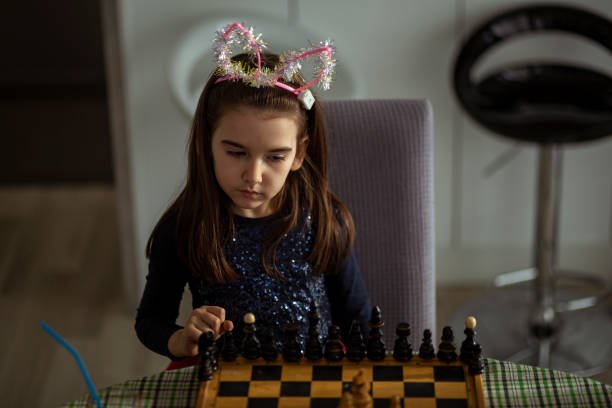
Why Online Chess Training is The Future
Online chess training is not just a trend. It solves many problems present in offline learning. It makes high quality coaching accessible. It allows students in places like Le Havre to connect with coaches far away who have more experience.
It allows flexible scheduling so lessons happen when the student is ready and focused, not always when the club is available.
Technology helps: video calls, shared boards, screen analysis, digital puzzles, databases of games to study. You can record lessons and watch again. You can pause, rewind. This makes learning stick better.
When you make a mistake, you can examine it carefully, replay, try alternate lines. Offline classes often can’t give that because time is limited and everyone is moving on.
Also, online training allows personalization. Each student is different. One may be fast learner of tactics but weak at endgames. Another may be slow but careful, need encouragement. A good online academy (like Debsie) sees that.
Builds plan just for you. Makes progress visible. Encourages you when it’s hard. Tracks weaker areas and gives more work there. Revises. That makes growth steady and strong.
Also, online classes allow more frequent exposure. More sessions, more puzzles, more tournaments. When you do more reasonably spaced challenges, you improve faster. Offline only once or twice a week may mean slow growth.
How Debsie Leads the Online Chess Training Landscape
In the world of online chess training, many options have come up in recent years. Some offer free lessons, some give videos, others promise fast progress. But very few put the whole system together in a way that really works for young learners and busy families. That’s where Debsie stands out—and leads.
First, Debsie’s coaches are real teachers. Not just strong players. Not just people who’ve played a few tournaments. These are trained, experienced teachers who know how to guide kids step by step. They understand how children learn.
They know how to spot confusion early. They explain in ways that are fun, simple, and clear. They praise when needed. And they correct gently when needed. Every child feels supported.
Second, Debsie follows a curriculum. This may sound boring, but it’s actually the reason students grow faster. Just like in school, a chess curriculum means students are not guessing what to learn next. They go through well-planned lessons. They learn exactly what they need to move up in skill. And they review things too—because memory and practice are key.
Third, every lesson is live and interactive. No sitting quietly watching a long video. Students at Debsie talk, solve problems, share their thoughts. They ask why. They play, make mistakes, learn, and laugh. It’s active learning. That’s how real skills are built.
Fourth, the learning does not stop when the class ends. Debsie gives homework, puzzles, game reviews. Students are asked to look at their games, share their moves, think about what went wrong and how to improve. They start building the habit of self-thinking. That’s a life skill.
Fifth, there is a strong sense of community. Students play in tournaments together every two weeks. They meet others from different cities and even different countries. They make friends. They play together. They cheer for each other. Some even help each other after class. That feeling of being part of something makes learning fun and lasting.
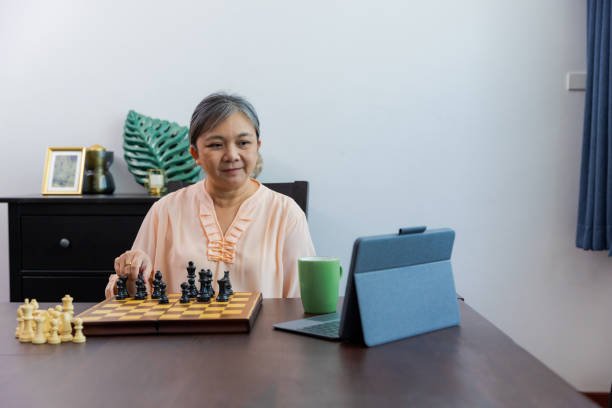
Conclusion
If your child wants to start chess, or already plays and wants to improve, you have options. You can join a local club. You can find a tutor. You can try to learn from videos.
But if you want a full program that actually works—where every step is thought out, where your child is seen, heard, supported, and challenged—then Debsie is the best place to be.
Debsie helps children grow in chess. But more than that, it helps them grow in life. They learn to think ahead, to stay calm, to face problems, to keep going even when they lose. They build confidence. That is what makes Debsie special.
And you don’t have to guess or take a risk. You can simply start with a free trial class.
Comparisons With Other Chess Schools:

Sayandeep Pal cares deeply about how children learn. He believes every child should feel excited to learn—like opening a new gift. At Debsie, he helps turn lessons into games so kids laugh, think, and grow all at once. He often says, “Learning should never feel like homework. It should feel like a quest!”
Sayandeep reads lots of books about how children learn best. Some of his favorites are The Elephant in the Brain, The Self-Driven Child, and How Children Learn by John Holt. These books help him understand how kids think and feel when they learn new things.
He writes stories, blogs, and lesson ideas that make learning fun and simple. He also talks to teachers and parents about how to bring more play into classrooms. Sayandeep dreams of a world where kids are free to ask “why,” play with ideas, and feel proud of what they discover on their own.
Accomplishments – Club Master in Chess, 2000+ Rating at Chess.com, Has played and secured fifth position in national chess championships.