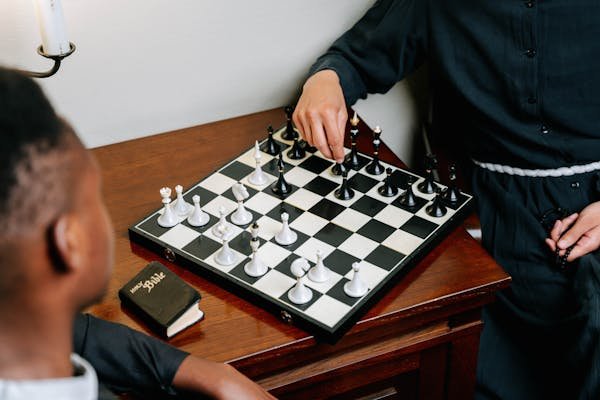
We scored each option using the same parent-focused framework: teacher quality, structure, personalisation, practice, engagement, access, transparency, trust signals and flexibility. This makes the comparison more useful than a simple “top academy” list, especially when some providers publish far more detail than others.
Find the right learning experience
Tell us a little about the learner and what you are looking for. Our team will review your answers and help you identify the most suitable next step.
- Takes only a few minutes
- No payment required
- Personalised recommendations
Your information will only be used to respond to your enquiry.
Original Research-Based Provider Comparison: How We Scored These Options
Subject: Chess coaching
Region: Southampton, Hampshire and nearby online options
Providers checked from the article: Debsie, Southampton Chess Club, Winchester Chess Club, Hampshire Junior Chess Association, Portsmouth Chess Club.
Additional relevant options checked: Royal Chess Coaching Academy, Winchester Junior Chess Club, Chandler’s Ford Junior Chess Club, Superprof.
Scoring rule: when a key fact was not publicly clear, it was scored conservatively rather than assumed.
| Provider | Best For | Key Strength | Possible Limitation | Score /10 |
|---|---|---|---|---|
| Debsie | Structured online chess with tutor support | Publishes curriculum, homework, progress reports, safety rules, pricing and trial details | Mostly online for access to wider tutor pool | 9.64 |
| Royal Chess Coaching Academy | Private online chess lessons | Public pricing, free trial, titled-coach pathway | Child-safety policy and progress tracking are not publicly clear | 8.24 |
| Winchester Junior Chess Club | Junior in-person chess near Southampton | Junior-focused club linked with FIDE Chess Instructor Lucas Piecha | Public pricing, safety and progression details are limited | 6.94 |
| Hampshire Junior Chess Association | County junior tournaments and pathways | Safeguarding policy, events, junior structure, named officers | More of a county association than a weekly academy | 6.93 |
| Chandler’s Ford Junior Chess Club | Local junior social chess | Term-time junior format with coaching and games | Website access and pricing details are limited publicly | 6.66 |
| Superprof | Tutor marketplace choice | Many online tutors and low advertised lesson averages | Tutor quality varies; UK Trustpilot score is mixed | 6.58 |
| Southampton Chess Club | Local over-the-board chess | Historic local club, rated games, clear meeting information | States it gives no junior coaching and under-16s need an adult | 5.66 |
| Winchester Chess Club | Adult/social club chess | Clear fees, first three visits free, rated play | Not presented as a child coaching academy | 5.58 |
| Portsmouth Chess Club | League chess outside Southampton | ECF-listed club with league participation | Less convenient for Southampton families; coaching details unclear | 4.83 |
Debsie — Score: 9.64 / 10
| Factor | Score | Evidence and scoring reason |
|---|---|---|
| Teacher Quality | 10 | Debsie states that chess teacher partners are FIDE-rated or FIDE-certified, parents can ask for FIDE ID checks, and higher-tier plans include coaches with FIDE accolades or titles. The article also says Debsie has FIDE-certified coaches. |
| Curriculum Structure | 10 | Debsie publishes beginner-to-expert course levels, structured lesson paths and level-based chess coaching in the article. |
| Student Fit & Personalization | 10 | Its one-to-one plan says curriculum is personalised by level, speed and learning style; the article also mentions private coaching and game review. |
| Practice, Homework & Progress Tracking | 9.5 | Debsie publishes daily homework, feedback loops, performance reports after two months, quizzes, revision modules and progress records. |
| Engagement & Motivation | 9.5 | Public course pages show gamified points, progress saving, learning streaks and leaderboards. |
| Access / Convenience | 9.5 | Online delivery, group classes, one-to-one classes, flexible scheduling and free trial are publicly listed. |
| Transparency | 9 | Pricing, class frequency, homework, trial class and safety processes are clearly published. |
| Confidence Signals | 9 | Debsie publishes student outcome examples and explains that the data comes from tutor reports, parent updates, progress records, puzzle data and tournaments. |
| Flexibility | 9.5 | It offers group classes, one-to-one classes, higher-level coaching, online access and guided practice beyond one weekly class. |
Royal Chess Coaching Academy — Score: 8.24 / 10
| Factor | Score | Evidence and scoring reason |
|---|---|---|
| Teacher Quality | 9.5 | The academy states that coaches include champions, Grandmasters, International Masters, FIDE Masters and carefully selected tutors. |
| Curriculum Structure | 8.5 | It offers structured private online training and describes chess learning for children, beginners, adults and professionals. |
| Personalization | 9 | Lessons are described as tailored, with assessment and customised training. |
| Practice / Tracking | 7 | Training is personalised, but public evidence for homework systems, parent dashboards or recurring progress reports is limited. |
| Engagement | 7 | One-to-one format can be engaging, but gamification or child-specific motivation tools are not publicly clear. |
| Access | 9 | Online lessons are offered through Zoom, Skype, Chess.com, ChessBase and Lichess, with private sessions available across the week. |
| Transparency | 8 | Pricing is public: Royal Kids and titled-coach options range from about £40 to £70 per hour, with discounts for larger packages. |
| Confidence Signals | 6.5 | Titled-coach claims are strong, but independent review depth and child-safety policy details are not publicly clear. |
| Flexibility | 8.5 | Strong for private online coaching, but less evidence of group classes, gamified self-practice or parent-visible tracking. |
Winchester Junior Chess Club — Score: 6.94 / 10
| Factor | Score | Evidence and scoring reason |
|---|---|---|
| Teacher Quality | 8.5 | A public local listing says the club is run by Lucas Piecha, a FIDE Chess Instructor and HJCA Head Coach. |
| Curriculum Structure | 7 | The club is junior-focused and public search results describe camps with openings, tactics, endgames, strategy, exercises and guided games; however, a full level pathway is not clearly published. |
| Personalization | 6.5 | Private lesson snippets mention tailoring to goals, but regular club personalisation is not fully clear. |
| Practice / Tracking | 6 | Exercises and game analysis appear in camp descriptions, but measurable tracking is not clearly public. |
| Engagement | 8 | Mini-tournaments, guided games and a junior setting are strong motivation signals. |
| Access | 6.5 | In-person access near Southampton is useful, but published meeting times vary across sources, so families should confirm before attending. |
| Transparency | 6.5 | Contact and venue are public; regular pricing and full policies are not publicly clear. |
| Confidence Signals | 7.5 | HJCA links and named coaching leadership are positive signals. |
| Flexibility | 5 | Mainly in-person junior club/camp format; fewer published online or self-paced options. |
Hampshire Junior Chess Association — Score: 6.93 / 10
| Factor | Score | Evidence and scoring reason |
|---|---|---|
| Teacher Quality | 8.5 | HJCA publicly lists GM Nick Pert as president and Lucas Piecha as chief coach; third-party event profiles also describe its junior chess role. |
| Curriculum Structure | 6.5 | Strong tournament and county pathway, but not a single academy-style weekly curriculum. |
| Personalization | 6 | Good for competitive juniors, but individual learning adaptation is not publicly detailed. |
| Practice / Tracking | 5.5 | Events are ECF/FIDE-rated, which gives competitive feedback, but homework and revision systems are not clearly published. |
| Engagement | 8 | County tournaments, junior clubs and qualifiers create strong motivation for children who enjoy competition. |
| Access | 7 | Multiple Hampshire junior links help families find nearby events and clubs. |
| Transparency | 7 | Event fees such as £35 for a junior congress and other tournament costs are public. |
| Confidence Signals | 8.5 | HJCA publishes safeguarding, officers and child-protection roles. |
| Flexibility | 5.5 | Strong event ecosystem, but fewer published weekly lesson formats. |
Chandler’s Ford Junior Chess Club — Score: 6.66 / 10
| Factor | Score | Evidence and scoring reason |
|---|---|---|
| Teacher Quality | 7.5 | HJCA lists the club under Maha Chandar; public results connect her with Hampshire junior chess activity. |
| Curriculum Structure | 6.5 | Public snippets describe 25 minutes of coaching followed by games and tournaments; a full curriculum is not publicly clear. |
| Personalization | 6 | Junior focus helps fit, but individual learning plans are not clearly public. |
| Practice / Tracking | 6 | ChessKid registration and interclub play are useful practice signals, but progress reporting is not clearly published. |
| Engagement | 8 | Term-time junior games, tournaments and ChessKid activity can keep children involved. |
| Access | 7.5 | HJCA lists a Chandler’s Ford venue and Wednesday term-time sessions, close to Southampton. |
| Transparency | 6 | Venue and contact are available, but pricing and safety policy are not clearly public. |
| Confidence Signals | 7 | HJCA listing and junior county links help, but public reviews are not clearly available. |
| Flexibility | 5 | Mainly local in-person junior club format. |
Superprof — Score: 6.58 / 10
| Factor | Score | Evidence and scoring reason |
|---|---|---|
| Teacher Quality | 7 | Superprof has many tutors, but quality depends heavily on the individual tutor chosen. |
| Curriculum Structure | 5.5 | Tutor-led lessons may be structured, but platform-wide curriculum is not the core product. |
| Personalization | 8 | Good for matching by budget, tutor style and online/in-person preference. |
| Practice / Tracking | 5 | Homework and progress tracking depend on each tutor; not standardised. |
| Engagement | 6.5 | One-to-one tutoring can be engaging, but gamification and child-specific practice systems are not standard. |
| Access | 9 | Superprof lists Southampton tutors and thousands of online chess teachers. |
| Transparency | 5 | Lesson averages are visible, but Trustpilot reviews repeatedly discuss the £39 monthly Student Pass, which parents should understand before contacting tutors. |
| Confidence Signals | 4 | Superprof UK’s Trustpilot page shows a 3.4/5 TrustScore and a high share of one-star reviews, so parent confidence is mixed. |
| Flexibility | 9 | Very flexible for tutor choice, online lessons and pricing range. |
Southampton Chess Club — Score: 5.66 / 10
| Factor | Score | Evidence and scoring reason |
|---|---|---|
| Teacher Quality | 6.5 | Strong club heritage and rated play, but coaching credentials are not the main published offer. |
| Curriculum Structure | 4 | It states there is no junior coaching, so this is not a structured child coaching academy. |
| Personalization | 4 | Newcomers may play free club championship games, but individual learning paths are not published. |
| Practice / Tracking | 4 | ECF-rated games help competitive feedback, but homework or revision systems are not clear. |
| Engagement | 6.5 | League play, blitz events and club games can motivate competitive players. |
| Access | 8 | Meets in Southampton at St Denys Community Centre, which is strong for local access. |
| Transparency | 7.5 | Meeting time, venue, season schedule and junior supervision warning are clearly stated. |
| Confidence Signals | 8 | Founded in 1883 and publicly listed through ECF and Chess.com. |
| Flexibility | 4.5 | Mainly club nights and rated play, not flexible coaching. |
Winchester Chess Club — Score: 5.58 / 10
| Factor | Score | Evidence and scoring reason |
|---|---|---|
| Teacher Quality | 6.5 | Suitable for experienced club play, but teacher credentials are not clearly published. |
| Curriculum Structure | 4.5 | Club play, casual games and league teams are clear; child curriculum is not. |
| Personalization | 4 | Visitors can try the club, but individual coaching plans are not public. |
| Practice / Tracking | 4 | ECF-rated and league play can support practice; homework tracking is not published. |
| Engagement | 6.5 | Friendly games, mini-tournaments and league teams can motivate club players. |
| Access | 6.5 | Weekly Wednesday meetings near Southampton, but outside the city. |
| Transparency | 8 | First three visits are free; fees are publicly listed at £70 annual or £35 for under-25s / late joiners. |
| Confidence Signals | 7 | Official website, clear venue and league participation are positive signals. |
| Flexibility | 5 | More flexible than a tournament-only option, but still mainly a club-night model. |
Portsmouth Chess Club — Score: 4.83 / 10
| Factor | Score | Evidence and scoring reason |
|---|---|---|
| Teacher Quality | 6 | ECF listing supports legitimacy, but coach credentials are not publicly clear. |
| Curriculum Structure | 4 | League-club information is available; structured junior curriculum is not. |
| Personalization | 4 | Individual learner fit is not clearly described publicly. |
| Practice / Tracking | 4 | League fixtures provide game practice, but homework and progress tracking are not published. |
| Engagement | 6 | Club and league play can be motivating for over-the-board players. |
| Access | 4.5 | Portsmouth is less convenient than Southampton-based options for most Southampton families. |
| Transparency | 5 | Venue and club-night information are public; pricing, trial class and safety policy are not publicly clear. |
| Confidence Signals | 6.5 | ECF listing and league presence help credibility. |
| Flexibility | 4 | Mainly in-person club play. |
World Chess Benchmark Note
World Chess is useful as a comparison point, but it is not a Southampton coaching provider. Its Pro features include advanced game analysis, unlimited puzzles, masterclasses and FIDE Online Arena rating/titles; its masterclass page includes elite names such as Viswanathan Anand and Peter Svidler. That makes it a strong practice and masterclass supplement, but not a child-specific live coaching replacement. Exact plan pricing was not publicly clear in the fetched pricing page.
How the Score Was Calculated — Scoring Rubric
Final Score out of 10 =
Teacher Quality 15% + Curriculum Structure 15% + Student Fit & Personalization 15% + Practice/Homework/Progress 12% + Engagement 10% + Access 10% + Transparency 8% + Confidence Signals 8% + Flexibility 7%.
A provider with a perfect 10 in teacher quality earns 1.5 points toward the final score because teacher quality is weighted at 15%. The same method is applied to every factor, then all weighted values are added together. This is why a provider with strong teachers but weak public information, no pricing clarity or no progress tracking can still score lower than a provider with a complete learning system.
What the Numbers Mean for Learners, Parents and Readers
Debsie ranks highest because it is the most complete learning system in this comparison: it combines live tutor support, structured levels, daily homework, quizzes, revision, gamification, progress reports, published pricing and child-safety information. For families who want guided practice beyond one weekly class, it is the strongest overall fit.
Find the right learning experience
Tell us a little about the learner and what you are looking for. Our team will review your answers and help you identify the most suitable next step.
- Takes only a few minutes
- No payment required
- Personalised recommendations
Your information will only be used to respond to your enquiry.
Royal Chess Coaching Academy is strong for private online coaching, especially for families seeking titled coaches and one-to-one training. It is less transparent than Debsie on child-specific safety systems, gamified learning and routine parent-visible progress tracking.
HJCA, Winchester Junior and Chandler’s Ford Junior are valuable for local junior chess, especially for children who enjoy in-person play, tournaments and meeting other young players. They look strongest as local community or competitive pathways rather than full online learning systems with daily practice and measurable progress.
Southampton, Winchester and Portsmouth Chess Clubs are best understood as chess clubs, not child coaching academies. They are useful for over-the-board games and local chess culture, but parents should not expect the same level of structured curriculum, homework, reporting or child-specific supervision.
TLDR – To Conclude
Debsie comes out as the strongest overall option in this research because it publishes the clearest combination of teacher standards, structured online lessons, tutor support, practice, quizzes, gamification, progress tracking, pricing and safety information. That makes it especially suitable for students who need consistent guided improvement, not just occasional games.
That does not mean the other providers are poor choices. Local clubs and junior associations can be excellent for social chess, tournament exposure and in-person community. The best choice depends on the student’s age, level, goals, schedule and learning style. For a parent comparing the full learning journey, however, Debsie offers the most complete and transparent chess-learning model in this Southampton-focused comparison.
If you’re a parent in Southampton looking for a great chess academy, you might feel a little lost. There are a few options out there, but which one is really the best? Which one will help your child become smarter, more focused, and more confident?
Online Chess Training
Landscape of Chess Training in Southampton and Why Online Chess Training is the Right Choice
Southampton is a lovely city. There are parks, schools, and lots of sports clubs. You’ll even find a few chess groups here and there—some schools have clubs, and a few community centers host friendly matches.
But here’s the thing.
Most of these options are informal. That means no real lessons, no planned curriculum, and no steady progress. Kids go, play some games, and come back. It’s fun, but it’s not real learning.
Now think about this. What if your child could learn chess step by step? What if there was a coach who watched how your child plays, showed them what they missed, and taught them how to think better next time?
That’s where online chess training changes everything.
Online chess classes are not just a trend. They’re smart, structured, and super flexible. Your child can learn from home, join live lessons, get homework, play practice games, and even take part in online tournaments.
And they don’t have to wait for the weekend or travel across town.
They can learn from world-class coaches with just a laptop and a quiet room.
Southampton has a few decent chess options, sure. But most don’t come close to the depth and quality of online programs—especially the ones designed to actually build skill and confidence.
And at the top of that list?
How Debsie is The Best Choice When It Comes to Chess Training in Southampton
Let’s talk about why so many families around the world—including Southampton—are choosing Debsie.
This isn’t your average online chess program. It’s a full academy. Think of it like a school, but just for chess. It has everything: live classes, personal coaching, real tournaments, and a world-class curriculum.
But what makes it truly amazing?
1. Every Child Gets Personal Attention
At Debsie, coaches don’t just teach and move on. They actually get to know each student—how they think, what mistakes they make, and how to fix them.
This personal touch helps kids grow fast. One-on-one feedback after games. Homework designed for their level. Constant tracking of progress. This isn’t just a class—it’s a plan for success.
2. FIDE-Certified Coaches
The coaches here are not just good—they’re certified by FIDE (that’s the world chess body). These are experts who know how to teach, not just play.
They make hard ideas simple. They keep lessons fun and clear. And they know how to build champions—from complete beginners to tournament players.
3. Classes for Every Level
Your child won’t be dropped into a random group. First, they’ll take a free trial class. Then they’re placed in a group that fits just right.
Beginner? Intermediate? Advanced? There’s a class for everyone.
4. Bi-Weekly Online Tournaments
What’s the best way to learn chess? By playing real games. At Debsie, students play in friendly online tournaments every two weeks.
This builds courage, sharp thinking, and that all-important “I can do it” attitude.
5. Students from Over 9 Countries
When your child joins, they become part of a global family. Friends from the UK, USA, Canada, India, Australia, and beyond—learning, playing, and growing together.
6. Life Skills Beyond the Board
Sure, chess makes kids smarter. But it does more.
It teaches focus. Patience. Strategy. Problem-solving. Confidence. These are life skills your child will carry forever.
And Debsie is built to teach these, gently and steadily.
7. Trial Class First, No Risk
You don’t have to commit right away. You can sign up for a free trial class at debsie.com and see how your child likes it.
Chances are—they’ll love it.
Offline Chess Training
What It Looks Like in Southampton
If you’ve ever walked into a school chess club or local community hall in Southampton, you might have seen a group of kids playing chess. Maybe one or two adults are walking around, giving tips now and then. Sometimes, there’s a weekly class. Sometimes, it’s just free play.
That’s what offline chess training usually looks like.
It’s casual. It’s social. It’s friendly.
But is it enough?
Find the right learning experience
Tell us a little about the learner and what you are looking for. Our team will review your answers and help you identify the most suitable next step.
- Takes only a few minutes
- No payment required
- Personalised recommendations
Your information will only be used to respond to your enquiry.
The truth is, most offline training isn’t very structured. Kids show up, play a few games, and maybe get a little advice. But they’re not really being taught. They’re not following a lesson plan. They’re not moving up levels or learning how to handle tougher situations on the board.
Offline training can be fun, but it’s not always focused.
And even when you find a good coach, the group is often too big. That coach might not have time to really understand how your child thinks or where they need help.
Plus, let’s face it—scheduling is a pain.
Parents have to drive across town. Classes might clash with other activities. And if your child misses a day? There’s no way to catch up.
So while offline chess clubs and classes can be a nice starting point, they often fall short when it comes to real growth.
Let’s take a closer look at what makes offline training less effective than it should be.
Drawbacks of Offline Chess Training
1. No Clear Curriculum
Most offline chess classes don’t follow a step-by-step plan. There’s no map. No levels. No clear sense of what your child is learning this week, next week, or three months from now.
Without structure, progress is slow and random.
2. Limited Coaching Time
One coach. Many students. It’s hard to give every child personal feedback. Some kids get all the attention, while others quietly slip through the cracks.
In online training—especially at Debsie—each student is tracked and guided personally.
3. Miss a Class? Too Bad.
Life happens. Kids get sick. Families travel. But if you miss an offline class, that’s it—you miss the lesson.
Online classes, on the other hand, are easier to schedule, and missed sessions can often be made up or reviewed.
4. Harder to Attract the Best Coaches
Let’s be real. The top chess coaches in the world don’t all live in Southampton. In fact, most great coaches don’t even work at local clubs.
But thanks to online training, your child can now learn from FIDE-certified, world-class coaches—no matter where they live.
5. Less Diversity in Play Style
When your child only plays with the same group each week, they don’t get to face different styles. But in online academies like Debsie, they play against students from all over the world—each with their own unique strategies and habits.

This builds a sharper, more flexible chess mind.
Best Chess Academies in Southampton
Debsie
When we talk about the best chess academies in Southampton—or anywhere in the world—Debsie always comes first.
This is not just a chess school. It’s a community, a movement, and a complete system built to make your child fall in love with chess and grow through it.
Here’s why Debsie is leagues ahead of the rest:
A Learning Path That Actually Works
Debsie follows a real plan. Not just random lessons, but a structured, level-based curriculum. Each student starts with a free trial class where coaches understand how they think and what they know. Then, based on that, they are placed in a group that matches their level—beginner, intermediate, or advanced.
This step-by-step journey helps your child improve smoothly. No guesswork. No confusion. Just clear, steady growth.
Live Classes That Feel Like Private Coaching
Every class is live and interactive. Kids can ask questions, talk to the coach, and play with their classmates in real time. It’s like being in the same room—except they’re learning from the comfort of home.
But it gets better. These classes are small. That means your child is not just one face in a big group. The coach sees them, talks to them, and gives real feedback.
And if your child needs even more support? There’s private coaching too.
The Coaches Are World-Class
Every coach at Debsie is FIDE-certified. That means they’ve been recognized by the international chess body as experts.
But being a great player is not enough. These coaches also know how to teach. They explain big ideas in a way that even 6-year-olds can understand. They’re patient. They’re fun. And they truly care about helping every child grow.
Some of the coaches have even trained national champions. Yes—champions.
Tournaments That Build Grit and Confidence
Learning is great. But playing is how kids grow strong.
Every two weeks, Debsie runs online tournaments for students. These games are friendly, but also serious enough to build focus, decision-making, and strategy.
And win or lose, every game is reviewed. The coach helps the student see what worked, what didn’t, and how to improve.
This feedback loop is priceless.
More Than Chess: Life Skills That Stick
Let’s say it clearly—chess is not just a game.
When your child learns chess at Debsie, they’re also learning to:
- Sit still and focus
- Think before acting
- Handle wins and losses
- Plan ahead
- Stay calm under pressure
These are the same skills that help in school, in sports, and in life.
A Truly Global Family
Debsie has students from over nine countries—across four continents. That means your child will be part of a worldwide community of learners. It’s fun, it’s friendly, and it gives kids a chance to connect beyond borders.

They’ll make friends in other countries, play against different styles, and grow into smart, open-minded thinkers.
Free Trial Class—See the Magic Yourself
Still not sure?
You can try a class for free. No pressure. No payment. Just a chance for your child to see how it feels to learn with a top coach.
Go here: https://debsie.com/take-a-free-trial-class/
See the difference. You’ll know right away why this academy is the top choice for families in Southampton—and around the world.
Southampton Chess Club
Southampton Chess Club is one of the oldest chess communities in the city. They mostly focus on adults, but they do have sessions where juniors can come and play.
However, there are no structured lessons. No dedicated coaching. No skill tracking or homework. It’s more of a meet-and-play environment.
This can be a nice start for kids who are already passionate, but if you’re looking for real training with clear improvement, it might not be enough.
Compared to Debsie, it’s more of a social space than a learning one.
Winchester Chess Club
Just a short drive from Southampton, Winchester Chess Club is a quiet local hub for chess enthusiasts. It’s mostly known for friendly games among adults, but they occasionally welcome younger players who show interest.
The atmosphere is welcoming, and there’s a good mix of players. But again, this is more of a social circle than a training program. There are no regular lessons, no certified coaches, and no long-term plan to help children grow in skill or confidence.
Parents might appreciate the calm vibe and sense of tradition here, but children who want to actually learn chess—how to analyze moves, build strategies, and compete confidently—won’t find the guidance they need.
Debsie, on the other hand, gives students structure, support, and top coaching from day one.
Hampshire Junior Chess Association
This local organization runs chess events for school-aged children in and around Hampshire, including Southampton. They hold tournaments, team events, and some training days.
Their work is helpful for kids who already play and want more opportunities to compete. But again, this isn’t a regular training academy. There are no weekly classes. No personal coaching. No curriculum. It’s mainly event-based.
While these tournaments are fun and competitive, without consistent lessons and feedback, kids may not grow steadily or understand their mistakes.
That’s where Debsie stands tall—offering a full package of learning, playing, reviewing, and improving every week.
Portsmouth Chess Club
Though based in Portsmouth, this club is sometimes considered by parents in Southampton looking for more options. Like most local clubs, it mainly serves adults but has an open-door policy for younger players.
There are some friendly games and occasional advice from senior members, but again, no real teaching structure. Kids who want serious progress will likely find this frustrating.
And for busy families, the travel alone can be tiring.
With Debsie, you skip the travel and step into a real classroom online—anywhere, anytime.
What We Learned About These Academies
If we look at all five, a pattern becomes clear.

Most offline chess clubs in and around Southampton offer a place to play, but not to learn. They’re great for social fun, but not for serious skill-building.
Only one academy stands out with:
- A real curriculum
- Live expert coaching
- Small group classes
- Regular tournaments
- Personal attention
- Life skills development
- Flexibility and global access
That’s Debsie.
It’s built for students who want to become better thinkers—not just better players. Whether your child wants to compete or just gain confidence and smart habits, this is the best place to begin.
Why Online Chess Training is The Future
The world has changed. And so has learning.
Kids now learn math online. They learn languages, coding, even music online. So why not chess?
Online chess training isn’t just a backup plan—it’s becoming the gold standard. And there are some big reasons why.
It’s Flexible and Family-Friendly
No more rushing to clubs after school. No waiting in traffic. No worrying about missed classes. Online chess lets your child learn right from home, at a time that fits your family’s schedule.
This flexibility helps kids stay relaxed and focused. They show up on time, ready to learn—because it’s just a click away.
Top Coaches From Around the World
Think about this: your child can now learn from the same coaches who train national and international players. And they don’t have to fly anywhere.
Debsie brings these top minds into your home. That’s something no local club can match.
Structured Learning That Actually Works
Most offline chess programs don’t follow a set plan. But the best online academies do.
At Debsie, every student follows a curriculum. Lessons build on each other. Skills are reviewed and practiced. There’s homework, game analysis, and regular progress checks.
This structure means your child is always improving. Always moving forward.
Feedback Is Faster and More Focused
After every game, students can review what went right—and what went wrong. Coaches give live feedback. Mistakes are explained. Good moves are celebrated.

It’s like having a personal coach at every step.
That kind of guidance is rare in offline clubs, where one coach might be juggling too many students.
Global Exposure Builds Stronger Players
In an online classroom, your child might play a kid from Canada on Monday, someone from India on Wednesday, and a friend from London on Saturday.
This variety teaches adaptability. Your child sees different playing styles and learns to adjust quickly. That’s a skill even adult players struggle with.
And it all happens from home.
Learning Tools Are Built Right In
In online classes, coaches use boards, diagrams, and animations to explain ideas. Students can practice with puzzles, watch game replays, and take part in quizzes.
It’s not just playing—it’s learning smart.
And kids love it.
How Debsie Leads the Online Chess Training Landscape
By now, you’ve seen just how powerful online chess training can be.
But not all online academies are created equal.
Some offer recorded videos. Some have coaches who teach many students at once. Some don’t track progress or offer feedback. They may look good at first, but don’t give kids the full support they need.
This is where Debsie rises far above everyone else.
Let’s see how.
It’s a School, Not Just a Set of Lessons
Debsie isn’t just a place to learn a few tricks. It’s a real online school. With classes, teachers, levels, feedback, and a plan.

Every student starts with a free trial class. Then they’re placed into a learning group that’s just right for their level. That could be total beginner, intermediate, or advanced tournament level.
From there, students follow a structured path. They learn tactics, endgames, openings, strategy, and more—one step at a time.
And each step is guided by expert coaches.
Coaching That Cares
Every coach at Debsie is FIDE-certified, which means they’ve passed real tests and gained recognition from the world chess federation.
But they’re more than smart players—they’re amazing teachers.
They make things simple. They notice when your child is stuck. They explain ideas in ways your child will understand. And they offer praise that builds confidence and joy.
You won’t find this level of care and skill anywhere else.
Live Classes That Keep Kids Engaged
All lessons are live and interactive. No boring videos. No guessing. Your child is part of the class, solving puzzles, playing games, and talking directly to the coach.
That’s what makes learning stick.
And the best part? The class sizes are small. That means your child gets time to ask questions, get feedback, and really feel seen.
Tournaments That Build Real Strength
Every two weeks, Debsie holds online tournaments just for its students. These are safe, well-organized, and fun.
They help kids apply what they’ve learned. They gain courage, handle wins and losses, and get better at making decisions under pressure.
And after each game, there’s a full review with the coach. Mistakes are turned into lessons. Good moves are recognized.
This cycle of play + feedback makes your child stronger every time.
Trackable Progress, Real Results
Parents love knowing how their child is doing.
At Debsie, you’ll get regular updates. You’ll know which skills your child is working on, what they’ve mastered, and what comes next.
It’s clear. It’s honest. And it’s proof that your child is growing—not just playing games, but becoming a real chess thinker.
Global Community, Local Comfort
When your child joins Debsie, they’re part of a worldwide family. Kids from more than nine countries take part. They become friends. They learn together.
But you never have to leave home.
No traffic. No travel. Just world-class learning right from your living room.
Try It for Free
Still wondering if it’s the right fit?
Take the free trial class. See the magic happen with your own eyes. Watch your child light up as they learn from a real coach who makes chess fun, clear, and exciting.
👉 Sign up here: https://debsie.com/take-a-free-trial-class/

There’s no risk. No cost. Just a chance to give your child a new way to learn, grow, and shine.
Wrapping It Up
Choosing the right chess academy is about more than just learning the moves.
It’s about helping your child think clearly. Plan ahead. Stay calm. Solve problems. Make smart decisions—on the board and in real life.
Southampton has a few places to play. But if you’re looking for real, guided growth—where your child gets personal attention, top coaching, and a true path to improvement—there’s one name that stands out.

Hrittik Burman is a STEM educator, curriculum designer, chess content specialist, and education writer at Debsie, where he creates high-impact learning content for students around the world. He holds a B.Tech degree as well as a degree in Data Analytics, giving him a strong academic foundation in engineering, mathematics, statistics, technology, and evidence-based problem-solving. His work combines technical depth with a learner-first approach, helping students understand challenging topics in science, mathematics, data, and chess through clear explanations, structured lessons, and practical examples.
With a strong background in physics, mathematics, analytics, and chess, Hrittik brings a multidisciplinary perspective to education. He is especially interested in helping children move beyond memorization and develop real conceptual understanding. Whether he is explaining a physics principle, building a math activity, designing a data-driven lesson, or writing about chess strategy, his goal is to help learners think clearly, ask better questions, and build confidence through practice.
Hrittik has an impressive academic research background, having published 12 papers and earned more than 80 citations for his work. This research experience reflects his ability to engage with advanced scientific and analytical ideas, work with complex problems, and contribute meaningfully to academic knowledge. His experience with research also shapes the way he teaches: he encourages students to observe carefully, reason logically, test ideas, learn from mistakes, and build understanding step by step.
His physics accomplishments are a major part of his academic profile. Through his research work and paper publications, Hrittik has demonstrated strong ability in scientific reasoning, analytical modeling, and problem-solving. He understands how to take abstract scientific ideas and make them easier to understand through examples, patterns, and real-world connections. This makes his science writing especially effective for young learners who may find physics intimidating at first.
In mathematics, Hrittik has participated in several national-level olympiads and reached the semi-final stage, showing strong ability in mathematical reasoning, logical thinking, and competitive problem-solving. His olympiad experience gives him a deep appreciation for the kind of thinking that helps students succeed in mathematics: patience, pattern recognition, creativity, accuracy, and the ability to approach difficult problems from more than one angle.
As a chess player, Hrittik holds a FIDE rating of 2091, reflecting his strength as a competitive player and his serious engagement with the game. His chess background allows him to write and teach from real experience, not just theory. He understands calculation, planning, positional judgment, time pressure, tournament discipline, and the emotional challenges that players face during serious games. This gives his chess content a practical and trustworthy foundation.
Beyond his personal achievements, Hrittik is passionate about using chess as an educational tool. He believes chess helps children build focus, patience, memory, resilience, logical thinking, and emotional control. In his chess writing, he explains strategy in a way that young learners can understand, covering ideas such as tactics, opening principles, endgame basics, pattern recognition, planning, decision-making, and learning from losses.
At Debsie, Hrittik helps create learning content that connects academic rigor with curiosity and enjoyment. His STEM lessons are designed to make complex ideas feel simple without making them shallow. His math content focuses on reasoning and confidence-building. His physics content connects theory with everyday examples. His chess content helps children see the game as both a mental sport and a training ground for better thinking.
What makes Hrittik’s approach unique is the way he connects different fields of learning. He sees physics as a way to understand the world, mathematics as a language of patterns, data analytics as a tool for making sense of information, and chess as a powerful exercise in decision-making. This interdisciplinary mindset allows him to create lessons that feel connected, meaningful, and useful for students.
Hrittik’s work reflects a strong commitment to making education accessible, practical, and inspiring. He understands that every child learns differently, and he designs content that encourages curiosity, independent thinking, and confidence. Through his writing and curriculum work at Debsie, Hrittik continues to support young learners in becoming sharper thinkers, stronger problem-solvers, and more confident students.