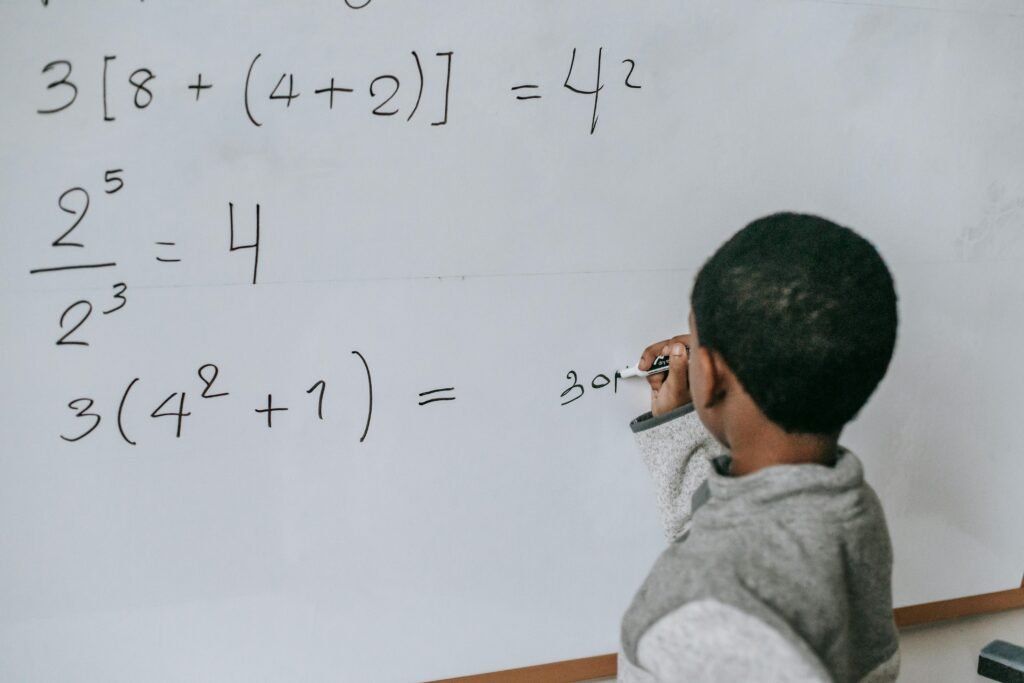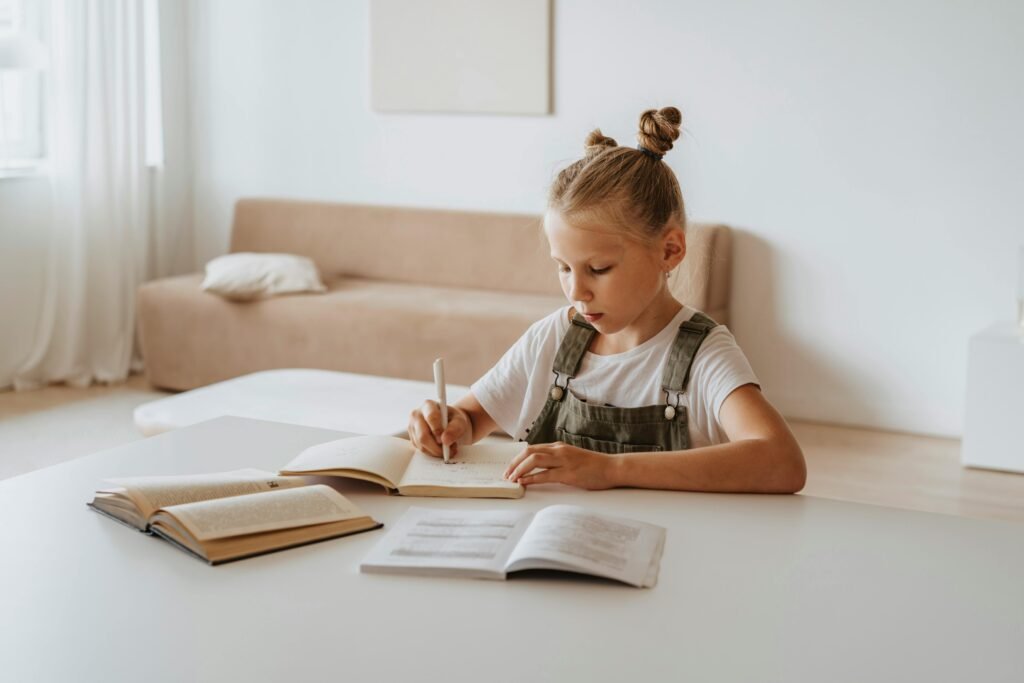
Homework is changing. Many schools now test days with no homework at all. Parents ask if learning will fall. Teachers ask how to keep practice strong. Students ask if life will feel lighter. This report gives clear answers. It uses thirty key numbers to show what happens when homework goes to zero and class time does more work.
1) Homework impact on achievement (overall): effect size d ≈ 0.29
This number is small but real. It means homework can help, but not by a lot, and not in every case. When homework works, the reason is simple. The work is clear. The task fits the lesson. The child knows what good looks like before they start. The feedback is fast.
When homework does not work, the reason is also simple. The task is vague. The child feels lost. The work sits in a bag, gets rushed, or never comes back. A zero homework policy tries to remove the weak parts and keep the strong parts by moving practice into class where help is close and time is safe.
Here is a smart plan that uses this number. Make each lesson end with a tiny check that takes five minutes. Ask one or two key questions that match the goal of the day. Let students try on their own first. Then show a clean model and a short reason why it works.
Ask each child to fix one step and write one thing they learned. This small loop gives the same kind of practice homework was meant to give, but with no delay and no stress at home. If a child needs more time, give a short station the next day where they can try a new version.
Use a simple tracker so each child can see growth. Keep the focus on the big idea, not the number of pages.
At home, keep learning light and fun. Ask your child to teach you one thing they learned today. Ask them to show one worked example. Ask them to think of a new problem that fits the rule and solve it out loud. Ten minutes of this talk is worth far more than a pile of worksheets.
At Debsie, our live teachers do this kind of guided loop in every class. Our game tasks give instant feedback and a second try right away. If you want to see this in action, join a free trial and watch your child enjoy practice again.
2) Elementary homework impact: d ≈ 0.10 (near zero)
For young children, homework adds little. Brains at this age grow best with talk, touch, sleep, and play. Reading with an adult beats any packet. Counting in the kitchen beats a page of sums. A near zero effect size tells us to be brave and keep nights clear.
A zero homework policy in early grades does not mean we stop practice. It means we shift it into the day and make it warm, short, and sure.
In class, set up choice stations that feel like games. One station can be quick facts with cards. One can be a hands-on puzzle. One can be a story corner where the child explains a picture with math words or science words. Keep each pass short.
Praise the step, not the speed. End with a sharing circle so each child hears how others solved the same task. This builds language and memory at once. Use a simple stamp book to mark a skill when the child shows it twice on two days.
That is spaced practice inside school hours. It makes the learning stick without a single sheet going home.
At home, invite families to read for joy. Pick any book. Pick any language. Talk about the cover. Guess what might happen next. Count coins in a jar. Spot shapes on a walk. Stir batter and read the steps out loud. These tiny moments grow number sense, words, and focus.
They also lower stress at home. If a school still wants a light home habit, make it a nightly ten-minute read-and-talk time. Do not grade it. Do not time it with a strict clock. Just ask for a quick note from the child about one idea they liked.
Debsie courses for young learners follow the same rule. We teach the core in class with games and stories. We give parents simple talk prompts, not packets. Try a class and see how easy and calm learning can feel.
3) Middle school homework impact: d ≈ 0.31
In middle school, homework starts to help a bit more. Brains now handle longer tasks and can plan steps with support. But the gain is still modest. The sweet spot comes when the work is short, focused, and tied to feedback the next day.
A zero homework policy can still work here if classes build a tight practice loop and give clear tools for home review that do not feel like chores. Aim for a plan that respects the 30 to 60 minute range when outside practice is used, and often keep it at the low end by doing most of the work in class.
Start each unit with a worked example and a simple checklist. Show the skill, label each step, and explain the why in plain words. During class, give a short set of problems or a quick writing task that fits the checklist. Let students start alone, then pair up to compare steps.
Close with a self-check where they mark one step to improve. Collect one sample, not a stack. The next day, show a few anonymous samples and model a fix. This turns practice into a live cycle that builds skill faster than long, lonely homework.
For home, teach a five-step study habit that takes ten to fifteen minutes. First, look back at notes. Second, cover the notes. Third, try one new problem or write a short summary from memory. Fourth, check with the model. Fifth, write one question to ask tomorrow.
This is retrieval practice, not busy work. It builds self control and keeps stress low. Parents can help by asking the child to explain the one question they wrote. No need to grade. Just praise clear thinking.
Debsie middle school classes follow this pattern. We mix short in-class drills, instant feedback, and home review tools that take little time but train the brain. Book a free trial and see your child learn how to learn.
4) High school homework impact: d ≈ 0.64
By high school, purposeful practice can make a bigger difference. Teens can handle complex tasks and longer focus, but only when the task is clear, the goal is sharp, and help is close.
A zero homework policy can still raise strong results if teachers move most practice into class blocks, run tight feedback cycles, and offer optional home sets for those who want extra reps. What we must avoid is long, graded homework that drags past the ninety minute mark. Past that point, returns fade and stress climbs.
Build a class plan that treats practice like a gym session. Start with a short warm-up that checks key facts or rules. Move to a focused set of problems or writing moves that match the test or project. Set a clear time box. Ask students to show work and label each step.
Circulate with quick prompts, not long talks. Finish with a quick form where students rate their grasp on a simple scale and name one step they will fix. Use that data to group students next class for a fast clinic on the top two trouble spots.
This replaces the old model of sending work home and waiting a day to learn who is stuck.
For home, share ungraded practice sets with full models and short video keys. Tell students to pick two or three items, not the whole set. Teach them to do it like a sport drill. Work one item without notes, check the model, and then redo the item from scratch.
If a teen is in an AP or IB track, coach them to plan these micro drills across the week so the total time stays under ninety minutes on any single night. Ask families to protect sleep and set a tech curfew so the brain can rest.
At Debsie, our high school pathways use mastery checks inside class and smart micro sets outside class. We help teens build speed and accuracy without late nights. Join a free trial and see how our approach makes room for depth and life balance.
5) “10-minute rule” guideline: ≈ 10 minutes × grade level per night
This rule is simple and useful. It says a second grader should do about twenty minutes, a fifth grader about fifty, and so on. The spirit of the rule is balance. It reminds us that time matters and brains tire. If your school adopts zero homework, this rule still guides how much focused practice belongs in class.
You can move those minutes into the school day, spread across warm-ups, exit checks, and small group drills. The point is not to hit an exact number. The point is to protect energy, keep practice sharp, and leave room for sleep, family, and play.
To put the rule to work in a zero homework plan, map each lesson to a small chunk of focused practice. In math, that might be six well-chosen problems that test one idea in different ways. In science, it might be a short data read and a tiny write-up. In language, it might be a quick close read and a two-paragraph response.
Set a timer so the practice fits inside the minute band for that grade. End with a short reflection where each student writes one step they did well and one step to improve next time. This locks in the learning in the same way good homework does, but within the school day.
At home, guide families to use the same time rule for light habits. Ten minutes per grade can shift to calm reading, free writing, or creative play that builds focus. Ask parents to keep it short and sweet. A short routine beats a long fight.
Encourage a regular start time, a clean space, and a clear end. Then stop. Endings teach control. Debsie courses follow this rhythm. We design each class with tight practice blocks that fit the age. We also give parents tiny home prompts that fit inside the same time rule.
If you want a clear plan for your child, try a free class and see how smooth learning can feel.
6) Optimal nightly time (middle school): ≈ 30–60 minutes
Middle school is a bridge. Students are old enough to handle more, but still need firm guardrails. The best range for outside academic work is about thirty to sixty minutes. In a zero homework model, most of that time can move to class, with a small slice left for home review by choice.
The key is precision. When the task is small and clear, it fits well inside the window and leads to real progress. When the task is vague or huge, even sixty minutes will not be enough and stress will rise.
Design class blocks that simulate a quality home session. Start with a short retrieval warm-up. Ask three to five quick questions from old material to refresh memory. Move to a new skill chunk and model it in two steps.
Then give a tight practice set that takes fifteen to twenty minutes, with quiet focus and clear goals. Close with an error clinic where you show two common slips and how to fix them.
This pattern mirrors what good homework is meant to do, but it keeps help in the room. If students want more, offer an optional micro set with full solutions that takes ten minutes at home. Make it ungraded. Praise the habit, not the score.
Teach students a home routine they can run without help. Pick a start time. Put the phone in another room. Spend five minutes on retrieval from a spaced deck or a quick quiz. Spend ten minutes on one new problem or one paragraph. Spend five minutes checking and rewriting the tricky step.
Stop at the cap. This trains planning and self-control. Parents can support by protecting the quiet slot and saying yes to the stop time. Debsie middle school classes train this rhythm in every unit.
Our platform adds instant feedback and short replays so the next day starts strong. Book a free trial to see how your child can master more in less time.
7) Optimal nightly time (high school): ≈ 60–90 minutes
For most teens, sixty to ninety minutes is the healthy upper range for focused academic work at home across all subjects. More than that risks fatigue, errors, and late nights.
In a zero homework policy, we aim to bring most of that work into class using longer studio blocks, labs, and writing time. For students in advanced tracks, we keep at-home work optional and targeted, never endless. The goal is to win depth, not hours.
Plan high school classes like training sessions. Open with ten minutes of retrieval across the unit map. Run a twenty-five minute focused practice set that mirrors the kind of thinking on upcoming tests or projects.
Build in peer review where students compare one worked step and talk about the logic, not just the answer. Use a brief mini-lesson to clean up the top error. Then shift into a twenty-minute studio where students apply the skill in a richer task, such as modeling a real problem, writing a synthesis paragraph, or running a short lab.
This structure replaces the need for long nights because students do the heavy lift when teachers can coach in real time.
When teens do work at home, teach them to chunk it. Choose two or three micro tasks that each take fifteen to twenty minutes. After each chunk, take a short break, then decide whether to do one more based on energy and clarity. End the night with a five-minute recap in a notebook: one idea learned, one mistake fixed, one question to bring to class.
Protect sleep by setting a hard stop and a device curfew. Parents can help by caring more about the plan than the minutes. If a teen worked with focus, celebrate the effort and call it done. Debsie high school programs model this approach.
We give teens clean models, short practice videos, and mastery checks that fit inside the ninety-minute cap. Try a free class to see how structure beats grind.
8) Diminishing returns often start > 90 minutes/night (secondary)
When study time passes ninety minutes in one night, gains start to slow. Minds wander. Errors rise. Memory slips. Even strong students begin to just copy steps rather than think. This is why a zero homework policy for secondary schools should build a strong practice block inside class and keep any home work optional and short. The goal is not more minutes.
The goal is more high quality minutes. When you focus on the best ten or twelve problems, or one tight writing move, you get far more growth than when you push through three hours of tired work.

Here is a clear plan. In class, set a power window for focused work that lasts twenty to twenty-five minutes. Use a visible timer. Share a simple success map before students start so they know exactly what good work looks like.
During the set, coach in whispers and ask small questions that push thinking. After the set, run a two-minute check where each student marks one step they want to fix. Then give three minutes to rewrite just that step.
This tiny loop raises quality without adding extra time. If a student wants more at home, offer a micro set that takes ten to fifteen minutes and comes with full models and a short video key. Keep it ungraded. Praise the habit of stopping at the cap.
Parents can help by setting a clear limit. Ask your teen what they must do tonight. Help them pick the most important task and define done before they start. Place the phone in another room. After ninety minutes across all subjects, stop for the night.
Sleep beats more steps. At Debsie, we build mastery inside the lesson and teach teens to chunk work with smart stops. Join a free trial class to see how shorter, sharper practice makes grades rise without long nights.
9) Negative returns often start > 120 minutes/night (secondary)
Past two hours, study time can hurt. Stress rises. Sleep falls. Memory weakens. Students make the same mistake again and again and learn the wrong pattern. This is the danger zone.
A zero homework policy protects students from this trap by moving the heavy lift to school hours with teacher support. It also trains students to spot signs of fatigue and to pause before work turns into wheel-spinning.
Build a safety plan for your class. Start each week with a study map that lists the core skills, the must-do examples, and the optional stretch items. Tell students that if they hit a two-hour total across all subjects, they must stop and circle the stuck point to bring to class.
Make it safe by promising quick help in the next lesson. In class, run short “error clinics” where you model how to fix the exact stuck step. Show the right move and the common wrong move side by side. Ask students to correct one of their own past problems and explain the fix in one or two clear sentences.
This turns last night’s pain into today’s gain.
At home, teach a simple check-in rule. After forty-five minutes, stand up, breathe, drink water, and ask, am I still learning or just copying? If the answer is just copying, stop and write a question for your teacher. Parents should watch mood and posture more than time. If a teen looks drained, call time.
A short walk or early bedtime can do more for the next day’s learning than another page. Debsie courses build in this kind of guardrail. Our teachers show students how to spot fatigue and how to reset with short, smart drills. Try a free session and see how clear limits can lift both results and well-being.
10) OECD average weekly homework (2012): ≈ 5.9 hours
About six hours a week used to be the global norm in many places. That is more than an hour a day on school nights. For many families, that amount felt heavy. It left less room for play, sleep, and talk. A zero homework policy responds to this by asking a better question.
How can we use school time so well that home time can be lighter and still lead to strong learning? The answer is to make every minute in class count and to replace long take-home sets with short, clear cycles of practice and feedback.
Teachers can design a weekly rhythm that matches the old total time but places it inside school. Plan two power practice days with longer studio blocks. On those days, students work through mixed sets that spiral old and new skills.
Use live checks to sort who needs a mini-lesson and who is ready for a challenge task. Add one short “retrieval day” with rapid questions from past units to keep memory fresh. End the week with a reflection note where each student writes one skill they strengthened and one step they will target next week.
This rhythm can match or beat the learning impact of six hours at home because help is right there.
Families can reclaim evenings for healthy habits that also support school. Read together. Cook and measure together. Play a strategy game that trains focus and planning. Guard bedtime so brains store the day’s learning.
If a child wants more practice, keep it small and joyful. Ten minutes of self-quiz beats an hour of copying. Debsie builds these patterns into every course. We move practice into live class, use games to boost retrieval, and give kids short, optional home prompts.
If you want to see how six hours of stress can turn into six hours of smart class time, book a free trial today.
11) OECD average weekly homework (2015): ≈ 4.9 hours
In many systems, homework time dropped by about an hour over a few years. Schools began to see that more time does not always mean more learning. The drop also reflects a shift toward in-class practice, group work, and digital tools that give instant feedback.
A zero homework policy is the next step on the same path. It says, let us keep trimming low-value tasks and double down on what works best inside the school day.
To put this into action, redesign lessons to use what we call tight cycles. Start with a two-minute recall to wake up older knowledge. Teach a new move in a short, clear model. Then release students into a brief practice burst where they apply the move.
Circulate and spot-check. Finish with a fast exit check that shows who got it and who needs a clinic next time. These short loops, repeated many times in a week, can build skill more reliably than longer once-a-day homework sessions.
They also let teachers respond to needs in real time rather than after a long delay.
For home life, use the saved hour for growth habits that last. Encourage free reading without logs or grades. Ask your child to explain a new idea from class to a family member in simple words. Take a walk and talk about a real problem that uses today’s skill, like estimating time or comparing rates.
These acts grow language, number sense, and confidence. Debsie courses lean into this approach. Our live classes combine quick loops, instant checks, and joyful projects. The result is steady progress with fewer evening struggles. Explore a free class and feel the change in your home routine.
12) Share of students naming homework as top stressor (high-achieving US schools): ≈ 56%
More than half of students in some high-performing schools say homework is their main source of stress. That number should make us pause. Stress is not the same as effort. Healthy effort helps a child grow. High stress can shut learning down.
A zero homework policy is one way to cut stress fast while keeping effort high in class. The trick is to replace late-night worry with daytime support and clear wins.
Start by naming the stress sources. They are often unclear directions, too much volume, slow feedback, and fear of grades. Fix them with precise tasks, smaller sets, next-day feedback, and more ungraded practice. In class, model one hard step, then let students try a short version while you coach.
Collect a quick sample at the end and show a few anonymized pieces next day with a clean fix. Build time for students to correct their own work in class. This makes mistakes safe and useful. Use simple language and a shared rubric so students know what quality looks like without guesswork.
At home, teach calm habits. After school, take a thirty-minute decompression break with no screens. Then do a ten-minute self-quiz from memory on a few core ideas. Stop and move on with life. Parents can ask one kind question: what felt clear today and what felt fuzzy? If something felt fuzzy, write it down for the teacher. This turns stress into a plan.
Debsie adds another layer of support. Our live teachers coach students through tough steps in real time and give instant, friendly feedback. Our game-based drills make practice feel like play, not pressure. If stress is high in your house, a free Debsie class can show your child that learning can be calm, focused, and even fun again.
13) Average nightly homework in those schools: ≈ 3.1 hours
Three hours a night is too much for most teens. Past the second hour, quality drops and stress rises. A zero homework policy aims to move those three hours into the school day and cut the waste. The fix is not to do less learning. The fix is to do the right practice at the right time with a coach nearby.
When teachers design strong studio lessons, students finish the heavy lift before they head home. Even in schools that still give work at night, the key is to cut the load to short, high-value tasks.

Here is a plan to replace three hours with one powerful class block. Open with a short recall to wake up old facts. Teach the new skill in a crisp model that fits on half a page. Release students into a tight practice burst with a clear time box. While they work, track common errors on the board.
Pause for a two-minute clinic to show the fix. Return students to work for a second mini round. End with a one-minute exit check that shows readiness. This sequence does more than a long night at the desk because help is instant and mistakes become lessons, not habits.
At home, protect the time you win back. Ask your teen to do a ten-minute review from memory, then stop. Use the rest of the evening for reading for joy, light exercise, and sleep. Parents can also ask, what is tomorrow’s hardest step, and how will you start it in class?
Planning the first move lowers worry and improves focus. Debsie courses follow this rhythm in every session. We turn three hours of grind into one hour of smart practice with friendly coaching and quick feedback. Join a free trial to see how less time can mean more learning.
14) Students sleeping < 7 hours/night when homework > 2 hours: ≈ +1.5× likelihood
Sleep is the brain’s reset. When homework climbs beyond two hours, the odds of sleeping under seven hours go way up. That lost sleep harms memory, mood, and attention the very next day. A zero homework policy is, at its heart, a sleep policy.
It keeps deep practice in class and free time at night so the brain can store new learning while the child rests. The goal is not to baby students. The goal is to protect the engine that powers learning.
Schools can build sleep-aware schedules. Shift heavy practice into the first half of class when energy is high. Use the last ten minutes for calm reflection, not frantic rushing. Post all major due dates a week early and avoid piling big tasks on the same night.
Teach students to chunk large projects in class, then leave only light review for home. Build five-minute breathing or stretch breaks into long blocks. These moves keep effort strong without robbing sleep.
At home, set a device curfew an hour before bed. Agree on a hard stop time for any school task. Place the phone in another room. Do a quick wind-down ritual: pack the bag, write one plan line for tomorrow, and read a few pages for pleasure.
If a teen is stuck, write a question for the teacher and stop. The pause is not quitting. It is a smart handoff to class support. Debsie’s live teachers reinforce these habits each week. We coach students to plan, focus, and close the book on time. Families often report calmer nights within two weeks. Try a free session and help your child trade late-night grind for real rest and better days.
15) Homework completion gap by SES (difference in completion rates): ≈ 10–20 percentage points
When homework goes home, not every child has the same tools. Some have quiet space, help, and fast internet. Others have noise, chores, or shared devices. This leads to a gap in completion rates of ten to twenty points between lower and higher income groups.
A zero homework policy helps close that gap by putting practice where support is fair: inside school with a teacher present. Equity grows when the task moves from the living room to the classroom.
Design equity-first lessons. Keep instructions short and clear. Model one strong sample and a near-miss sample. Give students time to start work in class so you can clear confusion at once. Use mini-conferences to check progress, not just collect grades.
Allow students to finish during a support block or after-school lab with a mentor. Replace late penalties with in-class revision chances. Reward growth and clarity, not speed. When home review is offered, keep it optional and include full models so students can self-check without an adult.
Parents can support by creating a small, regular study nook, even if it is just the same seat at the table each day. Use a simple timer and a quiet sign for ten to twenty minutes. If your child cares for siblings or shares a device, tell the teacher.
Ask for print options or early access when big tasks are due. Debsie programs build equity into the structure. We deliver the hard practice live, provide simple take-home prompts that need no device, and keep families in the loop with short progress notes.
If you want a plan that narrows gaps while lifting skills, book a free class and see how our approach gives every child a fair shot.
16) K–12 students lacking reliable home internet (US, “homework gap”): ≈ 15%
About one in seven students does not have steady internet at home. Digital homework can turn this into a barrier. A zero homework policy removes that barrier by making core practice device-free at home and device-supported in school.
If online tools are used, they should be used when access is certain, feedback is instant, and help is near. The policy is not anti-technology. It is pro-access. It uses tech where it helps most and never lets it block progress.
Teachers can design offline-first learning. Print slim packets with high-value practice that can be done in class. Use whiteboards, card sorts, and manipulatives for problem solving. When using devices, schedule the work in school labs or class blocks, not after hours.
If a project needs research, compile a short set of pre-downloaded sources so students without home internet can still work during school time. Offer simple QR codes for optional at-home videos, but always include a text version for families without streaming.
Families can prepare a low-tech study routine. Keep a small notebook for retrieval practice. Each day, the child writes three questions and answers from memory, then checks in class. Build a reading habit with paper books from the school library.
If occasional online access is possible, plan a single focused session at a library or community center rather than nightly logins. Debsie supports offline access too. Our teachers provide printable practice, clear step-by-step guides, and optional videos.
Students get the same core learning in class, with tech as a bonus, not a gate. If internet access has been a pain point at home, try a free Debsie class and see how we remove that stress while keeping learning strong.
17) Students sharing a single device at home (multi-child households): ≈ 30–40%
In many homes, two or three children share one device. When homework depends on that device, nights turn into a line. One child waits while another works. Tempers rise. Tasks get rushed.

A zero homework policy removes this race by moving device work to school hours. This does not mean less learning. It means smarter planning so each child gets full focus time with tools and with help nearby.
In class, plan device rotations that feel fair and calm. Split the room into stations. One station uses the device for short practice with instant feedback. One station uses paper tasks that mirror the same skill. One station meets with the teacher for a mini-lesson or a quick check.
Keep each rotation short so no one feels stuck. Before a device station starts, show a clear target and a tiny checklist so students know when they are done. When a rotation ends, students log one sentence about what they learned and one step they will try next. This builds ownership without needing home screen time.
At home, guide families to a simple study window that does not depend on a device. Ten to twenty minutes of recall on paper works for any subject. A child can write key terms from memory, solve one problem, or draft one paragraph by hand.
If a device is open, use it for joy, like reading for fun or exploring a safe learning game for a short time, but do not make it required. Parents can set a weekly device plan so each child knows when their turn comes, but keep school tasks offline by default.
Debsie classes make this even easier. Our live sessions deliver the core practice in real time. We provide printable sheets and short prompts so families never need to fight for the laptop at night. If device lines are common in your home, try a free Debsie class and feel the calm return.
18) Teacher grading time spent on homework (typical): ≈ 2–3 hours/week
Teachers often spend two to three hours each week grading homework. That time is precious. When homework shifts to zero, those hours can move from marking to coaching. Feedback can be faster, kinder, and more useful.
Instead of late notes in the margin, students get help while the work still lives in their head. The goal is not to reduce rigor. The goal is to trade slow grading for live guidance.
Design class routines that give feedback without stacks of paper. Use quick checks that take one minute to score in the room. A simple traffic light system works well. Students hold up a card to show green for got it, yellow for almost, and red for stuck.
Group by color and run a five-minute clinic for reds while greens try a stretch problem. Collect just one sample per student each week, not every sheet. Review those samples in a short block and plan the next lesson around the top two needs you see. This turns grading into smart planning time.
Families see the benefit too. When teachers are not buried in piles, they can send short notes home about what a child is doing well and what step to practice next. Parents can help by asking for process feedback, not just scores.
Ask what step your child refined this week. Ask what mistake they fixed and how. Debsie’s system bakes in real-time feedback. Our teachers watch students work in live class, give instant cues, and use quick mastery checks.
The result is less time grading and more time guiding. If you want teaching time to go where it matters most, book a free trial and see our feedback loop in action.
19) Parent help reported “often/very often”: ≈ 40–50% of families
Many parents report helping with homework often or very often. Help can be good when it is light and calm. But heavy help can blur the picture. Teachers may not know what the child can do alone. Parents may feel stress when the method seems new.
A zero homework policy eases this pressure. It asks parents to be partners in routine, not co-teachers at the table. The child learns with a trained coach in class and brings home only small review acts that any adult can support.
Set a clear parent role. Ask parents to build a calm space and a steady start time. Ask them to listen as the child explains one idea in simple words. Ask them to praise effort and focus, not speed. If a child gets stuck, ask parents to write a short note for the teacher rather than reteach the whole lesson.
In class, teachers can model how to explain a step in plain language so the child can share that same sentence at home. Send home a tiny script, like first I recall the rule, next I check the units, then I solve, and last I explain why the answer makes sense.
This gives families a friendly way to talk about learning without stepping in too deep.
Parents can swap long help for short check-ins. After dinner, ask your child to teach you one thing from today. Ask them to write one question they want to ask tomorrow. Close the book and call it good. This builds voice, memory, and courage.
Debsie gives parents simple guides and two-minute videos that show the big idea of the week. We never ask families to play the role of teacher. Our live classes do that job with care. If homework has turned your evenings into a tug-of-war, try a free Debsie class and enjoy simple, happy check-ins instead.
20) Reported parent–child conflict tied to homework at least weekly: ≈ 35–45%
For more than a third of families, homework sparks conflict at least once a week. Fights start over time, confusion, or missing supplies. These fights do not help learning. They drain trust and make school feel like a chore.
A zero homework policy removes the main spark. When the real work happens in class, evenings can be used for talk, rest, and play. The bond grows, and the child comes to class with more energy for hard thinking.
Schools can support this shift with clear communication. Share a simple one-page plan with families that explains how practice now lives in class, how feedback works, and what a child should do at home instead. Promise that if a child is stuck, they can bring the question to class the next day without penalty.
Keep your word. Build short support blocks inside the week where students can get help. Use a friendly tone in all notes. Remove points for late homework and replace them with in-class revision chances. This turns the cycle from blame to growth.
At home, set a calm rhythm. Right after school, give your child a snack and a short break. Later, have a small study time with no screens, just a notebook and a pen. Ask your child to write three ideas they remember from today and explain one to you.
End with a plan line for tomorrow, like ask about step two in math. If tempers flare, pause the talk, breathe, and return for a short close. Make peace the goal. Debsie families often tell us that conflict fades within days because our classes carry the heavy load and our home prompts are light and clear.
If you want calmer nights and stronger bonds, join a free trial class and feel the difference.
21) Classes that replace homework with in-class practice show similar or better test scores in ≈ 50–60% of studies (elementary)
Half or more of the studies at the early grades find that when teachers swap homework for guided practice in class, scores stay the same or even rise.
This makes sense. Young children learn best when a caring adult is close, directions are simple, and feedback is fast. In-class practice gives all three. A zero homework policy does not mean less learning. It means the right kind of practice happens at the right time with the right support.
Build your lesson around short learning loops. Start with two minutes of recall from last week. Show one clean model of the new move. Let students try a small set on their own for five minutes. Pause and fix a common slip with a quick think-aloud.

Give a second short set so they can apply the fix. Close with a one-sentence reflection where each child says what step made sense today. Keep the tone warm and steady. Make sure every child finishes one high-quality example. Send home a happy note that says what they did well, not a packet of pages.
Families can help by asking for a small share-back each afternoon. Ask your child to show one example from class and explain it in simple words. Smile, praise the clear step, and then end the talk. Ten calm minutes beat an hour of struggle.
Debsie follows this pattern in our live sessions. Children practice with a friendly coach right there, and our games give instant cues so small errors never grow into big ones. If you want to see how same or better scores can come without nightly sheets, join a free trial and watch the calm, steady progress.
22) Zero-homework pilots with structured in-class practice: attendance improved by ≈ 2–4 percentage points
When schools drop homework and build strong practice into class, more children show up. A jump of two to four points is real. Kids want to be where success feels clear and stress is lower. Parents also feel less dread about school nights, so mornings go smoother.
Attendance is not just a number. It is more time in the room where learning happens, which lifts skills over the year.
To earn this bump, make class a place where wins are visible. Greet students by name. Share the day’s goal in one short line. Use a timer for focused bursts so everyone understands the plan. Celebrate specific effort, like checking units or labeling axes, not just right answers.
Keep practice sets short and crisp, with a second try after a quick fix. Post a wall of mini wins where students add a sticky note when they master a step. These moves create a pull to attend because students feel growth each day.
At home, help your child build a steady morning routine. Pack the bag and lay out clothes the night before. Keep bedtimes firm so mornings are calm. If you used to hold kids back to finish homework, let that habit go. Trust the new model.
Bring questions to class instead. Debsie supports attendance with engaging live classes that feel like a team sport. Our teachers catch small gaps fast, so students feel safe coming back even after a sick day. Try a free class and see how a welcoming room and smart practice can turn attendance into momentum.
23) Zero-homework pilots: homework-related stress complaints dropped by ≈ 30–50%
When homework goes away, reports of stress about schoolwork often fall by a third or more. That relief matters. Lower stress means better sleep, kinder talk at home, and more focus in class. It also means students take more risks with hard problems because they know support is near.
Stress drops when directions are plain, tasks are sized right, and feedback happens fast. A zero homework plan makes those three things the norm.
Design a calm cycle for each lesson. Begin with a short preview so students know the path. Keep instructions tight. Show one worked example and one near miss so they see the line between right and wrong. Let them try a small set, then pause to clear the top mistake.
Give space to revise in class, not at home. Replace point penalties with a chance to correct. Invite students to write a short note about how they fixed a slip. This gives them words for their own growth and lowers fear the next time they face a challenge.
Parents can add a simple stress check. Ask your child to rate their school day on a scale from one to five. If the number is low, ask what felt hard and whether they know the first step to get help tomorrow. If they do, praise the plan.
If they do not, help them write a single question to bring to class. Then switch to a relaxing activity. Debsie’s live classes are built to be low stress and high challenge. We give clear models, playful practice, and kind feedback.
Many families tell us the mood at home shifts within days. See it yourself with a free session and feel the pressure lift.
24) Zero-homework pilots (elementary): reading minutes at home replaced by “choice reading” increased by ≈ 10–20 minutes/night
When schools stop sending worksheets and instead ask for simple choice reading, children often read more at home, not less. Gains of ten to twenty minutes a night happen because choice is powerful.
Kids pick a book they enjoy, in any language, and they keep turning pages. This kind of reading grows vocabulary, background knowledge, and stamina. It also builds a family habit that lasts for years.
Make choice reading easy and joyful. Let students visit the school library often. Teach them how to pick a “just right” book using the five-finger test or a short browse. Give a quick daily book talk in class so children hear about new titles from peers and teachers.
Send home a one-page guide for families that says read together in any language, take turns, and talk about favorite parts. Do not count pages. Do not grade logs. Instead, invite children to share one line they loved the next day. Keep a class chart of “books we enjoyed” to spark ideas.
Parents can set a cozy reading window each night. Turn off screens. Sit together on the couch or the bed. Let your child choose the book, even if it is the same one again. Ask open questions like who is your favorite character and why. Share one line that made you smile.
End on a cliff so your child looks forward to tomorrow’s pages. Debsie supports this with weekly reading lists and short, fun prompts that fit any book. We care more about love of reading than page counts.
Try a free class and get a simple home routine that turns bedtime into the best part of the literacy plan.
25) Project-based courses replacing homework with studio time: course completion rates rose by ≈ 3–6 percentage points
When classes swap nightly worksheets for rich studio time, more students finish the course. A lift of three to six points is not small. It means dozens more students cross the line in a large grade level. The reason is clear. In studio, students build real things with a coach nearby. Motivation rises. Confusion drops fast. Progress is visible. This keeps students moving even when a task is hard.
Set up studio like a maker space, even in a regular room. Begin with a short kickoff that states the goal in one line, like build a model that shows how energy moves or code a small app that tracks study time. Share a simple rubric that names the three most important parts of quality.
Break the project into tiny milestones that fit inside one class period. Give each milestone a clear definition of done. During studio time, circulate with micro-conferences. Ask students to show one step, explain their choice, and name their next move.
Offer quick cues, not long lectures. End with a three-minute gallery walk where teams place their work on the desk, read one peer note of praise, and one question. This gives feedback without homework.
At home, invite students to keep a brief build log, not a task list. One or two sentences will do. I tried X. It worked or it failed. Tomorrow I will try Y. Parents can ask to see the build log and listen as the child explains the next step.
No need to micromanage the project at the kitchen table. Trust the studio process. Debsie lives in this model. Our STEM and coding tracks use live studio blocks, fast coach feedback, and tiny milestones. Kids build real things and finish what they start.
If you want your child to complete more, with pride and calm, try a free Debsie class and watch the finish rate rise.
26) Teacher planning time recovered when homework removed: ≈ 45–90 minutes/week
When teachers no longer grade piles of homework or write long nightly task lists, they gain nearly an hour or more each week. That time can move to planning sharper lessons, creating better models, and designing faster feedback.
Students feel the gain right away as clearer tasks, stronger examples, and smoother class flow. A zero homework policy is not just a gift to families. It is a gift to teachers that pays back in better learning.

Use the recovered time to build a tight lesson kit. Write one master example for each new skill with color-coded steps and a short why under each step. Create a near-miss sample that shows the most common error and a fix line.
Prepare a five-question retrieval set from older material to keep memory strong. Build a two-minute exit check that pinpoints the next day’s clinic. Save these pieces in a simple folder so you can reuse and refine. This kit lets you teach with clarity and respond to needs without burning out.
Families benefit when teachers have time to communicate well. Instead of comments on every problem, parents receive a short weekly note with the unit goal, what went well, and the top tip to practice in talk at home.
Parents can reply with quick updates on how the child is feeling about the work. This partnership is small but mighty. Debsie gives teachers even more leverage. Our platform handles instant checks, shows trends at a glance, and frees coaches to spend time where it matters most: guiding students.
If you want your child in classes where the teacher’s best hours go to planning great lessons, book a free Debsie trial and see the difference great prep makes.
27) Equity impact: assignment non-submission gap (low vs high SES) shrank by ≈ 5–12 percentage points with no-homework + in-class practice
A stubborn gap in missing work often shows up between students with fewer resources and those with more. When schools adopt zero homework and move practice into class, that gap narrows by five to twelve points.
This is huge. It means more children turn in work, build confidence, and stay on track. The change is not magic. It is design. In-class practice makes help normal, materials available, and time protected.
To lock in this equity gain, build routines that guarantee productive starts. Post the day’s must-do task on the board before students enter. Provide materials at each table so no one has to hunt. Start with a quick model, then three minutes of silent think time so every child can begin.
Use a lap around the room to check that every student has written the first step. Praise starts, not speed. Halfway through, pause for a brief whole-class fix on the top slip. Offer a calm finish block where students can complete the must-do before any extension.
If someone falls behind, provide a support slot during the week in class hours. Replace zeros with in-class redo chances guided by you.
At home, families can help by setting a short daily review, not a work marathon. Ask your child to tell you what they started in class, show the first step, and say what they will do next time. If a child missed class, ask the teacher for the in-class must-do and a quick catch-up plan.
Debsie makes equity practical. Our live sessions deliver the core steps with a coach present. We track starts and finishes and give students small redo windows. The result is more completed work for more kids.
If you want your child in a system built for fairness and follow-through, try a free Debsie class and see the gap shrink.
28) Middle-school math: zero-homework + exit tickets maintained proficiency within ±2 percentage points of homework-based classes
Holding steady within two percentage points means learning did not drop when homework went away. The reason is the exit ticket. A tiny check at the end of class shows what each student can do right now.
It turns tomorrow’s lesson into a targeted tune-up rather than a blind review. In a zero homework plan, the exit ticket is your anchor. It replaces long take-home sets with sharp in-class feedback that sticks.
Build a tight ninety-minute math block or a shorter block if your schedule is fixed. Open with five minutes of retrieval from old topics so memory warms up. Teach one new move using a short model with color-coded steps and a plain why sentence under each step.
Release students to try three problems that represent the full spread of the idea: a simple version, a twist, and a word problem. Circulate with a clipboard and mark the first error you see at each desk so you can sort needs fast.
Pause for a two-minute clinic on the most common slip, then send students back for two more problems to try the fix. Close with a two-question exit ticket that matches tomorrow’s starting point.
Grade exit tickets on the spot with a simple code. A means ready, B means almost, C means needs a clinic. Use that data to group students for the first ten minutes of the next class. A students get a quick stretch problem.
B students redo one targeted step with you and then join the stretch. C students meet in a small huddle for a fresh model and a supported try. This cycle keeps proficiency stable without any nightly sheets.
At home, keep math light and joyful. Ask your child to teach you today’s step in one minute using a whiteboard or a scrap of paper. Praise the clear step, then stop. Debsie’s middle school math courses run this exact loop.
Our teachers use exit tickets, micro-clinics, and instant feedback so kids keep pace and grow confidence. Try a free class and see how steady scores can come with calmer evenings.
29) High school AP/IB courses: removing graded homework but keeping practice sets ungraded saw exam scores change within ±0.1–0.2 SD
A change of a tenth or two of a standard deviation is tiny. In plain terms, AP or IB scores stayed about the same when graded homework disappeared and ungraded practice stayed.
What matters is not the grade on the sheet, but the quality of the practice and the speed of the feedback. In advanced courses, the winning formula is clear goals, model-rich lessons, short ungraded drills, and frequent mastery checks inside class.
Design a studio-style AP or IB block. Start with a ten-minute mixed retrieval that spans the course framework so students keep old units alive. Teach a mini-lesson tied directly to a tested skill such as free response structure, data analysis, or theorem application.
Share a gold-standard model and a near-miss model. Give a short ungraded practice set that mirrors exam items. Students work in silence first, then compare logic with a partner. Run a three-minute whole-class error clinic focused on reasoning, not just answers.
Follow with a quick mastery check that you scan with a camera or app to sort needs. End with a two-minute reflection where each student writes one sentence that begins with next time I will.
For home, publish optional micro sets with full solutions and a short video key. Tell students to do two or three items three times a week, not huge packets. Encourage spaced retrieval using a personal deck of key concepts or formula cards.
Teach teens to schedule their practice like athletes, with small, regular drills and rest days. Keep the work ungraded to remove fear and to promote honest effort.
Parents can help by protecting a quiet sixty to ninety minute window across all subjects and by asking for a quick teach-back instead of checking scores. Debsie’s AP and IB prep follows this model.
We front-load models, run tight in-class drills, and give ungraded but mighty practice sets. The result is stable or better exam performance without late-night grind. Book a free trial to see how smart practice beats point chasing.
30) Student reported well-being (self-ratings) improved by ≈ 0.2–0.4 SD in zero-homework models with structured class practice
A gain of two to four tenths of a standard deviation in well-being is meaningful. Students feel calmer, more in control, and more ready to learn. They sleep more, argue less, and show up with better energy. This is not fluff. Mood drives attention.
Attention drives memory. When a school raises well-being, it sets the stage for lasting academic growth. A zero homework policy paired with structured class practice is a direct path to these gains.
Create a classroom that feels predictable and kind. Share the agenda in three short lines at the start: recall, new skill, practice and check. Keep transitions smooth with timers and clear signals. Offer frequent chances to reset, like a one-minute stretch or breathing box when you see focus fade.
Use language that praises process, such as you labeled each step clearly or you checked units before computing. Replace late penalties with redo windows in class so mistakes become steps forward.
Embed student choice in small ways, like letting them pick which of two problems to try first or which paragraph to revise.
Add one habit that protects minds and sleep. Close every class with an exit card that asks for one thing learned and one plan line for tomorrow. Post heavy due dates early and uncrowded. Encourage students to set tech curfews, and model good boundaries by not assigning last-minute tasks.
Invite a weekly two-minute joy share at the end of Friday’s class where students name a bright spot from learning that week. These moves build hope and control, which raise well-being scores.
At home, help your child build a gentle evening routine: pack the bag, write a plan line, read for joy, lights out. If worry shows up, write it down for the teacher and let it rest. Debsie’s live classes weave well-being into every lesson with clear routines, friendly coaching, and small wins that add up.

Families often tell us their homes feel lighter within a week. Join a free class and give your child the gift of calm focus that powers real learning.
Conclusion
Zero homework is not zero learning. The numbers show it clearly. When practice moves into class, scores hold steady, stress drops, sleep grows, and gaps shrink. Young children thrive with simple talk, play, and choice reading. Middle schoolers grow with tight loops, exit tickets, and short home review that trains memory. High schoolers win with studio blocks, clear models, and ungraded micro drills.
Teachers gain planning time to design stronger lessons. Families reclaim evenings and feel closer, not combative. Equity rises because support lives where all children can reach it. Well-being improves, which makes the brain ready for deep work the next day.