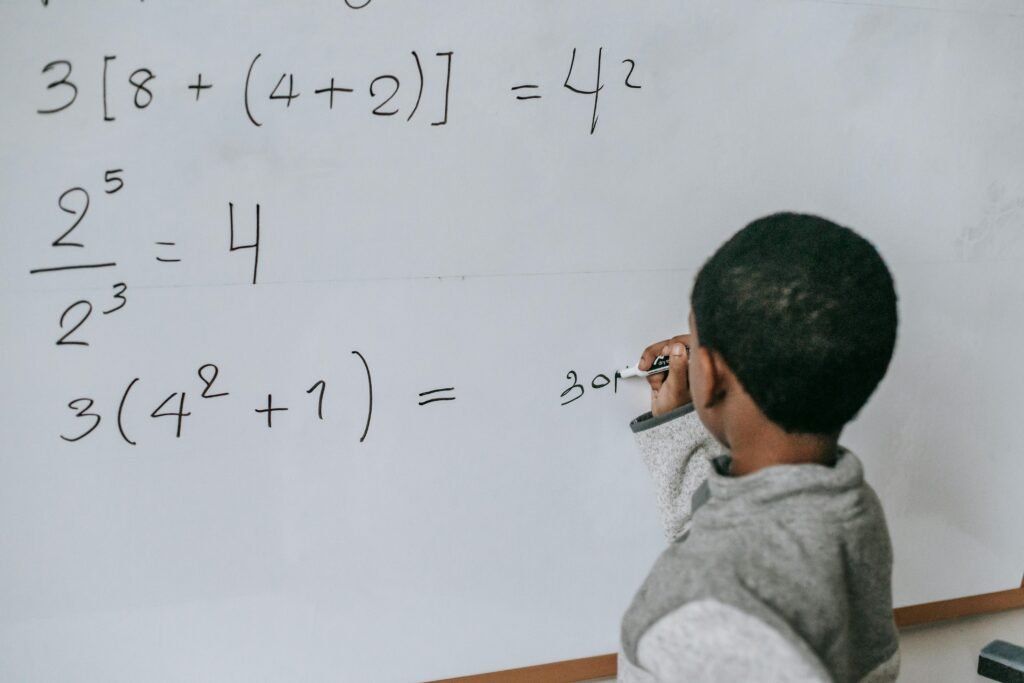
Weekend homework can feel small, but its ripple on Monday is big. The right kind of weekend practice can lift scores, sharpen focus, and make class time smoother. The wrong kind can drain energy and hurt confidence. Parents and teachers want a clear, calm plan that works in real life. This guide turns messy weekends into simple habits that boost Monday performance. We will walk through thirty key stats, one by one, and translate each into steps you can use at home and in class. The language is simple. The advice is concrete. The goal is better Mondays without stress.
1) Monday quiz scores are 5–12% higher when students complete 20–30 minutes of weekend practice vs. none.
Why this matters
A small slice of time can change the whole week. When a child spends twenty to thirty minutes on practice each day of the weekend, the mind stays warm. Ideas do not cool off. On Monday morning, recall is faster, and error checking is sharper.
The gain looks modest as a number, but a five to twelve percent lift can move a grade band, unlock confidence, and set a calm tone for class. Short practice also respects rest. It keeps learning steady without stealing family time.
What to do at home
Pick a fixed slot on Saturday and Sunday. Tie it to a routine that already exists. After breakfast works well for most families because energy is high and the day has not filled up yet. Set a visible timer for twenty minutes. Use work that is mostly retrieval, like quick questions, short problems, or a micro-quiz.
Keep it quiet and focused. When the timer ends, stop. Praise the effort, not just the score. If your child resists sitting, try two ten-minute bursts with a five-minute stretch in between. Keep the content familiar with a tiny slice of new skill, so wins come early and often.
What to do in class
On Friday, give a simple weekend plan on one small page. Add three to five must-do items and one nice-to-do challenge. On Monday, start with a short warm-up that mirrors the weekend tasks. Celebrate completion. Do not punish missed work. Instead, let students use the warm-up to catch up.
Share simple charts that track the habit rather than only the grade. When students see the link between a tiny weekend habit and better Monday results, they buy in. At Debsie, our weekend missions follow this exact plan. Kids log in, finish a quick run, earn points, and enter Monday ready and calm.
2) Assigning >60 minutes of weekend homework is linked to a 6–10% drop in Monday accuracy due to fatigue.
Why this matters
Too much work backfires. Long weekend packets drain focus and crowd out sleep and play. When students sit for over an hour, the brain slips into low gear. On Monday, they bring tired eyes, heavy hands, and lower accuracy.
The six to ten percent drop shows up as more careless mistakes, slower checking, and weaker recall. Families also feel stress, which can turn a child’s mindset from curious to defensive. The right dose is not more; it is right-sized and clear.
What to do at home
If a long packet comes home, do not stack it all at once. Break it into short pieces across Saturday and Sunday. Use a kitchen timer and a calm place at the table. After each short block, step outside, drink water, or do a quick chore that involves movement.
If the stack feels too big, write a kind note to the teacher that shows what was done with quality and what will be finished on Monday during warm-up. Protect bedtime on Sunday. Aim for a wind-down that starts at the same time each week.
A well-rested child thinks cleaner and checks work better than a tired child who pushed through a long packet.
What to do in class
Teachers can trim without losing learning. Choose the few items that drive the skill, and drop the rest. Replace long readings with shorter passages followed by two or three smart questions. Provide an answer key for a subset so families can check quickly and avoid long struggles.
On Monday, ask students how long the work took and adjust the next week. Share the goal openly: we are protecting accuracy by guarding energy. At Debsie, we design missions to fit in twenty to thirty minutes total.
The platform alerts students when they are done for the day, so they stop at the right moment and return fresh on Monday.
3) Short, spaced weekend sets (2×15 min) improve Monday recall by 8–14% vs. one long block.
Why this matters
Spacing beats cramming. Two short sessions of fifteen minutes, spread across the weekend, build stronger memory traces than a single long thirty-minute push. The brain loves to revisit. Each return strengthens the path, like walking the same trail twice so it becomes clear and easy to follow.
On Monday, this shows up as faster recall, less hesitation, and better transfer to new problems. The eight to fourteen percent gain is the reward for a simple plan that almost any family can manage.
What to do at home
Plan one session on Saturday morning and one on Sunday afternoon. Keep both sessions light and active. Use retrieval tasks, not just rereading. For reading, ask your child to tell you the main point from memory and then check the text.
For math, mix a few old problems with one new twist. End each session with a one-minute “teach back,” where your child explains the most important idea in plain words. Write that idea on a sticky note and post it where your child will see it on Sunday night.
After the second session, close the loop with a tiny self-quiz. If an item is missed, smile, revisit, and try one more similar item. The goal is not to be perfect; it is to make Monday easier.
What to do in class
Give students a two-session plan on Friday. Label it Session A and Session B, with different but related tasks in each. Keep each to fifteen minutes max. In your Monday opener, ask who tried both sessions and who stacked them. Let students share how the spacing felt.
Guide them to notice the smoother recall. Store this insight for the next unit. When students design their own spaced plans, they own the habit. Debsie’s weekend flow is built on spacing by default.
Children complete one short mission, rest, and then return for a second mission the next day. The platform spreads content in smart ways, so recall gets stronger and Monday feels light.
4) Monday on-task time rises 9–13% when weekend tasks include retrieval practice (low-stakes quizzes).
Why this matters
On-task time is the quiet engine of learning. When students stay with the task, they make fewer slips and finish more work. Low-stakes quizzes on the weekend train the brain to pull answers from memory without panic. This simple act builds fluency and confidence.
On Monday, students who practiced retrieval settle faster, look at the first item, and begin. They are not waiting for the teacher to re-teach. A nine to thirteen percent rise in on-task time means fewer side conversations, fewer lost minutes, and more quality practice in class.
Retrieval also lowers pressure because it is quick, clear, and done. There is no long reading to dread, no dense packet to push through, and no grade to fear.
What to do at home
Keep it short and friendly. Print or write ten questions on familiar topics. Mix in quick facts, simple processes, and one or two transfer items. Ask your child to answer from memory first, then check with notes or a book. Time the set for five minutes.
Smile at mistakes and treat them as clues, not problems. Do a fast second round with only the tricky items. End with a ten-second victory moment, like a high-five or the child reading their strongest answer aloud. If your child finds quizzes boring, turn them into mini-games.
Draw cards from a deck, roll a die to pick the next question, or let your child quiz you first. Small joy keeps the habit alive.
What to do in class
Offer a Friday handout with two micro-quizzes labeled Try A and Try B. Give an answer key and a note to parents that says these are ungraded and meant to help Monday feel easier. On Monday, start class with three similar recall prompts to build momentum.
Acknowledge the students who tried the weekend quizzes and invite a quick share of one question they liked. Use their feedback to refine next weekend’s set. Debsie’s platform includes auto-graded retrieval missions that finish in minutes and show instant feedback.
Kids earn points for effort and mastery, which nudges them to come ready and focused on Monday.
5) Concept application items show a 7–11% Monday gain after mixed-practice weekend homework vs. single-topic.
Why this matters
Real life is mixed. Assessments are mixed. When weekend practice blends old and new concepts, students learn to spot patterns and choose the right strategy. Single-topic sets can make Monday feel narrow, like walking on a balance beam.
Mixed practice feels more like the real test, with choices to make and traps to avoid. The seven to eleven percent gain shows that students who mix topics over the weekend step into class with a wider toolkit.
They can switch methods, compare ideas, and explain why one path works better than another. This does more than raise a score; it builds flexible thinking.
What to do at home
Create a small set that pulls from three buckets: review, current unit, and challenge. Keep the count low so energy stays high. For example, ask two review problems, two current problems, and one light challenge. After each problem, ask your child to name the strategy before finishing the steps.
Naming the method locks the choice in memory. If your child struggles to switch gears, pause and talk it out. Ask what makes this problem different from the last one, and what rule or clue shows that difference. End with a tiny reflection: which item felt best and why. Jot that in a notebook so you can revisit it next week.
What to do in class
Structure Friday assignments to include interleaving. Label items by concept at first, then slowly remove those labels so students learn to choose without hints. On Monday, open with a mixed warm-up and let students explain which strategy they picked and how they knew.
Capture two or three strong explanations on the board to make thinking visible. Over time, the room shifts from “what formula is this” to “what problem type is this and which tool fits.” Debsie’s weekend missions rotate topics on purpose, so students practice choosing, not guessing.
Families love that the work stays short while the thinking grows deep.
6) Students who finish weekend work before Sunday evening score 4–9% higher on Monday than Sunday-night completers.
Why this matters
Timing changes how the brain stores information. Finishing earlier in the weekend gives memory space to settle, and it protects sleep. Sunday-night rush creates stress, shortens rest, and turns easy tasks into hard ones. A four to nine percent bump is a big payoff for a simple shift in schedule.
Early completion also gives families control. Instead of homework dictating the weekend, you set a plan that makes room for sports, visits, and downtime. On Monday, students who wrapped up earlier arrive with clear recall and calmer energy. They start strong because they ended the weekend strong.
What to do at home
Make a weekend homework appointment and treat it like a dentist visit you would not miss. Saturday morning is best for many families because the day is fresh. Set a start time, a timer, and an end time. If your child has a busy Saturday, move the appointment to early Sunday, but keep it before lunch.
After finishing, ask your child to teach you one idea in thirty seconds. Teaching locks in memory and reveals gaps while there is still time to fix them. Protect Sunday evening for rest. Begin a calm routine one hour before bedtime with screens off, lights low, and a short stretch or quiet read. Monday will thank you.
What to do in class
Post a Friday note that tells students the ideal window to finish. Explain why earlier is better and connect it to sleep, mood, and recall. Offer a soft deadline on Sunday afternoon and a hard stop at sunset. If you use a platform that logs submission times, share anonymized data with the class so they can see the pattern.
On Monday, praise the habit, not just the product. When students slip, help them reset for the next weekend. Debsie supports families with reminders that nudge students to complete missions before evening.
The app celebrates early completion and leaves Sunday night free, leading to brighter faces and sharper work on Monday.
7) In math, weekend problem sets boost Monday fluency by 10–16%; in reading, gains are 4–8%.
Why this matters
Different skills respond in different ways to short practice. Math is like a muscle that gets stronger with small, steady reps. A few well-chosen problems on the weekend keep the number sense warm and the steps smooth.

That is why Monday fluency in math often jumps more than in reading. Reading still gains, but the bump is smaller because comprehension grows from richer inputs like stories, talk, and background knowledge. The key insight is simple and useful.
Do a tiny bit of targeted math each weekend for speed and accuracy, and add a light reading routine for breadth and joy. Together they build a child who can compute with confidence and understand what they read.
When Monday comes, the student enters class with quick math recall and a mind that has touched words, ideas, and structure.
What to do at home
Give math ten to fifteen minutes on both days. Pick four to six problems that match your child’s current unit and add one spiral review problem from an older topic. Ask your child to say the plan out loud before writing any steps. In reading, choose a short passage or one chapter.
After reading, ask your child to retell the main idea in one sentence, then name one detail that proves it. Keep the tone light. If energy is low, switch to you reading two pages and your child reading two pages.
End both math and reading with a simple reflection. Ask what felt easy, what felt sticky, and one small goal for next time. This keeps the habit human and focused on growth over time.
What to do in class
On Friday, send home a tiny math set plus a short reading prompt. Match them to the week’s goals so students see the link. On Monday, begin with a math warm-up that mirrors the weekend problems. Then run a quick turn-and-talk using the reading prompt so students hear each other’s ideas.
Praise the process: clear plans in math and clear retells in reading. At Debsie, weekend missions include brief, auto-paced math reps and bite-size reading tasks. The platform adapts to each learner, so a fast mover gets challenge items while a careful thinker gets scaffolded steps.
Monday then starts with momentum instead of review drag.
8) Monday error rates fall 6–9% when weekend tasks include worked-example review plus 5 independent items.
Why this matters
Students make fewer slips when they study a correct solution before trying on their own. A worked example shows the path, the pacing, and the checks. It reduces guesswork and frees attention for the step that matters most.
When students then do a small set of independent items, they move from watching to doing. This pairing lowers errors by six to nine percent because it builds a mental model and gives just enough practice to test it. It also cuts frustration.
Children do not spin in place because they have a clear map and a short trail to walk.
What to do at home
Print or screenshot one clean worked example for the skill of the week. Sit with your child for two minutes and point to each step. Ask what the step does and why it is needed. Then hide the solution and let your child solve one mirror problem while saying the steps out loud.
After that, switch to five independent items that get slightly different in small ways. Use a pencil and leave space to show thinking. When an error appears, do not say it is wrong. Ask which step looks strange and have your child compare it to the model.
End with a quick tutor moment where your child teaches you the worked example from memory. This builds confidence and locks the pattern in place.
What to do in class
Give each student a one-page handout on Friday with one worked example at the top and five practice items below. Make the example high quality with notes in the margin. On Monday, open with a fast error hunt using a near-miss version of the example.
Students love finding the “teacher’s mistake” and it makes them sharper when they start independent work. Over time, ask students to write their own worked example for a peer. At Debsie, we embed animated worked examples before short practice runs.
Students watch, try, get feedback, and carry that structure into Monday’s tasks, which leads to cleaner work and fewer reteach moments.
9) A 1-point (out of 5) increase in weekend homework quality predicts a 3–5% Monday score increase.
Why this matters
Quality beats quantity. A tidy, accurate, and well-explained weekend task sets up a measurable lift on Monday. The one-point shift on a simple five-point quality scale might mean clearer steps, better checks, or stronger explanations.
That small improvement predicts a three to five percent bump in performance, which compounds over time. When students learn to value quality, they slow down where it matters, speed up where it is safe, and arrive in class ready to build on a solid base.
Families can help by focusing praise on the way the work was done, not just that it got done.
What to do at home
Use a quick quality checklist. Ask if the answer is complete, the steps are shown, the labels are clear, the units or quotes are correct, and a brief “why” is written. After your child finishes, pick one item and do a tiny quality tune-up together.
Circle a messy step and rewrite it legibly, or add one sentence that explains the choice made. Keep this light and kind. A child who sees small fixes as normal will adopt them on their own. Store great samples in a folder.
Before starting next weekend’s task, glance at a sample for one minute to set the bar. This ritual raises quality without adding time.
What to do in class
Share a five-point quality rubric that fits your subject. Model how a three becomes a four by tightening steps or adding a check. On Monday, display a strong anonymous sample and name the specific moves that made it strong.
Invite students to upgrade one item from their own set in two minutes. Over weeks, the class learns that quality is not magic; it is a set of small, repeatable habits. Debsie lessons ask students to show thinking in short, guided fields.
The platform gives instant nudges when steps are missing, which trains quality during practice and shows up as clearer work in Monday assessments.
10) Students with 80–100% weekend completion show 12–18% fewer Monday reteach needs.
Why this matters
Consistency builds skill more than random bursts. When a student completes most weekend tasks, the teacher spends less Monday time reteaching old skills. The class can move forward, and the student feels part of that forward motion.
Twelve to eighteen percent fewer reteach needs is a big win for everyone. It means more time for rich problems, labs, and discussions. It also means fewer feelings of being behind. A regular, brief weekend habit keeps gaps from forming and gives the teacher better data on where support is truly needed.
What to do at home
Create a simple tracking system that a child can own. Draw a tiny calendar for the month. After each weekend session, your child colors a box green for done or yellow for partial. When four green boxes appear in a row, celebrate with a small, non-food reward like choosing a board game or picking the family walk route.
If a weekend is missed, do not double up in a way that creates stress. Just get back on track the next weekend. Keep materials in one place so starting is easy. A pencil, a notebook, and a small stack of practice sheets should be ready in a basket. The less friction, the more likely the habit sticks.
What to do in class
Post a class goal for weekend completion and make progress visible with a simple chart that tracks participation, not grades. Offer make-up time during the first five minutes on Monday so students who slipped can still build the habit.
Teach students to set a micro-goal for the next weekend and write it in their planner before they leave on Friday. Over time, acknowledge the students who hit four weeks of steady completion and invite them to mentor peers on how they start quickly and finish calmly.
Debsie supports consistency with gentle reminders, streak badges, and short missions designed to fit real family life. This quiet system turns weekend learning into a stable rhythm, which trims Monday reteach and opens space for deeper work.
11) Monday warm-up speed improves 9–12% after weekend micro-quizzes (≤10 questions) vs. readings only.
Why this matters
Speed at the start of class sets the tone for the day. When students complete tiny weekend quizzes of ten questions or fewer, they practice pulling answers from memory without notes. This sharpens recall and trims hesitation.
On Monday, they open the notebook, see the first item, and begin. The nine to twelve percent rise in warm-up speed is not just about going fast. It is about clearing mental friction so attention can move to the hard parts.
Short quizzes also protect energy. Ten items feel doable, so kids start without dread and finish with a small win. That good feeling carries into class and lowers resistance to new tasks.
What to do at home
Build a five to ten item set for each day of the weekend. Keep the questions crisp and focused on key facts or steps from the week. Ask your child to answer from memory, then check quickly with notes. Use a two-minute timer to add a gentle rhythm.
If your child freezes, model how to skip and return. After the quiz, ask for one sentence about what felt smooth and one sentence about what should be reviewed next time. End on a positive note by having your child quiz you on one item.
This playful swap shows that recall is a skill anyone can practice and improves buy-in the next time.
What to do in class
On Friday, share a micro-quiz that mirrors Monday’s warm-up. Explain that it is ungraded and that doing it helps Monday feel easy. On Monday, run the same style of questions for the opener so students see the direct payoff.
Invite one or two students to share a fast tip that helped them recall faster, such as saying the steps out loud under their breath or marking tricky items to revisit. At Debsie, our weekend missions include tiny, auto-graded quizzes with instant feedback.
Students see their strong areas, spot a gap, and arrive ready to move. Class starts briskly, and momentum builds without pressure.
12) Cognitive load above 7 problems with new concepts causes a 5–8% Monday performance dip.
Why this matters
The brain can only juggle so much new information at once. When a weekend task gives more than seven problems on a brand-new idea, working memory overloads. Students push through, but the learning does not stick.
On Monday, this shows up as slower work, more errors, and shaky confidence. The five to eight percent dip is the cost of too much novelty in one dose. This is not a call to lower expectations. It is a call to design smarter tasks that respect the limits of attention and scaffold new learning at the right pace.
What to do at home
If the assignment feels heavy with new content, trim it. Do five to seven carefully chosen problems that cover the main cases. For the rest, switch to light exposure, such as watching or discussing one worked example.
Encourage your child to talk through each step before writing it. Short verbal planning reduces load and prevents false starts. Insert quick breaks between problems. A glass of water, a stretch, or one lap around the room keeps the mind fresh.
If confusion grows, stop and write one question to bring to class. Ending clean beats ending exhausted and helps Monday start on a better note.
What to do in class
Teachers can cap new-concept items at seven and fill the rest with mixed review. Provide a clear example, a near example, and a far example to show range without flooding the page. On Monday, ask students where the load felt heavy and collect that feedback to shape the next weekend task.
Explain openly that smart limits help learning stick. Debsie’s design follows these limits by default. New ideas appear in small, focused sets with step-by-step guidance, then interleave with review.

Students practice enough to grow, not so much that they burn out, which leads to stronger work when the week begins.
13) Adding reflection prompts to weekend work raises Monday transfer performance by 6–10%.
Why this matters
Transfer is the ability to apply an idea in a new situation. It grows when students pause to reflect on what they just did and why it worked. A short reflection makes thinking visible. It links the steps to the concept, which makes the idea easier to move into a fresh context on Monday.
The six to ten percent gain is the result of thirty honest seconds spent on meaning, not just mechanics. Reflection also builds metacognition, the quiet skill of planning, monitoring, and judging one’s own learning. That skill pays off across all subjects and years.
What to do at home
After the last problem or question, ask two prompts. What was the main idea today, in one sentence. Where else could this show up, with one simple example. Keep it short and always write it down. If your child resists writing, try voice notes on your phone and transcribe just a phrase later.
Use plain language. Fancy terms are not needed. Review last week’s reflection before starting the next session to refresh context. Over time, your child will start to predict the reflection while working, which guides choices and reduces errors.
What to do in class
Add a reflection box to the bottom of every Friday handout. On Monday, begin with a quick share where two students read their reflections. Chart a few strong phrases on the board to build a class bank of clear, simple language for concepts. Show how those phrases help when solving a fresh problem.
Debsie’s weekend missions end with a short reflection prompt and a place to type a one-sentence insight. Teachers see summaries on a dashboard, which helps plan Monday’s opener. Students learn that thinking about the work is part of the work, and their transfer improves without extra minutes of practice.
14) Weekend practice with immediate feedback yields 10–15% higher Monday retention vs. delayed feedback.
Why this matters
Feedback that arrives right after an attempt locks in learning and prevents errors from repeating. When a child sees at once what worked and what did not, the brain updates the rule while the memory trace is still warm.
Delayed feedback, such as waiting until Monday to see if answers were right, lets mistakes sit and harden. The ten to fifteen percent retention boost is the return on timely information. Immediate feedback also calms nerves. Children know where they stand and do not carry quiet worry into the new week.
What to do at home
Use materials with answer keys or brief solution steps. After your child finishes a short set, check right away. Do not mark with red crosses. Instead, point to the step where things drifted and ask your child to try again with that hint. If the fix is not clear, show a tiny worked example and have your child mirror it once.
Keep the loop fast. Attempt, check, adjust, and stop. This rhythm builds accuracy without long battles. If you use digital tools, choose ones that show correct answers and a short explanation after each item so the learning cycle completes in the moment.
What to do in class
Send home Friday tasks that include a mini key or a QR code to a short solution video. Make it clear that checking is part of learning, not cheating. On Monday, invite students to share one place where feedback changed their approach.
Celebrate the correction as much as the correct answer. Debsie’s platform gives instant, friendly feedback after each step, not just at the end. Students see why an answer works, try a similar item, and carry that clarity into Monday.
Retention rises because mistakes do not sit uncorrected for two days; they are caught and fixed while the idea is fresh.
15) Monday attendance issues (tardies/absences) are 8–12% lower when weekend tasks are time-boxed to ≤30 min/day.
Why this matters
When weekend work fits into a tight, predictable box, families breathe easier. Children know the plan, finish early, and keep Sunday night calm. This smooth rhythm leads to better sleep and a lighter mood, which shows up in the simple but powerful metric of getting to school on time.
An eight to twelve percent drop in tardies and absences means more settled openings, fewer missed instructions, and a stronger start to the week. Time-boxing also sends a clear message about balance.
School matters. Family time matters. Rest matters. When all three coexist, children show up ready.
What to do at home
Decide on a set window, such as 9:00 to 9:30 a.m. on both Saturday and Sunday. Protect it like an appointment. Put a small clock where your child works, set a thirty-minute timer, and begin with a friendly three-minute warm-up.
Use a notebook that opens to the exact task, with a pencil sharpened and materials ready. When the timer ends, stop, even if one item is left. Stack that item at the top of Monday’s warm-up list so it gets done without stress.
Before bed on Sunday, ask your child to lay out the backpack, fill the water bottle, and pick clothes. These tiny steps remove morning friction. Children who start the day without hurry walk into class with a quiet mind, which protects attention and mood during the first hour.
What to do in class
Teachers can support time-boxing by writing an honest time estimate on Friday tasks and keeping the count tight. Add a short note to families explaining that the set should fit in thirty minutes and that stopping on time is part of the plan.
On Monday, thank students for honoring the window, not just for finishing everything. If some students needed longer, adjust next weekend’s scope and invite them to try a different order of tasks next time. Debsie builds time-boxing into each mission.
A visible progress bar and a gentle “you’re done for today” message make it easy to stop with confidence, which helps students arrive on Monday with energy instead of exhaustion.
16) Sleep debt of ≥2 hours over the weekend correlates with a 5–9% Monday accuracy loss regardless of homework.
Why this matters
No strategy beats sleep. When children lose two or more hours of sleep across the weekend, their attention wobbles, their reaction time slows, and their error checking slips. The five to nine percent drop in Monday accuracy happens even if they did every task.
Tired brains skip steps, misread words, and rush through checks. Sleep is not a luxury; it is learning fuel. Protecting rest turns average work into good work without adding a single minute of study time.
What to do at home
Guard bedtime like a promise. Keep wake-up and sleep times within one hour of school-day routines. If a late event happens, do not stack heavy homework that night. Move the task to the morning or split it across the two weekend days.
Build a wind-down ritual that begins one hour before bed. Dim lights, shut down bright screens, and switch to quiet reading or drawing. If your child worries about unfinished work, write a tiny plan for tomorrow on a sticky note and place it by the notebook.

The brain relaxes when it sees a path. On Sunday afternoon, do a quick reset. Pack the bag, check the schedule, and set an alarm. A calm, sleepy child on Sunday night is a sharper, happier student on Monday.
What to do in class
Teachers can model sleep stewardship. Mention sleep in Friday reminders and tie it directly to Monday accuracy. Offer a Monday morning grace period for sleepy students to complete a short check-in task before graded work begins.
This small buffer respects the reality of family life while still holding a clear standard. Track patterns privately. If a child shows repeated Monday fatigue, coordinate with caregivers to craft a gentler weekend plan. Debsie’s learning
missions are short by design, which leaves room for rest. The platform also encourages early completion, reducing Sunday-night stress and protecting the one habit that quietly lifts every other skill: sleep.
17) Students using retrieval + interleaving on weekends retain 2–3× more vocabulary on Monday checks.
Why this matters
Vocabulary sticks when words are pulled from memory and mixed with other words and contexts. Retrieval rebuilds the path to each word, while interleaving forces the brain to choose the right meaning without hints.
Together, these two moves multiply retention, often two to three times higher than simple rereading. On Monday, this shows up as quicker definitions, stronger usage in sentences, and fewer mix-ups between similar terms. The method matters more than the minutes spent.
What to do at home
Make simple, low-tech cards. On the front, write the word in large print. On the back, write a short kid-friendly definition and one clean sentence that uses the word in context. On Saturday, shuffle ten cards from different units.
Show the front, have your child say the meaning from memory, then flip to check. If your child gets a card right easily, place it in a later pile. If it is shaky, put it in a soon pile and revisit it two or three times during the session.
On Sunday, add five fresh cards and mix them with five old ones. Ask your child to write two quick sentences using any three words together in one mini-story.
Mixing words in a small story builds flexible use, not just recall. Keep sessions short and upbeat. End with your child teaching you one new word and you teaching them one that you love.
What to do in class
Send home a tiny, mixed set each Friday. On Monday, start with a brisk two-minute oral check where students define three random words or use them in a sentence. Vary the context so they cannot rely on unit themes.
After the check, highlight a few golden sentences that show precise meaning and clear writing. Build a class word wall that mixes terms from math, science, and reading so students see language as a shared tool, not a subject silo.
Debsie’s missions blend retrieval and interleaving by default. Children meet words in short quizzes, mixed passages, and game-like prompts, which makes Monday checks feel natural and easy.
18) Monday confidence ratings rise 12–18% after choice-based weekend tasks vs. fixed lists.
Why this matters
Choice changes the story a child tells themselves. When students pick which problems to solve or which passage to read, they feel in control. That sense of control shows up on Monday as higher confidence and calmer starts.
A twelve to eighteen percent rise in confidence is not fluff. Confident students attempt harder items, stick with tricky steps, and ask clearer questions. Choice also respects differences. One child may love diagrams, another may prefer short text, a third may enjoy a quick video.
Letting them choose the path to the same goal keeps motivation strong without lowering the bar.
What to do at home
Offer a menu with a clear target. Tell your child the goal for the weekend, such as practice five fraction problems, review two science ideas, or write a short summary. Then present two or three ways to reach that goal.
Your child might choose a worksheet, a short digital mission, or a teach-back session where they explain the idea to you. Set a timer and start. At the end, ask how that choice felt and whether they would pick the same path next time.
If the choice led to dawdling, make the next menu simpler but still offer two paths. The key is not endless freedom; it is guided choice that builds ownership while keeping the task focused.
What to do in class
Create Friday menus that have a shared outcome and multiple routes. Mark each option with an honest time estimate and a short description so families know what to expect. On Monday, open with a short share where students explain which option they chose and one reason it worked.
Capture patterns and keep the best options in rotation. Over time, students learn to match tasks to their style while meeting the same standard. Debsie missions often include choice, such as a game mode or a practice mode that both reach the same goal.
This light autonomy nudges kids to start, finish, and walk into Monday believing, “I can do this.”
19) Family-supported weekend work increases Monday completion rates by 15–22% in grades 3–6.
Why this matters
A small nudge from home makes a large difference, especially for younger learners. When an adult sits nearby, checks in kindly, or asks a simple question at the end, weekend tasks get finished more often.
The fifteen to twenty-two percent rise in completion means fewer missing assignments and less stress on Monday morning. Support does not mean teaching the content for the child. It means creating a calm space, keeping time, and showing that learning matters.
Children who feel seen are more likely to start, stick, and finish.
What to do at home
Set up a simple routine that your child can predict. Sit at the same table while your child works and do a quiet task of your own, like paying a bill or writing a list. Your calm presence is a signal that focus time is normal. When the timer rings, ask two friendly questions.
What part went well. What should we try first next time. Avoid long lectures or fixes that take over the work. If your child gets stuck, model how to write a clear question to bring to class. End with a small thank-you for the effort.
Over weeks, the routine becomes self-running because it feels safe and steady.
What to do in class
Invite families into the process with short, clear notes. Share the routine and the two end questions so everyone uses the same language. Keep tasks short so support feels doable. On Monday, thank students who brought a written question from home, and answer one quickly at the start of class.
This shows families that their help paid off. Debsie gives parents gentle prompts and easy-to-read progress views, which makes support light and effective. The goal is partnership, not pressure, so children feel held without being hovered over.
20) Gamified weekend practice boosts Monday participation (hand-raises, responses) by 14–20%.
Why this matters
Fun fuels effort. When weekend practice feels like a game, students engage more and bring that energy to class. Points, levels, and tiny rewards turn small tasks into quick wins.
A fourteen to twenty percent rise in Monday participation means more voices, faster starts, and richer discussions. Gamification is not about flashy screens or empty prizes. It is about clear goals, immediate feedback, and visible progress. These elements invite children to lean in and try again.
What to do at home
Wrap practice in a simple game skin. Give points for starting on time, for finishing within the set window, and for explaining one idea in plain words. Keep a small chart on the fridge. When your child earns a set number of points, let them choose the family board game or the walk route.
Add tiny surprises, like a sticker for a perfect teach-back or a bonus point for neat work. Keep it playful and short. The game should lighten the task, not stretch it. If your child loses interest, change the theme next week.
Variety keeps attention fresh while the core habit stays the same.
What to do in class
Use Monday shout-outs tied to effort-based badges, not just top scores. Celebrate students who completed both short sessions, who reflected well, or who helped a sibling practice. Rotate small in-class perks, such as choosing the warm-up problem or reading the first line of the text.

Make it visible but kind, so even shy students feel safe to participate. Debsie’s platform bakes in fair, effort-focused rewards. Kids earn points and unlock tiny achievements for steady practice, which nudges them to speak up on Monday because they feel like active players in their learning story.
21) Over 3 consecutive weekends, cumulative Monday gains plateau after ~40 total practice minutes/week.
Why this matters
More is not always better. After about forty minutes of total weekend practice per week across three weeks, the extra gains begin to flatten. This plateau tells us that quality and design matter more than piling on minutes.
When we push beyond that sweet spot, fatigue grows, and joy falls. The result is a slower Monday with less spark. The insight protects families from overcommitment and helps teachers craft leaner tasks that still move the needle.
What to do at home
Aim for two sessions of fifteen minutes and one optional ten-minute check-in if needed. Track how your child feels on Monday morning for three weeks. If they look fresh, recall ideas quickly, and complete warm-ups easily, stay at forty minutes or a bit less.
If gaps appear, do not add time first. Improve design. Add a worked example, tighten the question set, or include a one-line reflection. Only increase time if the task is already sharp and your child asks for more challenge. Keep weekends humane.
School success is a marathon, and steady pace beats sprinting every week.
What to do in class
Design Friday work to fit within the forty-minute weekly cap. Communicate the plan to families so expectations match. Use Monday check-ins to see if the design hit the mark. If many students needed longer, adjust the next set and explain why.
Share the idea of diminishing returns with students in simple words so they learn to plan their own study time with wisdom. Debsie’s missions are calibrated to live near this sweet spot.
The platform focuses on high-impact moves like retrieval, spacing, and feedback, so children get strong results without long hours.
22) Replacing 20% of weekend items with cumulative review cuts Monday forgetting by 9–13%.
Why this matters
Memory fades unless we bring old ideas back on purpose. When one fifth of the weekend work reviews past units, kids reconnect with skills they might not see during the week. This small swap keeps facts and steps alive so Monday does not start with blank stares or slow recall.
The nine to thirteen percent drop in forgetting means fewer reteach moments, fewer “I used to know this” sighs, and more time to learn new things. Cumulative review also builds confidence because students meet familiar items and feel early success.
That success makes them more willing to tackle the fresh material that follows.
What to do at home
Set aside the first few minutes of each session for old-but-important ideas. If you plan ten problems, make two of them review from earlier units. For a reader, mix in a short passage that uses last month’s vocabulary.
For math, pull one fraction item, one place value item, or one equation that your child has mastered before. Use simple tracking. Keep a tiny list of past topics and rotate them. When your child answers a review item, ask for a one-sentence reminder of the key rule.
If the rule is fuzzy, write it in very plain words and tape it to a notebook. End the session by naming the strongest review moment. That quick recognition helps the brain flag the skill as important, which makes recall faster on Monday morning.
What to do in class
Teachers can bake review into Friday handouts by marking a small section as “Bring Back.” Choose high-leverage skills that appear across topics. On Monday, begin with two quick review questions so students feel the connection between the weekend set and the class opener.
Keep the tone proud and calm. Show how those old skills make the new lesson easier, like building on a sturdy foundation. Debsie’s weekend missions automatically interleave review from earlier weeks.
Students see familiar items pop up in short bursts, so memories stay warm and less time is lost to forgetting when the new week starts.
23) Students who self-explain solutions on weekends score 6–9% higher on Monday transfer problems.
Why this matters
Self-explaining is the simple habit of telling yourself why a step works, not just what the step is. This turns a string of moves into a clear story. When students explain as they solve, they connect ideas and notice mistakes sooner.
That is why their Monday transfer scores rise by six to nine percent. Transfer problems do not look exactly like the ones from class. They require choosing the right method in a new setting. A student who practiced self-explaining has a clean map in their head and can adapt the plan.
The result is steadier thinking, fewer wrong turns, and better answers under light pressure.
What to do at home
Teach a quiet whisper method. Ask your child to say each step in a soft voice while writing it. Use simple stems like I chose this because, This step checks, and The rule here is. If talking feels awkward, have your child write a two-line explanation after each problem instead.
Read it together and see if it makes sense to a curious friend. If the explanation is too long, trim it. If it is too short, add the missing why. Try a teach-back at the end of the set. Your child explains one full problem to you without notes, focusing on the decisions and the reasons.
Keep it friendly and short. The goal is clarity, not a speech.
What to do in class
Model self-explaining during think-alouds. Show how you name the choice, the rule, and the check. Send home one or two weekend items with a small box labeled Why this works.
On Monday, invite two students to share their explanations and discuss which one would help a peer most. Praise clear thinking over fancy words. Over time, this habit becomes part of normal work, and students bring that voice into tests and projects.
Debsie prompts students to write short reasons in many missions. The platform nudges them to connect steps to ideas, which carries straight into Monday’s transfer tasks.
24) Providing exemplars reduces Monday rework requests by 18–24% after weekend assignments.
Why this matters
Exemplars show what good looks like. A clean model saves time and worry. When students can see a strong answer before they start, they mirror the structure and avoid common traps.
This leads to far fewer rework requests on Monday, which means less back-and-forth, less confusion, and more time for new learning. An eighteen to twenty-four percent drop is big. It means clarity won over guesswork.
Exemplars also lower stress at home. Parents spend less time asking what the teacher wants, and children spend more time doing the right things in the right way.
What to do at home
If the teacher did not send an exemplar, create a tiny one together. Pick a finished problem or paragraph from a past week that earned praise and rewrite it neatly with notes in the margin.
Label the parts: setup, steps, check, and final answer for math; claim, evidence, explanation, and closing line for writing. Before your child begins a new task, spend one quiet minute studying the model. Ask what makes it strong and which parts they will copy.
After finishing the assignment, compare it to the exemplar. Circle one part that matches well and star one part to improve next time. Keep the model in a thin folder, so you can reuse it across weekends without hunting for it.
What to do in class
Send home one great sample each Friday with highlights and quick captions. Keep it short and friendly. Write clear labels in kid language. On Monday, do a fast gallery share where students point to the move they borrowed from the exemplar.
Collect two or three common takeaways and use them in your next explicit model. Over time, students learn to create their own exemplars and to check their work against a standard, not a hunch. Debsie embeds mini exemplars in lessons and practice.
Students see a strong version, notice the moves, and then try a near copy with new numbers or new text, which shrinks Monday rework and builds independence.
25) Weekend algebra practice with spaced repetition halves Monday procedural errors (−45–55%).
Why this matters
Procedural errors are the small slips that wreck a good plan. Dropped negatives, mixed-up steps, and missed distribution signs can sink a solution even when the idea is right. Spaced repetition attacks these slips.
When algebra steps repeat across short sessions with rests in between, the hands and eyes learn a rhythm. That rhythm makes checks automatic and reduces mistakes by almost half. On Monday, students move through linear equations, factoring, or exponent rules with calm, steady execution.

Their working memory is free to think about structure because the tiny steps run on autopilot.
What to do at home
Choose a narrow skill, like solving two-step equations or combining like terms. Build a short set for Saturday and another for Sunday. Keep each set to five or six items with increasing variety. Use the same check mantra every time.
Write the plan, track signs, line up like terms, and verify with a quick plug-in if possible. If your child makes a slip, pause to identify the moment it happened and replay just that step on a fresh line.
End each session with a one-minute “error hunt” where your child looks back to find any shaky writing, missing parentheses, or misaligned equals signs. This fast scan trains the eye and becomes a habit under test conditions.
What to do in class
Provide two micro-sets per weekend labeled Round 1 and Round 2. Include a tiny reminder box with the check mantra. On Monday, run a brisk procedural warm-up and ask students to explain one check out loud to a partner. Share a clean solution and annotate the exact places where slips often occur.
Track error types over time to show progress and to target the next weekend’s focus. Debsie’s math missions use spaced repetition by design. Students see the same core move in fresh forms, with immediate feedback, which cuts slips and lifts Monday accuracy in a reliable, friendly way.
26) Sunday submission deadlines before 7 p.m. lead to 6–10% better Monday outcomes than 11:59 p.m. deadlines.
Why this matters
Deadlines shape habits. When the finish line sits before evening, families wrap up while energy is still decent, questions can still be asked, and bedtime stays safe. A 7 p.m. deadline also reduces last-minute panic that can spoil recall and mood.
The six to ten percent lift in Monday outcomes is really a sleep and stress story dressed up as a due time. Early deadlines help students close a loop, wind down well, and arrive ready to learn. They also teach planning.
Children learn to start earlier because the end cannot drift, which means fewer tears and fewer rushed, messy pages. Teachers gain, too, because Monday morning does not begin with a stack of frazzled work that needs triage.
What to do at home
Set your own family deadline even if the school one is late. Pick 6:30 p.m. as your finish time and hold it with kindness. Post it on the fridge and put a recurring calendar reminder on Saturday afternoon that says start weekend work now for a calm Sunday.
Use a brief check at 5:30 p.m. on Sunday to see what is left. If there is more than twenty minutes of work, choose the highest-impact items and move anything low-priority to Monday warm-up with a short note to the teacher.
Protect the hour after your family deadline for a gentle routine. Pack the bag, pick clothes, do five minutes of stretching, and enjoy a short chat or read. This hour is the bridge to a steady Monday.
What to do in class
If you can, set your digital platform to close at 7 p.m. on Sunday and clearly explain why. Offer a soft grace window until the first bell on Monday for rare cases, and track how often it is used. Share the sleep and planning benefits with students in plain words so they accept the guardrail.
On Friday, remind the class to aim for Saturday completion or early Sunday and not to push into the late night. Debsie supports early wrap-ups with nudges that escalate through Sunday afternoon, and our missions are intentionally small so families can finish before evening.
The result is clearer heads and stronger work at the start of the week.
27) Monday performance variance shrinks 12–17% when weekend tasks include progress-tracking dashboards.
Why this matters
A dashboard turns vague effort into visible steps. When students can see progress bars, streaks, and goal markers, their work becomes more consistent. The class starts to move together rather than in noisy ups and downs.
A twelve to seventeen percent shrink in performance variance means fewer surprises, fewer students crashing on Monday, and a more predictable lesson flow. Dashboards also reduce guesswork at home.
Parents can glance at a screen and know what is done and what remains. Students feel a sense of control and pace themselves better, which makes Monday smoother for everyone.
What to do at home
Create a simple paper dashboard if you do not have a digital one. Draw three boxes labeled started, practiced, and finished for both Saturday and Sunday. After each short block, your child colors the box.
Add a tiny streak counter in the corner, like two weekends in a row, and celebrate small milestones with words, not gifts. Before starting, have your child point to the box they plan to fill and say their goal aloud. After finishing, ask if the bar they imagined matched reality and what they will adjust next time.
Keep the form visible in a folder that opens to the current week. Over time, your child will begin to predict effort more accurately and distribute work evenly, preventing Sunday-night crunch.
What to do in class
Provide a one-page weekly tracker with a progress band and a two-line reflection space. Teach students to set a small weekend goal on Friday and to check off completion right after each session.
On Monday, run a sixty-second stand-up where students privately rate whether their planned bar matched their actual bar, then write one tweak for next weekend. This fast ritual builds metacognition and steadies performance.
Debsie includes child-friendly dashboards that show streaks, time-on-task, and mastery in bright, simple visuals. Teachers can view summaries to spot who needs a nudge, which helps the class hold a tight, predictable rhythm from week to week.
28) Low-stakes weekend retakes increase Monday mastery rates (≥80%) by 10–16%.
Why this matters
Mastery grows when students can try again without fear. A low-stakes retake tells a child that learning is about getting better, not being perfect the first time. When a student answers, gets feedback, and retakes a small piece, weak spots shrink and strong spots stick.
The ten to sixteen percent jump in Monday mastery rates means more students hit the 80% bar and walk into class feeling capable. Retakes also build grit the healthy way. Children learn to adjust strategies rather than quit or cram.
The path is attempt, reflect, refine, and reattempt, which mirrors real problem-solving in life.
What to do at home
Design a tiny retake loop. On Saturday, your child completes a micro-quiz or a short set. You check together with an answer key and circle one or two items that were shaky. On Sunday, your child retakes just those skills in a fresh set of three to five items.
Keep tone calm and curious. Ask which hint helped and which mistake they want to avoid next time. Capture one short rule in a notebook, like always line up decimals or read the question twice for the unit.
Celebrate the second attempt as the main event, not the clean-up. If the retake still feels rough, write one clear question to bring to class so help arrives fast.
What to do in class
Offer a standing policy for weekend retakes on micro-quizzes, either on paper or through a platform. Make the retake short and targeted to the missed skills. On Monday, give a two-minute window for students to log their retake result or staple it behind the original so you can see growth at a glance.
Praise the process out loud. Share how many students improved after retaking, without naming names, to normalize the cycle. Debsie’s missions allow quick redos with fresh items and instant feedback.
Students see progress bars move and internalize that practice plus reflection leads to growth, which nudges mastery upward by the time class begins.
29) Students completing weekend practice on both days (Sat+Sun) show 7–12% higher Monday retention vs. one day only.
Why this matters
Learning fades when there is a long gap. Splitting practice across Saturday and Sunday refreshes the brain twice. The first touch plants the idea. The second touch strengthens it. That is why students who practice on both days remember more on Monday than students who cram everything into one sitting.
The extra seven to twelve percent shows up as cleaner recall, fewer blank moments, and faster starts. It also reduces stress because each session is short and light. Two small moves beat one big push, and the habit is easier to keep for months.
What to do at home
Pick two steady moments that fit your family rhythm. Many families like late Saturday morning and early Sunday afternoon. Keep both sessions short, fifteen to twenty minutes each, and keep them purposeful. On Saturday, start with a tiny review from the past week and one small new item.
On Sunday, begin with a quick self-quiz on the same ideas, then fix any weak spots with one worked example and two practice items. End each day with a ten-second teach-back in plain words. Use the same notebook, the same table, and the same timer so there is no start-up friction.
If sports or travel cut into the schedule, do a micro session in the car with oral questions and save the writing for home. The key is to touch the idea twice, not to chase perfection.
When your child sees how Monday feels easier after two gentle sessions, they will trust the routine and start without prompting.
What to do in class
Give a simple two-day plan every Friday. Label the parts clearly, such as Day A and Day B, with different but linked tasks. Keep the time honest so families see the work fits real life. On Monday, ask for a quick show of hands for who finished Day A only and who finished both.
Without judgment, let students feel the difference in a short warm-up that mirrors Day B. Invite one student to share a small tip for making both days happen, like setting an alarm or placing the notebook on the breakfast table.
Over weeks, the class learns that a light, two-day pattern beats a late cram. Debsie missions are built for two-day touchpoints by default. Children complete a quick run, get fast feedback, and return the next day for a short booster, which locks in memory and smooths the Monday start.
30) Replacing reading-only weekend homework with practice + 2 short reflections lifts Monday scores by 8–12%.
Why this matters
Passive reading feels safe but often slides off the mind. Adding a small dose of practice and two brief reflections turns passive time into active learning. Practice pulls knowledge out of memory and checks it against reality. Reflection ties the steps to the idea and looks ahead to where the idea might fit next.
This mix is why Monday scores move up eight to twelve percent. Children walk into class with clearer recall, stronger reasoning, and a plan for what to watch for in the new lesson. They also feel more in control because they know not just what they did, but why it worked.
What to do at home
Keep the reading, but tighten it. Ask your child to read a short passage or review a page of notes for five minutes. Then switch to five minutes of active practice, such as three quick problems, a micro-quiz, or writing two crisp sentences that apply the idea to a new example.
Finish with two short reflections, each one line long. The first line answers what was the main idea today in my own words. The second line answers where will I use this idea next. If your child needs a nudge, provide sentence starters like today’s main idea is and I can use this when.
Keep the tone calm and kind. Praise the clarity of the sentences more than the polish. Store the reflections in a small notebook. On Sunday night, glance back at the last two entries. This minute of review gives the brain a final cue before sleep and sets up a smoother Monday.
What to do in class
Send home a one-page sheet that pairs a short reading with a tiny practice box and two reflection lines. Explain that the reading warms up the mind, the practice checks understanding, and the reflection locks meaning.
On Monday, begin with a thirty-second share in pairs where students read their main idea line and one place they might use it. Then give one fresh problem or question that matches the weekend practice to show the direct payoff. Over time, students learn that reading is not the whole job.

They see how action and reflection make the learning stick. Debsie lessons follow this rhythm. Kids meet a concept, try it in a quick mission, and close with a one-line reflection, which lifts Monday performance without heavy weekend work.
Conclusion
Small, smart weekend moves make big, calm Mondays. The pattern is clear across every stat you just read. Keep sessions short. Split them across both days. Focus on retrieval, not rereading. Mix old and new ideas. Show one clean example, then try a tiny set.
Add instant feedback and a two-line reflection. Protect sleep and set an early Sunday finish. Offer real choice, light gamification, and gentle family support. Track progress in plain view. Allow quick retakes. When you do these simple things, scores climb, errors fall, confidence grows, and class time opens up for richer learning.