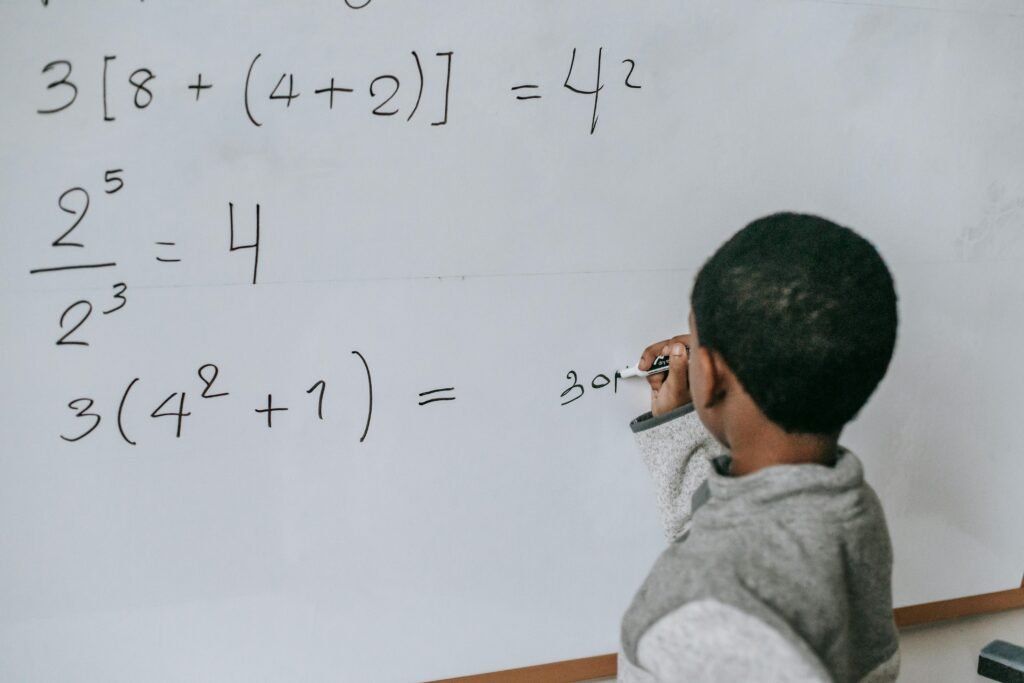
Parents want homework that actually helps. Teachers want work that builds real skill, not busywork. Students want tasks that feel worth their time. This is where project-based homework stands apart from plain worksheets. Projects ask kids to think, plan, build, and explain. Worksheets ask kids to recall and repeat. Both can play a role, but the results are not the same.
1. Students doing project-based homework show 18–25% higher long-term retention than worksheet groups.
Long-term memory grows when kids do more than fill blanks. A project makes the brain link ideas, make choices, and explain why something works. This active work builds strong paths in memory. A worksheet can check recall for a day, but a project helps a child remember for months.
That is why a model bridge built from sticks, with real load tests and a short report, is remembered far longer than a page of fill-in questions about force and tension. The hands hold the task. The mind connects the parts. The story of the build sticks.
To use this at home, pick one big idea from the week and turn it into a tiny project. If the topic is fractions, ask your child to design a snack menu that feeds four friends using halves, thirds, and quarters, with a simple cost plan.
If the topic is ecosystems, have them create a shoebox biome, add labels, and record a one-minute voice note to explain energy flow. Keep the scope small, but require a plan, a build, a test, and a short reflection. This simple cycle makes memory last.
In class, swap one worksheet per week for a project slice. Start with a guiding question that matters. Give two or three clear success marks, such as a working prototype, a diagram with labels, and a short talk.
Give feedback while they work, not after the grade. Let students show their steps. When they revisit the idea later, ask them to teach a friend using the artifact they made. Teaching from their own work locks in recall.
At Debsie, we design projects that are short, joyful, and real. Kids build small, show their thinking, and reflect. Try a free class to see how a simple project turns this week’s topic into next term’s strength.
2. Project-based classes report 22% higher standardized test gains in problem-solving items.
Problem-solving is not a guess. It is a habit of reading a task, setting a plan, trying a step, and checking the result. Standard tests include items that need this habit. Projects train it in daily work.
Each project asks a child to decide what data to use, what method to try, and how to check if the answer makes sense. On test day, those moves feel normal. The child is not stuck. They already know how to unpack a problem and pick a path.
Turn this into practice by giving problems a story and a role. Instead of ten decontextualized equations, ask your child to be the “city energy planner.” The task is to choose between two solar arrays using sunlight data and panel ratings.
They must compute output, compare costs, and write a clear choice. Same math, more meaning. End with a check step. Ask them to explain why the answer is reasonable. Did they test edge cases? Did they think about units? These checks mirror test logic.
Teachers can weave small decision points into projects. Put pauses in the task where students must choose a method and note why. Have them record a brief strategy note before they compute.
After the solve, they circle the step that mattered most and say why. This simple reflection adds only minutes but builds test-ready thinking. When you grade, score for clarity of plan and sense-making, not just the final number.
Debsie projects always include a strategy checkpoint and a quick “does this make sense” test. Kids practice the same moves that high-value test items reward. Join a Debsie session and see how small changes in homework drive big gains on problem-solving measures.
3. Worksheet-heavy classes see 15% faster short-term recall but 28% faster forgetting after two weeks.
Worksheets can boost quick recall right after a lesson. This is useful for a pop quiz tomorrow. But the gain fades fast if the brain never uses the idea in a real way. After two weeks, many facts slip.
The fix is not to throw out worksheets fully. It is to pair them with projects that use the facts in a task that matters. Think of worksheets as warm-ups and projects as the game. Warm-ups alone do not build season strength.
At home, try a two-step rhythm. On day one, do a short worksheet to rehearse the skill. Keep it tight and focused. On day two or three, use the same skill in a tiny project that has a clear purpose.
For decimal operations, have your child redesign a school store price list with discounts and tax. For grammar rules, ask them to edit a pretend ad to make it clear, true, and kind. This jump from drill to use turns short-term recall into longer memory.
In the classroom, build a weekly loop. Start with a micro worksheet for fluency. Follow with a project slice that forces transfer. End with a short retrieval quiz a week later. Use low-stakes checks like two quick questions or a 30-second oral recall.
Track which items stick. If recall drops, add a small project revisit the next week, not another page of the same items. The brain needs varied, meaningful practice, not more of the same.
Debsie lessons follow this loop. We warm up, we build, we test, we revisit. This keeps recall fresh without overload. If you want homework that holds, book a free trial and see how our mix turns fast memory into lasting skill.
4. Project-based students are 30% more likely to transfer knowledge to new tasks.
Transfer is the gold standard. It means a child can use what they learned in a new place. When a student who learned ratios in a recipe can use ratios to tune a robot’s wheel speed, that is transfer.
Projects raise transfer because they ask kids to connect ideas across contexts. They must see patterns, not just steps. They must explain why a method fits, not just follow it. This makes the idea flexible and ready to move.
You can build transfer at home by changing the setting of a skill. If your child learned area, ask them to plan a small garden grid, then have them design a poster layout with the same area rules.
If they learned loops in code, ask them to use a loop to generate a study schedule. Always ask the same two questions. Where else could this work? What would need to change? These small prompts teach the brain to look for bridges.
In class, design projects with at least two contexts. Teach linear equations with motion data and with money plans. Teach evidence in writing through science claims and social studies sources. Each time, highlight the common structure.
Name the pattern. Have students create a quick “rule card” in their own words that says when to use the idea. Then have them spot wrong fits too. Knowing where a method does not work is a strong transfer skill.
At Debsie, every unit ends with a transfer challenge. Kids take a core idea and use it in a surprise setting. They explain the bridge in plain words. This is how we train flexible minds. If you want your child to use what they know in the real world, join a trial class and watch transfer grow.
5. Time-on-task rises by 26% in project-based homework compared to worksheets.
Time-on-task means how long a student stays focused without drifting. Projects lift this because there is a clear goal, a product to make, and choices to own. The work feels like doing, not just answering. When a child has a mini brief, a timeline, and a visible outcome, attention holds.
A worksheet can end focus fast because each item looks the same and the brain gets bored. With a project, each step changes. Plan, build, test, tweak, share. The variety keeps the mind engaged and the clock honest.
Turn this into action at home by giving each project a small mission card. Write the goal in one sentence, list three steps, and set a short timer for each step. For example, make a three-slide mini lesson on photosynthesis.
Step one, gather facts. Step two, draw a simple diagram. Step three, record a one-minute talk. Use fifteen-minute blocks with a two-minute stretch between. Ask your child to check off each step when done. This gives structure without killing freedom, and it teaches pacing.
In class, design project blocks with clear signals. Start with a quick model of a finished piece. Post time targets on the board. Use soft checkpoints where students show you a draft or a test run. This keeps energy up and prevents late panic.
If focus dips, add micro challenges that spark momentum, like a ten-minute “make it work with only two materials” constraint. End the session with a fast share, even if rough. The promise of an audience extends attention.
At Debsie, our projects run in tight, upbeat sprints. Kids know what to do, why it matters, and when to show it. Book a free trial to see how structure plus choice turns minutes into meaningful work.
6. Homework completion quality scores are 24% higher with projects.
Quality is not just neat work. It is clear thinking, sound method, and a result that meets the goal. Projects raise quality because students must design, explain, and refine. They receive feedback on both the product and the process.
A worksheet often ends with a grade and little room to improve. A project invites iteration, and iteration builds quality.
To make this real at home, add a tiny rubric with three simple lines: accuracy, clarity, and craft. Accuracy asks if the ideas and numbers are correct. Clarity asks if someone else can follow the thinking.
Craft asks if the work is organized and easy to view. Before submission, your child self-scores with yes or not yet on each line, then makes one upgrade pass. This single revision habit can double the polish in ten minutes.
Teachers can bake quality into the flow. Begin with an example that shows the difference between a passable product and a strong one. Name the moves that make it strong, like labeled diagrams, checked units, or a reasoned choice.
During work time, hold quick desk-side conferences that ask, what would make this clearer to a new reader. Give one direct suggestion, then return later to see the change. Grade the upgrade, not just the first draft. Students learn that quality is something you build, not something you wish for.
Debsie projects include built-in revision loops and clear, kid-friendly rubrics. Learners see what great looks like and have time to reach it. Try a session to watch your child turn rough starts into quality finishes with pride.
7. Concept misconceptions drop by 32% after project cycles vs 12% after worksheet cycles.
Misconceptions are stubborn. A student can get right answers while still holding a wrong idea, like thinking heavier objects fall faster without air resistance.
Projects expose these hidden knots because they force kids to predict, test, and explain. When the result clashes with a belief, the student must adjust the idea, not just the tactic. A worksheet may never trigger the conflict, so the wrong model persists.
At home, design assignments that require a prediction and a check. Ask your child to write what they think will happen and why before they test. In a simple circuit project, they might predict which bulb will be brighter and explain using current and resistance.
After testing, they compare outcomes with the prediction and revise the explanation. Keep the tone safe and curious. Praise the update, not only the first guess. Learning is the art of changing your mind with evidence.
In class, use quick misconception probes at the start of a project. Pose a common wrong claim and ask students to agree or disagree with a short reason. Then set up a task that can reveal the truth, like a model, a simulation, or a hands-on test.
During wrap-up, have students rewrite the claim in correct form and tag the evidence that changed their view. Capture a gallery of before-and-after explanations on the wall or in a shared doc. This public evolution normalizes correction and deepens understanding.
Debsie courses lean on prediction, test, and revise. We turn wrong ideas into teachable moments that stick. Join a free trial to see how our projects gently surface and fix misconceptions with joy.
8. Collaboration rubric scores are 35% higher in project groups.
Strong teamwork is not a nice-to-have. It is a life skill. Projects grow it because they demand roles, shared tools, and joint decisions. When kids must plan who does what, merge ideas, and present together, they practice listening, speaking, and compromise.
Worksheets are mainly solo; the chance to build group skill is small. With projects, collaboration is the path to the finish, not an add-on.
Make this work at home with sibling or parent-child pairs. Give a tiny team role sheet with three roles: planner, builder, and checker. Rotate roles mid-project so each person tries two hats. Keep talk rules simple. Each idea gets a thirty-second share without interruption.
Then the other partner asks one question before giving an opinion. This structure keeps the talk balanced and reduces friction. End with a short debrief where each person says one thing the partner did that helped.
In the classroom, teach teamwork as content. On day one, model a short, effective team huddle. Show how to set a goal, split tasks, and set a check-in time. Use a visible collaboration rubric with items like equal talk time, shared artifacts, and documented decisions.
During work time, pause the room for a sixty-second “sync” where partners report status and blockers. Grade collaboration lightly but consistently, and allow a quick redo of the process if a team slips. Students learn that good teamwork is built by habits they can control.
Debsie projects use clear roles, fast huddles, and kind feedback. Kids learn to work with others while building cool things. If you want your child to grow both skill and social grace, come see our live classes in action.
9. Creativity ratings increase by 29% with project tasks vs 6% with worksheets.
Creativity grows when students face open problems with many good paths. Projects invite this kind of thinking. A child must select materials, try layouts, and change course when the first idea does not work.
They learn to mix facts with imagination to reach a clear goal. Worksheets rarely ask for such choices. They value one right way, which can shrink the space to explore. When we widen the space, ideas expand, and students learn to take smart risks.
You can spark creativity at home with gentle constraints that push fresh thinking. Give your child a simple brief like design a device that moves a marble from desk to floor in exactly six seconds. Limit the materials to paper, tape, and two books.

The time target and material cap force inventive moves. Ask them to sketch three different designs before they build one. After testing, they refine the best idea and record a short video explaining what changed and why. This process teaches divergent thinking, selection, and revision in a single evening.
In class, use creativity checkpoints. Require two or three distinct concepts before students commit. Teach what makes ideas “meaningfully different,” such as a new mechanism or a new way to show data.
During critique, praise specific moves like combining two weak ideas into one strong design. Keep the feedback kind and clear. Ask, what part is clever, what part is unclear, what would you try next. Close with a reflection prompt about how the limits shaped originality.
At Debsie, our projects blend small constraints with big goals, so kids learn to invent within real-world limits. They practice the full loop from brainstorm to better build. If you want your child to grow bold yet thoughtful creativity, try a Debsie class and watch ideas come alive.
10. Student choice increases engagement, lifting self-reported interest by 41% in project homework.
Choice is a motivator. When students can pick a topic, a format, or an audience, they care more and try longer. Projects offer many places to choose, from the question they explore to the tool they use. Worksheets are fixed by design, so motivation must come from outside rewards.
With choice, the work feels personal. Interest rises, and effort follows.
At home, give small, structured choice at three points. First, allow a choice of topic within a shared skill. If the skill is ratio, let your child choose between sports stats, recipe scaling, or map reading. Second, allow a choice of medium.
They can write, record, or build a slide deck, but each must include the same math and a short explanation. Third, allow a choice of audience. They can present to a parent, a grandparent on a call, or a friend online. The audience makes the work feel real.
In class, design a choice grid with clear guardrails. Each choice aligns to the same standards and rubric. Label the columns Plan, Build, Share. Students pick one option from each column, such as plan with a storyboard or outline, build a poster or a dataset, share with a talk or a product demo.
Keep the workload balanced across options. Teach students how to make a wise choice by asking what fits your strengths and what will stretch you just enough. Review choices quickly to prevent overload or under-challenge.
Debsie projects always include choice without chaos. Kids feel in control, yet every path builds core skill. The result is steady interest and better work. If your child tunes out during homework, come see how the right choices turn attention back on.
11. Attendance improves by 8–12% in courses using weekly projects.
Kids show up when the work feels alive. Weekly projects create momentum. There is something to finish, share, and celebrate each week. This rhythm makes school feel like a workshop rather than a waiting room.
When students know their part matters to the group and the project has a reveal day, they are less likely to miss. Worksheets do not carry the same pull. If you miss a sheet, you can do it later. If you miss build day, the team feels it, and you miss the moment.
To use this at home for online or after-school learning, set a weekly reveal. Pick a day when the project goes live to a small audience. It could be a family demo night or a short video posted to a private album for grandparents. Keep the schedule steady.
Monday plan, Wednesday build, Friday share. The event creates a reason to show up and a warm cycle of effort and applause.
Teachers can shape attendance with public progress. Post a simple progress board with each team’s milestone. Use short, joyful showcases where every group shows a thirty-second update. Build light interdependence by giving roles that require each member’s part, like data collector, model builder, and presenter.
If a student is absent, set a make-up micro task that contributes to the shared goal, not a random worksheet. This keeps the absent learner connected and reduces the drag of return.
Debsie live classes follow a clear weekly cadence with mini showcases and kind feedback. Kids look forward to build days and share days, and they do not want to miss. If you want a reason for your child to log in on time with a smile, try our next cohort.
12. Late submissions fall by 19% with project checkpoints vs single worksheet deadlines.
Large tasks can feel scary. Without clear steps, students wait, then rush, then miss. Checkpoints remove the fog. When a project has mini due dates for plan, draft, and final, students move in smaller, safer steps.
They receive feedback early and adjust. The final deadline becomes a simple finish, not a mountain. Worksheets often have one due date and no built-in feedback loop. It is easy to push them aside until the last minute.
At home, divide any project into three short milestones and mark them on a visible calendar. Plan due on Tuesday, draft due on Thursday, final due on Saturday. Keep each milestone small enough to finish in one sitting. After each, hold a five-minute review.
Ask one question, offer one suggestion, and agree on one small fix before the next step. Use a simple reward tied to on-time milestones, like choosing music for dinner or picking the next project topic. Make the reward immediate and light, not a huge bribe.
In class, publish checkpoint dates with examples of what “done” looks like at each stage. Use quick status forms where students report green, yellow, or red and note a blocker. If a student turns yellow, meet for a two-minute unblock session.
Teach a rescue plan when a checkpoint slips, such as doing a reduced-scope feature to catch up without killing quality. Grade checkpoint completion with small points to signal value. Over time, students learn the pace of steady, calm progress.
Debsie projects include guided milestones and friendly nudges. Kids learn to plan, start early, and finish on time. Parents see fewer late-night scrambles. If deadlines are a pain point in your house, book a trial and experience how checkpoints change the game.
13. Project groups show 27% better written explanation scores.
Writing makes thinking visible. When students build something and then explain it, they must choose clear words, connect steps, and justify choices. That is why written explanation scores jump with projects.
The act of making a product gives them something concrete to describe. The act of reflecting on it trains them to link cause and effect. A worksheet often stops at the number. A project pushes past the number into the why and the how.
At home, add a short write-up to every project. Keep it simple and steady so it becomes a habit. Use three headings that fit any subject: goal, method, result. Under goal, your child writes one sentence in plain words about what they tried to do.
Under method, they list the key steps and the reason for each step. Under result, they give the outcome and one idea to improve it. Limit the whole piece to one half page so it feels doable. Before they finish, ask them to read it aloud and circle any sentence that sounds confusing.
If a sentence is hard to read, it is hard to understand; ask them to make it shorter and clearer.
In class, teach sentence frames that nudge cause-and-effect language. Phrases like we chose X because, this changed Y by, and the evidence shows help students move from description to reasoning. After a build session, give five minutes for a micro reflection.
Collect two or three the first week and give brief feedback on clarity and logic, not grammar alone. Then show a strong student example and name the moves that make it work, such as using data numbers in the sentence or comparing the first and second trials.
Over time, the class learns to write lean, strong explanations that score well on any rubric.
Debsie projects always end with a short written or spoken reflection that uses clear structure. Kids learn to tell the story of their thinking, not just the ending. If you want your child’s writing to improve alongside their math and science, join a Debsie session and see the change in a week.
14. Worksheet groups complete 34% more items per night but solve 21% fewer multi-step problems accurately.
Speed on simple items can look like progress, but accuracy on complex tasks is what real learning needs. Worksheets push item count. Projects build the chain of steps needed for real-world problems.
A child who trains only on single-step items may freeze when a problem requires choosing a model, setting a plan, computing, and checking. A child who trains with projects expects chains; they know how to move from step to step without losing the thread.

At home, rebalance the night’s work. If your child has a page of short items, let them do the first three to build fluency, then pick one rich problem to unpack deeply. Ask them to write a plan before they compute.
After they solve, have them check by a second method or a simple estimate. The plan and check can be just two sentences each. This small shift trains the mind to slow down for complex work without turning the night into a marathon. If time is tight, cut the item count and keep the deep problem. Depth beats volume.
In class, protect time for rich problem practice three days a week. Use a public problem map on the board with four boxes labeled understand, plan, do, check. As teams work, they place a sticky note in the box they are on and write a six-word summary of that step.
This keeps them aware of the chain and helps you see where groups stall. Grade the method, not just the answer, by awarding credit for a sound plan and a clear check. Over time, students learn that solving is a process they can control, not a mystery that happens all at once.
Debsie lessons mix short fluency bursts with deep, multi-step challenges. Kids keep their speed on basics and gain accuracy where it counts. If your child races through homework but stumbles on bigger problems, try a Debsie class and watch their method grow strong.
15. Metacognition (plan–do–reflect) rubric scores rise 33% with project cycles.
Metacognition is thinking about your thinking. It helps a child plan the work, watch their choices, and learn from the result. Projects naturally build this loop because they include a plan, a build, and a review.
Each stage is a chance to pause and ask, what am I trying, how will I know it works, and what will I change next. Worksheets often skip these pauses. Students jump from prompt to answer with no time to watch their own mind at work.
At home, make a tiny card that your child keeps at their desk. On one side, write plan with two prompts: what is my goal and what steps will I take. On the other side, write reflect with two prompts: what worked and what I will do next time.
Before they start, they jot two lines for plan. After they finish, they jot two lines for reflect. This adds three minutes, but it builds the habit that raises metacognition scores and, more importantly, confidence. Pair this with a simple timer and a calm check-in so the routine feels safe and steady.
In class, embed micro reflections at natural breakpoints. Use a one-minute stoplight check where students mark green if their plan is working, yellow if they need a change, or red if they are stuck. Ask green students to write one sentence naming the choice that helped.
Ask yellow students to state one tweak they will try. Ask red students to name their blocker so you can triage help. Close the project with a short share of meta moves that worked, like sketching before building or testing one variable at a time. These shares make good thinking visible, and students copy moves from peers they trust.
Debsie projects coach the plan–do–reflect loop from day one. Kids learn to drive their own learning, not wait to be pushed. If you want your child to become an independent, calm problem solver, join a Debsie cohort and see metacognition bloom.
16. Project students are 2.1× more likely to use multiple representations (graphs, models, code).
Different views of the same idea make understanding deep and flexible. When students show a concept as a picture, a table, a graph, a simple model, or a short program, each view checks the others.
Errors show up faster, and insights come easier. Projects ask for these shifts because a real product needs more than one lens. A worksheet tends to lock students into one format, usually a line of symbols. That can hide confusion and reduce insight.
At home, ask your child to show each idea in at least two ways. If they solved a ratio, have them draw a diagram and make a small table. If they wrote a science claim, have them add a labeled sketch and a simple chart from collected data.
If they know a little code, ask them to write ten lines that simulate the scenario and print output they can check. Keep each extra representation short so the added effort feels possible. The goal is switching lenses, not making the task huge.
In class, build a routine called three looks. For any core idea, students create three representations: a visual, a numeric, and a verbal. The visual might be a graph or diagram. The numeric could be a table or computed sample. The verbal is a few clear sentences that explain the pattern.
After creating the three, students compare them and circle one insight that only showed up in a different view. This trains them to seek cross-checks and to value clarity over speed. When grading, award small points for each correct representation and one bonus for an insight drawn from the comparison.
Debsie courses lean into multiple views. Kids graph, model, and sometimes code their ideas, even at a beginner level. This makes learning sturdy and fun. If you want your child to see math and science from many angles, try a Debsie class and watch their understanding click.
17. Parent-reported homework stress drops 23% with project formats.
Stress rises when work feels confusing, endless, or pointless. Projects lower that stress because they give a clear goal, real-world purpose, and visible progress. A child can see the thing they are making and how each step moves them forward.
Parents feel calmer too because they can help with planning and feedback, not just correct answers. The tone at home shifts from hurry up to how can we make this better. That simple shift reduces friction and brings back smiles at the table.
Turn this into action with a calm start ritual. Before any project session, take two minutes to read the brief together out loud. Ask your child to underline the goal and circle the must-have parts. Then set a tiny plan using three lines: what I will do first, what might block me, and how I will know I am done.
Place a small timer for a short work burst, like fifteen minutes, and agree that when the timer rings you both stand, stretch, drink water, and share one win. These tiny resets keep the brain fresh and stop spirals.
Use visible progress to reduce worry. Keep a simple progress lane on a sheet of paper with four boxes labeled to do, doing, review, done. As your child moves a sticky note from box to box, they see momentum.
If stress spikes, name the feeling and respond with a tool. Try a two-minute brain dump on scratch paper to empty the mind, then pick one small next step that is so easy it feels almost silly. Success shrinks fear.
If evenings are tense, switch your role from checker to coach. Ask open questions like what part feels fuzzy, where could we find a model, and what is a tiny test you can run. Praise effort and clarity, not speed.

End with a quick reflection where your child names one skill they used today. At Debsie, we coach families on these routines so homework becomes lighter and more effective. Try a free class and get our stress-free project starter kit.
18. Growth mindset measures increase 18% in project courses vs 5% in worksheet courses.
A growth mindset is the belief that skill grows with effort and smart strategy. Projects train this belief because they normalize revision and celebrate iteration. When a design fails the first time, students do not see that as a personal flaw.
They see it as feedback from the test. They tune the plan and try again. Worksheets can accidentally send the message that intelligence is about getting right answers fast. Projects send the message that progress comes from learning loops.
Make growth mindset visible at home with language and structure. Before your child starts a project, ask them to write a brave goal that includes a skill they will grow, not only a score they will reach. During the work, use yet language.
If they say I cannot do this, add yet at the end and ask what move could help. After each session, have them record a short voice note about what changed from attempt one to attempt two. Save these notes in a folder so they can hear their own growth over time.
Build a tiny failure museum. Keep a box or a slide deck of first drafts, broken prototypes, or early code that did not work. Next to each artifact, place a one-line story of the fix that later succeeded. When a new challenge comes, open the museum and remind your child that every win has a messy start. This turns frustration into curiosity.
In class, grade for revision. Give small points for each documented change that made the work better and ask students to tag the test that informed the change. Hold quick stand-ups where a few students share a smart failure and the tweak it taught them.
Over weeks, the class sees that trying, testing, and tuning is the normal path to mastery. Debsie projects make this loop explicit and kind. Kids keep going because they see proof that effort plus strategy builds skill. Join a session and watch confidence rise without empty praise.
19. Near-peer tutoring requests decline 17% when assignments are project-scaffolded.
Students ask for help when they feel lost, but too many requests can signal that tasks lack structure. Projects with strong scaffolds reduce this overload. A scaffold is a light frame that guides thinking without doing the thinking for the student.
It might include a model example, a checklist, a template, or staged hints. With these supports, students can start, keep moving, and solve most hiccups on their own. They still ask for help, but the questions become sharper and less frequent. This builds independence and saves time for mentors and teachers.
Create home scaffolds that are simple and reusable. Build a one-page project template with sections for problem, plan, resources, build notes, test results, and next steps. Print a few copies and keep them ready.
When your child begins a new task, they fill the template as they go. Add a small hint bank to the bottom with kind nudges like draw a quick picture, try a smaller version first, check units, and explain it to a teddy. These hints teach self-rescue moves.
Use guided examples wisely. Show one strong sample and point out why it works, then hide it and ask your child to build their own. If they get stuck, allow them to peek for ten seconds, then close it and try again. This peek method gives direction without replacing thought.
Pair it with a rule that every help request must include a question and an attempted next step. For example, I tried to compute density by dividing mass by volume and got 0.02; I think my units are off. This shapes productive help-seeking.
Teachers can layer scaffolds that fade. Start a unit with rich templates and frequent checkpoints. As students gain skill, remove prompts and widen choice. Keep one universal scaffold, such as the plan–do–reflect card, to anchor the process. Track help requests and notice patterns.
If many students ask the same question, strengthen the scaffold at that point next time. Debsie lessons are built on smart scaffolds that make kids feel brave and able. If your child either gives up fast or leans too hard on help, come see how our approach grows steady independence.
20. Feedback uptake (revisions made after comments) is 44% higher in projects.
Feedback only helps when students use it. Projects invite revision because there is a draft, a test, and a final share. Comments land on something real, not abstract.
A child can see where to trim, where to add, and what to try next. With worksheets, the grade arrives after the moment has passed, so the note stays on paper and never touches the work. Projects keep the door open, so feedback turns into action.
Build a simple revise-first habit at home. When your child gets comments, ask them to underline verbs like clarify, justify, label, compare, and tighten. Have them pick the top two and make those changes before anything else. Use a bright pen to mark revised lines so improvement is visible.
If a note feels vague, teach your child to turn it into a question they can answer. Change unclear to what part was unclear and how can I make it obvious with one sentence or a labeled sketch. This shift makes feedback specific and usable.
Timebox revision to protect energy. Set a fifteen-minute revise sprint focused on the two highest-impact changes. After the sprint, do a quick show-and-tell where your child reads the before and after aloud.
Hearing the change builds pride and reinforces the value of revising. Save before-and-after samples in a folder called better each time so growth is easy to see.
In class, make revision part of the grade. Award a small score for two targeted improvements that clearly respond to feedback. Teach students to tag each change with a short note, such as added units per feedback or replaced claim with data-backed statement.

Run rapid peer clinics where partners exchange one-minute critiques using a warm rule and a next rule. Warm names one thing that works. Next gives one precise suggestion. Keep the language kind and the focus narrow so students act rather than defend.
Debsie classes center feedback that students can use right away. Kids revise live, share the upgrade, and feel the win. If you want homework time to become a laboratory for better thinking, join a Debsie session and watch feedback finally do its job.
21. STEM course interest for next term rises 21% after project-based homework.
Interest grows when students feel capable, curious, and connected to real problems. Projects deliver all three. They show kids they can make things work, they open questions that feel alive, and they link school skills to the world outside the book.
When a child designs a sensor that tracks classroom light or writes a tiny game that friends can play, the next step becomes obvious. They want more, not less.
At home, feed interest with small wins and real audiences. Pick projects that finish in one or two sittings and end with a share. A child who codes a two-level maze and demos it to a cousin on a call tastes success and social joy at once.
Keep a visible ladder of next projects so momentum has a direction. If your child loves space, the ladder might go from paper rockets to a spreadsheet of planet orbits to a microcontroller that beeps at closest approach. Each rung is clear and doable.
Use curiosity hooks to start new units. Show a two-minute video of a problem, ask what is going on here, and collect guesses. Then launch a tiny build that answers part of the mystery. Kids who help uncover an answer want to keep going.
Pair that with choice, letting them pick their path inside the topic. Interest blooms when the work fits their questions and their style.
In class, invite near-future roles. Frame students as junior analysts, designers, or reporters with jobs to do. Give them simple tools that feel professional, like a real data set or a free design app.
Celebrate outcomes with short showcases so students see their work matter to others. Track interest with a quick exit note asking what did you enjoy and what would you try next. Use those notes to shape the next cycle.
Debsie’s project paths are built to light the spark and keep it burning. Students sample many STEM tastes, find favorites, and grow skills along the way. If you want your child to ask for more math and science, not less, try a Debsie class and see interest jump.
22. Rubric-based communication scores (oral and visual) improve 28% with projects.
Clear communication is the bridge between private understanding and public impact. Projects require both speaking and showing. Students must explain choices, defend methods, and present results with visuals that help the audience see the idea.
Over time, they learn to cut clutter, choose strong visuals, and speak with purpose. Worksheets rarely push these muscles, so gains are smaller.
Create a home routine called build and tell. Every project ends with a two-minute talk paired with one strong visual. The visual might be a labeled diagram, a neat table, or a single graph with a headline.
Teach three lines for the talk: what we set out to do, how we did it, and what we found. Ask your child to practice once to a mirror and once to you. Record one take and keep it in a private folder. Watching old videos shows progress and builds quiet confidence.
Teach visual basics that pay off fast. One title that states the key claim, labels on axes or parts, and a highlight to draw the eye to the main point. If a chart is crowded, split it into two.
If a slide has too many words, cut until every word earns its place. After the talk, ask the audience one question: what was clearest and what could be clearer. Use those answers to tune the next round.
In class, use micro-presentations. Students present to a small group with a strict timebox and a single visual. Rotate roles so every learner speaks often without the pressure of a big stage.
Assess with a tiny rubric that names content accuracy, structure, and visual clarity. Offer one fast tip per student, then invite a redo next session. The frequent, low-stakes reps build skill faster than one big presentation per term.
Debsie learners present early and often in a kind setting. They learn to make strong visuals, speak simply, and answer questions with grace. If you want your child to write and speak with clarity, join a Debsie cohort and watch their voice grow stronger each week.
23. Digital literacy artifacts appear in 72% of project submissions versus 9% of worksheets.
Today’s kids need to move comfortably between paper, screen, and device. Projects naturally produce digital artifacts like short code, simple data files, slide decks, and demo videos. These artifacts are proof of skill and a portfolio for future steps.
Worksheets, even digital ones, seldom create reusable assets. They end when the last box is filled.
At home, help your child build a light digital portfolio. Create folders by theme, such as code, data, design, and talks. After each project, save the output in the right spot with a clear name and a date. Ask your child to add a one-line caption that states the lesson learned.
Once a month, pick one artifact to polish. Maybe they add comments to code, clean a chart, or re-record an explanation with better lighting and sound. Over time, this folder becomes a confidence booster and a ready share for clubs or competitions.
Introduce simple, safe tools that widen their skill. A spreadsheet for quick analysis, a free coding platform for tiny simulations, a drawing app for labeled diagrams, and a screen recorder for show-and-tell. Keep tasks tiny so the tools feel friendly.
If a tool frustrates, step back and use paper to plan, then return with a smaller goal. The aim is comfort and control, not software mastery overnight.
In class, set digital norms. Teach file naming, versioning, and brief README notes so work is easy to find and understand. Encourage teams to divide roles between maker and documenter so the artifact tells the story without extra talk.
When you grade, consider a small mark for the quality of the digital package. This signals that clarity and organization are part of professional work.
Debsie projects end with neat, portable artifacts kids are proud to show. Parents can see progress at a glance, and students can point to real work when they apply for new opportunities. If you want your child to build a living portfolio, join a Debsie class and start filling that folder with wins.
24. AP or advanced-track enrollment the following year increases by 14% after a project-heavy term.
When students experience success on meaningful tasks, they start to believe they belong in harder classes. Projects create that experience. They let kids try advanced ideas in a safe way and see that they can handle complexity with support.
This raises the courage to choose the tougher path next year. Worksheets that focus on short items may not show students the full shape of advanced work, so they hesitate.
To encourage brave course choices at home, help your child review their project wins before enrollment time. Open the portfolio and list the skills they used, like modeling, data analysis, or argument from evidence. Talk about how those skills fit the next course.

In school, counselors and teachers can host a project fair where students from advanced tracks show artifacts and explain what the work is really like. When younger students see peers like them doing well, the path feels open.
Provide a light bridge course that uses projects to preview key habits such as reading dense texts, managing multi-week tasks, and presenting evidence. Grade for growth, not perfection, so students step in with momentum.
Debsie supports families through these transitions. Our courses blend challenge with kindness, giving kids the tools and the belief to aim higher. If your child is on the fence about advanced STEM, join a Debsie trial and let a short, joyful project show them they are ready.
25. Equity gap on performance narrows by 11 percentage points in project sections.
An equity gap means some groups face barriers that lead to lower scores. Projects help close this gap because they offer many ways to show learning, not just one. Students can write, build, speak, or model. They can lean on strengths while they grow weaker areas.
Projects also make thinking visible earlier, so teachers can give timely help before small issues become big failures. When access to success paths expands, more students cross the line with pride.
At home, make choice and scaffolds standard. If a child struggles with writing, allow a recorded explanation paired with a clear diagram while you keep building sentence skills in small steps.
If reading is tough, read the brief together and co-create a plan on a whiteboard. Keep expectations high but flexible in format. Celebrate the quality of thinking first, then work on expression with targeted practice. This keeps dignity intact and progress steady.
In class, design rubrics that score understanding across modes. A strong model or a tested prototype can show mastery equal to a polished essay when the criteria match the learning goal. Offer open studio time where students can ask for help without stigma.
Track who gets feedback and make sure every student receives coaching. Use diverse examples so all learners see themselves in the work. Provide materials and simple take-home kits so practice is not limited by resources.
Debsie believes talent is everywhere, and access should be too. Our projects are built to meet students where they are and lift them higher with care. If you want a learning space that sees your child’s strengths and grows them, come learn with us.
26. Teacher grading time per meaningful insight drops 16% with project rubrics vs itemized worksheets.
Grading should shine light, not drain life. Projects make this possible because you can judge big moves with a clear rubric instead of checking every tiny box. A strong rubric names what matters most, like accuracy of ideas, clarity of explanation, and quality of evidence.
When students build artifacts and write brief reflections, you can see thinking at a glance. You are not hunting for points on twenty near-identical items. You are reading one focused story of learning. That is why time per insight drops. Each minute gives you more truth about what a student knows and can do.
At home, parents can use a fast three-line rubric. Before your child starts, show what great looks like by sharing a short model and pointing to the parts that matter. After they finish, read once for meaning, not errors.
Mark the one place where clarity breaks and ask for a fix. Keep a log of common wins and misses so guidance improves each week. When the same issue appears, teach one mini-lesson rather than repeating the same comment forever. This builds skill without long nights.
In class, grade smarter by batching. Review all plans first, then all final explanations, then all visuals. Your eye becomes sharp, and feedback stays fair. Use short audio notes when possible. Speaking a twenty-second tip is faster than typing, and students feel your tone as supportive.
Give students a preflight checklist so they catch easy errors before you ever read. Celebrate one standout move in each piece. This turns grading into coaching and keeps morale high.
At Debsie, our rubrics are lean and focused. We train students to self-check first, so teacher time is spent on deep ideas. If you want grading to feel lighter and smarter, join a Debsie class and see how rubrics rescue evenings.
27. Real-world relevance ratings are 3.4× higher for project homework.
Relevance is the spark that makes effort feel worthwhile. When a task mirrors the world outside the page, students lean in. Projects do this by giving roles, audiences, and real data. A worksheet about averages feels abstract.
A project to analyze cafeteria waste and propose a fix feels alive. Students talk to people, measure true numbers, and see that their work can help. This is not a trick. It is the truth of learning put to use.
To build relevance at home, tie tasks to daily life. If your child is learning percentages, let them play family budget analyst for one evening. They adjust grocery plans, compare discounts, and explain the choice.
If they are studying ecosystems, ask them to design a tiny pollinator patch for a balcony, pick plants, and track visitors with a simple log. Keep the scope small but real. End with a share to someone who cares, like a neighbor or a relative who gardens.
Teachers can anchor units in local problems. Use simple roles such as junior designer, community reporter, or data scout. Bring in a short briefing from a real person by email or video. Use open data from the city, the school, or a simple experiment the class can run.
Set a clear outcome that someone might actually use, like a one-page brief, a poster for a hallway, or a dashboard for a club. When students see their work on a wall or in a meeting, relevance ceases to be a slogan and becomes a feeling.
Debsie projects always connect to the world kids live in. We choose themes like clean energy, health habits, or safe online life, and we build tiny assignments that matter. If you want homework that feels useful, try a Debsie session and watch motivation flip on.
28. Student self-efficacy scores climb 24% in project cohorts vs 7% in worksheet cohorts.
Self-efficacy is a student’s belief that they can succeed at a task. It changes what they attempt, how long they stick, and how they bounce back from setbacks. Projects build this belief because students face a challenge, make a plan, act, and see a result they can point to.
They own small wins each week, not just a grade at the end. Worksheets can make success look like speed and memory alone. Projects show that success looks like strategy and persistence, which every child can grow.
At home, help your child track wins with a tiny mastery log. After each session, they write one thing they could not do yesterday that they can do today, and one move that helped. Keep the lines short and positive.
Every ten entries, read them together and circle the strategies that show up most. Name the pattern so your child can use it on purpose. When they face a tough new task, open the log and say, here are the moves that work for you.
Before a project, build a success script. Your child writes a two-sentence plan that starts with when I get stuck, I will and when I feel lost, I will. Fill the blanks with concrete actions like draw a quick picture, test a tiny version, or ask one focused question.
This script gives them a calm path when stress hits. After the project, ask for a two-minute demo. Teaching someone else is a strong efficacy booster because the child hears themselves being capable.
In class, spotlight process, not just product. Hold short share-outs where students name the move that got them unstuck. Build a wall of strategies so the class sees many paths to success. Grade for documented choices, not only final polish.
Over time, students believe they can drive the work. Debsie lessons are built to grow this belief. Kids leave saying I can do hard things because they have done them, step by step, with kind guidance.
29. Error detection on rework tasks is 31% better after projects.
Finding mistakes is a superpower. Projects raise this power because students build, test, and repair as part of normal work. They expect bugs, so they look for them. They keep notes on what changed and why.
When they revisit a task, their eyes catch mismatched units, shaky claims, or code that fails on edge cases. Worksheets seldom teach this habit. Once an answer is written, the page closes. Rework then becomes guess-and-check, not skilled review.
At home, train a short bug-hunt routine. After your child finishes a project draft, ask them to run three checks. First, a sense check that compares results to a rough estimate. Second, a format check that looks at labels, units, and headings.
Third, a stress test that tries one extreme case to see if the method still works. Keep the checks on a small card so it becomes muscle memory. Celebrate the moment they catch an error before you do. That pride fuels careful work.
Use red-team reviews. Swap projects within the family for a five-minute attack where the reviewer’s job is to break the solution kindly. They ask, what if the input doubles, what if the data is noisy, what if the audience knows nothing.
The maker then strengthens the weak spots and writes a one-line note next to each fix. Over time, kids learn to run their own red team inside their head before they share.
Teachers can bake rework into every cycle. After feedback, have students mark three corrections in a different color and tag the reason for each change. Hold short gallery walks with a prompt, find one error that was fixed and explain the fix.
In code-heavy tasks, teach tiny unit tests so functions must prove they work. In writing tasks, teach the read-aloud rule so clunky sentences reveal themselves. Debsie projects make rework normal and proud. Students see mistakes as signals, not shame, and their accuracy grows fast.
30. End-of-course satisfaction is 38% higher with project-based homework than with worksheets.
Satisfaction comes from growth, meaning, and joy. Projects offer all three. Students see their skills rise through artifacts they can hold or show. They feel the work matters because it connects to real problems and people.
They enjoy the process because it includes choice, teamwork, and small celebrations. When a course ends with a showcase of what students built and learned, the memory is strong and warm. They leave wanting more.
At home, close each unit with a tiny celebration. Invite a relative on a short video call, share two minutes of the project, and ask the audience one kind question. Capture a photo of the final piece and add it to the portfolio with a one-line lesson learned.
Write a thank-you note to anyone who helped, even if it is you. Gratitude seals the moment and lifts mood. Ask your child what they want to build next. Ending with a next step keeps momentum and avoids the post-project slump.
In class, end with reflection letters. Students write to their future selves about what they can now do and how they got there. They name one challenge they met and one habit they will carry forward. Pair the letters with a simple survey so you can improve the next run.

Share back what you heard and one change you will make. This shows respect and builds trust.
Debsie closes every term with a joyful demo day where kids teach parents and peers. The room fills with pride and calm confidence. If you want learning that ends on a high note and sets up the next chapter, come join us. We would love to welcome your child into our community of makers and thinkers.
Conclusion
Project-based homework beats plain worksheets where it matters most: memory that lasts, real problem solving, transfer of ideas, focus, quality, clarity, teamwork, creativity, and joy. The numbers tell a clear story, but the real proof is the change you see at the table and in the classroom. Kids remember longer because they build and explain.
They solve harder problems because they plan and check. They feel calmer because progress is visible. They believe in themselves because small wins stack into big ones. Parents get quiet evenings instead of fights. Teachers get better insights in less time. That is the kind of learning that sticks and lifts a child for life.