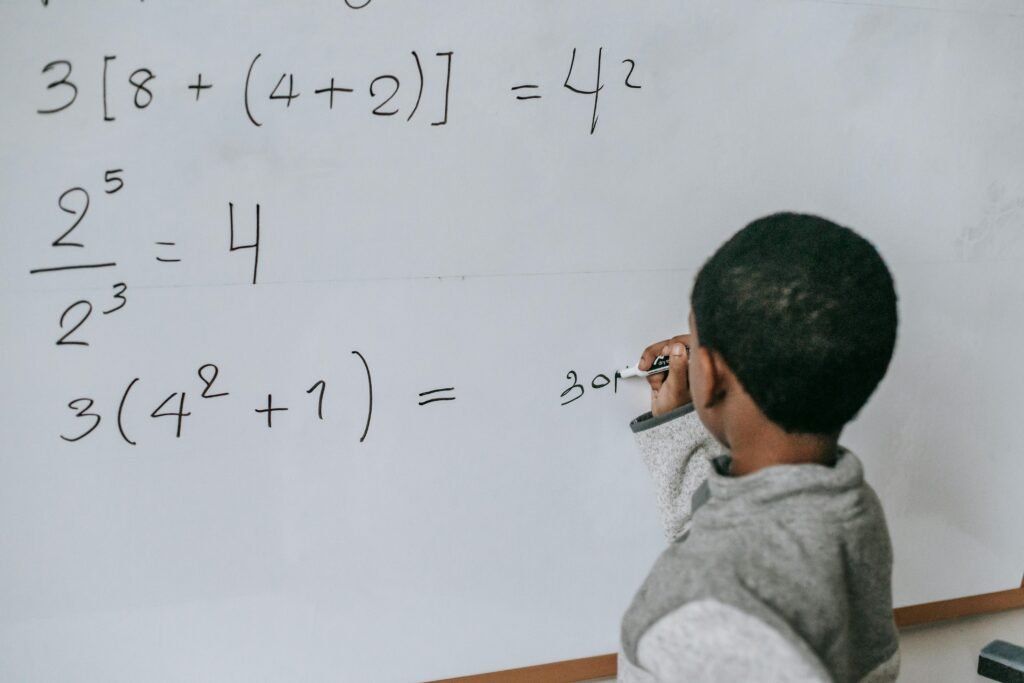
Middle school is a big jump. Homework grows. Pressure rises. Sleep shrinks. Parents worry. Kids try to keep up. Some push hard and win. Some push hard and break. We want the win without the break. This guide is for you if you care about both grades and health. It is clear, calm, and real. We use simple words and plain steps. Every point comes with actions you can use tonight. You will see what matters, what to skip, and how to balance learning with life.
1) Recommended nightly sleep for 11–13-year-olds: 9–11 hours
Sleep is the base of learning. In middle school, the brain is building strong links. Nine to eleven hours a night is not a luxury. It is the fuel for memory, focus, and mood. When kids hit this range, homework takes less time, mistakes drop, and recall improves.
When sleep falls short, even smart kids feel foggy. They reread the same line and nothing sticks. They get irritable and small tasks feel huge. This is not laziness. It is a tired brain trying to do hard work with an empty tank.
To reach this sleep window, start from wake time and walk backward. If the bus leaves at seven, and your child needs one hour to wake, wash, eat, and pack, then wake time is six. Eleven hours back means lights out at seven, which is not realistic.
Aim for nine to ten hours to start. That means lights out between eight and nine. Protect that time with a calm routine. End screens at least one hour before bed. Keep the room dark and cool. Share a simple wind-down cue like a warm shower, a short stretch, and a book.
Remove homework from the bedroom so the brain links that space with rest, not stress.
Make evenings predictable. Set a homework start time and a hard stop. If work is not done by the stop time, write a short note to the teacher explaining what was tried and where your child got stuck. This builds trust and protects sleep.
Teach your child to chunk work into small blocks. Use a timer for twenty minutes of deep work and five minutes of rest. These brief sprints lower the urge to scroll or wander off. A steady pace will beat late-night panic every time.
As sleep improves, watch for fewer meltdowns, faster reading, and better recall the next day. Celebrate those wins and guard bedtime like a secret weapon.
2) Middle schoolers getting insufficient sleep: ~57%
More than half of middle schoolers do not reach healthy sleep. That is a lot of yawns, short tempers, and slow pages. The reasons are simple. Bedtimes creep later. Phones and games pull attention. Homework gets longer. Activities fill the calendar.
When too many demands crowd the evening, sleep is the first thing to go. But poor sleep does not only make mornings rough. It lowers learning speed. It makes tasks feel boring. It raises the chance of stress and worry. It also makes kids more likely to get sick, which then causes missed classes and catch-up work, creating a loop.
If sleep is short at your house, start with one week of honest tracking. Write down bedtime, wake time, and total hours. Note any night waking. Add a quick morning check-in with three questions: Do you feel rested, kind of okay, or tired?
Did you wake up on your own or need a lot of help? How long did homework take yesterday? After seven days, look at the patterns. Do homework nights go long midweek? Does sports night push bedtime? Are weekends so late that Monday becomes a crash? Use this data to reset.
Choose one lever to pull this week. You can move screens out of the bedroom. You can set a latest start time for homework, which helps kids begin early enough to finish. You can tighten the bedtime by fifteen minutes each night until you hit your target.
If homework is the main cause, scale the plan. Map each task with a time estimate and a mini deadline. If your child faces a huge project, break it into daily micro steps and add a visible progress line on the wall. Praise progress, not perfection.
If a teacher’s load is consistently too heavy, reach out with calm facts from your tracking. Most teachers will help adjust or suggest smarter tactics. By cutting the late swirl and guarding those extra forty to sixty minutes of sleep, you will see a steadier mood, better focus, and fewer homework battles.
3) Average homework time for 15-year-olds worldwide: ~5 hours/week
Five hours a week is a wide global average, not a rule. But it gives a helpful picture. If your middle schooler is regularly doing twelve hours a week, that is a signal to review workload and methods. If they are doing almost none and feel lost in class, that is another signal.
The goal is not more minutes. The goal is useful minutes that build skill. Many students spend a lot of time in the chair but not much time actually learning. Distractions, unclear tasks, and weak strategies can turn a thirty-minute assignment into a ninety-minute slog.
Start by measuring effective time. Use a simple timer and track only “pencil moving” minutes, not the minutes spent hunting for a pencil, chatting, or peeking at a phone. Most families are surprised by how little true work time happens in a long evening.
Next, fix the study setup. Create a clean, quiet space with only the needed tools. Put the phone in another room. If music helps your child, choose calm, lyric-free tracks and keep the volume low.
Plan the week on Sunday. Look at due dates, tests, and activities. Spread the load across days so nothing piles up on a single night. Add small review blocks on days with less assigned work. This keeps skills warm and reduces test anxiety.
Teach your child to start with the hardest task while energy is fresh. Pair that task with a short, clear goal like finish five math problems with neat steps or write the first three lines of the paragraph. When the tough piece is done, the rest of the evening moves faster.
If five hours a week sounds low for your child’s goals, do not just add more time. Make the time sharper. Use retrieval practice by closing the book and recalling key ideas aloud. Use spaced repetition for vocabulary and formulas.
End each session with a two-minute reflection: what worked, what did not, and what to try tomorrow. This habit builds a self-correcting learner who can keep steady progress without piling on hours.
4) U.S. average homework time for 15-year-olds: ~6 hours/week
Six hours a week in the U.S. is only one more hour than the global average, but that extra hour can tip the balance if sleep and sports already fill the schedule. Families often feel that everyone else is doing far more, yet the data suggest a moderate load for many students.
The problem is not always the amount. It is the mismatch between time and task. A child may spend a long time on math not because there is too much math, but because they lack a clear method or they start too late and work while tired.
To make six hours work well, design a simple rhythm. Aim for four weekdays of about sixty to seventy-five minutes, and one light weekend review of thirty to forty five minutes. Keep Friday open when possible so your child enjoys a break and returns fresh.
In each session, use short cycles. Begin with a quick plan on paper stating what will be done and by when. Write the first action in a tiny box so it feels easy to start. After twenty minutes, pause to check accuracy on one sample and fix any pattern mistakes before they spread.
For reading-heavy classes, teach active reading. Preview headings and key terms. Ask your child to write a seven-word summary at the end of each section. This keeps focus tight and memory strong. For writing tasks, use a fast outline with one sentence per idea, then expand.
For science, combine diagrams with words, drawing simple labeled sketches that show processes instead of copying pages of notes.
If your child is in advanced classes, six hours may not be enough some weeks. Adjust by trimming low-value work. Ask teachers where to focus for the biggest gains. Most will point to problem sets that match test styles or to short writing drills that sharpen thinking.
Protect sleep and exercise during heavy weeks. A brisk twenty-minute walk before homework can lift mood and speed up thinking. If evenings are packed with activities, try a short study window right after school for a high-focus task, then a second, lighter round after dinner.
The key is to keep the total near that six to eight hour band while improving the quality of every minute.
5) “10-minute rule” guideline: ~10 minutes × grade level (e.g., 60–80 minutes in grades 6–8)
The ten-minute rule is a simple way to keep homework helpful, not harmful. In middle school, that means about sixty to eighty minutes a night across all classes. The goal is not to fill time. The goal is to focus effort.
When work fits this window, kids can think deeply without dragging late into the night. When work spills over, quality drops and stress rises. Use this rule as a home guardrail. It is not a hard cap, but it is a smart limit that keeps the rest of life in balance.
Start by setting a visible start time and a firm stop time that match the rule. Post these times on the fridge or on a desk card. Begin with a short warm-up like two minutes of breathing or a quick stretch to reset the brain after school.
Then map the night’s tasks on a half sheet of paper. Put a tiny box next to each task and add a time guess. Save five to ten minutes at the end for a fast check and pack-up. If the list will break the rule, trim low-value steps.
For example, skimming a chapter may do less than reviewing key terms and making three practice questions. Swap tasks so the time serves learning.
Coach your child to lead with the hardest subject while energy is high. Use a timer for a twenty-five minute sprint, then take a three to five minute break to drink water or walk. Keep breaks off screens so the brain comes back clean.
If time runs out and work remains, write a short note to the teacher that lists what was done and where confusion started. Teachers value this clear signal; it helps them adjust instruction. Protect sleep and keep evenings calm.
If you want a partner to build these habits, book a free trial class at Debsie and we will set up a custom plan that fits your family.
6) Overall homework effect size on achievement (Visible Learning): d ≈ 0.29
An effect size near 0.29 is modest. It means homework helps, but it is not magic. The impact depends on the kind of work and the feedback that follows. Busywork gives a tiny lift. Thoughtful tasks with clear goals and quick feedback give a stronger lift.

The message for families is simple. Do less of the wrong work and more of the right work. Aim for tasks that make the brain retrieve, apply, and explain. These are the moves that grow long-term memory.
Shift how your child engages with homework. For math, focus on representative problems that match the way tests will look. Work slowly, write steps, and check reasoning. For reading, practice recall by closing the book and telling the main idea in simple words.
For science, build quick models or draw process diagrams instead of copying notes. For writing, draft fast, then revise with one focus at a time such as clarity, structure, or examples. Add a two-minute reflection at the end of each session.
Ask what was learned, where errors appeared, and what to try next time. This tiny habit turns homework into a feedback loop that compounds gains.
Parents can boost the effect by being guides, not hoverers. Set the table, not the answers. Provide a quiet place, a timer, and a checklist. Ask questions that prompt thinking such as how did you get that or can you show me one step. Celebrate effort and strategy, not just scores.
If a task looks like busywork, help your child find a higher-value version. Turn a long worksheet into five well-explained problems with full reasoning. If grades lag, do not add hours right away. First, improve method and feedback.
If you want expert help aligning tasks to impact, Debsie coaches can design micro-assignments that lift that effect size in weeks, not months.
7) Homework effect size is larger in secondary vs elementary: roughly 2×
Homework tends to pay off more in middle and high school than in early grades. Older students have more metacognition. They can plan, monitor, and correct their own work better than younger kids. They also face deeper content that benefits from practice outside class.
This explains why a small amount of well-planned homework can produce solid gains in middle school, while piles of worksheets in early grades do very little. The key is to match task to level. Middle schoolers are ready for thinking work, not copying.
Make homework in these years feel like training, not punishment. Frame each task around a skill goal such as solve multi-step equations using clean steps or write a clear claim with two proofs. Put the goal at the top of the page.
During work, pause after one or two items to check if the goal is being met. If not, back up and fix the method. This self-check builds the metacognitive edge that makes homework more powerful at this stage.
Teachers and parents can structure a simple after-school routine that mirrors a sports practice. Start with a quick warm-up like three mental math facts or a thirty-second recap of yesterday’s lesson. Move into focused drills for the main skill. Close with a cool-down where the student explains one tricky step aloud.
Keep the total time inside the grade-appropriate window. If your child finishes early, use the remaining minutes for retrieval practice with flashcards or a brief quiz you both create on scrap paper. If they finish late, audit the steps and remove friction for tomorrow.
When students learn to plan and self-correct, they begin to see homework as a place to gain an edge. That shift brings calm, confidence, and better scores. If you want a ready-made practice plan for your child’s level, our Debsie tutors can build one-to-one sessions that lock in these habits and make every minute count.
8) Achievement gains plateau for middle school beyond ~90 minutes/night
More time does not always mean more learning. After about ninety minutes of homework in one evening, most middle schoolers hit a wall. The brain tires. Focus slips. Errors rise. Students reread the same line and still do not remember it.
This is the plateau. Pushing past it often steals sleep and does not add real skill. The smart move is to improve quality inside that ninety-minute window and spread heavy work across days. When you plan ahead, you get steady growth without the late-night crash.
Begin with a simple cap. Set a start time and a firm stop time that lands around the ninety-minute mark. If a task threatens to spill over, trim scope and raise focus. For math, select the most representative problems. Show full steps and check each method before moving on.
For reading, target the key sections and write short cue cards with main ideas. For writing, draft fast for fifteen minutes, then revise one layer such as structure or clarity. Keep a small buffer of five to ten minutes at the end for pack-up and reflection so nothing lingers in the mind at bedtime.
Break big projects into short daily chunks. A poster due Friday becomes ten minutes of research on Monday, simple outline on Tuesday, rough draft on Wednesday, and polish on Thursday. Encourage your child to stop when the timer ends, even if it feels odd at first.
If work remains, send a clear note to the teacher describing what was completed and where time ran out. This builds trust and invites help. Protect weekends by placing a light review on Saturday morning and leaving the rest free for play, exercise, and family time.
If keeping limits is hard, Debsie coaches can set a custom plan and hold your child accountable with calm check-ins that make the ninety-minute rule stick.
9) Students spending >2 hours/night on homework report high stress about 2× more often
When homework stretches past two hours most nights, stress multiplies. Kids feel on edge. They dread the evening. Small problems feel huge. This level of strain hurts learning and family peace. The fix is not to lower goals.
The fix is to reduce friction and cut waste. Many students lose time to unclear directions, messy materials, and constant switching. By cleaning up the system, you can bring time under control and cut stress at the same time.
Start with clarity. Before work begins, ask your child to explain each task in one sentence. If they cannot, send a quick message to the teacher or check the class portal together for instructions. Gather every needed item before the timer starts.
Use one notebook per subject and keep a running index on the first page so notes do not scatter. Park the phone in another room. Use a single study block for the toughest task, then a second shorter block for lighter work. Insert tiny recovery breaks of three minutes to stretch or sip water.
Keep breaks screen-free so the brain returns ready to focus.
Add stress-release rituals that fit your child. A short walk before homework resets mood. Quiet breathing for one minute reduces jitters. A steady playlist of soft, lyric-free music can block noise. Keep dinner simple and early so hunger does not hit mid-session.
If the two-hour nights continue, meet teachers with a calm log of time and efforts. Ask for guidance on what to prioritize. Most will gladly steer you toward the highest-impact tasks. At Debsie, we also teach laser focus and time boxing.
Many families see the nightly load drop by thirty to forty percent within weeks, with grades rising, not falling, because the work becomes sharper and calmer.
10) Students with regular homework show ~12 percentile-point higher test scores vs none
Consistent practice beats cramming. Students who complete regular, well-targeted homework tend to sit about twelve percentile points higher on tests than peers who do little or none. The reason is simple. Homework can turn short lessons into solid skills through retrieval and application.
Each night, the brain gets one more chance to strengthen key links. The effect is steady and compounding when the work is clear and checked. The goal is not endless problems. The goal is regular contact with the right ideas.
Build a repeatable routine. Start with a short warm-up that taps memory. Close the book and recall three facts from yesterday. Solve one sample problem cold. Read a definition and give a simple example. Then move to focused practice that mirrors test formats.
For math, select a small set of mixed problems and show clean steps. For language arts, write clear sentences that use current grammar points, then expand to a short paragraph. For science, answer two process questions and sketch one quick diagram.
End with a tiny self-quiz. Without notes, explain the main idea to an imaginary class. This five-minute close locks in gains.
Track progress using a simple chart on the wall. Mark each day of completed homework with a small check and write one win under it. The win might be fewer mistakes or a faster solve time. Celebrate patterns of consistency, not just big scores.
When tests approach, your child will already have the muscle. Then you can use light, spaced review rather than panic sessions. If your child struggles to keep rhythm, our Debsie mentors can pair daily micro-assignments with short feedback loops.
This turns regular homework into a predictable engine for those steady test score gains without adding many minutes.
11) Optimized, feedback-rich homework yields ~2× the learning impact of busywork
Not all homework is equal. A worksheet of repeated problems with no feedback teaches little. A short set with clear goals and fast feedback can double the learning. The secret is immediate correction and small adjustments.
When students see where they went wrong and fix it right away, the brain updates the method. Waiting days for feedback lets errors harden. The solution is to build feedback into the evening, not just after the teacher grades it.
Design a feedback-first routine. For math, work two problems, then check answers against a solution key or worked example. If wrong, do not just mark an X. Diagnose the step. Was it a sign error, a misread question, or a concept gap?
Rewrite the solution with a note on the fix. For writing, read sentences out loud and listen for bumps. Use a simple checklist for clarity, structure, and evidence. For vocabulary, test yourself with cover-and-say drills. If you miss an item twice, add a personal example that makes the word stick.
Parents can play a helpful role without giving answers. Ask to see one sample and say talk me through your steps. If your child stalls, prompt with what came next in class. Praise the act of checking, not just the final score. Encourage the habit of writing tiny post-its that say what I learned and what I will do next time.
Share these notes with teachers so they can tailor support. At Debsie, we embed live micro-feedback in sessions. Students attempt, get a quick nudge, and try again. This fast loop squeezes twice the learning out of the same ten or fifteen minutes.
You can bring this home by using quick checks, reading work aloud, and fixing errors in the moment. Do this for one week and watch confidence rise as accuracy climbs.
12) Consistent homework completion links to ~0.2–0.3 GPA increase in middle grades
Small habits move grades. When a student turns in homework on time week after week, GPA often nudges up by about two to three tenths. That shift can turn a C+ into a B or a B into a solid B+. The reason is not only practice.

Consistent work also builds trust with teachers, keeps gaps from widening, and reduces last-minute panic before tests. The aim is not perfection. The aim is a steady pattern that survives busy weeks, sports days, and low-motivation moments.
Build a simple chain you can keep. Pick a start time that fits your home rhythm and lock it in. Use a tiny pre-flight check every day at the same moment. Open the planner, read today’s tasks out loud, and write a micro goal for each subject in one plain sentence.
Keep materials in a single bin labeled by subject so nothing goes missing. When a task is done, snap a quick photo for your records, then place it in the backpack right away. This prevents the classic finished-but-not-turned-in mistake.
Add a gentle backup system. If your child forgets to write an assignment, open the class portal at the end of the session and cross-check. If the portal is not up to date, teach your child to text a study buddy with a clear question. Close each evening with a two-minute wrap.
Pack materials, set out clothes, and place the backpack by the door. On tough days, shorten the plan rather than skip entirely. Even ten minutes of focused practice maintains the habit and protects that GPA lift.
If keeping a chain is hard, Debsie coaches can run quick accountability check-ins that take pressure off parents and keep the routine calm and reliable.
13) Each additional 30 minutes of homework after ~90 minutes is linked to lower sleep by ~15–20 minutes
Time has a trade-off. When homework pushes past ninety minutes, every extra half hour often cuts fifteen to twenty minutes of sleep. That may not sound like much, but across a week it adds up to a lost night.
Less sleep makes tomorrow’s work slower, which then demands more time, which then steals more sleep. To break the loop, you need a stop rule and sharper methods so the work fits inside the healthy window.
Start by setting a visible cut-off time on a wall clock. When it hits, the session ends. If work remains, write a respectful note to the teacher showing what was completed and naming the sticking point. This protects sleep while also inviting help on the exact hurdle.
Next, trim friction. Move phones out of the room. Close extra tabs. Keep only the needed book and one notebook in view. Use short sprints of twenty minutes with three-minute pauses for water or a quick stretch. In each sprint, write the single target at the top of the page so focus stays tight.
Plan big tasks across days to prevent spillover. Use the rule of halves. Whatever time your child thinks a task needs, cut it in half for tonight and finish the rest tomorrow. This forces early starts and stops binging. If a subject always runs over, meet the teacher and ask which parts deliver the most learning.
Do those first and consider leaving less valuable steps for class support. A good rhythm is better than one long push. If setting these limits creates tension at home, our Debsie mentors can create a customized schedule, teach quick-win strategies, and hold to the stop time so sleep remains safe.
14) Students sleeping <8 hours/night have ~1.7× higher odds of depressive symptoms
Mood and sleep walk together. When sleep drops below eight hours, the risk of low mood, irritability, and heavy worry climbs. Homework stress grows faster, and motivation falls. A child who once enjoyed reading now stares at the page.
Patience thins. Small setbacks feel large. The first fix is not a pep talk. It is better sleep. Protecting sleep does not mean lowering goals. It means giving the brain the base it needs to think clearly and feel steady.
Create a gentle wind-down that starts one hour before lights out. Dim lights, shut down screens, and switch to quiet tasks like a warm shower, a short stretch, or a paper book. Keep the bed for sleep only.
Do homework at a desk or table so the brain learns one place for work and another for rest. Set a regular wake time, even on weekends, so the body clock stays steady. If nights are choppy, check caffeine in sodas or tea, and keep heavy meals earlier in the evening.
Link homework to mood care. Begin each session with two minutes of slow breathing to calm the nervous system. If frustration spikes, pause and use a simple reset routine. Stand, stretch tall, sip water, and name the next step in a whisper.
Keep a feelings chart near the desk so your child can point to how they feel and choose a matching support action. If sadness or worry seems persistent, contact your pediatrician or school counselor.
Alongside that support, Debsie can lighten nightly strain by tightening methods and showing quick progress, which often lifts mood. When sleep improves, you will likely see more patience, smoother study blocks, and a child who smiles more at the end of the day.
15) Middle schoolers reporting homework as a top stressor: ~50–60%
For many middle schoolers, homework sits at the top of the stress list. The load feels large, the tasks feel unclear, and the clock feels loud. Stress itself is not always bad. A little push can focus the mind. But high, constant stress makes thinking fuzzy and memory weak.
The goal is to keep challenge but lower chaos. Clear plans, short wins, and steady support can turn evening stress into calm effort.
Start by naming the stress sources. Ask your child to describe what part feels heavy. Is it not knowing where to start, running out of time, or fear of making mistakes? Write the answer in plain words. Build a small script for the start of each session.
Read the tasks out loud, pick the first target, and set a timer for fifteen to twenty minutes. Promise a quick break after the timer and keep that promise. During the break, use a no-screen reset like stepping outside or playing with the pet for a minute.
Return to the desk and write one sentence about what worked in the last block. This routine lowers dread because the path is simple and the first step is small.
Make accuracy checkpoints part of the flow. For math, check one sample early to catch errors before they spread. For writing, read the first paragraph aloud and revise for clarity before carrying on. For science, sketch a quick diagram and explain it to a parent or an invisible class.
Shrink big projects into micro steps and post them on the wall with dates. Cross each step off to show movement. Praise strategy and effort. If stress stays high, send a short, friendly note to teachers with your tracking. Most will help with clarity or trimming.
If you want expert support, Debsie coaches can sit beside your child in live sessions, guide the first steps, and build a calmer rhythm that keeps stress manageable while results rise.
16) Reported weekend homework load increase from weekdays: ~20–30%
Weekends should help kids reset, yet many report a rise in homework by about one quarter. This extra load often feels heavier because routines slip. Bedtimes move later. Start times drift. Materials spread across the house. Sunday night then turns into a scramble.

The goal is to keep momentum while protecting rest and family time. A small plan can turn weekends from panic to progress.
Begin with a Friday five-minute review. Before the backpack gets dropped, open the planner and list every weekend task. Mark estimated minutes next to each. Circle anything due Monday. Decide on two short study windows for Saturday and one light touch on Sunday.
Keep each window tight, about thirty to forty minutes, and anchor them to fixed events, like after breakfast or before soccer. When the timer ends, stop. Ending on time builds trust and keeps the weekend humane.
Move one task to Friday right after school. Energy is often higher then than late Sunday. If the weekend includes travel or a tournament, pre-pack a slim study kit with a pencil, one notebook, and the needed chapter or printout.
Use hotel desks or quiet car time for micro steps like flashcards or outlining. Avoid starting new, hard topics on weekends. Focus on review, reading, and tidy-up work such as organizing notes or labeling diagrams.
Protect one full day segment as no-homework time. Tell your child that rest makes the brain grow, so the pause is part of learning. Keep devices out of bedrooms at night so sleep stays steady. If teachers often load weekends, share your tracking calmly and ask how to prioritize.
Most will help shape a lighter, smarter plan. If your family wants a simple weekend routine that sticks, Debsie coaches can set a two-block template and provide brief check-ins so work stays on schedule and Sundays feel peaceful again.
17) Students with a quiet study space show ~10–15% higher homework completion rates
Where your child works matters. A calm, dedicated spot can raise completion rates by a noticeable margin. The brain links spaces with actions. When the same corner is used daily for study, focus switches on faster and wandering drops.
Noise, clutter, and shared spaces pull attention away and steal minutes. You do not need a fancy room. You need a small zone that is tidy, consistent, and free of constant interruptions.
Pick a place with a table and a chair that fits your child. Good light is key. Keep supplies within reach in a small caddy: pencils, eraser, highlighter, sticky notes, and a timer. Place only what is needed for today’s subject on the surface. Everything else stays out of sight.
Stand a simple white card at the edge of the desk with today’s three targets written in big letters. This keeps the mind pointed. If home is noisy, try foam earplugs or soft, lyric-free music at low volume. If siblings share a room, use a portable lap desk and choose a quieter time slot.
Set boundaries for the zone. During study blocks, the phone lives in another room. Family members avoid chatting. Pets stay out until breaks. Add a small ritual to start and end each session. Light a tiny desk lamp at the start and turn it off at the end.
Place finished work in the backpack immediately. These cues tell the brain it is time to focus and then time to rest.
If space is very tight, create a “study bag” that turns any table into a study zone in one minute. The bag holds all essentials and a foldable privacy board made from a trifold poster. Set it up, work, and pack it away. Consistency beats luxury.
If your child resists, invite them to help design the space. A little ownership raises buy-in. Debsie mentors can also coach your child on how to use the space well, from setup to shutdown, so that completion climbs and evenings feel smooth.
18) Parental monitoring (not hovering) relates to ~0.1–0.2 GPA gain
Kids do better when adults are present but not controlling. Light monitoring—asking what the plan is, checking progress at set times, and praising effort—can lift GPA by a tenth or two.
Hovering—correcting every step, sitting over the shoulder, or jumping in too fast—can raise stress and reduce independence. The balance is to be close enough to support, far enough to allow struggle that leads to growth.
Set up a two-touch system each evening. Touch one is the opening check. Ask your child to walk you through the plan in one minute: tasks, order, and time estimate. Do not edit unless the plan is clearly unrealistic.
Touch two is the mid-point check, halfway through the session. Ask what’s done, what’s left, and what help is needed. Offer a short idea or ask a guiding question. Then step back. Finish with a quick high-five or a note on the fridge that names one strategy you saw them use well.
Keep help small and specific. If your child is stuck, ask them to show the last step they are sure about. Have them try one more step aloud while you listen. If they cannot move, suggest a mini reset: reread the prompt, do a simpler example, or check a class note. If the block persists, write a respectful note to the teacher describing the point of confusion. This teaches self-advocacy.
Use a visual tracker on the wall for turned-in work and calm sessions. Mark each day they meet the routine. When you hit five in a row, celebrate with a small privilege like choosing dinner or the weekend movie. Keep comments about grades rare and comments about process frequent.
Over time, you will see your child initiate work more often and bounce back from mistakes faster. If you want coaching on how to support without smothering, Debsie can guide parents with quick scripts and weekly check-ins that make the balance feel natural.
19) Math homework completion correlates with ~0.2 SD improvement in math tests
Math is a skill sport. Regular reps matter. Students who consistently complete math homework tend to show a meaningful lift on tests. The reason is clear. Each problem is a chance to practice a method, catch an error, and refine steps.
But completion alone is not enough. Quality reps beat long sets. Five careful problems with clean steps and checks will do more than twenty rushed ones.
Set a daily math routine that feels like practice, not punishment. Start with two warm-up problems that review earlier skills. Then move into three to five current problems that mirror test formats. For each, write every step and annotate the trickiest move.
After two problems, check against a reliable solution. If wrong, finish the correction before touching the next problem. Close with one mixed problem that combines ideas, so the brain learns to choose a method, not just follow a pattern.
Teach error repair. When a mistake shows up, label it in the margin: reading slip, operation sign, algebra move, or concept gap. Write one short sentence on how to avoid it next time. Keep a personal error bank at the back of the notebook. Review this bank before quizzes. This reduces repeat mistakes and boosts confidence.
If your child says math takes too long, lower the count but raise depth. Ask them to pick the three most representative problems and solve them in full, then explain each out loud to you in thirty seconds. That quick teach-back locks the method.
If gaps are big, Debsie tutors can build a custom set of spiral problems that target weak spots while preparing for the next unit. With clean, daily reps, that 0.2 standard deviation lift turns into higher quiz scores and a calmer test day.
20) Reading 20 minutes/night plus brief accountability tasks: ~1.5–2× growth in reading fluency
Twenty minutes of nightly reading is a small act with a big payoff. When paired with a tiny accountability step, growth in fluency can multiply. The habit builds word recognition, speed, and understanding. It also calms the mind after a busy day.
The key is the right book at the right level and a quick way to show that reading happened with attention.
Choose books that your child can read with about ninety-five percent accuracy. If they stumble on every page, the brain tires and motivation drops. If it is too easy, growth slows. Let your child help pick topics they actually like—sports, space, animals, adventures.
Set a fixed time, often right after dinner or just before bed. Keep phones away and lights warm. Sit nearby and read your own book to model the habit.
Add a one-minute accountability task at the end. Options include a seven-word summary, three key facts, one new word with a simple sentence, or a quick recount of the most interesting part. Rotate tasks to keep it fresh.
Use a small reading log on the fridge with date, title, and the one-minute note. Do not turn the log into a chore. Keep it short and celebratory.
If your child resists reading silently, try paired reading. Sit beside them, read a paragraph aloud, then they read the next. For extra fluency work, use guided repeated reading.
Choose a short page, time the first read, then read it again aiming for smoother pace and expression. Celebrate smoother, not faster. For vocabulary, build tiny word cards and review three per night with a personal example for each.
Reading lifts every subject. Strong readers understand word problems, science texts, and history notes better. If you want expert picks and quick comprehension drills matched to level, Debsie can craft a nightly plan that keeps the twenty minutes joyful and productive. In a few weeks, you will hear smoother reading and see stronger recall in class.
21) Project-based homework longer than 2 weeks without checkpoints: ~30% higher late/missed rates
Long projects feel exciting at first, then quietly slip out of sight. Without checkpoints, many students freeze, guess, or wait. Deadlines arrive and panic follows. Late or missed work rises by about a third when there are no milestones.
The fix is simple: break the big thing into small pieces and finish each piece on a date that comes soon, not someday.
Open the project brief together and translate it into plain steps. Write each step as a tiny, visible action that starts with a verb. Gather three sources. Draft outline with five headings. Create rough sketch of poster. Write first paragraph.
Build data table. Set the dates now. Use short gaps between steps so progress stays warm. For a two-week project, aim for four to six checkpoints, not one. Anchor each checkpoint to a day and time you already trust, like after dinner on Monday or right after school on Thursday. When the time comes, the step gets done, even if the final is far away.
Add proof-of-progress for each checkpoint. Proof might be a photo of the outline, a screenshot of sources, or a paragraph pasted into a document. Keep these proofs in one folder so momentum is easy to see and show. If a step stalls, shrink it further.
Instead of write first paragraph, try write three opening sentences that include the claim. If confusion sticks, send a clear note to the teacher describing the stuck step and what has been tried. Teachers respond faster to small, specific questions than to vague distress.
Keep materials tidy. Put a project box on the desk with all parts inside. Label files with dates and short names. Spend five minutes at the end of each session packing up and writing one line about what to start next time.
If you want a ready-made checkpoint plan and gentle accountability, Debsie coaches can map milestones, set calendar reminders, and review proofs so your child arrives at the final day calm and ready.
22) Homework tied to upcoming quizzes boosts quiz scores by ~8–12%
Practice that mirrors the test shapes the mind for the test. When homework directly targets the skills and formats that will appear on tomorrow’s quiz, scores tend to rise by a clear margin. This is not about guesswork. It is about alignment.
If the quiz will ask students to solve two-step equations and explain each move, the homework should do exactly that. The brain learns what it practices.
Start by finding out the focus of the next check. Ask your child to look at the class portal, notes, or review sheet and name the exact skill. Turn that skill into a short set of aligned tasks. For math, choose three mixed problems that require clean steps and a brief written reason for each move.
For science, answer two process questions and draw one labeled diagram that shows cause and effect. For language arts, craft one tight paragraph using the same rubric lines the teacher will score.
Use the same timing and conditions as the quiz when possible. Work without notes for a brief stretch, then grade together using a key or the book. Circle the exact spot where a slip started and write a one-line fix.
Redo one similar item right away to prove the fix worked. End with a teach-back: explain the skill aloud as if coaching a friend. This single act turns knowledge into usable memory.
Keep it short and sharp. Twenty minutes of aligned practice beats an hour of wandering tasks. If your child is unsure what the quiz will look like, encourage them to ask one clear question in class: what kinds of problems should we be ready to show and explain.
Most teachers appreciate the focus and will point students in the right direction. Debsie mentors build mini-sets that match classroom styles, then walk students through fast checks, so that the next quiz feels familiar, not scary.
23) Burnout symptoms (exhaustion + cynicism) reported by adolescents: ~10–20% prevalence
Burnout shows up as tired bodies and tired hearts. Students feel wiped out and also disconnected. They say what’s the point, even when they care deep down. In middle school, about one in ten to one in five will feel some level of this.
Homework can trigger it when the load is high, the wins are rare, and feedback is slow. The way out is to restore energy, meaning, and control.
Begin with energy. Protect sleep first. Set a real stop time for homework and stick to it. Add a short movement break after school—ten minutes of walking, biking, or shooting hoops. Keep food steady with protein and water before study. Next, add meaning.
Connect tasks to goals your child actually values. If they love art, link a science diagram to a clean, bold design. If they enjoy sports, frame math as sharpening the playbook brain. Invite them to pick which problem to do first, which example to use, or which format to present in when the teacher allows choice.
Build control with small, winnable steps. Replace vague commands with clear targets that can be done in fifteen to twenty minutes. Check in at a midpoint and celebrate the exact behavior you want more of, like starting on time or finishing a clean solution.
Remove constant corrections. Ask guiding questions instead of giving fixes. Create one weekly moment that is school-free and protected, like Saturday morning pancakes or a family walk with phones left at home.
Watch for signs that go beyond normal stress: persistent sadness, sharp drops in interest, big changes in sleep or appetite. If you see these patterns, talk to your pediatrician or school counselor. Pair that care with lighter, smarter homework routines at home.
Debsie coaches can rebuild confidence fast with bite-size wins and warm feedback, so students feel capable again. When energy, meaning, and control return, so does steady achievement.
24) Students in honors/advanced tracks report ~25–40% higher homework time
Advanced classes often bring heavier reading, longer problem sets, and complex writing. Time rises by a quarter to nearly half compared to standard tracks. The extra demand can sharpen skills, but it can also crowd sleep, sports, and family life if not managed. The goal is to keep the rigor while trimming waste. Advanced students need advanced systems.
Start with a weekly map. On Sunday, list each course and write the biggest brain tasks due that week. Estimate minutes, then add a margin. Spread the load across days, front-loading tough work earlier in the week when energy is higher.
Reserve a light day for recovery. Treat long readings with active methods: preview headings, set a purpose question, annotate with short phrases, and write a seven-word summary after each section.
For problem-heavy classes, choose representative problems, show complete steps, and meet a study buddy once a week to compare methods and catch blind spots quickly.
Use layered deadlines inside long assignments. For a research paper, set dates for question, sources, outline, first page, full draft, and revision. Share these micro dates with a parent or mentor for light accountability. Keep a strict phone policy.
Park devices away during sprints. Use a website blocker if switching is hard. Add a daily fifteen-minute review window for quick recall of formulas, terms, or theorems so they stay warm without extra cramming.
If hours stay high even with clean habits, talk with teachers. Ask which tasks deliver the most value for mastery and which are optional or can be shortened with equal learning. Most advanced-track teachers respect students who seek efficiency with integrity.

Debsie mentors excel at helping high performers work smarter, building custom routines that protect sleep while keeping top-tier results. With sharp planning and tight execution, advanced pathways can stretch the mind without stretching evenings past the breaking point.
25) Device distractions during homework cut effective study time by ~25–40%
Phones and tabs steal minutes in tiny bites. A quick check becomes a rabbit hole. Switching costs are real. Every time a student looks away, the brain must reload the problem when they return. Over an evening, this can erase a quarter to nearly half of true learning time.
The fix is not willpower alone. It is redesigning the environment so attention stays put.
Create a phone parking spot outside the study zone. Power it down or use Do Not Disturb with only parent calls allowed. If work requires a device, use a single-tab rule and full-screen the current task.
Install a blocker that shuts down social and video sites during homework hours. Keep notifications off on laptops. Use a simple timer for sprints and set a tiny reward at the end of the block, like a stretch on the balcony or a quick chat with a parent.
Practice attention like a skill. Start with fifteen-minute sprints and build to twenty-five. At the start of each block, write the one action in big words at the top of the page. When the mind wanders, circle the margin and bring it back without judgment.
Count how many circles you make and aim to reduce the number over the week. This turns focus into a game with visible progress.
Make the desk boring and tidy. Only the needed book and one notebook should be out. Put everything else away. Keep water nearby so trips to the kitchen do not become detours. If your child says they study better with music, pick calm, lyric-free tracks and keep the volume low.
End each session by packing finished work and setting up the first item for tomorrow. Small wins stack when attention is protected. If this is a sticking point at home, Debsie can coach your child through focus drills and help set up blockers so attention holds and results climb.
26) Short, spaced sets (10–20 problems over 3–4 days) outperform one long set by ~20–30% on retention
The brain loves short, steady practice more than one huge push. When work is spaced across days, memory gets stronger. Each return tells the brain this idea matters. A single marathon session feels busy but fades fast.
In middle school, this means breaking homework into small blocks spread across three or four days. Ten to twenty focused problems, or two short reading-and-recall rounds, will beat one long cram for lasting learning.
Turn this into a weekly rhythm. On day one, learn the new idea and do a small, careful set. On day two, mix a few new problems with a couple from yesterday without notes. On day three, do a short, cold recall and fix errors right away.
On day four, finish with a tiny mixed quiz you make at home. Keep each block inside the nightly time window. Use a notebook section called Spaced Review and log dates, items, and one line about what to remember next time. This notebook becomes the best test prep you can have.
For reading-heavy subjects, split chapters into daily chunks and end each day with a seven-word summary and a one-sentence why it matters. For vocab or formulas, use small flashcard sets and rotate them.
Retire cards you know well for a week, bring back hard cards more often. If your child plays a sport or an instrument, explain that spacing is like training: you do a little, rest, then do a little again. Muscles and memory both grow on the off days.
Make it easy with calendar cues. Set simple, repeating reminders on your child’s planner for five-minute revisit blocks after dinner. Keep them short so they actually happen.
If you want help building a spaced plan that fits your school calendar, Debsie can design a custom rotation so your child reviews the right skills on the right days and walks into tests feeling ready, not rushed.
27) Teacher feedback returned within 48 hours doubles the likelihood of homework reattempt/correction
Fast feedback keeps energy alive. When students see what went right or wrong within two days, they are far more likely to fix it and try again. Wait a week, and the moment is gone. The page feels old. The steps feel distant. The trick is to pull feedback close to the work.
This does not mean more grading weight. It means quick, clear signals that guide the next attempt while the idea is still fresh.
Help your child build a feedback loop at home. After two problems or one paragraph, pause and check against a model, rubric line, or answer key. If the answer is wrong, mark the exact step where it went off track. Write one short fix sentence in the margin.
Then reattempt a similar item right away to confirm the fix. Keep a small corrections section at the back of the notebook. Date each entry, show the error, show the corrected steps, and add a short note called the move I will use next time. Review this section before quizzes to stop repeat mistakes.
Encourage your child to ask teachers for quick, targeted feedback, not general comments. One focused question gets faster answers, such as did I set up the equation correctly on step two or is my claim clear in sentence one.
Many teachers will circle the key line or underline the step that needs work. If returns take longer than two days, use peer check-ins. Pair with a classmate to trade one problem and one paragraph for a fast scan using a shared checklist. Keep it light and respectful.
Parents can support without taking over. Ask to see one item and say walk me through your thinking. If the method is shaky, suggest a quick fix and a reattempt. Praise the act of correcting right away.
At Debsie, we build fast micro-feedback into sessions so students practice-receive-correct in one loop. This turns homework into a live learning lab, and the habit of reattempt grows naturally.
28) Clear rubric use reduces homework-related anxiety reports by ~15–25%
Rubrics turn fog into focus. When students know exactly what counts, worry drops. A clear rubric shows the target for quality. It tells your child where to spend effort and what to ignore. Without it, they guess and overwork the wrong parts.
Anxiety rises because the goal is vague. The fix is simple. Bring the rubric to the center of the table and use it as a map before, during, and after the task.
Start by decoding the rubric in plain words. Read each line and rewrite it as a short, simple sentence. Claim is clear means I state my main point in the first two sentences. Evidence supports claim means I use two solid facts that match my point.
Organization clear means each paragraph has one idea and links to the next. Put these plain lines on a small checklist and keep it next to the notebook. Before writing, your child can point and say which lines they will hit first.
During work, they can pause and check one line at a time. After finishing, they can self-grade with yes, almost, or not yet and fix the not yet items.
For math and science, make a process rubric. Steps are labeled, units are shown, diagrams are clear, and reasons are written in short phrases. For reading responses, include restate the question, answer clearly, prove with a quote or fact, and explain why the proof fits.
Keep the number of lines small so it stays usable. Ask the teacher for a sample that scored well and one that needs work. Study the difference with your child and label the moves that made the stronger piece.
When anxiety spikes, ground your child in the rubric. Ask which line feels unclear and solve just that one. Break a big task into micro targets that hit one rubric line at a time. This builds control and calm.
Debsie coaches teach students to think in rubric lines, not vague hopes. That shift cuts guesswork, raises quality, and brings a steadier, happier homework hour.
29) After-school activities ≥3 days/week with structured time management lower homework stress by ~20%
A busy week does not have to mean a stressed week. When students join sports, music, or clubs three or more times a week and pair that with a clear schedule, stress often falls. Activity gives energy and social joy. A plan gives shape.
Together, they prevent the long, empty afternoon that invites drift, scrolling, and late starts. The key is structure. Without it, activities can also crowd homework and sleep. With it, the day feels smooth.
Build a simple after-school arc. Step one is a reset block of fifteen to twenty minutes. Eat a snack with protein, drink water, and move the body. Step two is a short, high-focus homework sprint on the toughest subject, fifteen to twenty-five minutes max.
Step three is the activity. Step four is a second, lighter study block after dinner for reading, review, or writing polish. Set start and stop times for each step and keep them steady across the week.
Use a weekly wall schedule with practice days, pickup times, and homework windows. Protect margins around bedtime so the night stays calm. Pack the backpack and lay out clothes before the second study block so the end of the evening is clean.
If your child tends to crash after activities, flip the order. Do a strong study sprint before practice and only a five to ten minute review later. Keep weekends light for recovery and project checkpoints.
Teach your child to match tasks to energy. Hard thinking goes before practice or right after dinner when the body has refueled. Easier tasks like organizing notes or making flashcards fit the late block.
If a week is unusually heavy with games or shows, start projects a day earlier and trim low-value work. Debsie mentors can help design this arc for your exact schedule, so your child keeps both the joy of activities and steady progress at the desk.
30) Schools capping homework to guideline levels see homework-related complaints drop by ~30–40%
Clear caps calm communities. When schools set homework within guideline levels and align across subjects, families report fewer complaints by a large margin. The reason is fairness and predictability.
Each teacher knows the shared limits, and students are not crushed by five heavy nights in a row. Learning improves because time is used well and sleep remains safe. You can bring this spirit home even if your school has not set a cap.
Start with a family cap that matches the ten-minute rule for your child’s grade. Share it with teachers in a friendly note, along with your plan for steady work and quick communication. Track time for two weeks and send calm summaries if nights regularly exceed the cap.
Ask for guidance on which parts to prioritize when time runs over. Most teachers will help you focus on the highest-yield tasks. Use subject rotations to balance heavy nights. If science lab reports are due on Wednesdays, shift reading work earlier in the week.
At home, design a stop-and-note routine. When the cap time ends, your child stops, writes a brief note on what is complete and where they got stuck, and you sign it. This protects sleep and gives teachers clear data.
Over time, the notes help classes adjust pace or clarity. Keep communication warm and specific. Praise classes that stay inside the cap and show how it helps your child learn and rest.
If your school is open to parent input, share a simple proposal with core ideas: clear nightly time ranges by grade, aligned test days, and built-in project checkpoints. Offer to help gather tracking data.
Debsie can support families and schools with balanced plans that protect learning and wellbeing. When caps guide the week, kids grow, parents breathe easier, and teachers see more focused work turned in on time.
Conclusion
Middle school homework can lift a child up or wear a child down. The difference is not luck. It is clear limits, smart methods, fast feedback, and steady sleep. You now have a full toolkit. Keep nights inside healthy time windows. Choose high-value tasks that match tomorrow’s quiz.
Space practice across days. Guard a calm study spot. Park the phone away. Ask for clarity early. Use rubrics as a map. Build small checkpoints for long projects. Close each session with a short reflection so the brain learns from the work. When the plan is simple and repeatable, grades rise while stress falls.