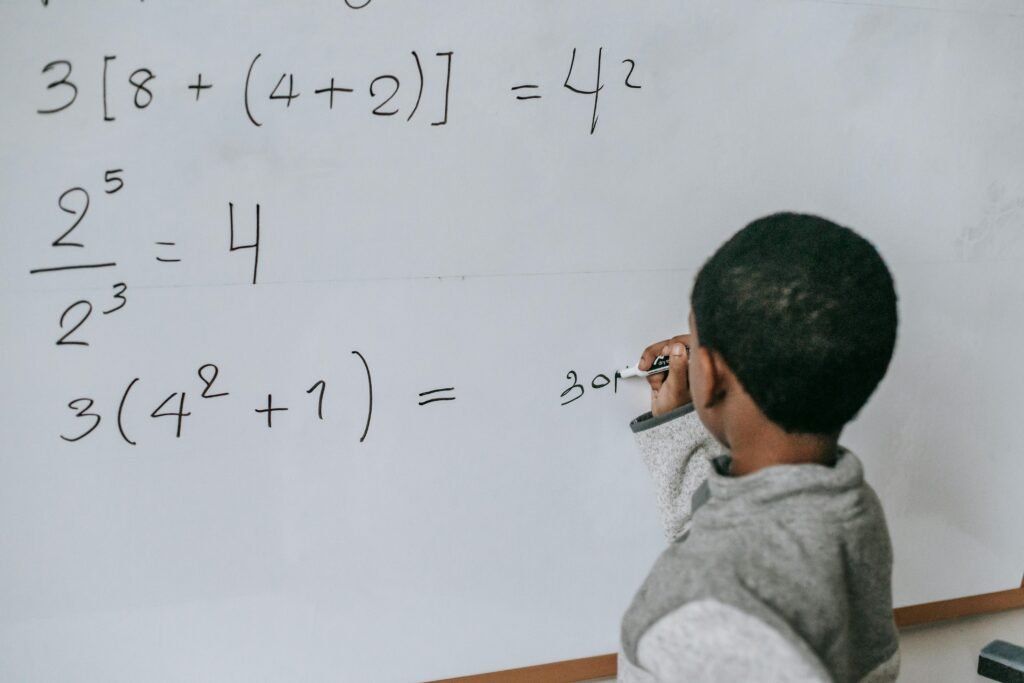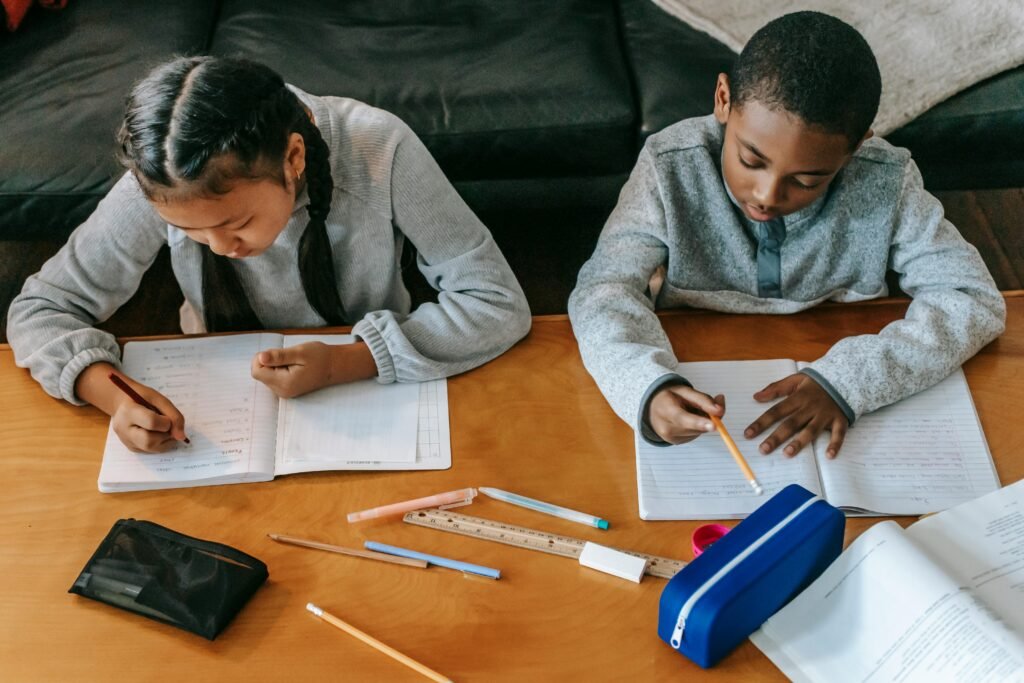
Homework is more than a checklist. It is a signal. When a child starts and finishes homework on time, it often points to skills that matter in school and in life. We see habits like focus, planning, and grit. We also see support at home and strong teaching in class. Over time, these small choices build up. They shape grades, test scores, and confidence. They shape how a child thinks about hard work. They even shape how a child talks to themselves when a task looks tough.
1) Average homework completion rate in middle school is ~70–80%
This range tells a simple story. Most middle schoolers finish a good share of their homework, but not all of it. The gap between seventy and eighty percent is where many grades rise or fall.
When a child moves from the lower end of that range to the higher end, they often see clearer understanding, fewer missing assignments, and less stress on test days. The goal is not perfection. The goal is steady habits that make homework feel doable every day.
Start by setting a same-time daily start. A fixed start time lowers friction because the brain learns to expect work at that hour. Keep the start simple. After a snack, sit for twenty minutes. Use a short timer and focus on one subject.
When the timer ends, take a short stretch break. Repeat once or twice. This pattern makes even big workloads easier, since the child only has to face the next small block.
Make the first task low lift. A quick warm-up builds early wins, which makes the next task feel easier. If a child struggles to begin, try the two-minute rule. They only need to work for two minutes. Once they start, the brain often keeps going.
Place phones in another room. Even a silent phone can pull focus. Instead, keep supplies close. Pencils, paper, calculator, and notes should live in a small homework kit that travels from school bag to desk.
Close each session with a checklist review. Mark what is done, what needs fixing, and what the teacher should explain next day. This habit builds accuracy while preventing last-minute scrambles.
Over one to two weeks of steady blocks, you can lift completion from the low seventies to the high seventies or better. Celebrate small jumps. Each percent is proof the routine is working, and that proof fuels the next step.
2) Students who complete ≥90% of homework have 2–3× higher odds of earning A/B course grades
Ninety percent is a powerful threshold because it means almost all tasks are finished and turned in on time. This near-complete record keeps learning fresh and closes gaps before they spread. Each assignment locks in a small piece of the lesson.
Over a term, those pieces add up to the kind of mastery that shows up on quizzes, projects, and finals. It is not just time spent. It is the rhythm of practice, feedback, and quick correction that creates strong grades.
To reach ninety percent, build a simple system around capture, plan, do, and review. Capture means that every assignment is written down the moment it is given. Use one planner only. Add due dates and any special materials needed.
Plan means you break large tasks into steps and schedule each step on a day. If a project is due Friday, set step one for Monday, step two for Tuesday, and so on. Do means show up at the planned time and work in calm, timed blocks.
If the brain stalls, try a micro-sprint of five minutes to regain momentum. Review means check the rubric, finish neat work, and submit early when possible. If a portal is used, snap a clear photo or upload the file and confirm it shows as submitted.
Guard against the two main threats to ninety percent. The first is hidden work. Sometimes an online post or a small reflection prompt gets lost. A daily portal sweep solves this. The second is perfection delay. A child holds an assignment trying to make it flawless, then misses the deadline.
Teach the phrase done before perfect. Aim for solid, correct, and clear. If they finish early, then they can polish. This mindset preserves completion while still valuing quality. With this approach, the ninety percent line becomes not just possible but normal.
3) Each 10% increase in homework completion is linked to ~+0.10 GPA points on average
Small gains count. A ten percent lift in completion sounds modest, but over a grading period it can move a GPA by a full tenth. That shift can change honor roll status, eligibility for a club, or a family reward plan. It can also change how a child feels about school.
When effort shows up in the numbers, students believe their actions matter, which is the heart of motivation.
Treat this as a game of steady upgrades. First, identify the biggest leak. Are assignments started but not finished, finished but not turned in, or never started? Each leak needs a different fix. If tasks are started but not finished, shorten work blocks and end each block with a clear checkpoint, like solving a final problem or writing a closing sentence.
If tasks are finished but not turned in, add a last-step ritual. Every night, load the binder or upload the file and verify submission. If tasks are never started, adjust the entry ramp. Begin with two minutes and a single, easy step, such as copying the first problem or skimming the prompt.
Next, create weekly targets. If a child currently completes seventy percent, aim for seventy-five percent this week, then eighty the next. Use a visible tracker on the desk. Each day the student colors a square for completed work.
At the end of the week, count the squares and compare to last week. Pair the target with a small, non-food reward tied to learning, like a new pen, a book choice, or extra time in a favorite course on Debsie. Keep rewards light so the habit remains the main prize.
Finally, tie effort to feedback speed. Ask teachers for quick signals on accuracy so the student can correct errors early. Fast feedback reduces rework and keeps confidence high, which makes the next assignment easier to start.
After two to three weeks, the completion rate moves by ten percent or more, and that bump shows up in the GPA. The win feels earned because it is earned, one task at a time.
4) Correlation between homework completion and course grades in secondary school: r ≈ 0.30
A correlation of around point three may look small, but it is real and steady. It means as homework completion goes up, grades tend to go up too. Not every time and not for every child, yet the pattern holds across many classes and many schools.
Think of homework as practice. When practice is regular and focused, the skill grows. When practice is spotty, the skill fades. That steady link is what the number shows.
To use this link, make homework time feel precise, short, and repeatable. Set a clear start, a clear end, and a clear goal for each block. A goal can be as simple as finishing five math problems with full steps or writing one strong paragraph with a topic sentence and a close.
When you know the target, you know when to stop. This gives the brain relief and lets the student return the next day without dread. Keep the environment simple. A clean desk, a lamp, a chair that fits, and supplies within reach will do more than any fancy gear.
If noise is a problem, play soft brown noise or gentle instrumental music. If posture is a problem, try a footrest or a cushion.
Accuracy matters too. Build a quick check step at the end. Read the prompt again, scan the work for missing parts, and fix one error you spot first. This trains the eye and prevents small mistakes from becoming habits. If a child struggles with focus, use the smallest useful timer.
Sometimes twelve minutes works better than twenty. The goal is to end the block before attention crashes. Over time, as the student strings together many small wins, the link between homework and grades becomes clear to them as well.
That belief fuels effort. If you want a guided path, Debsie’s live sessions teach this rhythm in class, then reinforce it with short, fun practice at home. Your child learns to trust the process and see grades respond.
5) Correlation between homework completion and standardized test scores: r ≈ 0.20
This link is a bit weaker than the link to course grades, and that makes sense. Tests often cover broad topics and use tricky formats, while homework is tied to daily lessons. Still, the pattern is strong enough to matter.
When students complete more homework, their test scores tend to be a bit higher too. The reason is simple. The steady work builds fluency. Fluency lowers stress. Lower stress helps students think clearly on test day.
Turn this into a test-ready plan. Build a routine where one small part of homework mimics a test task. For math, end with two problems done without notes and under light time pressure. For reading, close with one short passage and a main idea sentence in their own words.
For science, explain one key concept out loud as if teaching a friend. These micro-reps teach recall and speed. They also teach the student to switch from guided practice to independent performance, which is exactly what a test demands.
Make errors your friend. Keep an error log where the child writes the question they missed, the right way to think about it, and one tip to avoid the mistake next time. Review the log before a quiz. This turns misses into a growth map and reduces the shame that can follow a wrong answer.
Use sleep to seal the learning. A quick five-minute review just before bed helps the brain store the idea. The next day, ask the child to explain the idea in one simple sentence. If they can teach it, they own it.
At Debsie, we weave these habits into our courses so test skills grow naturally from daily work. Kids do not cram. They train. They see that a little practice each day, done well, builds the calm and speed they need for big test days.
If that sounds like the reset your child needs, book a free trial and watch how steady practice begins to change how they feel about tests.
6) Chronic non-completers (<50% done) face 4–6× higher risk of course failure
Falling below half of assigned work is a danger zone. It is not just a number. It means many lessons never get practiced, gaps pile up fast, and the child stops getting the feedback needed to improve. Missed work also hurts confidence.
The student feels behind, so they avoid the next task, and the cycle keeps spinning. The good news is that even students in this zone can turn things around with a rescue plan that is simple, kind, and firm.
Start with a reset week. For five school days, focus on only two rules. Rule one is start time is sacred. Pick a small daily window, even fifteen minutes, and defend it. Rule two is submit something every day.
It can be a partial assignment, a corrected problem set, or a late upload of a finished task. The aim is to rebuild momentum and the habit of turning work in. At the end of each day, the child marks a calendar with a big check. Visible proof gives hope.
Next, trim the workload to the vital few. Ask teachers for a short list of must-do tasks that cover the key skills. This reduces overwhelm and creates fast wins. Pair each must-do with a tiny step plan. For example, open the portal, find the task, copy the prompt, and do the first problem.

After that, take a breath, then tackle the next two. Small steps reduce the fear that blocks action. Add a daily accountability touch. Send one photo of completed work to a parent or coach before dinner. Keep the tone warm. The message is we are on the same team.
When the student climbs from forty percent to sixty percent, celebrate that jump. Then raise the bar slowly toward seventy and beyond. Mix in short, fun practice on Debsie to rebuild skill and joy at the same time. Our coaches model how to plan, start, and finish with less stress.
They cheer effort and teach smart shortcuts that keep quality high without burning time. Over a few weeks, the rescue plan turns into a routine. The risk of failure drops, and the student starts to believe they can win again.
7) On-time submission rate ≥85% predicts ~30–40% higher probability of passing the course
On-time work keeps learning in rhythm. When a student submits at least eighty-five percent of assignments by the due date, the class pace and the student’s pace match. Ideas stay fresh. Questions get answered while the lesson is still alive in the mind.
Late work may still count, but the learning cost is high. The brain moves on, and catching up takes extra effort. Hitting the on-time mark removes that drag and lifts the chance of passing because the student stays aligned with instruction all term.
Build a simple chain: note it, prep it, send it. First, note it the moment the teacher assigns it. Use one planner only and write the exact due date plus the tiny first step, like copy formulas or open the reading. Second, prep it before you start.
Place needed files and books in a ready folder. This prevents searching during homework time. Third, send it the instant it is done. Submit on the portal, then confirm the upload shows as turned in. If the task needs a photo, take it in bright light, check clarity, and upload twice if the platform allows.
Prevent last-minute scrambles with an early-bird rule. Aim to finish by the night before. This creates a buffer for surprise tech issues. If a student tends to stall, add a five-minute pre-start ritual at the same time each day. Open the planner, breathe slowly for four counts in and six out, then begin one easy step.
Keep phones in another room, and place a sticky note on the laptop that reads submit before sleep. At Debsie, we coach this rhythm in class and give quick feedback loops so kids see the reward of early submission.
The feeling of being on time becomes its own motivation, and passing the class becomes the expected outcome.
8) Completing ≥80% of math practice sets is tied to ~15–20% higher end-of-unit test scores
Math fluency grows through steady reps. When a student completes at least eighty percent of practice sets, skills like factoring, equation solving, and fraction work become quick and clean.
This shows up as higher unit test scores because the student has seen most problem types and has corrected common errors before test day. Practice does not have to be long to be powerful. It needs to be focused, spaced over days, and checked for accuracy.
Use a three-part system for each set. Warm up with two review problems from last week. This wakes up prior knowledge. Move to the core set and solve in small groups of three or four problems. After each group, check answers with the key and circle any miss.
For any circled problem, write a one-line fix that explains the correct step. End with a tiny speed round of two problems without notes. This pattern trains both method and pace.
Keep sets manageable. If a long worksheet feels heavy, set a timer for twelve minutes and commit to the first half only. If time remains, continue. If not, finish the second half in the next block. Protect accuracy by showing full steps even on easy items.
This reduces careless slips and builds a trace you can debug later. If a concept keeps breaking, pause and watch a short explainer, then try two fresh problems to test understanding.
In Debsie’s math tracks, we blend game-style challenges with method checks so kids earn points only when steps are sound. This turns careful work into a fun chase for streaks. Over a few weeks of this routine, completion rates climb, errors drop, and unit tests feel familiar instead of scary.
The fifteen to twenty percent lift becomes not a surprise, but the natural result of many clean reps.
9) Reading homework 4+ days/week correlates with ~10–20 percentile-point gains in comprehension
Frequent reading builds stamina, vocabulary, and inference skills. When a student reads and reflects at least four days each week, their mind learns to hold ideas across pages, track character goals, and spot key details.
This regular rhythm raises comprehension levels by a wide margin because the brain practices the same moves again and again until they feel easy. The key is to keep sessions short, active, and enjoyable so the habit sticks.
Create a simple daily loop that fits any text. Start with a preview minute. Read the title, look at headings, and guess what the section might say. Then read for ten to fifteen minutes with a pencil in hand. Mark one interesting line and one confusing spot.
Pause and write a one-sentence gist in your own words. If the gist is fuzzy, reread the last paragraph and try again. End with a thirty-second talk. Say out loud what changed, who wanted what, or what the author tried to prove. This out-loud part cements the idea and checks understanding.
Support with a small word bank. When a new word appears, write it on a card with a kid-friendly meaning and a quick use-it sentence. Review the stack before the next session. This is light but powerful. If a child resists reading, allow choice.
Let them pick from two or three teacher-approved texts or topics. Choice gives control, which builds buy-in. Keep the phone away and read in the same cozy spot each day to cue the brain.
At Debsie, we pair these habits with live read-alouds that model voice and pacing, then move students into guided independent reading. Kids learn how to ask themselves the next good question and how to enjoy the hunt for answers.
Over weeks, four days turns into a routine, and the percentile gains appear as the child reads faster, goes deeper, and explains ideas with clarity.
10) Science homework completion relates to lab report quality at r ≈ 0.25
Science learning blends content with process. A correlation around point two five shows that regular homework, like reading methods sections or answering concept checks, links to better lab reports. Students who do the prep enter the lab knowing the variables, the controls, and the steps.
They make fewer setup errors and record cleaner data. Later, when writing, they can explain why results look the way they do because they have already wrestled with the ideas in homework.
Turn science homework into a lab-ready toolkit. Before each lab, write the testable question in a short, clear sentence. List the independent variable, dependent variable, and at least two controls. Sketch the setup in thirty seconds.
Predict the direction of the result and write one sentence that begins with because to force a causal reason. After the lab, use the homework time to turn notes into a tight report. Start with a one-paragraph abstract in plain language that states purpose, method, major finding, and a simple implication.
Then write the claim, evidence, and reasoning. The claim is a direct answer to the question. The evidence uses actual numbers and observations. The reasoning links the evidence to the claim with a clear rule or principle.
Practice graph basics during homework too. Label axes, pick the right scale, and plot points with care. A clean graph often lifts a full letter in report quality because it shows sharp thinking. If a student struggles with analysis, have them explain the pattern to a parent for sixty seconds without looking at notes. Speaking forces clarity.
In Debsie’s science paths, we break lab writing into tiny steps and give fast feedback on each part. Students see that when they keep up with concept practice, their lab voice becomes stronger and more confident. The grade follows the process.
11) Accuracy matters: ≥80% correct on homework roughly doubles the grade benefit vs completion alone
Finishing work is good. Finishing it correctly is better. When a child gets at least eighty percent of answers right, the learning sticks. The brain is not just busy; it is building the right paths. This level of accuracy forces careful reading, clear steps, and honest checking.
It also leads to richer feedback from the teacher because the comments can go beyond basics. Together, these pieces often double the boost to grades compared with completion alone.
Make accuracy a habit with a three-step close. Step one is slow check. After the last problem or sentence, the student reads the prompt again and asks, did I answer the whole question. Step two is proof mark.
In math, underline key numbers and circle units. In writing, underline the topic sentence and the concluding line. In science, highlight the variable and control. Step three is fix one. Find one error or weak spot and repair it fully. The act of fixing one issue trains the eye to spot more next time.
Teach self-explanations. After each math problem, write one short because line about the method used. After each reading question, write one clue that led to the answer. This tiny move lifts accuracy because it forces the brain to link steps and evidence.
Use worked examples when stuck. Compare the student’s steps to a clean model and copy the missing move in a different color. Color contrast helps the lesson stand out.
At Debsie, we build accuracy into the game. Points come with correct steps, not just final answers. Kids learn that neat work, labels, and units matter. They also learn that getting one more answer right today can be exciting.
That feeling keeps them coming back. If you want your child to practice accuracy without stress, try a free class and see how quickly careful work becomes normal.
12) Teacher feedback returned within 48 hours boosts subsequent completion by ~10–15%
Quick feedback changes behavior. When students see comments within two days, they remember what they did and why. They can fix errors while the idea is fresh. This creates a loop that keeps homework moving.
The child feels seen, which builds trust. They also waste less time repeating mistakes. All of this makes the next assignment easier to start and easier to finish, which lifts completion.

Set up a feedback rhythm with the teacher. Ask what time of week they usually return work and how they share notes. If the class uses an online portal, check the comments the same day they arrive.
Build a five-minute review block into the next homework session. Read the teacher note, write one lesson learned in plain words, and apply it on the first task of the night. This tiny bridge turns feedback into action.
If the teacher cannot respond fast, make a quick self-feedback plan. After turning in work, the student grades two sample problems using the key or rubric and adds a one-line tip for their future self. For writing, they read the draft aloud and mark any sentence that trips their voice.
Fix those bumps. For science, they check that claim, evidence, and reasoning are clear and linked. This fast self-check keeps momentum even when teacher notes are delayed.
In Debsie classes, feedback is built into live sessions and short follow-ups. Kids get a quick thumbs-up on solid steps and a simple next move when they miss. The speed helps them try again the same day, which keeps the homework chain unbroken.
When children feel that loop, they lean in. They do the next task without being pushed because they can see progress in real time. That is the power of feedback done fast.
13) Consistent planner use is associated with ~12–18% higher completion rates
A planner is a simple tool, but it is a powerful one. It turns the fog of the week into a clear list. It shows what is due, when it is due, and what comes first. When a student writes every assignment and checks the planner daily, they forget less and finish more.
This habit reduces stress because the brain is not trying to hold everything at once. It also helps parents support without nagging, since the plan is visible.
Keep planner use easy and fixed. One planner only. One ink color for due dates and a second color for work blocks. Each class gets a line with the assignment and the true due date, not just later. Add the five-minute first step next to the task, like open doc and write title or do #1–3.
This tiny step cuts the hardest part, which is starting. At the end of the school day, take sixty seconds to scan the planner and circle any tasks due tomorrow. After dinner, open the planner, set a short timer, and begin with the circled work.
Teach rollovers. If a task is not finished, draw a small arrow to the next day and schedule the next block. This shows that unfinished does not mean failed. It means planned. Add a done box next to each entry and check it only after the work is submitted.
That small check brings a quiet sense of progress. Once a week, review the planner for patterns. Do some classes always push to the last day. Are some tasks never started. Adjust the plan by moving those tasks earlier and blocking a shorter first session.
Debsie students use light, playful planning inside our platform. They see what is due, drag blocks onto a simple grid, and earn points for staying on schedule. It feels like a game board for the week. Families love it because it lowers friction.
Try a trial class and let your child see how a tiny notebook or digital tracker can free their mind and boost completion by double digits.
14) Parent check-ins 1–2×/week raise completion by ~8–12% (without overhelping)
Parents help most when they guide, not when they grab the pencil. A short check-in once or twice a week keeps kids on track while protecting independence. It signals that school matters. It also allows early fixes when a system slips.
The key is to make check-ins calm, short, and focused on the process rather than the grade. You want your child to own the work and the plan.
Set a routine time, like Sunday evening and Wednesday evening. Sit at the table with the planner. Ask three simple questions. What is due soon. What is your first step for each task. Where might you get stuck. Let your child answer in their own words.
Offer one small suggestion if needed, then step back. End with a clear statement of support, such as I am here if you hit a snag or text me a photo when you submit the science write-up. This gives structure and warmth without taking control.
During the week, use light accountability. A quick message like remember your fifteen-minute block at seven or send me a thumbs-up when you upload English is enough. Praise the habit, not the score. Say I love that you started on time or great job checking the rubric.
This keeps the focus on actions the child can repeat. If the check-in reveals confusion, suggest one fast help move, like asking a classmate, posting a question on the portal, or reviewing a model answer. Save tutoring for patterns, not a single hard night.
At Debsie, we honor parent roles by sharing clear weekly goals and fast progress notes. You see what your child is working on and how often they hit their blocks. You get simple prompts for what to ask and how to cheer.
This turns home into a support base, not a pressure zone. With two kind check-ins a week, completion rises, confidence grows, and family time feels better.
15) After-school tutoring support increases completion by ~15–25%
Structured help after school gives students a safe place to ask questions, fix errors, and finish work on time.
When a child knows they will meet a guide at a set hour, they are less likely to avoid hard tasks. They also learn faster because someone can spot the exact step that is missing and teach it in plain words. The result is steady progress and more finished assignments across the week.
Set up tutoring as a routine, not a rescue. Pick two fixed days and hold those times like a sports practice. Begin each session with a two-minute scan of the planner. Circle anything due within forty-eight hours. Ask the child to pick the hardest task first while their energy is fresh.
Use short work sprints of twelve to fifteen minutes, then take a one-minute reset. In each sprint, aim for a clear mini-goal, such as completing three math problems with full steps or drafting a topic sentence and one body line. End the session by submitting any finished work and scheduling the next small step for anything still open.
Make the help active. Instead of the tutor showing full solutions, the student should speak their thinking while the tutor listens and nudges with simple prompts like what comes next or read the question again and find the verb. When the student stalls, the tutor models a single step, then hands control back.
This keeps ownership with the learner, which builds confidence and makes independent homework easier the next day. Add a tiny reflection at the close. Ask what trick helped most today and write it on a sticky note. Place the note in the planner to use tomorrow.
If you want a warm, expert-led version of this system, Debsie’s live classes and small group coaching sessions give students that same guided push in a friendly space. Kids log off with work done, questions answered, and a simple plan for the next block. Over a few weeks, you will see more green checks in the portal and less evening stress at home.
16) Phone/social media checks >3 times/hour during homework cut completion by ~20–30%
Every glance at a phone breaks focus, and it takes time to recover. When students check screens more than three times an hour, work slows, errors rise, and tasks stretch late into the night. The easiest way to lift completion is often to guard attention.
This does not mean no tech ever. It means the right tech at the right time, with strong walls around it.
Build a clean start ritual that puts the phone away before the timer starts. Use a simple rule: if it buzzes, it lives in another room. Set the device to do not disturb and place it face down in a charging spot outside the study area.
If the assignment requires a computer, install one focus tool that blocks social sites during homework hours. Keep tabs to a minimum and close any media apps. Wear a watch or place a small clock on the desk to remove the excuse of checking the phone for time.
Shift to pull, not push. Instead of letting alerts pull the child out of work, create planned pull moments. After each twelve- or fifteen-minute work block, allow a one-minute stretch and a fast check of messages if needed. When the minute ends, the phone goes back to its parking spot.
Add a visual cue, like a colored card on the desk. Green means work, red means break. This simple signal helps the brain switch modes without drama. If the child struggles to resist, try working next to a parent who is also phone-free. Shared focus is easier.
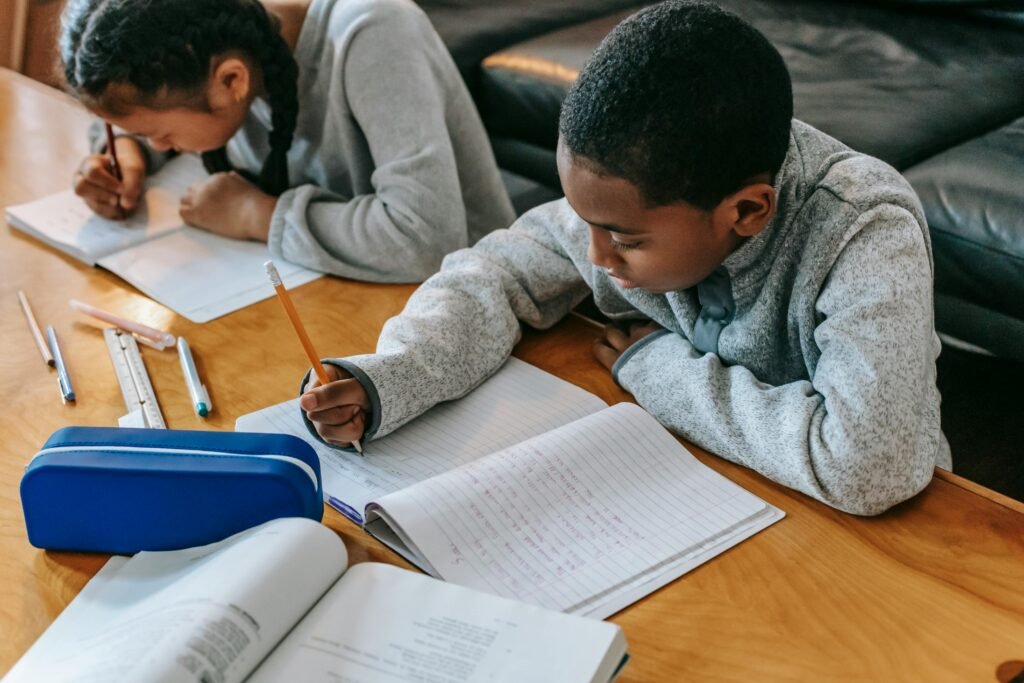
Tie the new habit to a clear reward that supports learning, such as choosing a fun project inside Debsie or adding a small add-on to their desk setup after a full week of clean blocks. Over days, the room feels calmer, the work flows, and completion rates rise because the energy that used to feed endless scrolling now feeds finished tasks.
17) Having a dedicated, quiet study space increases completion by ~10–20%
Space shapes behavior. A steady, quiet corner turns homework into a simple routine. The brain sees the same lamp, the same chair, the same clean surface, and learns this is where we work. There is less setup each day and fewer excuses to wander. A stable study spot also helps parents, since they can check in without hunting around the house.
Create a study nook with three basics: comfort, light, and order. The chair should let feet rest flat or on a low box. The desk should hold only what the task needs. Keep a small bin with pencils, highlighters, sticky notes, a ruler, and a calculator.
Add a clip to park the phone out of sight. Use a warm lamp that lights the work area without glare. If noise is an issue, offer soft earplugs or gentle background sound. If the home is busy, consider a foldable screen or a corner facing a wall to reduce visual clutter.
Make setup and close-down fast. At the start, place the planner on the left, the current task in the center, and the timer on the right. At the end, reset the space in sixty seconds. Put tools back, file the paper, and set out the first item for tomorrow.
This tiny closing move makes the next start easier and keeps the nook inviting. Post a simple cue on the wall, like breathe, read the prompt, begin. The message is calm and clear, not loud or scolding.
Link the space to a daily start time and a small warm-up. The ritual might be a sip of water, a long exhale, and writing the first line of the assignment. Once the body feels the routine, resistance drops.
In Debsie courses, we model how to build this kind of space and how to use it for short, joyful work blocks. Families tell us the nook becomes a quiet anchor in the home. When the space is ready and steady, homework is more likely to be done, done well, and turned in on time.
18) Students endorsing a growth mindset show ~10–15% higher completion
Belief shapes behavior. When a child thinks skills can grow with effort and smart practice, they are more likely to start hard tasks and keep going when it feels messy. That steady start-and-stick pattern lifts homework completion by a clear margin because the student treats challenges as signals to try a new approach instead of proof they are “not a math person” or “bad at writing.”
The change begins with language. Replace fixed labels with simple effort-plus-strategy talk. Instead of saying I cannot do fractions, teach your child to say I have not learned the steps yet, so I will try one example and check my method. This small shift softens fear and invites action.
Use a quick reflection loop to make the mindset real. After each homework block, ask three short questions. What did I try. What worked. What will I try next time. Keep answers in one notebook so the child can spot progress across weeks. Tie praise to process, not talent.
Say I like how you broke the problem into parts or You re-read the prompt and found the verb. That kind of feedback teaches the brain which actions to repeat. When a mistake happens, label it as information. Write down the error type, add a one-sentence fix, and do one fresh problem to lock the fix in.
Make success visible. Post a simple chart where the child marks each day they start on time and complete their planned blocks. Watch the chain grow. If the chain breaks, no drama. Just restart the next day.
Fold in stories of how skills grew in other areas, like learning a sport or an instrument, and connect the dots to school tasks. Inside Debsie classes, we practice this mindset in real time.
Coaches model the language, celebrate strategic effort, and guide students to try again with one clearer step. When kids feel this supportive loop, they do more homework, finish more cleanly, and carry the habit into every subject. Try a free session and let your child experience a room where growth is the norm and getting stuck is simply the start of learning.
19) Sleeping <7 hours/night reduces next-day homework completion odds by ~25%
Sleep is the quiet superpower behind focus, memory, and mood. When a child sleeps less than seven hours, the brain works harder to do simple things. Attention drifts. Frustration rises. Tasks sprawl. By late afternoon, the mind is running on fumes, which makes homework slow and sloppy or skipped altogether.
The fix begins the night before. Set a steady bedtime and wake time, even on weekends, to anchor the body clock. Dim screens an hour before bed and move devices out of the room. If a phone must stay, set it to do not disturb and park it across the room.
Create a short wind-down that never changes. A warm shower, light stretch, and five minutes of quiet reading is enough. Keep the bedroom cool and dark. If thoughts race, keep a small pad by the bed to jot a single to-do, then close the pad and let it wait for morning.
In the afternoon, use short outdoor movement to reset energy. Ten minutes of sunlight and a quick walk can improve evening attention. Avoid heavy snacks and sugary drinks late in the day. The goal is a calm body that is ready to rest.
Link sleep to homework in your family language. Say We protect sleep because it protects your brain. Remind your child that sleep is not lost time; it is the time when the brain stores what they studied and clears the noise from the day.
If nights are still short due to activities, adjust the schedule so homework begins earlier in a small block, and use a brief morning review for recall. Debsie coaches teach students to plan with sleep in mind.
Our live classes end with clear next steps so kids can finish fast and power down on time. Better sleep tonight means smoother homework tomorrow, and that steady cycle adds up to more finished work and calmer evenings.
20) Daily homework load of 60–90 minutes yields highest completion; >120 minutes lowers it by ~10–20%
There is a sweet spot for daily workload. Around one to one and a half hours allows real practice without draining the tank. Past two hours, attention slips, quality drops, and students start to avoid the work. The goal is not to push longer, but to use the time you have with intent.

Begin with a quick planning minute. List the tasks in order of urgency and energy, then set two or three short timers to cover the block. Start with the hardest task while the mind is fresh, move to a medium task, and finish with a lighter one. This order builds momentum and ends the session on a win.
Keep transitions tight. When a timer ends, stand, breathe, sip water, and sit back down within sixty seconds. Do not open messages or apps during breaks. Protecting transitions adds minutes back to the clock and reduces decision fatigue.
If the assigned load regularly exceeds ninety minutes, talk with teachers about priorities. Ask which problems or sections matter most for learning, and complete those first with full care. It is better to do the essential work well than to skim everything poorly.
Use templates to speed common steps. For essays, keep a simple outline ready: claim sentence, reason one with a vivid example, reason two with a quoted or paraphrased detail, and a clean close.
For math, set a page format with labeled steps, boxed answers, and units written out. For science, prepare a claim-evidence-reasoning skeleton you can fill quickly. Templates reduce setup time so the brain spends energy on thinking, not on layout.
Inside Debsie, we design homework experiences that fit this sweet spot. Lessons are rich but focused, and practice is chunked into short, game-like tasks that reward careful thinking, not grind. Kids get the work done, keep their evenings, and show up the next day ready to learn again.
If you need help finding your family’s sweet spot, join a trial and we will build a simple plan together.
21) Extracurricular commitments >15 hours/week reduce completion by ~10–15%
Activities build character, friendships, and joy, but too many hours can crowd out focused study. When weekly commitments climb above fifteen hours, evenings shrink and mental bandwidth thins.
Homework slides to late-night sessions or weekend marathons, which leads to missed steps and lower completion. The solution is not to quit everything. It is to right-size the load and design a week that breathes.
Start by mapping the true schedule. Write down every practice, rehearsal, lesson, commute, and game, plus the time needed to prep and to unwind. Now add the non-negotiables, like dinner, family time, and sleep.
What remains is the real homework space. If it is too small, make choices. Keep the activities that spark energy and teach discipline, and pause the ones that add stress without clear benefits. Some seasons are lighter than others. It is okay to rotate.
Build micro-study windows on busy days. Ten minutes before practice to outline a paragraph. Twelve minutes after dinner to finish a problem set. A short morning block to review vocab. Use a small study kit that travels in the car.
Pack index cards, a pencil, and one thin notebook. When a child learns to use tiny windows, the day feels bigger. Protect one anchor block at home on the lightest activity day and make that your longer, quiet session.
Talk with coaches and directors about crunch weeks and ask for flexibility when major school projects arrive. Most will help if you communicate early. Debsie complements busy schedules with live classes at multiple times and quick, meaningful practice that fits into short pockets.
tudents learn efficient methods and plan with care, so they can thrive in both arenas without burning out. When life feels balanced, homework completion rises because each task has a real place to land.
22) Schedules with built-in study hall increase same-day completion by ~12–20%
A planned study hall turns intention into action. When time is carved out during the school day, students can begin assignments while the lesson is fresh and ask for help before confusion hardens. Same-day starts also lower the evening load, which keeps energy high for the rest of the week.
The key is to treat study hall like a quiet contract with yourself, not a loose free period.
Begin with a clear target for the period. Pick one assignment that can be fully completed or one large task that can be broken into two or three mini-goals. As soon as study hall starts, set a short timer and begin. Avoid the trap of organizing forever or waiting for a perfect block.
Start with the first obvious step, like solving the first two problems or drafting the opening lines. If stuck, write a specific question on a sticky note and, when allowed, ask a classmate or the teacher.
Keep the question concrete, such as I do not see how to isolate the variable after this step or Does this thesis answer the full prompt.
End the period by submitting any finished work and writing the exact next action for the evening. Close the loop by packing the needed materials right then. That thirty seconds prevents a lot of wasted time later. If your school does not offer study hall, create a home version right after school.
A fifteen-minute fast start before snacks can flip the whole evening. At Debsie, we simulate study hall during live sessions and train students to move from instruction to action in one smooth motion.
They leave with work done and a short next step, which builds the habit of same-day progress. Over time, this habit stacks into higher completion and calmer nights.
23) Reminder systems (texts/app alerts) add ~5–10% to completion rates
Reminders turn good intentions into real starts. A small ping at the right time can nudge a child to open the planner, begin a task, or submit the file they already finished. The effect is modest but steady because reminders remove one of the biggest blockers to homework: forgetting.
To make reminders work, keep them simple, specific, and scarce. Too many alerts become noise. One or two well-placed nudges beat a dozen scattered pings.
Set a daily start reminder ten minutes before the chosen homework time. The alert should say exactly what to do next, not just do homework. Try open planner, circle work due tomorrow, start math #1–3. Add a second reminder thirty minutes before bedtime that reads submit and check portal.
This one is the guardrail that prevents finished work from sitting on the desk or the desktop. If your school uses a learning platform, turn on assignment notifications only for due dates and comments, not every small activity. You want the phone to speak rarely, but with purpose.
Use visual cues alongside digital ones. Place a small card on the laptop that says begin where you ended. Keep a bright binder clip on the page you need next. These cues reduce the friction of finding your place and help the brain slide into action.
If reminders start to fail, refresh the exact wording. The brain can get used to the same line and ignore it. Change start homework to two minutes to begin math now. Short, clear, and action-focused lines work best.
Debsie students often pair our class schedules with these tiny nudges. A ping before class, a ping to upload, and a ping to preview tomorrow’s tasks creates a soft frame around the day. Over weeks, the child begins to act before the alert, which is the goal. Reminders teach routine, then routine runs on its own, lifting completion with less effort.
24) Clear grading rubrics increase completion by ~7–12%
When students understand how work will be judged, they are more willing to start and more likely to finish. A rubric turns a fuzzy task into clear steps. It reduces fear because the child can aim at visible targets.
This clarity shortens the time spent guessing and lowers the chance of having to redo large parts of the assignment. As a result, more work gets done well and turned in on time.

Make the rubric your roadmap the moment an assignment is given. Read each row out loud and highlight the verbs that signal action, such as explain, compare, cite, or calculate. Translate each row into a short to-do in plain words, like write a claim that answers the full question or include a graph with labeled axes and units.
Place these to-dos at the top of your draft page and check them off as you work. If the rubric gives levels like approaching, meeting, and exceeding, aim to meet first. Exceed only after the core is solid. This prevents perfection from slowing the start.
When stuck, use the rubric to form a focused question for your teacher. Instead of I do not get the essay, ask What counts as sufficient evidence in row two and how many sources should I cite. This saves time and earns targeted help.
At the end, grade yourself quickly with the same rubric and fix one weak row before submitting. Self-scoring trains judgment and keeps accuracy high.
Debsie lessons always show success criteria in simple, kid-friendly language. Students see models, practice on small pieces, and learn how to check their own work against the rubric. The calm that comes from clear targets is real. Kids feel less stress, begin faster, and finish with confidence. That is why completion rises when the path is clear.
25) Choice-based assignments (student-selected tasks) raise completion by ~8–15%
Choice creates ownership. When a child can pick a topic, text, or product format, motivation climbs. The assignment feels like theirs, not just the teacher’s. This spark of control makes it easier to start, and that early start is half the battle.
Choice also lets students play to strengths while still learning core skills, which makes success more likely and more enjoyable.
Use structured choice, not endless options. Ask for a menu of two or three paths that all meet the same learning goals. For example, in a history unit, the choices might be write a short essay, create a mini-podcast, or build a visual timeline, each with the same rubric for content accuracy and reasoning.
Pick the format that fits your energy that week. If you love speaking, record the podcast. If you enjoy design, craft the timeline. Once chosen, lock it in and plan the steps. Choice works best when it reduces friction, not when it creates new decisions every day.
Start with a hook. If you pick a novel topic, choose a character or theme that truly interests you. If you pick a science product, select a real-world example you care about. Write one sentence at the top of your page that says why this choice matters to you.
Read it before you begin each block. This small reminder keeps motivation warm. Guard quality by aligning your product to the rubric. A creative format still needs clear claims, evidence, and logic. Use a checklist to ensure the product hits every required element before you polish.
Inside Debsie, students often choose the mission they want to complete in a module. The mission paths feel different but teach the same core ideas. This blend of agency and structure makes work feel like play.
Kids finish more often because they are pulled by interest and guided by clear goals. That is the power of smart choice.
26) Peer study groups are linked to ~10–18% higher completion
Working with classmates can turn tough tasks into steady progress. A small group adds energy, spreads strategies, and makes it easier to start. It also creates light accountability.
When you have a plan to meet a friend after school or online, you show up. The danger is drift. Without a plan, groups can become chat sessions. The cure is a tight structure that keeps the session short, focused, and kind.
Limit the group to two or three students. Agree on a clear window, such as thirty or forty-five minutes. Begin with a sixty-second round where each person states one goal for the session, like finish problems one through six with full steps or draft the intro and first body paragraph.
Use a visible timer and mute notifications. Work quietly for twelve to fifteen minutes, then pause for two minutes to compare progress or ask one question. If someone is stuck, the group offers a hint or points to a model, not a full solution. This keeps learning active.
End with a quick show-and-tell. Hold up the page, read the paragraph, or share the screen for thirty seconds. Celebrate a solid step and name one next action for each person. Then submit anything finished before leaving the session.
If you meet online, agree on camera-on to boost focus and use a shared doc only for problem numbers or prompts to avoid side conversations. Rotate roles each time so one person keeps time, another tracks goals, and another handles the closing submit check.
Debsie often hosts guided peer rooms where a coach sets the structure and keeps the pace. Students feel the lift of working alongside others while knowing the work will actually get done. Over weeks, these small, well-run groups raise completion because they make homework social, steady, and just a little more fun, without losing rigor.
27) A late-work window (e.g., 3 days) increases eventual completion by ~12–22%
A humane grace window turns stuck energy into finished work. When students know they have a short, clearly defined period to submit late without harsh penalties, they are more willing to re-engage instead of giving up. The window must be tight enough to keep urgency, yet kind enough to lower shame.
Three days works well because it keeps the lesson fresh and encourages quick repair. The gain in completion comes from students converting near-misses into real submissions, and from the confidence boost that follows each recovery.
Make the policy simple and public. Write the rule in the planner and on the study wall in one line: if I miss a due date, I have three days to submit with a brief note on what I fixed. Pair the window with a clean restart ritual. On day one after a miss, open the assignment, scan the rubric, and write a one-sentence plan.
On day two, complete the core task with full accuracy. On day three, proof, submit, and send a polite message that names the change you made, like I added citations in the body and labeled my graph. This message teaches responsibility and speeds teacher review.
Prevent gaming by adding light guardrails. Allow only a set number of late passes per term, and block the window for end-of-unit capstones where timing matters. Keep a tiny log of late work with reasons and fixes.
Patterns reveal root causes you can solve, like unclear directions or poor time estimates. Use the window to teach better planning, not to excuse poor habits. If you slip twice in a row for the same reason, change the system, not just the promise to try harder.
At Debsie, we coach the bounce-back. Kids learn how to turn a miss into momentum using short repair blocks and kind communication. The result is more finished work, less fear, and a stronger sense of control. If you want that safety net with structure, join a free trial class and see how fast a small grace can turn into big gains.
28) A 1 SD increase in teacher–student relationship quality predicts ~10–15% higher completion
Warm, respectful ties make hard work feel safer. When students believe their teacher sees them, listens to them, and wants them to succeed, they show up more, ask better questions, and finish more assignments.
This lift in completion is not magic. It is the natural result of trust. Trust lowers the cost of starting and makes feedback easier to hear. It also keeps small setbacks from becoming big spirals because the student knows help is close.
Build the relationship with tiny, steady gestures. Greet the teacher by name at the start of class and after school once a week. Share one sentence that shows you are trying, such as I created a checklist for the lab write-up. Ask focused questions that respect time. Instead of I’m lost, say I can get to this step, but I do not know how to isolate the variable after dividing.
This shows effort and invites a precise tip. When you submit work, add a short note about one thing you improved. When you receive feedback, reply with a thank you and name the specific advice you will use next time. These micro-moments build mutual goodwill.
Use office hours with intent. Arrive with one page marked with stars where you want help. Let the teacher watch you do a single problem or revise one paragraph out loud. This reveals your thinking so they can coach the exact move you need. Keep commitments. If you agree to resubmit by Thursday, make it Wednesday. Reliability deepens trust.
Debsie mirrors this approach in every live class. Coaches learn students’ names, celebrate small wins, and give crisp, kind guidance. Kids feel known, so they risk more and finish more. Parents see the change in tone and in the steady stream of completed work. A strong relationship turns homework from a chore into a shared project.
29) Executive function coaching improves completion by ~15–30%
Executive function is the brain’s manager. It handles planning, starting, shifting, and finishing. When this system is trained, homework moves. When it is weak, even simple tasks stall.
Coaching builds these muscles with clear tools and repetition. The result is a sharp jump in completion because students learn how to turn big tasks into small steps, how to protect attention, and how to close loops without drama.
Start with task slicing. Take any assignment and break it into actions that take ten minutes or less. Write each action as a verb, such as outline body paragraph or solve #1–3 with full steps. Place the first slice on today and the next slice on tomorrow.
Then add time mapping. Estimate how long each slice will take, double the estimate, and schedule it. Over time, compare estimates to reality and tighten the gap. This builds a sense of clock truth, which prevents overstuffed evenings.
Layer in if-then plans to handle friction. If I feel stuck after two minutes, then I will read the prompt out loud and do the first line. If I finish early, then I will submit and preview tomorrow’s tasks. Use a visual board to externalize the week.
Columns labeled plan, doing, done let the student move sticky notes as they work. The motion feels good and proves progress. Body doubling helps too. Sit near a parent or join a quiet online room where others work at the same time. Silent company reduces avoidance and keeps focus steady.
Close the feedback loop every night. Spend two minutes asking what helped, what slowed me down, and what I will change tomorrow. Write one sentence and set a micro-goal.
In Debsie coaching, we train these moves live, then practice them until they stick. Kids leave with a plan that fits them and a sense of control that makes homework feel lighter. Completion rises because the system does the heavy lifting, not willpower.
30) Completing ≥85% of homework with ≥80% accuracy predicts ~70–80% probability of earning an A/B final grade
This is the winning mix: do almost all the work and do it mostly right. Eighty-five percent completion keeps you in the flow of the course, and eighty percent accuracy keeps learning clean.
Together, they create strong quiz scores, solid projects, and a calm final. Most students can reach this mark with a simple scoreboard and a few quality habits that run every day without fuss.
Track the two numbers in one place. Draw a small grid for the term with two boxes per week: one for completion and one for accuracy. At the end of the week, calculate the share of assigned tasks you submitted and the share of checked items you got right.
If completion dips below eighty-five, look for missed starts or late submissions and fix the entry ramp. If accuracy dips below eighty, add a five-minute check step and an error log. Commit to fixing one type of mistake each week until it disappears.
Build a clean quality routine. Read the full prompt before you begin. Work in short blocks and show steps. At the end, run the three checks: answer the whole question, label units or citations, and fix one flaw you can see.
Submit before bed, not in the morning rush. Once a week, do a short cumulative review so older skills stay alive. Two mixed problems in math, one quick paragraph in writing, one concept explanation in science will hold the base. Protect sleep and your study window so the routine keeps running.
Inside Debsie, we make this target feel like a game. Students earn streaks for on-time, accurate work, and they see their numbers rise in real time. Coaches step in when a stat slips and help the child adjust the plan.

Families get calm, steady evenings, and students get the joy of watching effort turn into grades. If you want a simple path to the A/B zone, join a free class and let us build your child’s scoreboard.
Conclusion
Homework is not just papers and posts. It is a daily practice that builds focus, planning, accuracy, and calm. The numbers tell a clear story. When students show up on time, do most tasks, and check their work, grades rise and stress falls. Small choices matter more than heroic effort. A fixed start time turns into a steady week. A quiet corner turns into clean focus.
A planner entry turns into on-time submission. A short check step turns into higher accuracy. Good sleep turns into better evenings and better work the next day. When these pieces come together, the path to strong grades feels simple and fair.