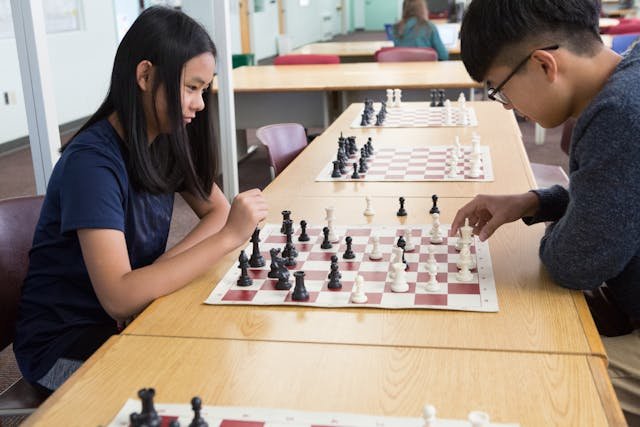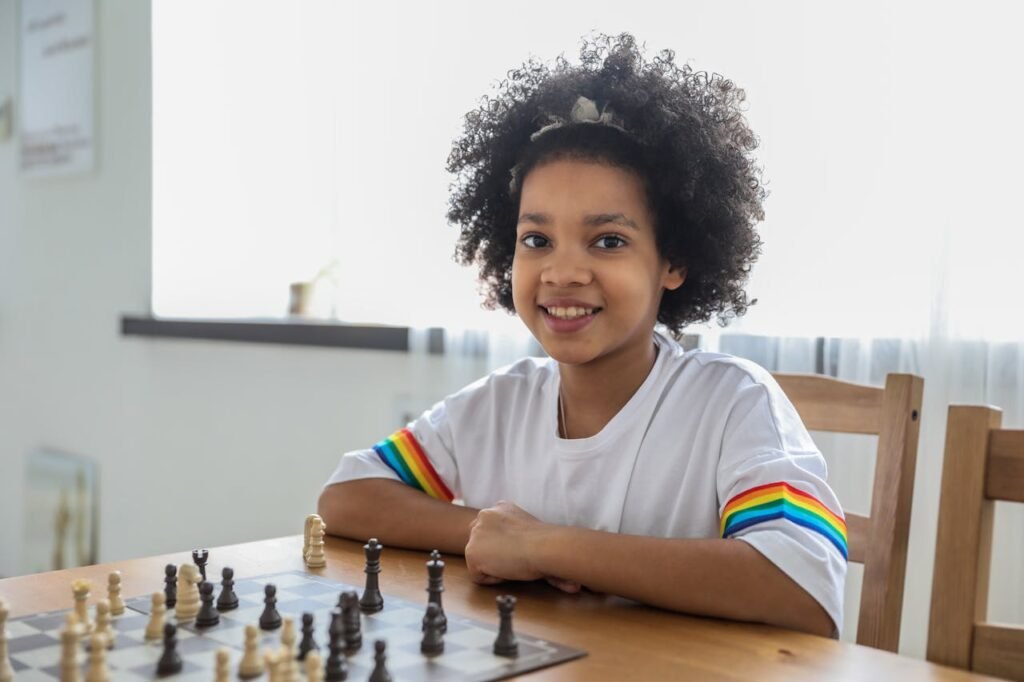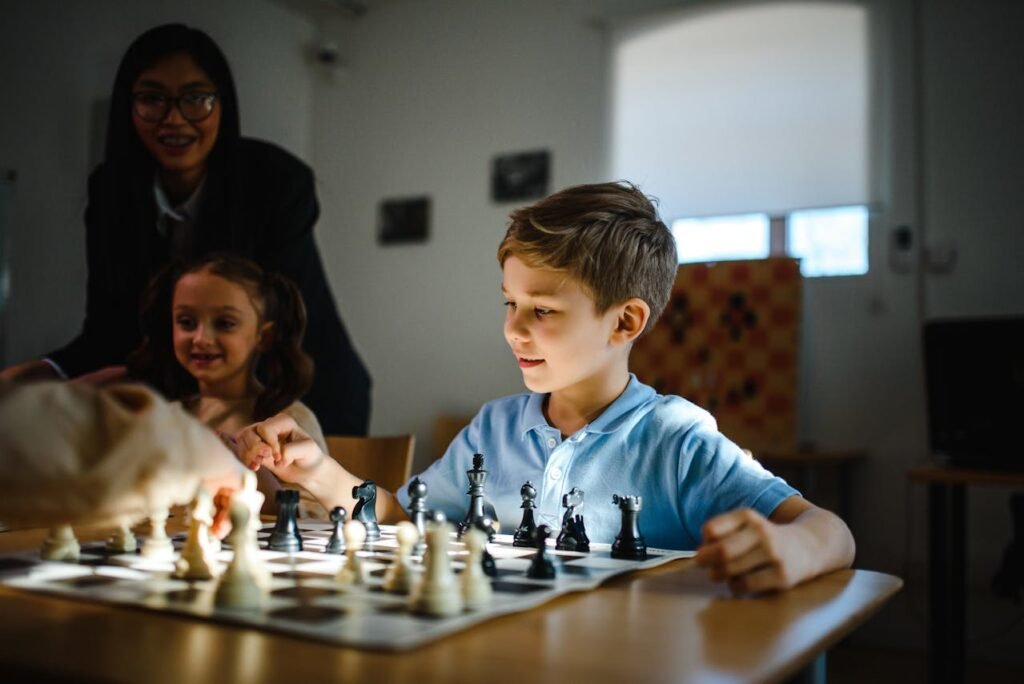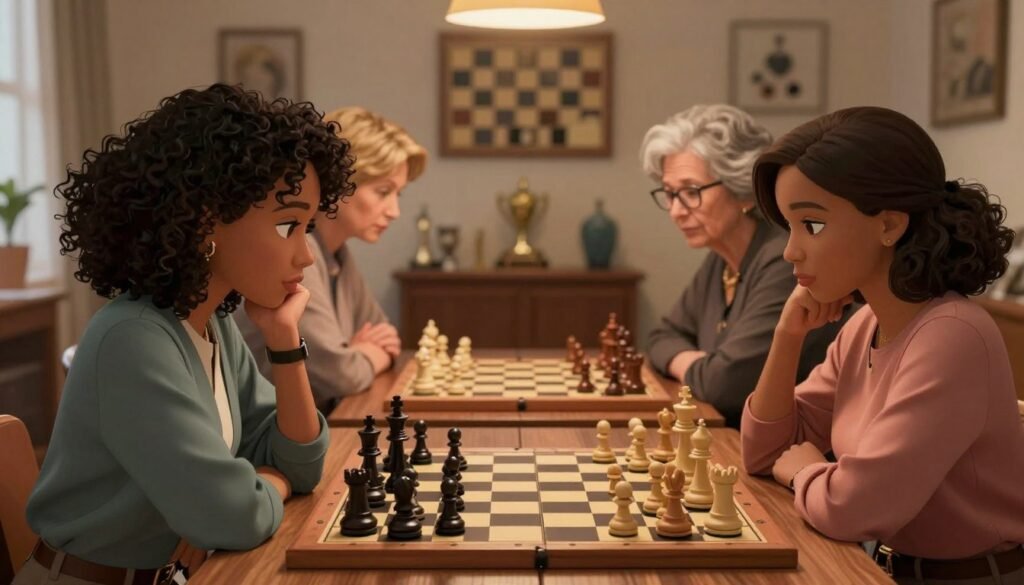
Who really changed the game: is it the title-holders, the number-crunching rating champs, or the bold open-event risk-takers who beat the best?
We’re ranking and celebrating the greatest women chess players and explaining what made each one truly great! Expect clear, kid-friendly context so parents and new learners can follow along.
Meet Judit Polgar — the only female chess player to crack the world top 10 and to pass 2700. Her story shows how open-event success can rewrite expectations.
We’ll trace early pioneers, long-reigning women world champions, and modern stars who took on anyone. Then we’ll show how Debsie’s gamified learning helps you play, learn, and grow — with Courses, a Leaderboard, and a FREE trial class coming up later!
Think like an explorer: which path would you choose — titles, open tournaments, or both? Read on for debate, stories, and practical takeaways to train smarter!
Key Takeaways
- Greatness means titles, high ratings, and changing beliefs about ability.
- Judit Polgar stands out for open-event success and a 2700+ rating.
- We’ll cover pioneers, long-term champions, and modern open-event stars.
- Debsie offers gamified courses, a leaderboard, and a free trial class to help you improve!
- Decide your path: aim for titles, open results, or a mix — then train with purpose.
For more background on top historic names, see this short guide on best female chess players of all.
How “Greatness” Is Measured in Women’s Chess History
We measure lasting impact in three clear buckets: titles, open-event results, and long-term rating strength.
Dominance in the women world championship era
The women world championship created a year-by-year test. Match winners earned a clear title. That title showed who was best in that era.
Breaking barriers in open events and elite tournaments
Playing well in open events is a different kind of win. It proves strength against the deepest fields. Judit Polgár made history by cracking the top ten and mixing with the very best!
FIDE rating list milestones and peak rankings
The fide rating list is a world scoreboard. It updates and shows who is strongest now. Peak rating is a number. Peak ranking is your place among everyone else. Only three women reached the top 100: Polgár, Maia Chiburdanidze, and Hou Yifan. That makes top spots extra special.
- Titles: the women world champion path matters.
- Open results: test vs broader elite fields.
- Ratings: steady numbers show long-term strength.
We’ll use these tools throughout the article so the list stays fair and easy to follow. For more inspiring stories, check this short guide on top inspirational names.
Judit Polgár and the Case for the Strongest Female Chess Player Ever
Judit Polgár rewrote the rulebook by taking the open circuit and proving she belonged with the very best. She didn’t chase separate tracks. She chose the hardest road and let results speak!
Top-ten breakthrough and the 2700 barrier
Polgár broke into the world top ten and became the only woman to pass 2700. A peak FIDE rating of 2735 (July 2005) and a No. 8 peak ranking (Jan 2004) show real elite status—not just for a female competitor, but in world chess overall.
Defeating world number one players and world champions
She beat eleven current or former world champion names. That list includes Garry Kasparov and Magnus Carlsen. Those wins are proof she could topple the very best.
Youngest grandmaster title and the Bobby Fischer record
At 12 she entered the FIDE rating list top 100 (No. 55). By 15 years 4 months she earned the grandmaster title, breaking Bobby Fischer’s young-record. This was chess history, plain and simple.
Signature wins and tied first place finishes
Polgár won or shared first at Hastings, Madrid, León, the U.S. Open, and more. In top events, a tied first still screams champion because the fields were world-class.
New York Times recognition and global impact
“No argument about the best female player ever,” wrote NYT columnist Robert Byrne.
Legacy: Polgár became the open-circuit icon. She set a blueprint for anyone who wants to compete against the absolute top and win. We can learn a lot from that daring path!
Hou Yifan: A Modern Women World Champion Who Thrived in Open Fields
Hou Yifan is a modern model of success! She won her first title at 16 (2010) and then won again in 2013 and 2016. That early rise showed real staying power.
Youngest champion and fast-rise milestones
At 16 she became a women world champion. Then she returned to the top twice more. That proves the first win was no fluke.
Beating top super-GMs and standout tournaments
Hou Yifan proved herself in open fields. She won Biel 2017 with 6.5/9 and a performance rating of 2810. She also beat Fabiano Caruana at GRENKE 2017 — a scalp that gets attention fast!
Career choices and a different idea of peak years
Her peak near world No. 55 on the FIDE rating list shows top-level consistency. Later, she shifted focus to education and became a professor in 2020. That move shows you can chase study and still be a serious competitor!
| Milestone | Year | Note |
|---|---|---|
| First women world champion title | 2010 | Won at age 16 |
| Biel tournament win | 2017 | 6.5/9, PR 2810 |
| Notable open-field scalp | 2017 | Defeated Fabiano Caruana at GRENKE |
| Academic career | 2020 | Became professor at Shenzhen University |
Takeaway for young learners: you can love the game and follow other dreams too! If you want to learn from modern paths, see this grandmaster guide and read how girls are rising rising in the world for more inspiration!
Maia Chiburdanidze: The Teen Women World Champion Who Hit the Global Top 50
At just 17 years old, Maia Chiburdanidze claimed the crown and became a model of long-term excellence! Her 1978 win in the women world championship stunned the scene. She then held that title for 13 years. That kind of staying power matters.
Teenage triumph and what it means
Winning so young shows preparation and calm under pressure. A 17 years old champion proves early study pays off. Kids can learn from her focus. Practice, patience, and solid defense helped her shine.
Breaking into the top 50 and steady elite form
Chiburdanidze cracked the fide rating list top 50 with a 2560 fide rating, reaching world No. 48 in January 1988. That put her in a rare club outside the usual top ten names.
She played 15 Olympiads and kept winning key games for decades, including a notable win versus Kosteniuk in 2008. That shows long-haul strength, not just one bright year.
“A teen champion who grew into a steady force over many years.”
| Milestone | Year / Age | Note |
|---|---|---|
| Won title | 1978 / 17 years old | Won the women world championship |
| Held title | 13 years | Long reign as world champion |
| Top-50 rating | Jan 1988 | 2560, world No. 48 on the rating list |
| Olympiad record | 15 events | Consistent team and individual results |
Takeaway: Maia Chiburdanidze shows that early wins can lead to steady elite form. Aim for steady study, strong defense, and patient play — and you can grow like a champion!
Nona Gaprindashvili: The First Woman to Earn the Grandmaster Title
Nona Gaprindashvili broke a key barrier that changed how future generations saw top-level titles. She became first among female contenders to earn the full grandmaster title in 1978, after a standout result at Lone Pine 1977. That moment shifted the talk in women world competition!
Became first woman GM and what that meant for women world chess
Her success proved a simple point: a top-level GM spot was reachable. Once one person cleared the way, the next generation had a map to follow. Nona’s rise helped change expectations in world chess.
Olympiad excellence, team gold runs, and long-term dominance
She was a long-lasting title holder. Nona held the women world crown for 16 years, from 1962 onward. That is true dominance and steady leadership.
Her Olympiad record reads like a legacy: +94 =26 -8. She collected team gold 11 times and won individual gold eight times. Think MVP on a dynasty team!
Longevity was her superpower. She kept winning into senior events and stayed active for decades. Hard work plus steady play built a lasting legacy.
“A door-opener whose results gave others a clear route to the top.”
Takeaway: Nona Gaprindashvili shows that bold milestones and steady wins can turn one person into a pathmaker. If you want to grow into a true chess champion, start with consistent practice and aim for lasting progress!
Vera Menchik: The First Women’s World Champion and the Original Standard-Setter
Vera Menchik was the first title-holder who turned a new crown into clear dominance. She won seven women world championship events and made the early era look decisive.
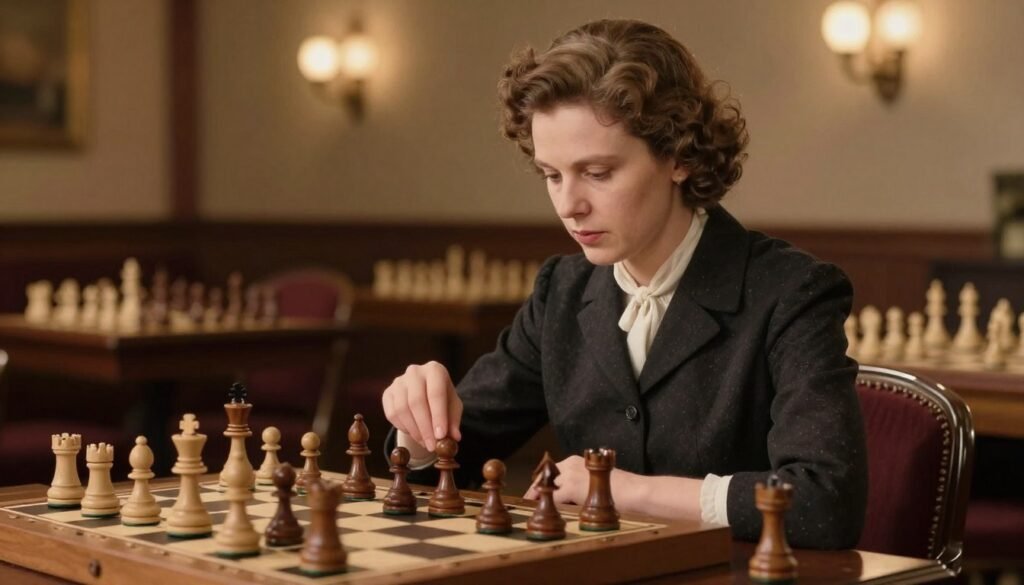
Historic women world championship dominance
Numbers tell the story. Menchik scored 78 wins out of 83 games in women world championship play. That record included only one loss and four draws. It’s a jaw-dropping stat that shows steady excellence.
Proving strength in mixed events and notable results vs top players
Her success went beyond single-sex events. Menchik played open fields and earned strong results. At Ramsgate 1929 she finished undefeated. That performance proved a female player could compete in broad fields.
She also held an even score versus world champion Max Euwe (+2 =1 -2). Trading wins with top names showed she could meet the best of her time.
“Her record offered a clear map for girls and young students who wanted to start serious study and keep dreaming big.”
| Milestone | Detail | Why it matters |
|---|---|---|
| First title | First women world champion | Set the initial competitive standard |
| Championship record | 78 wins / 83 games (7 titles) | Unmatched dominance in early era |
| Open-event strength | Ramsgate 1929 undefeated | Proved ability in mixed fields |
| Top-player results | Even score vs Max Euwe (+2 =1 -2) | Showed competitiveness vs world champion |
Legacy: Menchik opened doors in world chess. Her success helped shape opportunities for later champions. We can learn from her focus, steady study, and calm play!
The Greatest Women Chess Players Who Redefined What Was “Possible”
Milestone breakthroughs rewired expectations and opened real pathways for future stars. Big firsts made the sport more than a scorecard. They changed culture!
First woman milestones that shifted chess culture
First woman moments—like the first GM title or a top-50 listing—did more than add a line to history. They made the next leap feel reachable. When someone became first, clubs and schools paid attention.
Why open-event success matters as much as titles
Titles prove match mastery. Open fields test you against the deepest talent in world chess. Both paths teach different lessons. Open-event wins show a player can beat the absolute best under varied pressure.
What it takes to stay elite across multiple eras
Long-term success needs adaptation. Openings change. Training tools evolve. Top names kept learning, practicing tactics daily, and reviewing losses. You can copy that habit! Practice tactics, review games, and stay curious.
“Change happens when a single bold result becomes proof for everyone else.”
Next up: we’ll spotlight more legends and the stats that make their stories clear. For more on Judit Polgár’s open-circuit impact, see Judit Polgár’s legacy!
Honorable Mentions That Belong in the All-Time Conversation
A few more name-worthy figures deserve shout-outs for how they shaped modern competition!
Susan Polgar
Susan Polgar was the women world champion from 1996–1999 and hit top-rated status very young. She led with a high fide rating as a teen and helped change how families and coaches think about training. Her story is a model for focused study and bold goals!
Pia Cramling
Pia Cramling showed steady elite form. She topped rating lists in 1983–84 and earned the grandmaster title. Long stretches at the top prove that consistency equals lasting impact for any aspiring chess player.
Xie Jun, Ju Wenjun, and Alexandra Kosteniuk
Xie Jun reshaped the title scene when she dethroned a long-term ruler in 1991. Ju Wenjun keeps winning in the modern era. And Alexandra Kosteniuk used her title and visibility to inspire many girls to take the game seriously.
Why these mentions matter: history is deep. These names give you fun games to replay and practical ideas to copy. We encourage you to study their key wins and enjoy the learning journey!
See a focused profile on Judit Polgar at Judit Polgar profile for more inspiration.
FIDE Ratings, Rankings, and Records That Put These Legends in Context
Ratings and ranks give us a simple map of success across eras. They show who had a strong run and when the field was stacked. We’ll keep this very clear so kids and parents can follow!
Why peak rating and peak ranking tell different stories
Rating is your strength number. Ranking is your place on the fide rating list. A high fide rating may land a player lower on the list if many others are also very strong at that moment.
Example: Judit Polgár reached a peak rating of 2735 (Jul 2005) and hit No. 8 on the list in Jan 2004. Those two facts together show elite strength and rare world standing!
What “top ten” and “top 100” meant for representation
Breaking into the top ten in world chess is legendary. It signals all-time elite status. Making the top 100 is also huge. Only three women reached that mark: Polgár, Chiburdanidze, and Hou Yifan. That shows how rare the barrier was.
How rating lists shaped public perception
The rating list drove headlines, invites, and sponsors. A top spot changed who the public called the best female of an era.
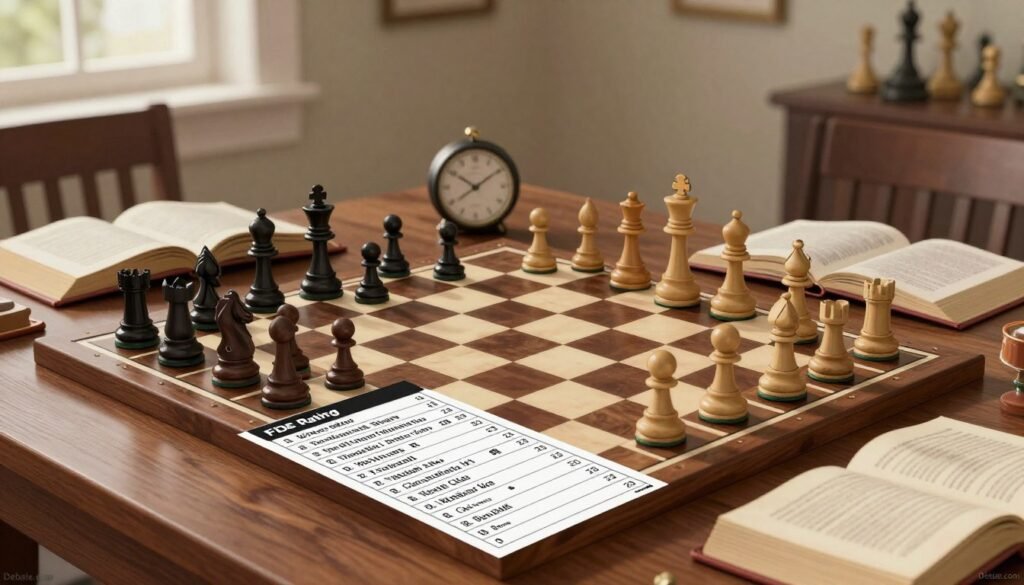
| Metric | Meaning | Example |
|---|---|---|
| FIDE rating | Strength number | Polgár peak 2735 |
| Ranking | Place on the rating list | Polgár No. 8 (Jan 2004) |
| Top-100 impact | Elite representation | Only 3 women made it |
“Use the rating list like a map: pick one milestone at a time and celebrate steady progress!”
Curious about the Polgar family story? Read the Polgar sisters story for more context and inspiration!
Women World Champion vs Open-Event Icon: Two Paths to All-Time Greatness
A player can chase a lineal crown or take on the world in open events — both paths teach different lessons. Each road fits a different goal. Both earn lasting respect!
The title match route
The women world championship track runs on cycles and matches. One winner wears the title. That creates clear storylines and long reigns.
This path builds legend. Match wins and defenses give historic runs that kids and fans remember for years.
The open-circuit route
The open field tests you every round. You face wide, deep pools. Invitations come from results, not separate tracks.
Judit Polgar is the model here. She rarely played women-only events and never entered the women world championship cycle. Instead she stayed top-rated from Jan 1989 until 2014 and played in top World Championship stages. That choice showed a different kind of courage.
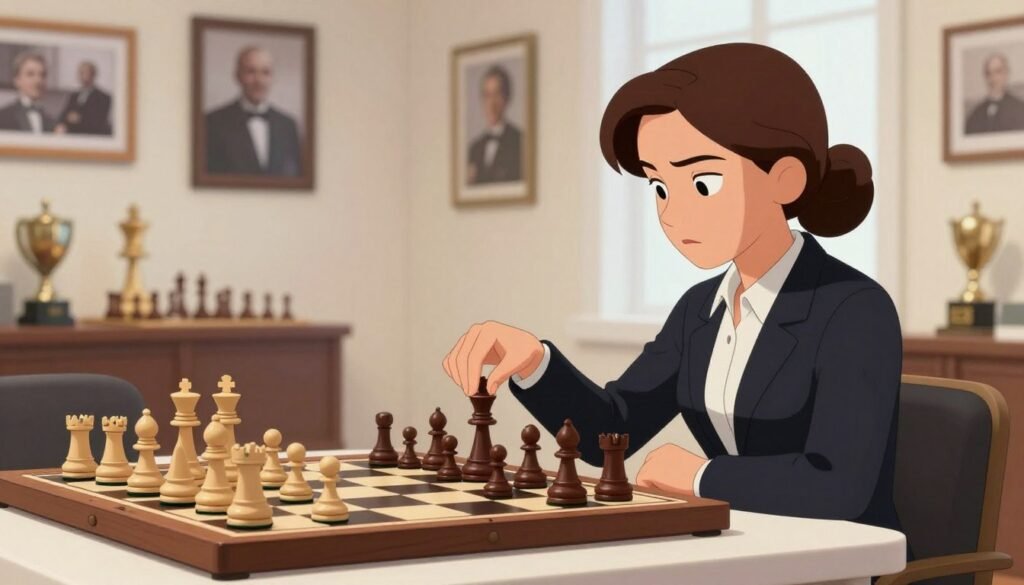
The role of the chess federation matters too. Rules and tradition often nudged female talent toward title matches. Some federations offered separate support for match cycles. That shaped many careers.
“Skipping a separate title wasn’t avoidance — it was aiming for the widest test.”
| Path | What it rewards | Iconic example |
|---|---|---|
| Title match cycle | Clear champion storylines and long reigns | Long-term title holders |
| Open circuit | Consistent testing vs the deepest fields | Judit Polgar (open-event model) |
| Federation role | Rules, funding, and invitations | Can direct players toward title cycles |
Friendly challenge: there is no single right path. Pick the route that keeps you learning, brave, and excited to play! For team-focused inspiration, check the Chess Olympiad team event and see how different paths come together.
Iconic Wins and Rivalries That Built Their Legacies
Big-name victories and heated rivalries often rewrite a player’s story overnight. One famous game can change invites, headlines, and how coaches study your style. It matters more than a single result—it shapes a legacy!
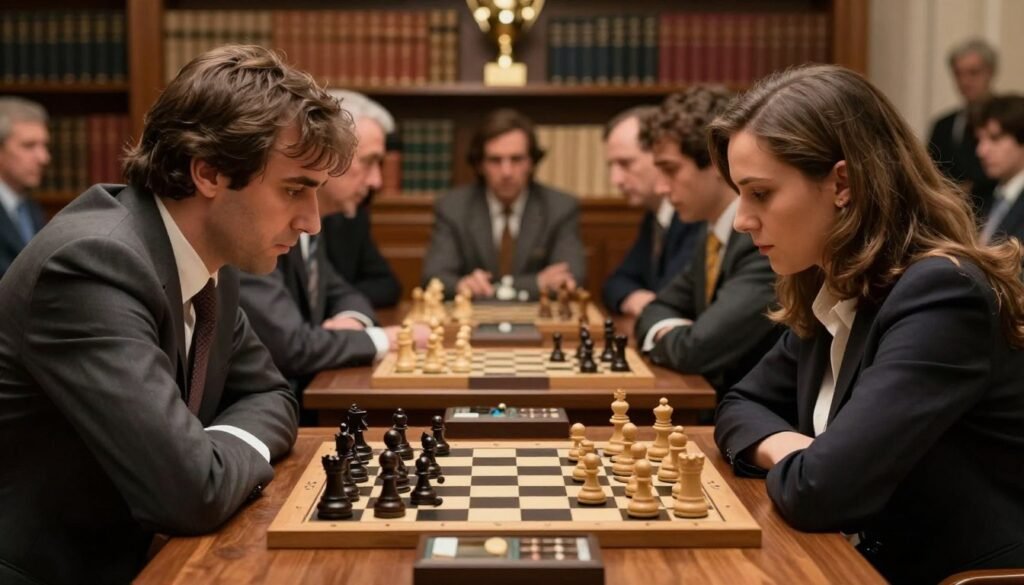
Beating Garry Kasparov, Magnus Carlsen, and other world champion names
Why a single win is huge: beating a reigning or former world champion proves you can handle elite pressure. A scalp vs garry kasparov or magnus carlsen grabs instant attention. It shows tactical skill, nerve, and preparation.
When tied first place is as telling as clear first
Tied first in a top event means you matched the best across many rounds. In round-robins, sharing first place can be as strong as a solo win because the field is elite and consistent.
“One great game against a top name can shift how the whole chess world talks about you.”
- Big-name wins cross eras and styles, proving adaptable strength.
- Rivalries teach deep preparation and build confidence.
- Start small: beat your yesterday self to grow toward bigger upsets!
| Type of Result | What It Shows | Example Impact |
|---|---|---|
| Win vs world champion | Elite nerve and prep | Higher invites, media attention |
| Tied first place | Consistency across rounds | Shared title recognition |
| Repeated rivalry wins | Strategic growth | Long-term reputation boost |
What Today’s Players Can Learn From the Greatest Women Chess Players
Small, steady routines explain more of success than sudden talent bursts. Try short, daily habits that build skill over time. We promise they add up!
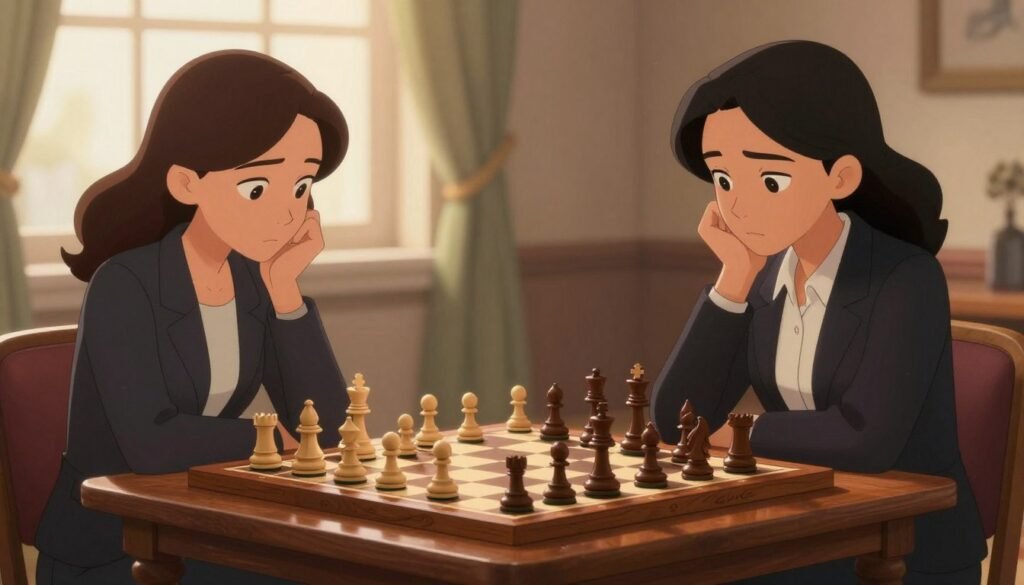
Training intensity, pattern recognition, and practical decision-making
Start with short tactic drills every day. Ten to twenty puzzles builds pattern memory fast. Kids see the same motifs again and again. The brain learns the “trick” faster.
Practical tip: when unsure, improve your worst piece, protect the king, or trade down if you lead!
Opening confidence, endgame precision, and competitive mindset
Pick a small opening set you trust. Play it until the moves feel natural. Practice basic endgames until they are automatic. Calm nerves beat panic.
Mindset: stay curious after a loss. Treat every game as a clue for the next study plan!
How to set rating goals using the FIDE rating list as a benchmark
Use the FIDE rating list to mark milestones. But focus on process goals: study minutes, puzzle streaks, and tournament practice. In the United States, only about one-seventh of national chess federation members are female, so welcoming programs matter a lot.
| Focus | Daily Habit | Goal |
|---|---|---|
| Pattern work | 10–20 puzzles | Spot tactics in 10s |
| Openings | 2 trusted lines | Play confidently to move 15 |
| Endgames | 5 basic endings | Convert or hold draws |
| Mindset | Review losses | One lesson per game |
Turn inspiration into action: copy daily drills, track progress on a rating list, and build a friendly local club. For life lessons from a U.S. champion, see this short piece on Jennifer Shahade’s four lessons: life lessons from the game!
“One smart habit at a time moves every chess player toward long-term growth.”
Train Like a Champion With Learn Via Debsie Courses
Want your child to learn like a pro? Make study feel like play and progress will follow. Debsie builds short, fun lessons that mirror real grandmaster habits.
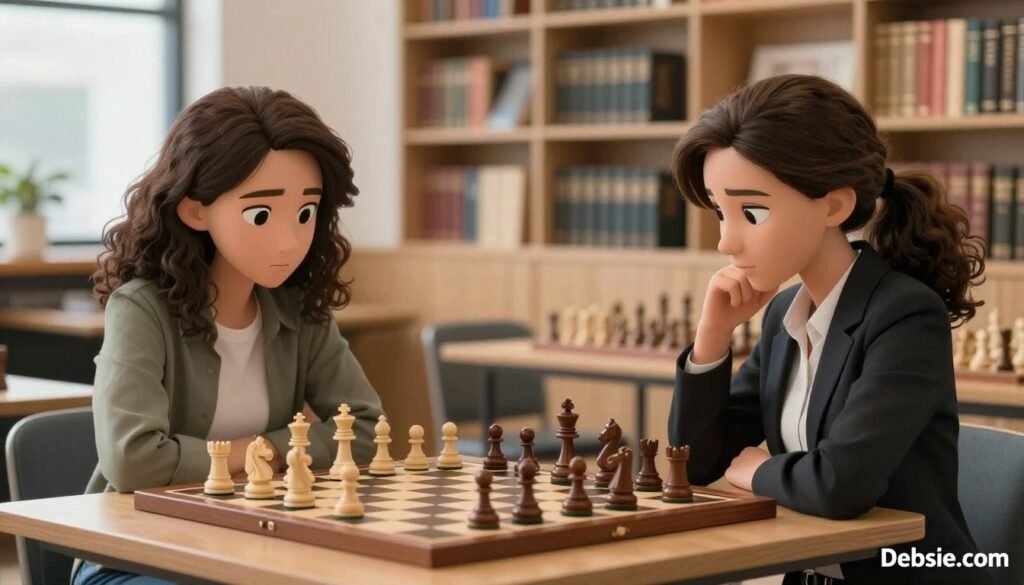
Interactive lesson paths inspired by grandmaster routines
Interactive paths use checkpoints, badges, and bite-sized drills. Kids get clear wins. Parents get steady progress reports. The program copies daily GM habits in a kid-friendly way.
Build a study plan for tactics, strategy, and endgames
We map practice to three core skills: tactics for sharpness, strategy for planning, and endgames for calm endings. Each module feels short and doable.
- 10 minutes tactics daily
- One longer lesson on weekends
- One review-your-games day weekly
“Pick a path, try it, adjust it, and watch skills grow!”
Ready to try? Explore Learn Via Debsie Courses and start a flexible study plan parents trust: https://debsie.com/courses/!
Measure Your Progress With the Debsie Leaderboard
See your practice turn into progress with a friendly scoreboard that nudges consistency! The Debsie Leaderboard is a safe, motivating way to track weekly wins and habits. It helps kids and families keep momentum while having fun.
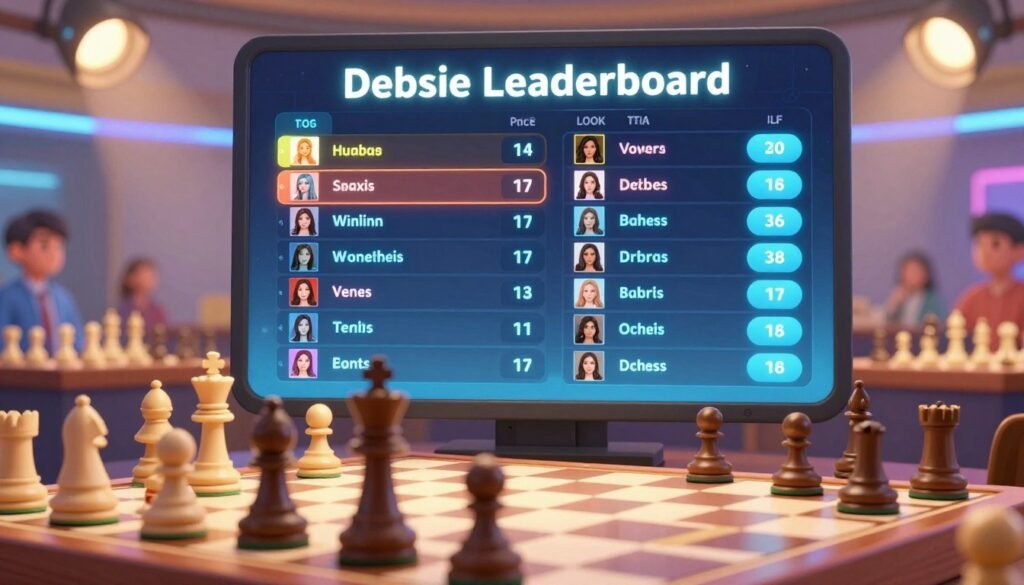
Use competitive tracking to stay consistent week to week
When you can see small gains, it’s easier to show up. A visible streak makes practice feel like a game. Kids chase badges. Parents watch steady growth. That simple loop builds routine fast!
See where you rank: https://debsie.com/overall-leaderboard/
The leaderboard acts like a local rating list. Think of it as a practice scoreboard that mirrors how a fide rating tracks form in world chess. It highlights trends and points you toward smarter goals.
Why it helps:
- You notice personal bests and patterns.
- You stay motivated when weeks get busy.
- You feel part of a friendly group, even if local clubs are limited in the United States.
“Focus on your personal best first — then compare gently, like a team sport where everyone improves together.”
Quick tip: Aim to beat your own top score before chasing others. Use the Debsie Leaderboard as a safe training tool and a steady nudge toward real progress in women world pathways and beyond!
Take a Free Trial Class With a Personalized Tutor
A brief trial session helps us find your current level and a simple plan to improve. We start with a friendly game and a short review. Then a tutor gives one clear step to work on first!
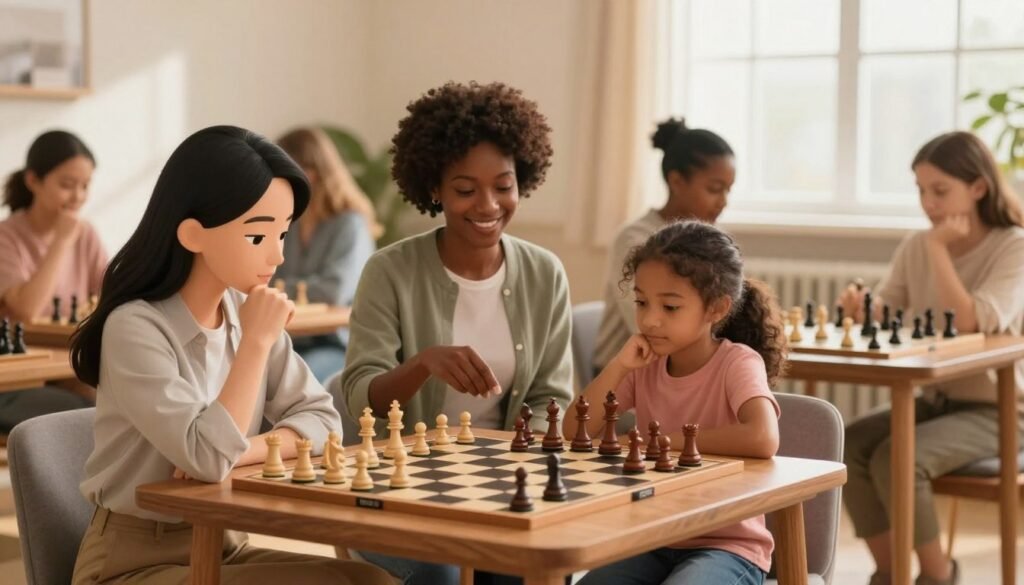
Find your current level and the fastest path to improvement
Personalized feedback matters. A tutor spots the two habits that cost the most points — like hanging pieces or time trouble. Fixing small things yields big gains.
Book your free trial: https://debsie.com/take-a-free-trial-class/
This free trial is the easiest START HERE option. It is kid-friendly, low pressure, and upbeat. Parents get a clear plan, schedule options, and confidence before signing up.
- Quick assessment — know the level in one class.
- Personal plan — one or two habits to focus on first.
- Kid-friendly lessons — short, fun, and encouraging!
“Every champion had coaching, feedback, and a plan — this is how you start building yours.”
Conclusion
From pioneers to open-field icons, every landmark result nudged the sport forward. The legacy of the women world path is built on champions, trailblazers, and risk-takers who pushed the ceiling higher!
Key idea: “greatness” can mean a lineal world champion, smashing rating barriers, or changing what everyone believes is possible. Take a headline name: Judit Polgar remains the open-field legend, and Hou Yifan is the modern champion who shone in elite events.
Pick one lesson and start this week—tactics, endgame basics, or opening confidence. Practice small and often. You belong here, whether new or tournament-ready. Play, learn, and grow with us!
Explore rising talent and context in this rising talent list to keep the inspiration flowing!