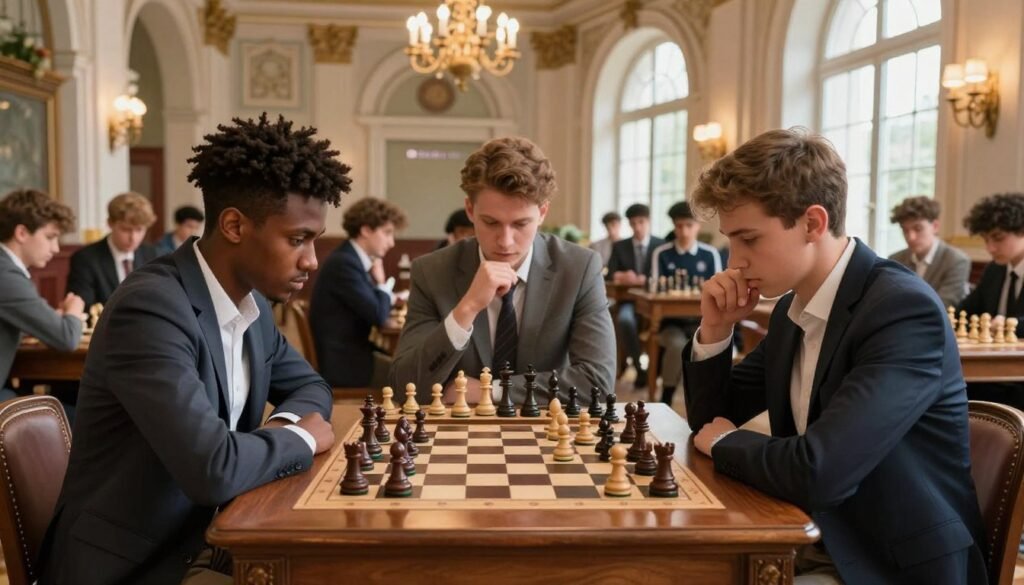
Europe has always been one of the strongest homes of chess. But right now, it feels even more exciting. Young stars are rising fast. Former world champions are still hard to beat. And every big event shows us one clear truth: consistency matters more than one lucky win.
Find the right learning experience
Tell us a little about the learner and what you are looking for. Our team will review your answers and help you identify the most suitable next step.
- Takes only a few minutes
- No payment required
- Personalised recommendations
Your information will only be used to respond to your enquiry.
The Real Meaning of Consistency in Elite European Chess
When we talk about the best chess players in Europe right now, it is easy to look only at ratings. Ratings matter. They show who has been strong over many games. But rating is not the full story.
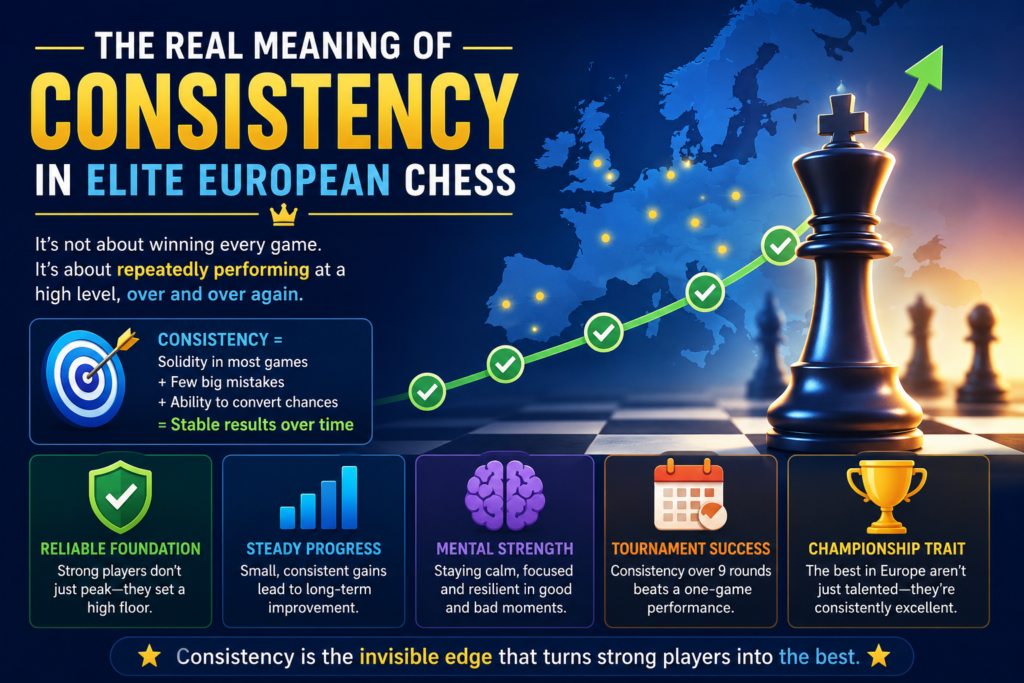
A player can have a high rating and still be out of form. Another player can be ranked a little lower but may be playing with more fire, better focus, and stronger results in recent events.
That is why this article looks at consistency in a wider way. We are asking a better question. Who keeps showing up? Who scores well even when the event is hard? Who can draw bad positions, win equal positions, and stay calm when one mistake can ruin weeks of work?
Why the Most Consistent Players Are Not Always the Loudest Names
Some chess players make a lot of noise because they win one big game or play a wild opening. That can be fun to watch. But the most trusted players are often the ones who do the simple things well, again and again.
They prepare deeply. They save tough games. They do not panic. They do not need every game to be perfect.
Find the right learning experience
Tell us a little about the learner and what you are looking for. Our team will review your answers and help you identify the most suitable next step.
- Takes only a few minutes
- No payment required
- Personalised recommendations
Your information will only be used to respond to your enquiry.
This matters for kids too. A young student does not become strong by playing one great game. A child grows when they learn to think before moving, stay calm after a mistake, and come back the next day ready to learn.
That is exactly the kind of growth Debsie builds through live classes, private coaching, and regular online tournaments.
What Parents Can Learn from How Elite Players Stay Steady
The best European players remind us that chess is not only about talent. It is about habits. A strong player checks threats. A strong player uses time well. A strong player does not give up after losing a pawn. These are small choices, but they add up.
For parents, this is one of the biggest gifts of chess. A child learns that steady work can beat quick emotion.
They learn that smart choices matter more than rushing. And when a coach guides them in the right way, chess becomes more than a board game. It becomes training for focus, patience, and clear thinking.
Magnus Carlsen Remains Europe’s Clear Standard for Consistency
Magnus Carlsen is still the name every elite player measures against. On the official May 2026 FIDE classical list, Carlsen is ranked world number one with a 2840 rating. That keeps him above every other player in the world, not just Europe.

Even in a time when he plays fewer classical events than before, his place at the top still shows how hard he is to catch.
Carlsen’s strength is not just that he wins. It is how he wins. He can press for hours in a small endgame. He can turn a tiny edge into a full point. He can play dry positions that look equal, then slowly ask his opponent one hard question after another.
This is not flashy chess. It is patient chess. And that is why it is so hard to copy.
Why Carlsen’s Style Is a Lesson in Pressure
At the 2026 TePe Sigeman tournament in Malmö, Carlsen made a rare classical appearance. He did not have a perfect event.
He lost to Jorden van Foreest in an 88-move game, but still tied for first with Arjun Erigaisi on 5 out of 7 and then won the blitz playoff 2–1. That is a strong example of consistency under stress. He took a hit, stayed in the event, and still found a way to win.
This is the kind of lesson many young players need most. Losing one game does not mean the tournament is over. Making one mistake does not mean the day is ruined. Carlsen shows that strong players do not just avoid bad moments. They recover from them faster.
How Young Players Can Copy Carlsen Without Copying His Openings
Most kids should not try to copy every opening Carlsen plays. His choices are often based on deep ideas, match situation, and the opponent’s style. But kids can copy his mindset.
They can learn to keep pieces active. They can learn to improve the worst piece before rushing an attack. They can learn to ask, “What does my opponent want?” before moving. These are simple habits, but they are powerful.
At Debsie, these ideas are taught step by step so children do not just memorize moves. They learn how to think.
Carlsen’s biggest gift to young chess players is not one opening trick. It is the belief that a game can be won slowly, with care, focus, and small good choices.
Anish Giri Shows Why Safe Chess Can Still Be Dangerous
Anish Giri is one of the most consistent European players in the world right now. On the May 2026 FIDE classical list, he is ranked sixth in the world with a 2767 rating. That makes him the second-highest rated European player behind Carlsen on that official list.
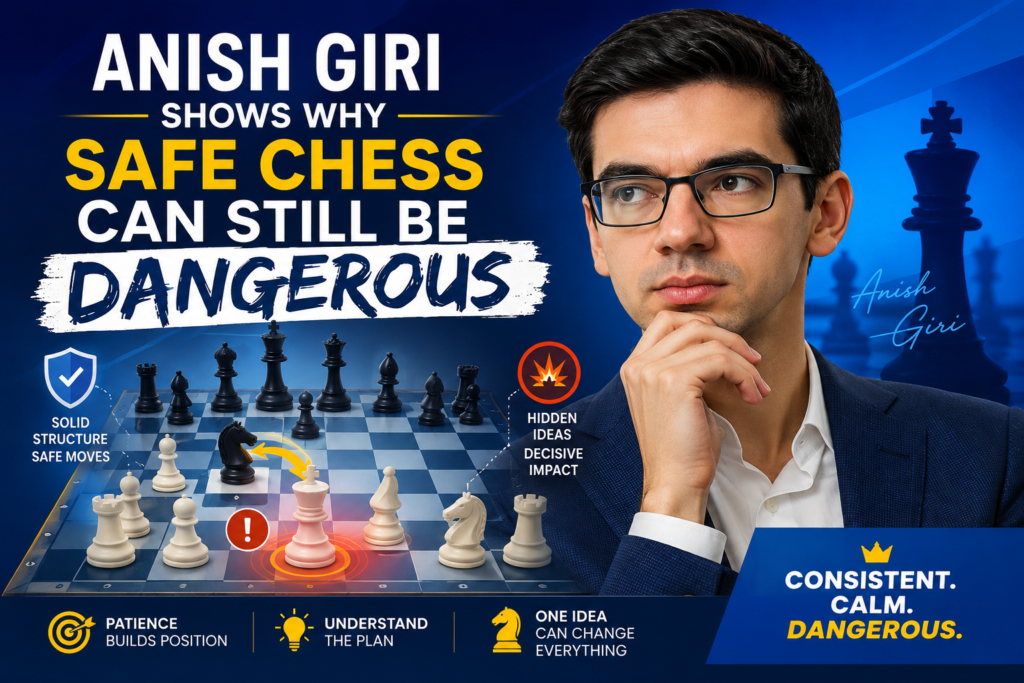
For years, many fans joked that Giri drew too many games. But that old story misses the point. At elite level, drawing strong players with black is not weak. It is often smart. And when Giri gets a clean chance, he can be very sharp.
His game has become more complete. He is still hard to beat, but he also knows when to push.
Why Giri’s 2026 Candidates Run Matters So Much
Giri’s second-place finish at the 2026 Candidates Tournament was a huge sign of form. Javokhir Sindarov won the event with 10 out of 14, while Giri finished clear second with 8.5 out of 14. That result matters because the Candidates is one of the hardest events in chess.
Every player is dangerous. Every round carries pressure. There are no easy pairings.
Giri’s result showed something very important. He can stay steady for a long event. He can lose early and still fight back. He can beat direct rivals when the table demands it. That is what consistency looks like in real life. It is not about being perfect.
It is about staying useful, alert, and brave after things go wrong.
What Kids Can Learn from Giri’s Calm Style
Giri is a great model for young players who are too quick to attack. Many children want to checkmate right away. They move the queen early. They chase tricks. Sometimes it works, but often it fails.
Giri’s chess teaches a better path. Make your position safe. Know what your opponent wants. Build pressure. Trade only when it helps you. Take your time before starting an attack.
This is also why guided coaching is so helpful. A child may not see why a quiet move is strong. A good coach can explain it in simple words. That is one reason Debsie focuses on live teaching, not just puzzles. Kids need someone to help them understand the “why” behind each move.
Vincent Keymer Is Becoming Germany’s Model of Modern Chess Growth
Vincent Keymer has become one of the most exciting names in European chess because his rise feels steady and real. On the May 2026 FIDE classical list, he is rated 2759 and ranked seventh in the world.
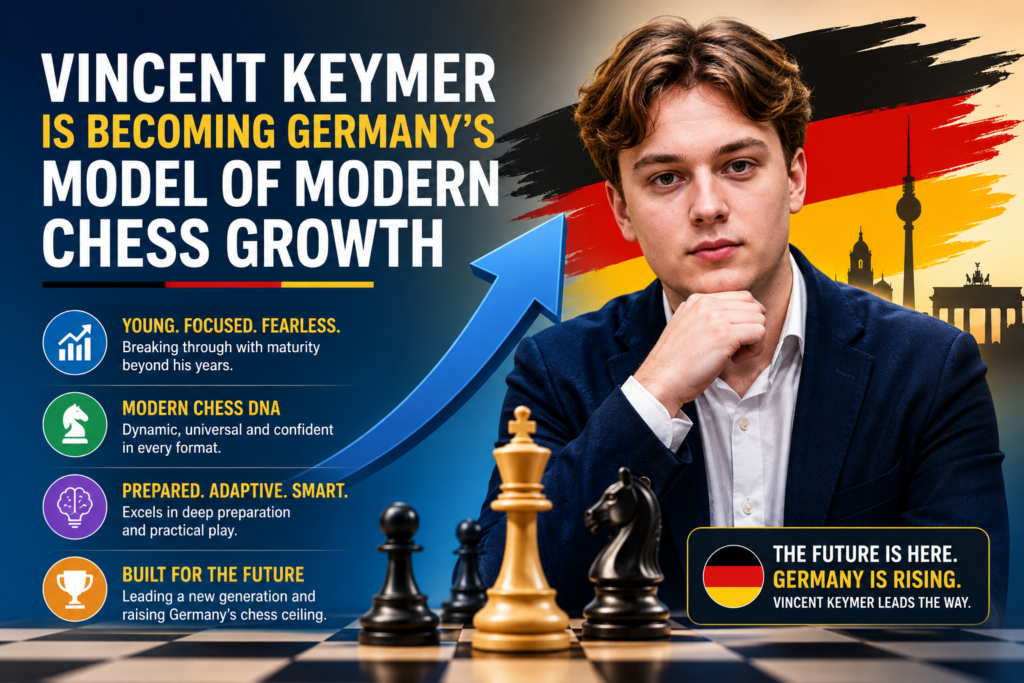
That is a major place for a young German player, and it shows that he is not just a future hope anymore. He is already part of the top group.
Live rating trackers also show Keymer near the very top group, with 2700chess listing him at 2762.1 and showing a gain of more than 40 points over the past 12 months at the time checked. Live ratings move often, so they should not be treated like final monthly ratings, but they do show current form and movement.
Why Keymer’s Rise Feels Built to Last
Keymer’s chess does not look like a short burst. It looks like a system. He has strong opening work, but he is not only an opening player. He can defend worse positions. He can play long endgames. He can also switch gears when the position needs energy.
That mix is important. Many young players rise quickly because they attack well. But when they face top defenders, the easy wins stop coming. Keymer’s growth looks different because he is building a full game. He is learning how to win in more than one way.
The Keymer Lesson for Students Who Want to Improve Fast
The lesson from Keymer is clear. Fast growth still needs a strong base. You cannot skip the simple parts. You must learn piece safety, pawn structure, king safety, and endgames. These may not sound as exciting as sacrifices, but they decide many games.
For kids, this is great news. They do not need to be born as chess geniuses to improve. They need the right plan, the right coach, and enough practice games where they can test what they learn.
That is why Debsie includes structured lessons and bi-weekly online tournaments. Children get to learn, play, make mistakes, and improve in a safe space.
Alireza Firouzja Is Still One of Europe’s Most Dangerous Performers
Alireza Firouzja remains one of the most dangerous players in Europe. On the May 2026 FIDE classical list, he is rated 2759, level with Vincent Keymer, and ranked eighth in the world. He plays for France, and even though his results have moved up and down at times, no serious chess fan doubts his talent.

Firouzja is different from Giri and Carlsen in style. He brings more chaos. He is willing to enter sharp positions. He can make other elite players feel unsafe. When he is in form, his games feel fast, brave, and full of hidden danger.
Why Firouzja’s Consistency Is About Fear Factor
Consistency does not always mean looking calm. For Firouzja, consistency means he keeps creating practical problems. He may not always choose the safest road, but he often puts pressure on the clock, the board, and the mind of his opponent.
Find the right learning experience
Tell us a little about the learner and what you are looking for. Our team will review your answers and help you identify the most suitable next step.
- Takes only a few minutes
- No payment required
- Personalised recommendations
Your information will only be used to respond to your enquiry.
This is why he remains such an important European player right now. A player like Firouzja changes the mood of a tournament. Others know that one careless move can turn into a lost game. That kind of pressure has value, even before the first move is made.
What Young Players Should Copy from Firouzja and What They Should Not
Kids can learn a lot from Firouzja’s courage. He is not afraid of active pieces. He looks for chances. He trusts his calculation. He plays to win.
But young players should not copy risk without understanding. Wild moves are only good when they are backed by clear thinking. A sacrifice should have a reason. An attack should have enough pieces. A pawn push should help the position, not just look exciting.
This is where coaching matters. A child needs help learning the difference between brave chess and careless chess. At Debsie, coaches help students build that balance. We want kids to enjoy attacking, but also to know when to slow down and defend.
European chess right now is full of different styles. Carlsen shows control. Giri shows calm. Keymer shows steady growth. Firouzja shows fire. Each one teaches a different lesson, and together they show what real chess strength looks like.
Jan-Krzysztof Duda Is Europe’s Quiet Fighter Who Keeps Coming Back
Jan-Krzysztof Duda may not always get the same loud attention as Carlsen, Giri, or Firouzja, but he belongs in any serious talk about Europe’s most consistent chess players.
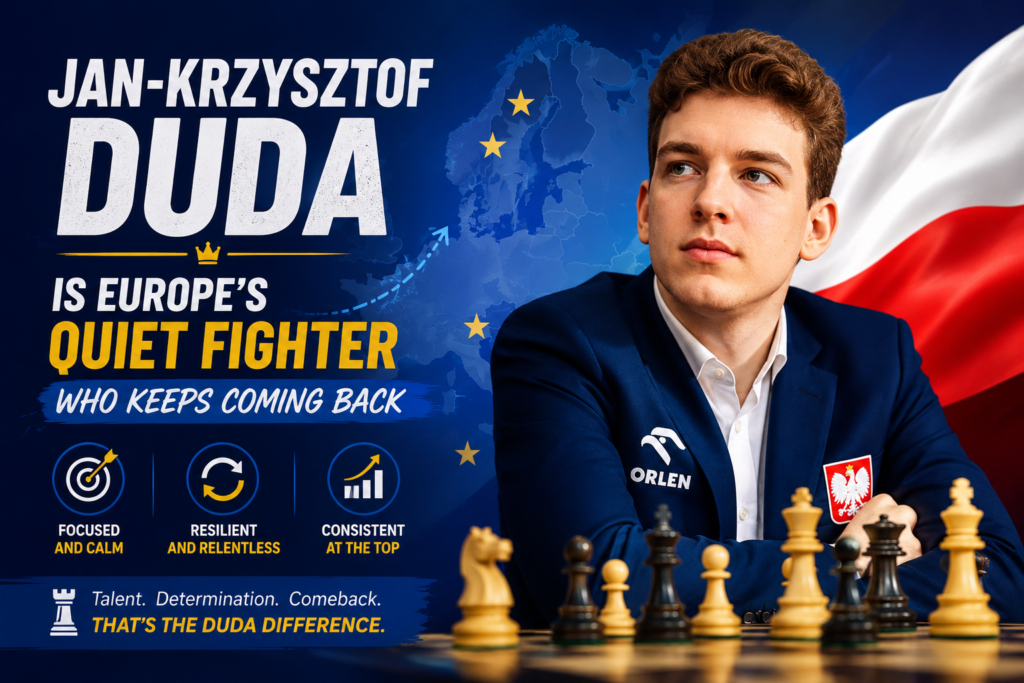
On the May 2026 FIDE classical list, Duda is ranked 14th in the world with a 2739 rating. That puts him above many famous names and keeps him in the group of players who can beat anyone on the right day.
Duda’s chess has a calm kind of danger. He is not always the player who takes over a tournament from round one. But he is the kind of player who stays close, keeps asking questions, and punishes mistakes. That makes him very hard to face. You may feel safe against him for many moves, and then one small slip can change the whole game.
Why Duda’s Strength Is His Balance Between Attack and Control
Some players are known as attackers. Some are known as defenders. Duda sits in the middle in a very useful way. He can play sharp chess, but he does not need wild positions to win. He is also strong in rapid and online formats, which shows that his chess brain works well even when time is short.
That matters because modern chess is not only about long classical games. Top players must move between classical, rapid, blitz, online events, and hybrid formats. Duda’s ability to stay dangerous across formats is one reason he remains one of Europe’s most trusted performers.
What Young Players Can Learn from Duda’s Practical Style
Duda teaches a simple lesson that many children need early. You do not have to win in a perfect way. You need to keep creating chances. Many young players lose hope when they do not get a big attack after ten moves. Duda’s style shows that chess is often won later, after both players have made many small choices.
For students, this means every move still matters, even when the position looks equal. A quiet move can prepare a plan. A small pawn move can stop counterplay. A patient trade can lead to a better endgame.
At Debsie, students learn these ideas in a way that feels clear and friendly, so they do not just play moves. They learn how to build a game.
Jorden van Foreest Is Showing That Strong Form Can Beat Big Names
Jorden van Foreest has become one of the most interesting European players to watch right now. On the May 2026 FIDE classical list, he is ranked 16th in the world with a 2735 rating. That rating alone is impressive, but his recent win over Magnus Carlsen made even more people pay attention.

At the 2026 TePe Sigeman tournament in Malmö, van Foreest beat Carlsen in a long classical game. Chess.com reported that he became the first player to beat Carlsen in classical chess since Gukesh Dommaraju’s win at Norway Chess 2025.
That is not a small result. Beating Carlsen in classical chess is one of the hardest jobs in the sport.
Why Van Foreest’s Best Chess Feels Brave but Not Reckless
Van Foreest’s strength is that he can play with courage without looking careless. Against elite players, courage matters. If you only try to survive, you often lose slowly. But if you push too hard, you can lose fast. The best players know how to find the middle path.
Van Foreest showed that kind of balance in Malmö. The game against Carlsen was long and tense, and it took serious focus to finish the job. That is the mark of a mature player. Anyone can get a better position for a few moves. The hard part is turning it into a win against a world number one.
Why This Is a Great Lesson for Kids Who Fear Stronger Opponents
Many children feel scared when they face a higher-rated player. They think the other child is too strong, so they start the game already half beaten. Van Foreest’s example gives a better message. Respect strong players, but do not fear them.
In chess, the board does not care about names. Each player still has to make good moves. A student who stays calm, checks threats, and keeps looking for chances can surprise a stronger opponent.
That is why Debsie’s bi-weekly online tournaments are so useful. Children get to face different styles, learn how pressure feels, and build real match confidence.
Ian Nepomniachtchi Still Has One of Europe’s Sharpest Chess Minds
Ian Nepomniachtchi is still one of Europe’s most important chess players, even when his results move up and down. On the May 2026 FIDE classical list, he is ranked 21st in the world with a 2729 rating. That is lower than his peak, but it still places him among the strongest players alive.
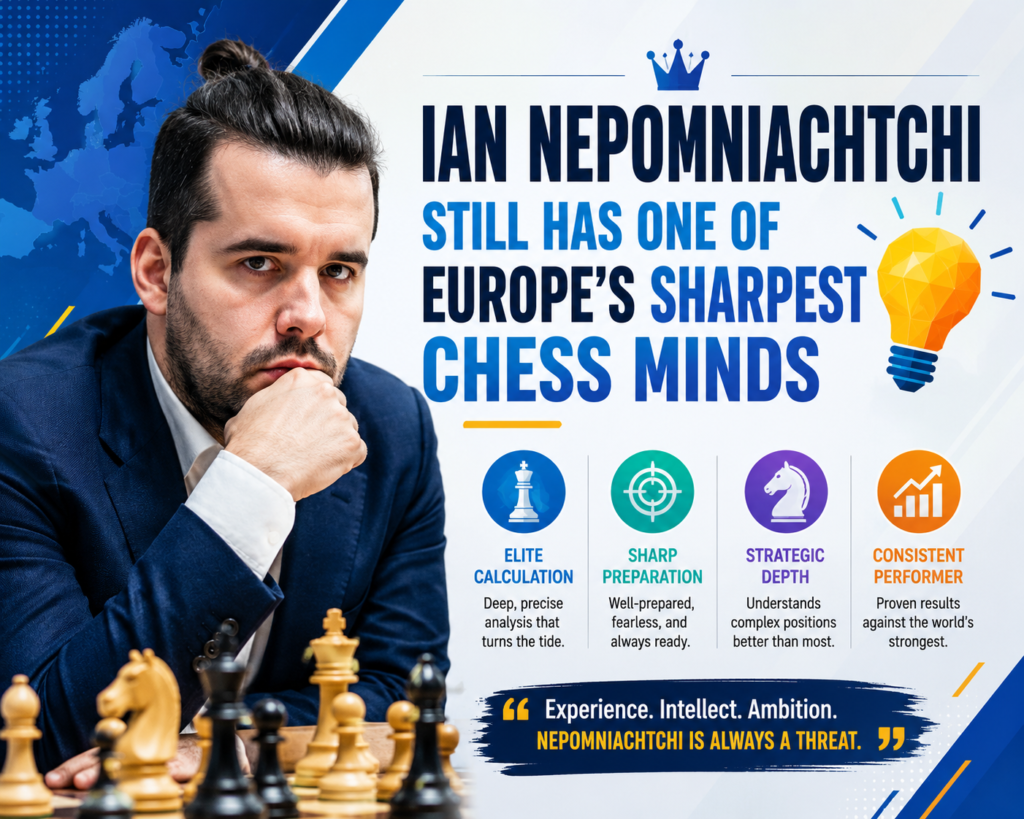
Nepomniachtchi, often called Nepo by chess fans, has played in the biggest events in the world. His style is fast, natural, and full of energy. He often sees ideas very quickly. When he is confident, he can make top players look slow.
His best games feel smooth because his pieces seem to find active squares with very little effort.
Why Nepomniachtchi’s Consistency Is Different from Carlsen’s Consistency
Carlsen’s consistency often comes from control. Nepomniachtchi’s comes from speed, pattern skill, and pressure. He can make many strong moves quickly, which puts the other player under stress. This is a different kind of weapon.
But this style also has a challenge. Fast play can become risky if the position needs deep checking. That is why Nepomniachtchi is such an interesting player to study. His best chess shows the power of confidence. His weaker moments remind young players that every idea still needs a final safety check.
What Students Should Learn from Nepomniachtchi’s Fast Decision Making
Young players can learn a lot from Nepomniachtchi, but they should not simply copy his speed. He can play fast because he has seen thousands of patterns before. A beginner who moves fast without understanding is only guessing.
The right lesson is this: pattern practice helps you think faster. When a child solves puzzles, studies common checkmates, reviews mistakes, and plays guided games, the brain starts to spot ideas more easily.
That is one reason Debsie coaches use structured learning. The goal is not to rush children. The goal is to help them see better moves with more confidence.
Richard Rapport Brings Creative Chess That Still Works at the Top
Richard Rapport is one of Europe’s most creative elite players. On the May 2026 FIDE classical list, he is ranked 22nd in the world with a 2729 rating, tied on rating with Ian Nepomniachtchi. That keeps him in the top group, even in a field where young players are rising very fast.

Rapport is loved by many fans because his chess does not feel copied from a book. He can play rare openings, strange piece setups, and positions that make opponents think for themselves from the start.
This is a powerful skill. At the top level, most players are deeply prepared. If you lead them into a position they have studied for months, you may be helping them. Rapport often tries to do the opposite.
Why Rapport’s Creativity Is Not Just for Show
Some people think creative chess means random chess. That is not true. Rapport’s best games are creative, but they are not silly. He takes players away from comfort. He makes them solve new problems. He uses surprise as a serious tool.
This is important because chess is not only about knowing answers. It is about thinking when you do not know the answer. Rapport’s style tests that skill. He asks, “Can you still play well when your memory runs out?”
How Kids Can Use Creativity Without Playing Random Moves
Children love creative chess. They enjoy traps, attacks, and surprising moves. That is a good thing. Chess should feel alive. But creativity needs a base. Before playing a strange move, a child should ask simple questions. Is my king safe? Is my piece hanging? Does this move help my plan? What can my opponent do next?
At Debsie, coaches help children enjoy chess while still building discipline. This is the sweet spot. A student should feel free to explore, but they should also learn how to check ideas. That is how creativity becomes strength instead of guesswork.
Maxime Vachier-Lagrave and Shakhriyar Mamedyarov Show the Value of Experience
Maxime Vachier-Lagrave and Shakhriyar Mamedyarov are not new names, but they still matter a lot in European chess.
On the May 2026 FIDE classical list, Mamedyarov is ranked 25th with a 2717 rating, while Vachier-Lagrave is ranked 26th with the same rating. Both remain in the world top 30, which is not easy in a time when younger players are pushing hard.

These two players show that experience still has real value. Younger players may bring speed and fresh opening work, but veterans bring memory, toughness, and deep feel. They have played almost every kind of position.
They have faced world champions. They have won and lost under big pressure. That history helps them stay dangerous.
Why MVL’s Clarity and Mamedyarov’s Fire Still Matter
Vachier-Lagrave, often called MVL, is known for deep opening knowledge and clean calculation. He has trusted some sharp lines for years and understands them at a level most players cannot match. That kind of loyalty to a style can be powerful when it is backed by hard work.
Mamedyarov brings a different kind of force. His best chess is direct, bold, and full of energy. He can attack with great confidence and make the board feel unsafe for his opponent. Even when he is not at his peak rating, he can still beat top players because his attacking sense is so strong.
What Young Players Can Learn from Older Elite Stars
The lesson here is simple and very useful. A chess player does not need to change everything every month. Growth is not about chasing every new trick. It is about building skills that last.
A child can have favorite openings, favorite plans, and favorite types of positions. Over time, with a good coach, those favorites become stronger and more useful. This is why Debsie’s learning path matters. Students are not pushed into random study.
They are guided to build real habits, understand their games, and grow with confidence.
Europe’s best players are not all the same. Some win with calm pressure. Some win with speed. Some win with surprise. Some win with years of experience. That is what makes chess so beautiful for kids. There is no single path to becoming better. There is only the next smart step.
Europe’s Best Women Players Also Belong in This Conversation
When people talk about the best chess players in Europe, they often focus only on the open rating list. That is a mistake. Europe also has some of the strongest women players in the world, and many of them show the same kind of steady, high-level chess that parents and young students can learn from.
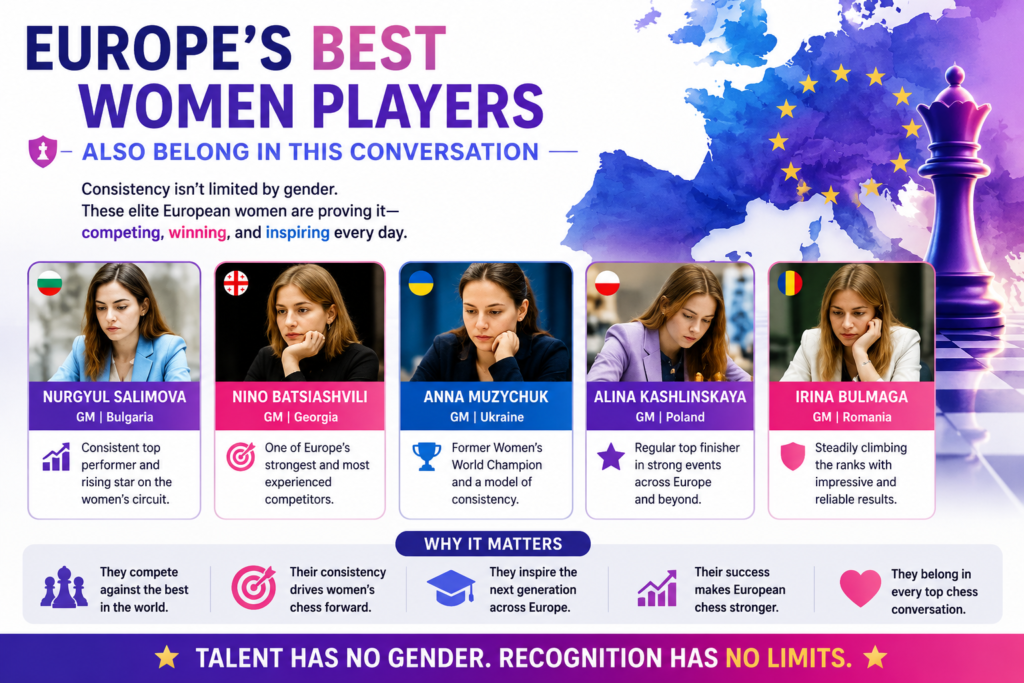
On the May 2026 FIDE women’s classical rating list, Aleksandra Goryachkina is ranked fifth in the world with a 2536 rating.
Anna Muzychuk is eighth with 2522, Kateryna Lagno is tenth with 2506, Alexandra Kosteniuk is fourteenth with 2491, Nana Dzagnidze is sixteenth with 2478, and Mariya Muzychuk is twentieth with 2463.
These are not just big numbers. They show years of hard work, strong nerves, and the ability to stay near the top across many seasons.
Why Goryachkina, Muzychuk, Lagno, and Kosteniuk Are So Important
These players show different kinds of strength. Goryachkina is known for deep, solid chess. Anna Muzychuk is calm and hard to shake. Lagno has great speed and strong tournament skill. Kosteniuk brings experience, class, and a fighting spirit that has lasted for many years.
For young girls learning chess, this is powerful. They can see that chess is not only a boys’ game. They can see strong women thinking, fighting, winning, and staying at the top.
That kind of example matters because children believe more when they can see someone who looks like them doing great things.
What Debsie Wants Young Students to See in These Players
At Debsie, we want every child to feel that chess is for them. A child does not need to be loud, perfect, or fearless to grow. They only need a safe place to learn, a coach who cares, and enough guided practice to build trust in their own thinking.
These European women stars show that chess rewards patience and courage. They also show that a strong mind can be built step by step. That is the same lesson we try to give every student in our live classes.
The 2026 Candidates Events Proved That Consistency Is Not Always Smooth
The 2026 Candidates events gave a clear lesson about consistency. It is not always clean. It is not always pretty. A player can have a bad start, a hard middle, or a painful loss, and still come back strong if the mind stays calm.

In the open Candidates, Javokhir Sindarov won with a record 10 out of 14 score in the modern format, while Anish Giri finished second, 1.5 points behind him.
That matters for this article because Giri’s result shows that he stayed highly competitive in one of the hardest events in chess, even though he did not win the title.
Why Strong Players Do Not Need Perfect Tournaments
Many young players think a tournament is ruined after one loss. Top players know better. A tournament is not one game. It is a long test of mood, energy, sleep, focus, and courage.
This is why Giri’s Candidates result is so useful for students to study. He lost in round one to Praggnanandhaa, but later beat important rivals and finished second overall, based on the official event results.
That kind of comeback is a real chess lesson. It shows that one bad result is not the end of the story.
How Kids Can Train the Same Kind of Comeback Skill
Children need practice in losing well. That may sound strange, but it is one of the most useful life skills chess can teach. A child who learns to lose, review, and try again becomes stronger both on and off the board.
Debsie’s bi-weekly online tournaments help with this. Students get real games, real pressure, and real chances to bounce back. They also have coaches who can turn mistakes into lessons instead of shame.
That is how a loss becomes useful.
The Women’s Candidates Showed the Power of Late Momentum
The 2026 Women’s Candidates also gave a strong lesson in consistency. Vaishali Rameshbabu won the event with 8.5 out of 14, while Bibisara Assaubayeva finished on 8.

Aleksandra Goryachkina and Zhu Jiner scored 7.5, Anna Muzychuk scored 7, and Kateryna Lagno scored 6.5. Several European players stayed in the fight deep into the event, which shows how tight and demanding this level is.
This matters because a long event is like a long school year. You do not win it in one day. You win it by showing up again and again, even when you are tired, upset, or unsure.
Why European Women Players Are Great Models for Young Learners
Goryachkina, Muzychuk, and Lagno did not win the Women’s Candidates, but they still showed why they are elite. They stayed close to the top in a field full of strong players. They had to defend, attack, manage time, and keep going after hard rounds.
This is exactly what young students need to understand. Good chess is not only about checkmate. It is about keeping your brain working when things are not easy. It is about not giving away the next game because the last game hurt.
What Parents Should Notice from These Results
Parents should notice how much emotional control chess requires. At the top level, one mistake can change a game. But the best players do not let one game break them.
That is a life lesson children can use in school, sports, exams, and friendships. When a child learns to pause, think, and try again, they are not just becoming a better chess player. They are becoming a stronger thinker. This is one of the main reasons many families choose Debsie for chess lessons.
The Most Consistent European Players Share One Simple Habit
The best European players do not all play the same way. Carlsen squeezes tiny edges. Giri stays solid. Keymer grows with balance. Firouzja creates danger. Duda fights practically. Van Foreest shows courage.

Rapport brings surprise. The top women players add more examples of calm, skill, and long-term strength.
But they all share one habit. They keep asking better questions during the game. They do not only ask, “Can I attack?” They ask, “What is my opponent planning?” They ask, “Which piece is doing nothing?” They ask, “Is my king safe?” They ask, “What changes if I trade?”
Why Better Questions Lead to Better Moves
A move is only as good as the thinking behind it. Many children lose games because they move too fast. They see a check, a capture, or a threat, and they play it right away. Sometimes it works. Many times, it misses the bigger danger.
Consistent players slow the game down in their minds. Even when they play quickly, their brain checks important things. This is not magic. It is trained habit. The more a student practices the right thinking steps, the more natural strong moves become.
How Debsie Teaches This in a Child-Friendly Way
At Debsie, coaches do not just tell students to “think more.” That is too vague. Children need simple thinking tools they can use during real games. They need to learn how to spot hanging pieces, look for checks, compare plans, and stay calm when the position feels messy.
This is where live coaching helps more than random online puzzles. A coach can pause after a move and ask the child why they chose it. That one question can open the door to real growth.
Over time, the child learns to guide their own mind.
What Young Players Should Actually Copy from Europe’s Best Performers
A young player should not try to copy every opening played by Carlsen, Giri, Keymer, or Firouzja. Top-level openings are often full of deep prep that only makes sense after years of study. For most kids, copying moves without understanding can cause confusion.

What young players should copy is the way these stars handle the game.
They should copy Carlsen’s patience, Giri’s safety, Keymer’s steady growth, Firouzja’s courage, Duda’s fighting spirit, Van Foreest’s belief, Rapport’s creative spark, and the top women players’ emotional strength.
Why This Is the Smartest Way to Learn from Grandmasters
Grandmaster games can feel too hard at first. That is normal. A child may not understand a twenty-move opening idea or a deep endgame plan. But they can still learn the human lesson behind the game.
They can learn that strong players do not give up after one mistake. They can learn that quiet moves can be powerful. They can learn that rushing is dangerous. They can learn that chess rewards children who think before they act.
The Debsie Way to Turn Inspiration into Real Skill
Inspiration is good, but guidance turns inspiration into progress. A child may watch Carlsen and feel excited. But then they need a coach to help them build simple habits, practice good positions, and review their own games with care.
That is why Debsie offers expert-led online chess classes, private coaching, and regular tournaments. Students do not just learn names of famous players. They learn how to think like stronger players, one small step at a time.
Why Ratings Are Useful, but They Do Not Tell the Whole Story
Ratings are a strong starting point when we judge the best chess players in Europe right now. They give us a simple way to compare players across many games and many events.
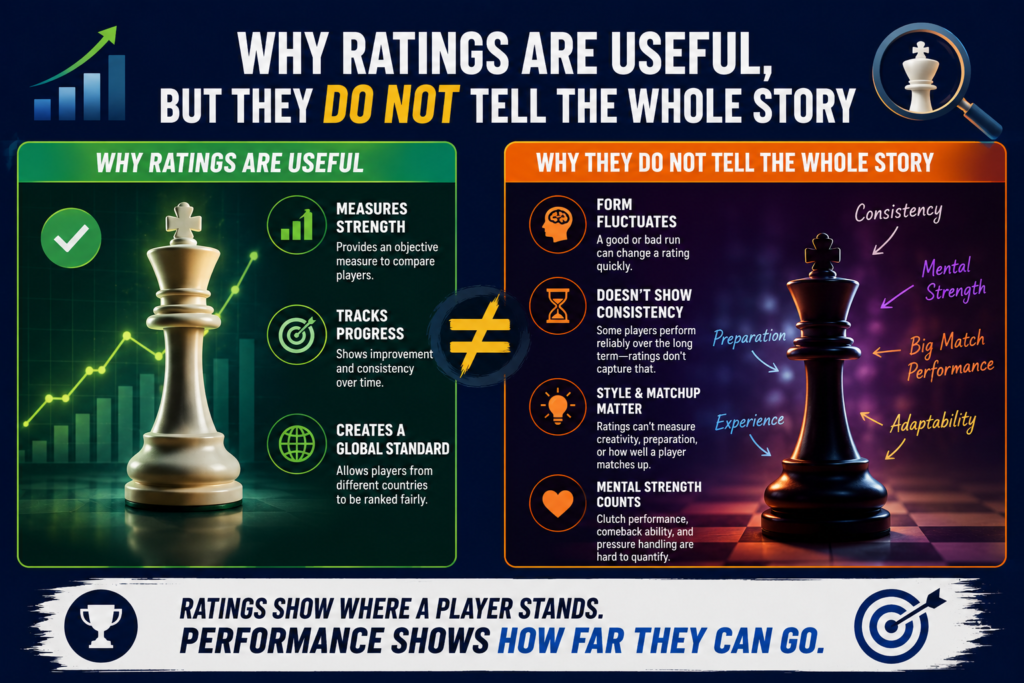
The May 2026 FIDE list shows Magnus Carlsen first in the world, Anish Giri sixth, Vincent Keymer seventh, Alireza Firouzja eighth, Jan-Krzysztof Duda fourteenth, and Jorden van Foreest sixteenth. That tells us Europe still has a deep group of elite players near the very top of chess.
But ratings are not the full picture. A rating is like a report card, not the whole story of the student. It tells us what has happened across many games, but it does not always show who is gaining form, who is tired, who is changing style, or who is playing better than the number suggests.
Why Form Matters Almost as Much as Rating
Form is the feeling of a player’s current chess. A player in good form makes cleaner choices. They recover better from mistakes. They may defend bad positions with more care and win small edges with more trust.
This is why a lower-rated player can sometimes look stronger than a higher-rated player in one event. The board does not care about old results. When the clock starts, both players must solve today’s problems.
That is why Jorden van Foreest’s win over Carlsen at the 2026 TePe Sigeman tournament mattered so much. Carlsen still won the event after a playoff, but van Foreest showed that even the world number one can be beaten when a strong player stays brave and focused.
How Parents Can Use This Idea to Help Their Child
A child’s chess growth should not be judged only by rating. A young player may lose games and still be improving. Maybe they are blundering less. Maybe they are using more time before big moves. Maybe they are finally remembering to check the opponent’s threats.
That kind of growth matters. At Debsie, coaches look beyond wins and losses. They help children notice better habits, because better habits lead to better results later. When parents see chess this way, children feel less fear and more hope.
The Best European Players Know How to Win Without Rushing
One clear pattern among Europe’s most consistent players is patience. Carlsen may be the best example, but he is not the only one. Giri, Keymer, Duda, and many other top players understand that chess is not a race to attack first. It is a test of who can keep improving their position without giving away chances.
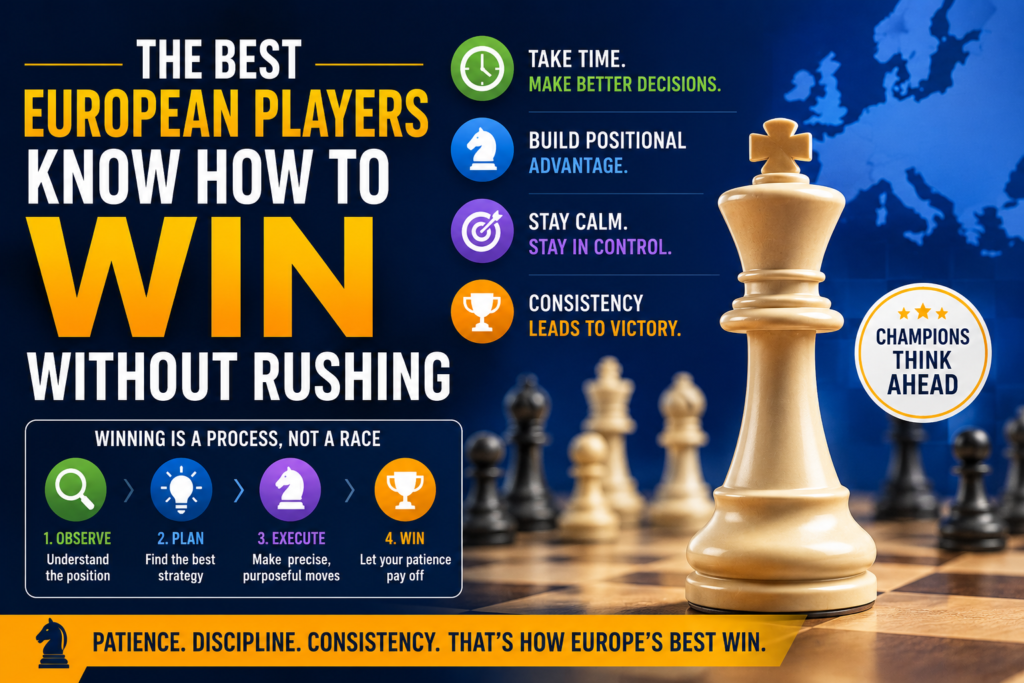
This is a very important lesson for young players. Many children want to win right away. They bring out the queen early, chase checks, and hope the other player misses a trick. That can work against beginners, but it stops working as opponents get stronger.
Why Quiet Moves Are Often the Moves That Win Games
A quiet move does not give check. It does not capture a piece. It does not look exciting at first. But it may stop the opponent’s plan, improve a piece, protect the king, or prepare a strong idea.
This is where top European players are so good. They do not need every move to look dramatic. They are happy to make a calm move if it makes the position better. That is why their games can feel slow to beginners, but powerful to trained players.
How Students Can Practice Patience in Real Games
A simple way for students to build patience is to pause before forcing moves. Before a check or capture, they should ask whether the move truly helps. They should also look at what the opponent will do next.
This habit can save many games. A child who pauses for ten seconds may spot a hanging piece, a back-rank danger, or a stronger move. Debsie coaches train this in live classes by asking children to explain their thoughts. When students explain, they slow down. When they slow down, they see more.
Opening Preparation Helps, but It Cannot Replace Good Thinking
Elite European players have deep opening preparation. They use teams, engines, databases, and years of experience. But the strongest players are not strong only because they know openings. They are strong because they can still think after the opening ends.
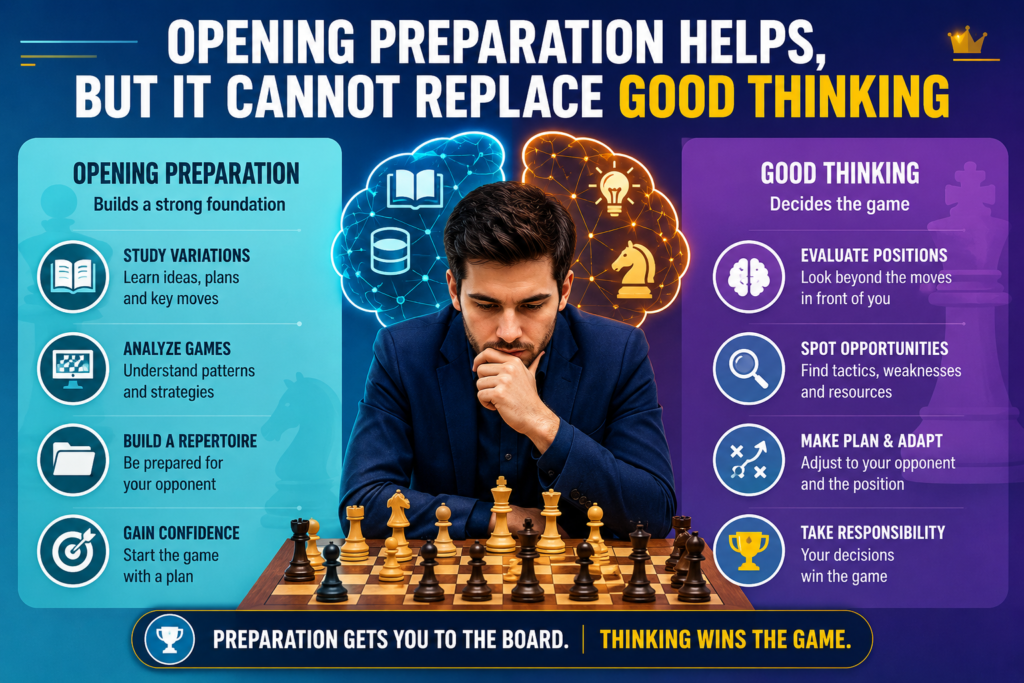
This is one of the biggest mistakes young players make. They memorize five or ten moves and feel ready. Then the opponent plays something different, and the child gets lost. Openings matter, but memory is not enough.
Why Keymer and Giri Show the Value of a Strong Base
Vincent Keymer and Anish Giri are good examples of players with strong foundations. They can play sharp openings, but their real strength is not just the first moves. They know how to handle the middle game. They can defend. They can make useful trades. They can turn small pressure into real chances.
Their ratings show that this kind of complete chess is rewarded at the highest level. On the May 2026 FIDE list, Giri is rated 2767, while Keymer is rated 2759. Those numbers come from years of strong play, not from one opening trick.
What Children Should Study After Learning Basic Openings
Once a child knows opening rules, they should spend more time learning plans. They should understand why the center matters, why king safety matters, and why pieces need good squares.
This is where Debsie’s structured curriculum helps. Students do not just memorize lines. They learn the ideas behind the moves. That means they can still play with confidence when the opponent surprises them.
This is the real goal of opening study: not to remember everything, but to reach a position where the child knows what to do next.
Consistent Players Are Strong Because They Defend Well
Most chess fans love attacks. Checkmates are fun. Sacrifices are exciting. But at the elite level, defense is just as important as attack. A player who cannot defend will not stay near the top for long.

Carlsen, Giri, Duda, and Goryachkina are all hard to beat because they do not fall apart when things go wrong. They can sit in a worse position and make the opponent work. They can find resources. They can trade into a holdable endgame. They can make a winning position feel difficult for the other player.
Why Defense Builds Confidence Instead of Fear
Many young players hate defending. They feel scared when the opponent attacks. They move quickly because they want the danger to go away. But strong defenders learn that danger can be managed.
A good defender asks calm questions. What is being threatened? Can I move my king? Can I trade the attacking piece? Can I give back material to stay safe? These questions turn panic into thinking.
How Debsie Coaches Help Kids Stop Panicking
In a live class, a coach can show a child that a scary position may still be safe. This is powerful. The child learns not to trust fear right away. They learn to look closer.
Over time, this changes how a student plays. They stop giving up after one mistake. They start fighting for every half point. That is a real chess skill, and it is also a real life skill. A child who learns to stay calm under attack is also learning how to stay calm during hard schoolwork, tests, and daily problems.
The Most Reliable Players Treat Every Game Like a Learning File
The top European players do not only play. They review. They study what went wrong. They look for missed chances. They check opening choices. They ask why a plan worked or failed.

This is one reason they stay strong for so long. A single game can teach many lessons, but only if the player is willing to look at it honestly. That is not always easy. Losing hurts. Even winning can hide mistakes. But consistent players know that every game has value.
Why Game Review Is Where Real Growth Happens
A child may play hundreds of games and still repeat the same mistake if nobody helps them review. They may keep hanging pieces, rushing attacks, or ignoring threats. More games alone do not always mean more growth.
Review turns playing into learning. When a coach goes through a game with a student, the child sees the key moment. Maybe one pawn move weakened the king. Maybe one trade helped the opponent. Maybe the child had a winning tactic but moved too fast.
Why This Is One of Debsie’s Biggest Strengths
Debsie gives students a place to learn, play, and improve with guidance. The live classes help children understand ideas. Private coaching gives personal attention. The bi-weekly online tournaments give students real games to test their skills.
This is the full learning loop. Learn the idea. Try it in a game. Review what happened. Fix the mistake. Try again. That is how young players become more confident, more focused, and more independent.
The best European chess players did not become consistent by accident. They built habits. They learned from losses. They trained their minds. Children can follow the same path in a child-friendly way, with the right support and a clear plan.
How Parents Can Help a Child Build Grandmaster-Like Consistency
The best European chess players are not consistent by luck. They have systems. They prepare, play, review, rest, and come back again. A child does not need a grandmaster team to copy this idea. They only need a simple weekly plan that helps them build better chess habits one small step at a time.
This is where parents can make a big difference. You do not need to know every chess opening. You do not need to solve hard puzzles with your child. Your job is simpler and more powerful: help your child stay steady.
If your child wants to grow in chess, Debsie’s live chess classes can give them the guided support they need. A free trial class is a helpful first step if you want to see how structured coaching works in real life.
Use a Simple “Consistency Scorecard”
Many children judge their chess by one thing: “Did I win?” But strong players know that a good game can still be useful even after a loss. So instead of only tracking wins and losses, parents can help children track habits.
After each game, ask your child to give themselves one point for each of these:
Did I check if my pieces were safe before moving?
Did I look at my opponent’s threat?
Did I use enough time on important moves?
Did I stay calm after a mistake?
Did I review the game after finishing?
This gives a child a better way to measure growth. A child may lose a game but still score four out of five on good habits. That is progress. Over time, these habits lead to better results.
Create a Three-Part Weekly Chess Routine
Consistency becomes easier when the week has a clear shape. A good routine does not need to be long. It just needs to be regular.
A simple plan can look like this:
One day for learning: study a new idea with a coach or lesson.
One day for practice: solve puzzles or play slow training games.
One day for review: look at one game and find the turning point.
This helps children avoid random practice. Random practice can feel fun, but it often leads to slow growth. A clear routine helps the child know what to do next. It also makes chess feel less stressful because there is a plan.
At Debsie, this kind of learning is built into the program. Students learn ideas in class, test them in games, and then improve through feedback. That loop is what helps children become more focused and confident.
Teach Your Child to Ask One Better Question
Before every move, children do not need to ask ten hard questions. That can feel too much. Start with one simple question:
“What is my opponent trying to do?”
This one question can stop many mistakes. It helps a child slow down. It teaches care. It also builds the same kind of respect for the position that top players show in their games.
Once this habit becomes natural, add another question:
“What is my worst piece, and how can I improve it?”
These two questions alone can change the way a child plays. They teach patience, planning, and clear thinking.
Why This Matters Beyond Chess
A consistent chess student is not only learning how to win more games. They are learning how to think before acting. They are learning how to recover from mistakes. They are learning how to stay calm when something feels hard.
These skills help in school, exams, sports, and daily life. That is why chess is so valuable for children when it is taught with care.
Conclusion
Europe’s best chess players show us that true strength is not one lucky win. It is the skill to think clearly, stay calm, recover after mistakes, and keep growing. Carlsen, Giri, Keymer, Firouzja, Duda, Van Foreest, and many others prove that steady habits beat quick guesses.
For young players, this is the real lesson. Learn the basics well, play with care, review every game, and never stop asking better questions. At Debsie, children get that kind of guided support through live lessons, expert coaching, and fun tournaments. Start with a free trial class and help your child grow today confidently.

Adhip Ray is the founder of Debsie, an online learning platform focused on chess and skill-based learning for children. His work at Debsie brings together chess education, structured thinking, problem-solving, and interactive learning for young students.
Adhip has an academic background in law, statistics, analytics, and technology. He is from Amity Law School and the Indian Statistical Institute, Kolkata, with formal training that connects legal reasoning, data analytics, quantitative thinking, and structured problem-solving. This interdisciplinary background is reflected in Debsie’s focus on building sharper thinking skills in children through chess and related learning programs.
Adhip is also a FIDE-rated chess player from India. He holds FIDE ID 5055954 and has a standard FIDE rating of 1832. His FIDE profile records him as an Indian player with a long rating history in standard chess, including rated games from his competitive playing years. His chess background gives Debsie a founder-led connection to the game, not only as an educational activity but also as a competitive discipline that develops concentration, calculation, planning, and decision-making.
In addition to chess, Adhip has a strong interest in coding, data, and technical problem-solving.
Adhip’s profile combines chess, law, data analytics, and programming. At Debsie, this background supports the creation of learning experiences that are logical, structured, and skill-oriented. The platform’s chess-focused programs are connected to broader cognitive skills such as pattern recognition, patience, strategic planning, focus, and problem-solving.
As founder of Debsie, Adhip brings together experience from multiple fields: formal legal education from Amity Law School, analytical training from the Indian Statistical Institute, Kolkata, competitive chess experience through his FIDE-rated profile, and coding practice through LeetCode. This combination gives Debsie a distinct foundation in strategy, reasoning, analytics, and child-focused learning.
Through Debsie, Adhip is associated with building chess and learning content for children that goes beyond basic instruction. The platform connects chess with thinking skills, helping students approach challenges with more structure, clarity, and confidence. His own background in chess and analytical problem-solving gives the platform a direct link to the skills it aims to develop in young learners.
Adhip is also a member of Forbes Business Council.