Author name: Sam R
Sam R. is a chess player, chess educator, author, and lifelong student of the game who has spent years exploring chess not only as a competitive discipline, but also as a powerful tool for developing focus, patience, logic, creativity, and emotional resilience. With a competitive chess rating of 1914, Sam brings real playing experience, structured teaching knowledge, and a deep respect for the game into everything he writes and teaches.
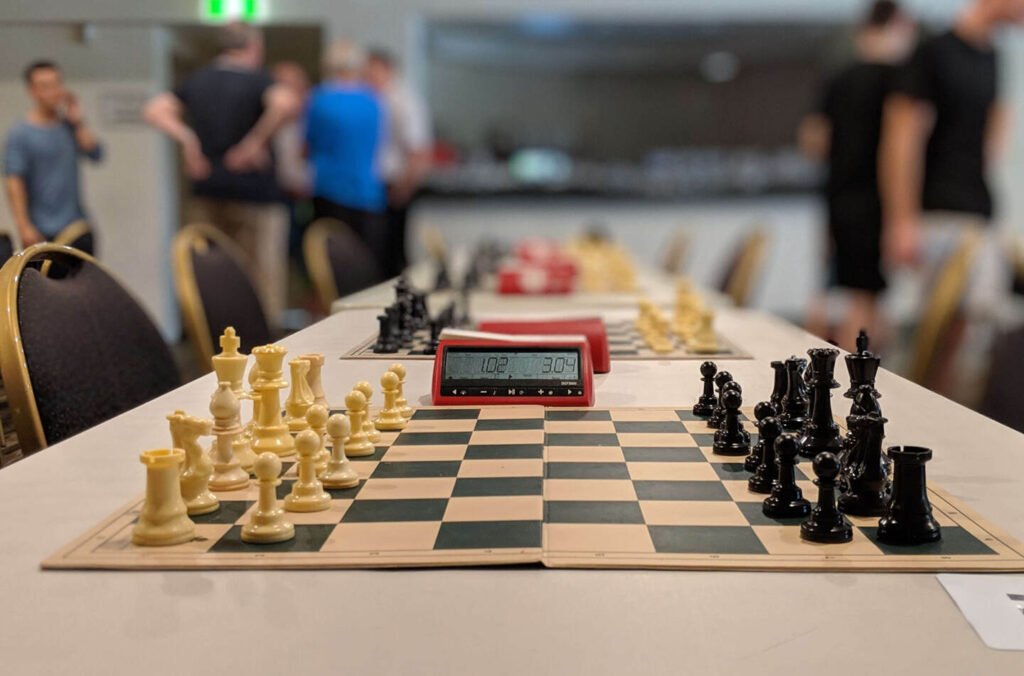
Sam’s chess journey has been shaped by both study and competition. He has played in chess tournaments in Austria, gaining valuable experience in international playing environments and learning firsthand how different players, cultures, and styles approach the board. He has also achieved strong results at the state level, placing third in his state twice - a reflection of his consistency, preparation, and ability to perform under pressure.
Beyond tournament play, Sam is also an accomplished chess author. He has written two chess books, created to help learners understand the game in a clear, practical, and thoughtful way. His writing focuses on more than memorizing openings or solving random puzzles. Instead, Sam aims to help readers understand how chess players think: how they evaluate positions, identify plans, calculate variations, handle pressure, recover from mistakes, and gradually build confidence at the board.
As a chess educator, Sam believes that great teaching begins with clarity. He understands that chess can feel overwhelming to beginners, especially when they are introduced too quickly to complicated theory, long opening lines, or advanced terminology. His approach is different. Sam breaks the game into simple, meaningful ideas—piece activity, king safety, center control, tactics, planning, pawn structure, endgame basics, and practical decision-making—so students can build a strong foundation step by step.
Sam has worked with learners at different stages of their chess journey, from young beginners discovering how the pieces move to improving players preparing for tournaments and competitive games. His teaching style is calm, patient, and highly practical. He encourages students to ask questions, explain their moves, learn from losses, and develop the habit of thinking before acting. To Sam, a student’s growth is not measured only by wins, but by improved focus, better decision-making, stronger calculation, and greater confidence.
One of Sam’s strengths as an educator is his ability to connect chess with real-life skills. He sees the chessboard as a small classroom for big lessons. Every game teaches students how to manage time, control emotions, make decisions with incomplete information, respect an opponent, and accept responsibility for their choices. A blunder becomes a lesson in reflection. A difficult position becomes a lesson in patience. A hard-fought loss becomes a lesson in resilience.
Sam has also contributed to Debsie’s course on Chess Mastery, a comprehensive learning program that includes contributions from highly experienced chess professionals, including Grandmasters and International Masters. His contribution reflects his commitment to making high-quality chess education accessible, structured, and engaging for students who want to improve their understanding of the game.
As an author for Debsie, Sam writes with the same care and clarity that guide his teaching. His articles and learning resources are designed to be practical, trustworthy, and easy to follow for students, parents, and chess enthusiasts. He explains chess ideas without unnecessary complexity, helping readers understand not just what to play, but why certain moves, plans, and habits matter.
Sam’s educational philosophy is built around one central belief: chess improvement should be understandable. He does not believe in making the game seem mysterious or intimidating. Instead, he helps learners recognize patterns, ask better questions, and develop a reliable thinking process. Before moving a piece, Sam teaches students to pause and ask: What is my opponent threatening? Which pieces are active? Is my king safe? Are there checks, captures, or tactics? What is the long-term plan?
His experience as a player gives his teaching a grounded and honest quality. Sam knows the excitement of finding a strong move, the frustration of missing a tactic, the pressure of tournament games, and the discipline required to improve over time. Because of this, he teaches chess with empathy. He understands that progress is not always immediate, and he encourages students to treat every game—win, draw, or loss—as useful feedback.
What makes Sam’s work unique is his balance of competitive seriousness and educational warmth. He respects the depth of chess, but he also knows how to make the game enjoyable. His lessons often include instructive positions, classic games, puzzle-solving, storytelling, game review, and practical training exercises. He wants students to love the process of learning, not simply chase ratings or trophies.
For Sam, chess is more than a board game. It is a lifelong practice in thinking clearly, staying calm, adapting to challenges, and finding creative solutions. Through his books, teaching, tournament experience, and contributions to chess education, Sam R. continues to help learners see chess as both an intellectual challenge and a meaningful path toward personal growth.
When he is not teaching, writing, or analyzing games, Sam can often be found studying classic master games, solving tactical puzzles, following international chess events, or reflecting on how to make chess learning more engaging for the next generation of players.