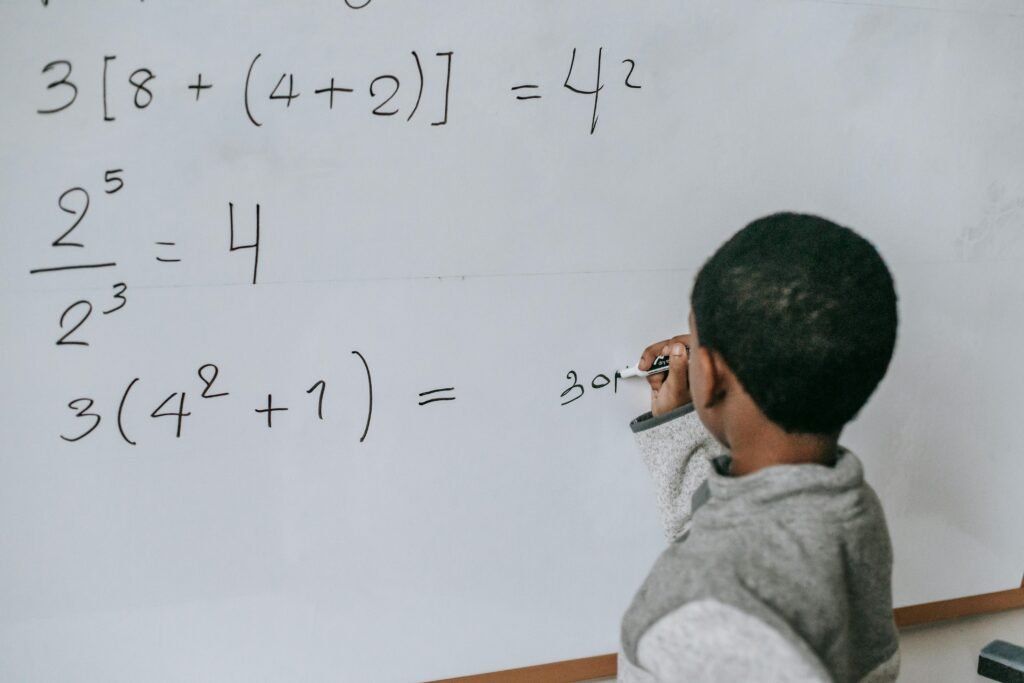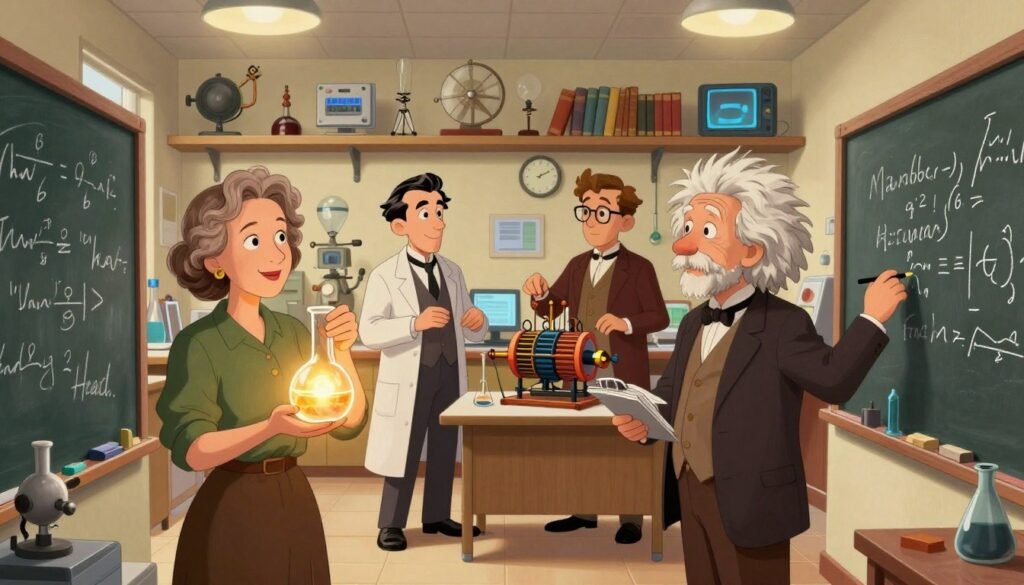
Do you remember looking at the moon and feeling that special spark of wonder? Every big discovery starts with a curious mind asking big questions. We’re lucky to live in a time full of amazing breakthroughs!
Watching your child’s eyes light up when they learn something new is magical. We think every kid has a hidden genius waiting to come out. By learning from those who came before, we find the courage to create something new.
Technological innovation has changed our daily lives. From the light bulb to the internet, these changes have helped us grow together. Think about famous scientists like Albert Einstein who changed how we see the world.
These inventors often failed many times before they succeeded. Their hard work is a lesson for us all! Let’s play, learn, and grow together as a global community!
You can learn about understanding clocks plus speed to see how they measured the vast universe. We want you to join this journey of discovery too!
Try out Debsie Gamified Courses at https://debsie.com/courses to start your own adventure. Explore history’s brightest minds with us!
Key Takeaways
- Discover how brilliant minds changed history through grit plus curiosity.
- Explore the impact of the theory of relativity on our modern world.
- Learn about the pioneers who mastered electricity with radioactivity.
- Understand how global time standards keep our world synchronized daily.
- Start your own learning journey with interactive gamified experiences.
- Celebrate the diverse contributions of men plus women in science.
The Architects of Modern Physics
Physics has been shaped by many brilliant minds. But Isaac Newton and Albert Einstein stand out. They had a huge impact on our understanding of the universe!
Let’s explore what these scientists contributed to our knowledge of the world!
Isaac Newton and the Laws of Motion
Isaac Newton started classical mechanics with his laws of motion. These laws tell us how objects move and react to forces. They changed how we see the physical world!
Newton shared his laws in “Philosophiæ Naturalis Principia Mathematica” in 1687. You can find more about Newton and other key physicists on StudySmarter.
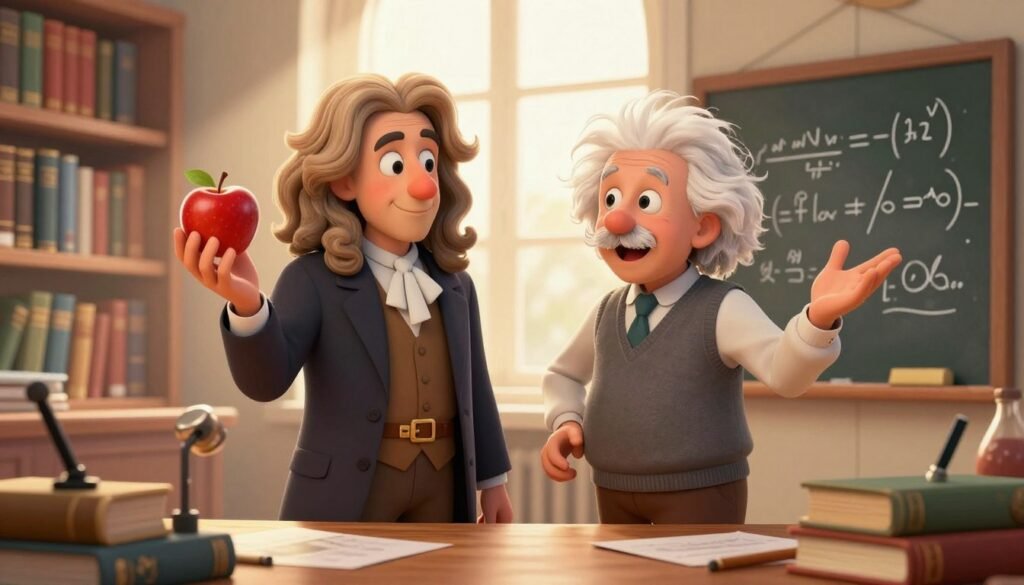
Albert Einstein and the Theory of Relativity
Albert Einstein took our view of the universe even further with his theory of relativity. This theory, including special and general relativity, changed how we see space, time, and gravity!
Einstein’s work on relativity has shaped modern physics and astronomy. It affects everything from GPS systems to our knowledge of black holes!
| Scientist | Major Contribution | Impact |
|---|---|---|
| Isaac Newton | Laws of Motion | Fundamental principles of classical mechanics |
| Albert Einstein | Theory of Relativity | Revolutionized understanding of space, time, and gravity |
Pioneers of Medical Breakthroughs
Many scientists have changed medicine a lot. But Louis Pasteur and Alexander Fleming are special. They saved many lives and changed how we see health and sickness.
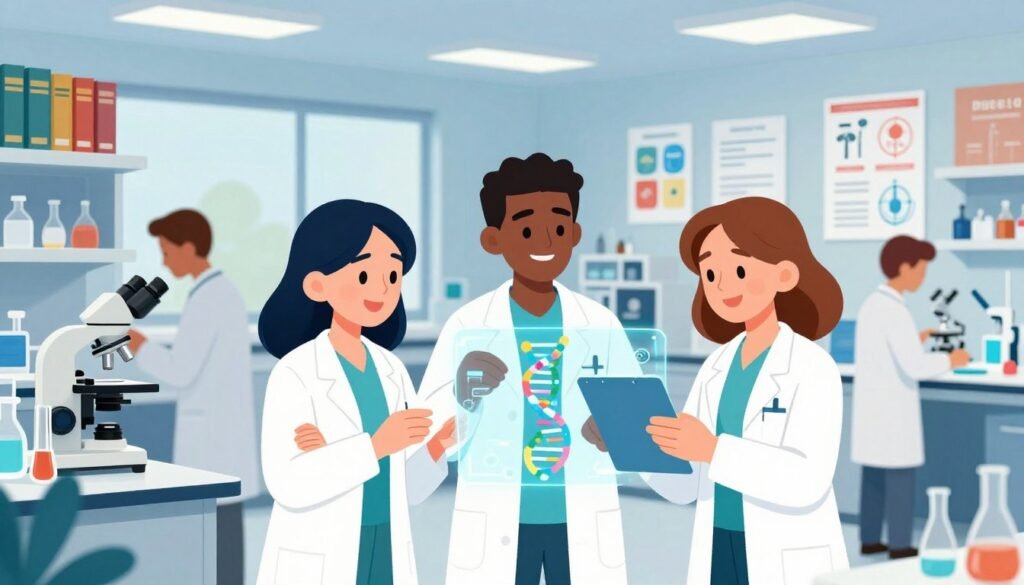
Louis Pasteur and the Germ Theory
Louis Pasteur was a French scientist. He changed medicine a lot. He showed that many sicknesses come from tiny bugs.
This big change helped make better vaccines and sterilization methods. Pasteur also made vaccines for anthrax and rabies. This showed how science can fight diseases.
Alexander Fleming and the Discovery of Penicillin
Alexander Fleming was a Scottish scientist. He found penicillin, a big deal in medicine. This antibiotic helped fight bacterial sicknesses and saved many lives.
Fleming saw a mold in his lab. This led to finding penicillin. It started the antibiotic age. His work showed how important luck and careful watching are in science.
Visionaries of the Digital Age
The digital age started with Alan Turing and Ada Lovelace. They created the tech we use today.
Let’s look at what they did. Alan Turing is called the father of computer science. He worked on the basics of computers, like the Turing Machine.
Alan Turing and the Foundations of Computing
Turing worked on codebreaking in World War II. He also came up with the Turing Test. This test shows if a machine can think like a human. You can learn more about tech progress in fields like chess at Debsie’s article.
Ada Lovelace and the First Computer Algorithm
Ada Lovelace worked on Charles Babbage’s Analytical Engine. She wrote the first computer program. This showed she understood the machine’s power.
Lovelace saw the Analytical Engine’s future. She wrote about its uses, like calculating Bernoulli numbers. Her ideas were ahead of her time. They inspired many in computer science.
Turing and Lovelace’s work still shapes our digital world. Their ideas are key to today’s tech.
The Most Influential Scientists and Inventors in History
Many scientists and inventors have changed our world. But some are truly special. They made big discoveries that still help us today.
Let’s talk about Nikola Tesla and Thomas Edison. They changed how we live and work. Their work led to many new technologies.
Nikola Tesla and the Alternating Current
Nikola Tesla worked on alternating current (AC). He helped win the “War of Currents” against Edison’s direct current (DC). His work lets us send electricity far and wide.
“The present is theirs; the future, for which I really worked, is mine.” – Nikola Tesla
Here are some key facts about Tesla’s work:
| Year | Contribution |
|---|---|
| 1884 | Tesla moved to the United States and started working for Edison. |
| 1886 | Tesla started his own company, Tesla Electric Light & Manufacturing. |
| 1888 | Tesla patented the AC motor. |
Thomas Edison and the Light Bulb
Thomas Edison made the light bulb. It changed how we light our homes and businesses. Edison made the bulb better for everyone.
Edison did more than just the light bulb. He had over 1,093 patents. His work helped create many modern things.
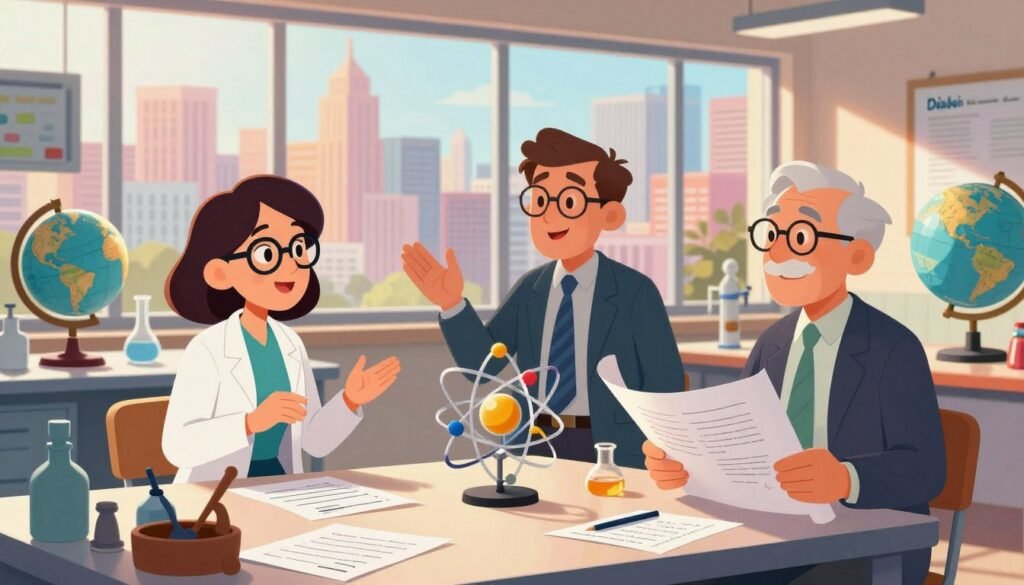
For more on famous scientists, visit Biography.com. They have a big list of scientists.
Learning about the periodic table is also important. It helps us understand many scientists’ work. You can learn more at Debsie.com.
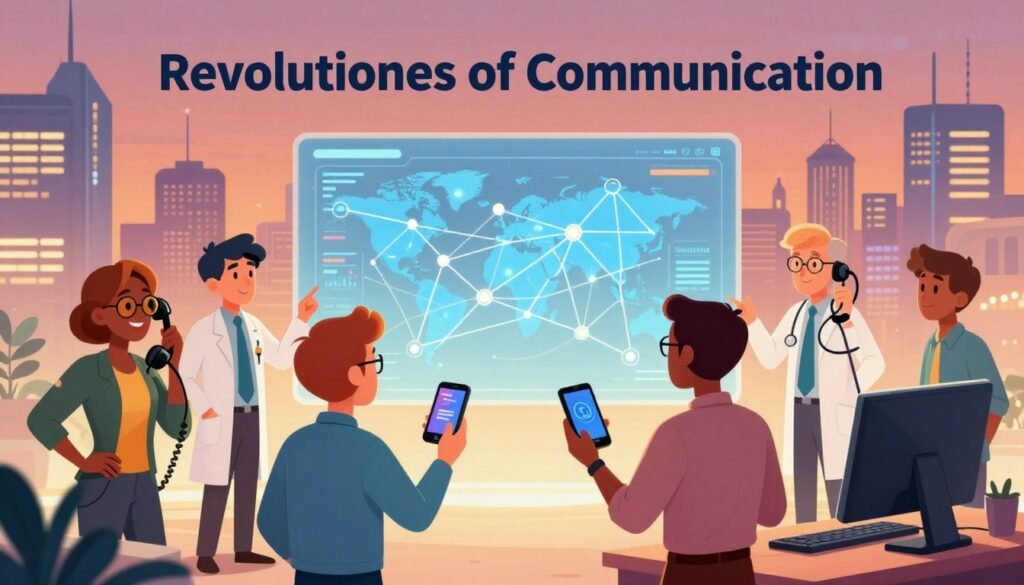
Revolutionaries of Communication
The world of communication has changed a lot thanks to a few inventors. We will look at two very important ones. Their work has changed how we talk to each other.
Let’s talk about two big names in communication. They had great ideas and worked hard. Their work has changed how we talk to each other today.
Alexander Graham Bell and the Telephone
Alexander Graham Bell made the first working telephone. This changed how we talk to each other over long distances. You can find out about other famous inventors who changed history.
The telephone was a big change for talking and work. Bell worked on the harmonic telegraph and speech experiments. This led to the telephone we know today.
Guglielmo Marconi and Radio Technology
Guglielmo Marconi worked on radio technology. He showed how to send radio signals far away. This started modern radio communication.
Marconi’s radio work made wireless talking possible. This has changed many parts of our lives, like entertainment and emergency services.
| Inventor | Invention | Impact |
|---|---|---|
| Alexander Graham Bell | Telephone | Revolutionized real-time voice communication |
| Guglielmo Marconi | Radio Technology | Enabled wireless communication over long distances |
Bell and Marconi’s work has helped a lot. They let us talk to people all over the world. This helps us understand and work together better.
Masters of Biological Discovery
Two names are key in biology: Charles Darwin and Gregor Mendel. Their work changed how we see the world. It still guides today’s science.
Let’s explore their amazing work!
Charles Darwin and the Theory of Evolution
Charles Darwin is famous for the Theory of Evolution. He shared it in “On the Origin of Species.” This idea changed biology by showing how species change over time.
Darwin learned a lot on the HMS Beagle. He studied finches on the Galapagos Islands. He saw how different species can become new ones.
Gregor Mendel and the Laws of Genetics
Gregor Mendel is called the “Father of Genetics.” He figured out how traits are passed down. His work on pea plants showed us the basics of genetics.
Mendel’s findings were ignored at first. But now, they are key to understanding genetics. They tell us how traits are inherited.
Here’s a table comparing Darwin and Mendel’s work:
| Scientist | Major Contribution | Impact on Biology |
|---|---|---|
| Charles Darwin | Theory of Evolution through Natural Selection | Explains the diversity of life on Earth and how species adapt over time! |
| Gregor Mendel | Laws of Genetics (Segregation and Independent Assortment) | Lays the foundation for understanding heredity and genetic inheritance! |
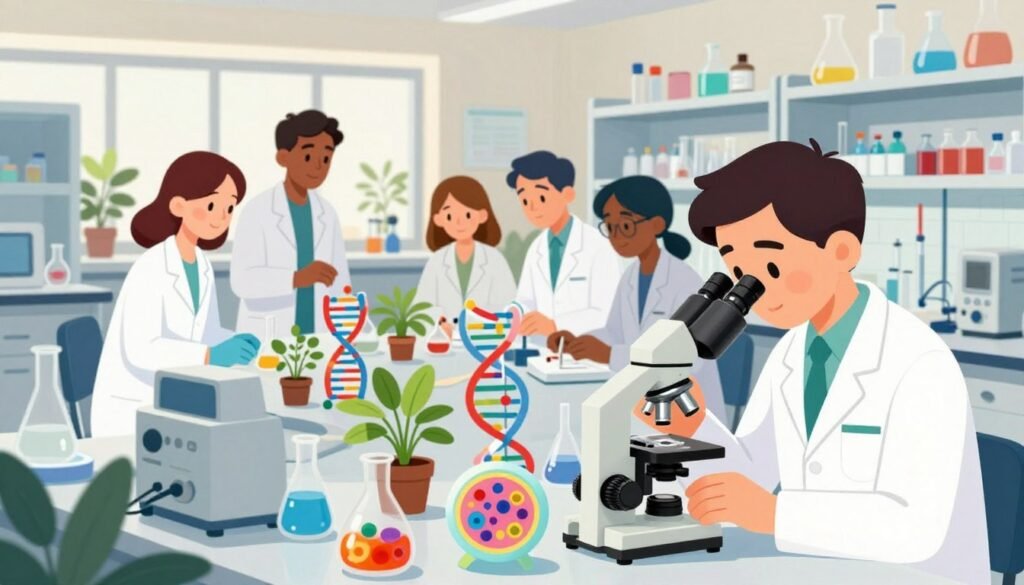
Darwin and Mendel’s work changed biology. It opened doors for future discoveries. Their ideas keep inspiring scientists today!
Innovators in Transportation
The transportation sector has grown a lot thanks to innovators like the Wright Brothers and Henry Ford! Their work changed how we move and had big effects on the world.
Transportation has changed a lot since the early 20th century. The Wright Brothers made the first powered flight. This was a big step in aviation history.
Powered Flight
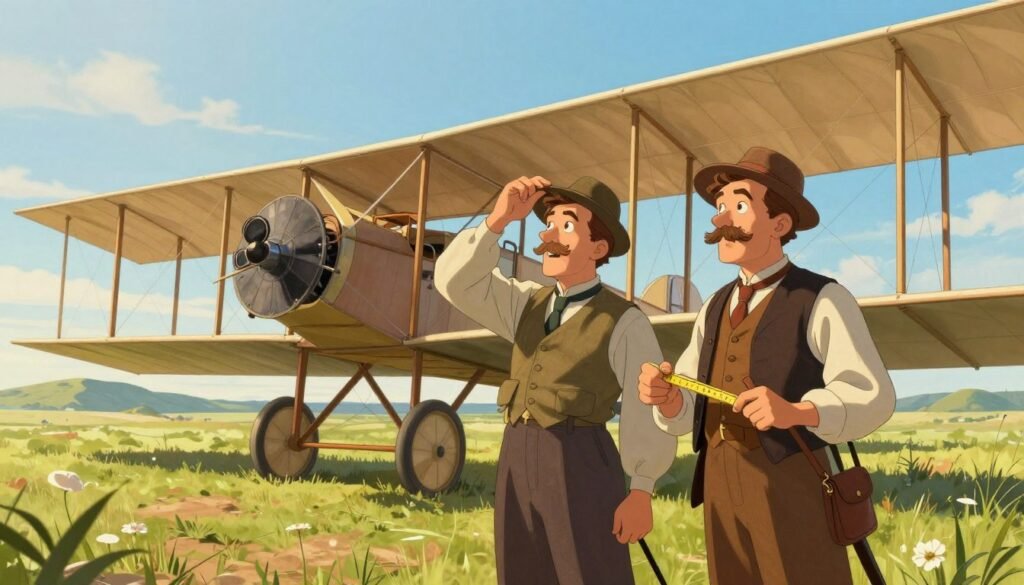
The Wright Brothers, Orville and Wilbur, were American inventors. On December 17, 1903, they made the first powered flight. Their Flyer flew for 12 seconds and went 120 feet at Kitty Hawk, North Carolina.
“The airplane has unveiled for us the true face of the earth.” – Antoine de Saint-Exupéry
Their success was not just a technical win. It showed their hard work and creativity. The Wright Brothers’ work started modern aviation, changing travel and goods transport worldwide.
The Assembly Line
Henry Ford, an American industrialist, changed making things with the assembly line. This made cars cheaper for everyone.
Ford’s assembly line changed the car world. It made making things faster and cheaper. This idea helped many industries get better and work faster.
The Wright Brothers and Henry Ford’s work has lasted a long time. They inspire new inventors and entrepreneurs. Their work shapes the future of travel and technology.
The Impact of Chemistry on Industry
Chemistry has changed the world thanks to pioneers like Marie Curie and Dmitri Mendeleev. Their discoveries have made a big difference in many industries!
Chemistry is everywhere in our lives and in industries. Marie Curie and Dmitri Mendeleev made big impacts. Let’s see how they changed things!
Marie Curie and Radioactivity
Marie Curie’s work on radioactivity opened new doors in medicine, energy, and research. She found polonium and radium. This helped us understand the periodic table better.
Her work led to a new cancer treatment. It uses energy to kill cancer cells. This gives hope to many people!
To learn more about chemistry and awards, visit the Nobel Prize website.
Dmitri Mendeleev and the Periodic Table
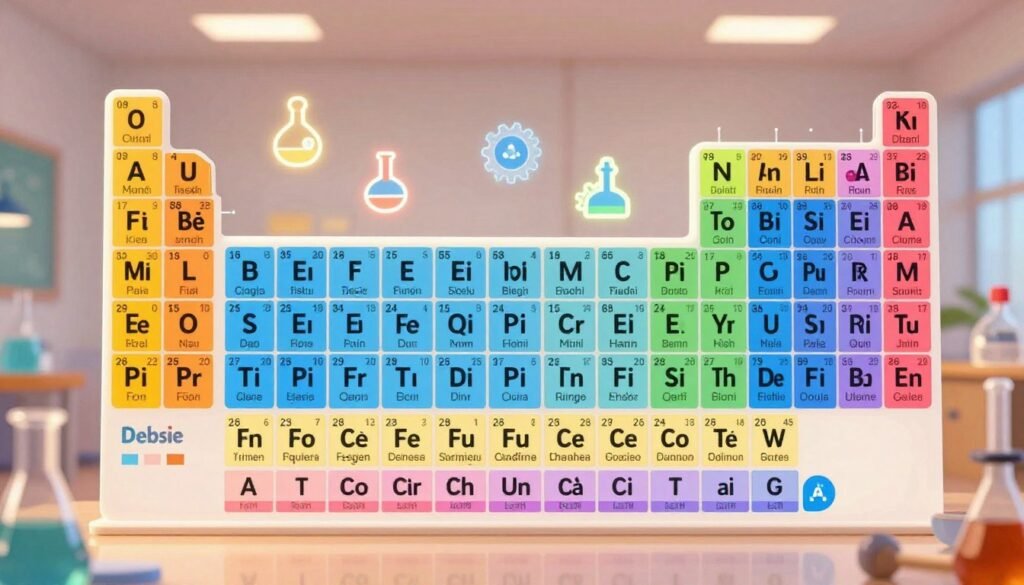
Dmitri Mendeleev made the periodic table. It’s a big deal in chemistry. He sorted elements by their properties and weights.
The periodic table helps us find new elements. It also helps make new materials. These materials have special properties.
| Field | Impact |
|---|---|
| Materials Science | Development of new materials with specific properties |
| Chemical Education | Simplified teaching and learning of chemistry |
| Research and Development | Guided discovery of new elements and compounds |
Curie and Mendeleev’s work has changed chemistry a lot. It has shaped industries and inspired scientists and researchers!
Advancing Knowledge Through Gamified Learning
Gamified learning makes education fun for everyone! It uses game design to make learning easy and fun. Platforms like Debsie make hard topics easy and fun.
We think learning should be exciting, not boring. Debsie offers fun courses to help kids learn science and become inventors.
Enhancing Scientific Literacy with Debsie Gamified Courses
Debsie’s courses make learning science and innovation fun. They use games and AI to fit each learner’s needs. This makes learning fun and personal.
“Gamification in education can significantly improve student engagement and motivation.” Debsie’s platform makes learning fun and exciting.
Want to try gamified learning? Visit Debsie’s courses at https://debsie.com/courses. See how it changes learning!

Why Interactive Education Matters for Future Inventors
Interactive education is key for today’s world. It helps learners solve problems, think critically, and be creative. It’s important for future inventors.
It also makes learning fun for life. Research shows STEM early on boosts kids’ brains and careers.
Choosing Debsie’s courses means investing in your child’s future. It’s a smart choice for their success.
Pioneers of Space Exploration
The journey to the stars has been a dream for humans. Pioneers like Wernher von Braun and Katherine Johnson led the way! Their work in rocketry and orbital mechanics helped us understand space better.
Space exploration is more than reaching new places. It’s about learning more and exploring what’s possible. Wernher von Braun and Katherine Johnson made big contributions to this field.
Wernher von Braun and Rocketry
Wernher von Braun was a visionary engineer. He helped create the V-2 rocket in Germany during World War II. This rocket was the start of the Saturn V that went to the Moon!
“The important achievement of Apollo was demonstrating that humanity is not forever chained to this planet and our visions go rather further than that and our opportunities are unlimited.” – Wernher von Braun
Von Braun’s ideas and hard work helped solve space travel’s big challenges. His work in rocketry has greatly influenced space exploration.
| Year | Event | Significance |
|---|---|---|
| 1942 | First successful V-2 rocket launch | Marked the beginning of modern rocketry |
| 1969 | Apollo 11 Moon landing | First human mission to land on the Moon |
Katherine Johnson and Orbital Mechanics
Katherine Johnson was a mathematical genius. Her math was key to NASA’s early space missions. She worked on Project Mercury and the Apollo program!
Johnson’s work on orbital mechanics was crucial. It helped astronauts travel safely to space and back. Her work was very important for the success of these missions.
The work of Wernher von Braun and Katherine Johnson still inspires today. Their work in space exploration has opened up new possibilities for us.
The Evolution of Energy Production
The story of energy production is one of human creativity. Michael Faraday and James Watt were key figures. Their work started our modern energy systems.
Let’s look at what these innovators did. Michael Faraday’s discovery of electromagnetic induction changed everything. It made it possible to make lots of electricity.
Michael Faraday and Electromagnetic Induction
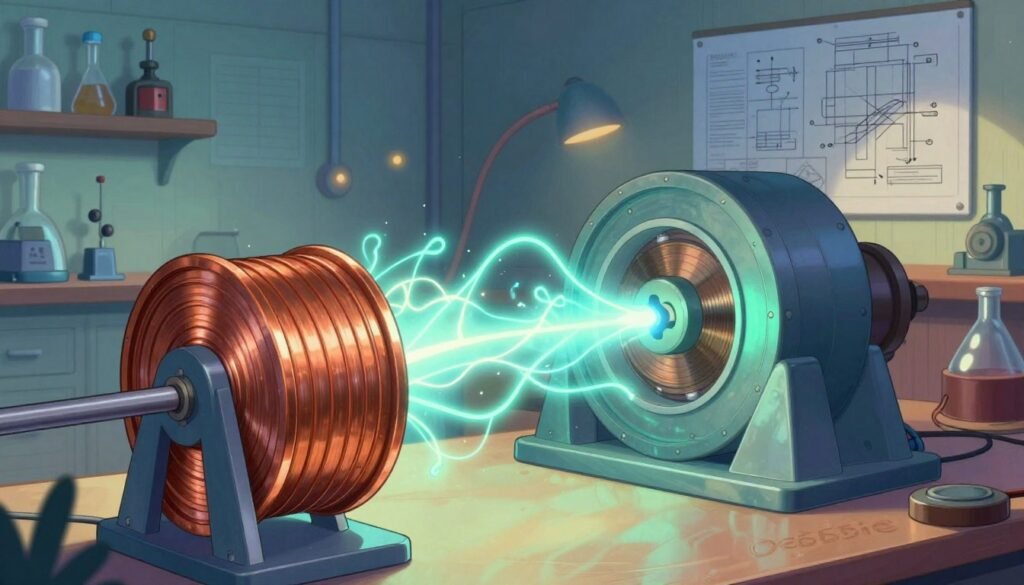
Faraday’s work on electromagnetic induction changed energy production. He found that a changing magnetic field makes an electric current. This idea is still used today to make electricity.
Some important parts of Faraday’s discovery are:
- The principle of electromagnetic induction
- The first electrical generators
- The start of electrical transformers
James Watt and the Steam Engine
James Watt made big changes to the steam engine. His work made steam engines more efficient and powerful. This was a big step in the Industrial Revolution.
Watt’s key contributions were:
- Separating the condenser from the cylinder
- Adding rotary motion
- Creating a governor to control engine speed
These changes helped change industries. They also led to more new technologies. Today, we keep adding to what Faraday and Watt started.
The legacy of Faraday and Watt shows us the power of human creativity. It guides us towards a better energy future!
Women Who Changed the Scientific Landscape
Many women have changed science in big ways. Their work has helped us understand the world better. It also shows the way for more scientists and researchers.
Rosalind Franklin and Barbara McClintock are two big names. They changed genetics forever with their discoveries.
Rosalind Franklin and DNA Structure
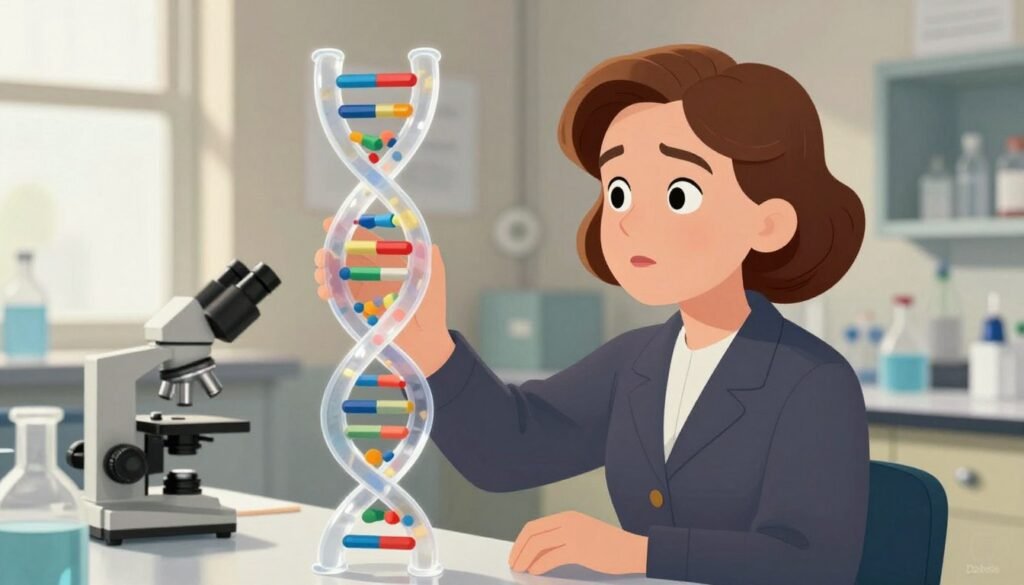
Rosalind Franklin helped us learn about DNA. Her work was key to figuring out DNA’s double helix shape. This is a big part of genetics today.
She was also great at X-ray crystallography. Her skills and findings still help science today.
Barbara McClintock and Genetic Transposition
Barbara McClintock found out about genetic transposition. This changed how we see genetics. She showed that genes can move around on chromosomes.
Her work was very important. It helped us understand how genes work and how they are controlled.
| Scientist | Contribution | Impact |
|---|---|---|
| Rosalind Franklin | DNA Structure | Fundamental to understanding genetic inheritance |
| Barbara McClintock | Genetic Transposition | Revolutionized understanding of genetic regulation |
These women show us what hard work and curiosity can do. They inspire us to keep exploring science. We aim to build on what they found out.
The Architects of Modern Agriculture
Modern agriculture owes a lot to pioneers like Norman Borlaug and George Washington Carver. Their work has changed how we grow food. It has also helped make food more secure for everyone around the world.
Let’s explore their amazing contributions!
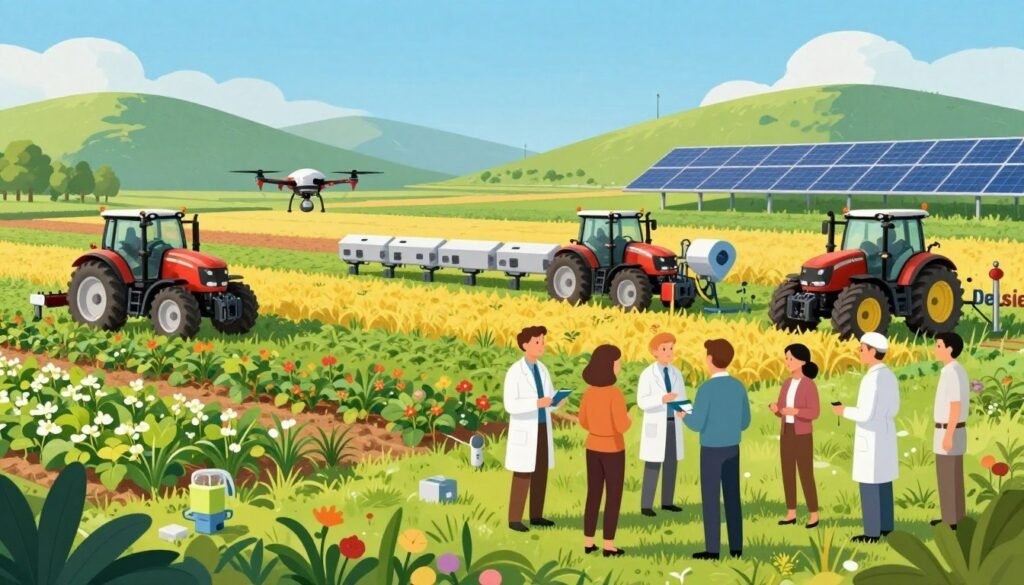
Norman Borlaug and the Green Revolution
Norman Borlaug saved over a billion people from hunger. He created wheat that grows well and fights off diseases. His work was so important that he won the Nobel Peace Prize in 1970.
George Washington Carver and Crop Rotation
George Washington Carver also made big changes in farming. He studied peanuts and other crops. His work helped farmers use the land better and grow more food.
| Contributor | Key Contribution | Impact |
|---|---|---|
| Norman Borlaug | High-yielding, disease-resistant wheat varieties | Increased global food production, saved over a billion people from starvation |
| George Washington Carver | Crop rotation and soil conservation methods | Improved soil health, enhanced agricultural productivity in the southern United States |
The Future of Scientific Innovation
The next wave of scientific innovation is here. It uses AI and sustainable technology to tackle global challenges!
Looking ahead, we’re excited for the breakthroughs. Artificial intelligence will help solve complex problems. Sustainable technology will reduce our impact on the planet. The future is full of possibilities!
Artificial Intelligence and New Discoveries
Artificial intelligence is changing science. AI quickly and accurately analyzes data. This leads to new discoveries at an amazing rate.
AI finds patterns in data that humans might miss. This gives us new insights and understanding. You can learn more about AI and other breakthroughs at CAS Insights.
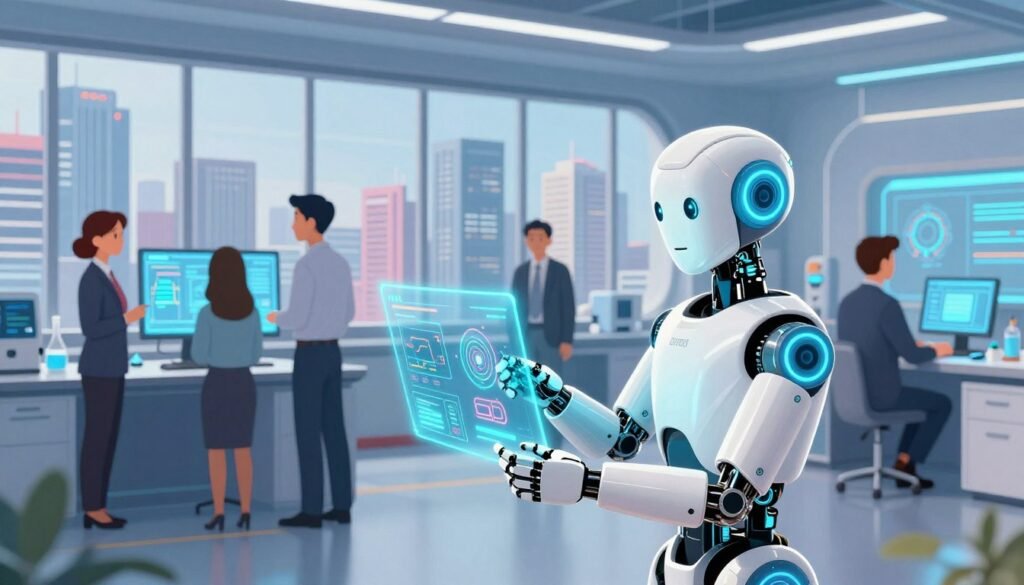
AI is making a big difference in medicine. It helps doctors diagnose diseases more accurately and quickly. This leads to better patient outcomes.
This is just one example of how AI is changing science!
Sustainable Technology and Global Challenges
Sustainable technology is also making a big impact. It helps solve global challenges like climate change. From renewable energy to eco-friendly materials, it’s making our future greener.
By using sustainable technology, we can reduce our use of fossil fuels. This decreases greenhouse gas emissions and makes our planet healthier. It’s a key step in solving today’s global challenges!
The Legacy of Scientific Curiosity
Scientific curiosity keeps inspiring new minds. It shows us how history shapes our lives today.
How Historical Discoveries Shape Modern Life
Old discoveries help us now. For example, Louis Pasteur’s work on germs and microorganisms improved health and cleanliness everywhere!
Isaac Newton’s laws of motion and Albert Einstein’s theory of relativity changed how we see the universe!
Encouraging the Next Generation of Thinkers
We must support the next thinkers. Fun and interactive learning can spark a love for science in kids.
Debsie offers gamified learning courses that make science fun. Technology and new teaching methods inspire young explorers.
The future looks bright with new scientists and thinkers. By supporting their curiosity, we’ll have a brighter future for everyone!
Conclusion
We’ve looked at amazing scientists and inventors who changed our lives. People like Isaac Newton and Ada Lovelace have led innovation. They helped us understand the world better.
The next group of thinkers will keep exploring new things. You can join this exciting journey! By learning from the past, we can make a brighter future.
At Debsie, we support curiosity and exploration. Our fun courses and interactive learning aim to inspire young minds. We want to help them become the scientists and inventors of tomorrow.
Let’s keep exploring, learning, and innovating together! The world needs your creativity and smart ideas to solve today’s and tomorrow’s challenges.