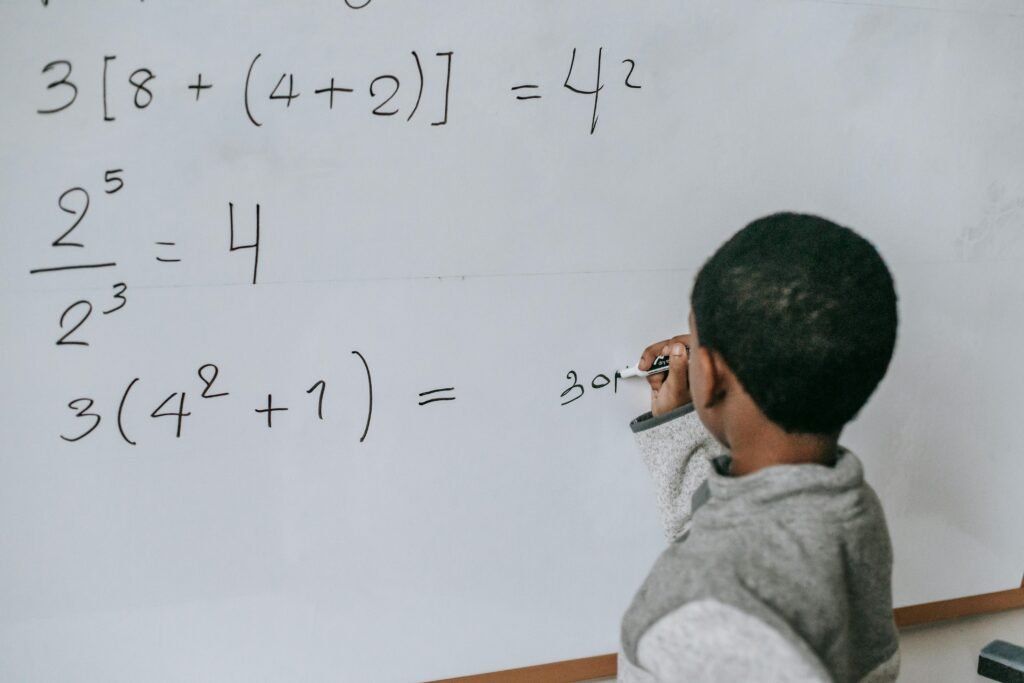
Homework time can feel messy. Some nights are calm. Some nights are a rush. Parents want fast, clear help. Students want answers that make sense. This guide shows when homework help platforms get the most action, why those peaks happen, and how to plan around them. We will use thirty key stats as our map. After each stat, you will get simple steps you can use today. The goal is not just to finish homework. The goal is to build strong skills like focus, grit, and smart problem solving. That is what we care about at Debsie. We teach kids to think, not just to copy. We make learning fun, but still deep.
1) Peak weekday usage (Mon–Thu, 6–9 pm local): 42–55% of all daily sessions (estimate)
This is the busiest window on most homework help platforms. School ends, kids travel home, eat, and then open their books. By six in the evening, questions start to pile up. By seven, the rush is in full swing. By nine, many students close the day.
Knowing this, you can plan a smart study rhythm that makes this busy time work for you, not against you.
First, set a clear start time before the rush. If your child can begin at five thirty, they will find faster help and calmer minds. The queue is shorter. The answers land sooner. If early start is not possible, set a tight plan for the seven to nine slot.
Break the time into short focus blocks. Aim for twenty minutes on, five minutes off. Use a timer. Make the goal simple and clear, like finish the first three math items or outline the essay intro. This turns a loud hour into a steady path.
Next, prepare questions ahead of time. Write each question in clean words. Add a photo if needed. List the part that is confusing. This helps the tutor or AI see the problem fast. The reply will be sharper. Fewer back and forth messages means less time lost.
Also, control the study space. Keep a charged device, paper, and pencils ready. Turn off extra tabs. Put the phone on do not disturb. Little frictions add up when the platform is busy. A clean setup keeps focus strong and stress low.
Last, use Debsie’s live classes to build skills that reduce peak stress. Our teachers show simple ways to break tasks, spot patterns, and check steps. Students who learn these moves can solve more on their own, even at seven thirty when the platform feels packed. Try a free class and see the calm that comes from skill, not guesswork.
2) Sunday night surge (7–10 pm): 18–24% of weekly sessions (estimate)
Sunday night is the weekly crunch. Many students push weekend work to the last hour. When seven hits, help requests jump. By ten, the week’s first deadlines are done or near. This pattern can cause panic, late sleep, and sloppy work. But with a simple plan, Sunday can turn from stress to a smart reset.
Start with a short planning session on Sunday afternoon. Take ten minutes to scan the week. List the top three tasks due Monday and Tuesday. Pick a quiet ninety-minute slot before seven to tackle the hardest one.
If the platform is less crowded then, your child gets quick help and starts the night ahead. If you cannot move the time, prepare inputs early. Snap clear photos of problems. Type the question text. Collect links or notes. When the surge starts, you are ready to post and act.
Teach a Sunday rule called first draft, then polish. The goal before nine is to produce a full, simple first draft or a full set of solved steps, even if rough. After that, use thirty minutes to fix gaps and tidy work. This method stops the loop of endless edits and saves sleep.
Many students find that a visible complete draft lowers stress and makes help more targeted.
Build a calm Sunday routine. Set out water, a snack, and a clear desk. Use a single playlist with soft, steady tracks. Tell siblings the plan. A steady home rhythm is a real edge during the surge. Also, pick a Sunday reward that does not wreck sleep, like a short show or a game for fifteen minutes after lights out tasks are done.
It gives the brain a kind close.
At Debsie, our self-paced quests fit Sunday nights well. Each quest is short, fun, and builds key skills step by step. Kids feel small wins fast, which cuts last-minute fear. Join a free trial class to learn our Sunday playbook and start the week with calm power.
3) Friday usage drop vs. weekday average: −35–45% (estimate)
Friday is quiet on most homework platforms. Students want rest, family time, or games. This drop is a chance. Smart families use Friday’s calm to get ahead. With fewer users online, replies can be faster, and minds are fresher because the week is done.
The goal is not to turn Friday into a heavy work day. The goal is to use a light, smart hour to set up a smoother week.
Use Friday for preview, not catch-up. Pick one tricky topic from next week. Spend twenty minutes reading the main idea or watching a short explain video. Ask one focused question on the platform, such as the key formula or a common mistake to avoid.
When Monday comes, that new idea will feel less scary. A small preview gives the brain a map. Learning sticks better when it meets a known path.
Set a short skills session. Choose one tool, like fraction steps, paragraph frames, or code loops. Do five to ten practice items, timed and calm. Stop before it feels hard. This builds muscle memory without steep stress.
Over months, this Friday habit lifts speed and confidence. Many students find that the next week’s peak hours take less time because the basics are solid.
Treat Friday as a setup day. Pack the bag. Charge the device. File notes in the right folders. Rename and sort digital files with clear names. Clean the desk. This tidy work makes the Monday start smooth and saves minutes when the platform is crowded midweek. It also teaches order, which is a life skill that supports all learning.
Plan a fun tie-in. Make the hour special with a cozy drink or a comfy chair. When the light hour ends, close the books and enjoy family time. Kids learn that smart planning makes more room for joy.
Debsie’s gamified paths are perfect for a light Friday. Kids earn badges for quick wins, and parents see real progress in the dashboard. Book a free trial and turn quiet Fridays into a gentle boost that pays off all week.
4) Mobile share of homework help sessions: 62–71% (estimate)
Most homework help happens on phones. It makes sense. A phone is always close. It turns on fast. A student can snap a photo of a problem and ask for help in seconds. But small screens can lead to small focus. Taps can open new apps.
Alerts can pull the mind away. To win on mobile, you need a tight setup and a few steady habits that make the tiny screen feel big and calm.
Begin with a clean home screen. Keep only school apps, the homework platform, a notes app, a camera, and a timer on the first page. Turn off non-school alerts during study time. Use do not disturb with a custom list so only a parent call can come through.
Set the phone to dark mode in the evening to ease eye strain. Raise screen brightness only as needed. If eyes feel tired, enlarge text size in settings so steps and symbols are easy to read.
Hold the phone like a tool, not a toy. Place it on a stand at eye level. Use wired earbuds to block noise and hear the tutor clearly. Keep a notebook open next to the phone. After each hint or step, write the next two steps by hand.
This moves knowledge from screen to brain. When a question is long, dictate your question into the phone using voice to text, then fix the words so the tutor sees a clean ask.

Photos must be clear. Use natural light, turn off flash glare, and lay the paper flat. Crop out extra space so the problem fills the frame. If the platform allows it, mark the exact part that is hard. Short captions like stuck on step 3 or need help with the equation signpost the struggle fast.
At Debsie, our mobile flow is built for real life. Kids move through gamified tasks with simple taps, and live teachers can see shared photos in seconds. Try a free trial class on your child’s phone and watch how clear small screen learning can be.
5) Desktop share: 24–31% (estimate)
A desktop or laptop still matters. When a task is long or complex, the bigger screen and keyboard save time. Tabs sit side by side. Diagrams are clear. Typing is quick. If your child has access to a computer, use it for essays, multi-step math proofs, code labs, and research notes.
The switch from phone to computer is not about fancy tools. It is about space, posture, and fewer slips.
Set up a clean study station. The chair should support the back. The screen should be at eye level. Keep a glass of water within reach. Close all non-school apps. Use one browser window for the homework help platform and another for class materials.
Pin both so they stay in view. If your child often copies problems by hand, place the notebook to the right for right-handed students and to the left for left-handed students, with the pen resting on a small tray so it does not roll away.
Teach quick keyboard moves that save minutes over a term. Use copy, paste, undo, redo, and find to move faster. Show how to split the screen so the help chat and the assignment stay open at once.
Encourage short file names with dates so you can find drafts fast. Use a cloud folder that mirrors the class structure. When the platform is busy, being able to upload the right file within seconds feels like superpower.
For focus, use a simple rule called two tabs only. Keep the help platform and the task tab open. If a new link is needed, open it, grab what you need, then close it. This cuts the urge to wander the web. A desktop timer in the corner helps keep the mind honest.
Debsie’s projects shine on desktop. Our code labs, math boards, and essay frames fit well on wider screens. Book a free trial class on a laptop and let your child feel the ease of big-screen thinking.
6) Tablet share: 5–9% (estimate)
Tablets sit between phone and laptop. They are portable like a phone and spacious like a small laptop. For drawing diagrams, annotating PDFs, and stepping through geometry, a tablet can be perfect. The stylus is the key.
Writing on glass can feel smooth and quick, which helps kids show their steps clearly to a tutor or to our live teachers.
Create a simple tablet routine. Keep the stylus charged and clipped to the device. Use a matte screen protector so the pen feels more like paper. Install a note app that allows layers, shapes, and text boxes. Make a folder for each class.
When taking a photo of a problem, place it on a page and write the steps right next to it. This keeps all the work in one place, which is gold when revising before a quiz.
Use split view to hold the homework help chat on one side and the work page on the other. Teach your child how to drag a screenshot into the chat so the helper can see the exact step. If your child tends to hunch over a tablet, place it on a stand and keep shoulders relaxed. Eye comfort matters during longer sessions.
Tablets are great for travel or quiet corners. If your family shares one, plan a sign-up sheet for study windows so the device is free when needed. Download offline packs of key readings in case the internet drops.
Encourage your child to finish one worked example and then hide the helper steps to try a clean run, writing with the stylus as if it is an exam.
Debsie lessons adapt well on tablets. Kids can trace shapes, write code blocks with taps, and sketch ideas during science quests. Start a free class on a tablet and feel how pen-and-screen learning can make steps clearer and memory stronger.
7) Average session length during peaks: 18–26 minutes (estimate)
Peak time sessions are short and focused. In busy hours, students want fast clarity, not long lectures. The sweet spot is under half an hour. Within this time, a student should ask one main question, get one clear path, and attempt the next steps.
If the problem needs more, they can open a new session after a short break. This rhythm keeps energy high and prevents burnout.
Design a tight session plan. Before starting, write a single goal on a sticky note, like factor this quadratic or build the topic sentence. Decide what success looks like. It could be a full solution, a working outline, or a clean diagram.
When the session starts, share that goal in the first message. Helpers work faster when they know the target. If the first answer feels wide, kindly restate the goal to keep things narrow.
Use a three-part flow inside the session. First, show your current work so the helper sees your thinking. Second, ask for the next move, not the whole path. Third, restate the step in your own words and try it. This loop turns help into learning.
It keeps messages short and to the point. It also cuts the risk of copying an answer that does not make sense later.
Time pressure can nudge students to rush. Build a calm close. When you hit minute twenty, do a quick check. If you are on track, continue. If not, pause, summarize what you learned, and plan the next ask. Write a one-line note about the new rule or trick you saw. These tiny notes add up.
In Debsie live classes, we model quick, sharp sessions. Teachers give just enough help to unlock the next step, then hand control back to the student. This builds real skill. Book a free trial and see how short, strong bursts of teaching can change the whole evening.
8) Off-peak session length: 11–15 minutes (estimate)
Off-peak hours feel calm. Fewer users means fewer delays. In this quiet space, short sessions shine. Eleven to fifteen minutes is just right for one tight question, a quick hint, and a clean try. The goal is not to stretch the time. The goal is to finish one clear step and then stop. Short, sharp work builds skill without draining energy.
Plan ahead by picking one task that fits a small window. It could be a single math item, a grammar fix, a code bug, or a tricky graph. Write the ask in one line. Share what you already tried so the helper can skip the basics. When the answer comes, repeat the step aloud, then do it once on your own.
If you get stuck, ask only for the next nudge. This keeps the session focused and keeps your brain in charge. When the step is done, close the tab, drink water, and walk for two minutes. Your mind locks in the win during that break.
Use off-peak for skill drills too. Ten minutes of clean practice can beat an hour of tired work later. Pick a small set, time it, check it, and write one note about the mistake that cost the most time. Next day, run the same drill and aim to shave a minute.
Over a term, these tiny moves build real speed. They also make peak time simpler because the basics feel easy.
At Debsie, our quests fit this short window well. A child can open a mission, learn one idea, and close it with a smile. Live teachers are online in many time zones, and our AI coach gives fast nudges that match your child’s level. Try a free class during an off-peak slot and feel how little pockets of time can turn into big progress.
9) Live tutor requests occurring within peak window: 58–67% (estimate)
Most live tutor calls happen when the platform is busiest. Families want the human touch for hard steps, and they want it right away. This demand can stretch wait times if you arrive with a fuzzy question. The fix is a clear script and a tidy setup that makes the tutor’s job easy and your child’s path fast.
Before requesting a tutor, write three lines. First, name the topic and the class. Second, state the exact stuck point. Third, show one worked line or a photo of the attempt. For example, Algebra II, factoring quadratics, stuck on splitting the middle term, here is my step.
This helps the tutor jump right in. Ask for a method, not just an answer. Say, please teach me a simple way I can repeat. When the tutor shares a path, your child should echo it back in plain words, then try it on a new item while the tutor watches. This confirms real learning, not copy-paste.
Set a time box for live help. Fifteen minutes is a good start in peaks. If the issue is larger, ask the tutor to outline a plan you can follow after the call. End the session with a tiny summary: rule used, common mistake to avoid, and a check step to confirm the answer.
Write that summary on a sticky note and place it in the notebook. This turns a busy-hour chat into a long-term gain.
Debsie’s live classes mirror this flow. Our teachers teach a repeatable method, watch the student try it, and then give a simple check rule. Parents see the method and the progress in the dashboard. Book a free trial during peak hours and see how structure turns a packed evening into steady wins.
10) AI chat–only sessions during peaks: 48–56% (estimate)
Nearly half of peak sessions rely on AI chat alone. Students want instant hints, quick checks, and step-by-step guidance without waiting in a live queue. AI can be powerful when the prompt is sharp and the follow-up is active. The secret is to guide the AI, not let it wander.
Teach your child to start with context. Share the grade level, the topic, and the exact line that feels hard. Add any rules the teacher gave. Then ask for the next step only. If the AI replies with a long wall of text, ask it to show just one move and stop.

After each move, your child should try the step alone and post the result. If the AI makes a slip, say what seems off and ask it to correct or explain. This back-and-forth builds judgment and keeps the answer aligned with class norms.
Use AI for fast checks too. After solving, paste the full solution and ask for a correctness check and a short note on one thing to improve. Ask for a tiny practice item that matches the exact pattern. Solve it without looking, then confirm.
Over time, this loop makes the brain faster and more exact. It also cuts the urge to rely on full solutions from the AI.
At Debsie, our AI coach is tuned for kids. It speaks simply, shows small steps, and stays within the child’s level. It never just dumps a finished answer. It nudges, waits, and celebrates small wins. Pair it with our live teachers for bigger hurdles. Start a free trial and see how smart AI chat can make the busiest hour feel clear and kind.
11) First message median response time (AI): 1.5–2.8 seconds (estimate)
Speed matters during homework time. AI replies in a couple of seconds help students keep momentum. The key is to use that speed well. A fast reply is only useful if the ask is clear and the student is ready to act. Otherwise, quick turns into noisy.
Prepare the ground before you send the first message. Gather the item, draw a box around the stuck part, and type the question as a single sentence. If there is a diagram, add a clean photo with good light and no shadows. If the problem has numbers, type them to avoid misreads.
When the reply lands, read it slowly once, then read it again with a pen ready. Underline the action words like substitute, distribute, simplify, or compare. Do that action right away on paper. If a step feels wrong, do not accept it just because it came fast.
Ask why that step works. Ask for a named rule. Ask for a tiny example that proves the rule.
Use speed to build rhythm. Set a ten-minute timer and aim for a chain of clear asks and tries. Each time the AI answers, you either act or you ask for a smaller step. End with a quick recap in two lines: what you learned and how you will spot it next time.
Take a short break and then apply the same rule to one fresh item without help. This seals the new idea into memory.
Debsie’s platform is built for this flow. Our AI coach responds quickly, and our UI keeps the next step front and center so kids act, not just read. Pair that with our live classes to tackle bigger problems with care. Try a free class and feel how speed plus structure turns homework into steady progress.
12) First message median response time (human tutor): 2–6 minutes (estimate)
Why this matters
A few minutes can feel long when a child is stuck. Yet this wait is normal because a human tutor needs to read the problem, scan the steps, and think. If you plan for this gap, it stops feeling like a stall and becomes useful time that moves work forward.
How to act
Use the wait for setup. Write the goal in one clear line. List the knowns and the unknown. Copy the last correct step you took. Circle the first spot where confusion starts. Place all of this at the top of the chat so the tutor sees the roadmap the moment they arrive.
Keep your tools ready, like a notebook, a calculator, and a highlighter. When the tutor replies, answer in short, exact lines. Confirm what you heard by restating the step. Try it at once on a fresh example while the tutor watches.
Close by writing a two-line summary with the rule and a quick check you can use alone. This turns a five-minute wait into a ten-minute win.
At Debsie, our tutors greet with a simple script that locks focus fast. Your child feels seen, gets a clear plan, and makes a clean try. Book a free trial and experience human speed with human care.
13) Math category share of peak traffic: 38–46% (estimate)
Why this matters
Math dominates peak hours because steps build on each other. If one link snaps, the rest feels heavy. Many students arrive with half-finished work and mixed notes. In a rush, they ask for the full path and lose the chance to grow skill.
How to act
Create a math-first checklist. Start every session by naming the topic and the method expected in class. Show your current step and ask for the next move only. Use small language like expand the brackets or isolate x.

After each hint, your child writes the step by hand and speaks the reason out loud using a named rule. This cements the idea. Set a tiny practice of two similar items right away. If both go well, stop. If not, ask for the smallest nudge, not a full solution. Over weeks, this pattern builds speed and trust.
Debsie’s math quests teach one pattern at a time, with cheerful feedback and live help when needed. Try a free class to see how firm basics make hard problems feel simple.
14) Science category share of peak traffic: 19–26% (estimate)
Why this matters
Science questions often mix facts with math and graphs. Students get stuck translating words into models. During peaks, long lab write-ups and diagram tasks can clog the queue, so clarity is gold.
How to act
Teach a three-step science prompt. First, frame the concept in one sentence, like this is a conservation of energy question. Second, list the given data with units and the target variable. Third, sketch a quick model or diagram and label all parts.
Ask for the next law to apply or the right equation form. When you get the hint, plug in units first to prevent errors, then numbers. After solving, write a one-line claim and one-line reason in clear words. For labs, draft the result and the reasoning before you craft the story.
This flow saves time and builds scientific thinking.
Debsie’s science paths use simple language, crisp diagrams, and live demos. Join a free trial to watch your child turn text into models with confidence.
15) English/Language Arts share of peak traffic: 12–18% (estimate)
Why this matters
Reading and writing block many students at night. The mind is tired, so finding a theme or building a strong paragraph feels slow. With a simple frame, the work becomes lighter and faster.
How to act
Use the clear paragraph frame: claim, proof, explain. First, write a short claim in ten words or less. Second, pick one short quote or detail as proof. Third, add two or three plain sentences that explain how the proof supports the claim.
Ask the helper to check clarity, not just grammar. Request one suggestion to make the claim sharper and one to make the proof tie tighter. For analysis, use a five-minute read-and-mark: circle strong verbs, underline repeated images, and box any contrast words.
Share a photo of these marks with your question so feedback is precise.
Debsie coaches teach simple writing rhythms and give warm, direct notes that kids can act on in minutes. Try a free class and see how small structure turns into big voice.
16) Social Studies/History share of peak traffic: 8–12% (estimate)
Why this matters
History tasks often ask for cause and effect, compare and contrast, or point of view. Students struggle when facts float without a frame. In peak hours, clear frames save time and raise grades.
How to act
Adopt the three-box history model. Box one is context in one line, naming time, place, and group. Box two is the claim in one tight sentence. Box three is the evidence chain with two links, each link being a fact plus a why it matters line.
Ask the helper to test the chain for gaps. If there is a weak link, fix that one piece instead of rewriting the whole answer. For document-based questions, read the source once for gist, then again for tone words, and last for key facts.

Note the author, audience, and purpose. Share these three labels when asking for help so feedback targets thinking, not fluff.
Debsie’s history guides make argument writing simple and strong. Book a free trial and help your child turn notes into clear, smart claims.
17) Coding/CS share of peak traffic: 6–10% (estimate)
Why this matters
Coding questions spike at night when students hit errors. The fix is almost always the same: show the smallest failing case and the exact error. Without that, even the best helper must guess.
How to act
Train the small repro habit. Make a tiny file that only shows the bug. Paste the error message in full. State what you expected and what happened. Ask for the next debug step, not a full rewrite. When the hint lands, change one thing at a time and test.
Add a brief comment explaining the fix so you remember it next week. Keep a bug journal with date, bug, cause, and fix. This journal becomes a map of patterns and saves hours later.
Debsie code labs teach clean habits with playful challenges. Live mentors step in fast when your child is stuck. Start a free class and turn errors into learning wins.
18) Homework photo uploads vs. text-only queries: 34–41% photo uploads (estimate)
Why this matters
Photos speed up help, but only if they are clear. Blurry shots or half-cut lines force extra back-and-forth. In peak times, that burns minutes.
How to act
Use bright, even light and lay pages flat. Fill the frame with the problem and keep edges straight. Turn off flash to avoid glare. If symbols are small, take two photos, one of the whole and one close-up of the stuck part.
Add a short caption that points to the exact line of confusion. If the platform supports mark-up, draw a neat box around the target step. Save photos with simple names so you can upload the right one fast.
Debsie’s camera flow checks clarity as you snap and prompts a quick caption. Try a free class on mobile and see how crisp images make help instant.
19) Repeat users contributing to peak sessions: 72–79% (estimate)
Why this matters
Most peak traffic comes from students who return often. This is good news because habits can be shaped. If repeat users bring structure, the whole experience improves.
How to act
Build a stable study ritual. Same time, same place, same steps. Start with a warm-up of one easy item, then tackle the hard one, then close with a quick reflection line. Keep a tiny wins log where your child writes one new rule learned per day.
Use the same opening script for every help request so tutors recognize a clear pattern. Review last week’s notes before you ask for help on a new topic to refresh links in the brain.
Debsie turns repetition into growth with gamified streaks and badges for skill, not just time. Book a free trial and watch routine become real mastery.
20) New users initiating during peaks: 21–28% (estimate)
Why this matters
New users often arrive in crisis. They do not know the platform or the best way to ask. They feel rush and fear. A calm plan helps them get value fast, even when the system is busy.
How to act
Create a five-minute onboarding. Show your child how to title a question clearly, how to attach a photo, and how to state the goal. Practice once on a simple problem before the real need arrives.
Keep a template in notes that your child can paste and edit. During peaks, ask for the smallest next step, then act. Praise the process, not the speed. After the session, save the transcript and highlight one tip to reuse.
Debsie welcomes new families with a friendly tour and a starter quest that builds quick wins. Join a free trial and feel supported from minute one.
21) Average questions per peak session: 3.2–4.6 (estimate)
Why this matters
Students tend to ask a handful of questions when the clock is ticking. Too many questions at once can scatter focus. Too few may not build momentum.
How to act
Aim for a tight cluster of three linked asks. Start with the core step, follow with a check step, and end with a transfer step on a new example. Keep each ask one sentence long. After every answer, your child tries the step independently and posts the result.
If the result is correct, advance. If not, ask for a hint on that exact misstep. This keeps the flow brisk and builds confidence.
Debsie coaches this pattern inside our live classes and AI chats. Try a free class and see how three sharp asks can unlock a whole topic.
22) Sessions starting within 30 minutes of local school end time: 25–33% (estimate)
Why this matters
A quarter to a third of students start work as soon as school ends. Energy is mixed at this time. Some kids feel sharp. Others feel drained. The plan should fit the child’s state.
How to act
Run a quick body and brain check on arrival. If energy is low, take a fifteen-minute reset: snack, water, short walk, and deep breaths. Then start a light session focused on setup and one small win.

If energy is high, begin with the hardest item while the mind is fresh. Keep the first session short so the evening still feels open. End with a plan for the next block and set an alarm for the chosen time. This protects the rest of the day and builds a steady rhythm.
Debsie lessons slot neatly into these short windows. Book a free trial and let us help you shape an after-school groove that sticks.
23) Midnight–2 am “cram” share (Sun–Thu): 4–7% of daily sessions (estimate)
Why this matters
Late-night study happens, but it comes with costs. Memory, mood, and health suffer. If a late push is unavoidable, make it safe and small.
How to act
Set a hard stop time before you start. Define one goal and nothing more. Use warm light, sip water, and keep the room cool. Ask for the next step only, avoid new topics, and write a clean checklist for the morning. Do not chase perfect words at 1 am.
Capture the idea and sleep. In the morning, spend fifteen minutes polishing with a fresh brain. If cramming becomes a pattern, step back and fix the weekly plan rather than the midnight hour.
Debsie helps families shift from cramming to pacing with short daily quests and gentle reminders. Try a free class and trade panic for peace.
24) Exam season (last 4 weeks of term) traffic uplift vs. baseline: +38–55% (estimate)
Why this matters
Requests surge near exams. Platforms are crowded, and minds are stressed. A plan that starts early and uses light daily practice beats any late sprint.
How to act
Build a four-week countdown. Week four is mapping: list topics, gather notes, and mark weak areas. Week three is rebuild: learn one method per day and make a one-page sheet for each unit. Week two is mix-and-match: do short sets that blend topics and show up common traps.
Week one is calm polish: light daily drills, sleep, and tiny gaps only. In every help session, ask for method checks and error-spotting tips, not new tricks. This keeps the brain stable under pressure.
Debsie’s exam kits include daily micro-lessons and practice that adapts to your child. Book a free trial and start your calm climb now.
25) Weekend afternoon (1–5 pm) share: 14–20% of weekend sessions (estimate)
Why this matters
Weekend afternoons are calmer than Sunday night and friendlier than early mornings. They make a great slot for deep, unhurried learning.
How to act
Set a two-block plan. Begin with a forty-minute focus on a hard topic, then take a real break outside, then return for a thirty-minute apply block. In the apply block, your child teaches the idea back by writing a short how-to note or recording a one-minute voice explanation.
Use the platform for a quick check on the method, not for full solutions. End by listing one tiny task to start next time so Monday feels easy.
Debsie’s weekend quests are playful and rich. Try a free class and give your child a gentle lift before the week begins.
26) Push-notification re-engagement rate during peaks: 9–14% (estimate)
Why this matters
Notifications can bring a student back at the right time, but they can also distract. The trick is to use nudges that help, not noise.
How to act
Turn on only two kinds of alerts: tutor reply and session reminder. Turn off promotions during study windows. When a reply ping comes in, open it, act, and close. Do not drift into other apps.
If your child is sensitive to pings, set the device to deliver alerts as a summary every fifteen minutes, then review and respond in a batch. Pair every alert with a small action rule so that each buzz leads to progress, not wandering.
Debsie keeps alerts few and kind. You get the right nudge at the right time. Join a free trial and feel the calm.
27) Average tutor rating given after peak sessions: 4.6–4.8/5 (estimate)
Why this matters
High ratings show that good help is possible even when the system is busy. The best sessions are clear, kind, and focused on teaching a method the student can reuse.
How to act
Teach your child to rate with notes. After each session, write one line on what worked and one on what could be better. Share that with the tutor before leaving the rating. This feedback loop improves future help. Keep a short list of favorite tutors or
styles that fit your child. When requesting help, mention those preferences so the match is smoother. Above all, celebrate when your child explains a step back to the tutor in their own words. That is the marker of a five-star session because learning stuck.
Debsie tutors are trained to coach, not just correct. Book a free trial and meet teachers who lift skill and spirit.
28) Median time to first correct solution during peaks: 6–10 minutes (estimate)
Why this matters
A solid answer often arrives within ten minutes when the question is sharp. This sets a powerful window for momentum.
How to act
Use a ten-minute sprint rule. Post a clean question, act on the first hint, and push to a correct solution in one steady run. If the clock hits ten and you are still lost, pause and reframe the ask smaller. Share the exact step where logic broke.
Ask for the named rule that bridges that gap. Once you land the first correct solution, do a second item right away to prove it was not luck. Then stop and log the rule and a common trap.
Debsie embeds this sprint with timers and cheerful prompts. Try a free class and make quick wins your new normal.
29) Drop-off after first reply during peaks: 12–18% of sessions (estimate)
Why this matters
Many students stop after the first answer. They feel relieved and move on, but without practice the idea fades. Two extra minutes can change that.
How to act
Adopt the one-more rule. After the first correct step, always do one similar item alone. Post only the final answer and ask for a quick check. If wrong, request a hint, fix it, and note the mistake pattern. This tiny habit doubles retention.
Also, end each session with a tomorrow starter, one line that tells future you how to begin next time. It saves time when you return during another peak.
Debsie rewards the one-more habit with points and fun visuals. Book a free trial and watch practice become automatic.
30) Multi-device same-day usage (e.g., phone + laptop): 7–12% of active users (estimate)
Why this matters
Switching devices can help or hurt. It helps when the task needs a new tool or more space. It hurts when it breaks focus or scatters files.
How to act
Plan device roles. Use the phone for snapping photos, quick checks, and short hints. Use the laptop for drafting, coding, and long proofs. Always sync notes to the cloud and name files clearly with date and topic. When you switch, write a one-line handoff note so the next device session starts fast.
Keep chargers ready so power never becomes the reason work stops. If your child drifts when switching, set a simple ritual: close tabs, breathe, rest the eyes, then open only the two needed windows on the new device.

Debsie keeps progress synced and smooth across devices. Start a free trial and enjoy steady study anywhere, on any screen.
Conclusion
Homework help platforms follow clear rhythms. Evenings from Monday to Thursday are busy. Sunday nights surge. Fridays and weekend afternoons feel calm. Short, focused sessions work best. Clear questions get faster, better answers.
Photos must be crisp. Small wins stack into real skill. When you plan around these peaks and patterns, homework time turns from chaos into steady progress. Your child learns to think in steps, to ask for the next move, and to check their own work with care. These are life skills, not just school tricks.